
A kayak gives you a front-row seat to the shoreline. From the water, you notice flowers and shrubs that most beach walkers never see up close. So which native beach plants should you actually watch for out there?
The most common beach plants are Sea Thrift, Rugosa Rose, Coastal Strawberry, and Pacific Wax Myrtle. A lot of paddlers keep a plant scanner like the Botan app on hand for aquatic plant identification.
Below are ten species worth knowing, a chart for quick reference, and a few tips on viewing them without doing damage.
Quick Identification Chart for Coastal Beach Plants
Before you paddle in closer, it is helpful to learn to recognize plants from a distance. As your kayak drifts, the outlines of coastal beach plants often blur into a single mass. Use this chart until you have memorized their shapes and colors.
| Coastal Plant | Visual Markers from the Water | Habitat to Look For | Fun Fact |
|---|---|---|---|
| Sea Thrift | Bright pink, puff-ball blossoms | Rocky cliffs and crevices near spray zones | Survives where almost nothing else can grow |
| Rugosa Rose | Shocking pink flowers, large red hips | Sandy beaches and upper dunes | Known as the Salt Spray Rose for its toughness |
| Coastal Strawberry | Glossy leaves, tiny red berries | Sand banks and dune edges | Anchors loose sand with long red runners |
| Pacific Wax Myrtle | Waxy leaves, small purple berries | Forested shorelines and coastal hedges | Feeds birds and blocks wind all winter |
| Sea Lavender | Haze of tiny purple flowers | Salt marshes and muddy tidal flats | Not related to true lavender at all |
| Puget Gumweed | Bright yellow, sunflower-like heads | Coastal meadows and rocky bluffs | A late-season lifeline for local bees |
| Shore Pine | Twisted trunks bent by wind | Beachfront bluffs and headlands | Grows fast to shield everything behind it |
| Seablush | Soft pink clusters in spring | Damp grassy coastal shelves | Can turn whole hillsides pink for weeks |
| Yarrow | Flat clusters of white or yellow flowers | Dry cliffs above the high-tide line | Tolerates road salt and sea salt equally well |
| Northern Sea Oats | Drooping, bronze seed heads | Upper dunes and transition zones | Sways with the wind like a natural gauge |
Sea Thrift
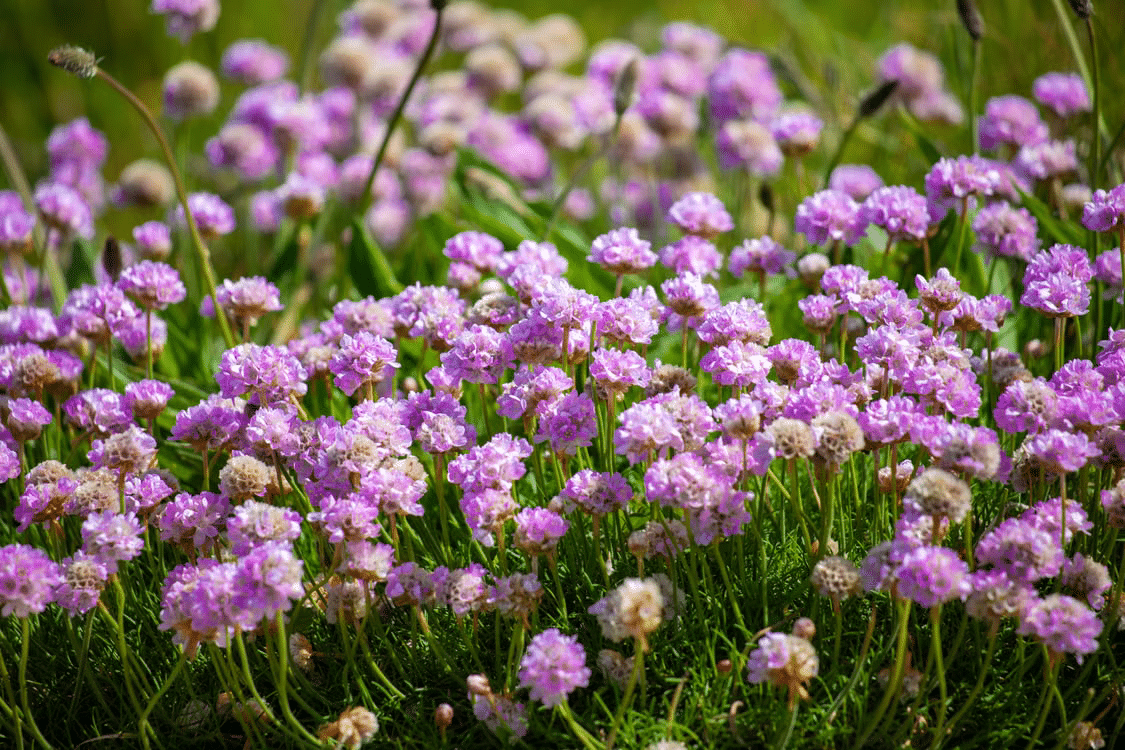
The bright pink clumps of Sea Thrift are visible from afar — long before individual flowers can be made out. This plant grows in dense tufts under 6 inches tall and clings to crevices in rocky outcrops right where the surf crashes with the greatest force.
From a kayak, this vibrant splash of color can be spotted from about 20 feet away. Few coastal plants can withstand such a combination of bare rock and salt.
Rugosa Rose
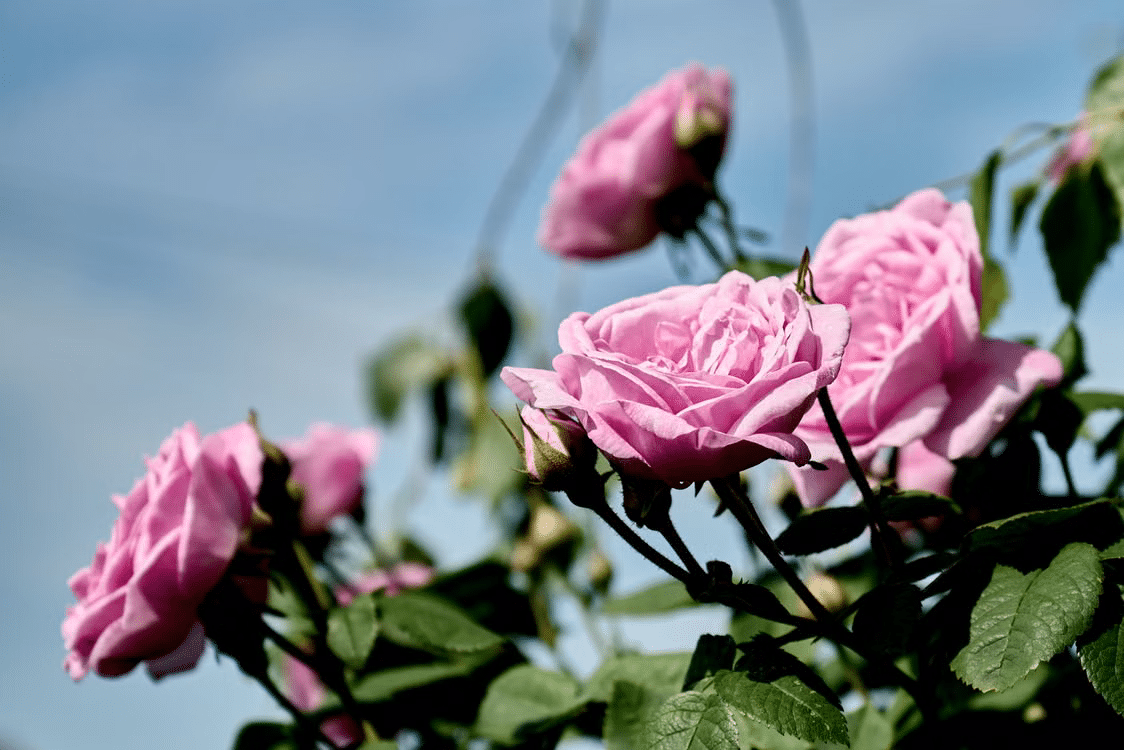
The Rugosa Rose is hard to miss when it bears fruit. It reaches 4 to 6 feet in height and just as wide. Bright pink flowers give way to red hips nearly 1 inch across, which remain on the branches well into autumn. It typically forms thickets on sand dunes, a short distance back from the water’s edge. In calm weather, you can often smell the Rugosa Rose before you even see the plant itself.
Coastal Strawberry
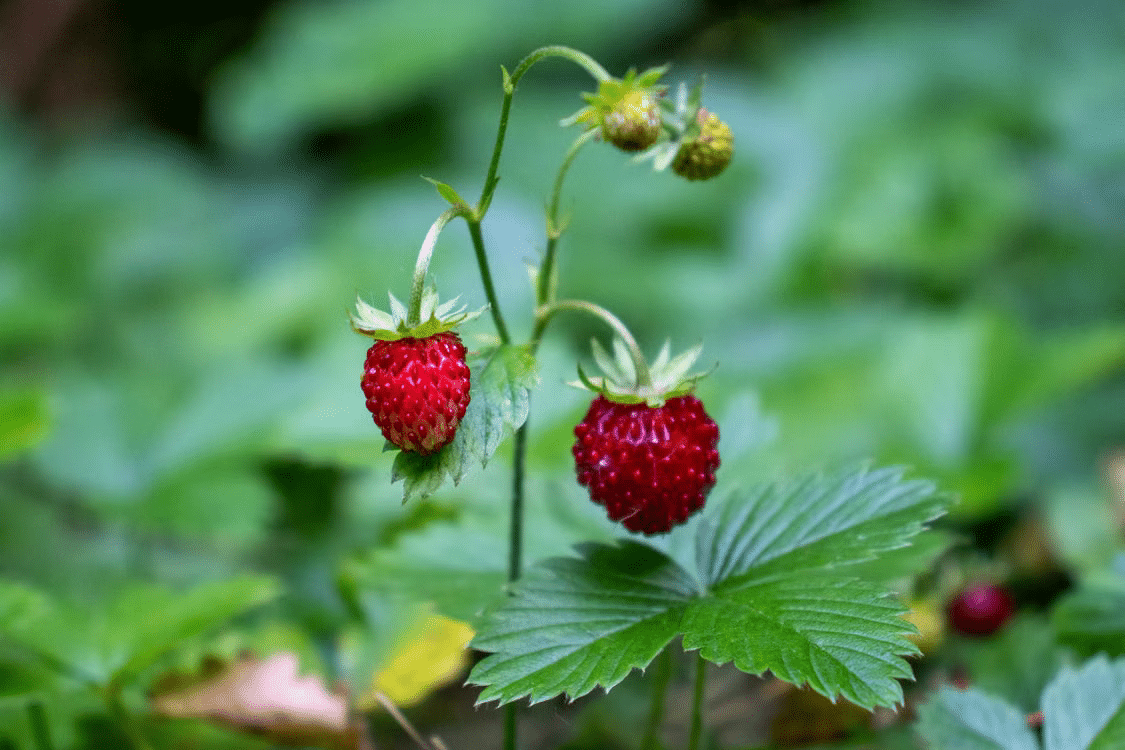
You can recognize this plant by the low glossy green mats that spread across sandy flats. They typically appear as patches 2 to 3 feet wide. Coastal Strawberry sends out red runners up to 2 feet. As they grow, they anchor the loose sand.
Tiny red berries appear in early summer, usually ripening almost simultaneously. Shorebirds tend to clean the berries out fast, so don’t expect much of a harvest. These beach plants do more for erosion control than for snacking.
Pacific Wax Myrtle
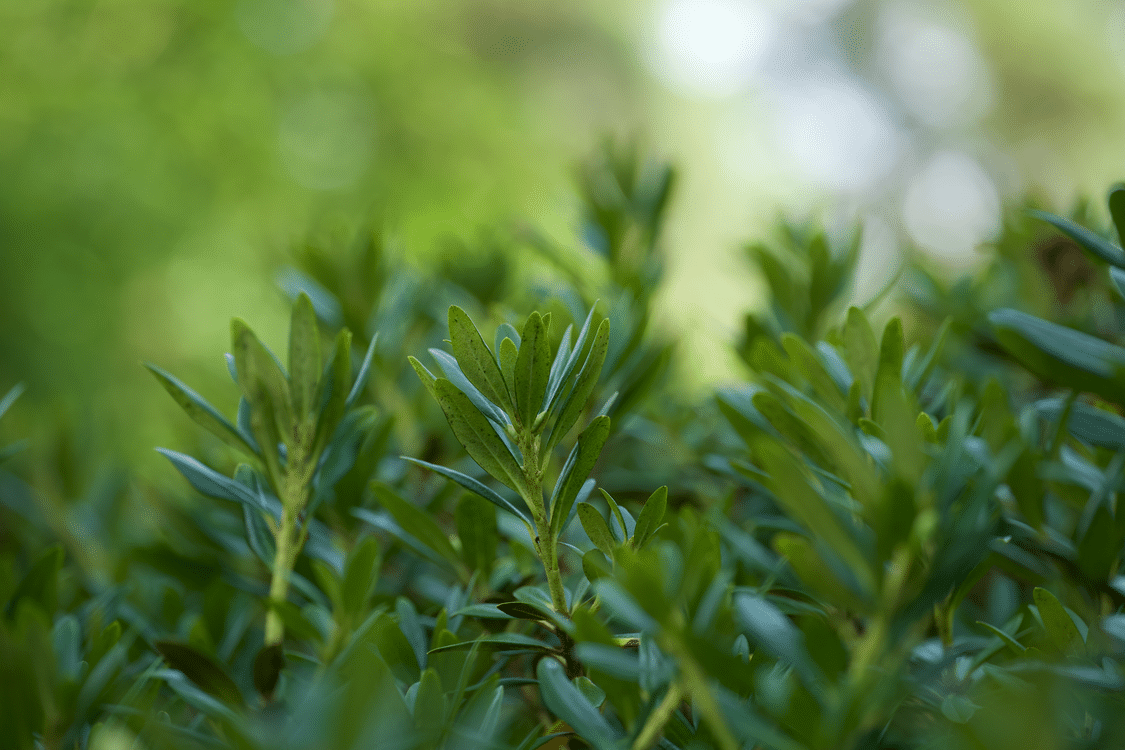
A sharp, waxy smell usually gives Pacific Wax Myrtle away before you even see it. Crush one leaf, and you can feel the scent almost instantly. Mature shrubs form dense hedges 8 to 15 feet tall along forested shorelines.
Small purple berries carry songbirds through winter, when almost nothing else is fruiting. The shrub also works as a windbreak, so look for calmer water just downwind of a stand.
Sea Lavender
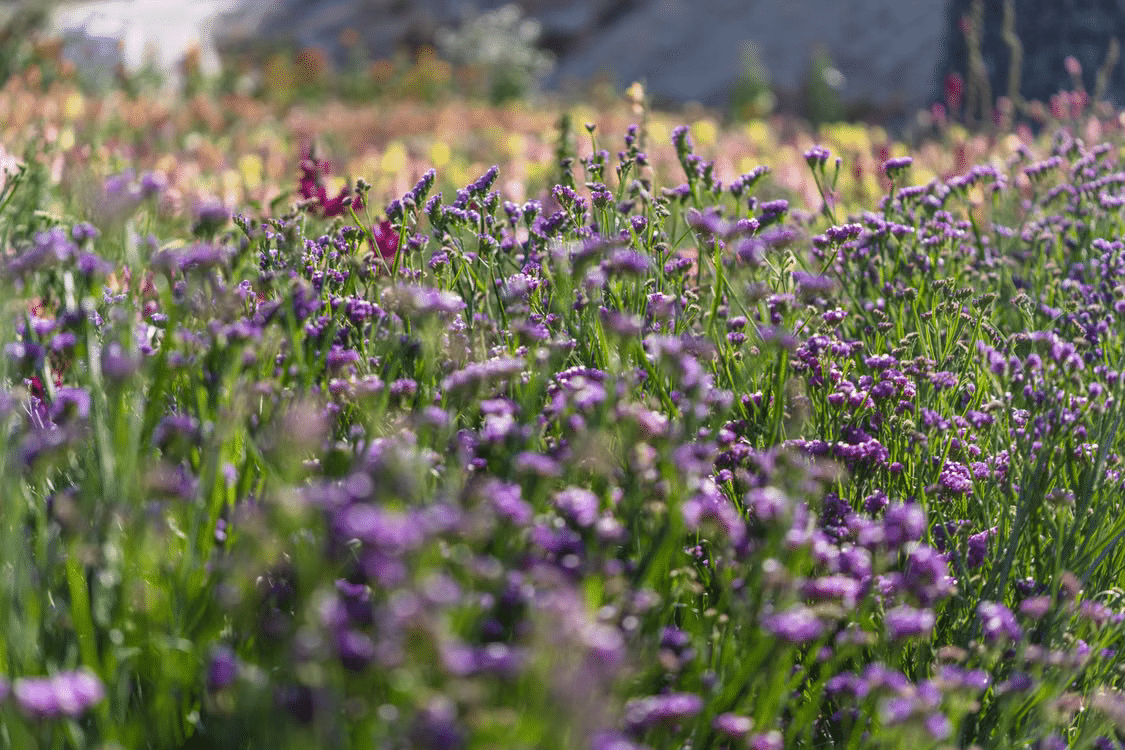
In mid-summer, salt marshes take on a purple haze as the coastal flowers of the Sea Lavender bloom. The plant flowers for nearly 10 weeks, from July to September, and rarely grows taller than 1 foot. At low tide, vast stretches of the coastline can appear tinged with its color from a distance. Despite its name, it has nothing in common with the lavender used in cooking.
Puget Gumweed
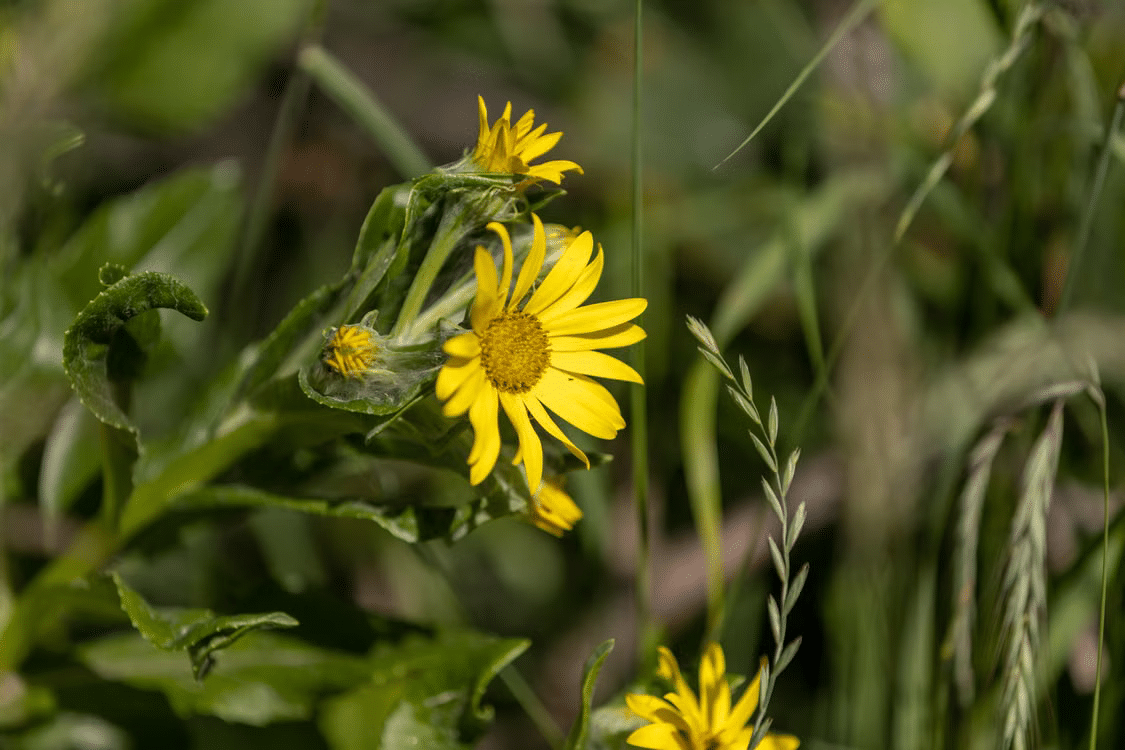
This plant stands out on rocky bluffs with its yellow, sunflower-like flower heads atop stems about 2 feet tall. Puget Gumweed has sticky, resinous bracts that give it a slightly glossy appearance up close. It’s easy to spot through most of late summer.
Bees rely heavily on this plant for a period of 6–8 weeks, precisely when most other coastal species have finished blooming. To see the plant at its best, paddle past open headlands in August or September.
Shore Pine
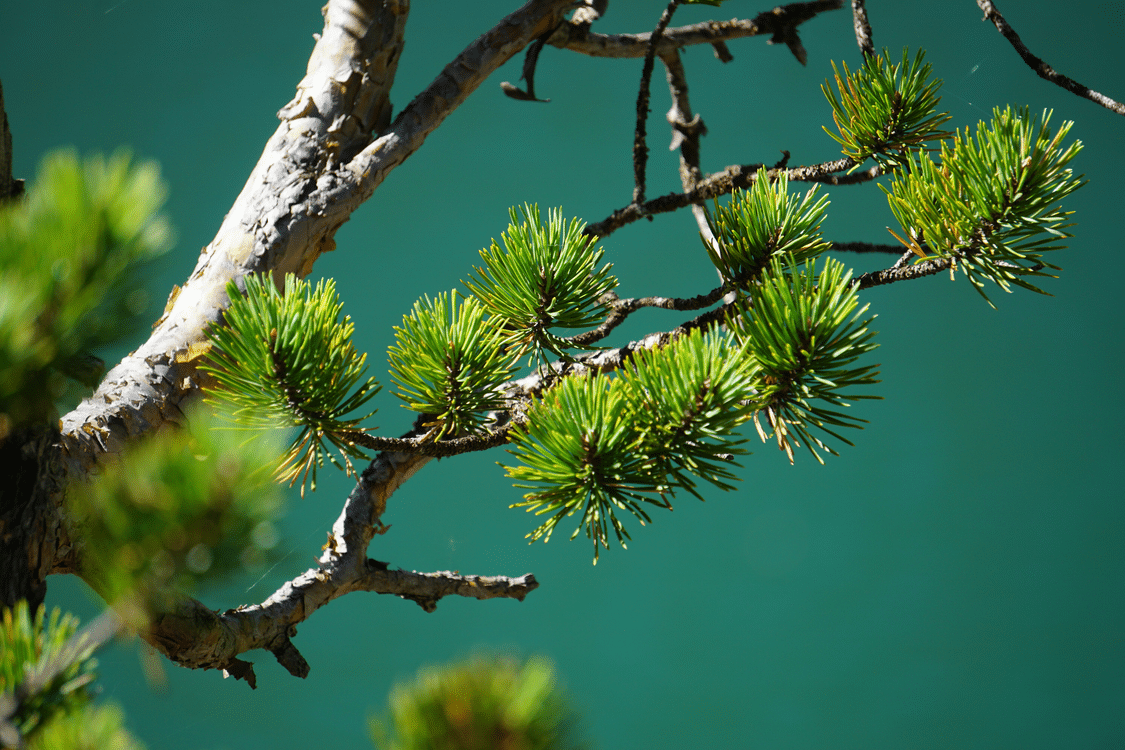
A distinctive feature of this tree is its trunk, twisted and bent by the wind. The shore pine rarely grows straight. Constant winds and salt spray slow its growth so significantly that a 50-year-old tree may reach a height of only 20 feet.
You can find these coast plants on cliffs near the water’s edge and on rocky headlands. Their gnarled silhouettes stand out sharply against the smooth coastline.
Seablush
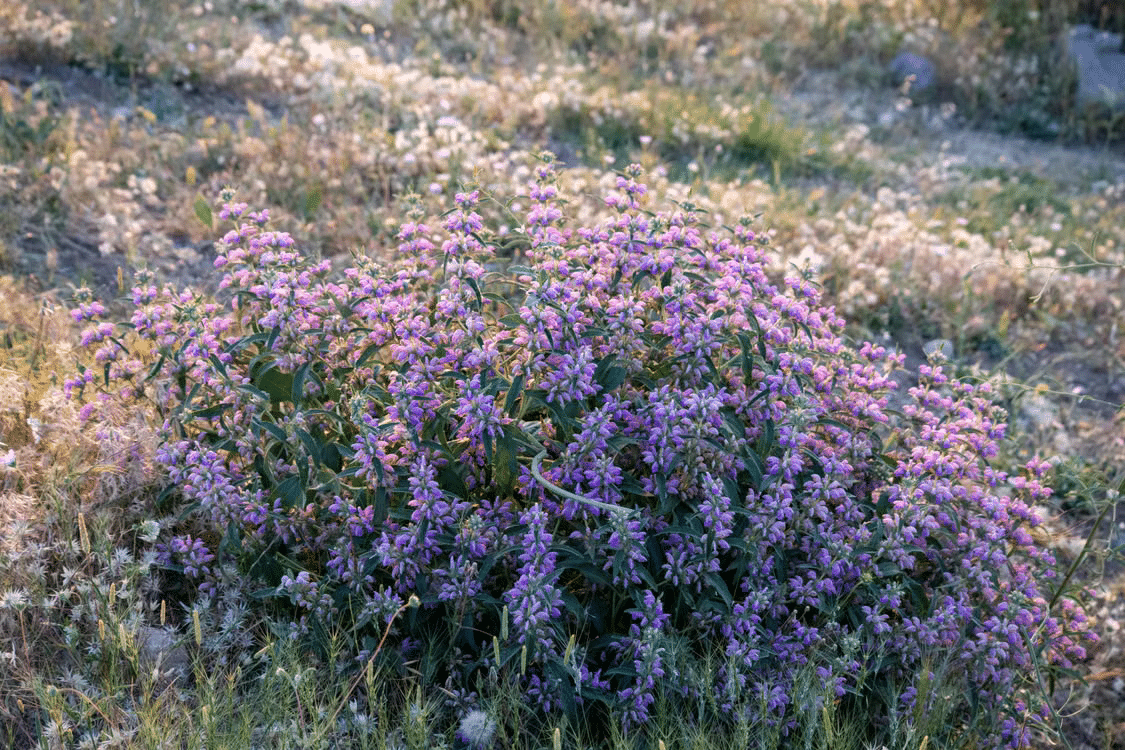
Every spring, pink flower clusters appear on moist, grassy coastal terraces. Seablush rarely grows taller than 10 inches, and its blooming period usually lasts 3–4 weeks. Unlike most of the hardier coastal species growing nearby, this is an annual plant. It comes back from seed every year, usually just above the reach of Sea Thrift and other salt-tolerant flowers.
Yarrow
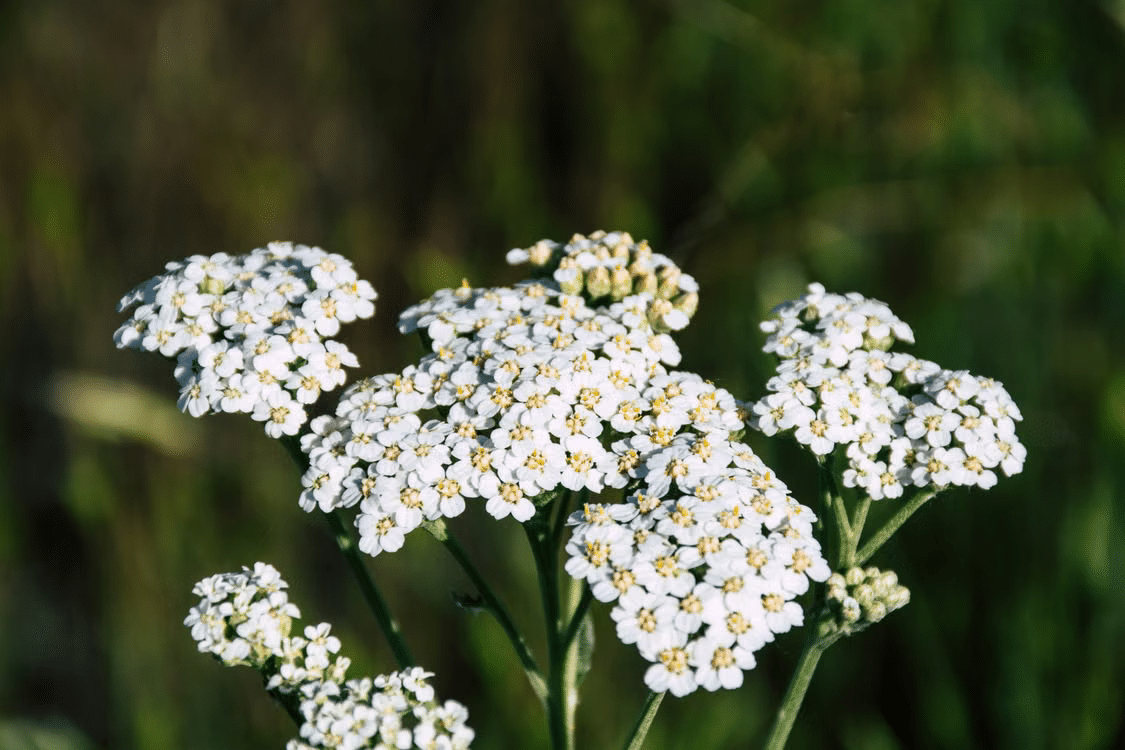
The plant’s name is linked to Achilles from ancient Greek legend, though you would recognize it even without knowing the story. Yarrow reaches a height of 1–3 feet and produces flat, lacy clusters of white or yellow flowers. Look for it on dry bluffs and sandy soils well above the high-tide line.
Poor or saline soil hardly hinders its growth, which is partly why yarrow is so common in seaside gardens. It blooms from early summer through late autumn, sometimes for as long as six months.
Northern Sea Oats
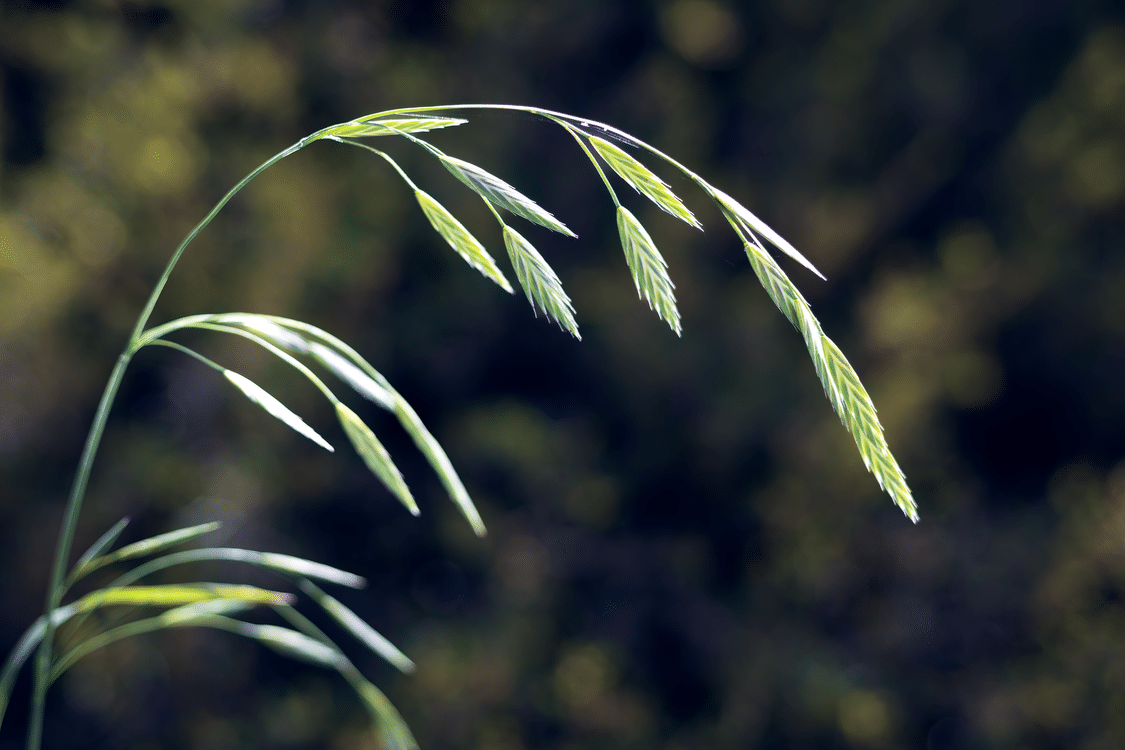
Rattling seed heads usually give this plant away before you see it. Northern Sea Oats can reach a height of nearly 6 feet, with leaves stretching close to 2 feet long. It grows on the upper sections of dunes and in the strip of grass stretching just beyond the beach. By early autumn, its bronze hue deepens and takes on a rich copper color.
Eco-Friendly Paddling and Real-Time Plant Identification
Getting close to shore is part of the fun. But coastal beach plants and the ground under them are more fragile than they look.
Careful behavior by paddlers helps preserve these natural areas for the next person. Here is what you need to know before stepping out of your kayak:
- Land only at marked access points. Dune vegetation rarely comes back once foot traffic crushes its roots, and unmarked spots usually sit on the most fragile ground.
- Never climb the dune faces. The sand only holds together because of roots sitting a few inches under the surface, and even a short climb can break that structure.
- Keep clear of Sea Thrift and Yarrow. These plants can take years to grow once they’re crushed.
- Pack out every piece of trash. Food scraps pull animals away from their normal feeding and nesting grounds, even in small amounts.
- Photograph plants instead of picking them. Picking even a few flowers can cut seed production for that whole patch, which matters most in marsh or dune habitat.
A little care goes a long way in protecting coastal habitats. By sticking to designated access points and leaving plants undisturbed, paddlers can enjoy the shoreline without adding unnecessary pressure to these sensitive ecosystems.