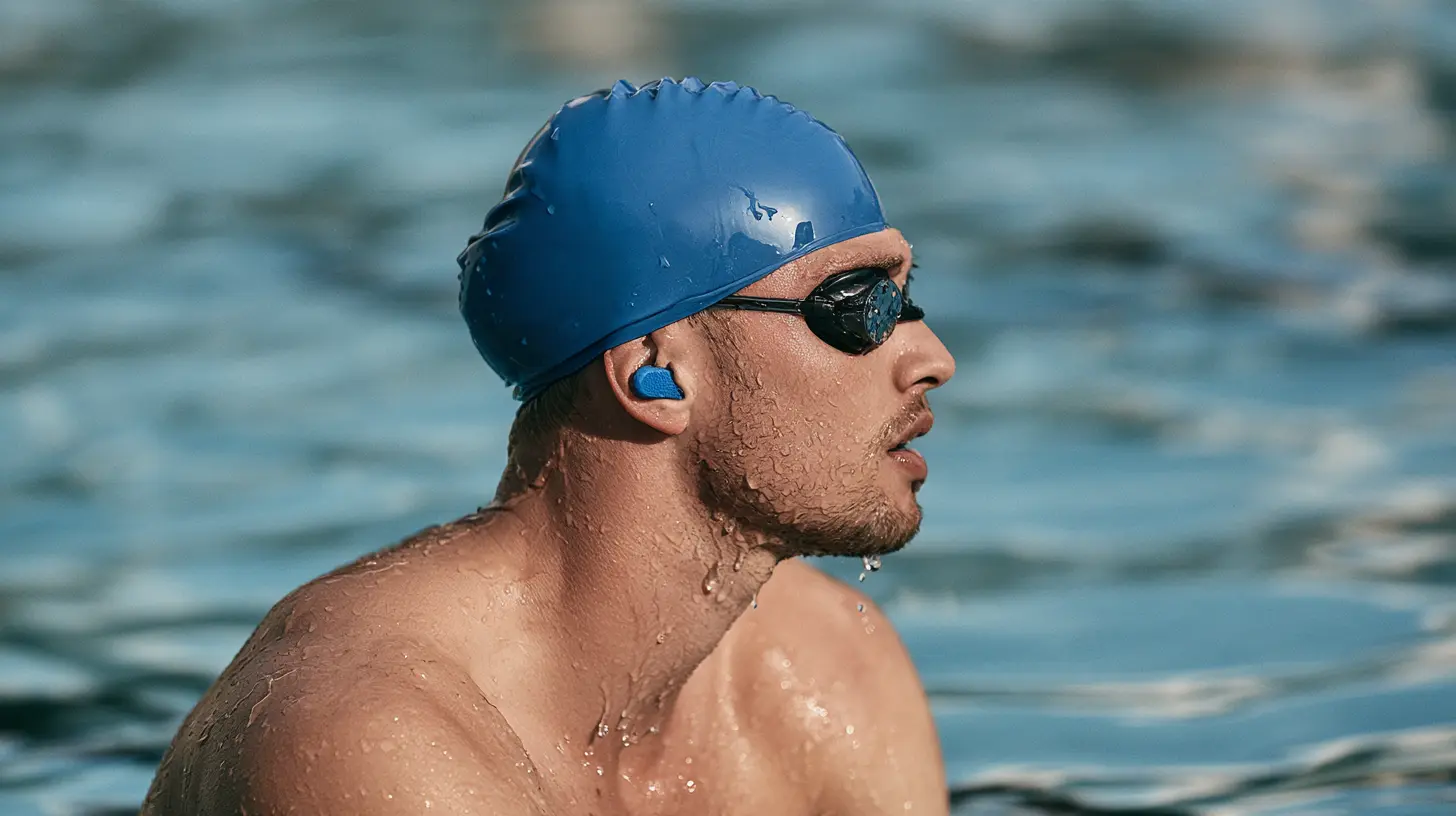
Finding the best earplugs for swimming starts with understanding that ears don’t all seal the same way.
After testing a few styles, I found that moldable putty options like Mack’s Pillow Soft can be a comfortable choice for swimmers who prefer a soft seal over the ear opening rather than placing a plug deeper inside.
For regular lap swimming, pre-shaped options like Speedo Ergo may work better for those who want a more secure fit during turns and repeated movement.
Open-water swimming often needs a different seal altogether, as wind, colder water, and longer sessions can affect how well a basic pool earplug stays in place.
Comfort, stability during swimming, and water protection all matter when choosing the right pair. The best option depends less on brand name and more on ear shape, swimming habits, and the environment where you swim.
Why Do You Need Earplugs While Swimming?
Swimming offers several benefits, from supporting cardiovascular fitness and muscle strength to providing a low-impact workout.
However, spending time in the water can sometimes leave the ears feeling uncomfortable.
Swim earplugs help keep water out of the ear canal, which can help swimmers who experience ear discomfort or irritation after swimming.
They can provide added protection in pools, lakes, and other water environments where prolonged exposure may leave the ears feeling uncomfortable.
Earplugs may be especially useful if you swim regularly, have sensitive ears, or simply prefer to limit water entering your ears.
They can also make swimming more comfortable by reducing the need to drain water from your ears afterward. The right pair should create a secure seal without feeling too tight, causing pressure, or slipping during movement in the water.
Types of Earplugs for Swimming
Swim earplugs differ in shape, material, fit, and how they seal the ear. Understanding the main types makes it easier to choose one based on comfort, water protection, and you swimming style.
|
Type |
Key Feature |
Best For |
|---|---|---|
|
Moldable silicone |
Covers the ear opening |
Children, comfort |
|
Pre-molded silicone |
Flanges create a seal |
Regular swimmers |
|
Vented plugs |
Lets some sound through |
Hearing surroundings |
|
Custom-molded |
Personalized ear fit |
Frequent swimmers |
|
Foam plugs |
Mainly blocks noise |
Not ideal for swimming |
Each type has its own advantages, so the best option depends on your fit and comfort preferences. For regular swimming, choose plugs designed to keep water out rather than relying on standard noise-reducing earplugs.
7 Best Ear Plugs for Swimming
These swimming plugs come in moldable, pre-shaped, vented, and child-sized designs, so the right pick depends on your ear shape, how often you swim, and whether you’re in a pool or open water .
1. Mack’s Pillow Soft Silicone Earplugs for a Moldable Fit

Mack’s Pillow Soft uses moldable silicone putty that covers the ear opening rather than entering the canal.
Shape a whole plug over clean, dry skin to create a water seal. Its noise reduction rating is 22 decibels.
After trying it, I found the soft silicone shape comfortable because it creates a gentle seal without the causing ear pain. It works best when molded properly over clean, dry skin, as a loose fit can affect water protection.
Olivier Poirier-Leroy, founder of YourSwimLog.com and a two-time Olympic Trials qualifier, has named Pillow Soft his top pick for years, citing its leak-free fit and low cost.
Mack’s own directions say to discard a plug once it’s dirty or no longer sticky, typically after about five uses, and warn against scuba diving or depths over 10 feet.
|
Pros |
Cons |
|---|---|
|
Moldable outer-ear seal |
Limited reuse |
|
Does not enter the canal |
Can collect dirt and debris |
|
Low cost |
Not suitable for scuba diving |
|
Easy to shape |
Must be replaced when no longer sticky |
Best for: Swimmers who prefer a moldable seal without inserting plugs into the canal.
Price: These cost approximately $7 for a six-pair pack
2. Speedo Ergo Ear Plugs for Lap Swimming
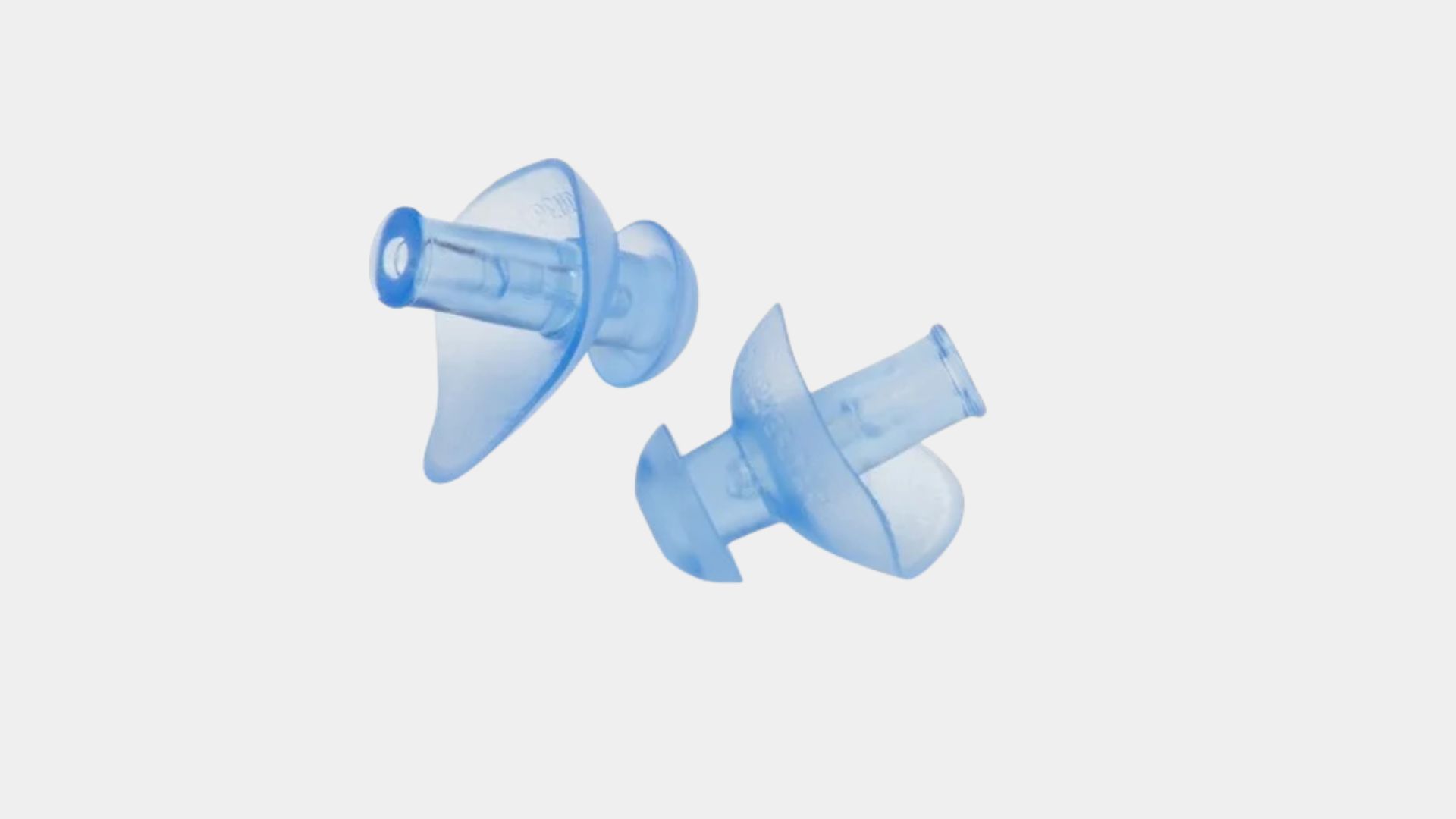
Speedo Ergo earplugs have a shaped design that follows the ear’s contours, making them a practical pick for lap swimming. They are easy to insert and remove, and they come with a reusable case.
This particular option has also been mentioned on various community forums like Reddit among the top swimming earplug choices, highlighting its asymmetrical design and ability to stay in place during starts, turns, and longer sets.
|
Pros |
Cons |
|---|---|
|
Shaped for a secure fit |
Fixed shape may not suit every ear |
|
Easy to insert and remove |
Less customizable than putty |
|
Suitable for lap swimming |
May require adjustment |
|
Includes a case |
Can be easier to lose if removed poolside |
Best for: Lap swimmers looking for affordable plugs with a simple, shaped fit.
Price: Expect to pay around $5-$9 for one pair.
3. Mack’s AquaBlock Earplugs for Reusable Value
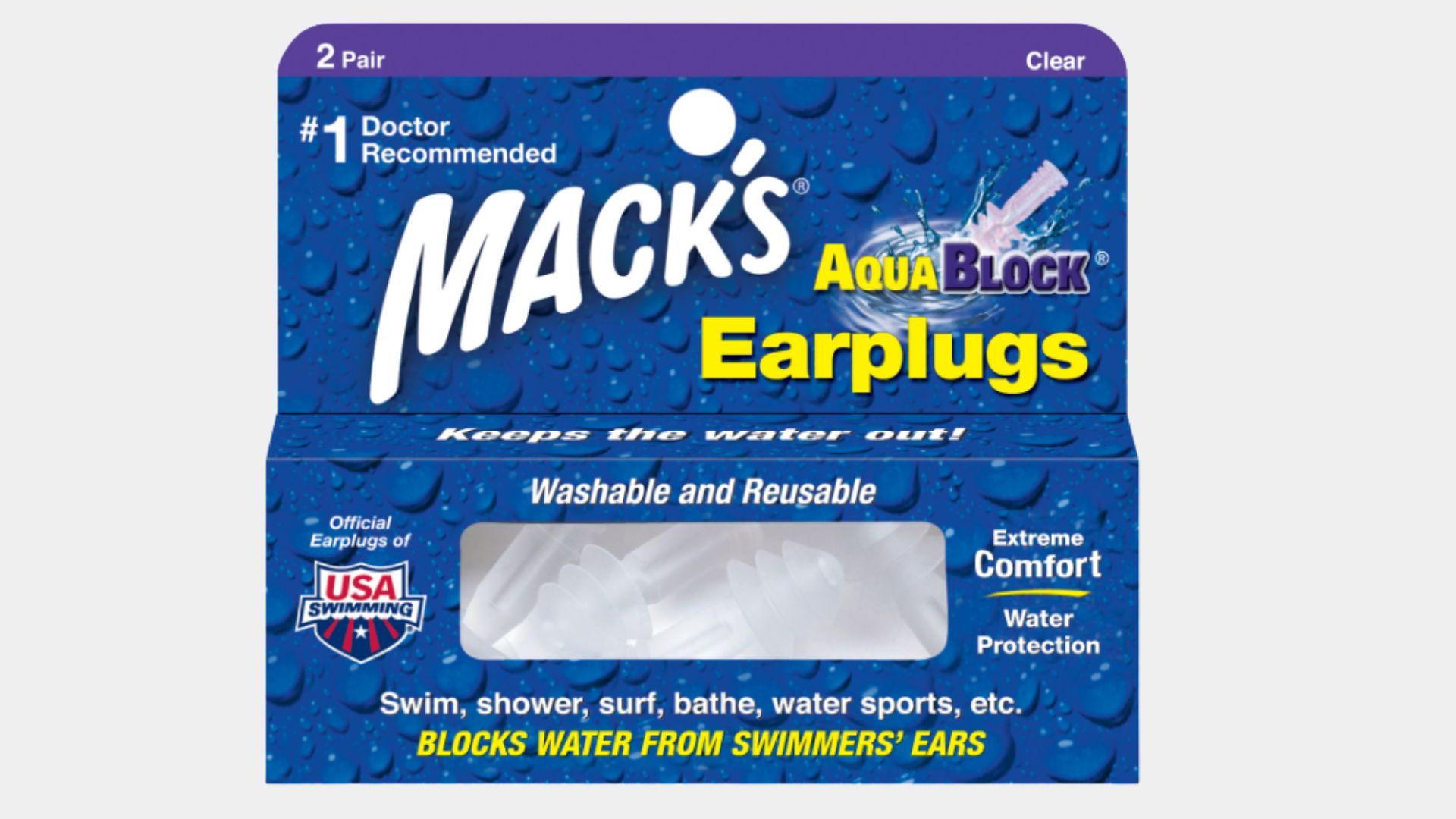
Mack’s AquaBlock combines soft silicone, three sealing flanges, and a flexible stem for a reusable alternative to putty.
Wash the plugs with mild soap and warm water, then dry them before reuse. Mack’s recommends replacing them every two to four weeks with daily use.
Getting the seal right may take adjustment, so these suit swimmers comfortable with inserting flanged plugs.
|
Pros |
Cons |
|---|---|
|
Washable and reusable |
Requires correct insertion |
|
Three sealing flanges |
Can feel less comfortable than putty |
|
Flexible stem |
Needs regular cleaning |
|
Low replacement cost |
Must be replaced as the material wears |
Best for: Regular swimmers who want washable, reusable earplugs at a low price.
Price: A single pair costs approximately $5-$7, with a storage case included.
4. Alpine SwimSafe Earplugs for a Silicone-Free Option
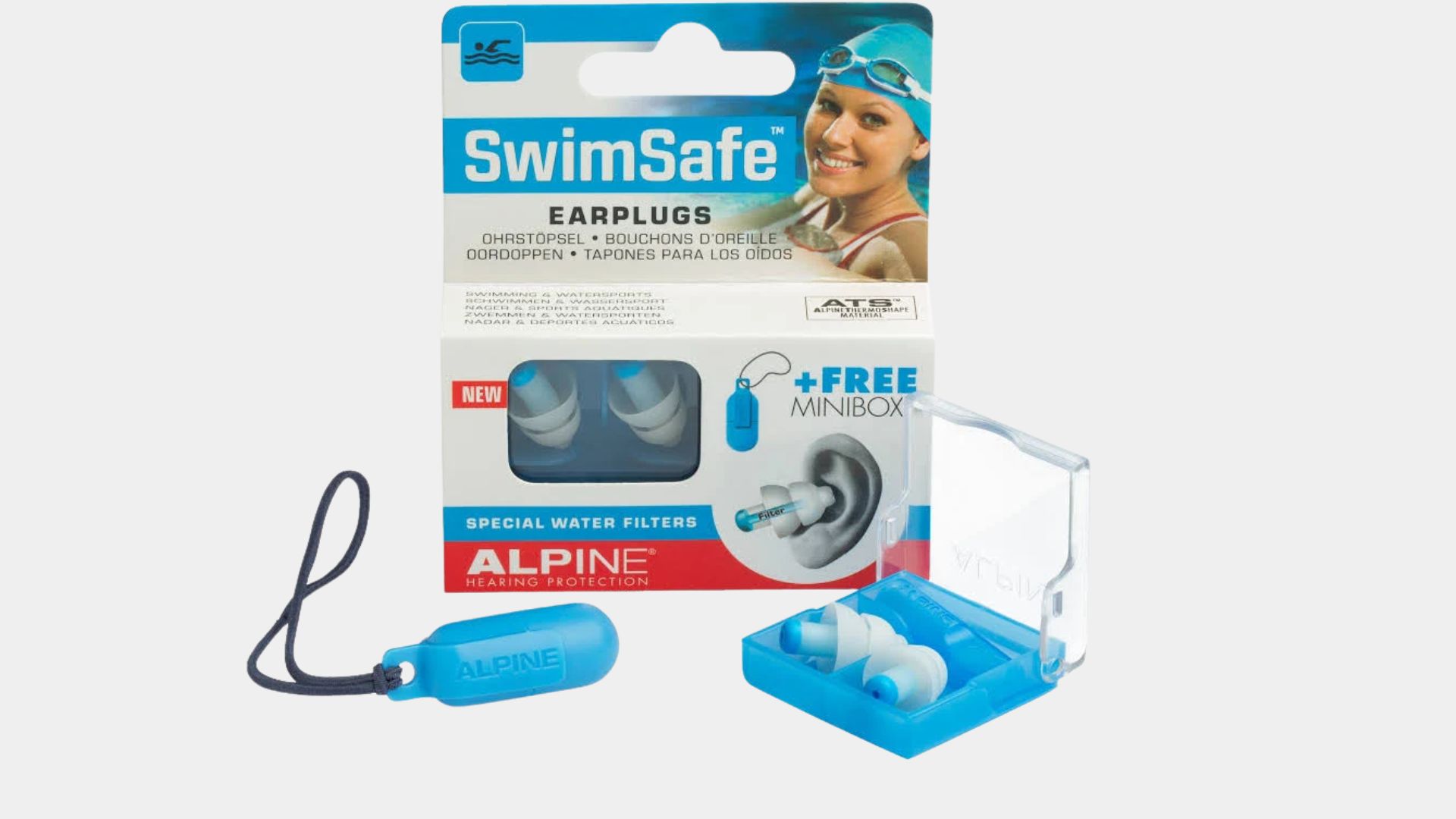
Alpine SwimSafe uses a soft, silicone-free material that adapts to the ear canal.
Its acoustic filters let conversation and surrounding sounds through while keeping water out.
When I tried Alpine SwimSafe, I liked that it felt less blocking compared with fully sealed earplugs. The design lets some surrounding sounds through while still helping keep water out while swimming.
Alpine lists a light sound reduction of 10 decibels and says they can be reused up to 100 times. The main limitation is depth: these plugs suit up to 1 meter underwater, not diving.
|
Pros |
Cons |
|---|---|
|
Silicone-free construction |
Higher price than basic plugs |
|
Allows more surrounding sound |
Not intended for diving |
|
Reusable |
May not suit swimmers wanting maximum sealing |
|
Adaptable fit |
Requires proper positioning |
Best for: Swimmers seeking silicone-free plugs that let more surrounding sound through.
Price: One pair costs around $17 and includes a small storage box.
5. SurfEars 4.0 for Open-Water Swimming
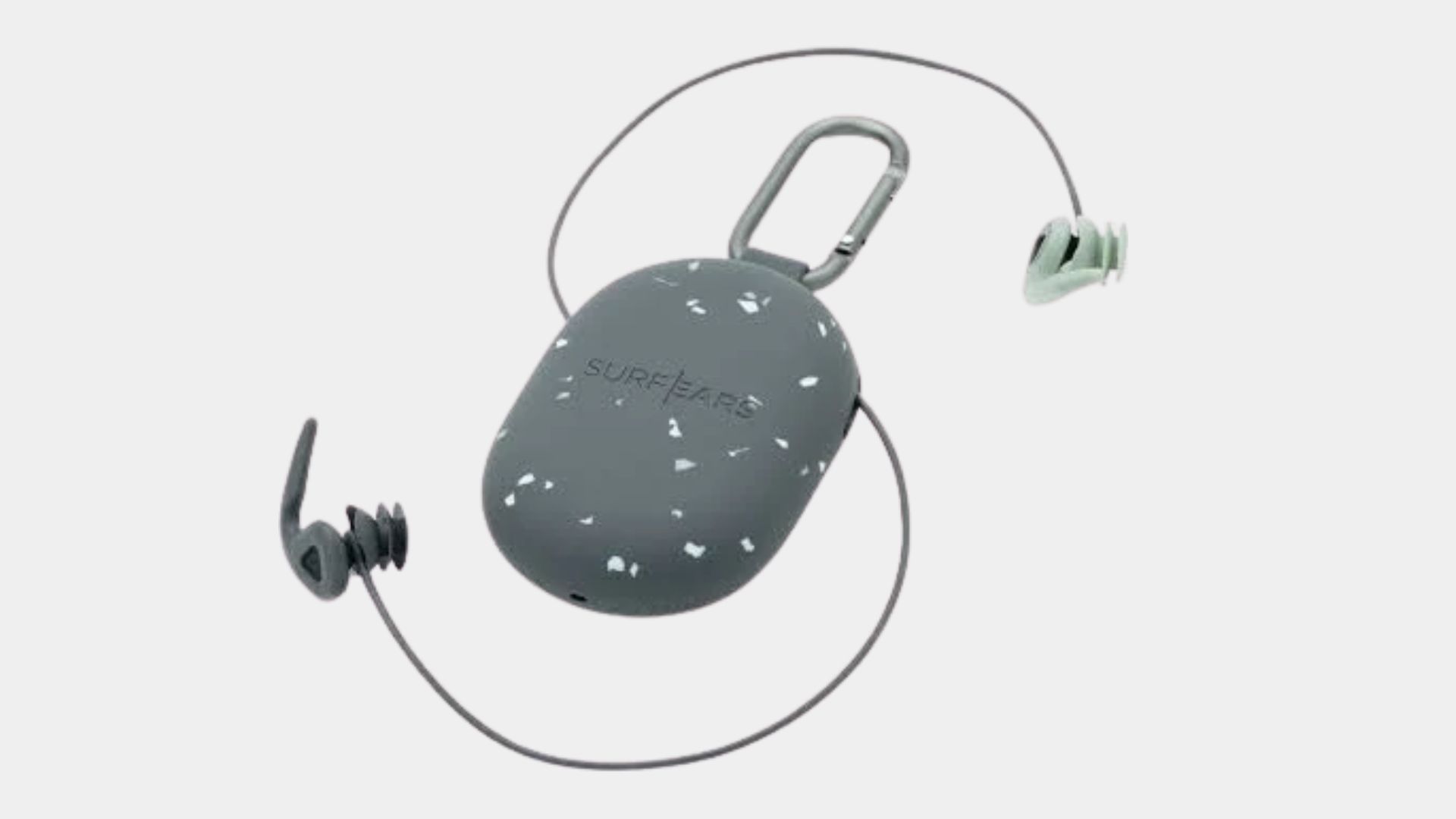
SurfEars 4.0 offers four gel sizes, interchangeable wings, and a wingless option to help swimmers adjust the fit.
A detachable leash reduces the chance of losing a loose plug, while the ventilated silicone case has a magnetic closure.
The vented design aims to preserve hearing while blocking water. Its main drawback is cost: it is the most expensive option here.
Outdoor Swimmer’s JT found SurfEars 4.0 soft and exceptionally comfortable in the pool, while still allowing enough sound to hear a coach.
|
Pros |
Cons |
|---|---|
|
Multiple fit options |
Most expensive option here |
|
Vented design |
More parts to manage |
|
Detachable leash |
May be unnecessary for pool swimmers |
|
Designed for open-water use |
Higher upfront cost |
Best for: Open-water swimmers who value adjustable sizing and a detachable safety leash.
Price: Expect to pay approximately $60 per pair, including interchangeable fit pieces, a detachable leash, and a storage case.
6. Arena Earplug Pro for a Three-Ring Fit
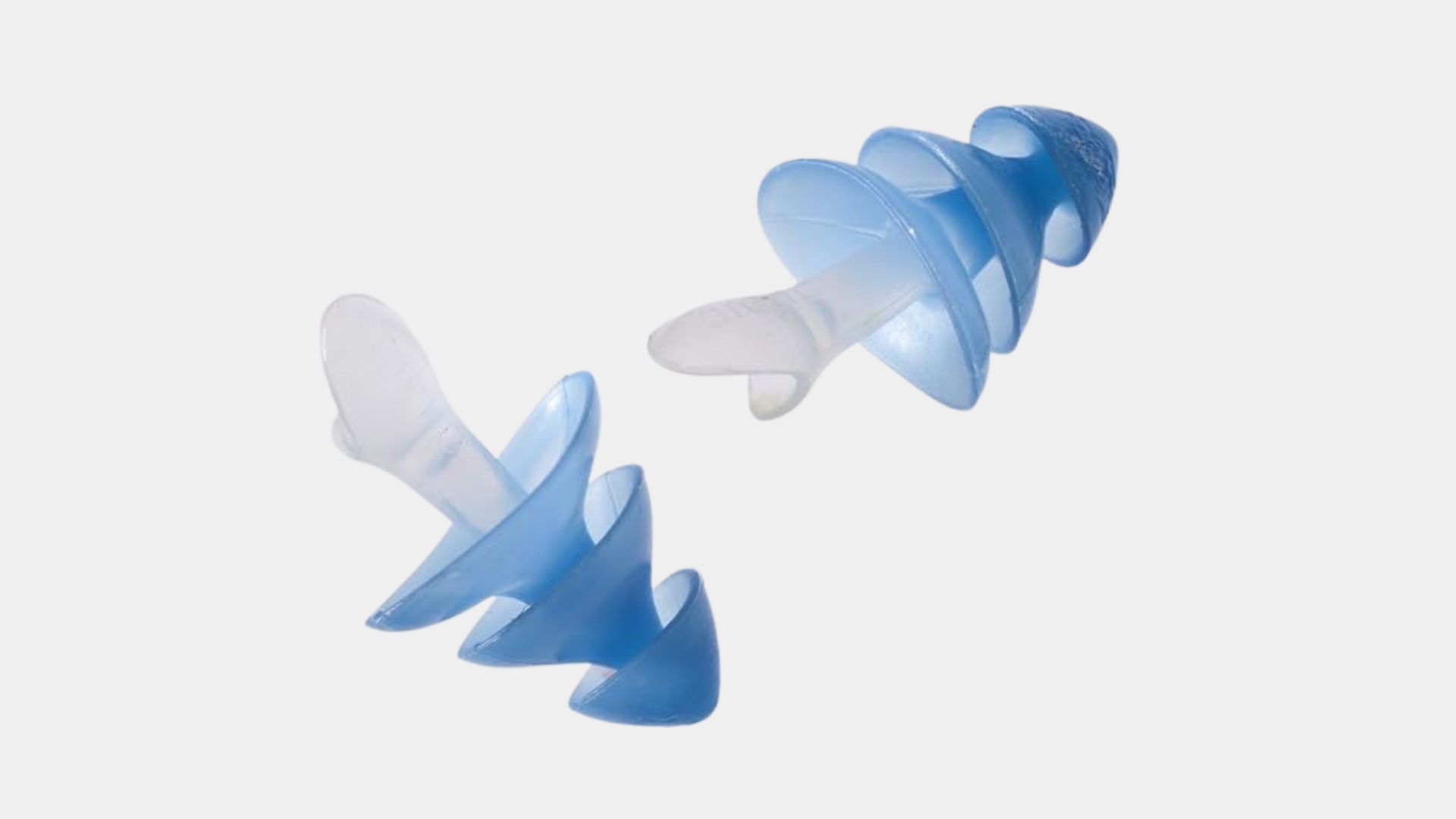
Arena Earplug Pro has three silicone rings, including a larger outer ring designed to limit how far the plug enters the ear.
Its hollow stem is intended to help sound pass through, and it includes a carrying case.
Check the product name carefully before ordering: Arena sells other earplug models, and their features should not be confused with this version.
|
Pros |
Cons |
|---|---|
|
Three-ring sealing design |
Fit depends on ear shape |
|
Larger outer stop |
Requires proper insertion |
|
Allows some sound through |
May feel different from moldable plugs |
|
Reusable and durable |
Price varies by retailer |
Best for: Swimmers who prefer a three-ring plug with a larger outer stop.
Price: A pair costs around $10- $12, though the price varies by retailer.
7. TYR Kids’ Soft Silicone Ear Plugs for Young Children

TYR’s kids’ earplugs use soft, moldable silicone and come in a pack of six pairs with a carrying case.
The brand recommends them for swimmers aged six and under. Customer feedback is mixed: one reviewer praised them for swimming and sleep, while another parent said they would not stay in place.
On SwimOutlet, one reviewer who swims 1 to 3 times weekly rated TYR Kids’ Soft Silicone Ear Plugs four stars, praising the price but noting that getting a good seal can be difficult.
|
Pros |
Cons |
|---|---|
|
Soft, moldable silicone |
Customer feedback is mixed |
|
Designed for young children |
May not stay in place for every child |
|
Comes in multiple pairs |
Limited information on long-term durability |
|
Includes a carrying case |
Fit may vary between children |
Best for: Children ages six and under who need smaller, moldable earplugs.
Price: These work out to approximately $2.33 per pair, based on a six-pair pack priced at $14.
Note: Prices reflect brand and retailer listings as of September 2026 and can vary by pack size and seller.
How to Choose Earplugs for Swimming
Choosing the right swim earplugs depends on more than water protection. Fit, comfort, hearing, compatibility with your swim gear, and long-term cost can all affect which option works best for you.
- Choose Between Moldable and Pre-Shaped Plugs: Moldable putty, like Mack’s Pillow Soft or TYR’s kids’ plugs, sits over the ear opening and needs no insertion. Pre-shaped plugs, like Speedo Ergo, AquaBlock, or Arena’s Earplug Pro, go into the canal and rely on flanges or rings for a seal.
- Check Fit, Comfort, and Swim-Cap Compatibility: Read reviews for specifics: does the plug press against a swim cap, work loose during flip turns, or fail to seat in a narrow or unusually shaped canal? Those details matter more than a brand’s marketing copy
- Compare Hearing, Reuse, and Cost: A vented plug like SurfEars costs more but lets in more sound; a sealed plug like AquaBlock is cheaper but blocks more noise. Factor in replacement frequency too, since putty and washable silicone have very different lifespans.
The best choice is the one that stays secure and comfortable during a swim. Consider the seal, fit, sound level, and replacement needs together, not price alone.
How to Fit Swimming Earplugs Without Leaks
For moldable plugs, make sure your hands and ears are clean and dry. Warm the putty, shape it into a ball, and gently flatten it over the ear opening, working from the back of the ear forward without pushing it into the ear canal.
For pre-shaped plugs, pull the top of the ear up and back to straighten the canal, then insert the plug and gently twist it until it fits securely.
To remove it, twist slowly instead of pulling straight out. If water still enters, check the fit according to the manufacturer’s instructions rather than pushing the plug deeper or assuming a more expensive option will solve the problem.
How to Clean and Replace Swimming Earplugs
Proper care keeps swim earplugs clean, comfortable, and effective. Simple washing, thorough drying, and timely replacement can also help prevent buildup and material damage.
- Cleaning washable models: Rinse pre-molded silicone plugs like AquaBlock or Arena’s Earplug Pro with mild soap and warm water after each use, then dry before storing.
- Drying and storage: Keep any plug in its case between swims so it dries fully and stays away from lint or debris.
- When to replace: Discard Mack’s Pillow Soft putty once it’s dirty or no longer sticky, generally after about 5 uses. Replace washable silicone plugs every 2 to 4 weeks with daily use, or sooner if they feel hard, torn, or deformed.
A consistent care routine takes only a few minutes after each swim. Clean reusable plugs, let them dry completely, store them in their case, and replace them when wear or buildup appears.
Final Thoughts
Picking swim earplugs comes down to matching a design to your ears and your routine, not chasing a single top-rated brand.
Budget putty and pre-shaped silicone solve the same problem in different ways, and neither wins outright: one needs no insertion, the other needs practice to seat correctly.
Vented, open-water designs trade a lower price for hearing you’d otherwise lose, while kids’ sizing exists because adult plugs simply don’t fit smaller canals.
Comfort, noise level, and how long a pair lasts before replacement all shift the value equation more than the sticker price alone.
Testing a plug during a short swim, rather than a full workout, remains the fastest way to confirm it belongs in your bag.
Frequently Asked Questions
Are Custom Swimming Earplugs Worth the Cost?
Custom plugs, fitted by an ENT or audiologist, give the closest seal and use higher-grade material. Store-bought silicone plugs cost far less and work well for most swimmers without ear conditions.
Can Swimming Earplugs Be Used for Scuba Diving?
No. Mack’s warns against scuba diving or depths over about 10 feet, and Arena’s plugs also carry a no-diving warning, since pressure changes underwater can push a plug deeper. Use plugs designed specifically for diving instead.
Can Children With Ear Tubes Use Any Swimming Earplugs?
Not automatically. Mack’s recommends its moldable Pillow Soft putty over flanged plugs like AquaBlock for children with ear tubes, but a pediatrician or ENT should confirm what’s safe for your child.
Can Foam Earplugs Be Used for Swimming?
No. Foam earplugs made for sleep or noise absorb water instead of blocking it, so they don’t form a watertight seal and offer little real protection against swimmer’s ear.