
Choosing the right stretch of water is half the battle when you are learning how to paddle. Jumping straight into fast current or open ocean chop turns what should be a relaxing afternoon into an exhausting struggle, whereas calm, predictable spots let you focus on balance, stroke technique, and steering. For students trying to step away from screens, make new friends on campus, and clear their heads between exams, knowing where to practice makes all the difference.
Sheltered Lakes and Reservoirs for Total Beginners
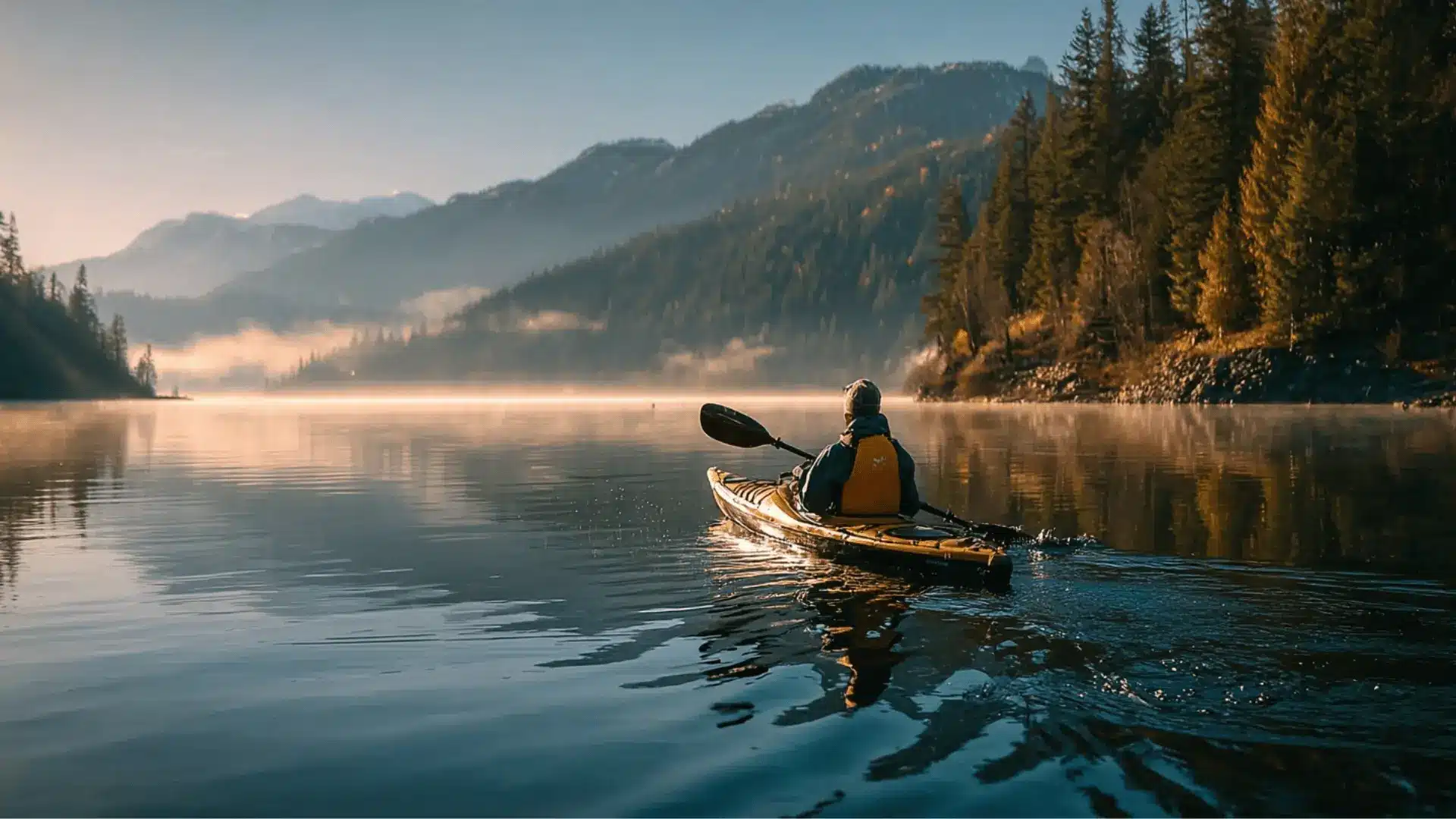
Flat, landlocked water is the ideal training ground when you are still learning how to keep a kayak moving in a straight line. Local municipal lakes, flooded quarries, and state park reservoirs eliminate currents and tides, giving you space to practice forward strokes, reverse stops, and wet exits without drifting into rocks or branches.
Morning hours usually offer glass-calm conditions before afternoon winds pick up across open water. Staying close to the shore during your first few outings makes it easy to hop out, adjust your foot pegs, or compare notes with friends paddling beside you. Many university outdoor programs rent boats directly at nearby reservoirs, offering an affordable way to build solid fundamentals.
Slow-Moving Rivers for Reading Current and Steering
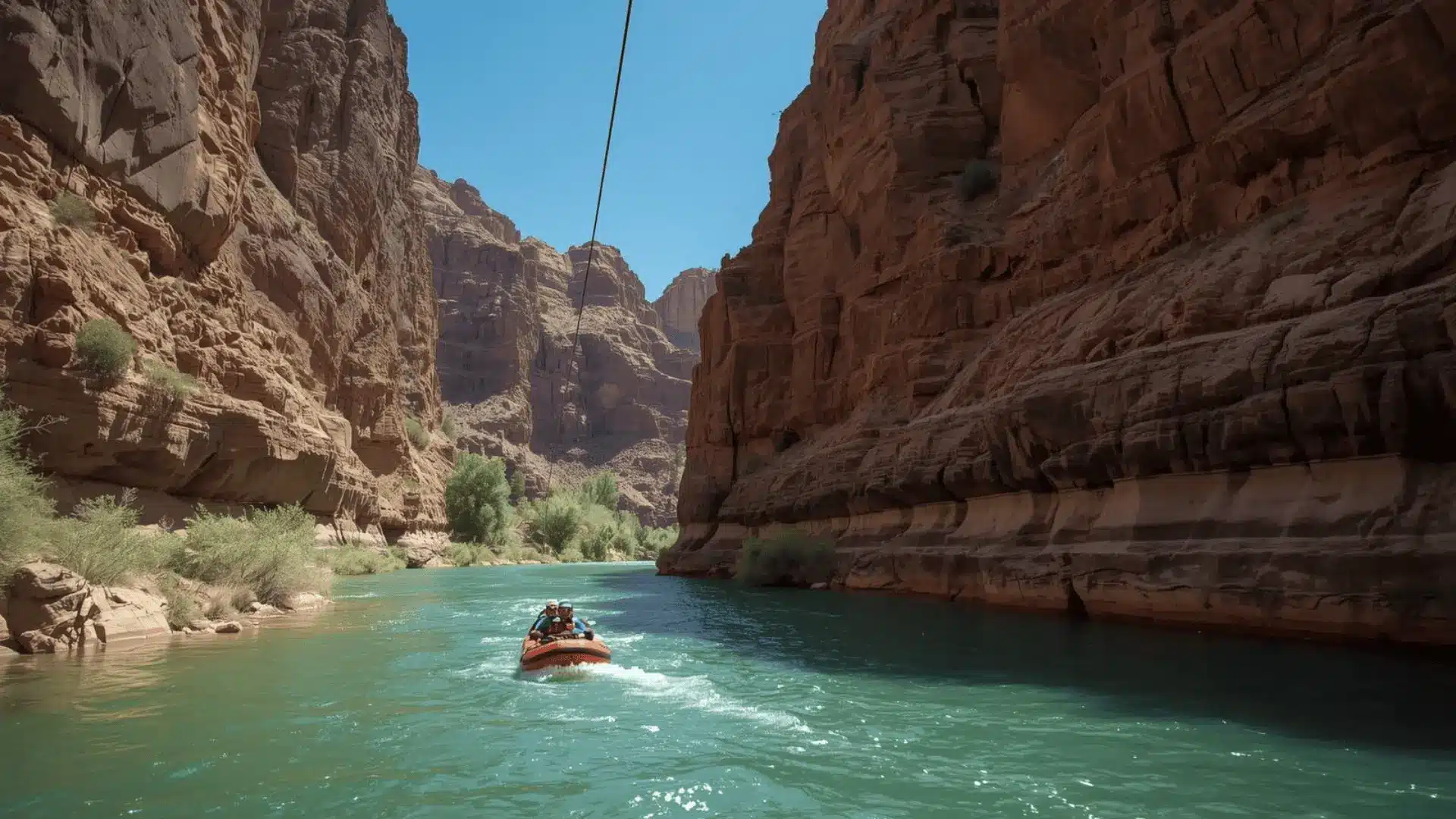
Once basic strokes feel comfortable on flat water, gentle Class I rivers introduce the subtle push of moving current without intimidating rapids. Wide, winding rivers teach you how to angle your boat across a channel, slide into calm eddies behind boulders, and read how water behaves around sandbars.
Checking local water gauges before heading out is essential, because overnight rain can turn a lazy creek into a fast, murky hazard. Paddling upstream at the start of a session is a practical habit that lets the current carry you back to the launch dock when your arms get tired, much like how planning complex coursework early with academic help from EduBirdie keeps your week manageable before deadlines hit. Developing that habit of upfront preparation saves energy both on the river and during busy semesters.
Protected Bays, Estuaries, and Urban Canals
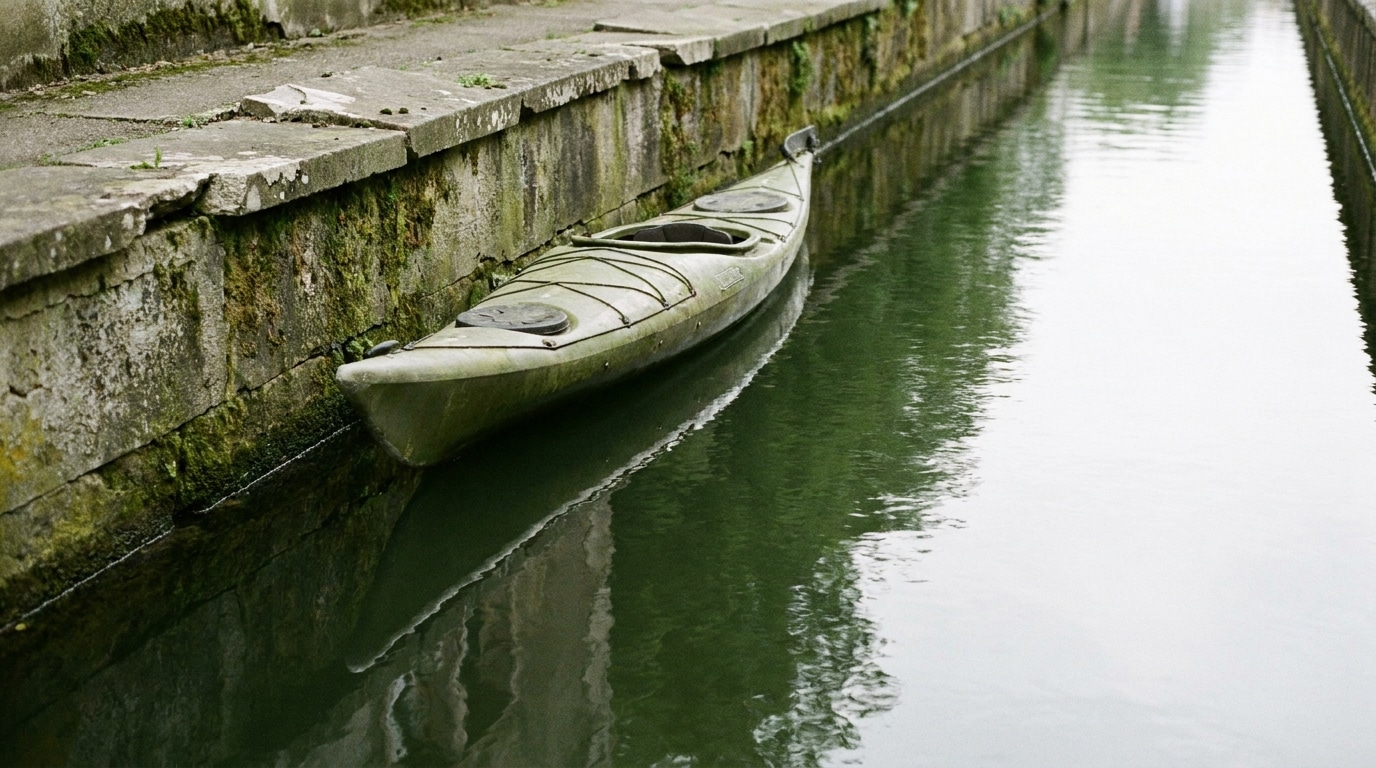
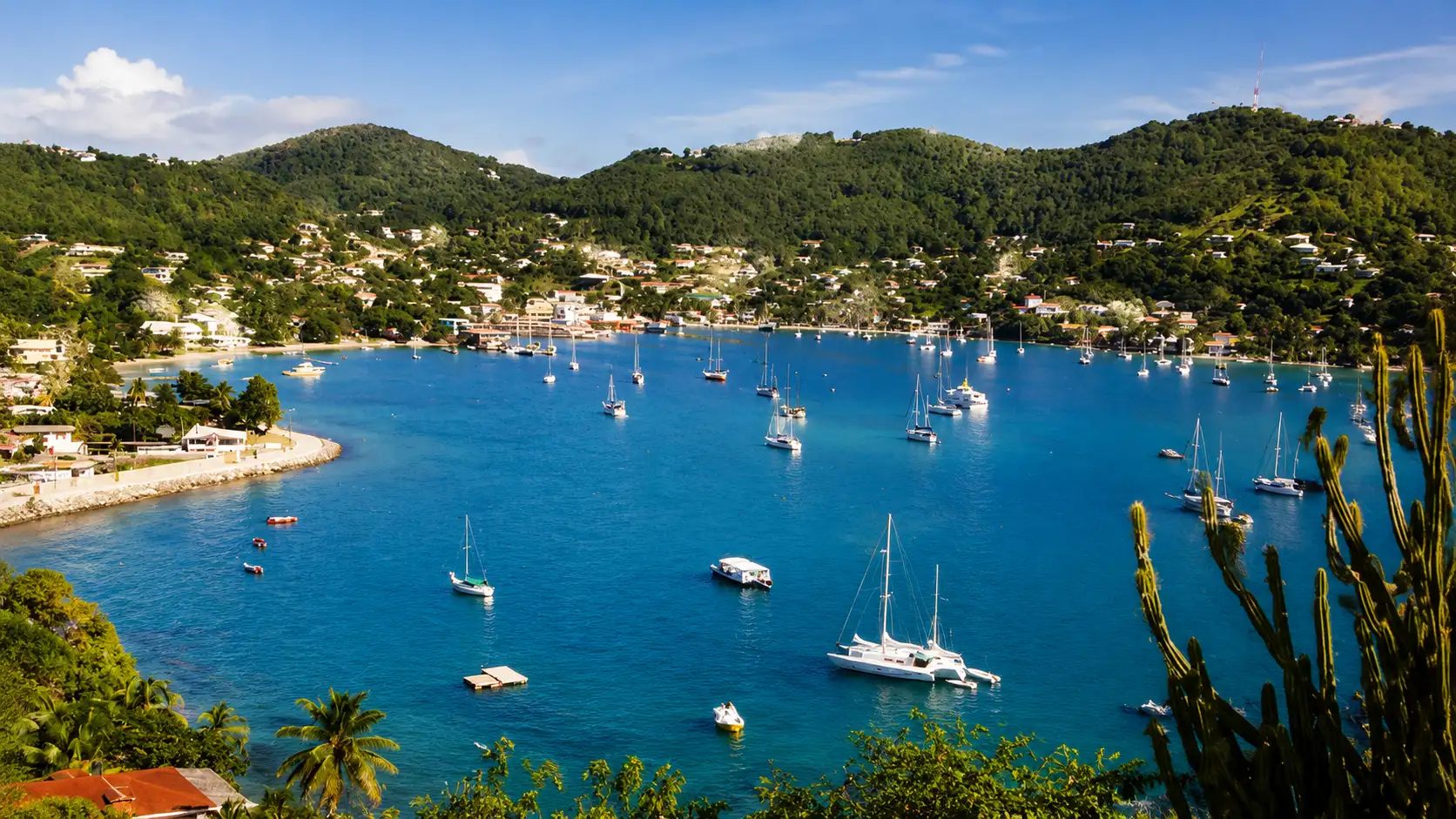
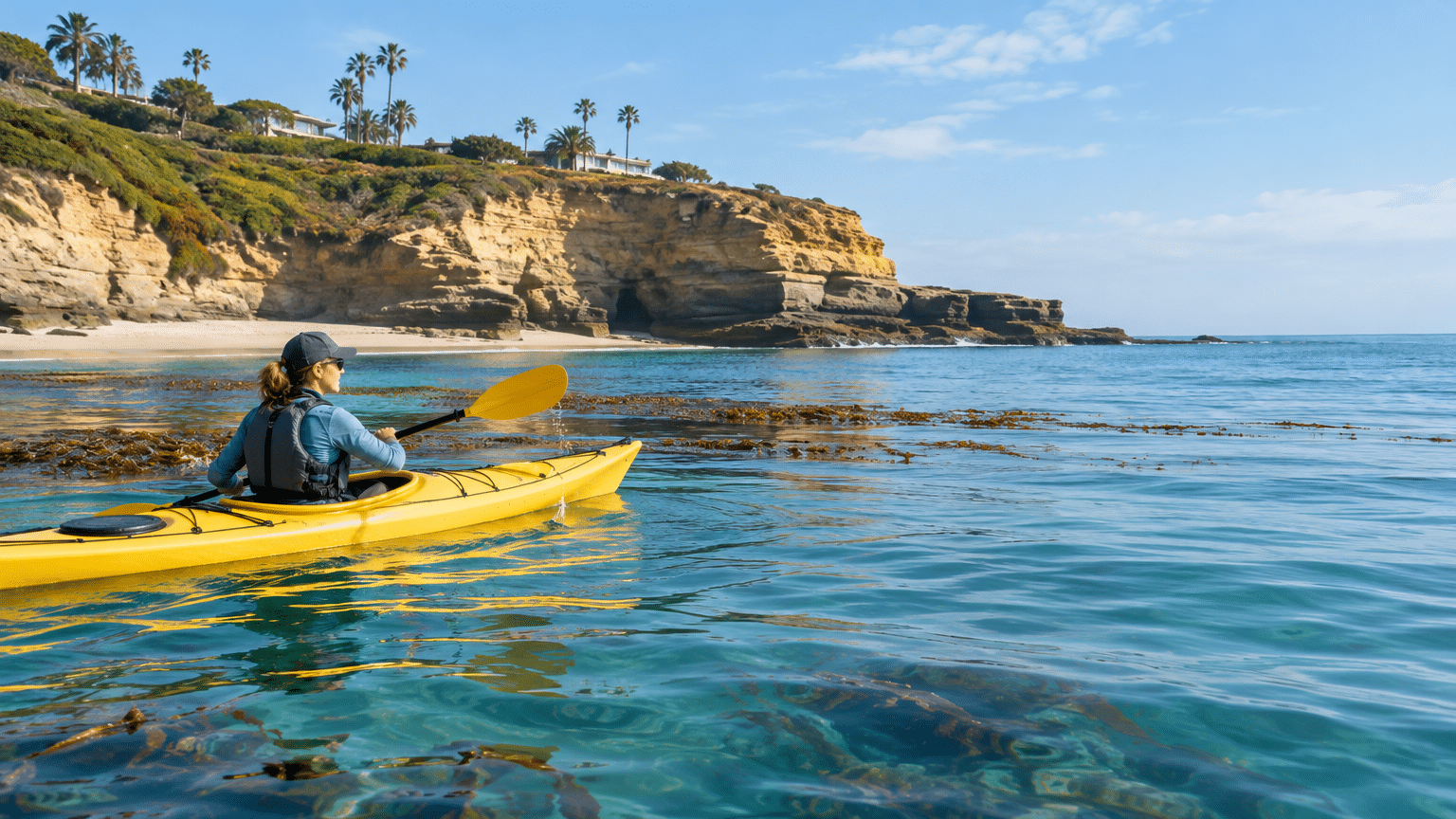
Students living near coastal towns or big cities rarely need a long road trip to get quality time on the water. Sheltered harbors, coastal marshes, and historic canal networks provide calm, scenic routes where motorboat wakes are strictly limited.
Canals work great for practicing tight pivot turns and smooth landings along narrow stone banks, while tidal estuaries let you spot shorebirds and seals along the way. Keep an eye on local tide charts whenever you paddle saltwater inlets, since a strong outgoing tide can turn a mellow return trip into a surprisingly tough workout.
Campus Outdoor Clubs and Weekend Study Balance
Beyond boat handling, regular paddling trips give students a reliable way to unwind and connect outside lecture halls. Spending a couple of hours on quiet water forces you to lock your phone in a dry bag, focus on steady movement, and leave behind the noise of crowded libraries and dorms.
University kayaking clubs also bring together people from completely different majors who bond quickly over shared shuttles, gear prep, and post-paddle coffee stops. When midterm weeks get hectic and you need to track down specific class materials before a weekend river trip, searching through the EduBirdie lecture notes database makes it easier to find what you missed and keep your study schedule on track. Balancing solid academic prep with time outdoors keeps burnout at bay all semester long.
Essential Habits Before You Push Off
Good practice sessions rely on simple preparation before your kayak ever leaves the shore. Keep these practical checks in mind every time you pack your gear:
- Dress for the water temperature: Cold water pulls heat from your body far faster than cool air, so wear quick-drying synthetics or a wetsuit layer even on sunny spring days.
- Check wind forecasts carefully: Steady winds above 12 knots can whip a wide lake into choppy waves that quickly wear out newer paddlers.
- Share your route with someone: Text a roommate or club organizer where you are launching, which direction you are heading, and when you plan to return.
- Bring a compact dry bag: Pack drinking water, simple snacks, sunscreen, and a charged phone inside a waterproof pouch.
Conclusion
You do not need dramatic mountain rapids to become a capable, confident kayaker. Starting on calm reservoirs, moving on to gentle rivers, and exploring local canals builds real control one session at a time while giving you a genuine break from campus stress. Pick a sheltered spot close to home, invite a friend along, and let steady practice on calm water do the work.