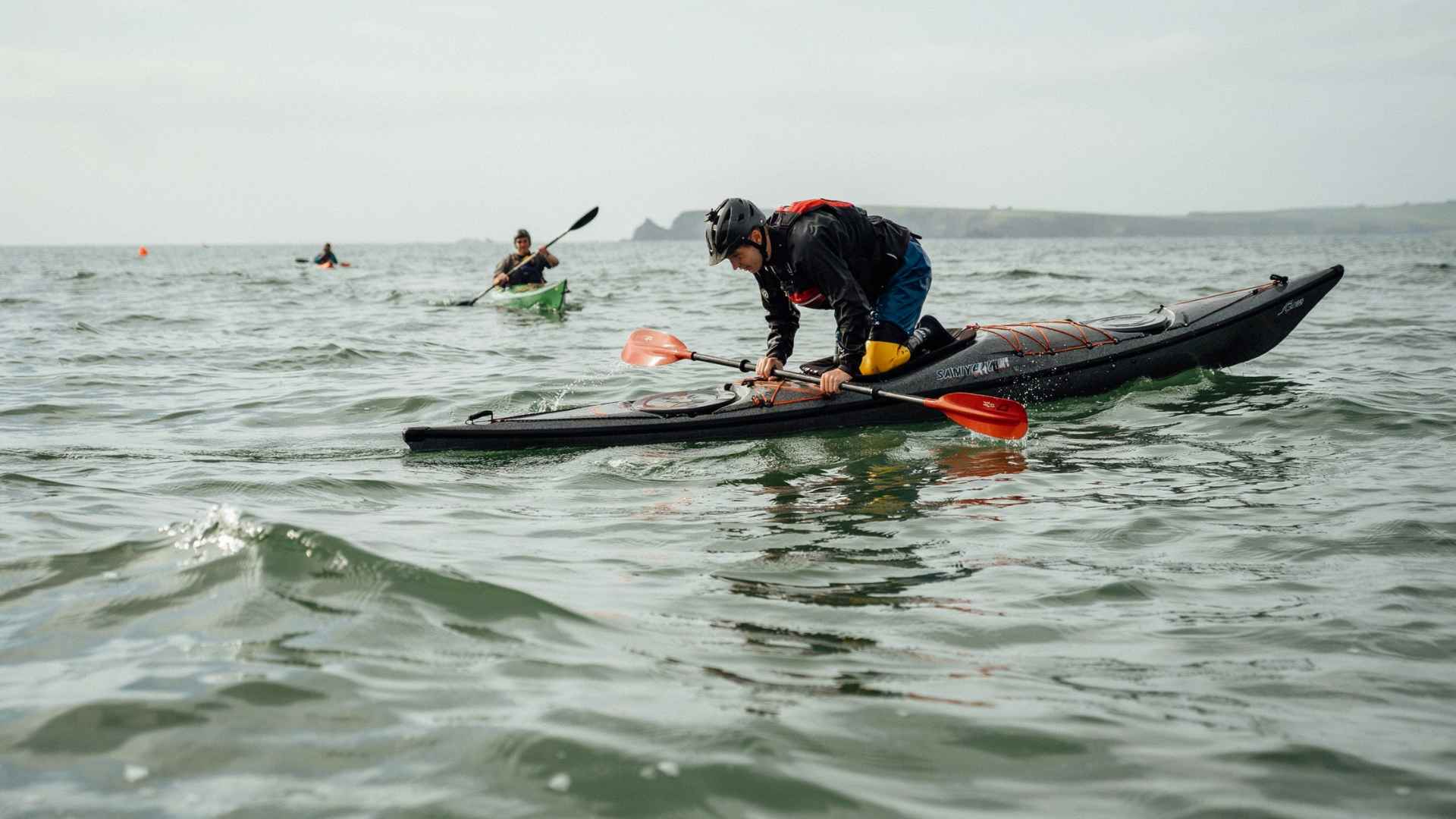

I remember standing at the dock feeling completely normal, only to be gripping the rail twenty minutes later once the waves picked up.
It caught me off guard, and it catches a lot of people off guard, whether it’s their first time on a boat or their fiftieth.
Seasickness doesn’t care about experience level. What it does care about is preparation, and most of that preparation happens before you ever step on board.
If you’re looking into how to prevent seasickness on a boat, the good news is that a handful of habits make a real difference.
This covers what actually helps before you leave the dock, which medicine options exist, where to sit, what to eat, and what to do if nausea sneaks up on you anyway.
None of it requires being an expert sailor. It just requires knowing what to do and doing it early.
Why Do People Get Seasick on Boats?
According to MedlinePlus, a National Institutes of Health resource, seasickness happens when the inner ear senses motion that the eyes don’t confirm.
Fixing your eyes on something steady, like a book or a phone screen, tells your brain nothing is moving at all. That mismatch is what triggers nausea.
Some people are simply more sensitive to this conflict than others, often due to genetics, migraine history, or inner ear sensitivity. What is clear is that rougher water makes the signals more chaotic, which is why symptoms tend to show up fast once waves build.
Understanding the mechanism is the easy part. Catching it before it starts is where these tips actually help.
11 Ways to Prevent Seasickness on a Boat

The CDC’s travel health guidance points to behavioral prevention paired with medication timing as the most reliable combination.
That mix of preparation, smart seating, and knowing your own triggers is what keeps most boat trips nausea-free.
1. Take Seasickness Medicine Before the Boat Starts Moving
Prevention works far better than treating nausea once it has already started. Common options include antihistamines like dimenhydrinate and meclizine, along with prescription scopolamine patches.
Most motion sickness medicines work best when taken before symptoms begin. Timing depends on the medication, so follow the label or your healthcare provider’s instructions.
Take it early. Waiting until you feel queasy is often too late for oral tablets to help.
2. Choose the Right Spot on the Boat
Where you sit changes how much motion you actually feel. On smaller boats, the center and stern typically move less than the bow, which tends to bounce hardest over waves.
The main deck itself moves less than a flybridge, since motion gets exaggerated the higher up you go. Avoid areas near the engine or galley where fumes tend to linger, and skip spots where the boat bounces hardest.
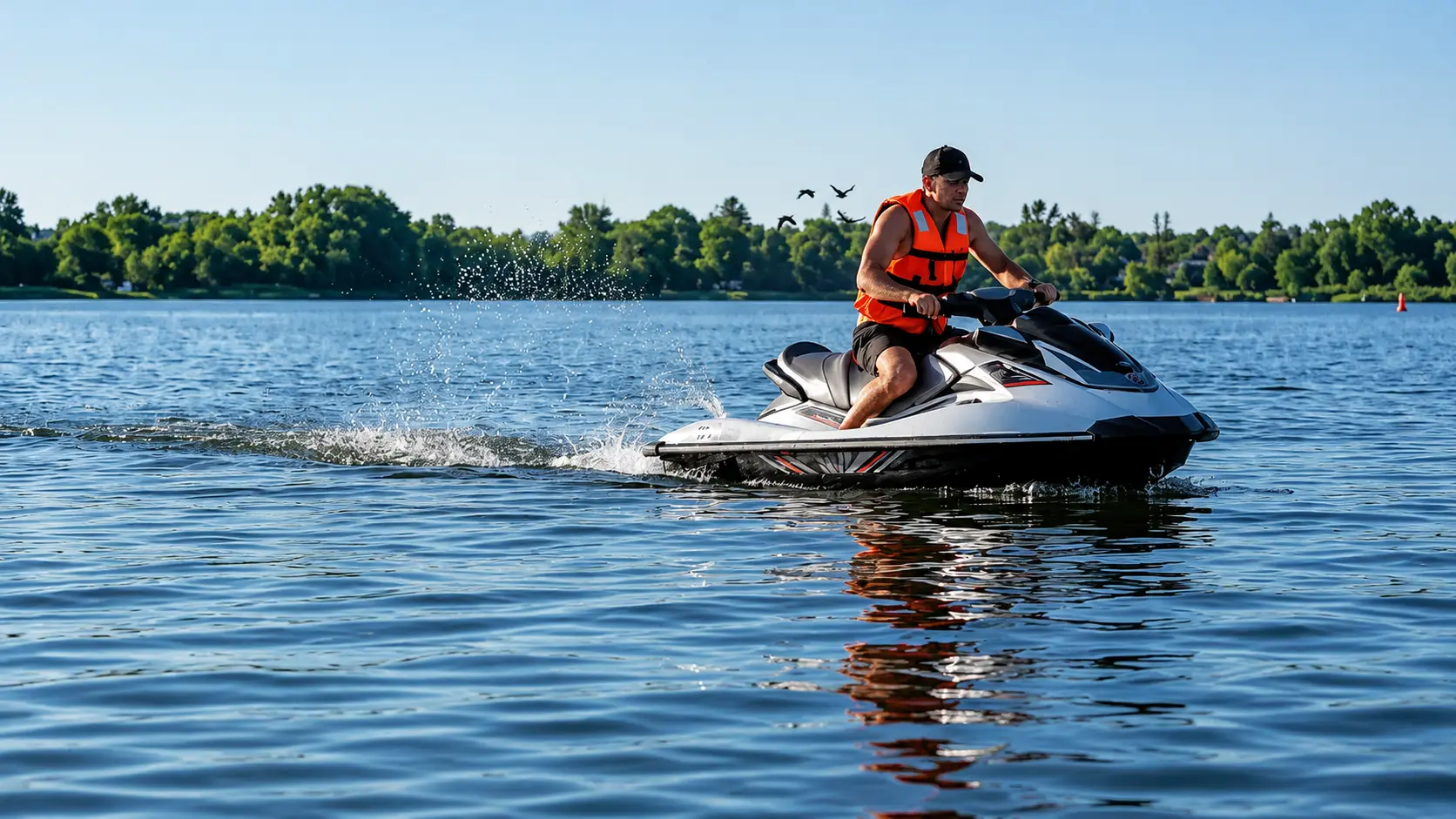
If you’re new to the different types of boats you might ride on, it helps to know that a fishing boat, a pontoon, and a personal watercraft like a jet ski all handle motion differently, so seating advice isn’t always one-size-fits-all.
Sit low and center (or near the stern on small boats), and keep your eyes forward toward the horizon whenever possible.
3. Keep Your Eyes on the Horizon
This ties directly back to why seasickness happens in the first place: your inner ear feels motion your eyes don’t confirm.
A steady, distant horizon gives your eyes something that matches what your body is feeling, which helps your brain settle the disagreement faster. Looking down for long stretches works against you here.
If you’re comfortable with it and the crew allows it, taking a turn at the helm can help too. Steering keeps your eyes locked on a fixed point ahead and keeps your mind occupied instead of focused on how you feel.
Fix your gaze on the horizon instead of anything close up or moving with the boat.
4. Eat a Light Meal Before Boarding
Crackers, toast, bananas, rice, or a light protein meal sit well before a boat trip and give your stomach something to work with besides acid. Skipping food entirely isn’t a shortcut either.
Heavy fried food, oversized portions, and alcohol beforehand tend to backfire once the water gets rough. An empty stomach can leave some people feeling just as unsettled as an overly full one.
Eat something light an hour or two before boarding, not a large meal right before.
5. Sleep Well Before Your Boat Trip
Being tired lowers your tolerance for almost everything, including motion sickness. A late night before an early morning departure sets you up to feel worse once the waves start.
This matters even more on multi-hour excursions, since fatigue tends to compound with time spent on the water rather than fade.
Get a full night’s sleep, especially before longer trips out on open water.
6. Stay Away From Strong Smells and Get Fresh Air
Diesel fumes, cooking smells, fish odor, and crowded indoor cabins are common triggers that push queasiness into full nausea.
Fresh air can help many passengers feel more comfortable, especially when strong smells or heat add to nausea. If the boat has an indoor galley or engine area, treat it as a spot to pass through, not linger in.
Get outside into open air rather than staying in an enclosed cabin.
7. Keep Your Head Still When the Boat Moves
Sudden head movements add another layer of confusion to a system that’s already struggling to sort out motion signals. Once waves pick up, sitting down and staying in one stable position helps more.
Tensing up against the motion usually makes things worse. Staying calm and taking slow, steady breaths tends to ease things further, since stress on its own can make symptoms worse.
Sit down, keep your head steady, and let your body sway naturally with the boat instead of fighting it.
8. Drink Water and Avoid Getting Too Hot
Long hours under the sun can turn mild nausea into a miserable ride. Keep water nearby and step into shade before you feel overheated. Small, steady sips of water throughout the day work better than large amounts all at once.
Direct sun for long stretches adds to the discomfort even for people who wouldn’t otherwise feel seasick, so shade breaks are necessary.
Sip water regularly and find shade before you start feeling overheated.
9. Try Ginger or Motion Sickness Bands
Ginger, in chews, tea, or capsule form, is a popular choice among boaters, though the evidence is mixed. Some people find real relief; others notice no difference. It’s worth trying as a backup rather than relying on it alone.
Motion sickness wristbands apply pressure to a point on the inner wrist, and the research on them is genuinely split.
One placebo-controlled study on motion sickness specifically found no real benefit from the bands over a sham band, while separate trials on pregnancy-related and post-surgical nausea have shown real symptom relief from the same pressure point.
In other words, the bands may help more with certain types of nausea than with classic boat-induced motion sickness.
Worth trying since there’s no real downside, but don’t rely on them as your only plan for rough water.
10. Start With Shorter Boat Trips
If you’re new to boats, building tolerance gradually beats jumping straight into a full day offshore. Shorter trips in calmer, protected water give your body a chance to adjust.
Longer offshore excursions in open swell are a much bigger ask for a first-timer than a calm afternoon near shore.
The same logic applies before any activity involving boat travel and motion, including things like a first parasailing trip, where getting comfortable on the water beforehand makes the whole day easier.
Start small, choose calmer water, and work up to longer trips as your tolerance builds.
11. Act Quickly When You Notice Early Symptoms
Frequent yawning, feeling unusually warm, a cold sweat, loss of appetite, mild nausea, or a dull headache are usually the first signs, and catching them early makes a real difference.
Small sips of water help too. Waiting to see if it passes on its own often means it gets worse instead, so treat these early signs as your cue to act rather than something to ignore.
The moment you notice early symptoms, put down your phone, move to fresh air, find the horizon, and sit near the center of the boat.
Catching symptoms early is often the difference between a rough ten minutes and a ruined afternoon.
Where to Sit on a Boat to Avoid Seasickness
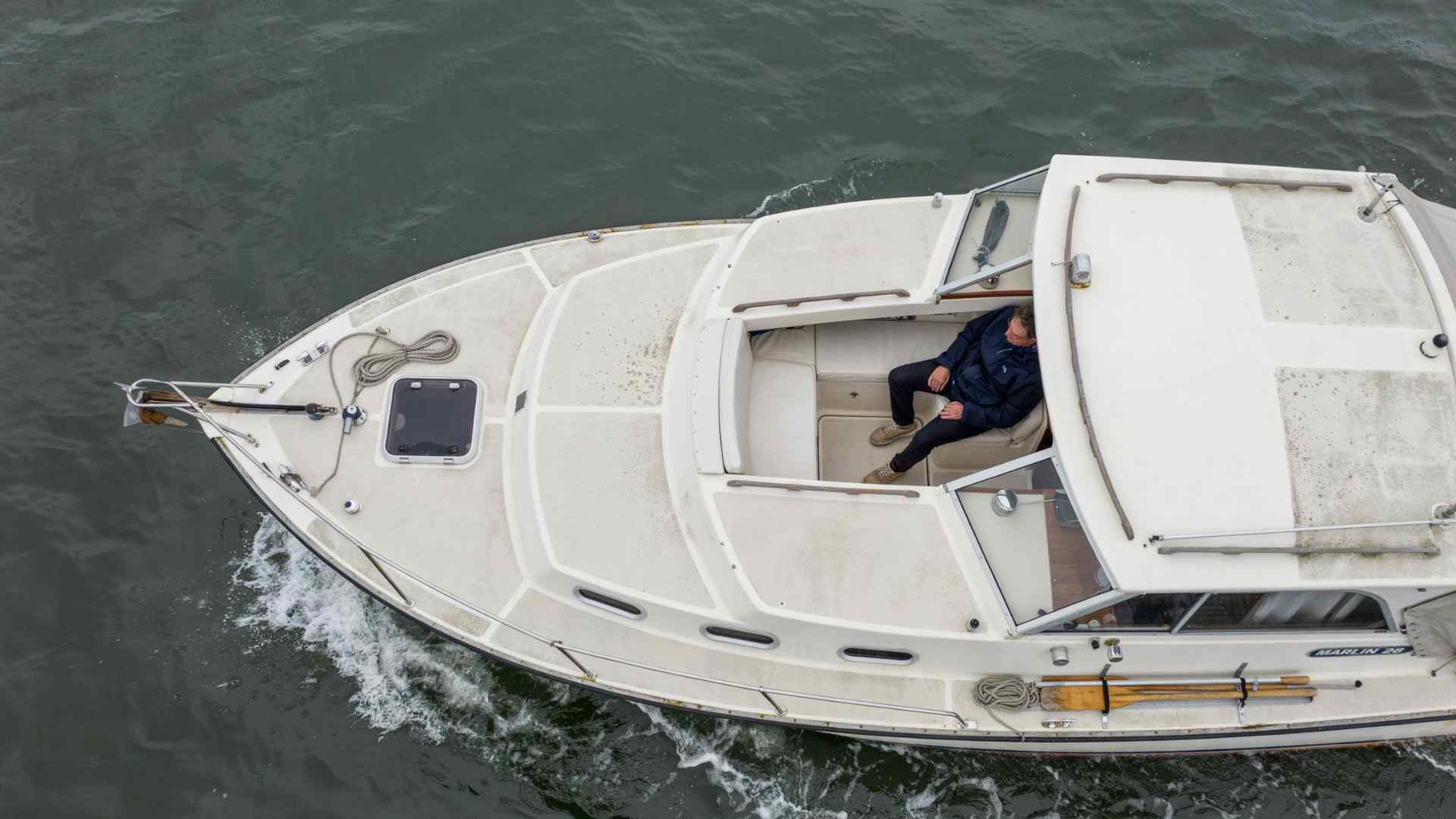
Seating advice isn’t one-size-fits-all, since different boats move in different ways.
- Where to Sit on a Small Boat: Stick to the center or stern of the boat in an open-air area facing forward. The front section (bow) bounces hardest over waves, so it’s usually the spot to avoid if you’re prone to nausea.
- Where to Sit on a Cruise Ship: Lower, middle-deck cabins move the least. A room with a window or balcony helps too, since seeing the horizon from your cabin does the same job it does anywhere else on the ship.
- Where to Sit on a Fishing Boat: Fishing naturally pulls your eyes downward for long stretches, so build in breaks to look up at the horizon. Stay near the middle of the boat when you’re not actively working a line.
Wherever you end up, the same principle holds: lower, more central, and closer to the horizon usually beats the alternative.
What Is the Best Medicine for Seasickness?
If you have an existing health condition or take other medication, check with a doctor or pharmacist first.
| Medication | Type | Timing | Common Side Effects |
|---|---|---|---|
| Dimenhydrinate (Dramamine) | Antihistamine | Take 30–60 minutes before departure | Drowsiness, dry mouth |
| Meclizine (Bonine) | Longer-acting antihistamine | Take about an hour before departure | Drowsiness, though generally less than dimenhydrinate |
| Scopolamine Patch | Prescription anticholinergic | Apply at least 4 hours before departure; each patch lasts about 3 days | Dry mouth, dry eyes, drowsiness, and heat sensitivity behind the patch site |
Medicines That Don’t Work Well for Motion Sickness:
Regular allergy antihistamines that aren’t formulated for motion sickness generally don’t help much here, even though they’re in the same drug family.
Ondansetron (Zofran), a common anti-nausea drug used for chemotherapy and post-surgical nausea, has been shown in multiple clinical trials to be ineffective for motion sickness specifically, even though it works well for those other types of nausea.
A quick note before trying any of these: check with a doctor or pharmacist first if you’re on other medications, pregnant, or giving anything to a child, since dosing and safety vary by person.
What to Do If You Already Feel Seasick
If symptoms have already started, skip straight to action:
- Stop what’s straining your eyes: put down the phone, book, or fishing gear
- Get to fresh air and the horizon: move toward the center of the boat and sit or lie down if it’s safe
- Tell the crew: they can offer a better seat, water, or adjust plans before things get worse
| Do Natural Seasickness Remedies Actually Help?
Results are mixed across the board. Some boaters swear by ginger; others feel nothing. Wristbands show split results in studies, with clearer benefits shown for pregnancy and post-surgical nausea than for classic motion sickness. Slow breathing can ease anxiety, but none of these replace real prevention if you’re prone to serious seasickness. |
Speaking up early gives the crew more room to help than waiting until symptoms are severe.
Seasickness Prevention Tips for Kids and Pregnant Passengers

Children and pregnant passengers require extra preparation because medication choices, suitable doses, and possible side effects differ from those affecting other adults.
Helping Children Avoid Seasickness
Children may struggle to explain early symptoms, so watch for unusual quietness, yawning, sweating, paleness, dizziness, or a sudden loss of appetite.
- Offer a Light Snack: Serve crackers, toast, bananas, or another bland snack before boarding so hunger does not intensify nausea during the boat trip.
- Choose a Stable Seat: Seat children low and near the boat’s center, where movement feels gentler, then encourage them to watch the distant horizon.
- Use Fresh Air and Distraction: Move outside away from fuel or food odors, then use conversation, music, or singing instead of books, games, or screens.
- Check Medicines First: Ask a clinician about age-appropriate products and exact dosing, because antihistamines may cause dangerous sedation or unexpected agitation in children.
- Avoid Scopolamine Patches: Do not use scopolamine patches for children, since they can trigger serious effects including confusion, hallucinations, and other dangerous reactions.
Small precautions go a long way: pack snacks, pick the right seat, keep kids in fresh air, and always check with a doctor before giving any motion sickness medicine.
Preventing Seasickness During Pregnancy
Pregnancy can increase sensitivity to nausea. Planning meals, seating, hydration, and approved treatments beforehand can make the journey considerably more comfortable.
- Speak With Your OB-GYN: Review the trip and every proposed remedy beforehand, especially if you have severe nausea, dehydration, preeclampsia, or another pregnancy complication.
- Eat Small, Bland Portions: Choose light meals and frequent snacks before departure, avoiding greasy foods, oversized portions, and unfamiliar dishes that could worsen discomfort.
- Stay Cool and Hydrated: Take small sips of water, rest in shaded, well-ventilated areas, and avoid prolonged sun exposure that may aggravate dizziness or queasiness.
- Ask About Vitamin B6: Vitamin B6 is used for pregnancy nausea, but confirm the appropriate product and dose with your clinician before taking it.
- Avoid Self-Prescribing Medicines: Do not assume an over-the-counter medicine or patch is pregnancy-safe; confirm suitability, timing, and dosage with a healthcare professional first.
Preparing these details before departure reduces uncertainty and helps parents, caregivers, and crew members respond calmly when someone begins feeling unwell.
Emergency Note: In the United States, call 911 for a medical emergency or Poison Control at 1-800-222-1222 for suspected medication overdose or accidental exposure while on board.
How Long Does Seasickness Last?
Symptoms usually ease as your body adjusts to the motion, often within a few hours, though rough conditions can keep them going for the length of the trip.
Most people improve within hours after leaving the moving environment, though some may feel off balance longer.
A lingering rocking sensation for under 48 hours after a trip is typical, but symptoms that persist for weeks point to a separate, much rarer condition worth mentioning to a doctor.
The Bottom Line
Preventing seasickness on a boat really comes down to what you do before you leave the dock.
Getting the timing right on medicine, eating something light, picking a good seat, and reacting fast to early symptoms cover most of what matters.
None of it guarantees a perfectly smooth trip, but together, these habits make rough water a lot more manageable.
I still remember standing at the dock feeling completely fine, only to be gripping the rail twenty minutes later once the waves picked up. A little preparation would have made that afternoon a lot easier, and it can do the same for you.
If you’re planning a trip soon, save this checklist, or pass it along to whoever’s joining you on the water. A little preparation goes a long way once the waves start picking up.
Frequently Asked Questions
Can You Prevent Seasickness Completely?
Not always, but the combination of medicine timing, seating, and food choices covered above prevents it for most people most of the time.
Does Looking at the Horizon Stop Seasickness?
It helps significantly, since it gives your eyes a stable reference point that matches what your inner ear is sensing, easing the signal conflict that causes nausea.
Should You Eat Before a Boat Ride?
Yes, a light meal is generally better than an empty stomach. Skip heavy, greasy food and alcohol beforehand.
Can You Get Used to Being Seasick?
Many people build tolerance over repeated trips, especially by starting with shorter, calmer outings.
What is the Fastest Way to Stop Seasickness?
Moving to fresh air, fixing your eyes on the horizon, and sitting near the center of the boat tend to bring the fastest relief once symptoms start.