
Curious about how does snorkeling work and what makes it so easy for anyone to try?
Snorkeling is one of the simplest ways to see the underwater world without heavy equipment or special training. You just need a mask, snorkel tube, and fins to start breathing comfortably while floating on the surface.
The science behind it is surprisingly straightforward, and once you understand the basics, you’ll feel confident trying it yourself.
From how the gear functions to staying safe in the water, learning about snorkeling helps you get the most out of your time in the ocean. Ready to find out what makes this activity so accessible and fun?
How Does Snorkeling Work? The Science Behind It
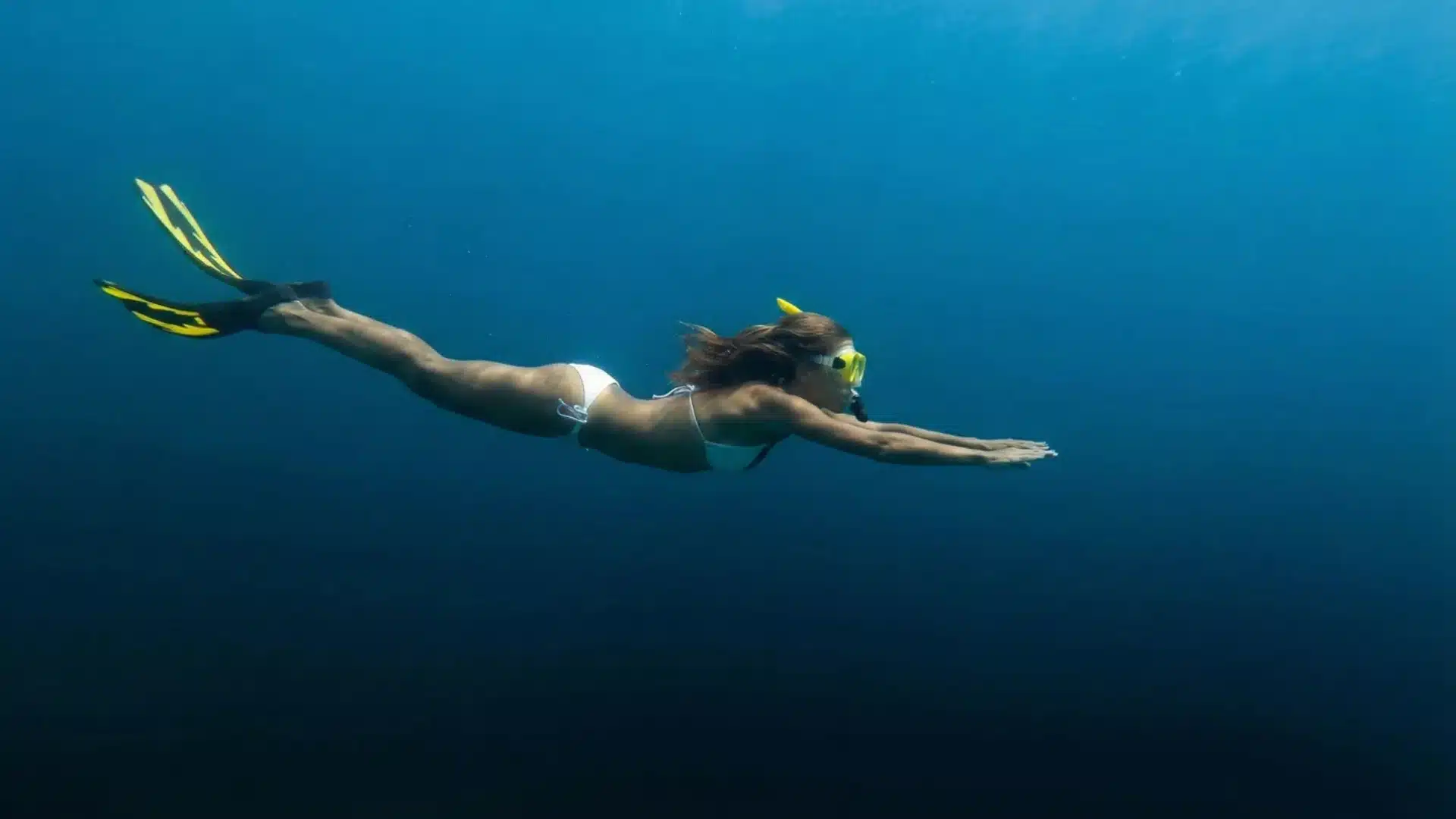
Snorkeling lets you float on the water’s surface while breathing air through a tube. The snorkel tube extends above the water, so you can breathe normally without lifting your head.
Your mask creates a watertight seal around your eyes and nose, keeping water out while giving you a clear view underwater.
Buoyancy is what keeps you afloat, either from your natural body composition or a flotation vest. When you relax and stay horizontal, you’ll naturally float on the surface.
The key is to maintain that seal on your mask and keep the snorkel’s opening above water. As long as everything stays properly positioned, you can breathe comfortably while watching the underwater world below you.
What Equipment Do You Need to Snorkel?
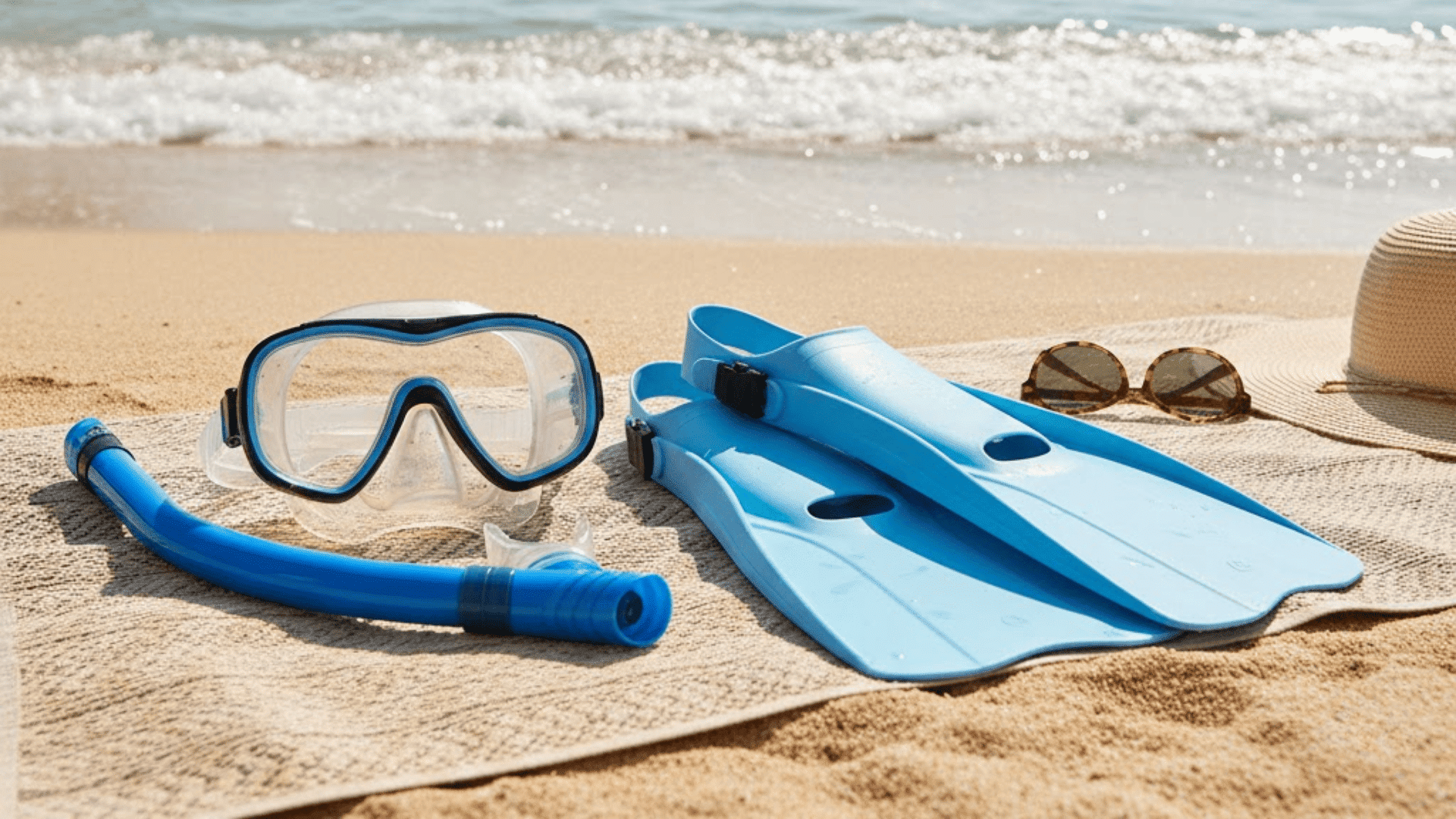
You need three main pieces of gear to start snorkeling: a mask, a snorkel, and fins. The mask covers your eyes and nose, creating an air pocket that lets you see clearly underwater.
The snorkel is a J-shaped tube that lets you breathe while your face is in the water. Fins attach to your feet and help you move through the water with less effort. These three items work together to keep you safe and comfortable.
For beginners, choose a mask that fits snugly without being too tight, a simple snorkel without complicated valves, and fins that feel secure but don’t pinch. Getting the right fit matters more than buying expensive gear.
How to Snorkel: Step-by-Step
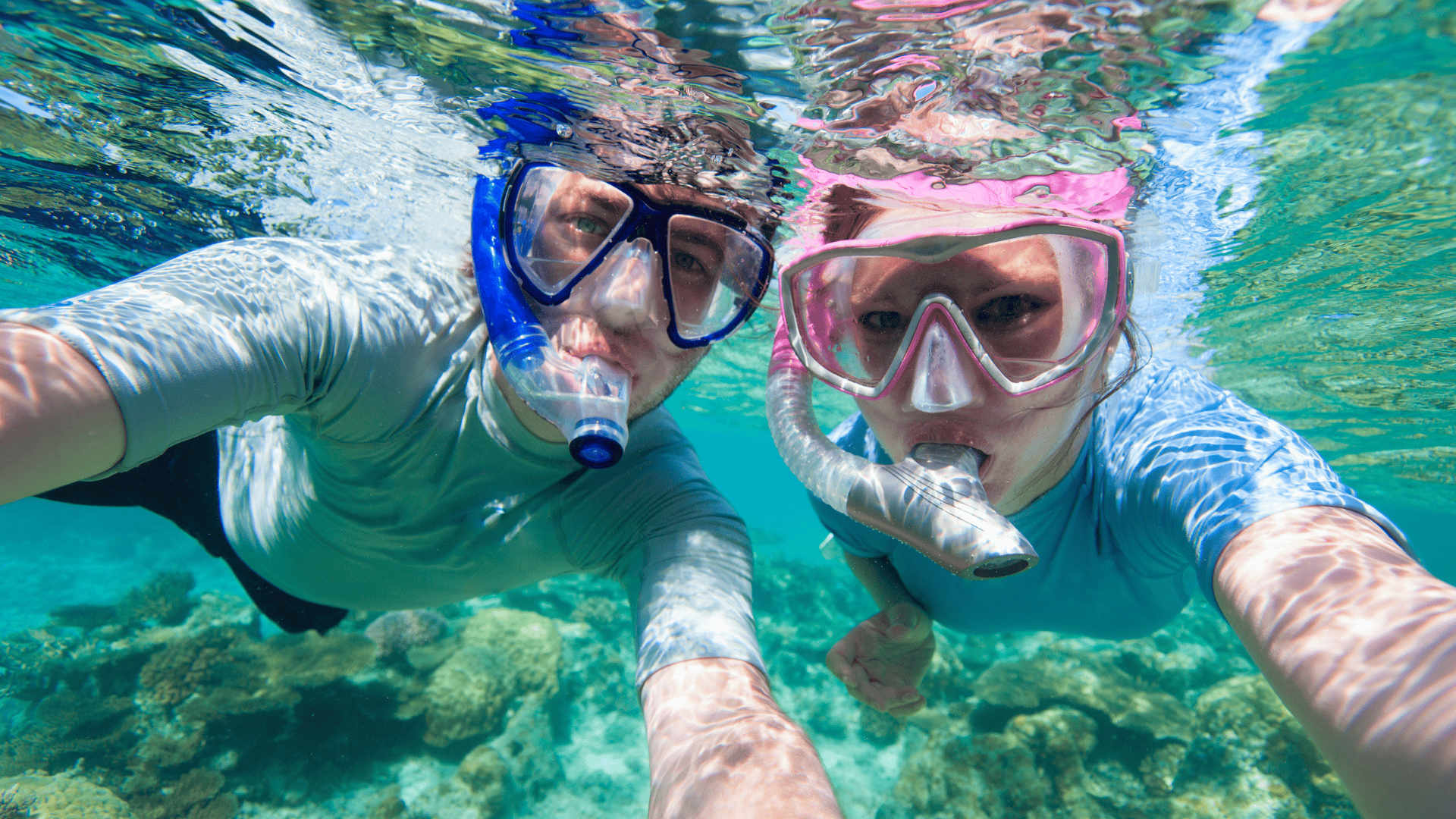
Snorkeling is an enjoyable and easy activity once you understand the basics. If you’re a beginner, follow these simple steps to get started and feel confident in the water.
Step 1: Prepare Your Equipment
Before entering the water, make sure your snorkel gear is ready. Put on your mask, ensuring it fits snugly over your face without gaps.
Attach the snorkel to the mask, and put on your fins. Adjust everything so that it’s comfortable but secure. It’s important that your mask seals properly to prevent water from entering while you’re snorkeling.
Step 2: Enter the Water Safely
When you’re ready to get in, use a gentle entry method. If you’re at the beach, walk into the shallow water until it reaches your waist. At a boat or dock, sit and slide into the water slowly.
Keep your snorkel above the surface at all times to ensure you can breathe easily. Once you’re in the water, float calmly and check that your gear is still in place.
Step 3: Get Comfortable with Buoyancy
Snorkeling is easier when you maintain proper buoyancy. Use your fins to help you stay afloat while keeping your body relaxed. Stay horizontal in the water, allowing your legs to float up behind you.
If you need to adjust your position, gently kick with your fins to move or maintain balance. This will help you conserve energy and make snorkeling more enjoyable.
Step 4: Breathe Slowly and Steadily
Breathing through a snorkel takes practice. Inhale slowly and deeply through your mouth, then exhale gently through your nose. Keep your breathing calm and steady.
If you feel uncomfortable or nervous, take a break by lifting your head out of the water for a moment. Staying relaxed and in control of your breathing will make your experience more enjoyable.
Step 5: Stay Safe and Be Aware
Always snorkel with a buddy and stay close to the shore, especially when you’re just starting out. Pay attention to the water around you and avoid strong currents or deep water until you’re more experienced.
If you feel tired or unsure, take breaks, and never push yourself too far from safety. Remember, snorkeling should be fun, but safety comes first!
Types of Snorkels: Which One is Right for You?
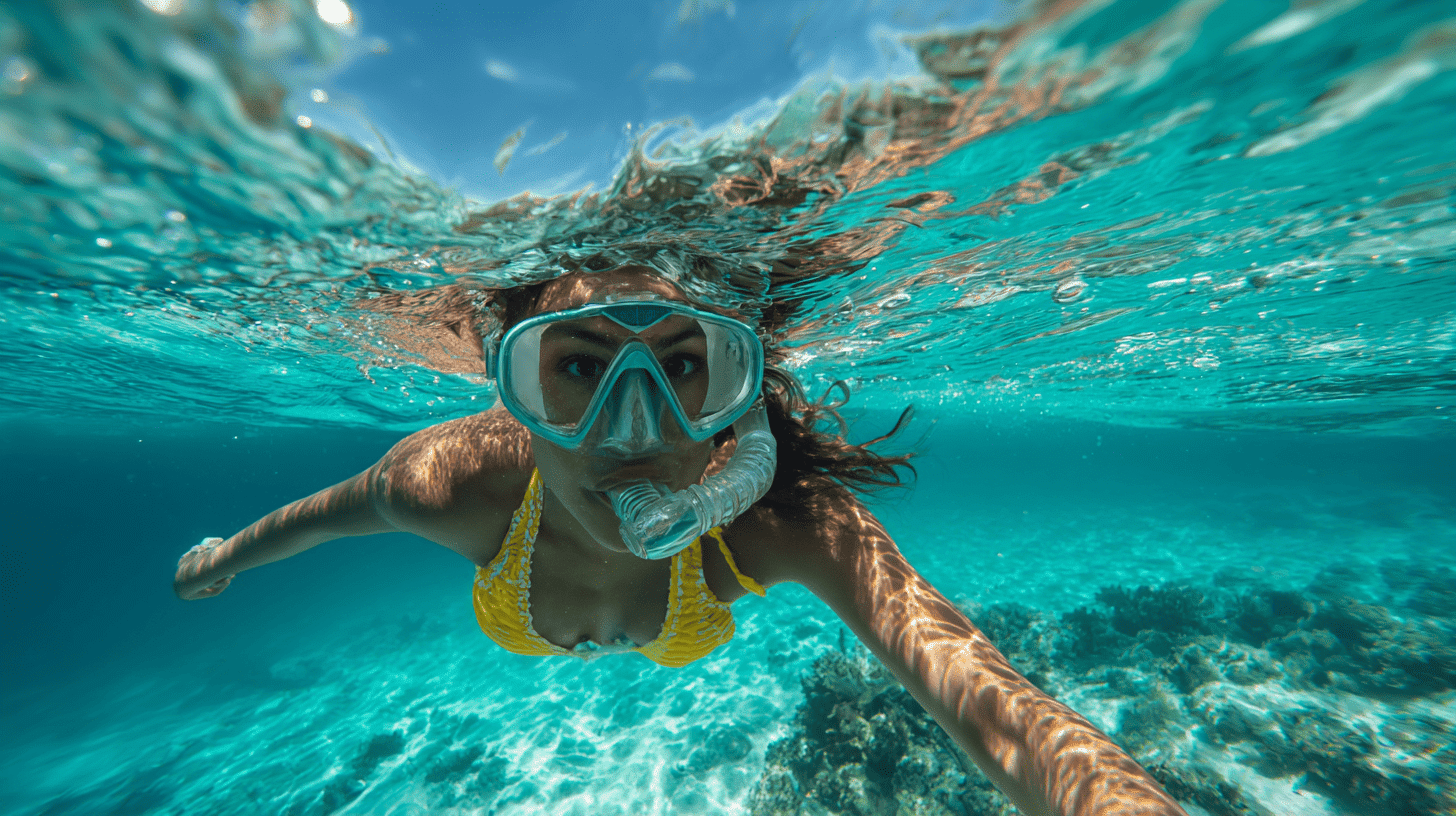
Choosing the right snorkel is key to having a comfortable and enjoyable experience in the water. Different types of snorkels are suited to different environments and levels of experience. Here are the main types of snorkels:
1. Wet Snorkel
A wet snorkel is the most common and traditional type of snorkel. It has an open top, allowing you to breathe easily while floating on the surface. It’s perfect for calm waters, like shallow reefs or lakes.
However, it’s important to note that water can enter the tube if you dive below the surface. It’s best for those who are snorkeling in areas where the water is calm and stable.
2. Dry Snorkel
A dry snorkel features a one-way valve at the top of the tube that prevents water from entering, even when you dive under the surface. This makes it an excellent option for snorkeling in rough or choppy waters.
In these conditions, waves might splash water into the tube. The dry snorkel keeps you from clearing the tube constantly. However, it can be bulkier and a bit more expensive than other types.
3. Semi-Dry Snorkel
A semi-dry snorkel combines features of both wet and dry snorkels. It has a splash guard at the top of the tube that helps block significant amounts of water from entering, making it ideal for calmer waters.
This snorkel won’t completely prevent water from entering, but it reduces the amount, making it easier to clear. It’s a great middle-ground option for snorkelers who want some protection without the bulk of a dry snorkel.
Benefits of Snorkeling: Why It’s Good for You
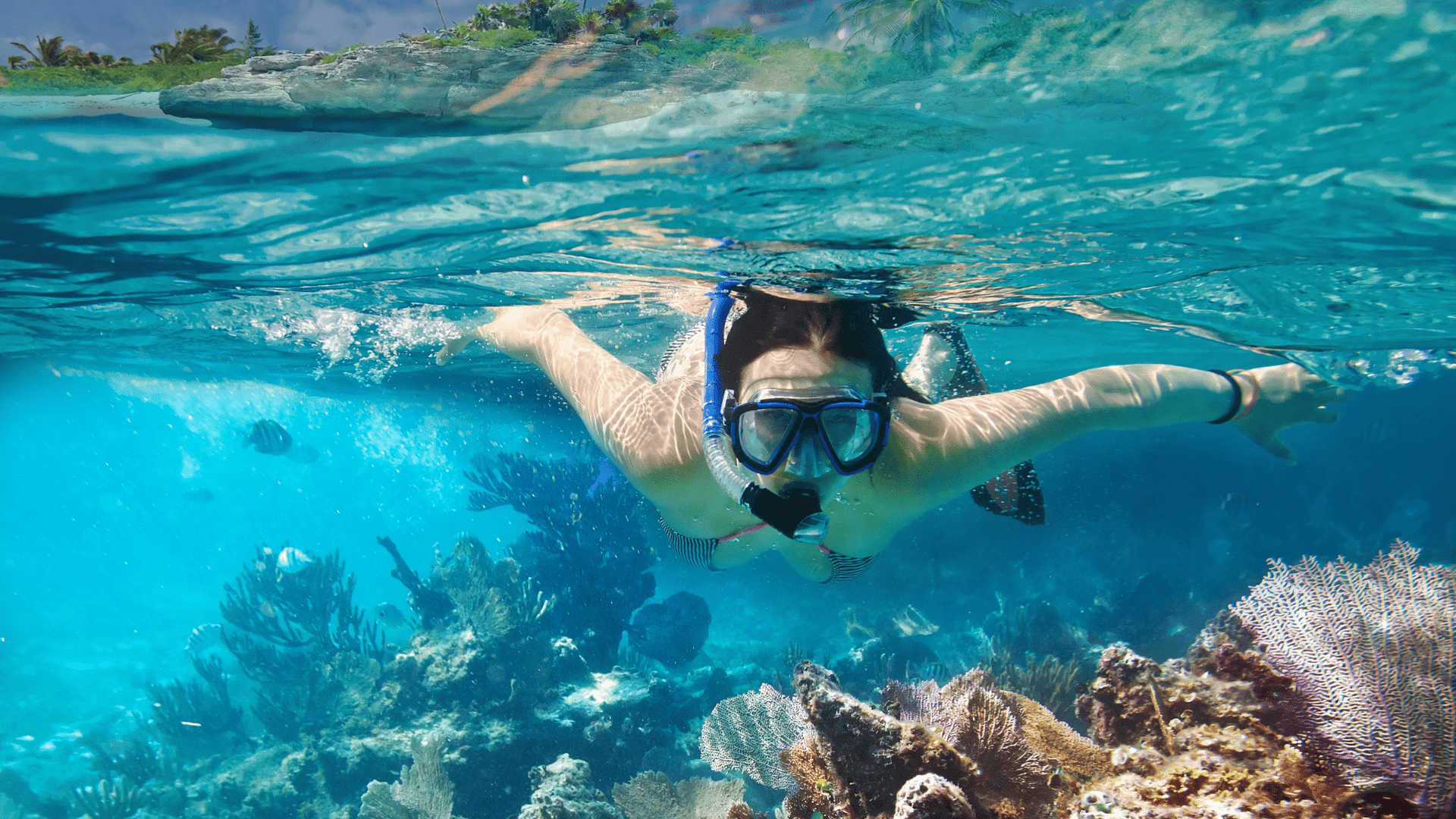
Snorkeling offers many benefits for your body, mind, and the environment. It’s not only a fun way to spend your time but also a healthy activity that helps you feel better. Here are some reasons why snorkeling is good for you:
- Physical Exercise: It provides a low-impact cardio workout that helps build strength in your arms, legs, and core.
- Mental Clarity: The peaceful underwater world helps reduce stress and clear your mind.
- Stress Reduction: Spending time in nature and in the water helps calm your nerves and lower anxiety.
- Connection with Nature: Snorkeling lets you interact with marine life and connect with the ocean’s ecosystems.
- Fun and Enjoyment: It’s a fun, relaxing activity that offers excitement and wonder.
Snorkeling is not only a way to stay active but also a great way to feel calm and enjoy the beauty of nature. It’s a simple way to improve both your physical and mental health while connecting with the natural world.
Common Snorkeling Mistakes and How to Avoid Them
New snorkelers often hold their breath instead of breathing normally through the snorkel tube. Just relax and breathe steadily – your snorkel is designed for continuous airflow.
Another common problem is wearing a mask that doesn’t fit properly, leading to leaks and fogging.
Test your mask before buying it by placing it on your face without the strap and inhaling gently through your nose. It should stay in place on its own. Many beginners also panic when water enters their snorkel.
Stay calm and either blow it out forcefully or lift your head to drain it. Remember to move slowly in the water and take breaks when you feel tired. Snorkeling should feel peaceful, not stressful.
How to Snorkel Safely: Essential Safety Tips to Remember
Safety should always come first when you’re snorkeling. Following a few basic rules will help you stay protected while having a great time in the water.
- Always Snorkel with a Buddy: Never go alone. Having someone nearby means you can help each other if problems occur.
- Watch Your Energy Levels: Pay attention to how tired you feel and head back before you’re too exhausted.
- Respect Marine Life: Look but don’t touch. Keep a safe distance from fish, coral, and other sea creatures.
- Be Aware of Currents: If you feel a strong current pulling you, swim parallel to the shore until you’re out of it.
- Use Reef-Safe Sunscreen: Choose mineral-based options with zinc oxide or titanium dioxide to protect your skin and the ocean.
These simple precautions will keep both you and the underwater environment safe and healthy. Taking a few minutes to prepare makes all the difference. With right approach, snorkeling becomes a fun and worry-free activity.
Final Thoughts
Now you know how does snorkeling work and what it takes to get started safely.
The mechanics are simple: float on the surface, breathe through your snorkel, and keep your mask sealed for a clear view below. With the right equipment and basic safety practices, anyone can enjoy watching colorful fish and coral reefs up close.
Remember to snorkel with a partner, respect marine life, and choose reef-safe sunscreen to protect the ocean.
The more prepared you feel, the more relaxed and enjoyable your experience will be. Have you tried snorkeling before, or are you planning your first trip? Share your thoughts and questions in the comments below!