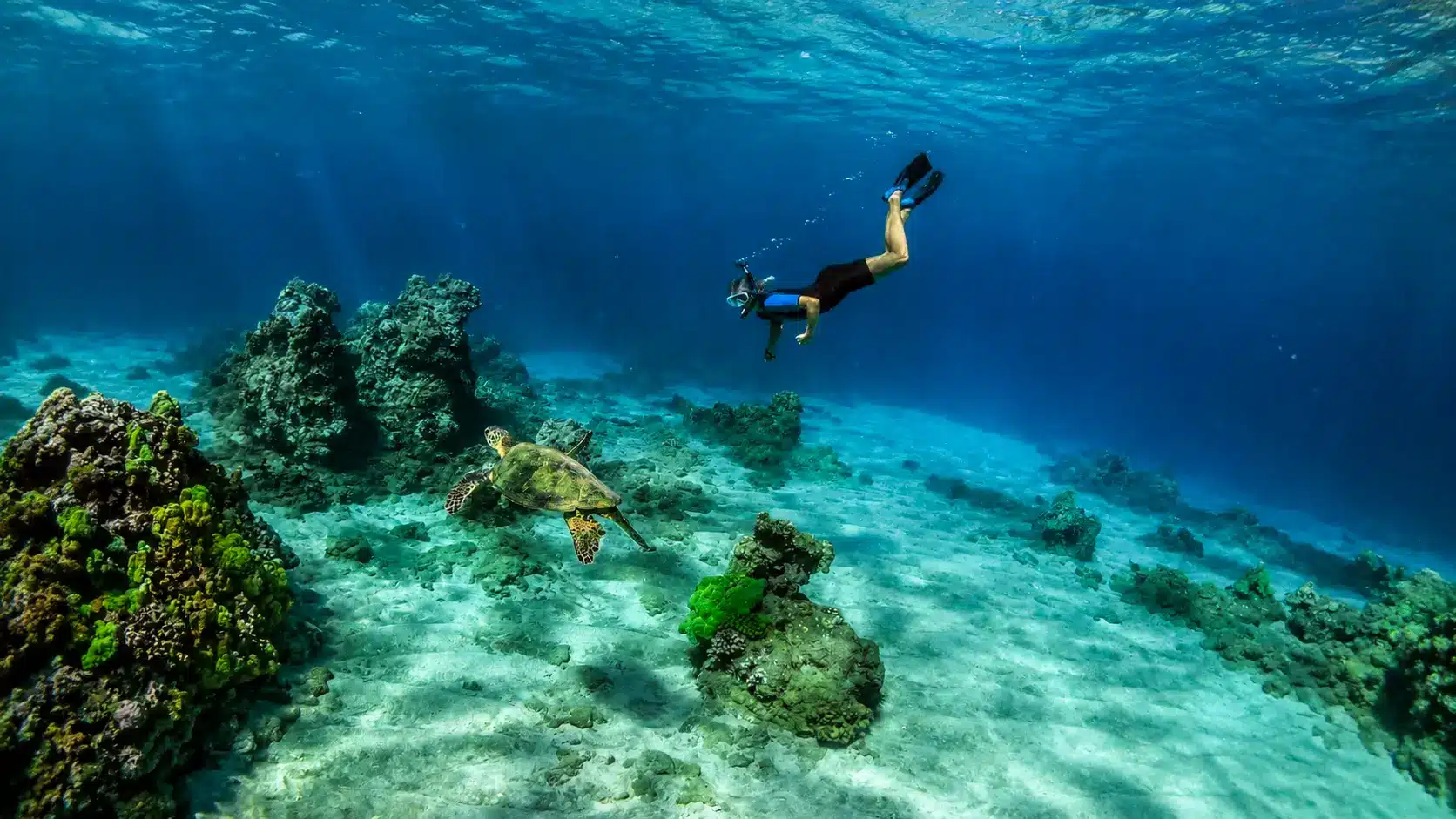
Maui’s coastline holds some of the clearest water in the Pacific, and it shows the moment a mask goes under.
The short answer: Molokini Crater has Maui’s best overall visibility, Kapalua Bay and Kahekili Beach are the safest bets for beginners, and Honolua Bay wins for reef diversity, out of the 12 spots ranked below.
Warm temperatures, high visibility, and reef systems ranging from ankle-deep sand to a submerged volcanic crater make picking the best snorkeling spots in Maui less about finding one great beach and more about matching a spot to the swimmer.
Some of these spots sit a short walk from a parking lot. Two, a sunken crater and a cliff-sheltered cove, are reachable only by boat.
A planning table and a pre-snorkel checklist follow, so the only decision left is which reef to visit first.
How These Spots Were Chosen
This list draws on beach guides, snorkel-tour operators, and official sources, including Hawai’i’s Department of Land and Natural Resources (DLNR) and NOAA Fisheries, weighed against four factors: official conservation or protected status, how consistently turtles and reef fish are reported by local operators, the spread of entry types and skill levels represented, and documented safety concerns such as the Hawai’i Department of Health’s ocean drowning data.
Spots that show up on only one or two sources, or that carry no official protection or safety record, were left off in favor of locations with consistent, cross-checked reporting.
At a Glance: Maui’s Top Snorkeling Spots
Some of Maui’s best water is a five-minute walk from the parking lot, while some of it is only reachable by boat.
North Shore
- Honolua Bay, best reef diversity
- Kapalua Bay, calm, family-friendly cove
- Napili Bay, calm cove, turtles on the rocky points
West Maui
- Black Rock (Ka’anapali), easy access, high visitor traffic
- Kahekili (Airport) Beach, protected reef, sandy entry
- Olowalu Reef, centuries-old coral, manta rays
South Maui
- Ulua Beach, boardwalk access, calm water
- Wailea Beach, resort-adjacent quiet reef patches
- Turtle Town (Maluaka Beach), reliable green sea turtle sightings
- Five Graves (Makena), advanced only, rocky entry
Boat-Only
- Molokini Crater, volcanic crater, top-tier visibility
- Coral Gardens, cliff-sheltered cove, dense coral heads
Here’s how those spots stack up side by side before you pick one.
Maui Snorkeling Spot Comparison
Not every beach suits every swimmer, so this side-by-side breaks down access and skill level first.
| Spot Name | Region | Skill Level | Turtle Sightings | Entry Type | Best For |
|---|---|---|---|---|---|
| Honolua Bay | North Shore | Intermediate | Common | Rocky | Reef diversity |
| Kapalua Bay | North Shore | Beginner | Occasional | Sandy | Families and calm mornings |
| Napili Bay | North Shore | Beginner | Common | Sandy | Calm family cove |
| Black Rock (Ka’anapali) | West Maui | Beginner | Common | Sandy | First-time snorkelers |
| Kahekili (Airport) Beach | West Maui | Beginner | Common | Sandy | Easy shore access |
| Olowalu Reef | West Maui | Intermediate | Occasional | Sand channel | Manta ray sightings |
| Ulua Beach | South Maui | Beginner | Occasional | Sandy, boardwalk | Family-friendly reef |
| Wailea Beach | South Maui | Beginner | Rare | Sandy | Resort convenience |
| Turtle Town (Maluaka Beach) | South Maui | Beginner | Common | Sandy | Reliable turtle sightings |
| Five Graves (Makena) | South Maui | Advanced | Occasional | Rocky | Experienced snorkelers |
| Molokini Crater | Boat-only | Intermediate | Common | Boat | Open-water visibility |
| Coral Gardens | Boat-only | Beginner | Occasional | Boat | Sheltered coral formations |
With the overview in mind, here’s a closer look at what makes each of these spots worth the trip.
The Best Snorkeling Spots in Maui
Each of these spots earned its place for a different reason, from beginner-friendly sand entries to reef systems that took centuries to form.
1. Honolua Bay

Honolua Bay has held protected status as a Marine Life Conservation District (MLCD, a state-designated zone where fishing and the removal of marine life are restricted or banned) since 1978, according to Hawai’i’s Department of Land and Natural Resources, and the fishing ban has let the reef and its residents grow largely undisturbed.
Parrotfish, moray eels, and green sea turtles are common sightings along the rockier edges of the bay.
The catch: there’s no sandy beach here. Entry is over a boulder shoreline, so water shoes make the walk in far more comfortable than bare feet.
2. Kapalua Bay

The crescent shape of Kapalua Bay blocks wind and swell better than most nearby spots, which keeps mornings calm and forgiving for a family outing, and the bay has been placed among Dr. Beach’s annual rankings of America’s best beaches.
Sea turtles tend to favor the bay’s north side, where the water clears up away from the sandy center, so a slow lap along that rocky edge usually pays off.
A resident white-tip reef shark occasionally rests near the rocks; it feeds on small fish and poses no threat to snorkelers who leave it alone.
The public lot fills fast and charges a daily fee, so arriving before mid-morning or parking free along Lower Honoapi’ilani Road are the more reliable options. There’s no lifeguard on duty, so check conditions before heading past the sandy center toward the rockier edges.
3. Napili Bay

A quarter-mile crescent of gold sand curves between Ka’anapali and Kapalua, and the fringing reef sits only a few yards offshore, close enough that even nervous swimmers can reach it without a long paddle.
Green sea turtles graze the rocky points at both ends of the bay, especially the south point toward Honokeana Cove. At the same time, the sandy middle stays calmer and clearer, better suited to casual swimming than snorkeling.
Parking is the catch: there is no dedicated lot, only limited street parking that fills quickly. Arriving early or using the larger public lot at nearby Kahekili Beach Park is the more reliable plan.
4. Black Rock (Ka’anapali)

Black Rock carries real cultural weight as the cliff Hawaiians once believed marked a leap between the physical world and the next, and the ledge still draws a steady line of cliff jumpers today.
The trade-off for that popularity is crowding, but the coral sits close enough to shore that even a short swim delivers good visibility.
Currents run strongest off the rock’s north, ocean-facing side, so staying on the sheltered south side with the other swimmers is the safer call.
A Hawai’i Department of Health review of ocean drownings from 2009 through 2018 counted 24 deaths in the Black Rock area, more than any other Maui hot spot besides the Kamaole-to-Polo Beach stretch, and most involved snorkelers rather than swimmers.
5. Kahekili (Airport) Beach
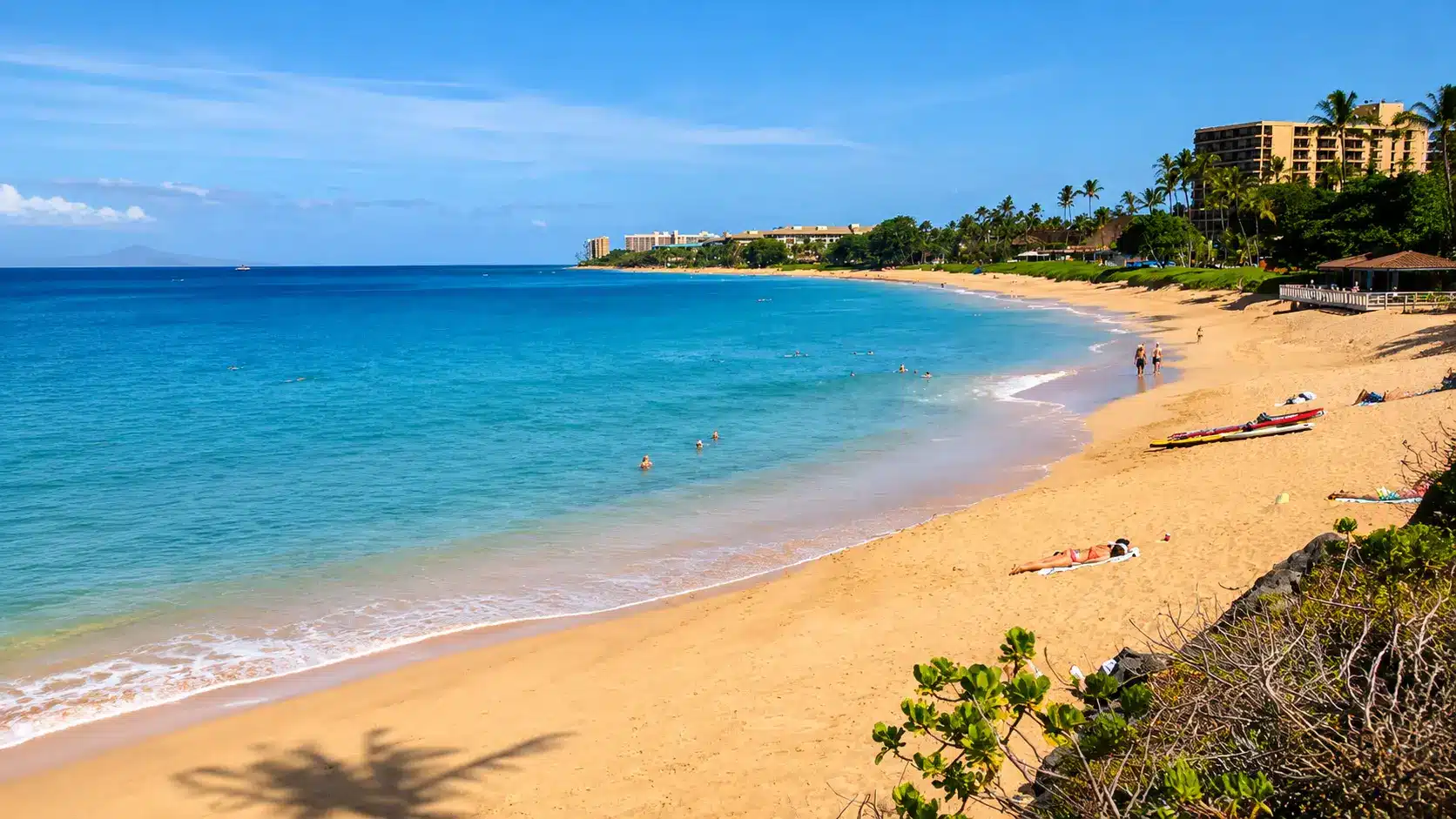
The reef fronting Kahekili sits inside the Kahekili Herbivore Fisheries Management Area established in 2009 to protect algae-eating fish and, by extension, the reef they help keep clean.
That protection shows in the water: healthy coral and a sloped, sandy entry that’s approachable for less confident swimmers.
The reef also runs the length of the beach rather than sitting in one patch, so it’s easy to drift farther from the entry point than planned. Afternoon winds pick up and roughen the water, so pacing the swim and turning back while conditions are still calm keeps the return easy.
6. Olowalu Reef
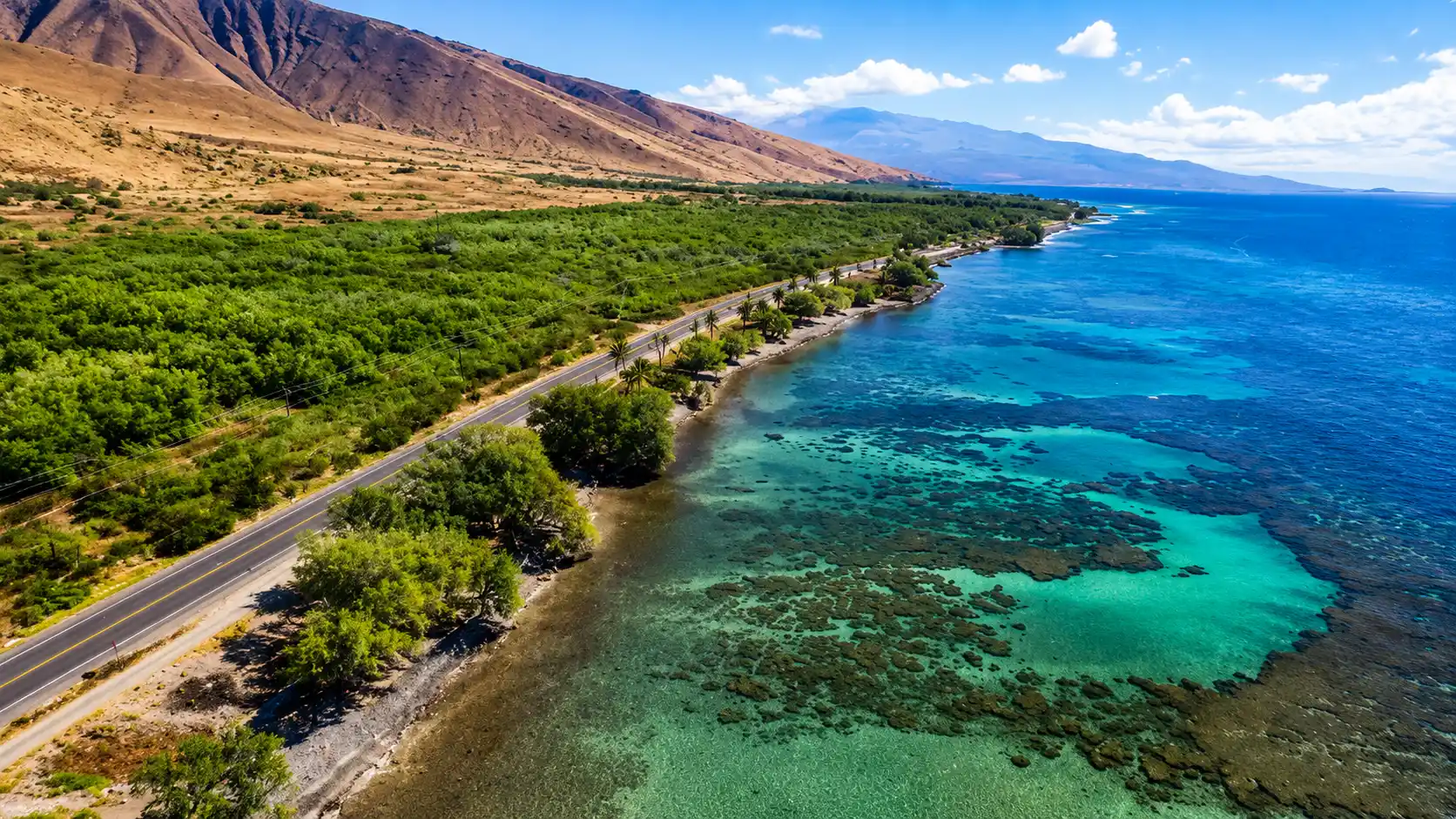
Marine researchers estimate the reef at Olowalu has been growing for roughly 500 years, making it one of the oldest and most established systems on Maui.
Entry runs through a sand channel rather than over coral, and manta rays are seen here often enough that many operators build entire tours around the spot.
7. Ulua Beach
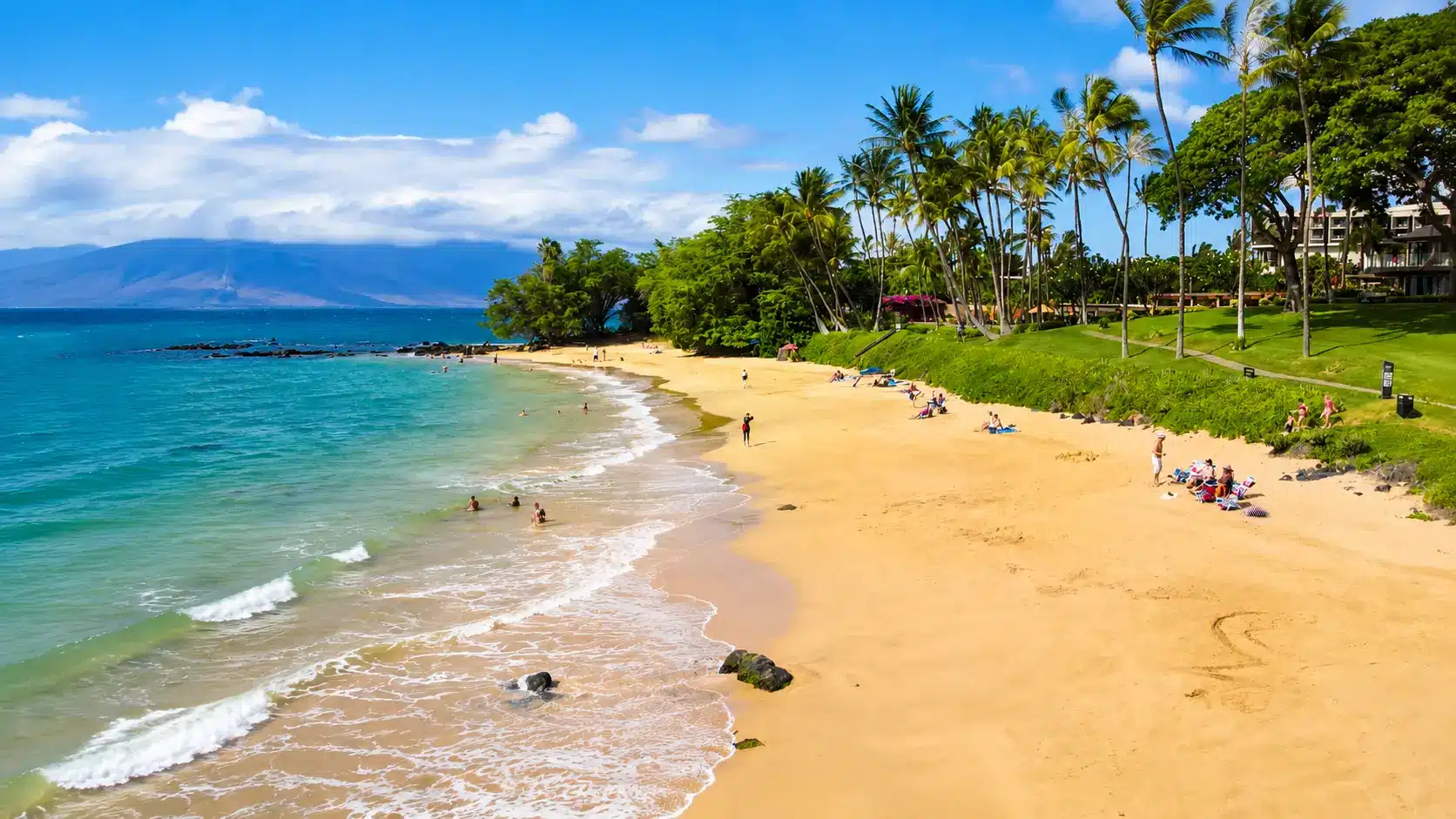
A rocky reef system separates Ulua from its neighboring beach, and a boardwalk makes the walk down from the road simple, even with a cooler in hand.
The calm, contained water makes this one of South Maui’s more forgiving spots for a family with mixed swimming abilities.
8. Wailea Beach
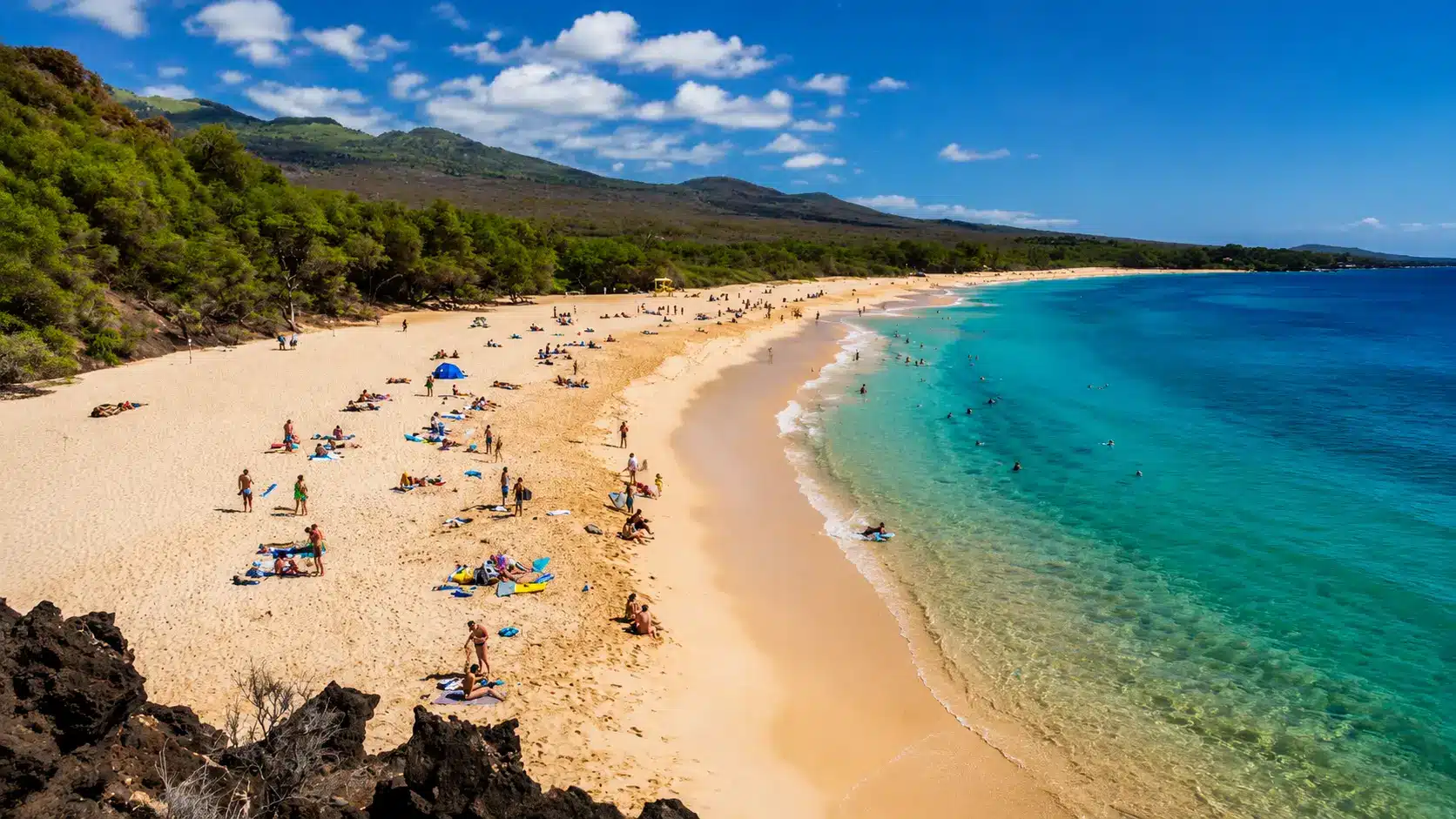
Sitting in front of the Grand Wailea and Fairmont Kea Lani resorts, Wailea Beach trades reef density for convenience, with rocky outcroppings and coral patches at each end of the beach, roughly 30 yards offshore, rather than one continuous reef.
Visibility tends to run clearest before mid-morning, once boat traffic and beachgoers start to stir up the shallows.
The paved Wailea Oceanfront Boardwalk runs along the shore and connects to nearby Ulua and Mokapu beaches, so snorkelers who find the fish thin here can walk to a livelier reef without moving the car.
There is no lifeguard on duty at Wailea Beach.
9. Turtle Town (Maluaka Beach)
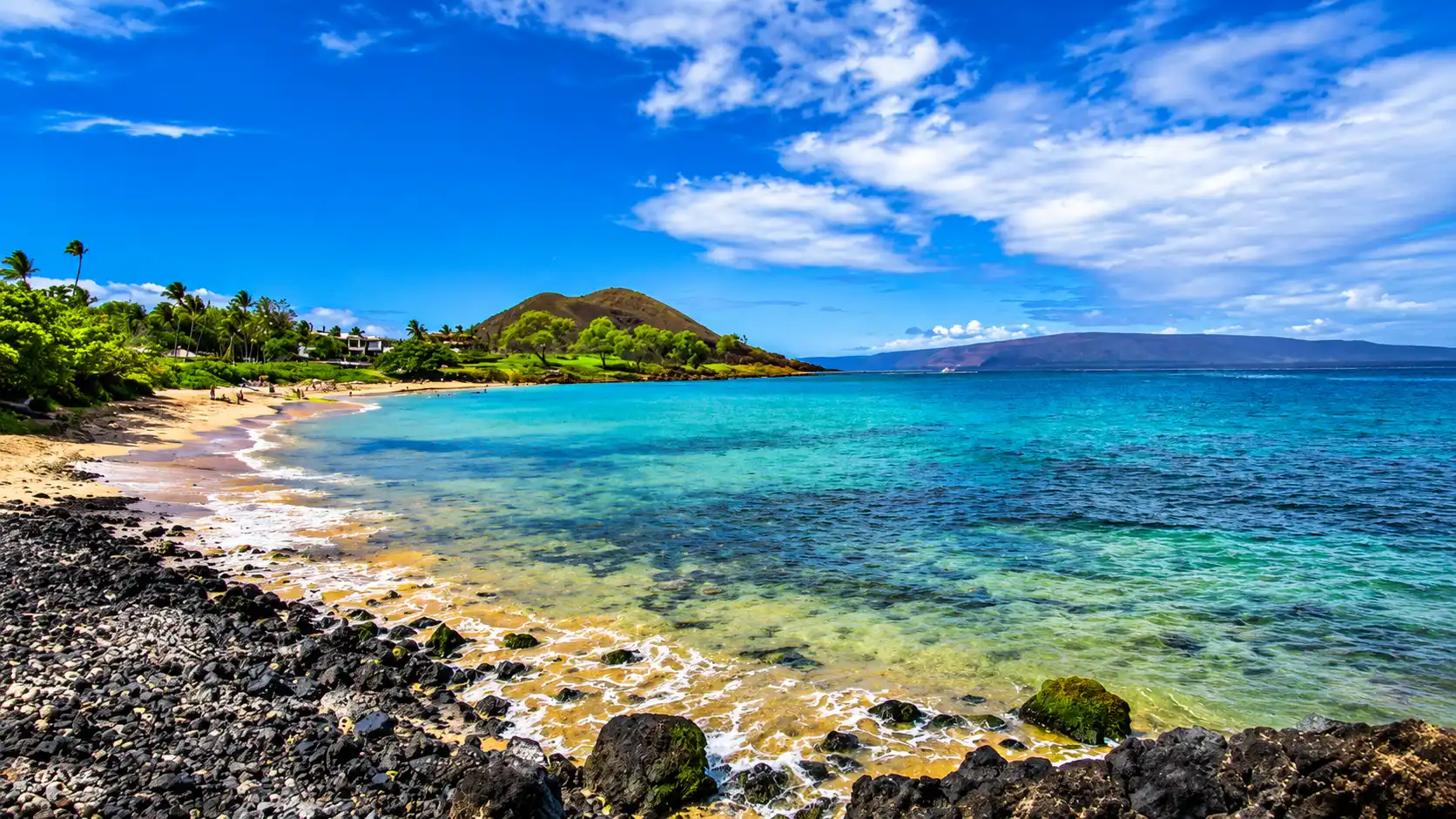
Lava rock formations off Maluaka Beach in South Maui grow the algae that green sea turtles feed on, and sightings are frequent enough that most snorkel-boat tours name it a stop.
The sandy, gently sloped entry suits first-time snorkelers, and the reef sits close enough to shore for a shore-based visit, with free parking near Keawala’i Church or at the lot off Makena Keonoio Road.
Snorkelers should give turtles the same close-encounter distance recommended throughout this guide, and mornings before 10 a.m. tend to bring the calmest water and the best visibility.
10. Five Graves (Makena)
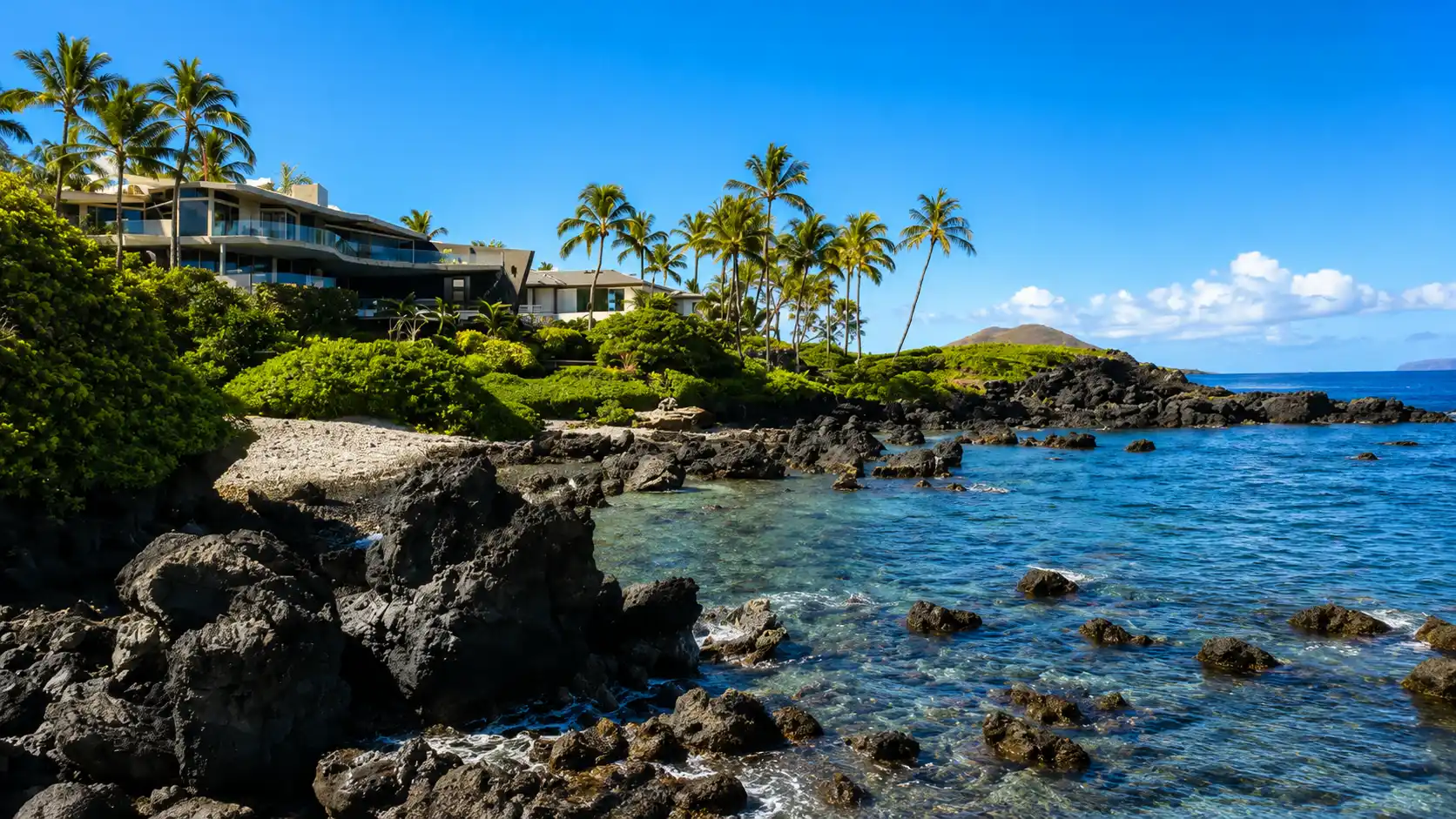
Five Graves is built for confident swimmers only.
The rock and coral formations sit in deeper water than most other spots on this list, and getting back out against surge or current takes more strength than a typical beach entry.
First-time snorkelers are better served elsewhere.
11. Molokini Crater (Boat-Only)
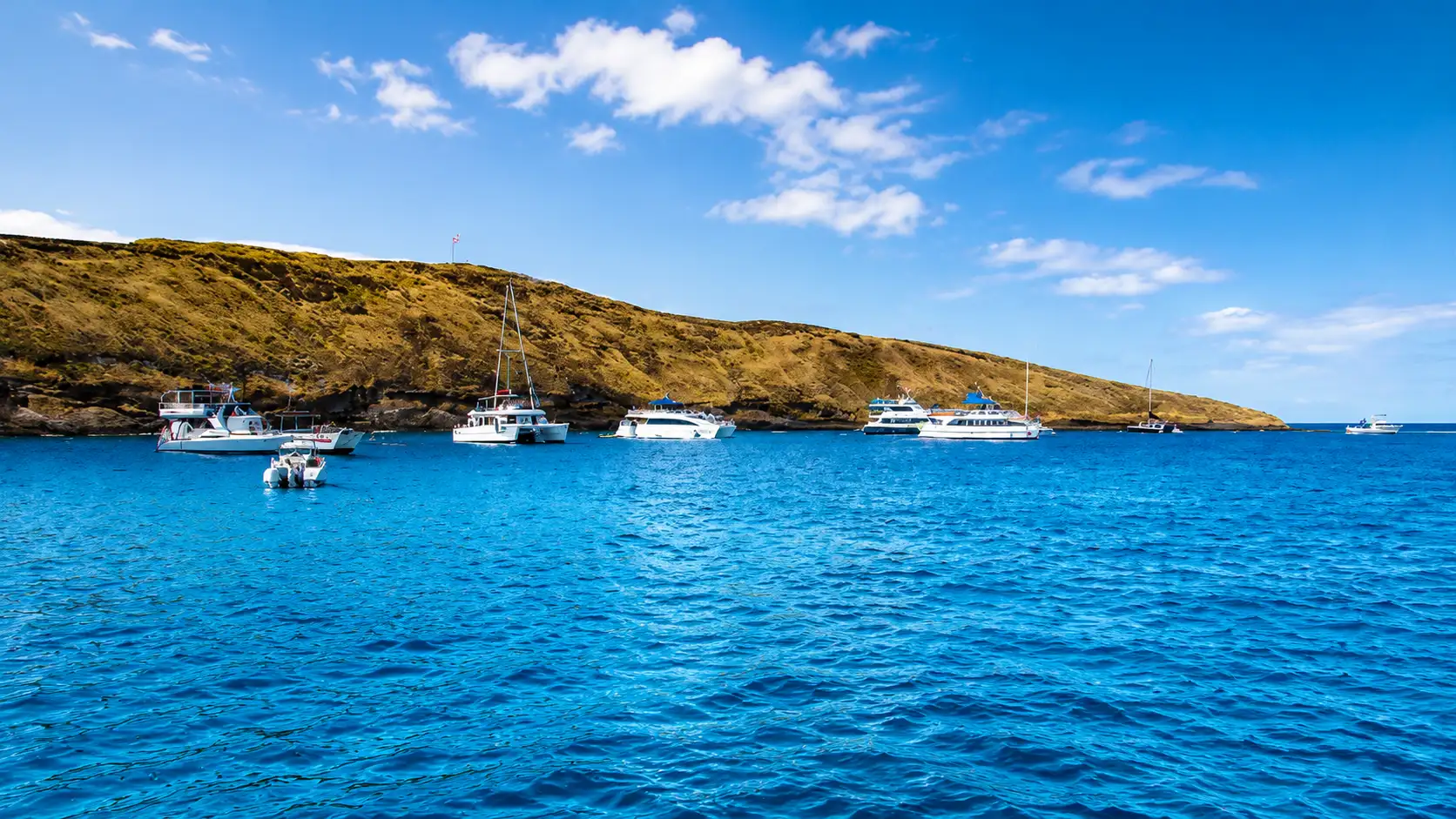
Molokini has been a Marine Life Conservation District since 1977. The payoff shows in visibility that can reach up to 150 feet on a calm day, among the clearest water anywhere in Hawai’i.
The crescent-shaped crater is reachable only by tour boat out of Ma’alaea Harbor or Kihei, so this one takes planning rather than a spontaneous stop.
12. Coral Gardens
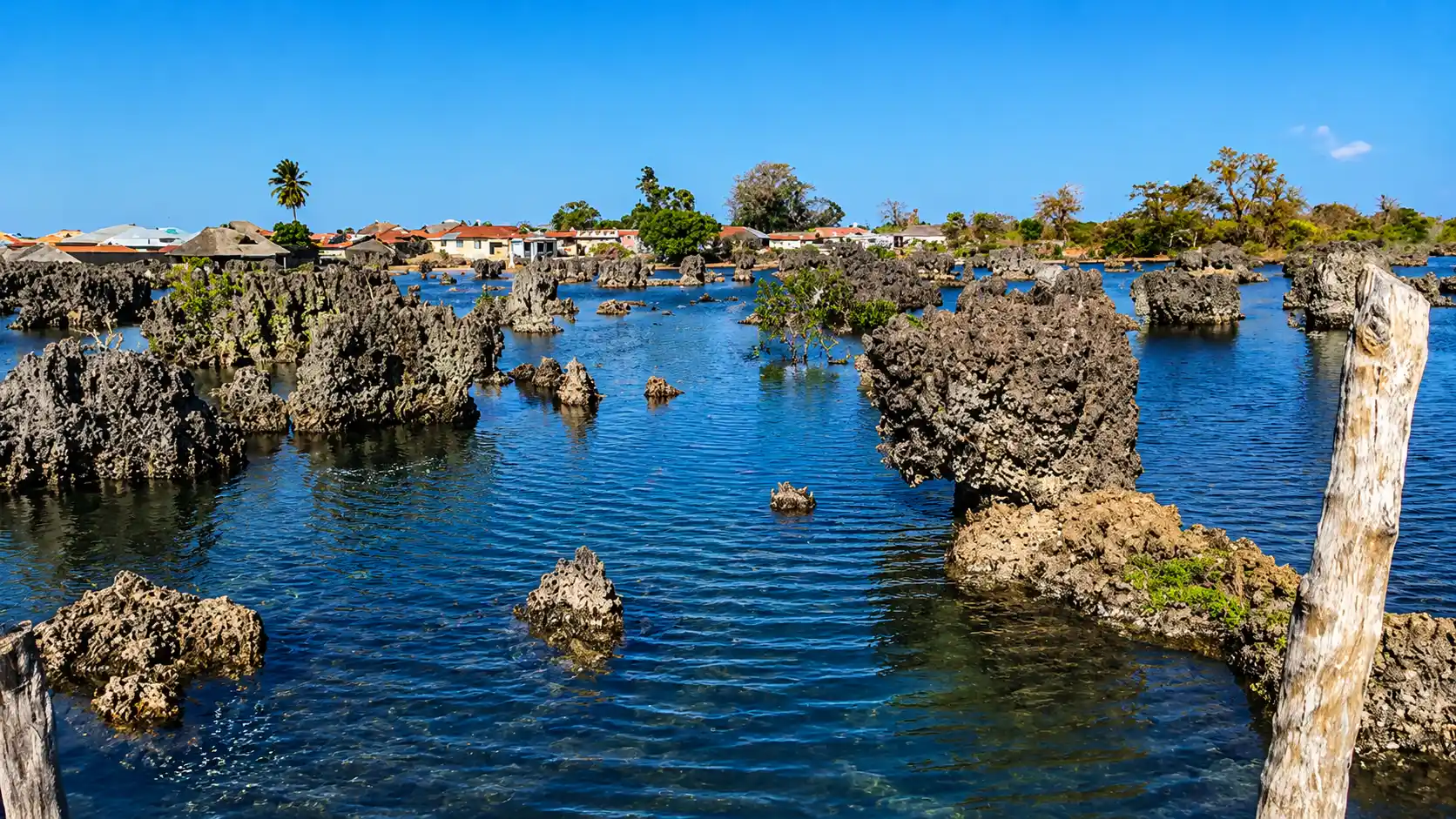
Cliffs along Maui’s Pali coast, just south of Olowalu, wrap around this cove and block most wind and swell, which keeps the water calm even on afternoons when other boat stops get choppy.
Visibility commonly runs up to 40 feet, and lava-finger formations from an eruption more than 500 years ago host dense coral heads, reef fish, and green sea turtles, with the occasional Hawaiian monk seal on quieter days.
Access is boat-only, typically departing from Ma’alaea Harbor, and most afternoon snorkel charters pair a Coral Gardens stop with a morning visit to Molokini.
One More Spot Worth Knowing
This spot didn’t make the core 12 because it leans advanced and access can change seasonally, but it comes up often enough on other Maui snorkeling lists that it’s worth a mention.
ʻAhihi-Kinaʻu Natural Area Reserve
This state-protected reserve near Makena has some of the clearest inshore water on Maui. Still, it sits on lava fields from Maui’s most recent eruption, dating to the late 1700s, and the young, jagged coastline makes for a genuinely uneven, lava-rock entry that’s better suited to experienced snorkelers than beginners.
There are no lifeguards or facilities here, and spinner dolphins occasionally pass through the bay, though NOAA rules prohibit swimming toward or approaching them.
Some coves inside the reserve are closed seasonally, so it’s worth checking current access rules before planning a visit.
Best Time of Day and Season to Snorkel in Maui
Visibility and crowd size shift more with timing than most first-time visitors expect.
| Time of Day | Visibility | Crowd Level |
|---|---|---|
| Early Morning | Highest | Low |
| Midday | Moderate | High |
| Late Afternoon | Lower, more wind chop | Moderate |
Winter swell months, roughly November through March, affect north and west shore spots the most and can shut down entry at places like Honolua Bay entirely.
Calmer summer months, May through September, open up more beginner-friendly windows across most of the island.
Once timing is settled, the next choice is whether to snorkel from the beach or book a boat out to a spot like Molokini.
Beach Snorkeling vs. Boat Tour Snorkeling
Beach spots and boat tours serve different priorities, so it comes down to budget, mobility, and how badly a visitor wants to see Molokini.
Beach Snorkeling
|
Boat Tour Snorkeling
|
Either way, a few etiquette basics protect the reef and the experience for everyone in the water.
Snorkeling Etiquette and Safety Tips in Hawaii
Hawaii’s reefs and marine life are protected by law in several of these spots, not just by good manners, and the guidance below comes from NOAA Fisheries and Hawai’i Ocean Safety.
- Keep at least 10 feet from sea turtles at all times, even if they swim closer on their own, per NOAA Fisheries’ marine wildlife viewing guidelines.
- Never touch or stand on coral, since even light contact can damage growth that took decades to form.
- Wear reef-safe, mineral-based sunscreen only (zinc oxide or titanium dioxide); Hawai’i’s Act 104 banned the sale of sunscreens containing oxybenzone or octinoxate statewide starting January 1, 2021, and Maui County Ordinance 5306 went further in October 2022, prohibiting the use of non-mineral sunscreens islandwide.
- Check conditions before entering unfamiliar rocky entries, especially after recent rain or high surf; Hawai’i Ocean Safety posts daily conditions and hazard alerts for exactly this.
- Avoid snorkeling alone in remote or advanced-only spots such as Five Graves or ʻAhihi-Kinaʻu.
With that covered, here’s the short version of where to start.
Final Thoughts
Picking from the best snorkeling spots in Maui really comes down to three things: how confident a swimmer feels, what the season and time of day allow, and whether the goal is a quick float off the sand or a full boat trip out to Molokini.
Beginners tend to land well at Kahekili, Kapalua, or Napili Bay; stronger swimmers get more out of Honolua Bay or Olowalu; turtle-seekers should make time for Turtle Town at Maluaka Beach; and anyone chasing the clearest water on the island should save a morning for Molokini or Coral Gardens.
None of these spots require special luck, just the right match between conditions and comfort.
Frequently Asked Questions
Is Maui or Oahu Better for Snorkeling?
Maui generally offers calmer bays and more turtle sightings, though Oahu has stronger reef biodiversity on its North Shore.
Do you Need a License to Snorkel in Hawaii?
No license is required, but some marine reserves enforce entry limits or seasonal closures, so it’s worth checking beforehand.
Can you Snorkel in Maui Without Knowing How to Swim?
Yes, with a flotation vest and a shallow, calm beach; guided boat tours also provide extra supervision.
Do You Need a Wetsuit to Snorkel in Maui?
No. Maui’s ocean water stays between roughly 74°F and 82°F year-round, warm enough that most snorkelers are comfortable in just a swimsuit and a rash guard.
A thin wetsuit top is worth packing only for people who chill easily or plan long sessions in the cooler winter water.