Finding the right kayak anchor system can make a big difference during a fishing trip. Wind and current can push a kayak away from docks, grass lines, or rocky structures within seconds.
That constant drifting forces anglers to spend more time paddling and less time fishing.
A basic anchor holds you in place, but a full kayak anchor system gives you control over the angle of your kayak, the depth of your line, and how fast you can move from one spot to the next.
Some systems work best in shallow water, while others are built for rivers or windy lakes. The right setup depends on where and how you fish.
What Makes a Good Kayak Anchor System
A good kayak anchor system should hold the kayak securely without adding too much weight or clutter. Strong holding power matters in wind, current, and deeper water.
Smooth adjustment from the seat helps anglers change position without reaching awkwardly or standing up.
Compact storage is also important because kayak space is limited. Marine-grade hardware holds up better in freshwater and saltwater conditions.
Safe positioning matters just as much as holding power, especially when fishing rivers or windy lakes.
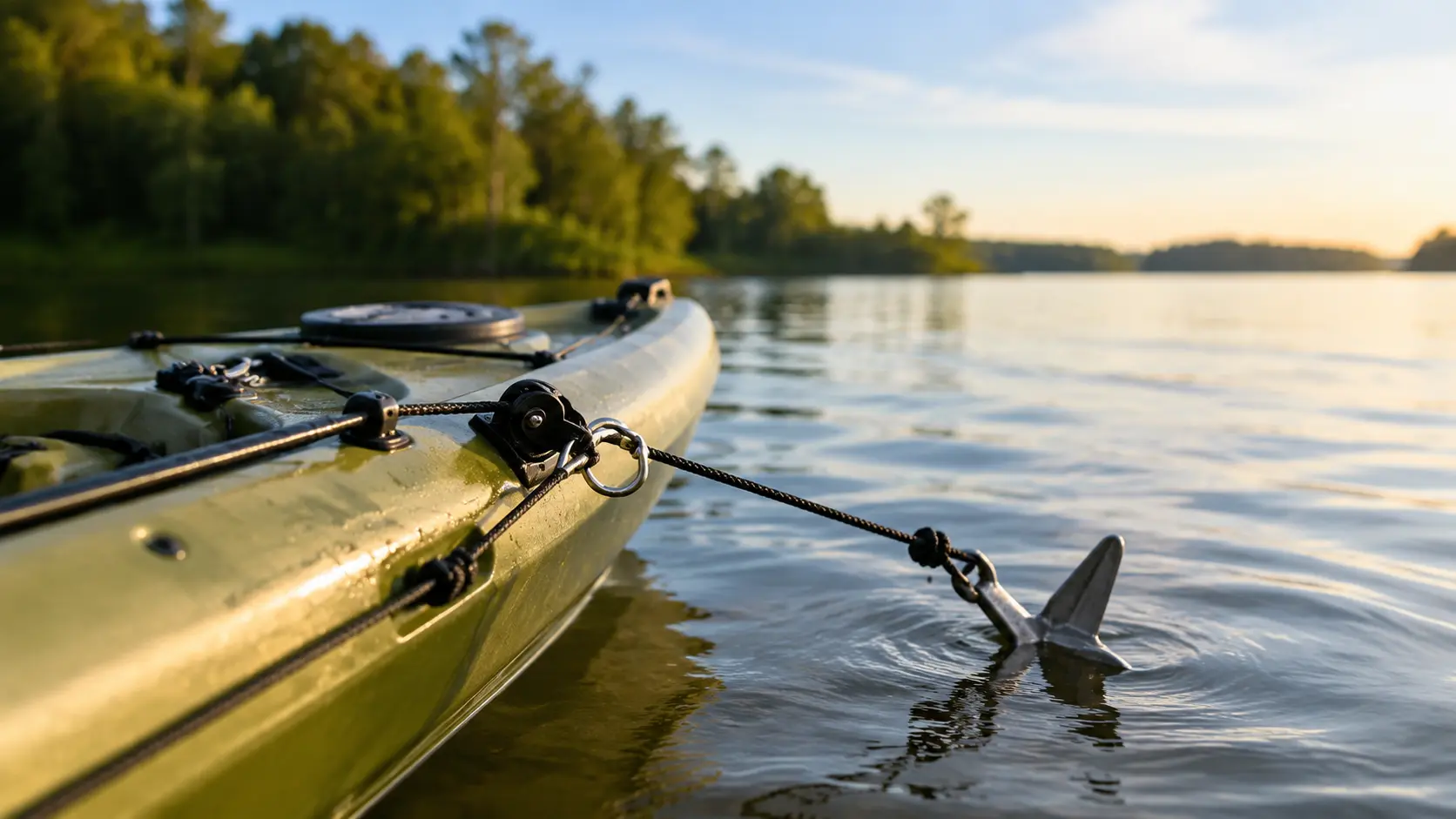
Many anglers also prefer systems that work with anchor trolleys because they allow better control over kayak direction while anchored.
Best Kayak Anchor Systems for Fishing
Many kayak anglers start with a simple anchor setup and gradually upgrade as they spend more time on the water.
Some systems focus on shallow-water positioning, while others are built for rivers or windy lakes.
Anglers commonly use the products below and appear often in fishing forums, retailer reviews, and kayak fishing blogs.
1. YakGear Deluxe Anchor Trolley Kit
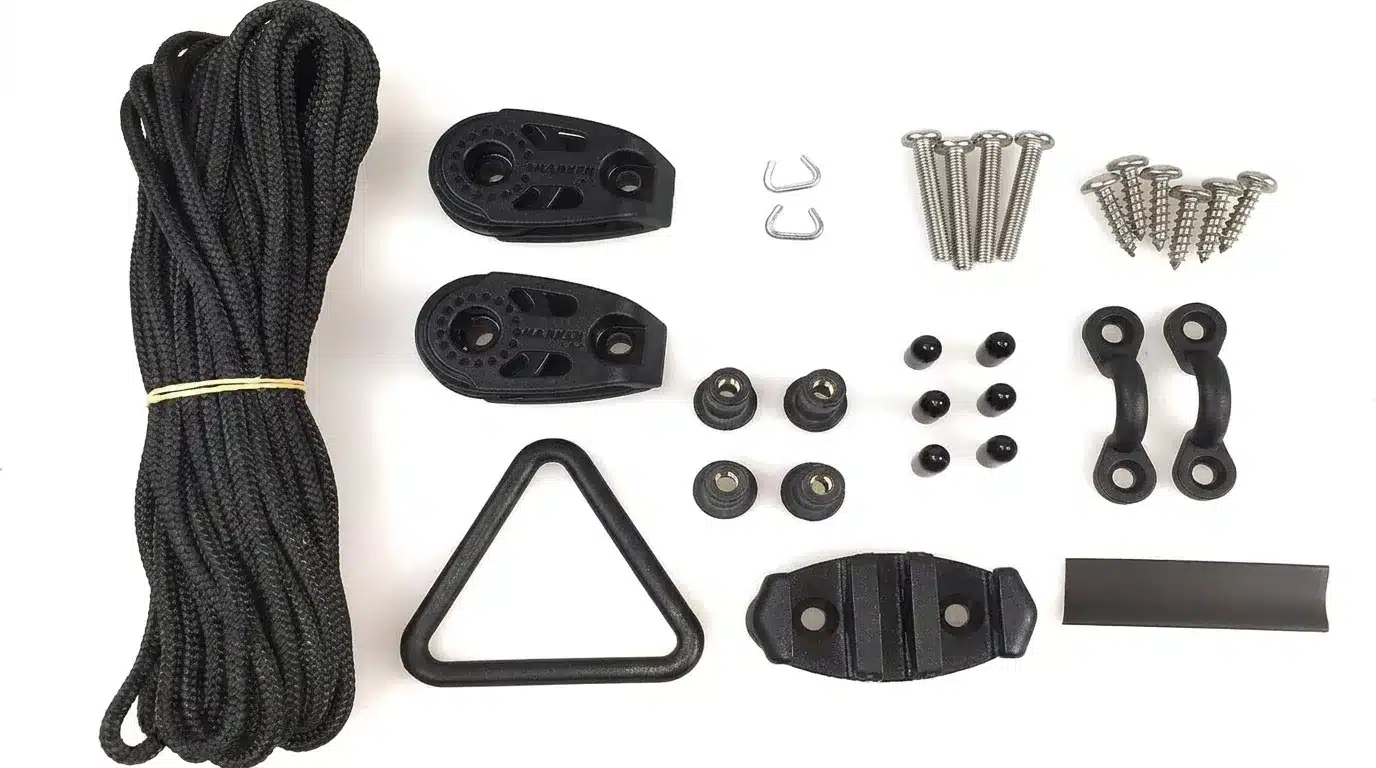
The YakGear Deluxe Anchor Trolley Kit is one of the more common starter systems for beginner kayak anglers.
It works well on calm lakes, ponds, and slower rivers where basic boat control matters most. The setup is simple, and most anglers can install it without much trouble.
Key Specs
- Type: Anchor trolley kit
- Best for: Beginners and calm-water fishing
- Main use: Better kayak angle control
- Drawback: Plastic pulleys may wear faster in heavy saltwater use
Product: YakGear AK1 Deluxe Anchor Trolley with Pulleys
2. YakAttack LeverLoc Anchor Trolley
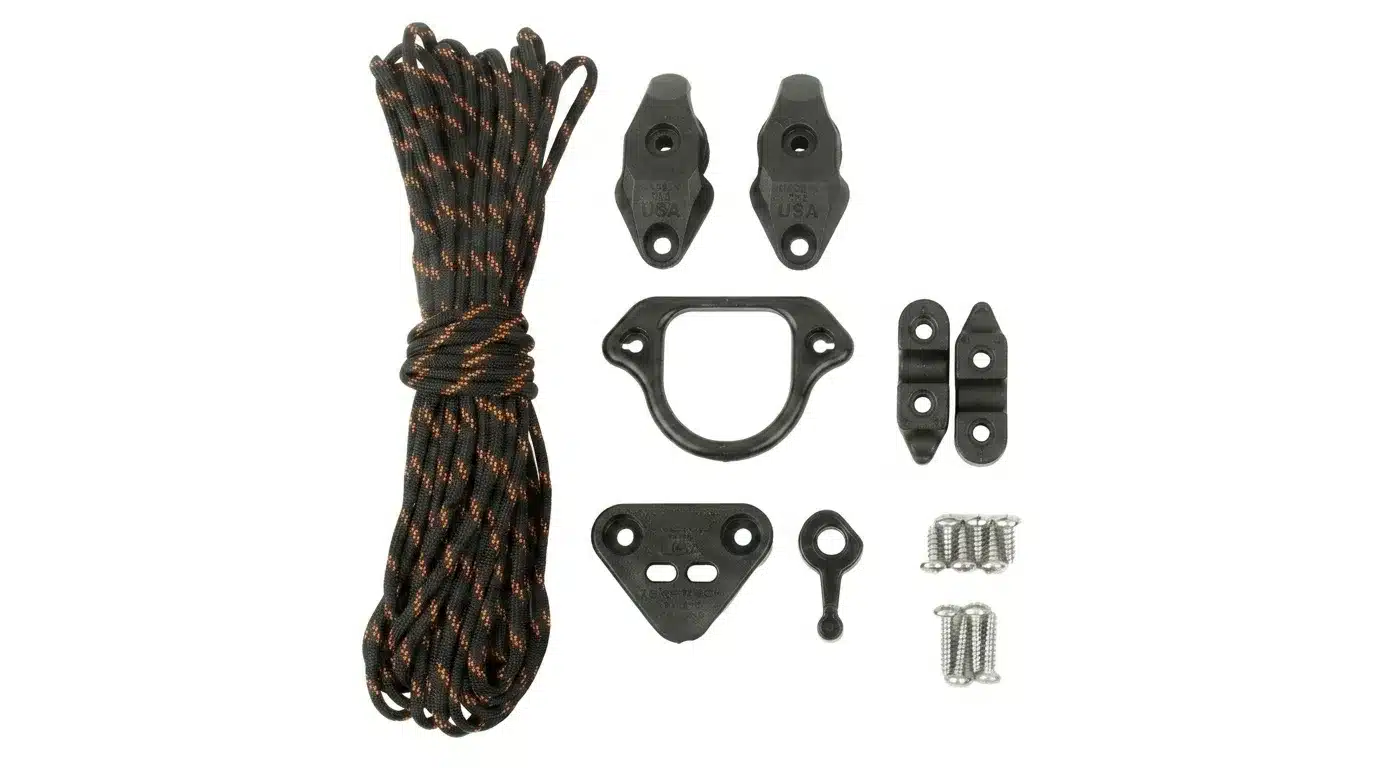
The YakAttack LeverLoc system is popular among tournament anglers and kayak anglers fishing windy lakes.
It offers smoother line control and more robust hardware than many basic trolley kits. The cleaner setup also helps reduce loose rope around the cockpit area.
Key Specs
- Type: Premium anchor trolley
- Best for: Windy conditions and precise positioning
- Main use: Adjusting the anchor angle from the seat
- Drawback: Higher price than entry-level kit
Product: LeverLoc Anchor Trolley
3. Anchor Wizard Low-Profile Kayak Anchor System
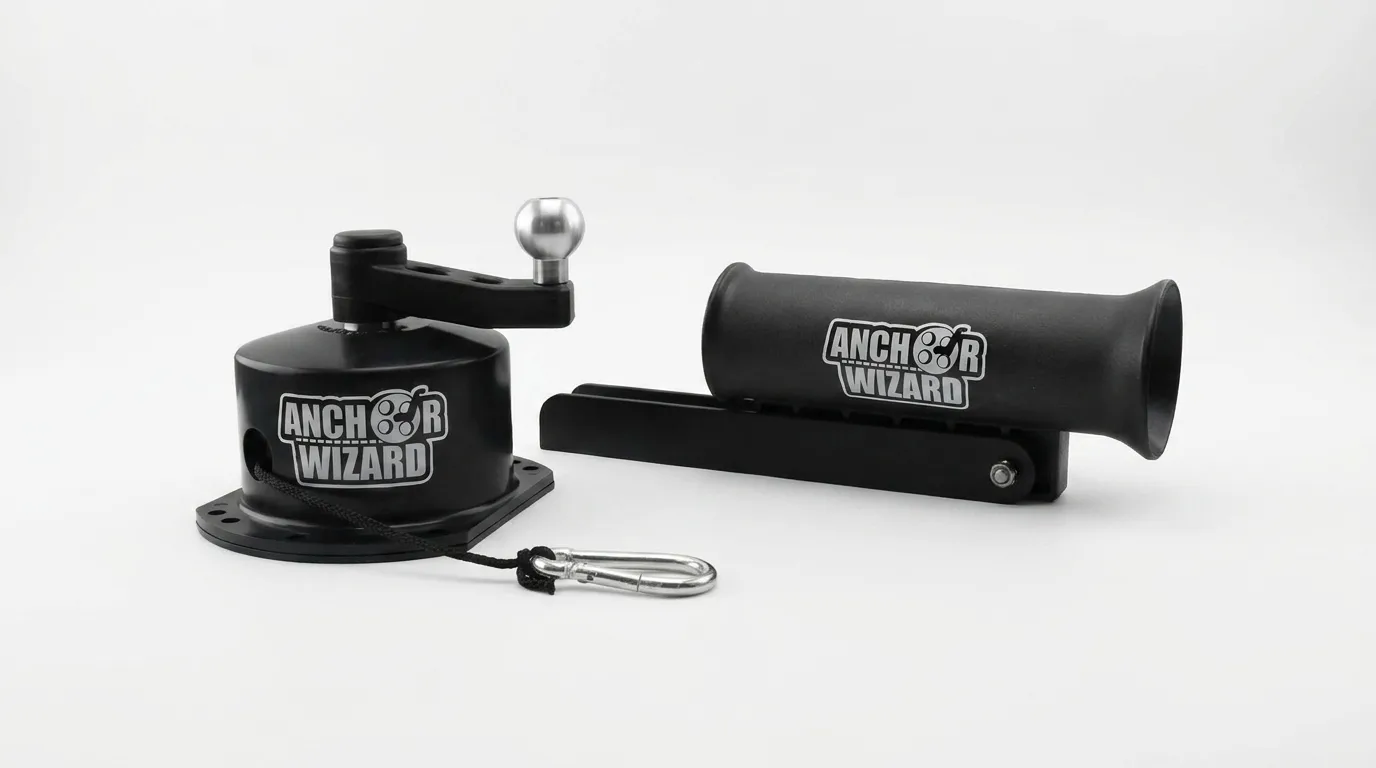
The Anchor Wizard system is designed for anglers who reposition often during a trip.
River anglers like it because the anchor can be raised or lowered quickly without dealing with loose rope across the kayak floor. It also keeps the cockpit area cleaner.
Key Specs
- Type: Anchor deployment system
- Best for: Rivers and frequent repositioning
- Main use: Raising and lowering the anchor quickly
- Drawback: Takes more installation planning
Product: Anchor Wizard Low Profile
4. Power-Pole Micro Anchor System
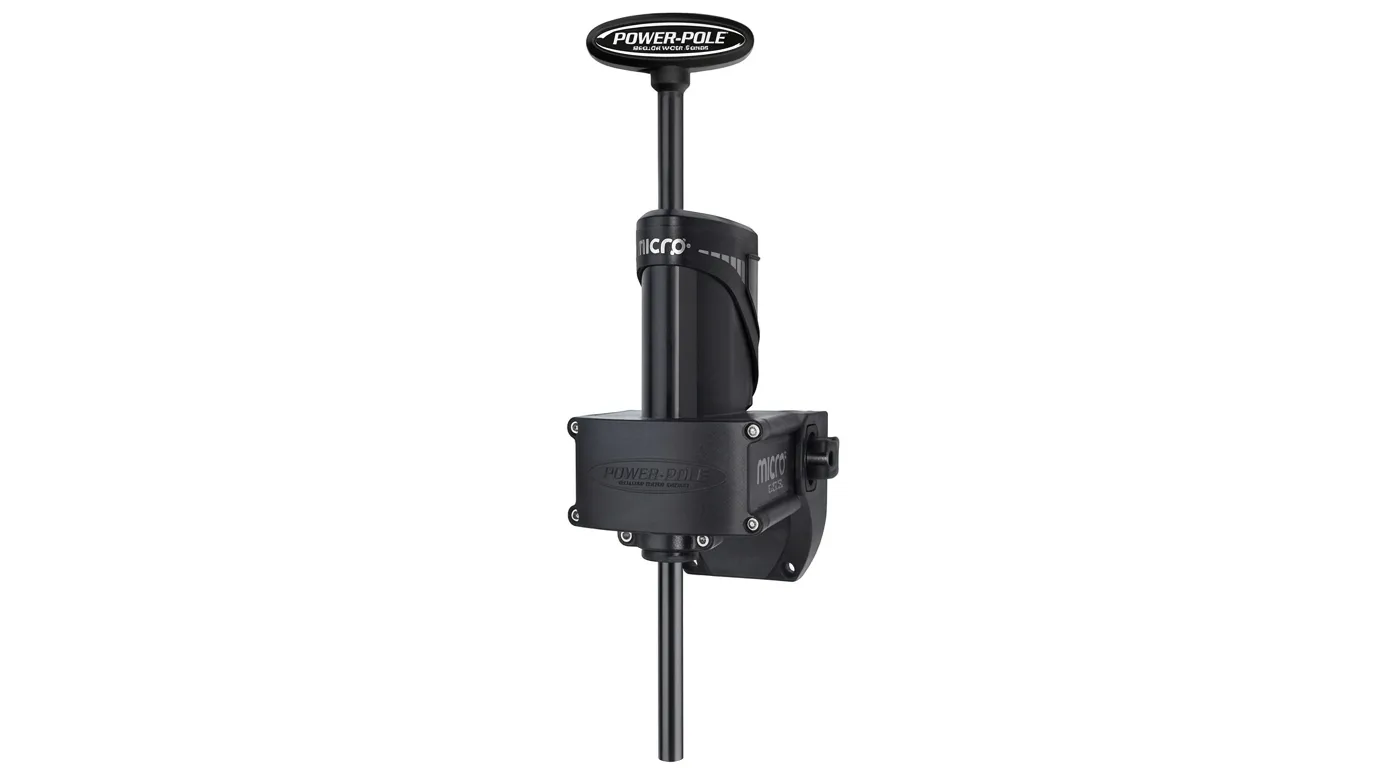
The Power-Pole Micro is widely used in bass fishing and shallow inshore fishing. Instead of throwing a traditional anchor, it quietly pins the kayak to the bottom.
Many anglers prefer it in shallow flats where quiet positioning matters during sight fishing.
Key Specs
- Type: Powered shallow-water anchor
- Best for: Flats, bass fishing, and sight fishing
- Main use: Quiet shallow-water holding
- Drawback: Expensive compared to standard systems
Product: Power-Pole Micro Anchor System
5. Extreme Max Folding Grapnel Anchor Kit
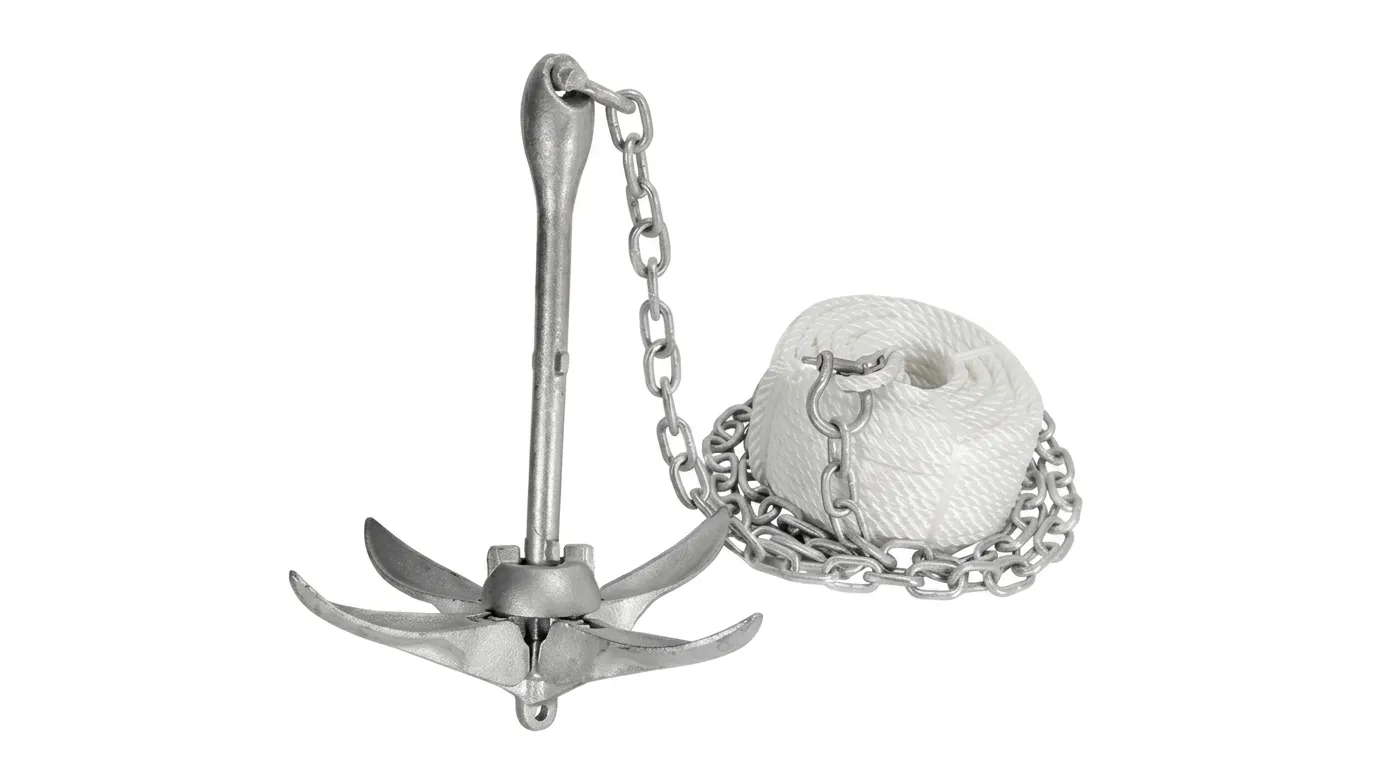
The Extreme Max Folding Grapnel Anchor Kit is a compact option for recreational kayak anglers.
Its folding design stores easily inside smaller kayaks and works well in mud, weeds, and softer bottoms. Many beginners choose it because of the lower cost and simple setup.
Key Specs
- Type: Folding grapnel anchor kit
- Best for: Calm lakes and compact storage
- Main use: Holding position in mud, weeds, or soft bottom
- Drawback: Can snag badly in rocky areas
Product: Extreme Max Folding Grapnel Anchor Kit
6. Scotty Anchor Lock System
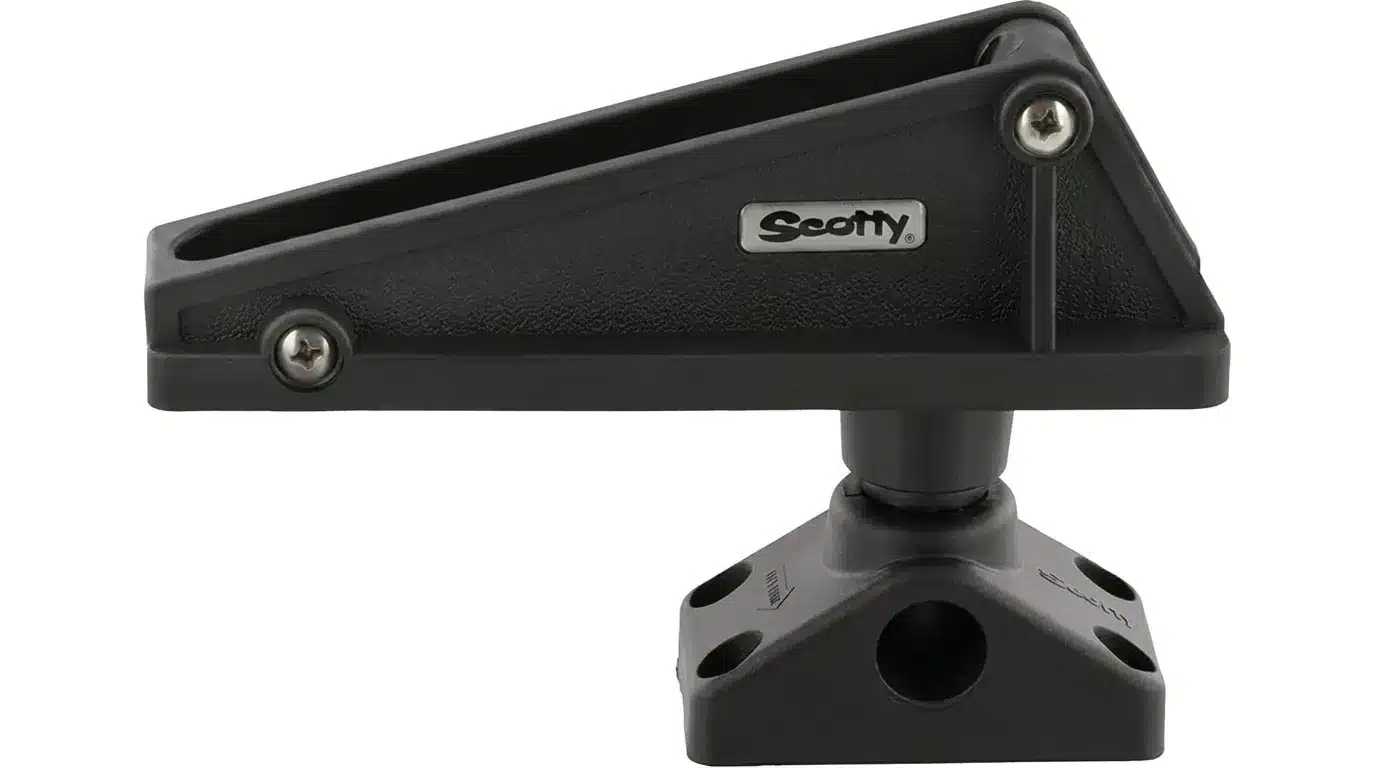
The Scotty Anchor Lock System works well for anglers who constantly adjust anchor depth near docks, brush piles, or structure.
The setup allows quick line control while staying seated. Many kayak anglers pair it with an anchor trolley for better positioning.
Key Specs
- Type: Anchor lock and line control system
- Best for: Dock fishing and controlled depth adjustment
- Main use: Managing anchor line while seated
- Drawback: Less compact than a simple cleat setup
Product: Scotty Anchor Lock System
7. BrushGripper Kayak Stakeout System
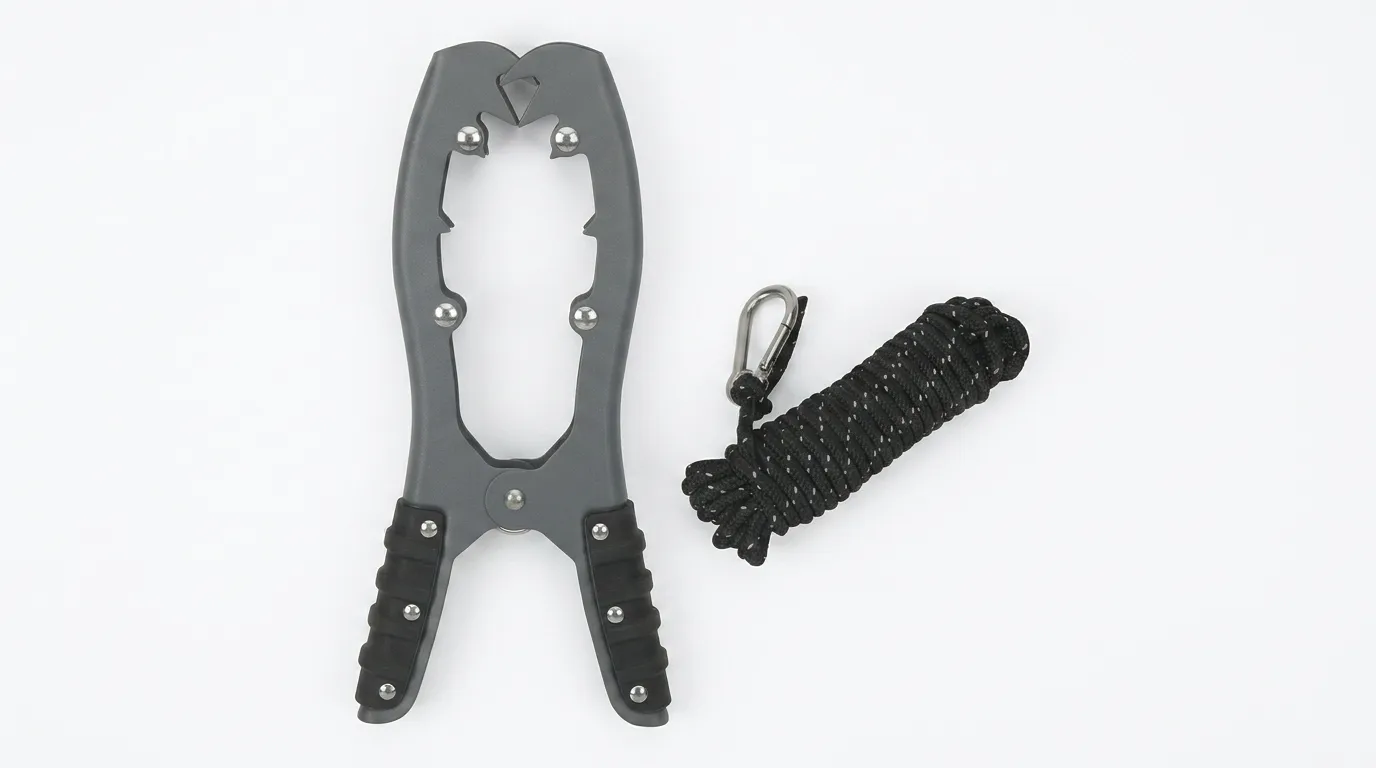
The BrushGripper system works differently from a traditional anchor. Instead of dropping weight to the bottom, it grips shoreline brush, branches, docks, or shallow structure. River and creek anglers often use it for quick stops in shallow water.
Key Specs
- Type: Stakeout and grip-style anchor system
- Best for: Shallow rivers, creeks, and brush-lined banks
- Main use: Quite short-term positioning
- Drawback: Limited use in deep open water
Product: BrushGripper Kayak Stakeout System
Best Kayak Anchor Systems Compared
To make choosing the right anchor system easier, this table compares popular options based on water type, main strengths, and who they suit best. It provides a quick reference for both beginners and experienced anglers.
| Anchor System | Best Water Type | Main Strength | Best User Type |
|---|---|---|---|
| YakGear Deluxe | Lakes and ponds | Budget-friendly control | Beginners |
| YakAttack LeverLoc | Windy lakes | Precise positioning | Advanced anglers |
| Anchor Wizard | Rivers | Fast deployment | Tournament anglers |
| Power-Pole Micro | Shallow flats | Silent anchoring | Bass anglers |
| Extreme Max Grapnel | Calm water | Compact storage | Recreational users |
| Scotty Anchor Lock | Structure fishing | Easy depth adjustment | Frequent repositioning |
| BrushGripper | Creeks and rivers | Quick shallow hold | River anglers |
Each anchor system has its own advantages depending on water conditions and fishing style. Use this comparison to find a setup that matches your needs and keeps your kayak secure on the water.
How to Choose the Right Kayak Anchor System
The best kayak anchor system depends on water conditions, fishing style, and kayak size. Some anglers need strong holding power for current, while others need quiet positioning in shallow water.
- Choose Based on Water Depth- Grapnel anchors hold well in deeper lakes where the flukes grip the bottom securely. Stakeout systems work better in shallow flats, while drift-control setups are better suited to open water with varying depths.
- Match the System to Current Strength- Fast rivers need anchors with stronger holding power and secure cleats that lock the line safely. Windy lakes usually require heavier anchors or stronger trolley systems that resist constant drag.
- Consider Storage Space Inside the Kayak: Folding grapnel anchors fit in most kayak hatches without taking up much space. Larger crank- or powered-systems mount externally and keep the rope off the cockpit floor.
- Think About Noise and Stealth- Stakeout poles and grip anchors enter the water quietly without splashing nearby fish. Quiet positioning matters most in shallow, clear water where fish react quickly to movement.
- Do Not Ignore Safety Features- Quick-release clips help anglers detach from the anchor fast if conditions suddenly change. Anchoring from the bow or stern keeps the kayak aligned and reduces the risk of capsizing.
Matching your system to the water you fish in will, in most cases, improve both performance and safety. A setup chosen for the right conditions also lasts longer and creates fewer problems on the water.
Common Kayak Anchor System Mistakes
Many kayak anchoring problems stem from poor setup rather than bad equipment. Small mistakes can make boat control harder and create safety problems in moving water. Learning proper anchor positioning early helps avoid unnecessary trouble during fishing trips.
| Mistake | Problem |
|---|---|
| Too little rope | Weak anchor hold |
| Side anchoring in the current | Higher tipping risk |
| No quick-release clip | Harder emergency exit |
| Oversized anchors | Extra kayak weight |
| Cheap hardware | Faster rust and wear |
Are Kayak Anchor Systems Worth It?
A good kayak anchor system helps anglers stay in position with less drifting and less paddling.
Better boat control makes casting easier around docks, grass lines, and structure. Many anglers notice they spend more time fishing instead of constantly correcting their position.
Proper anchoring also improves safety by helping the kayak face the current and wind correctly.
Different systems work better for different conditions, but most kayak anglers eventually add some form of anchor setup after dealing with enough frustrating drift.
Even a simple system can make long fishing trips feel more controlled and less tiring.
Conclusion
The best kayak anchor system depends on where you fish, how often you anchor, and the type of boat control you need during a trip.
Some anglers prefer compact grapnel anchors for lakes, while others rely on stakeout systems or advanced trolley setups in rivers and shallow flats.
A reliable setup can help reduce drifting, improve casting position, and make fishing more comfortable in changing conditions.
Taking time to choose the right system also improves safety on the water. Start with a setup that matches your fishing style, and spend time practicing before using it in stronger winds or currents.
A well-matched kayak anchor system can make every fishing trip smoother and easier to manage.
Frequently Asked Questions
What is the Best Kayak Anchor System for Fishing?
The best kayak anchor system depends on the type of water. A trolley kit works for lakes, while a powered anchor suits shallow flats best.
How Much Anchor Rope Do I Need for a Kayak?
Use at least seven times the water depth in rope length. For most kayak fishing, 25 to 40 feet covers the majority of situations.
Can I Use a Regular Anchor on a Kayak?
A regular anchor is too heavy for most kayaks. A folding grapnel anchor between 1.5 and 3.5 pounds is the right choice instead.