The ocean looks calm from above, but it changes fast once the surface is left behind. Water gets heavier, sounds fade. The world turns quiet in a way that feels unreal.
Deep-sea diving is for anyone curious about what lies beyond the usual shallow spots. It’s not about rushing or showing off.
It’s about moving slowly, staying aware, and learning to feel comfortable in a place that doesn’t work like land. Some people picture deep-sea diving as scary, while others imagine it as a peaceful escape.
The truth sits in the middle. It can be exciting, and it can be calm.
It depends on preparation, patience, and respect for the ocean. With the right steps, deeper water starts to feel less unknown and more like an adventure that makes sense.
What is Deep-Sea Diving?
Deep-sea diving involves diving to depths beyond the reached in most regular dives. It’s not the same as a casual underwater swim.
Going deeper often feels more serious because the environment can change quickly, and you need to stay aware of your time, air, and comfort.
Deep-sea diving is usually done with training and planning, not as a last-minute activity. divers learn to move calmly, communicate clearly, and follow safety procedures to dive and return safely.
Many people are drawn to deep-sea diving because it feels like real exploration, quiet, exciting, and full of discovery.
If you’re new to the idea, don’t worry: most divers work up to deeper dives slowly, gaining skills and confidence one step at a time.
Deep Sea Diving vs Other Types of Diving
Not all diving styles are the same. Some are simple and beginner-friendly, while others require more training and preparation.
Here’s a clearer look at different types of diving and how each one compares to deep-sea diving.
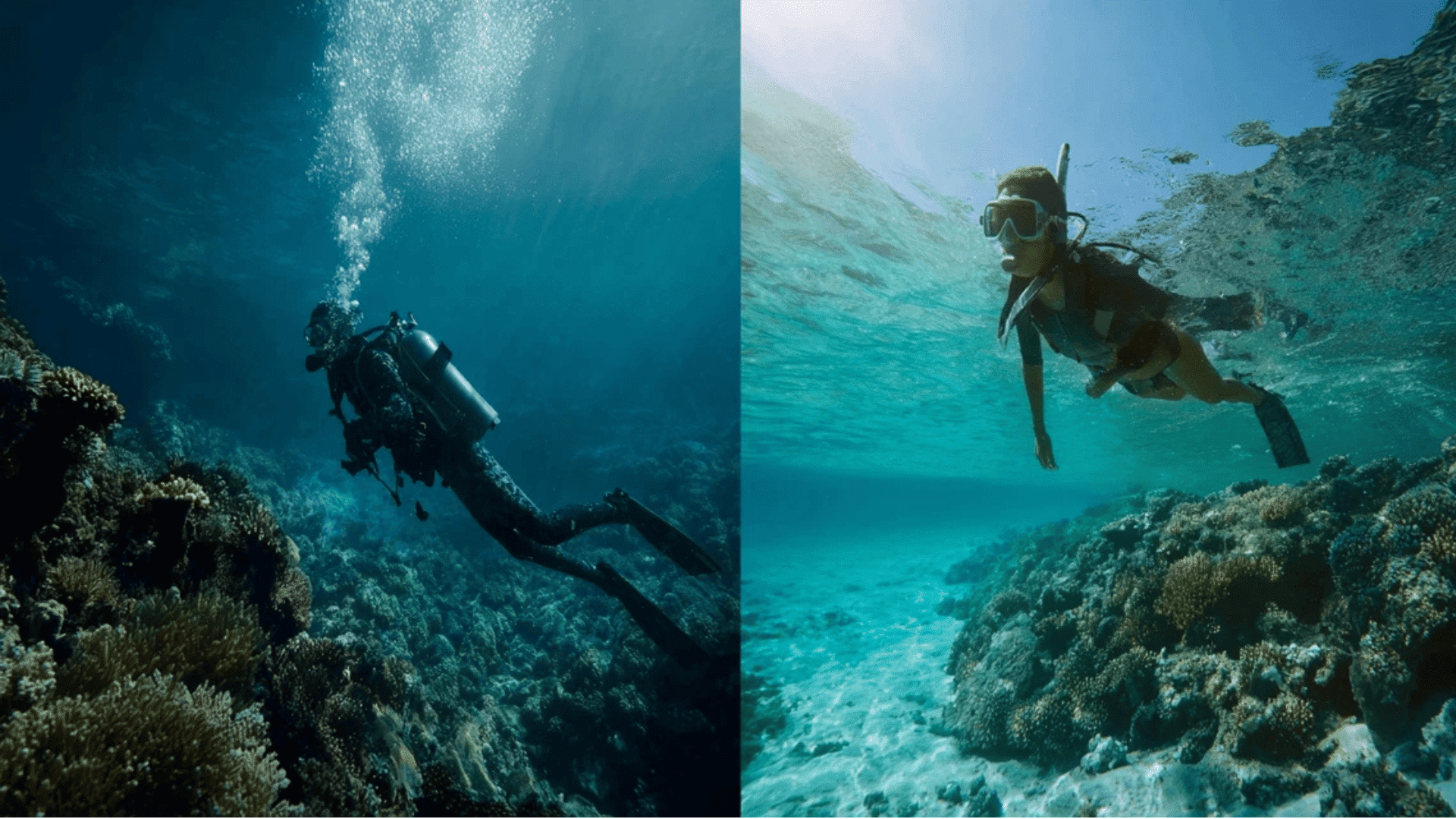
1. Scuba diving
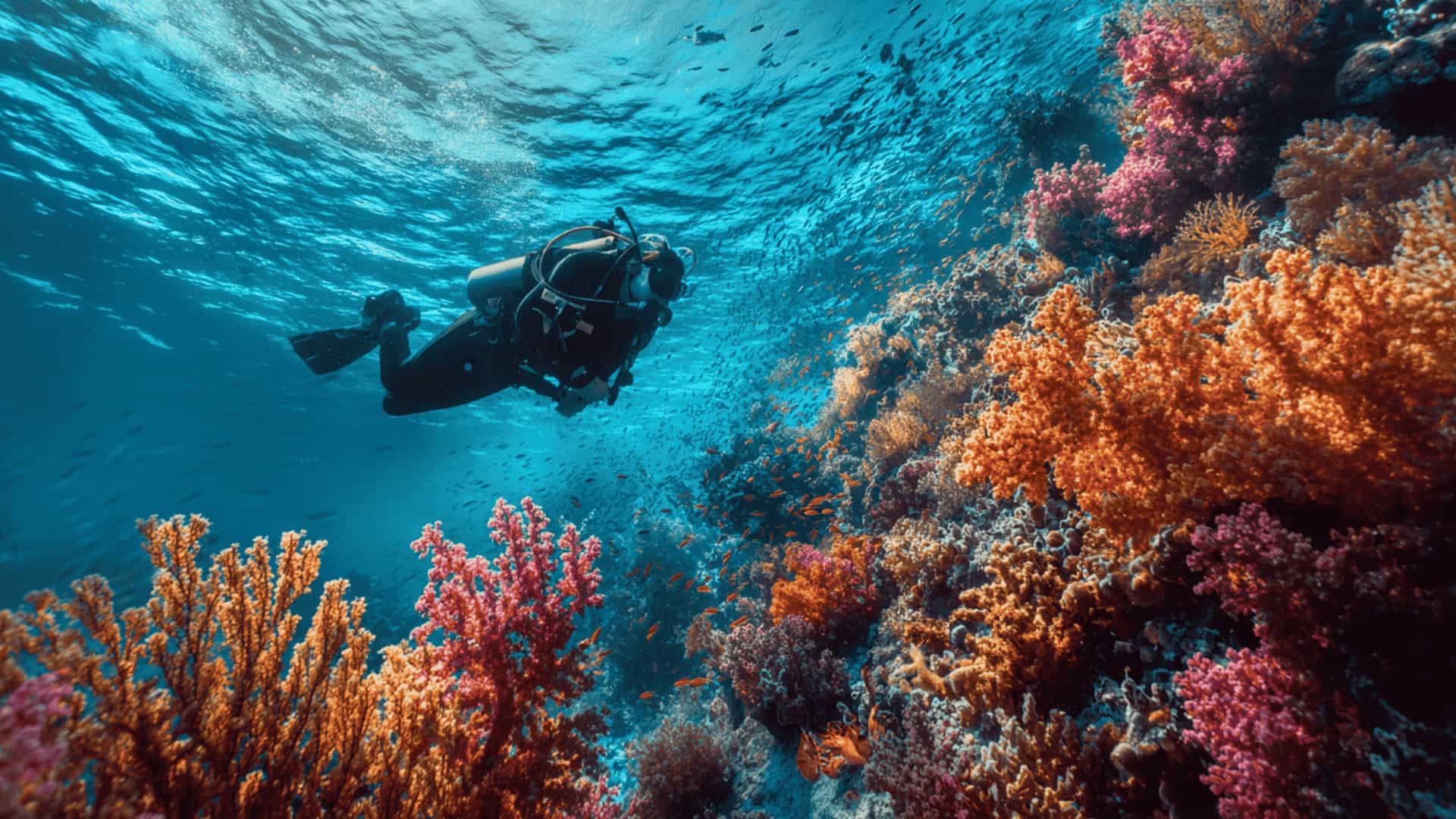
Scuba diving allows you to breathe underwater using a tank and regulator. It covers a wide range of depths, from shallow reef dives to moderately deep explorations.
With basic certification, many beginners can start scuba diving under supervision. It’s one of the most popular ways to explore marine life comfortably and safely, though if you’re just starting out, it’s worth knowing if scuba diving is dangerous .
Key Difference: Deep-sea diving usually involves deeper dives and often requires more planning and greater experience than standard scuba diving.
2. Free diving
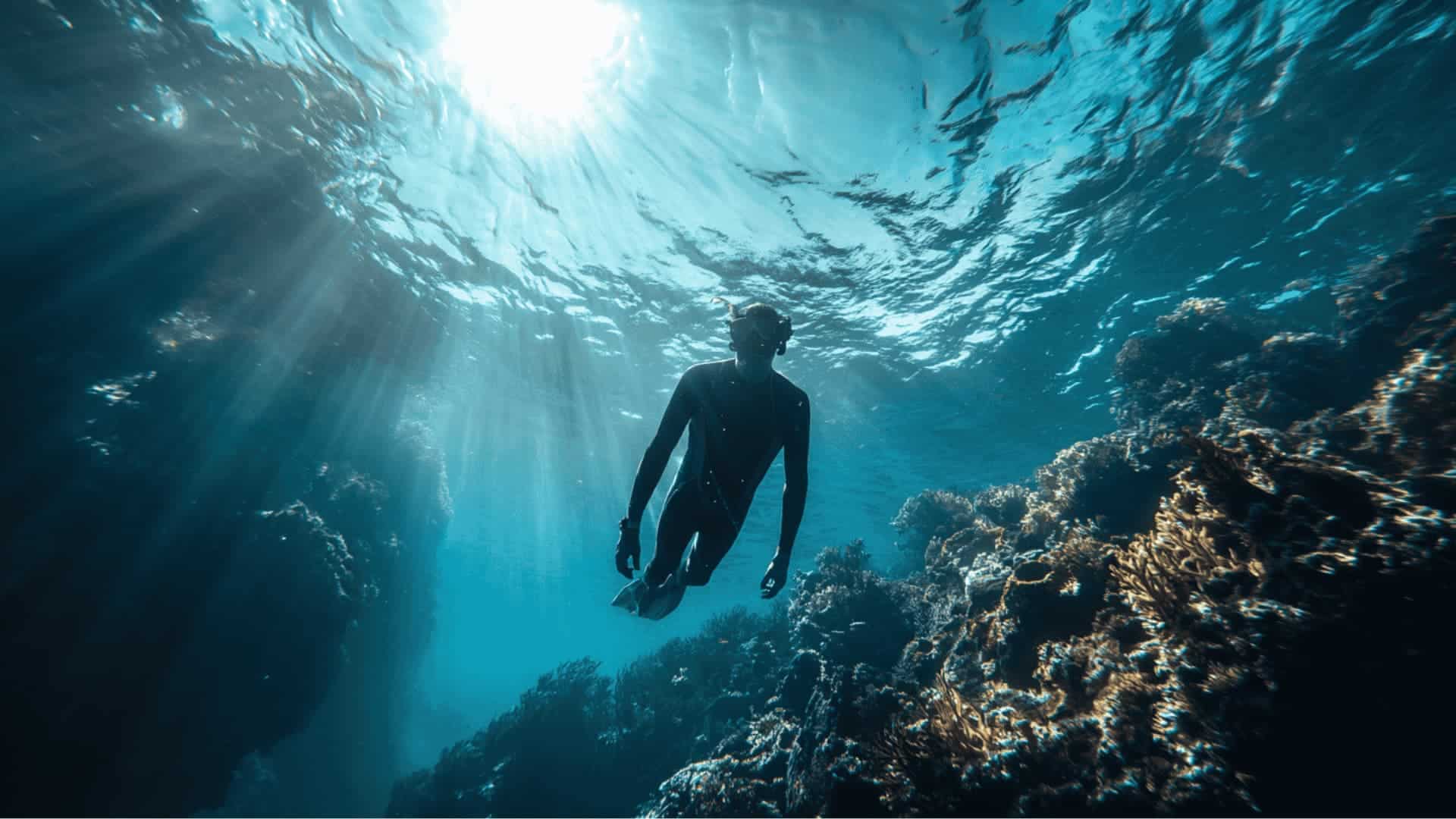
Free diving is a form of underwater diving done without breathing equipment. Divers rely on a single breath to descend and return to the surface.
It requires strong lung capacity, relaxation, and control. The focus is on technique, breath-holding ability, and mental calmness rather than equipment. From its ancient roots to modern technique, everything a first-time free diver needs to know is worth exploring before you dive in.
Key Difference: Unlike free diving, deep-sea diving allows divers to breathe underwater, enabling deeper, longer dives with proper training.
3. Snorkeling
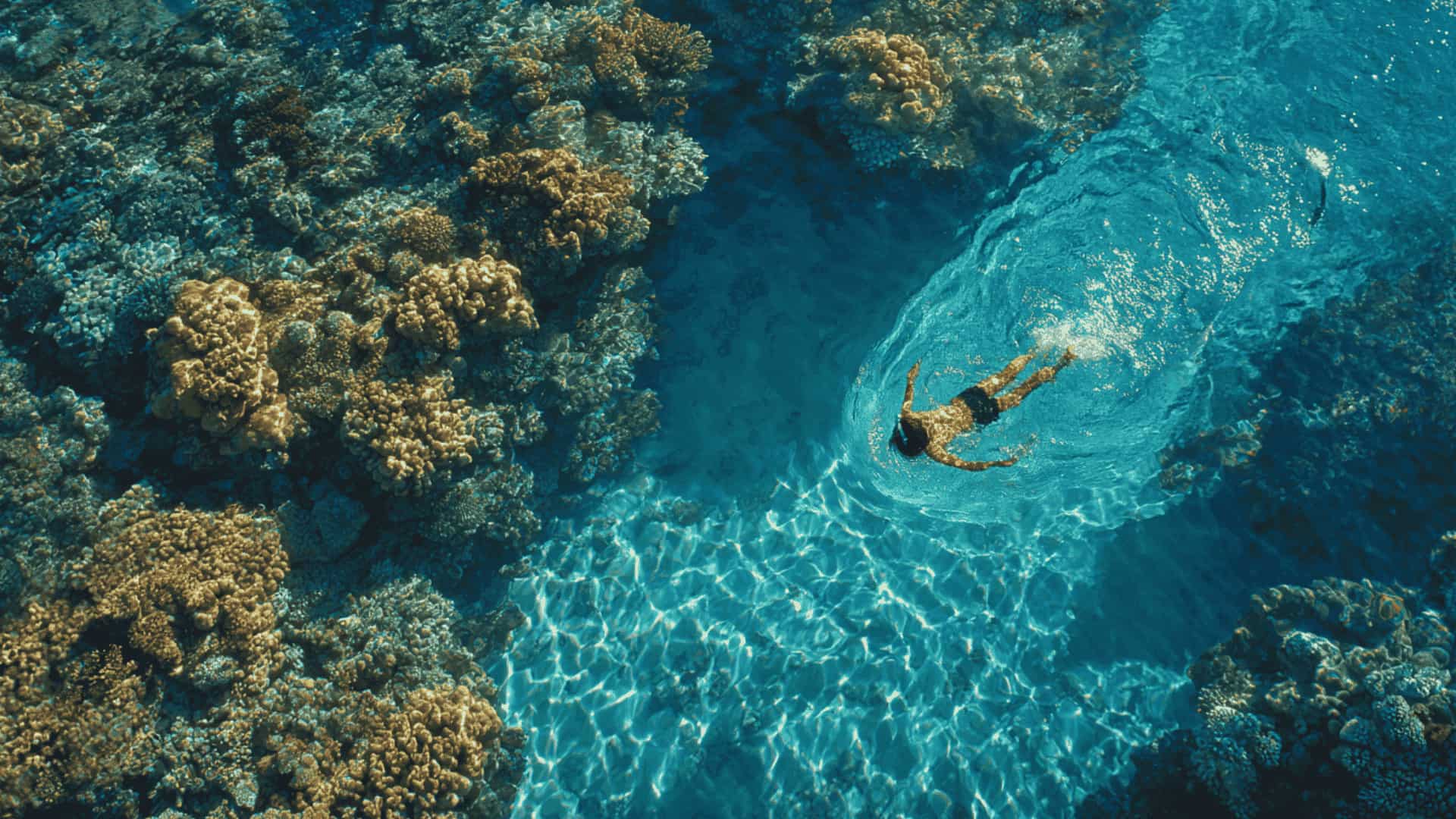
Snorkeling is a surface-level activity where you float on top of the water and observe marine life below. It requires minimal gear, usually just a mask, snorkel, and fins.
It’s easy to learn, beginner-friendly, and often done in calm, shallow waters near beaches or reefs. If you’re choosing between snorkeling and scuba diving, the right pick usually comes down to your comfort level and how deep you want to explore.
Key Difference: Snorkeling stays at the surface, while deep-sea diving takes you much deeper and usually requires training and structured safety steps.
Each diving style offers a unique way to explore the ocean. Understanding their differences helps you choose the right path. With proper training and preparation, deep-sea diving can become your next exciting underwater adventure.
How Deep Is Deep-Sea Diving?

The term deep-sea diving doesn’t refer to one exact depth, but it generally means diving deeper than standard recreational limits. Most beginner recreational dives stay within about 18–30 meters (60–100 feet).
Deep-sea diving usually goes beyond that range, where water pressure increases more noticeably, and pe planning becomes more important. As divers descend, every few meters adds more pressure to the body.
Because of this, deeper dives require better air management, stronger buoyancy control, and careful monitoring of time underwater. divers must also follow strict ascent rules to return safely.
It’s important to know that depth limits depend on training and certification. Certified recreational divers have set depth boundaries, while advanced or technical divers may go deeper with proper preparation.
In short, deep-sea diving isn’t just about how far you go down; it’s about having the skills and training to handle greater depths safely.
First-Time Deep-Sea Diving Preparation
Getting ready for your first deep-sea diving experience is exciting, but preparation is what makes it safe and enjoyable. Before you head into deeper waters, here are a few important things to keep in mind:
- Get Certified (PADI/NAUI Certification): Proper training is the first step. A recognized certification program teaches you how to use equipment, manage air supply, and handle basic underwater situations with confidence.
- Understand Physical Fitness Requirements: You don’t need to be an athlete, but you should be in good health and comfortable in the water. Diving requires steady breathing, calm movement, and basic stamina.
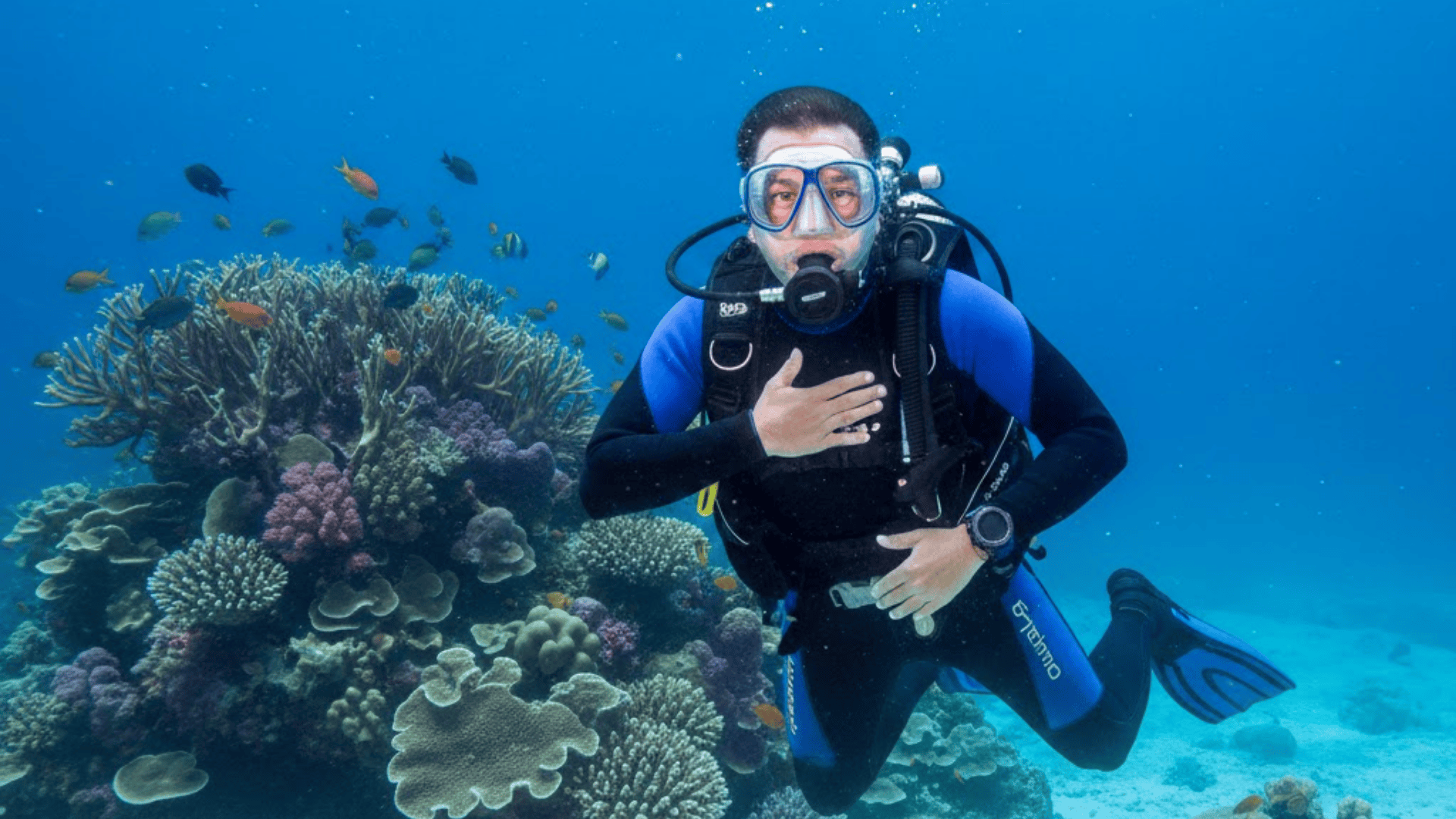
- Learn Basic Underwater Communication: Since you can’t talk underwater, divers use hand signals. Learning simple signals for “OK,” “go up,” or “low air” helps you stay connected with your pe buddy.
- Check Weather and Water Conditions: Calm waters and good visibility make a big difference, especially for beginners. Always review conditions before diving.
- Dive with a Professional Instructor: For your first deep pe, go with a trained professional. Their guidance adds an extra layer of safety and confidence.
With the right preparation, your first deep dive can feel less intimidating and much more rewarding.
Essential Deep Sea Diving Gear Checklist
Having the right gear is important for a safe and comfortable deep-sea diving experience. Each piece of equipment plays a specific role in heldiving: you breathe, move, and stay safe underwater.
| Gear / Equipment | Purpose |
|---|---|
| Scuba Tank (Compressed Air or Mixed Gases) | Stores the breathing gas that allows you to breathe underwater during the dive. |
| Regulator | Connects to the tank and delivers air at a safe pressure so you can breathe normally underwater. |
| Buoyancy Control Device (BCD) | Helps you control your position in the water, whether you float, sink, or stay neutral at a certain depth. |
| pe Computer | Tracks depth, dive time, and ascent rate to help prevent pressure-related risks. |
| Wetsuit or Drysuit | Protects your body from cold temperatures and minor scrapes or stings. |
| Mask, Fins, Snorkel | A mask helps you see clearly underwater; fins improve movement; a snorkel allows breathing at the surface before or after a dive. |
| Weight System | Helps you descend smoothly and maintain proper balance underwater. |
| Underwater Torch | Improves visibility in deeper or darker areas, helping you see details clearly. |
Using proper equipment makes deep-sea diving safer, smoother, and more enjoyable.
Deep-Sea Diving Safety Measures and Risk Management
Safety is the foundation of every successful deep-sea diving experience. While diving can be thrilling and peaceful, it also requires awareness and discipline.
Following proper safety measures helps reduce risks and ensures every pe ends smoothly.
-
Monitor Air Supply Continuously: Regularly check your air gauge to prevent unexpected shortages. Properly managing air ensures you have enough time to explore and return safely, without stress or panic.
-
Ascend Slowly to Avoid Decompression Sickness: Rising too quickly can cause nitrogen bubbles to form in your body. A slow, controlled ascent helps your body adjust safely to changing pressure levels.
-
Equalize Pressure Properly: As you descend, pressure builds in your ears and sinuses. Gently equalizing often prevents discomfort and protects you from potential ear injuries.
-
Stay Within Certified Depth Limits: Your training defines how deep you should go. Staying within those limits keeps your dive aligned with your skill level and reduces unnecessary risks.
-
Follow Emergency Procedures and dive Planning: Always review your dive plan before entering the water. Knowing emergency steps in advance helps you react calmly and correctly if unexpected situations arise.
-
Understand the Importance of the pe Buddy System: A dive buddy is more than company; they are your safety partner. Staying close, communicating clearly, and checking on each other improves confidence and protection underwater.
By respecting these safety measures, deep-sea diving becomes far more controlled and enjoyable. Smart preparation and careful decision-making turn a risky activity into a safe and unforgettable adventure.
The Science Behind Deep Sea Diving
When you go deeper underwater, the pressure around your body increases. In deep-sea diving, this change in pressure is one of the most important things to understand.
The deeper you descend, the more water pushes against you. While your body can adjust, it needs time to do so safely. As you breathe underwater, your body absorbs nitrogen from the air in your tank.
The deeper and longer you dive, the more nitrogen builds up in your system. If you come up too quickly, that nitrogen can form bubbles in your body.
This condition is called decompression sickness, often known as “the bends,” and it can be serious. That’s why divers make slow ascents and take safety stops.
These short pauses allow the body to safely release excess nitrogen. Understanding how pressure works makes deep-sea diving not just exciting, but also safe and controlled.
Top Deep-Sea Diving Destinations and What They May Cost
Some places around the world are well known for unforgettable deep-sea diving experiences. Each location offers something special, from clear water to unique marine life.
- Great Barrier Reef, Australia – Famous for its wide coral reefs, strong visibility, and rich sea life. It offers dive sites for divers of all skill levels.
- Blue Hole, Belize – Known for its deep blue sinkhole and unique underwater rock formations. It attracts divers looking for deeper exploration.
- Red Sea, Egypt – Popular for warm waters, colorful coral reefs, and excellent visibility throughout the year.
- Maldives – Offers clear waters, reef walls, and chances to see large marine species in deeper areas.
- Galápagos Islands, Ecuador – Known for strong currents and rare marine life, best suited for experienced divers.
The cost of deep-sea diving depends on location, certification level, and gear needs. A single guided dive usually costs between $80 and $200. Certification courses may cost between $300 and $600.
Travel, accommodation, and equipment rental can increase the total cost. Planning ahead helps manage expenses while keeping the experience safe and rewarding.
Wrap Up
Deep-sea diving is more than going deeper underwater. It requires training, planning, the right gear, and strong safety habits.
Understanding how it differs from scuba, free diving, and snorkeling helps in choosing the right path. Knowing about depth limits, pressure, equipment, and preparation makes the experience safer and more enjoyable.
The right knowledge turns uncertainty into confidence. For those who feel curious about what lies beyond the surface, deep-sea diving offers a quiet and powerful kind of adventure.
The ocean holds more than most people ever see. The real question is, are you ready to explore what waits below? If this helped, consider sharing it or saving it for later.
Frequently Asked Questions
How Popular and Accessible Is Deep-Sea Diving?
Deep-sea diving is growing in popularity worldwide. With proper certification and access to dive centers, it is available in many coastal destinations for trained beginners and experienced divers.
What Kind of Underwater Encounters Can Happen During Deep-Sea Diving?
Divers may see coral reefs, shipwrecks, reef sharks, rays, and unique deep-water species. Marine life varies by location, depth, season, and water conditions.
Is Deep-Sea Diving Safe for Beginners?
Deep-sea diving can be safe for beginners with proper certification, professional guidance, and strict safety practices. Training and staying within depth limits are essential.