You stand at the edge of the Great Salt Lake, watching people float like they have discovered a real-life water hack. Then you notice the salty smell, tiny flies hovering nearby, and the warnings about changing lake conditions.
you must be wondering: can you swim in the Great Salt Lake without putting your health at risk?
The answer is yes, but you should know a few things first. The lake looks a little wild around the edges, but that does not automatically make the water unsafe.
From salt levels and bacteria to skin irritation and the best places to get in.
Can You Swim in the Great Salt Lake?
Yes, you can swim and float in the Great Salt Lake. Utah State Parks allows swimming and floating, with Bridger Bay Beach on Antelope Island being one of the most popular spots for visitors to experience the lake.
But “allowed” does not mean you should jump in anywhere, anytime. The Great Salt Lake is not a regular swimming pool. Its salt levels are much higher than ocean water, which helps you float but can also sting cuts, eyes, and sensitive skin.
The lake and shoreline conditions can change, so checking current advisories before visiting is a smart move. Also, avoid swallowing the water.
The lake may look chill, but that salt has zero chill around a fresh cut.
Where Is the Great Salt Lake Located?
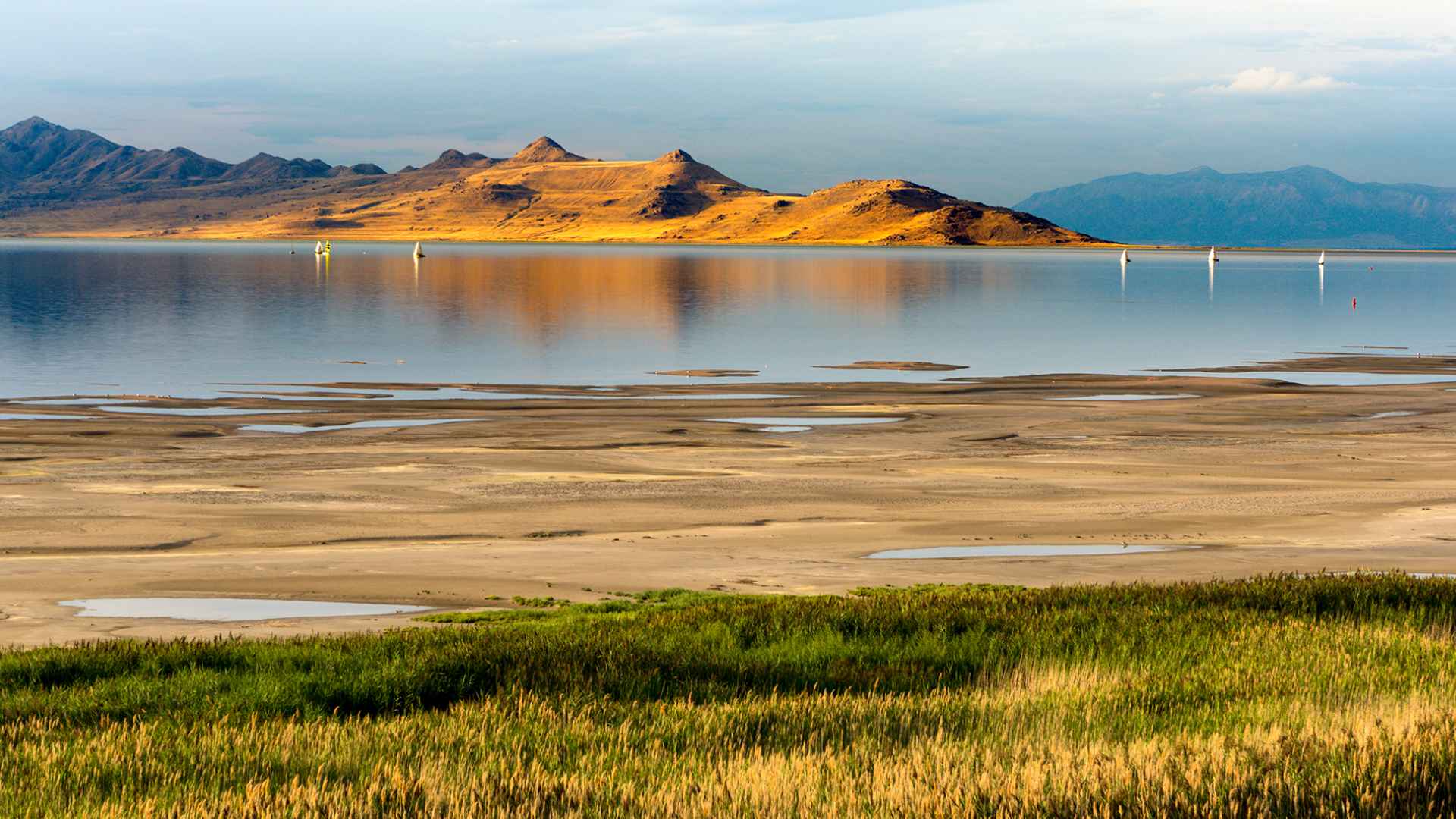
The Great Salt Lake sits in northern Utah, just west of Salt Lake City, along the Wasatch Front. It’s the largest natural lake west of the Mississippi River.
- The lake stretches across parts of four counties, with Salt Lake City sitting right along its southeastern shore.
- Antelope Island, the main swimming spot, sits inside the lake, connected by a seven-mile causeway.
- It’s a remnant of ancient Lake Bonneville, a massive prehistoric lake that once covered much of Utah.
Getting there is easy from the city. Most beach access points are a 30- to 45-minute drive from downtown Salt Lake, making it a simple day trip for locals and visitors alike.
Antelope Island charges a $15 per-vehicle entrance fee (up to eight people), collected at the causeway entrance gate.
Is It Safe to Swim in the Great Salt Lake?
Yes. Researchers at the Great Salt Lake Institute say the water itself is not dangerous to swim in, since high salinity limits many bacteria and keeps heavy metal concentrations too low to affect swimmers.
That said, “safe” doesn’t mean risk-free. Bacteria, algae, and arsenic each behave differently in this lake than they would in a typical freshwater one, and the sections below cover what’s actually worth knowing about each.
The more practical precautions are simpler: cover open cuts before wading in, avoid swallowing the water, and check current advisories if you’re visiting after a long dry spell or during peak algae season in nearby bays.
How Salty Is the Great Salt Lake?
With no outlet, the lake loses water only to evaporation, leaving salt behind. Salinity ranges from 12 to 15 percent in the south arm to 26 to 30 percent in the isolated north arm, five to nine times saltier than the ocean.
What Does Swimming in the Great Salt Lake Feel Like?
Floating here feels almost effortless; the lake’s extreme salinity pushes your body toward the surface the moment you lean back, similar to wearing a pool noodle you never actually put on. Most swimmers notice the buoyancy within seconds of wading past knee-deep water.
If you have an open cut or recently shaved skin, expect a brief sting. It catches most first-timers off guard, but it fades within a minute or two once you settle into a float. Near the shoreline, especially on warm or windless days, decaying algae and brine shrimp can give off a noticeable smell, stronger than most freshwater lakes.
None of this makes the experience unpleasant, just different from a typical swim. A quick rinse with fresh water afterward clears the salt from your skin, hair, and swimsuit before it has a chance to dry stiff, and most visitors say the novelty of floating outweighs the minor adjustments along the way.
Are Bacteria, Algae, and Heavy Metals a Concern in the Great Salt Lake?
The lake’s extreme salinity determines what can actually survive in it and which risks are real. Bacteria, algae, and heavy metals each behave differently than they would in a typical freshwater lake.
- Bacteria: Halophilic bacteria, brine shrimp, and salt-tolerant algae survive here; salinity above 12 percent kills freshwater pathogens like E. coli.
- Harmful algae: Blooms mostly form in shallow, low-salinity bays like Farmington Bay; the open lake stays too salty for them.
- Arsenic and heavy metals: Arsenic exists naturally in lakebed sediment, but it isn’t water-soluble; the real risk is airborne dust, not swimming exposure.
None of these risks should keep you out of the water. Understanding what’s actually in the lake, and what isn’t, makes for a more informed, worry-free swim.
Find the Best Spot to Swim or Float
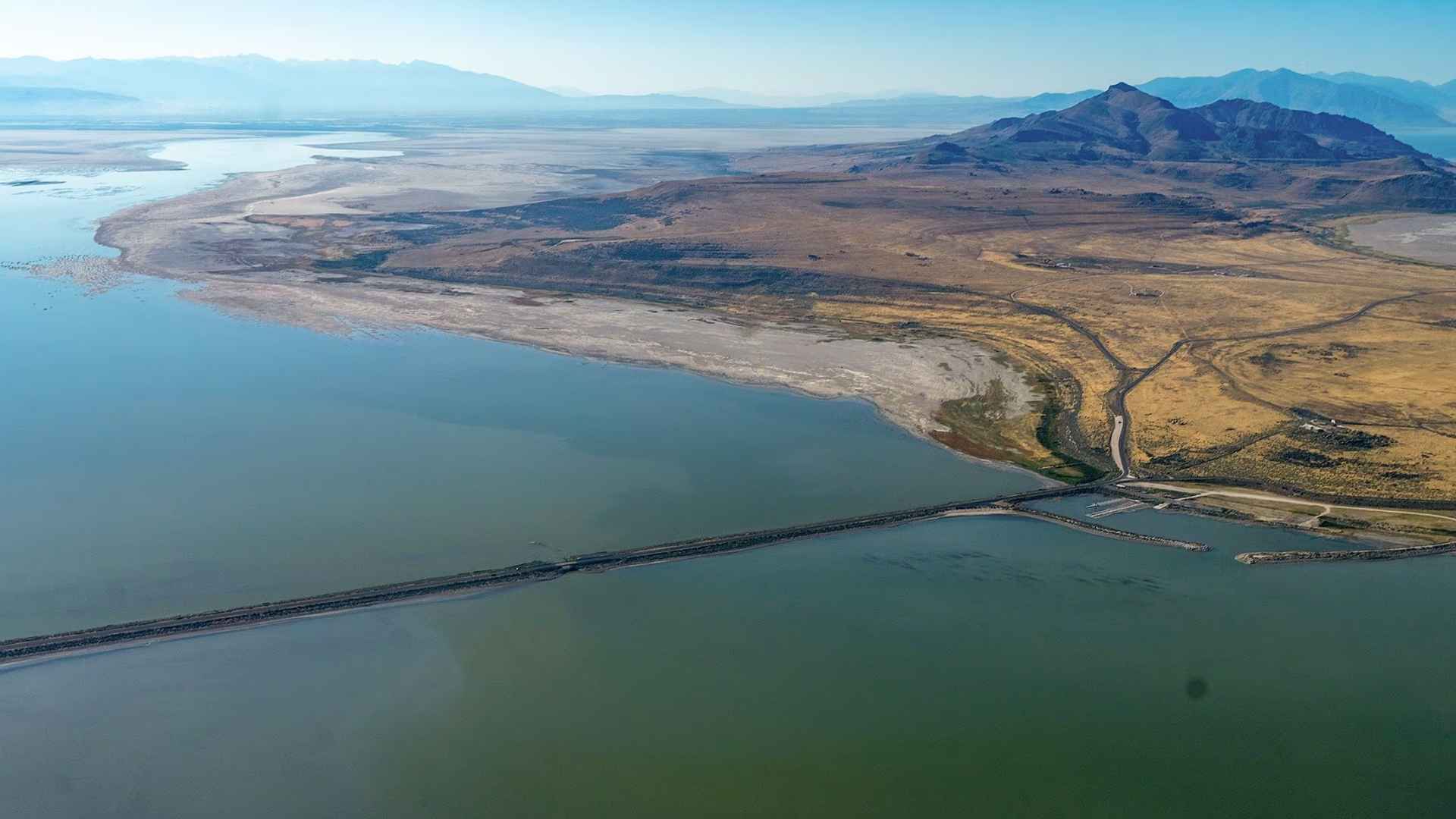
Image Credit: The Salt Lake Tribune
Not every shoreline around the Great Salt Lake offers the same experience. Some areas are easier to access, better for first-time visitors, and more comfortable for swimming or floating. Choosing the right spot can make the difference between a relaxing float and a frustrating day on the lake.
Float at Bridger Bay Beach on Antelope Island
For most visitors, Bridger Bay Beach on Antelope Island is the easiest place to start. It is one of the most popular swimming areas because it offers a sandy shoreline, shallow water, and a simple way to experience the lake’s famous floating effect. The area is especially beginner-friendly because you can walk into the water gradually instead of jumping straight into deeper sections.
Because lake levels are currently low, you may need to walk a quarter mile or more across wet sand before the water gets deep enough to float or swim comfortably.
The beach also has nearby facilities, including restrooms and rinse-off areas when available. Lake conditions and facilities can change, so check current park updates before visiting.
Launch from the Great Salt Lake Marina
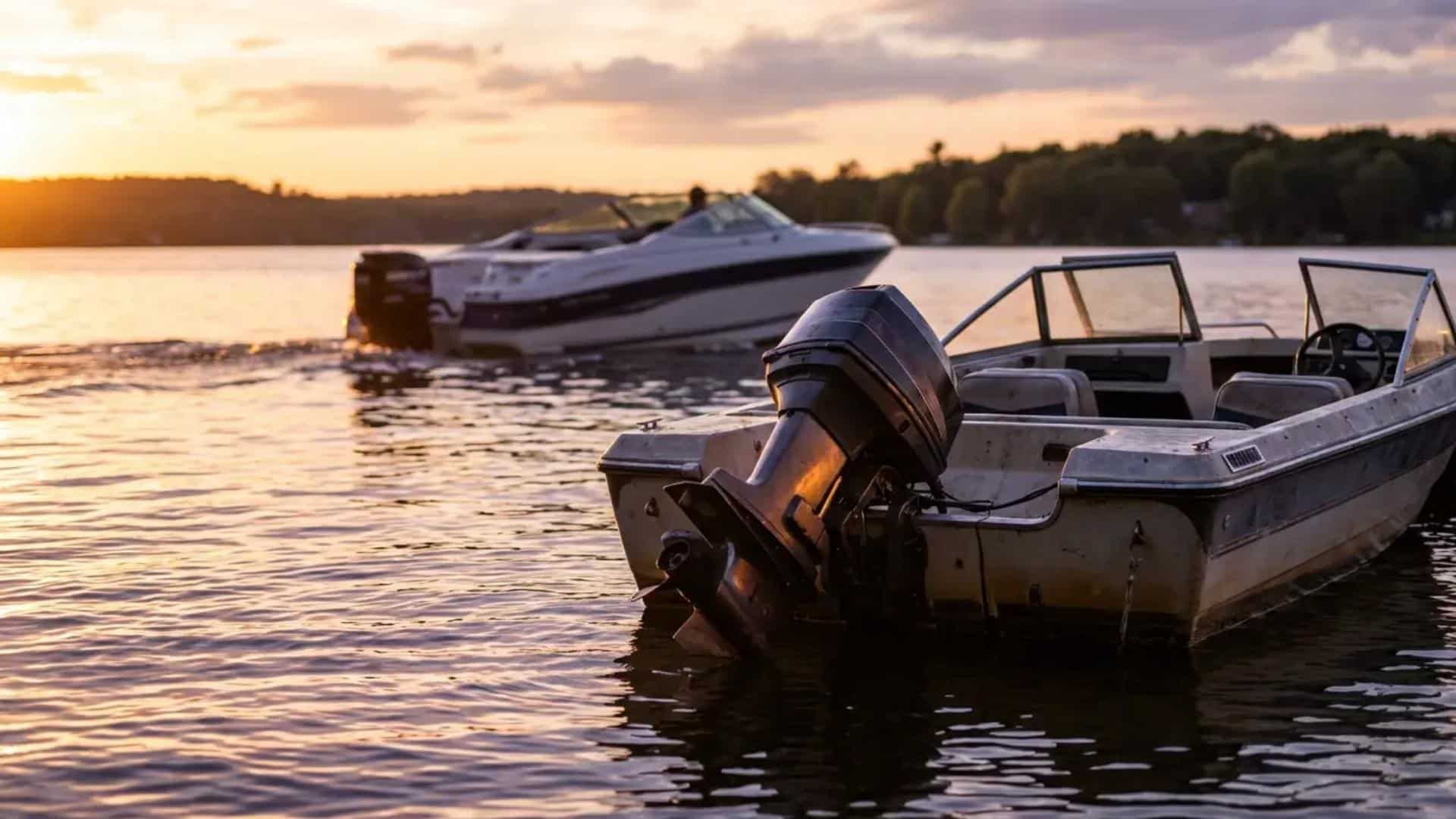
If you are coming from Salt Lake City and want quicker access to the lake, the Great Salt Lake Marina can be a convenient option. It offers a different experience from the sandy beaches of Antelope Island, with views of boats, open water, and the surrounding landscape.
This spot suits visitors who want to explore the lake by boat or enjoy the scenery rather than simply walk into the water for a casual swim. Always check current access conditions before planning your trip, as water levels and lake conditions can affect shoreline areas.
Chase the Pink Water at the North Arm
The northern arm of the Great Salt Lake is known for its striking pink and reddish tones, created by salt-loving microorganisms that thrive in extremely salty water. Located near the famous Spiral Jetty, this area has some of the highest salinity levels in the lake.
The extra salt makes floating feel almost effortless, but it is not the typical swimming beach experience. Access can be more remote, roads may be rough, and conditions can change quickly.
It is better for adventurous visitors who want to see a unique side of the lake rather than a simple swim day.
Pick the Right Time of YearSummer offers the warmest swim conditions, while spring and fall bring fewer crowds. Check weather and lake conditions, as temperatures, insects, and comfort levels change throughout the year. |
|---|
Health Risks to Consider Before Swimming
Most healthy swimmers face minimal risk in the Great Salt Lake, but a few factors are worth knowing beforehand. Airborne dust from the exposed lakebed, sun exposure while floating, and existing skin or respiratory conditions can all affect your experience differently than a typical beach day.
Who Should Be Extra Careful
- Open wounds or recent surgery: healing skin is more sensitive to salt irritation
- Eczema or other sensitive skin conditions: prolonged salt exposure can worsen flare-ups
- Respiratory conditions: airborne lakebed dust is more likely to affect those with asthma or COPD
- Pregnant swimmers: should factor in heat and sun exposure before a long float
- Young children: more likely to swallow water or rub salt into their eyes
- Weak or inexperienced swimmers: buoyancy makes floating easy, but it isn’t a substitute for basic swim skills in open water
The Great Salt Lake rewards a little preparation. Check conditions, protect sensitive skin, rinse off after, and the strange, salty float becomes one of Utah’s most memorable outdoor experiences rather than an uncomfortable one.
The Quick Go or No-Go Check Before You Swim
Before jumping into the Great Salt Lake, take a minute to check the water, weather, and shoreline conditions. A quick safety check can help you decide if it is a good day for a float.
|
What You Notice |
Swim? |
What to Do |
|---|---|---|
|
Clear water and normal conditions |
Usually yes |
Use an established swimming area |
|
Fresh cuts or irritated skin |
Think twice |
Let skin heal or cover wounds properly |
|
Green scum or unusual algae |
No |
Stay out and check conditions |
|
Strong wind or rough waves |
Wait |
Return when conditions improve |
|
Muddy or unstable shoreline |
Use caution |
Choose a safer access point |
Skip swallowing the water, and when in doubt, stay out.
How to Check Conditions Before You Swim
Lake conditions at the Great Salt Lake change more often than a typical beach, so it’s worth a quick check before you drive out.
Utah State Parks posts real-time updates on road access, water levels, and closures for Antelope Island, while Utah DEQ tracks harmful algal blooms and waterborne pathogens across the state’s recreational waters.
Both take under a minute to check and can save you a wasted trip or an unpleasant swim. Bookmark them if you visit often, since conditions can shift within a single season.
Check the current park conditions before you go.
What to Bring for Swimming in the Great Salt Lake
A few extra items make a Great Salt Lake trip more comfortable. The entry point is often muddy or rocky, and there’s no guarantee of a nearby freshwater shower.
|
Item |
Why You Need It |
|---|---|
|
Water shoes |
Protects your feet from mud, rocks, and sharp shells at the lakebed entry |
|
Large freshwater jug |
Rinses off salt if you’re not near a shower or rinse station |
|
Plastic bag |
Keeps your wet, salty swimsuit separate from dry gear on the drive home |
|
Extra towel |
Salt residue dries stiff, so a second towel helps once the first gets damp |
|
Sun protection |
Floating exposes more skin to the sun than regular swimming does |
None of this gear is complicated, but skipping it turns a fun float into a gritty, salty afternoon. Pack light, rinse well, and the experience stays enjoyable throughout.
Follow These Safety Steps in the Water
The lake’s buoyancy makes swimming feel easy, but a few habits keep your visit safe. These steps matter most once you’re actually in the water, not just before you arrive.
- Never swim alone: A buddy nearby matters more here than at a pool, since currents, mud, and fatigue can catch swimmers off guard.
- Avoid swallowing the water: The extreme salt content can cause nausea or stomach upset if you swallow it, even in small amounts.
- Rinse eyes with fresh water immediately: If salt gets in your eyes, rinse right away using clean water rather than lake water, which will worsen the sting.
- Watch for sudden wind or wave changes: Utah weather shifts fast, and choppy conditions can quickly turn a calm float into a struggle.
- Know your exit point before wading out: Muddy or uneven lakebeds make some entry spots easier to leave than others, so plan ahead.
Following these steps takes little effort but makes a real difference. A cautious swimmer enjoys the same float, minus the avoidable risks that catch first-timers by surprise.
Is the Lake Shrinking in 2026?
Yes, and the numbers back it up. The lake closed the 2025 water year at 4,191.1 feet, its third-lowest level on record since measurements began in 1903. That’s still well below the 4,198-foot mark scientists consider “healthy” for the ecosystem.
Utah has delivered nearly 400,000 acre-feet of water to the lake between 2021 and 2025 through conservation and water-leasing programs. Levels have stayed roughly flat since then, just above the lake’s 2021 low point.
But snowpack has run below normal, and recovery is expected to take decades, not years. If you’re planning a swim, the lake isn’t disappearing overnight, but it is smaller than it used to be.
Frequently Asked Questions
Is It Safe to Swim in The Great Salt Lake?
Yes. Researchers at the Great Salt Lake Institute say the water itself is not dangerous to swim in, since high salinity limits many bacteria and keeps heavy metal concentrations too low to affect swimmers. The bigger health concern is airborne dust from the exposed lakebed, not the water.
Can You Drown in The Great Salt Lake?
Drowning is uncommon because the lake’s high salt content makes it hard to sink. That buoyancy does not remove every risk, though; swimmers can still struggle from fatigue, currents, or swallowing water, so avoid swimming alone in deep water.
How Salty Is the Great Salt Lake Compared to The Ocean?
It ranges from five to nine times saltier than the ocean, depending on the arm, which is exactly why floating feels effortless.
Do You Need to Shower After Swimming There?
Yes. Salt dries and cakes on skin quickly, so rinse at the free freshwater showers available at Antelope Island and the marina.