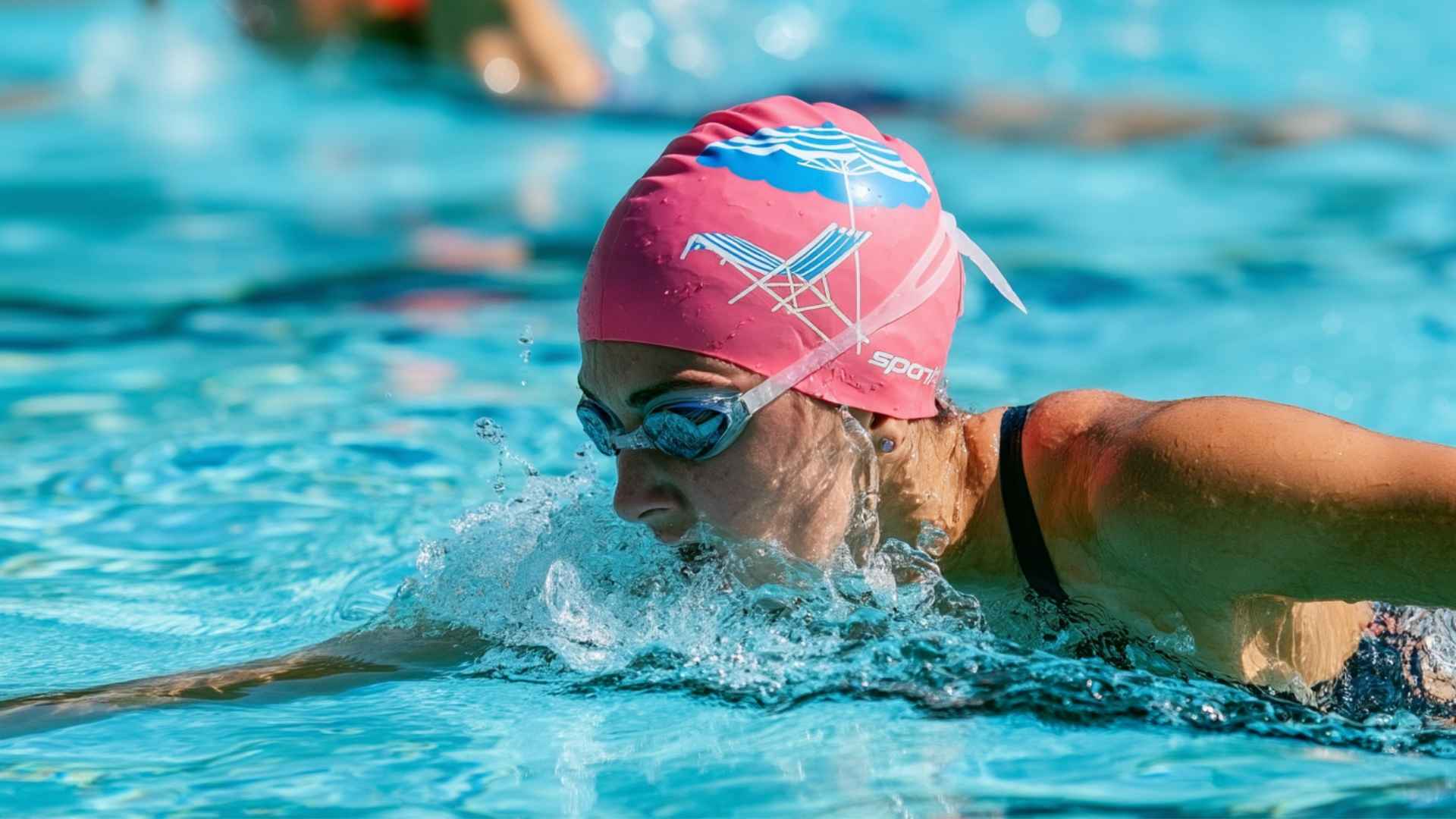
Going for a swim, thinking: Will swim caps keep your hair dry? No, a swim cap will not keep your hair completely dry. That surprises a lot of new swimmers, and it’s the first thing worth clearing up before you buy one, hoping for a miracle.
A snug silicone cap keeps hair out of your eyes, off the pool filter, and shielded from a good chunk of the chlorine. But water still creeps in at the hairline, around the ears, and down the back of your neck.
Swimmers on forums like Mumsnet have compared notes on this for years, and the answer is always the same: no cap, no matter the brand or the price, forms a perfect seal. The goal isn’t dry hair. It’s less damaged hair.
Why Swim Caps Don’t Keep Your Hair Completely Dry
The main purpose of a swim cap is to keep hair controlled, reduce drag, keep loose strands out of the pool, and limit how much chlorinated water reaches your hair.
A well-fitted cap can still make a noticeable difference, especially compared with swimming without one. Silicone caps usually create a tighter seal than fabric options, but they are water-resistant rather than waterproof.
Think of your swim cap as a protective barrier that reduces water exposure, not something designed to keep every strand perfectly dry.
Why Water Still Sneaks Past the Seal
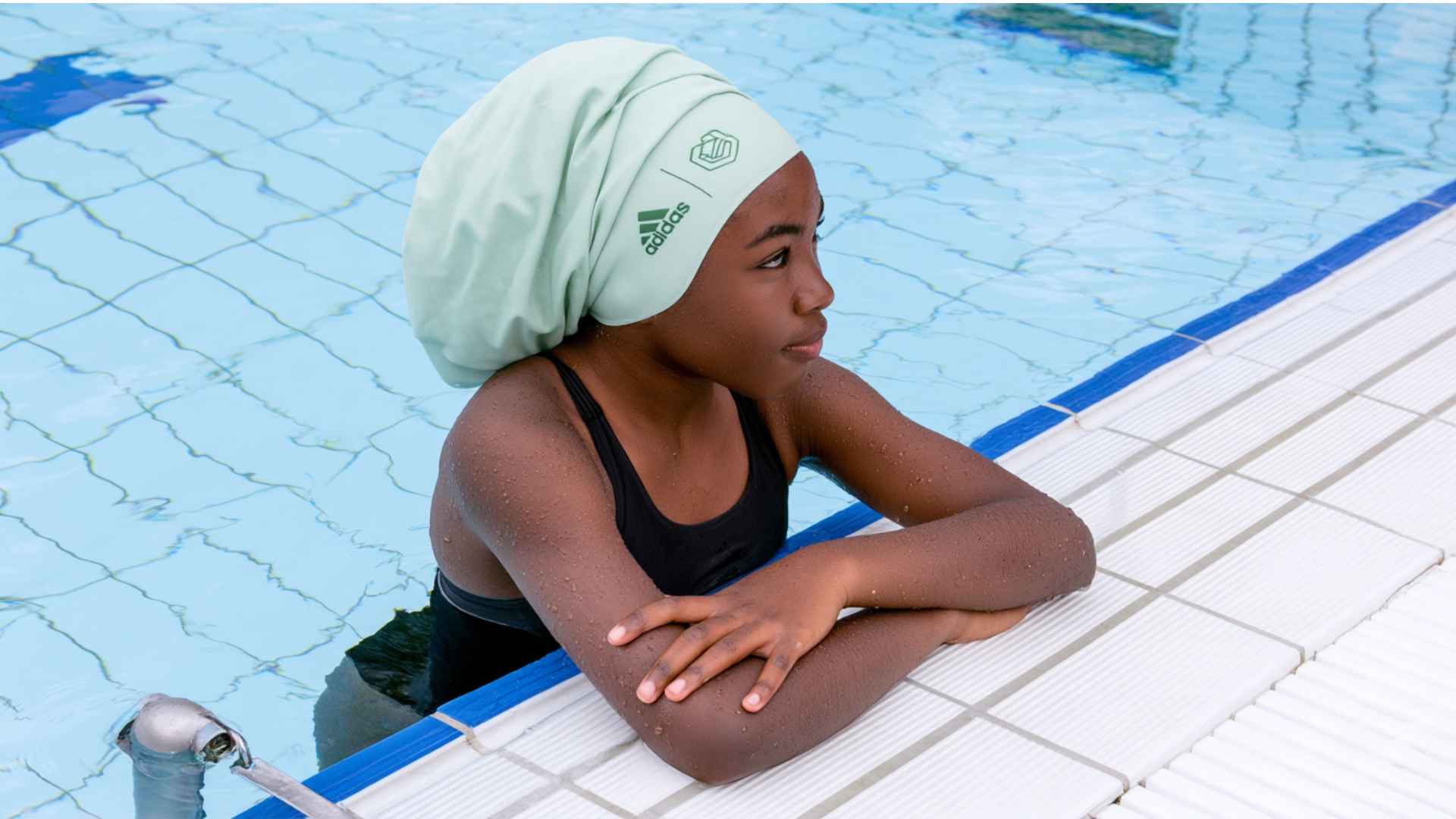
A swim cap may fit tightly, but certain areas are harder to seal.
These small gaps are where water usually gets in. A few spots almost always let water through, no matter how good the cap is:
- The neckline. Skin isn’t flat here, so the cap can’t press evenly against it.
- Around the ears. Caps can hold earplugs in place, but they rarely stop water trapped in ears once you’re a few laps in
- Wrinkles in the material. Even a small fold breaks the seal and lets water stream in.
- Bulky or long hair. Extra volume under the cap pushes it away from your skin.
Understanding these weak points helps you adjust your cap, manage expectations, and choose the right style for better comfort and protection in the water.
Cap Materials Compared
Not all caps behave the same in the water. Here’s how the main types stack up:
|
Material |
How dry does it keep hair? |
Best for |
Downside |
|---|---|---|---|
|
Closest to dry, still not perfect |
Most swimmers, chlorine protection |
Can tug or pull on hair |
|
|
Thin seal, decent for short swims |
Budget swimmers, warmer pools |
Tears easily, less durable |
|
|
Barely blocks water at all |
Keeping hair out of your face only |
Fully porous, soaks through fast |
|
|
Moderate seal, traps heat |
Open water, cold conditions |
Bulky and pricier |
Lycra caps are the ones to skip if dryness matters to you at all. The fabric is woven loosely enough that water passes straight through it, so it’s really only good for keeping hair tucked and out of your line of sight.
Pro tip: Pull the cap taut with no wrinkles before you get in the water. A single fold across the top can undo most of the seal you just worked to get right.
Prep Your Hair Before Putting on a Swim Cap
Your hair routine matters just as much as the cap itself. Start by soaking your hair with clean tap water before getting into the pool.
Dry hair absorbs water quickly, almost like a sponge, so filling it with fresh water first leaves less room for chlorinated water to soak in.
After wetting your hair, apply a thin layer of leave-in conditioner or a lightweight oil. This will not make your swim cap waterproof, but it can create a protective layer that helps reduce chlorine exposure and dryness.
Regular swimmers often use this simple step to keep their hair feeling softer after pool sessions.
Try Doubling Up on Caps
Some swimmers wear two caps, usually a thin one underneath and a silicone one on top, to get a slightly tighter seal. Here’s how it works, and where it falls short:
- Put on a thin latex or fabric cap first to smooth down hair and reduce bulk.
- Layer a silicone cap on top, smoothing it from your forehead back.
- Check the neckline last, since that’s still where most water gets through, even doubled up.
Swimmers who’ve tried this report it helps a little with color-treated hair, but it doesn’t solve the neckline problem. It’s worth it for long training sessions. For a quick, casual swim, it’s probably more hassle than it’s worth.
Tuck Hair Into a Low Bun, Not a Ponytail
A ponytail sits high and creates a bump that lifts the cap off your neck, opening the exact gap water sneaks through. A flat, low bun keeps the cap’s edge closer to your skin the whole time you’re swimming. If you have curly hair, gather it into a loose pile on top (sometimes called a pineapple) the protect curls from getting crushed flat.
Get the Fit and the Seal Right
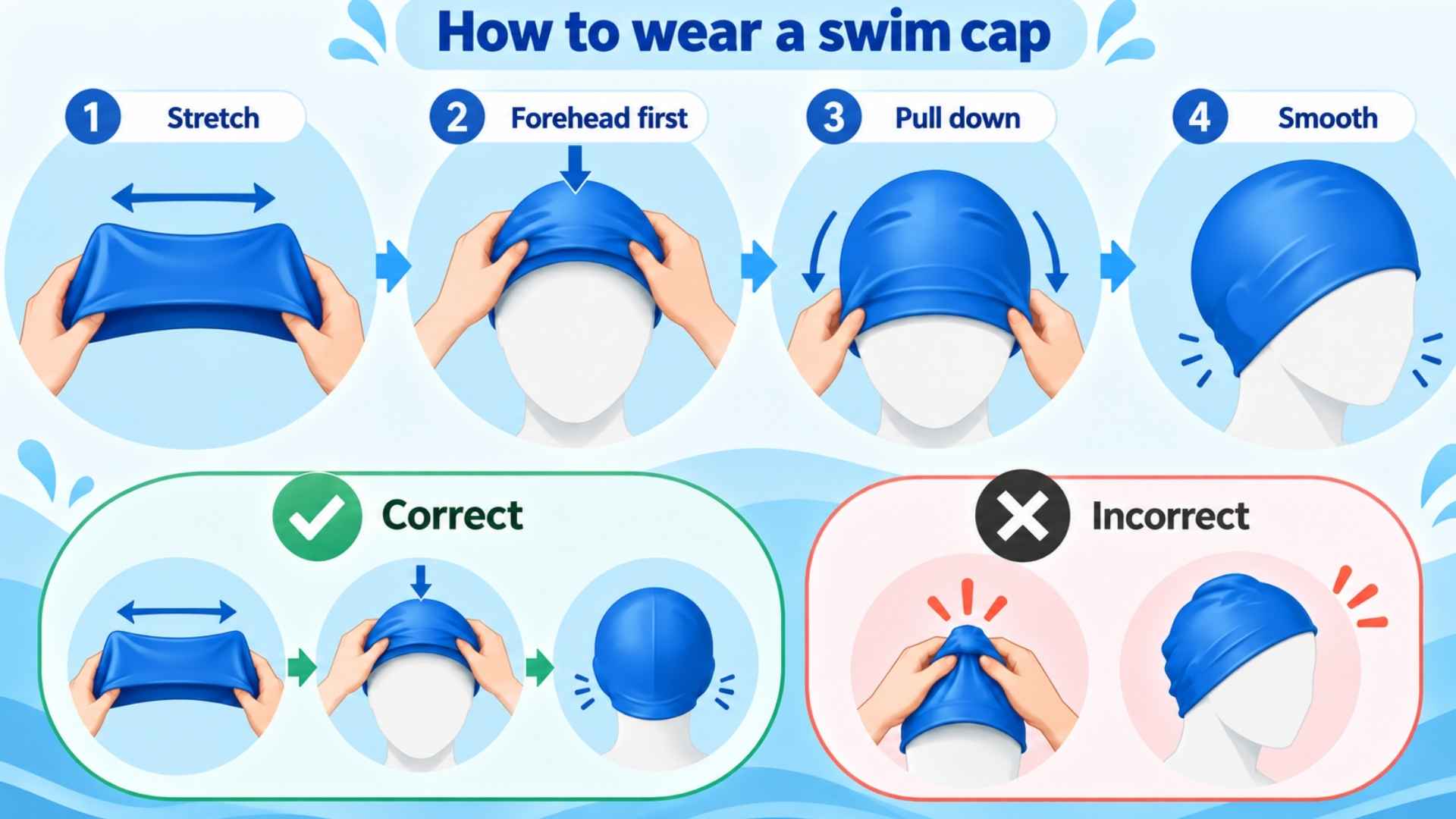
A proper fit does more than make a swim cap comfortable. It keeps the cap in place and limits water entry.
- Pick a cap that’s snug but not painfully tight. Too loose and it slides around; too tight and you’ll get a headache within minutes.
- Smooth the cap on, starting at your forehead and working back and down toward your neck.
- Check the seal at your hairline and neck last. Smooth out any gaps or wrinkles you find.
- Put your goggles on over the cap, not under it. This helps hold the seal steady at your temples.
A few small adjustments can improve the seal without making the cap uncomfortable. The goal is a secure fit, not a completely waterproof barrier.
Once your cap and goggles feel secure, you can stop thinking about them and put that attention toward things likeyour breathing rhythm instead
What About Thick, Curly, or Textured Hair?
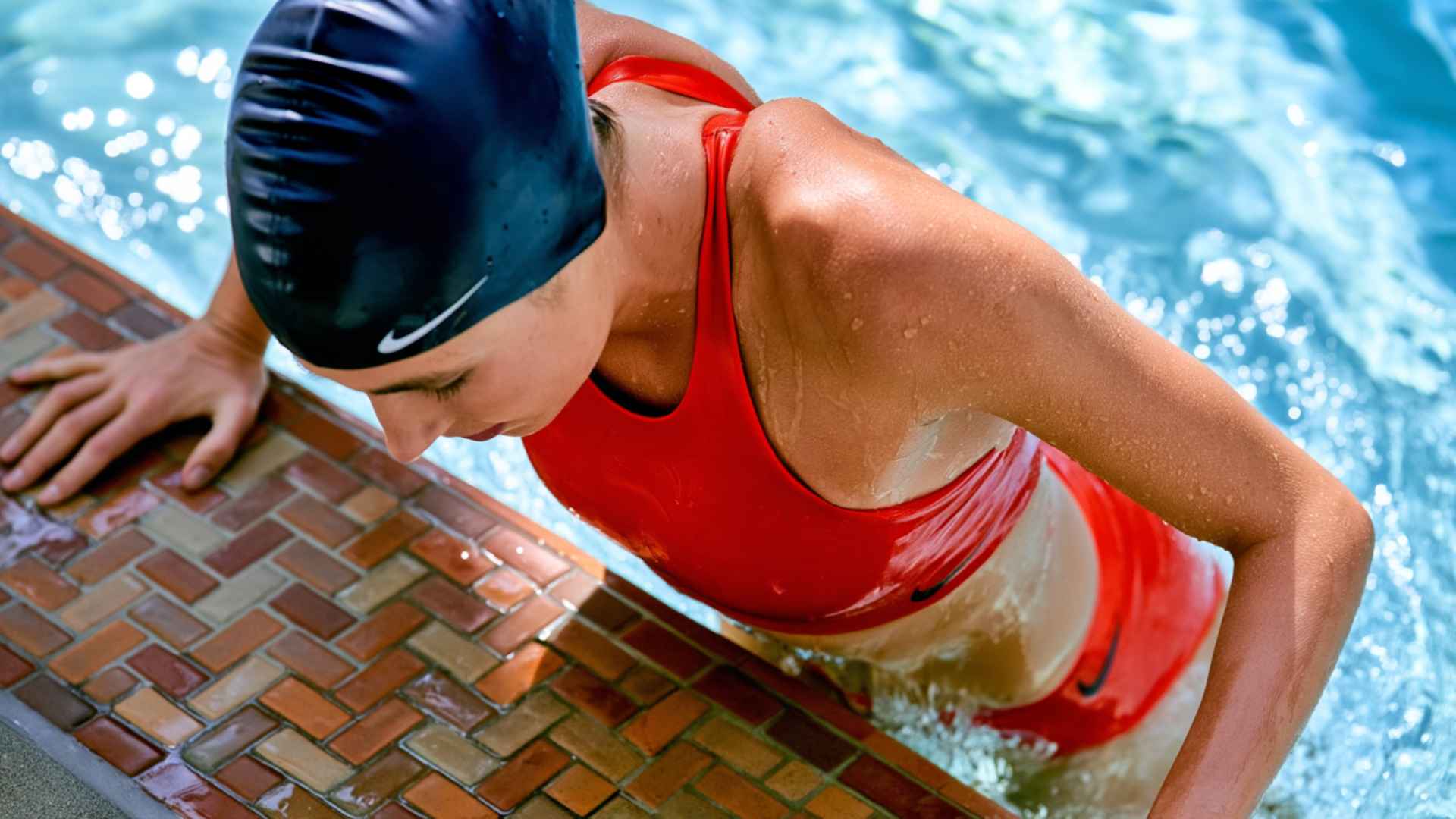
Curly and tightly coiled hair takes up more room and breaks more easily under a standard cap.
The American Academy of Dermatology has publicly pushed swimming’s governing body to allow caps built specifically for larger, curlier hair types, pointing out that a poor-fitting cap can cause real breakage over time.
If a standard cap feels too tight or leaves you with snapped strands, look for a roomier silicone cap designed for thick or natural hair, and skip the ponytail in favor of a low, flat bun or twist.
Rinse the Moment You Get Out
Chlorine keeps working on your hair even after you leave the pool. The longer it sits, the more damage it can do.
- Rinse with clean water within a few minutes of getting out.
- Follow with a swimmer’s shampoo designed to strip out chlorine buildup.
- Finish with conditioner to help smooth the hair cuticle.
- Let hair air-dry when you can, since heat styling adds even more stress to chlorine-exposed hair.
A quick post-swim routine helps remove chlorine before it lingers. Rinsing, conditioning, and gentle drying can keep your hair healthier between pool sessions.
Take Care of the Cap Itself
A swim cap that is stretched, cracked, or thinning may not create the same secure fit as it did when new. To extend its life, rinse it with clean water after every swim, then let it dry completely before storing it.
Avoid leaving it in direct sunlight, as heat and UV exposure can weaken silicone and latex materials over time. Store the cap loosely instead of folding it tightly to prevent creases and damage.
With regular swimming, replace your cap when you notice tears, a loose fit, or signs that the material is losing its stretch.
Mistakes That Let More Water In Than Necessary
A swim cap can only work well when it fits correctly and is used properly. These common mistakes reduce its ability to limit water entry.
- Putting the Cap on Dry Hair: Dry strands absorb pool water quickly, increasing chlorine exposure and reducing protection.
- Skipping the Seal Check: Small gaps around the ears and neckline can let water enter, even when the cap feels properly fitted.
- Wearing a High Ponytail: A raised ponytail creates bumps under the cap, pushing edges away and making it harder to maintain a seal.
- Ignoring Hair Preparation: An expensive cap cannot replace simple steps like wetting hair and applying conditioner before swimming.
- Choosing the Wrong Cap Material: Lycra-only caps provide comfort but offer minimal water resistance and limited protection against chlorine exposure.
Avoiding these simple mistakes helps your cap perform better. Small changes in preparation, fit, and cap choice can make swimming more comfortable.
Final Thoughts
Chasing a swim cap that keeps your hair bone dry is a losing game, and it’s worth giving up on that goal early.
The real win isn’t staying dry. It’s cutting down how much chlorine reaches your hair, and that happens before and after your swim, not just during it.
Wet your hair with clean water, coat it in a little conditioner or oil, seal the cap as best you can, then rinse the second you’re out of the pool.
Do that consistently, and your hair will hold up far better than any premium cap could manage alone. The cap is one piece of a bigger routine, not the whole fix people expect it to be.
Frequently Asked Questions
Do Silicone Swim Caps Keep Hair Completely Dry?
No cap seals 100 percent. Silicone comes closest, but water still creeps in at the neckline, ears, and any wrinkle in the material.
Can Wearing Two Swim Caps Stop Water from Getting In?
Not fully. Double capping tightens the seal a little, but swimmers still report wet hair at the neck and around the ears afterward.
Does a Swim Cap Protect Hair from Chlorine Even if Hair Gets Wet?
Yes. Even if hair gets wet, the cap slows how much chlorinated water reaches it, which reduces dryness and color fading over time.
How Tight Should a Swim Cap Fit to Keep Hair Dry?
Snug enough to stay put without gapping, but not so tight it aches at your temples within minutes. A cap that’s too loose lets water stream in at the edges, while one that’s stretched too thin can still leave gaps at the neckline once you start moving.