

A dinghy tied to a dock. A jon boat sliding into a quiet creek. A kayak strapped to a car roof. Small boats have quietly put more first-time boaters on the water than any yacht ever has.
They cost less, store more easily, and forgive beginner mistakes in ways bigger vessels rarely do. But “small boat” covers a surprisingly wide range of hulls, each built for a different kind of outing.
Here’s how to tell them apart and pick one that fits how you’ll use it.
What Actually Counts as a Small Boat?
There’s no single rulebook for this, but most boaters and manufacturers land on a similar size cutoff.
| Category | Typical Length | Common Use |
|---|---|---|
| Micro/car-topper | Under 12 ft | Solo paddling, light utility |
| Small boat | 12-20 ft | Fishing, day cruising, towing |
| Compact boat | 20-26 ft | Small groups, coastal outings |
There’s no official cutoff for what counts as small, and definitions shift depending on who you ask. Length alone doesn’t tell the whole story, either, since two boats of the same size can handle very differently once hull shape and build come into play.
Small Boat Types Worth Knowing
Small boats split into a handful of build styles, each suited to a different kind of outing on the water. Here’s how the eight main types compare.
1. Flat-Hull Utility Boats
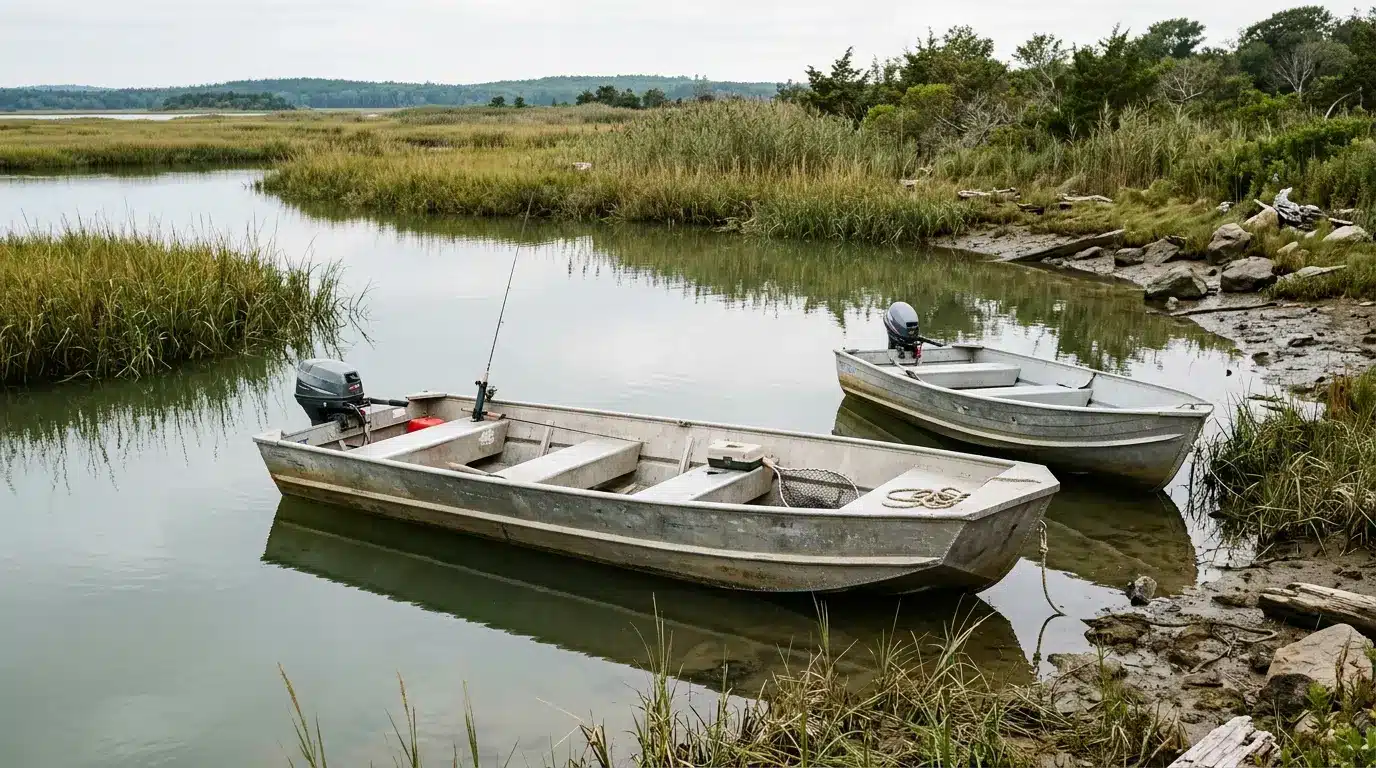
Jon boats keep things simple with a flat aluminum bottom, a squared bow, and just enough room for calm, shallow-water outings.
Skiffs offer a similar open-hull design built for inshore fishing. Both types keep moving parts to a minimum, making maintenance mostly DIY. Anyone new to boat ownership benefits from knowing the parts of a boat before buying either one.
2. Rigid-Hull Open Boats
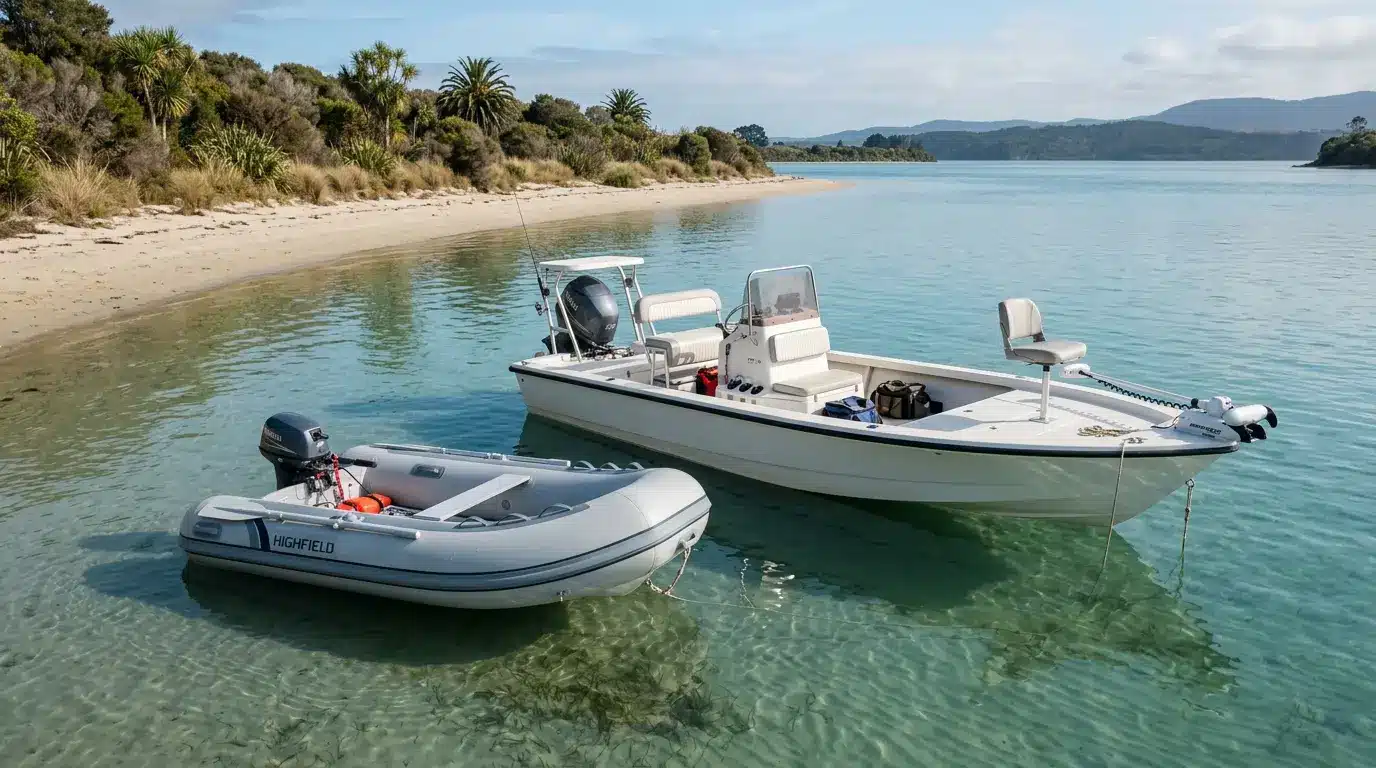
Dinghies run 8 to 10 feet and can be rowed, motored, or rigged for sail, often serving as tenders for larger boats.
Bay boats build on that same idea with a bit more size, built to handle flats and light chop. Together, they sit between bare utility and everyday comfort.
3. Inflatable and Packable Hulls
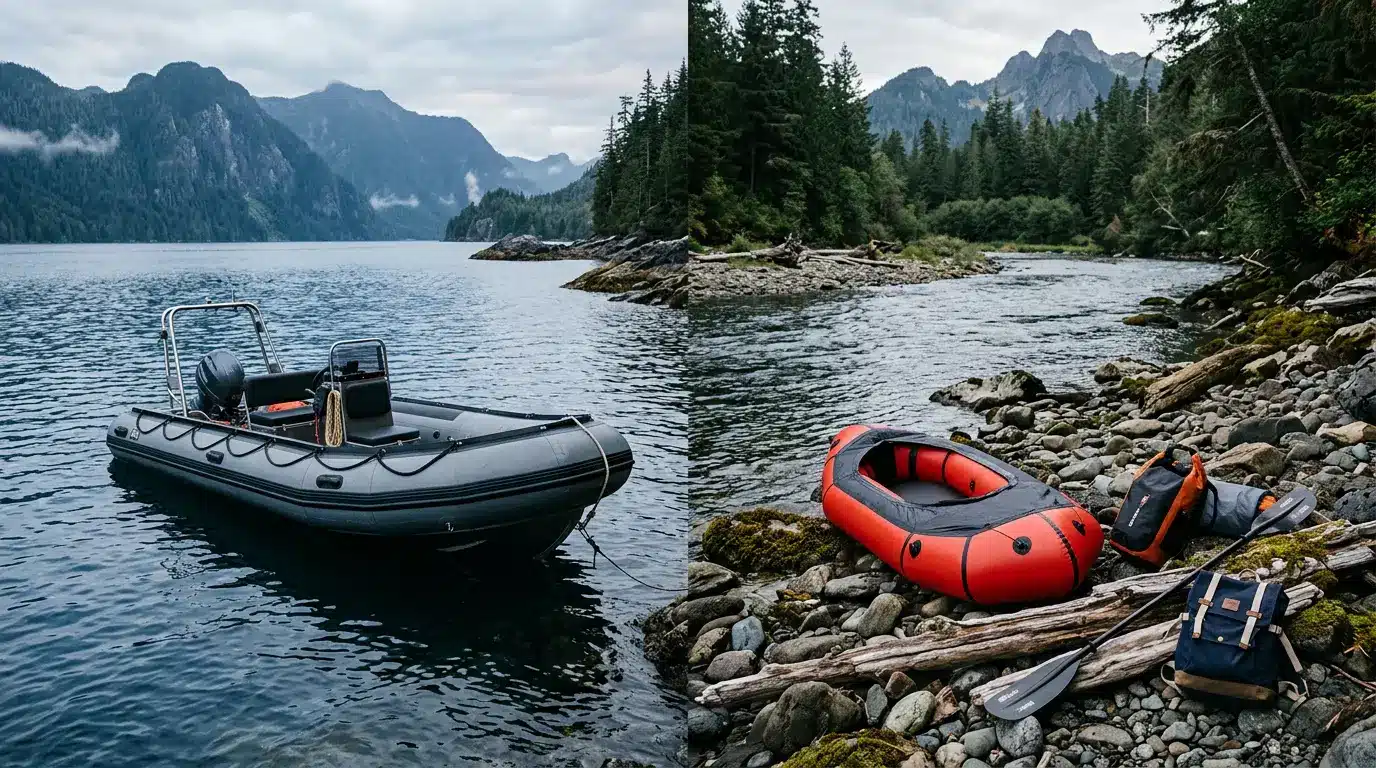
RIBs pair a solid hull with an inflatable collar, a build favored for rescue and commercial use. Fully inflatable models use PVC or Hypalon material and are easy to deflate and pack flat.
Buyers weighing this category against paddle craft often end up comparing the best inflatable kayaks before deciding.
Packrafts go a step further, built ultra-portable for reaching backcountry water most boats can’t.
4. Aluminum Fishing Hulls
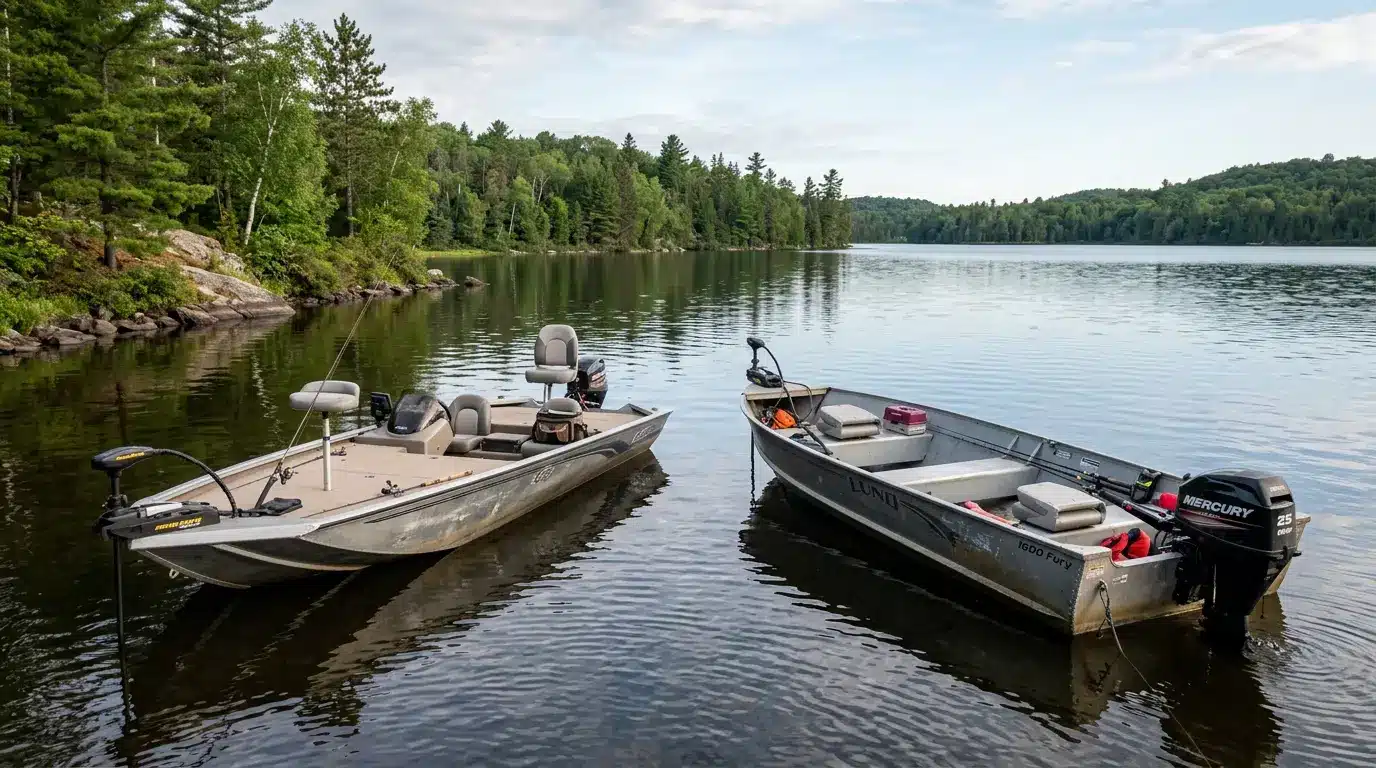
Bass boats keep a low profile and are built for speed across open lakes. General aluminum fishing boats trade top speed for lighter weight and better fuel efficiency.
They come in a wide range of sizes to fit different budgets and fishing styles. Both are common upgrades for anglers ready to move on from a canoe.
5. Multi-Purpose Runabouts
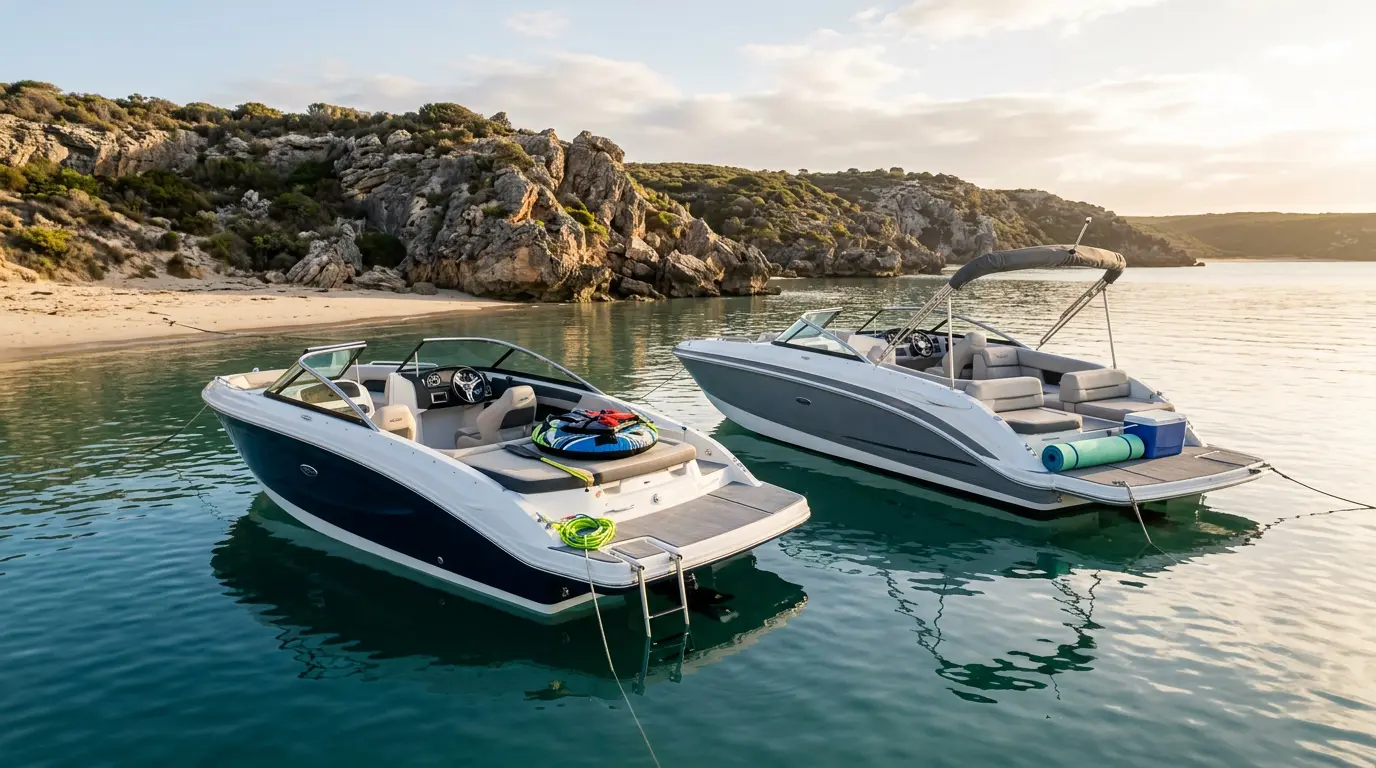
Bowriders keep an open bow seating area on a mid-size hull, built for swimming, tubing, and general day trips with the whole family.
Deck boats expand on that idea, trading some speed for a broader beam and more seats.
Both types work well on lakes and calm coastal water where a group wants one boat that can cover a little bit of everything, and both come from established names worth checking against a list of the best boat brands before you buy.
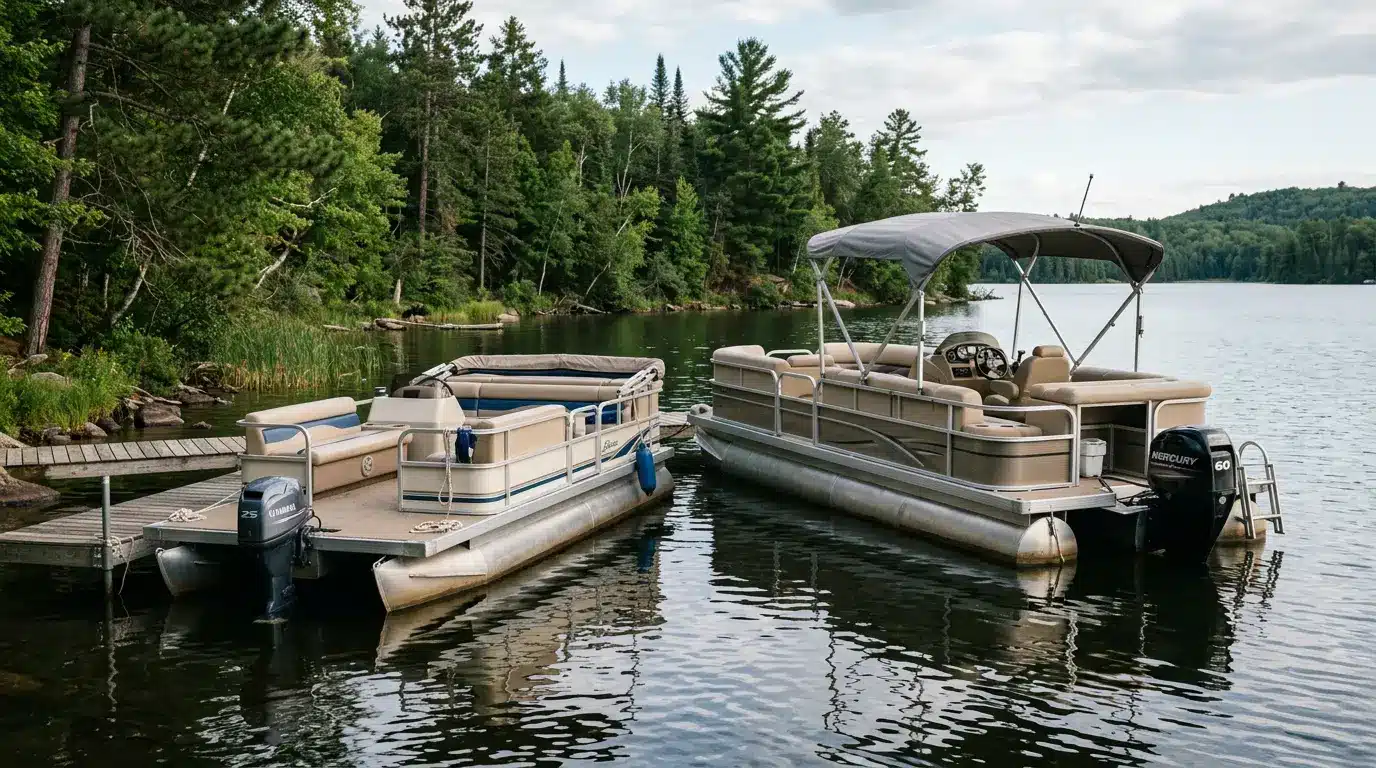
6. Pontoon and Tri-Toon Minis
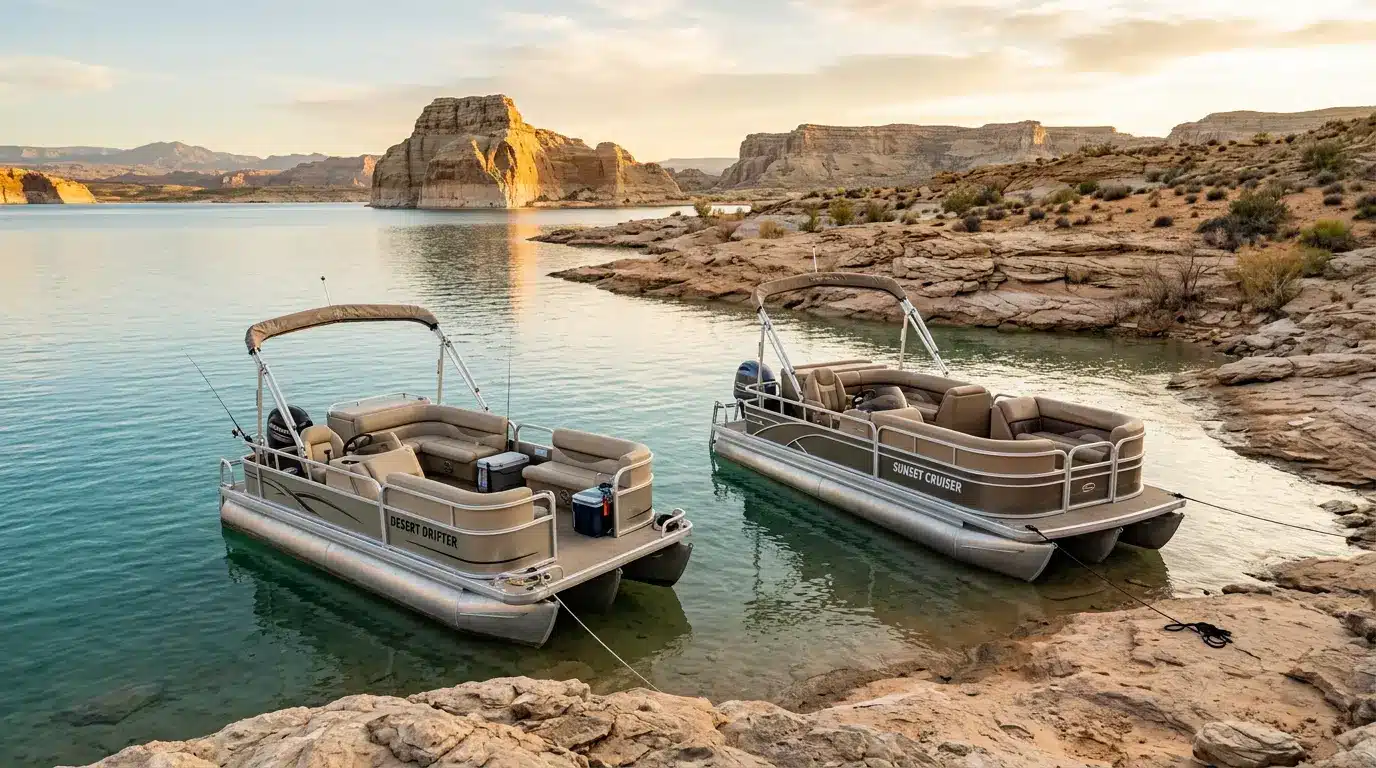
Compact pontoons under 20 feet keep the same stability and family-friendly layout of their bigger cousins while staying easy to trailer.
They handle calm lakes far better than open, choppy water, making them a solid pick for relaxed days close to shore. Buyers who want that layout in a larger size will find plenty of pontoon boats for every budget worth comparing.
7. Human-Powered Craft
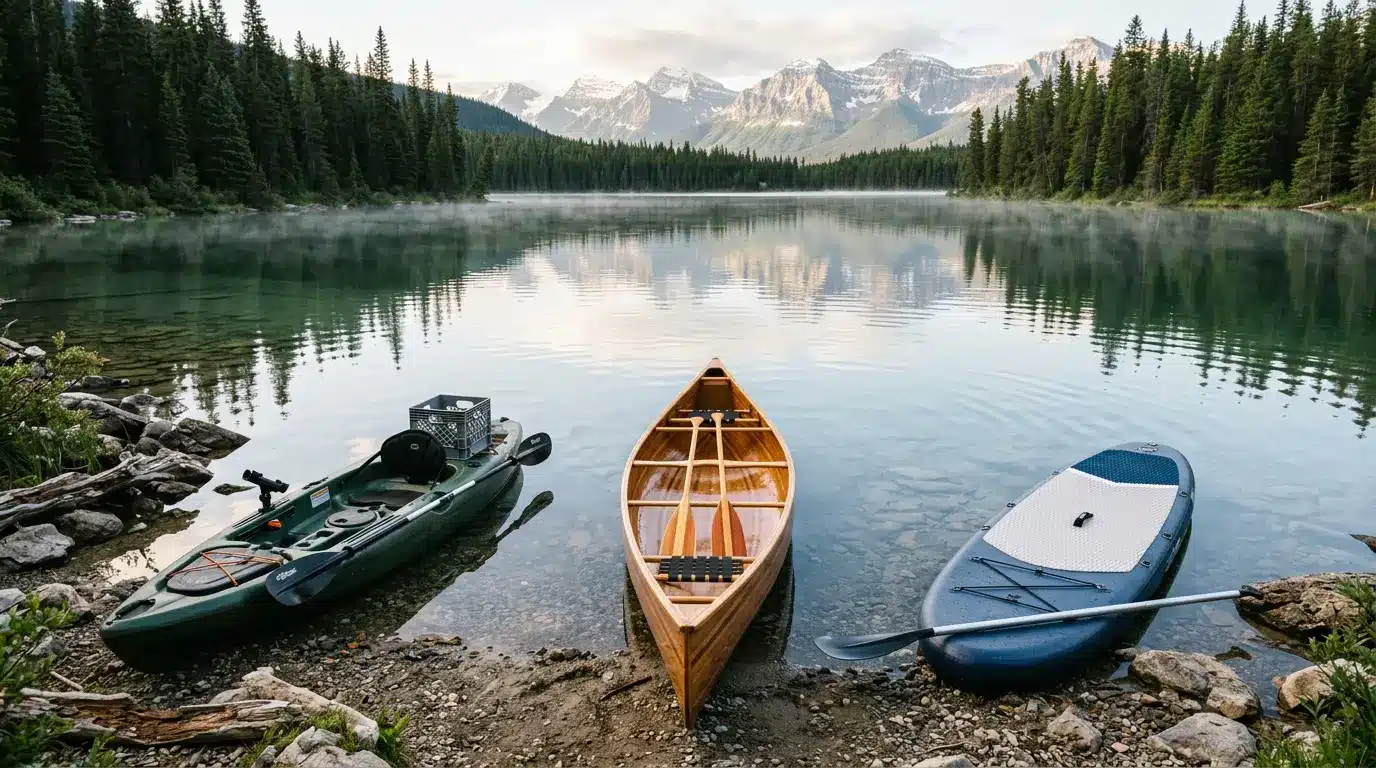
Canoes and kayaks need no motor at all, with enough variety built for fishing, touring, or pure speed. First-time buyers narrowing things down often start with the best recreational kayaks before moving on to touring or fishing models.
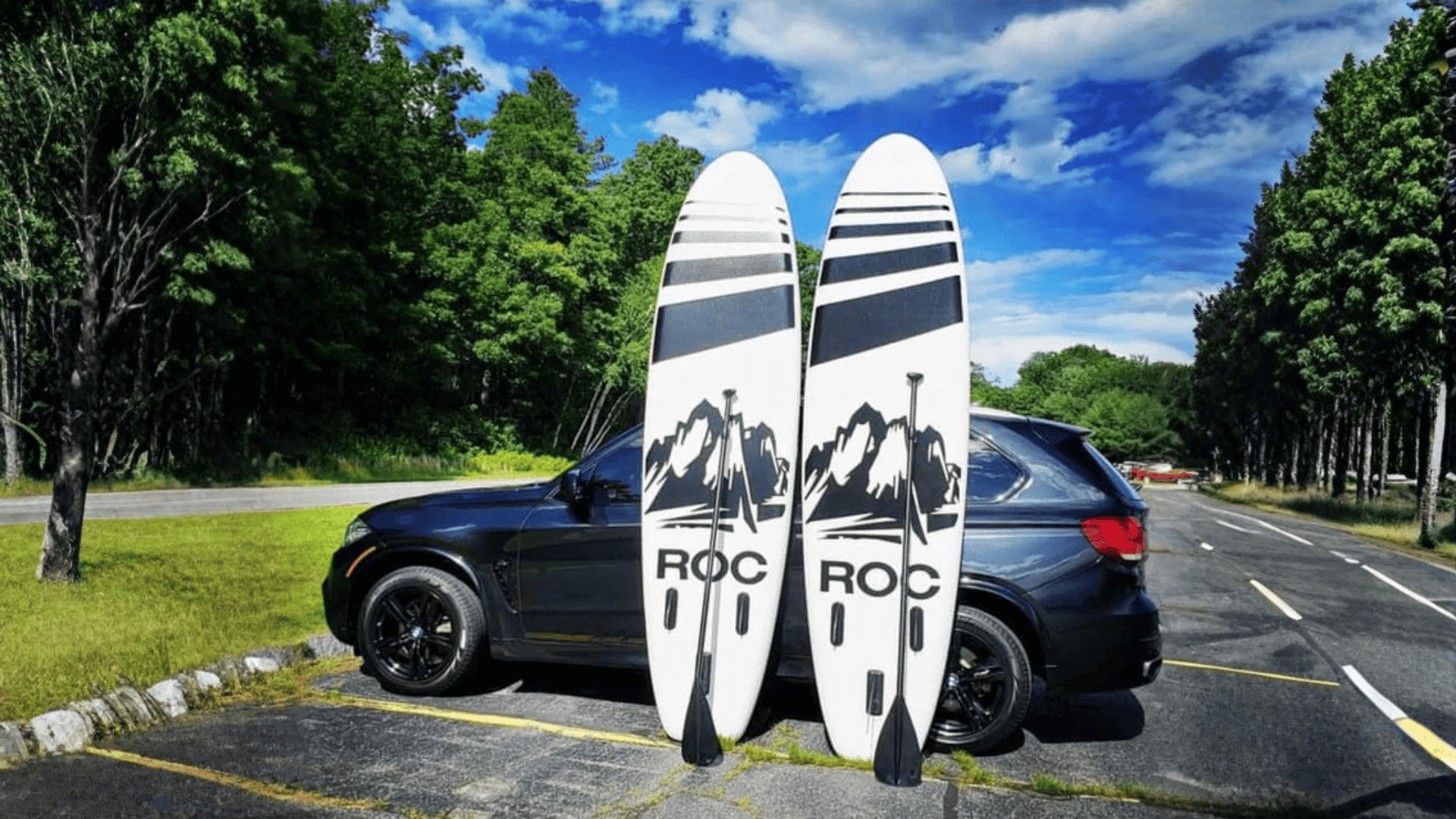
Paddleboards add a stand-up option that takes up very little storage space. For many boaters, this is the first step before buying anything with an engine.
8. High-Performance Small Hulls
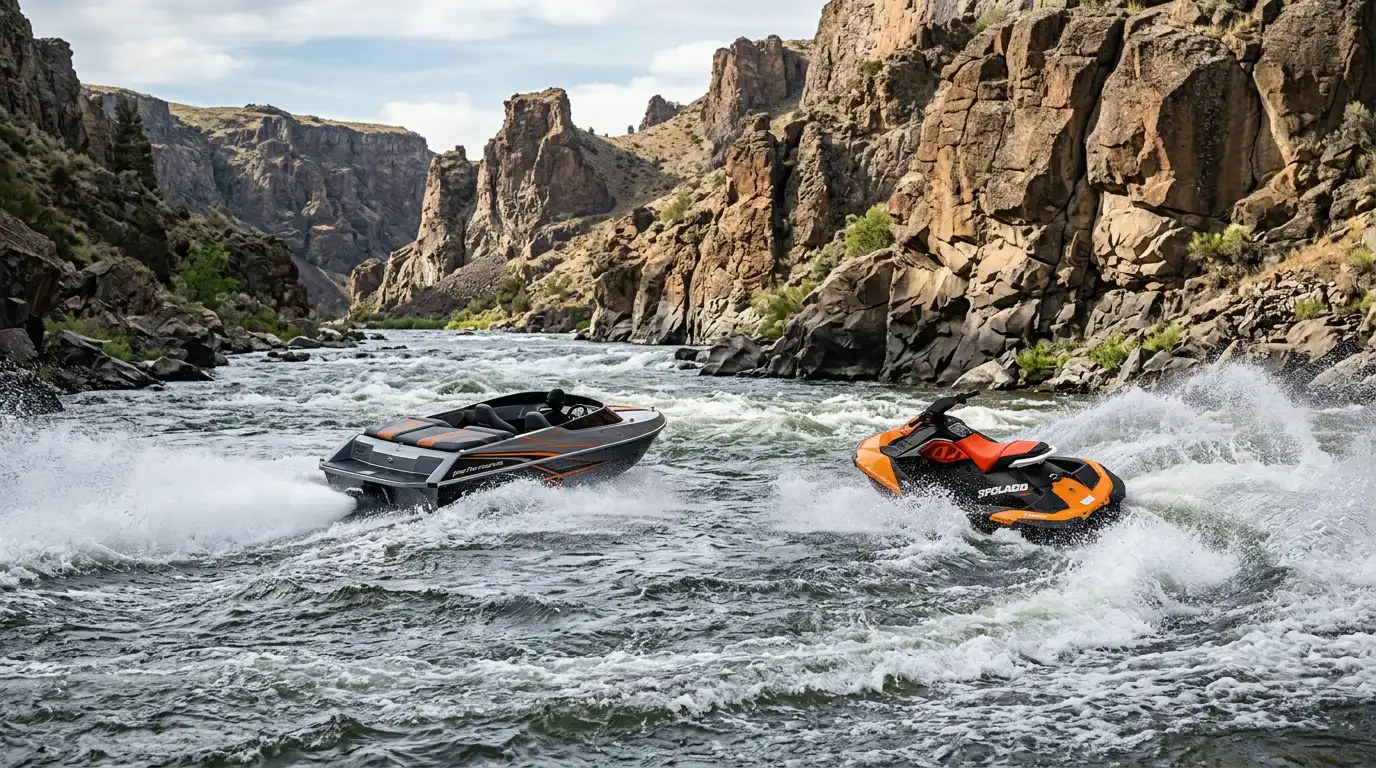
Jet boats use water jets instead of a propeller, delivering power without an exposed blade underneath.
PWCs go further still, compact and fast with a tight turning radius, though passenger numbers stay limited.
Both types are built for speed over comfort, and understanding how each is classified on the water matters, since personal watercraft are considered their own vessel type under most state boating laws.
With the build styles sorted, the next question is which specs actually separate a strong option from a weak one within any of them.
Specs That Change How a Small Boat Feels on the Water
Two boats with near-identical dimensions can still handle completely differently once they’re actually on the water.
| Spec | What Changes for You | Beginner-Friendly Range |
|---|---|---|
| Hull material | Weight, repair cost, ride feel | Aluminum for durability, inflatable for portability |
| Draft depth | Where the boat is allowed to go | Shallow draft (under 12 in) opens up creeks and flats |
| Beam width | How stable it feels standing up | Wider beam for fishing or family use |
| Horsepower rating | Top speed and towing pull | Match to the activity, not the maximum allowed |
| Passenger/weight capacity | Legal limit and comfort onboard | Check the builder’s plate, not just seat count |
| Storage space needed | Where it lives when not in use | Car-top or driveway trailer works for most first boats |
Once these numbers make sense on paper, the real test is matching them to how the boat will actually get used.
How to Pick the Right Small Boat for Your Needs
The “best” small boat isn’t a fixed answer; it depends entirely on where and how it will be used.
☐ What water will it see most often: lake, river, coastal, or marsh?
☐ Is it mainly for fishing, cruising, watersports, or utility work?
☐ How many people will typically be onboard?
☐ Is there a vehicle capable of towing, or is car-topping the better fit?
☐ What’s the realistic storage setup: garage, driveway, or marina?
☐ What’s the total budget, including motor and trailer?
Answering these narrows the list fast, but it also helps to know what gets traded away compared to a bigger boat.
Small Boat or Big Boat? Where the Trade-Offs Show Up
Going small comes with real advantages, but it’s worth knowing what you leave behind, too.
What you gain:
- Lower purchase and running costs
- Easier towing and storage
- Access to shallow or narrow waterways
- Simpler maintenance
What you give up:
- Less stability in rough water
- Smaller passenger and gear capacity
- Limited range for long trips
- Fewer onboard amenities
For most weekend boaters and beginners, that trade works in their favor, which brings up the practical side of actually buying one.
Buying Considerations: New, Used, and Ongoing Costs
The sticker price on a small boat is rarely the full cost of ownership.
- Decide between new (warranty, latest build) and used (lower upfront cost, depreciation already absorbed)
- Inspect hull condition, motor hours, and trailer wear before buying used
- Factor in registration, insurance, and storage fees
- Budget for a trailer if one isn’t included
- Confirm registration and titling rules with your state, since requirements differ for powered boats and human-powered craft like canoes and kayaks. The Coast Guard keeps a directory of state boating agencies if you are not sure where yours falls.
| Extra Costs to Plan for:
Motor maintenance and fuel Safety gear (life jackets, fire extinguisher, flares), sized to what federal carriage rules require for your hull length Winterizing or off-season storage |
With the buying basics covered, a few quick answers can clear up what’s left on most first-time buyers’ minds.
Conclusion
Small boats prove that bigger isn’t always better on the water. A jon boat opens up shallow creeks a cabin cruiser could never reach.
A kayak turns a quiet lake into a full afternoon well spent. A pontoon keeps a whole family comfortable without the cost of a bigger cruiser.
The right choice comes down to matching hull type, size, and price to how the boat will actually be used, not to how it looks on a dealer’s lot.
Once that fit is right, a small boat offers something bigger vessels rarely can: a low-hassle, low-cost way to spend more time on the water instead of maintaining it.
Frequently Asked Questions
What is a Small Sailing Boat Called?
A small sailing boat is usually called a sailing dinghy, cat-rigged sloop, or day sailer.
What is a Small Narrow Boat Called?
A slim, narrow hull built for calm water is often called a canoe, pirogue, or punt.
What’s Another Word for a Small Boat?
Common alternate terms include tender, launch, or skiff, depending on the boat’s build and use.
What is the Slang Word for Boat?
Boaters often use casual terms like “tinny” for aluminum boats, or simply “she” for any vessel.
Do Small Boats Need to Be Registered?
Most powered boats need state registration. Many states exempt small human-powered craft like canoes and kayaks, though a few still require it.





One Response