
Anchoring a boat is not just tossing metal over the side and hoping it holds. I have watched my own anchor skip along a rocky bottom while my boat drifted toward a dock full of strangers, and it is not an experience I want to repeat.
The short answer: pick the right spot, let out enough line, set the anchor with your engine, then confirm the anchor is holding before you relax.
Get any one of those wrong, and you will spend the trip watching the shoreline instead of enjoying the water.
Ahead, I am covering how to choose a spot, set the anchor, work out scope, check your holding, and pull the anchor back up.
What Is Anchoring a Boat?
Anchoring means holding a boat in one place using a weight that grips the bottom, instead of tying up to a dock or slip.
The anchor digs into sand, mud, or another surface, creating resistance against wind and current. That grip works because of three parts together: the anchor itself, a length of chain, and a rope called the rode.
Chain helps keep the anchor rode at a lower angle, absorbs shock from boat movement, and allows the anchor to maintain a stronger hold. The rope connects the chain to the boat and gives you reach to the surface.
Without all three parts pulling their weight, a boat can drift even with the anchor down.
If you want a refresher on where the bow, cleats, and other parts of a boat sit before you get started, it helps to know what you are working with on deck.
Understanding the Boat Anchor System
Before you drop anything over the side, it helps to know what each part of a boat’s anchor system actually does.
Get this part right, and the rest of the process gets a lot less complicated.
1. How The Anchor Holds the Boat:
An anchor holds a boat by resisting wind, current, or waves. It does this by digging into the bottom and staying wedged there under load.
Design changes how well an anchor grips, so the wrong style for your water can leave you dragging.
2. The Anchor Rode and Why Chain Matters:
The rode is the full length of chain and rope connecting your anchor to the boat. Chain sits closest to the anchor and adds weight, keeping the pull angle low and flat.
That flat angle helps the anchor stay dug in instead of popping loose.
3. Choosing the Right Anchor Size for Your Boat
Your anchor needs to match your boat’s length and weight, not just what fits in the locker. Boats operating in stronger wind, current, or exposed areas may need heavier ground tackle than boats that stick to calm, sheltered water.
Once your gear matches your boat, picking the right spot becomes the next thing that decides whether you stay put.
Different Types of Boat Anchors
The right anchor for the job depends on your boat and the bottom you are anchoring over, not just what came with the boat.
1. Fluke Anchor
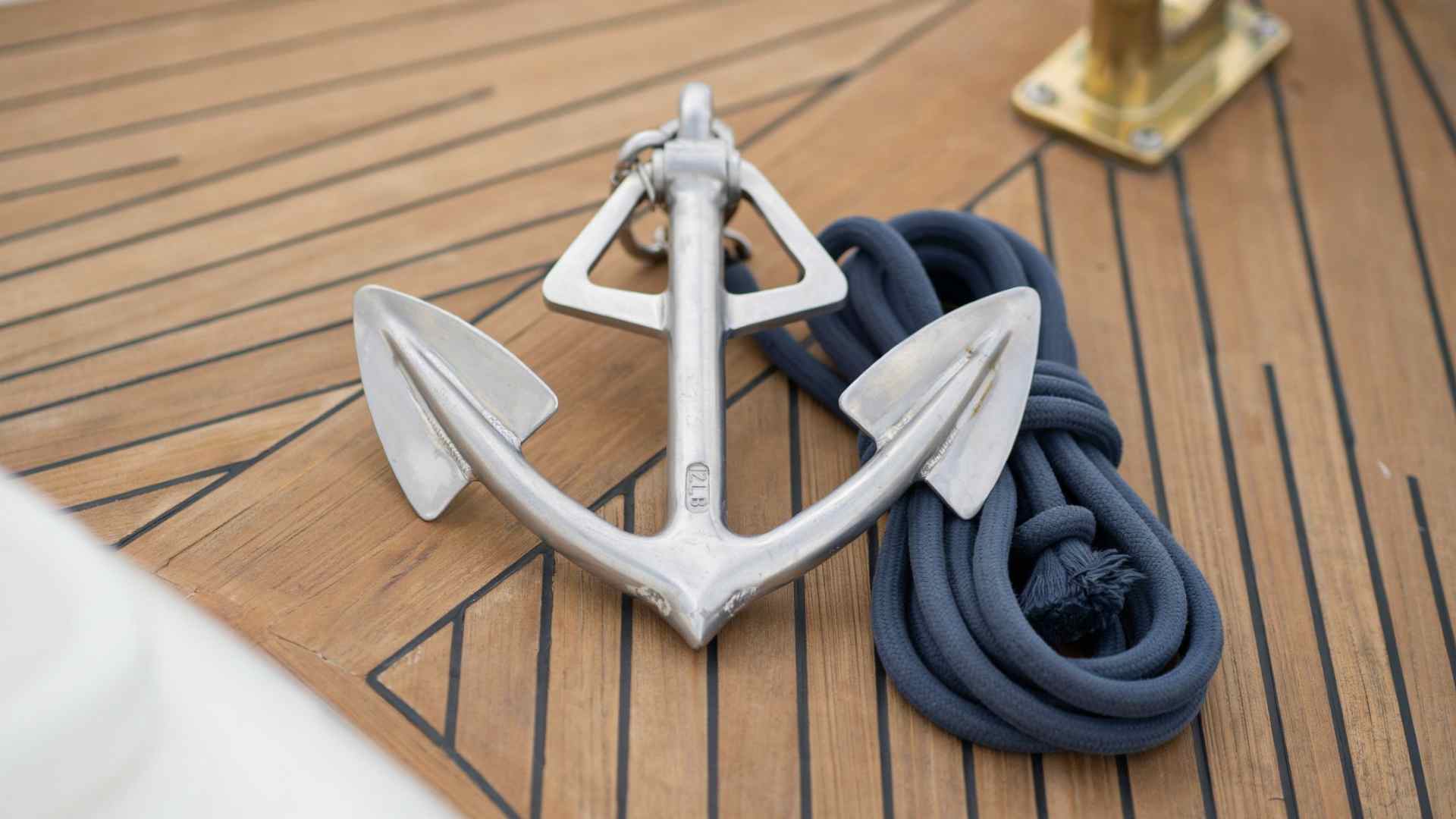
A fluke anchor is light enough to handle by hand, making it a common choice for small recreational boats.
Its flat blades dig well into sand and mud, but it struggles to grip rock or heavy grass, where there is nothing for the flukes to bite into.
2. Plow Anchor
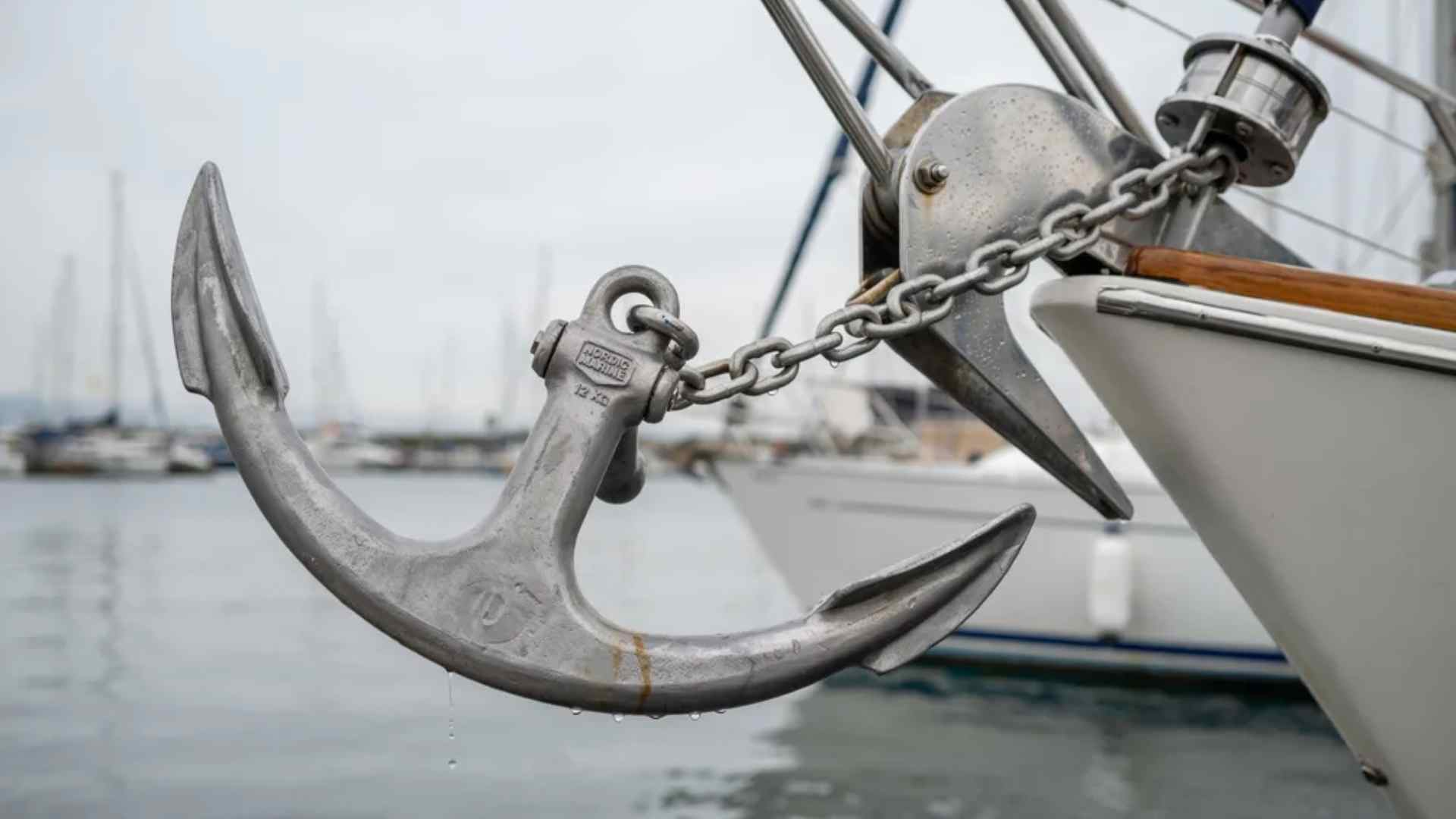
A plow anchor resets itself as the boat swings, which makes it a solid choice for cruising boats that move across changing bottoms.
It holds stronger than a fluke anchor in mixed conditions, at the cost of extra weight and a bulkier shape on deck.
3. Mushroom Anchor
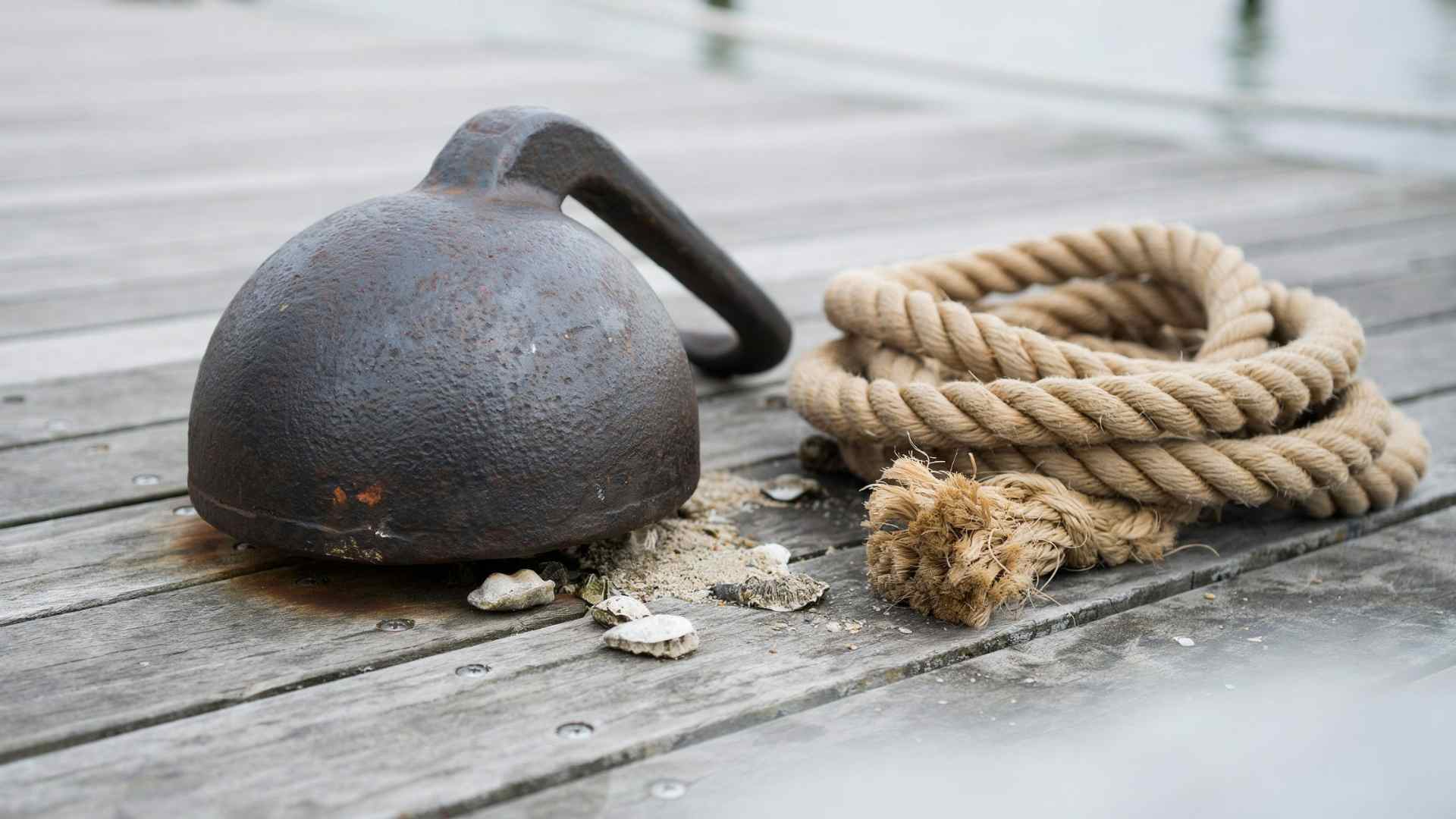
A mushroom anchor works by settling into soft bottoms and letting sediment bury it over time, which is why it suits permanent moorings in calm water.
It does not reset well if conditions change, so it is a poor fit for anywhere current or wind shifts often.
4. Grapnel Anchor
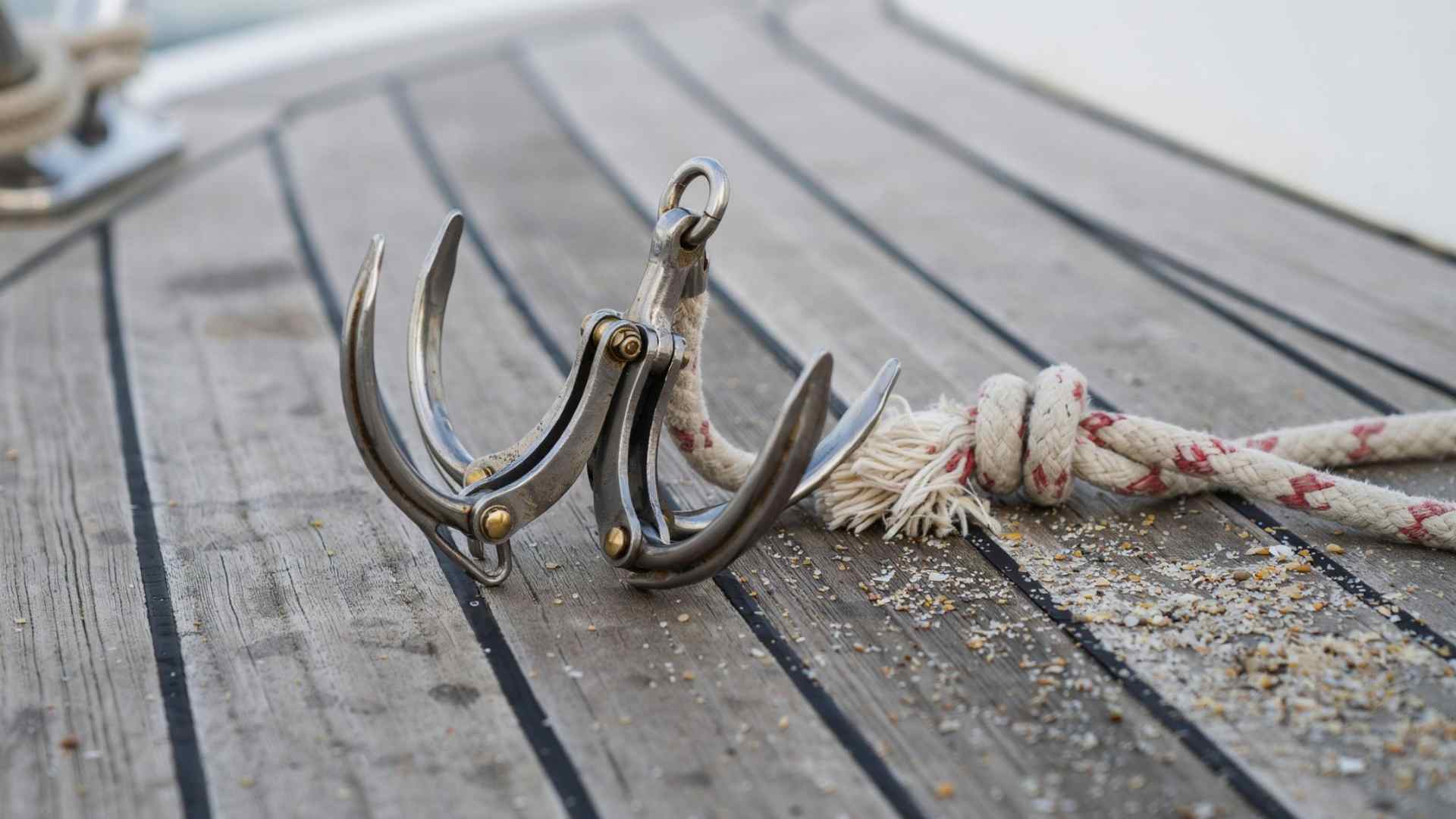
A grapnel anchor uses hooked claws instead of flat flukes, which makes it useful for catching rocky or debris-covered bottoms where other anchors slide past.
It is built for small boats and short, temporary stops, not for holding through rough weather.
Once you have matched the anchor to your bottom type, picking the right spot to drop it is the next step.
How to Choose the Right Spot to Anchor Your Boat
A good spot decides whether your afternoon goes smoothly or ends with you re-anchoring twice. Before dropping anything over the side, I run through the same handful of checks:
- Water depth: Take a reading before anything else. It tells you how much rode to let out and whether the boat clears the bottom at low tide.
- Swing room: Wind and current push a boat around its anchor point in a wide circle, so a tight spot near rocks or other boats gets crowded fast.
- Traffic and hazards: Busy channels and marked obstructions turn a small dragging problem into a real one, so give them a wide berth.
- Wind and current direction: A spot that looks calm can turn rough the moment the wind shifts, so look for shelter from the direction the weather is coming from.
- Bottom surface: Sand, mud, rock, and grass all grip an anchor differently, and that difference decides how well anything holds at all.
In strong wind or current, add scope and check your position more often; position the boat according to current direction and leave extra room to move.
Once a spot checks out on all five points, you are ready to work out how much line to use.
How Much Anchor Line Should You Let Out?
Too little line and you will drag. Too much and you are swinging into every boat nearby. Here is how to get it right.
Scope is the ratio between your anchor line length and the water depth. Get it wrong, and the anchor pulls up at a steep angle and pops loose. Here is the formula:
Scope = Anchor line length ÷ (Water depth + freeboard)
Freeboard is the height of your bow above the waterline, and it matters because it adds to the real distance the anchor line has to cover.
Deeper water needs more rode to hit the same ratio, which is why you always take a depth reading before deciding how much line to release.
Imagine 10 feet of water on a calm day: a 5:1 scope means releasing roughly 50 feet of rode, while bumping to a 7:1 scope in windier conditions means letting out closer to 70 feet at that same depth.
| Conditions | Recommended Scope |
|---|---|
| Calm weather | Around 5:1 |
| Windy conditions | Around 7:1 |
| Rough conditions or overnight | 10:1 or greater |
The BoatUS Foundation recommends a 7:1 scope as the standard rule of thumb, with 5:1 acceptable for a lightweight anchor on a small boat in good weather, and a range of 5:1 up to 10:1 depending on how exposed the anchorage is.
The Madison County boating safety guidelines put the general rule at four to seven times the water depth in anchor line, which lines up with the lower end of the ratios above.
How to Anchor a Boat Step By Step
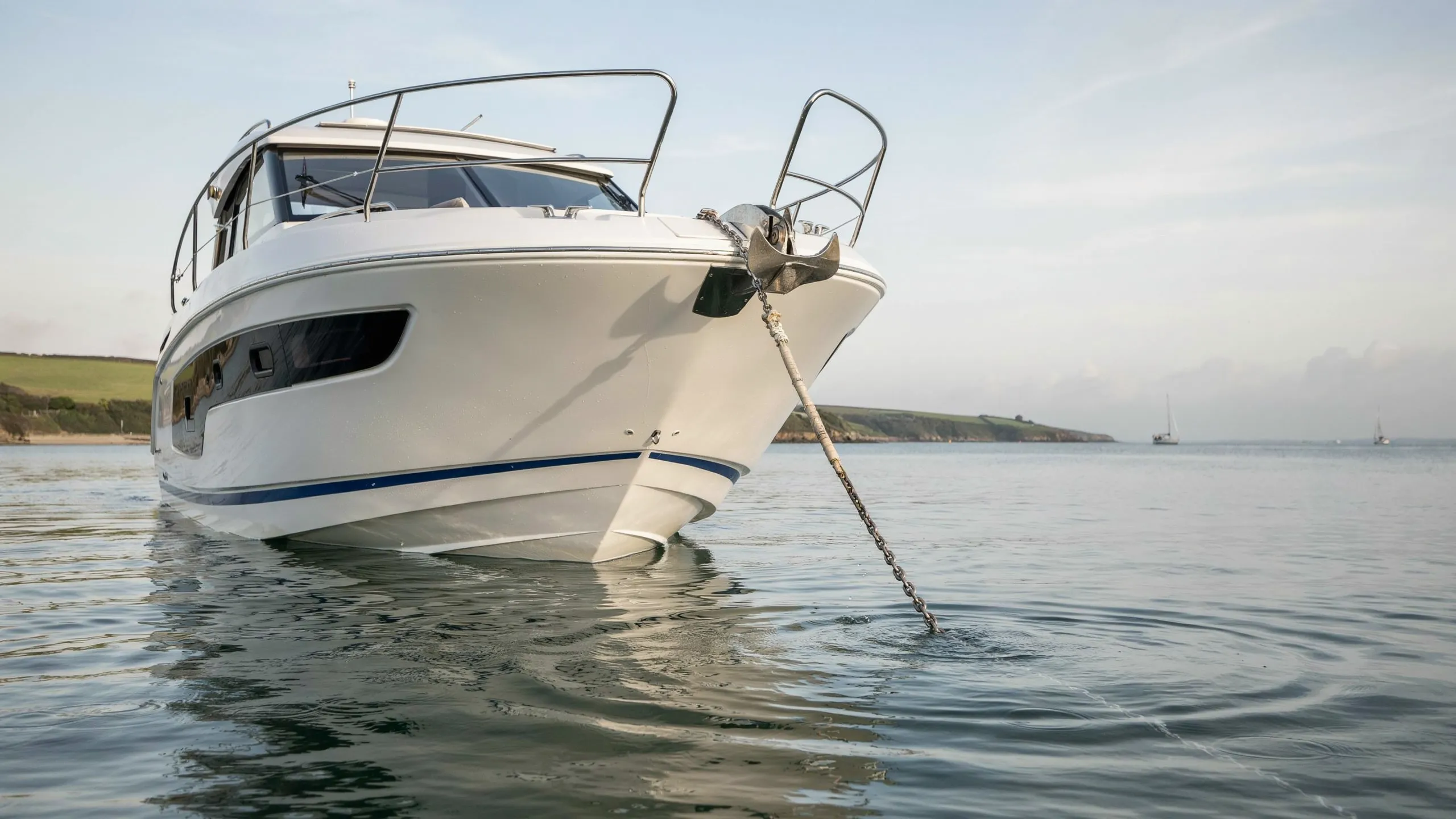
Six steps, done in order, take you from open water to a boat that is holding steady where you want it.
Improper anchoring shows up often enough in California boating accident reports that it is worth getting right.
1. Approach the Anchoring Area Slowly and Come to a Full Stop
Head into the wind or current rather than across it, since this is the same handling principle you would use approaching a dock.
Slow down well before reaching your spot and come to a complete stop directly above the point where you want the anchor to land. Give yourself extra distance to stop smoothly if you are in a busy anchorage or near other boats.
2. Lower the Anchor Into the Water
Lower the anchor by hand or windlass instead of throwing it over the side. A thrown anchor tends to tangle the rope on its way down, which causes problems later.
Keep the line organized on deck so it feeds out smoothly without snagging on anything nearby.
3. Let the Anchor Reach the Bottom
Let the anchor settle on its own instead of forcing it down faster. Avoid moving the boat forward while it is dropping, since that can drag the anchor sideways before it even touches down.
Keep a hand on the line to feel when it goes slack, which tells you it has reached bottom.
4. Reverse Slowly to Set the Anchor
Put the engine in reverse at low power once the anchor is down and some line is out. This gentle pull helps the anchor dig into the bottom instead of just sitting on top of it.
Avoid gunning the engine, since too much force can drag the anchor before it gets a chance to bite.
5. Release the Correct Amount of Anchor Line
Let out rode until you reach the scope ratio you calculated earlier for the depth and current conditions. If you are running a combination rode, let the chain section pay out fully before the rope portion follows.
Keep the angle of the line low rather than steep, which helps the anchor hold as designed. Too little line risks dragging, and too much just adds unnecessary swing room around the boat.
6. Secure the Anchor Line and Confirm Your Position
Cleat the rode securely to a bow cleat once you have reached your target scope, using a cleat hitch so the line cannot slip or come loose under load.
Before you relax, pick one or two fixed landmarks on shore, or a nearby buoy, and note where they line up against your boat.
Recheck those sightings every so often, since a shift in that lineup is often the first sign the anchor is dragging before you would notice it any other way.
A GPS anchor alarm does the same job automatically if your electronics support it, which is worth setting for an overnight stay.
Getting through these steps once makes the next anchoring trip a lot less nerve-wracking.
Common Boat Anchoring Mistakes to Avoid
Most anchoring trouble traces back to one of these habits, easy to fix once you spot them.
- Missing the signs of dragging, like the boat shifting position against your landmarks, the line pulling at a new angle, or drifting closer to other boats
- Keeping safety equipment buried in a locker instead of within reach
- Anchoring in unsafe or restricted areas without checking first
- Anchoring bow-to-stern instead of bow-only, which raises the risk of swamping in rough water, as state boating safety agencies warn.
| What to Do If Your Boat Anchor Starts Dragging
Stay calm; a dragging anchor is fixable if you act fast. Start the engine, motor forward to ease line strain, and clear other boats or shallow water. Pull the anchor, find a new spot, and let out more scope on better holding ground. |
A quick mental check against this list before you drop anchor again can save the trip.
How to Retrieve a Boat Anchor Safely
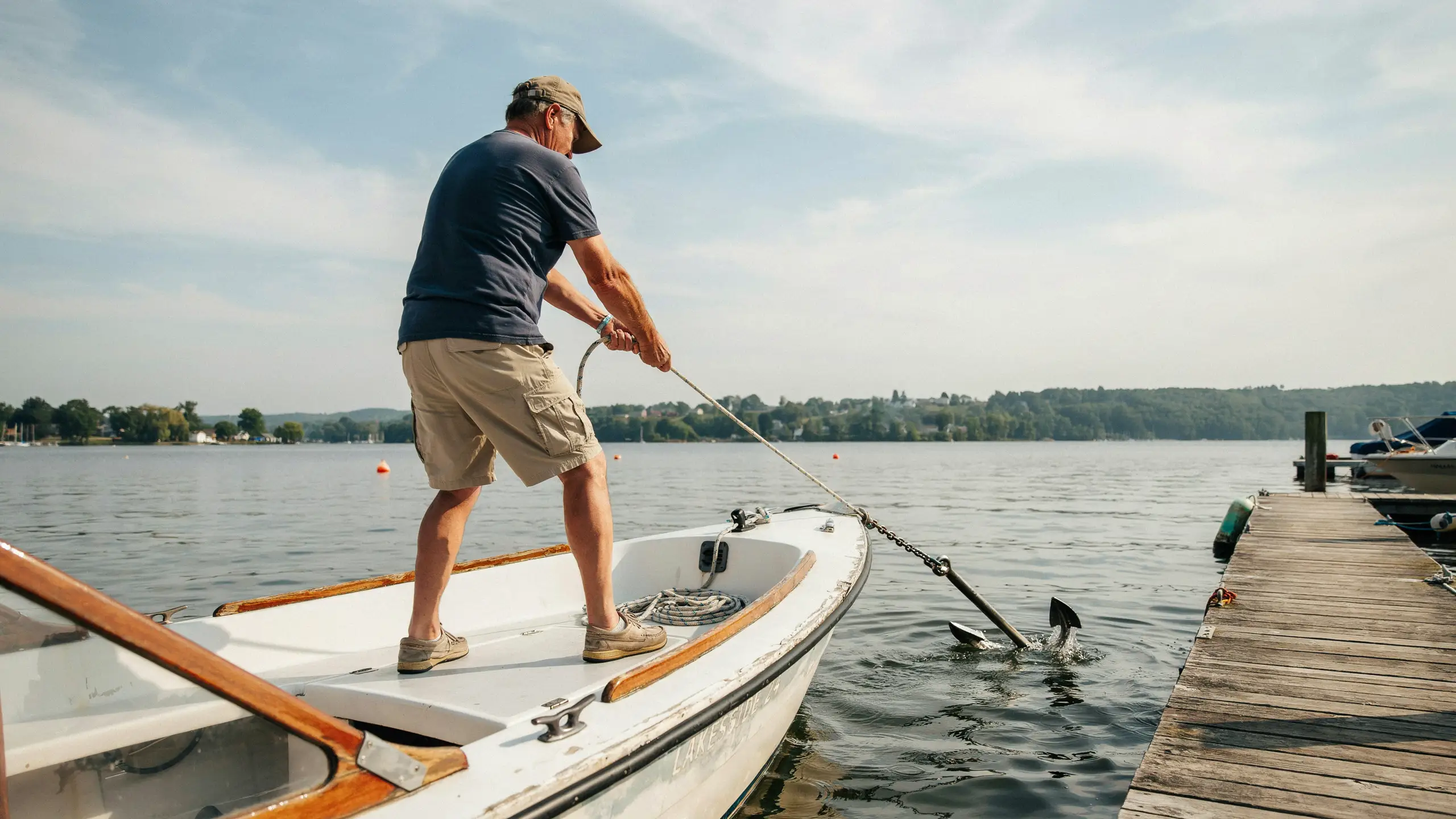
Pulling the anchor back up matters just as much as setting it, and rushing this step causes most of the damage.
- Move Slowly Toward the Anchor Location: Idle the boat forward toward the anchor to take tension off the line before pulling. Pulling sideways instead of straight up puts extra strain on the anchor and the rode, so keep the boat lined up directly over it.
- Pull the Anchor Free From the Bottom: Pull the anchor straight up whenever the angle allows it, since that breaks the suction more cleanly than pulling at an angle. Use slow, steady movements rather than yanking the line. Rushing this step is a common way to damage the anchor or the boat’s hull.
- Clean and Store Your Anchor Properly: Knock off any mud or debris still stuck to the anchor before bringing it fully aboard. Rinse off saltwater once you are back at the dock, since salt speeds up wear on both the anchor and chain.
Check the rope and chain for fraying or rust so you catch problems before your next trip out.
Retrieving your anchor properly protects your gear as much as setting it protects your boat, so give this step the same care.
| A Tip From Experience
I always give the anchor a firm tug by hand before starting the reverse test. If it moves without resistance, it is sitting on top of the bottom, not dug in. The same care applies coming up. I pull the rode slow and steady at short stay, never a hard yank, since that can shock-load the cleat or bend a fluke if the anchor is still angled instead of vertical. |
Conclusion
Anchoring a boat comes down to a few things done right: picking a good spot, working out scope, setting the anchor with a slow reverse, and confirming it is holding before you relax.
I still check my anchor’s position a few times on every trip, because a quick look now beats a bad surprise later on the water.
None of this takes special skill, just a bit of patience and a willingness to redo a step if the first attempt does not feel right.
Beginners tend to overthink this process, but it gets easier with a few tries, and most of it becomes second nature after a season or two on the water.
Frequently Asked Questions
What is the Best Anchor for a Small Boat?
A fluke anchor works well for most small recreational boats, especially over sand or mud bottoms.
How Do I Know if My Boat Anchor is Set Properly?
Reverse slowly after dropping the anchor. If the anchor is holding, the boat will not slide backward under gentle reverse power.
Why Does My Boat Anchor Keep Dragging?
Dragging usually comes down to too little scope, a poor bottom type, or an anchor that is undersized for the boat.
Can a Boat Stay Anchored Overnight?
Yes, as long as the location is sheltered, the scope is correct for the depth, and someone checks landmarks or an anchor alarm to confirm the anchor is still holding through the night.
How Do You Anchor a Boat in Deep Water?
Deep water needs more rode to hit the same scope ratio as shallow water, so measure depth first and calculate accordingly.