

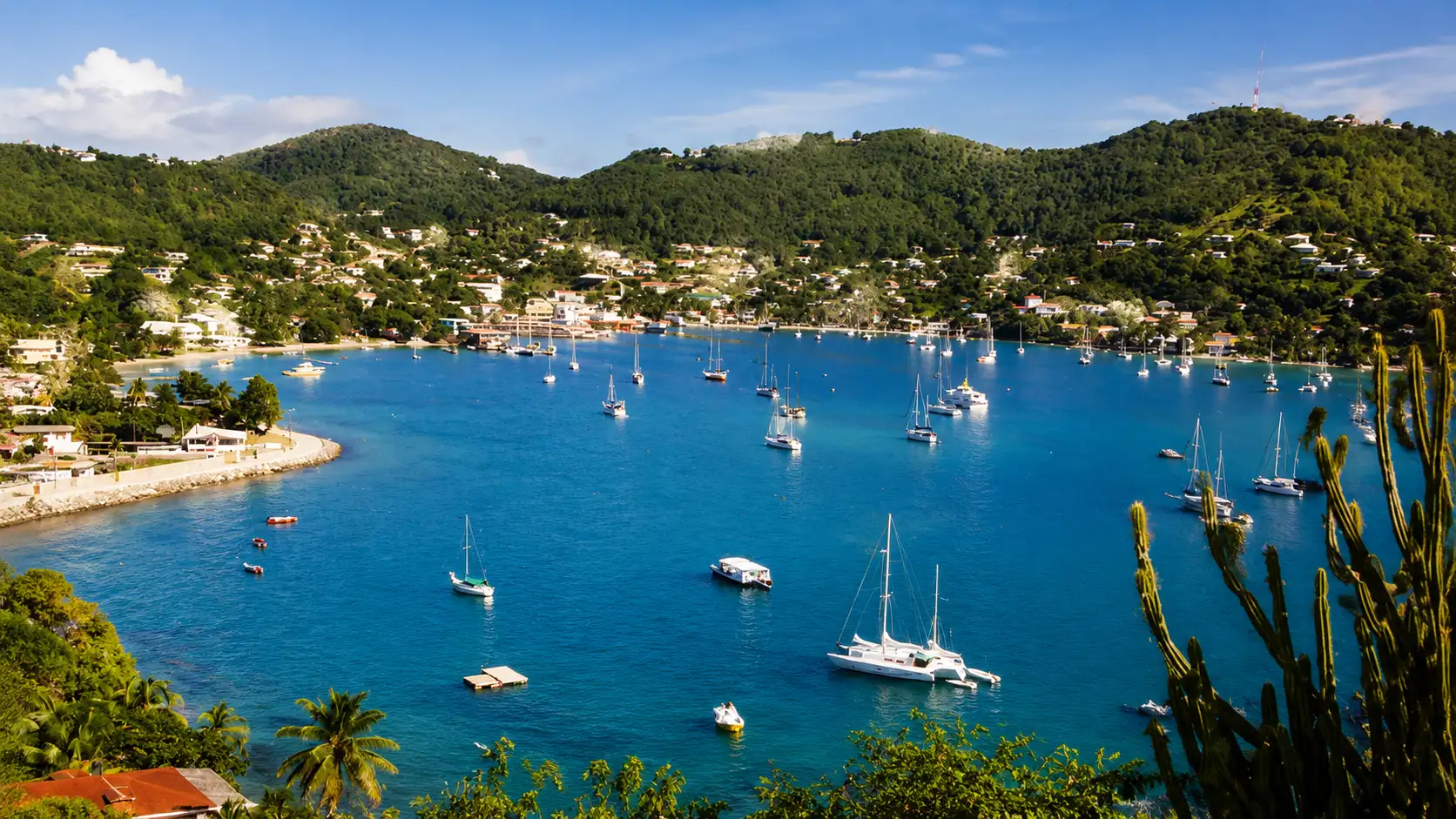
Croatia’s Dalmatian Coast and Greece’s Ionian Islands suit beginners with sheltered water. The Cyclades and French Riviera reward experienced crews used to stronger wind.
Turkey’s Göcek offers the calmest bays for a relaxed first charter.
One sea. Eleven wildly different sailing experiences, depending on where the anchor drops. Croatia hands over island hopping and calm marinas.
Greece throws in strong wind and iconic postcard views. Italy adds volcanic coastlines and pastel harbor towns.
That mix is exactly why picking the best places for sailing in the Mediterranean gets tricky fast.
Every region looks stunning in photos. Each operator insists their patch is the one to book.
This guide skips the guesswork. Below sits a ranked shortlist, sorted by skill level, trip style, and season. The decision comes down to what actually fits the crew.
Top Recommendations
Croatia’s Dalmatian Coast, Greece’s Ionian Islands, and Italy’s Sardinia draw the most charter bookings year after year, though the right region still comes down to crew experience and season.
Before looking at each destination, here’s how the top contenders stack up side by side.
| Destination | Skill Level | Best Season | Main Bases |
|---|---|---|---|
| Dalmatian Coast, Croatia | Beginner to Intermediate | May–September | Split, Dubrovnik |
| Ionian Islands, Greece | Beginner | May–October | Lefkada, Corfu |
| Cyclades, Greece | Intermediate to Advanced | June–September | Athens, Paros |
| Balearic Islands, Spain | Beginner to Intermediate | May–October | Palma, Ibiza Town |
| Sardinia, Italy | Beginner to Intermediate | June–September | Olbia, Cagliari |
| Sicily & Aeolian Islands, Italy | Intermediate | June–September | Milazzo, Lipari |
| Amalfi Coast & Bay of Naples, Italy | Beginner to Intermediate | May–September | Naples, Salerno |
| French Riviera & Corsica | Intermediate to Advanced | June–September | Nice, Ajaccio |
| Turquoise Coast & Göcek, Turkey | Beginner | April–October | Göcek, Fethiye |
| Bay of Kotor, Montenegro | Beginner | May–September | Kotor, Tivat |
| Larnaca & Limassol, Cyprus | Beginner to Intermediate | April–November | Larnaca, Limassol |
Here’s what makes each of these regions worth an anchor.
Best Places to Sail in the Mediterranean
Each destination below is ranked by how well it balances scenery, sailing conditions, and charter accessibility.
1. Dalmatian Coast, Croatia

The Dalmatian Coast packs dozens of islands into a short stretch of water. Hvar, Vis, and Korčula sit close together, so a week-long charter can hop between four or five without a long open-water crossing.
Split and Dubrovnik both work as charter bases. Split sits closer to the busiest island chain, while Dubrovnik offers a shorter run south toward Mljet.
Wind stays moderate most of the season, and calm water is rarely far from any anchorage.
- Island density: Dozens of anchorages sit within a short sail of each other, so route planning stays flexible throughout the charter.
- Marina infrastructure: Well-maintained harbors and mooring buoys make overnight stops simple, even for first-time charter crews new to the region.
- Skill range: Sheltered channels suit beginners, while the longer island chains give intermediate sailors room to push further south.
- Kornati Islands: A short run from Zadar or Šibenik reaches the Kornati National Park’s protected bays, a stark, uninhabited contrast to the busier islands further south.
2. Ionian Islands, Greece

The Ionian Sea sits on the sheltered west side of Greece, away from the strong summer winds that build over the Aegean.
That geography makes it one of the calmer places to learn Mediterranean sailing.
Lefkada and Corfu both serve as easy charter bases. Lefkada sits closer to Meganisi and Kefalonia, plus a string of quiet coves suited to slow mornings.
Shorter hops mean less exposure if the weather turns.
- Sheltered geography: The western coastline blocks the strongest Aegean winds, keeping conditions calmer than most other Greek sailing regions.
- Short passages: Island hops stay brief, so a crew spends more time at anchor than working the helm.
- Family-friendly pace: Long lunches and slow mornings suit families and first-time charter groups better than a demanding schedule.
3. Cyclades, Greece

The Cyclades hold the postcard image most people picture when they think of Greek sailing.
Whitewashed villages on Paros, Naxos, and Mykonos rise above deep blue water, and the scenery earns its reputation.
The sailing itself asks more of a crew. The Meltemi is a strong northerly wind that can build to force 6 or 7 through summer. It often arrives with little warning, turning a short passage into a demanding one.
- Postcard scenery: Whitewashed villages and deep blue water make the Cyclades the most photographed Greek sailing region.
- Meltemi wind: July and August bring the wind’s strongest runs, so solid reefing experience matters more here than elsewhere.
- Crew experience: Sailors comfortable with stronger wind find the region rewarding, while newer crews may want to build hours first.
4. Balearic Islands, Spain

Mallorca, Ibiza, and Formentera share a coastline but not a personality.
Mallorca leans toward bigger marinas and a livelier social scene. Sailing legs between anchorages also run longer here than on the other two islands.
Ibiza and Formentera shift the mood, with Formentera holding some of the clearest water in the western Mediterranean.
A charter that mixes both sides tends to work best for a well-rounded trip.
- Contrasting personalities: Mallorca brings infrastructure and nightlife, while Ibiza and Formentera bring quiet coves and clearer water.
- Formentera’s water: Shallow sandy coves here suit slow afternoons more than long open-water passages between islands.
- Combined route: Basing out of Palma then running south covers both the social and the quiet side of the trip.
5. Sardinia, Italy
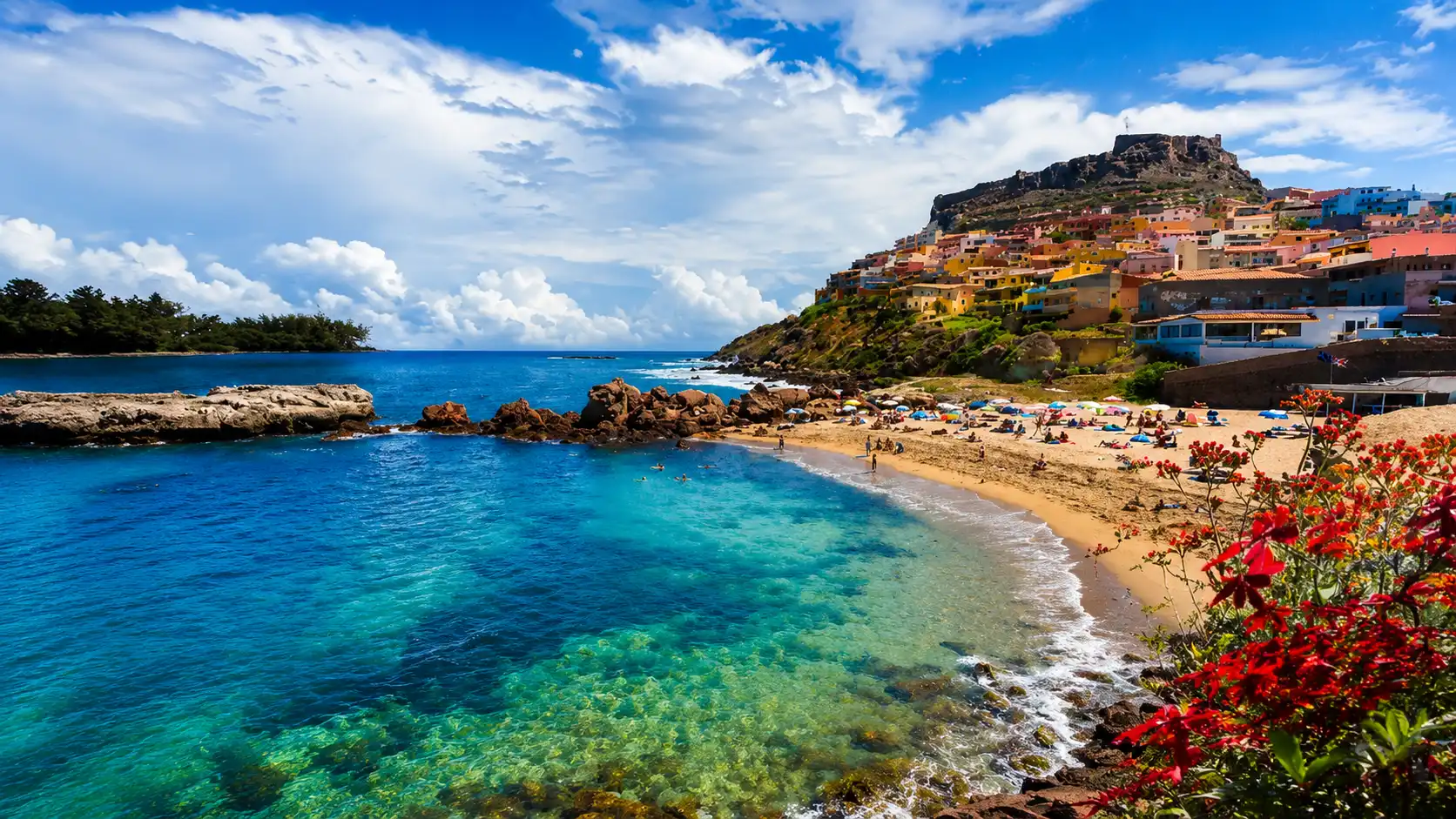
Sardinia’s northeast coast, the Costa Smeralda, holds some of the most photographed water in the Mediterranean.
Granite islands and pink-tinged beaches meet visibility that runs 20 meters or more in most conditions.
The La Maddalena Archipelago sits just off this coast, adding a national park’s worth of protected anchorages reachable only by boat.
North and south Sardinia feel like different trips entirely.
- Water clarity: Visibility of 20 meters or more makes Sardinia a strong pick for anyone sailing mainly for scenery.
- Protected anchorages: The La Maddalena Archipelago adds park-protected coves that stay reachable only by boat.
- North versus south: The north favors short glamorous hops, while the south stays quieter and less developed.
6. Sicily & the Aeolian Islands
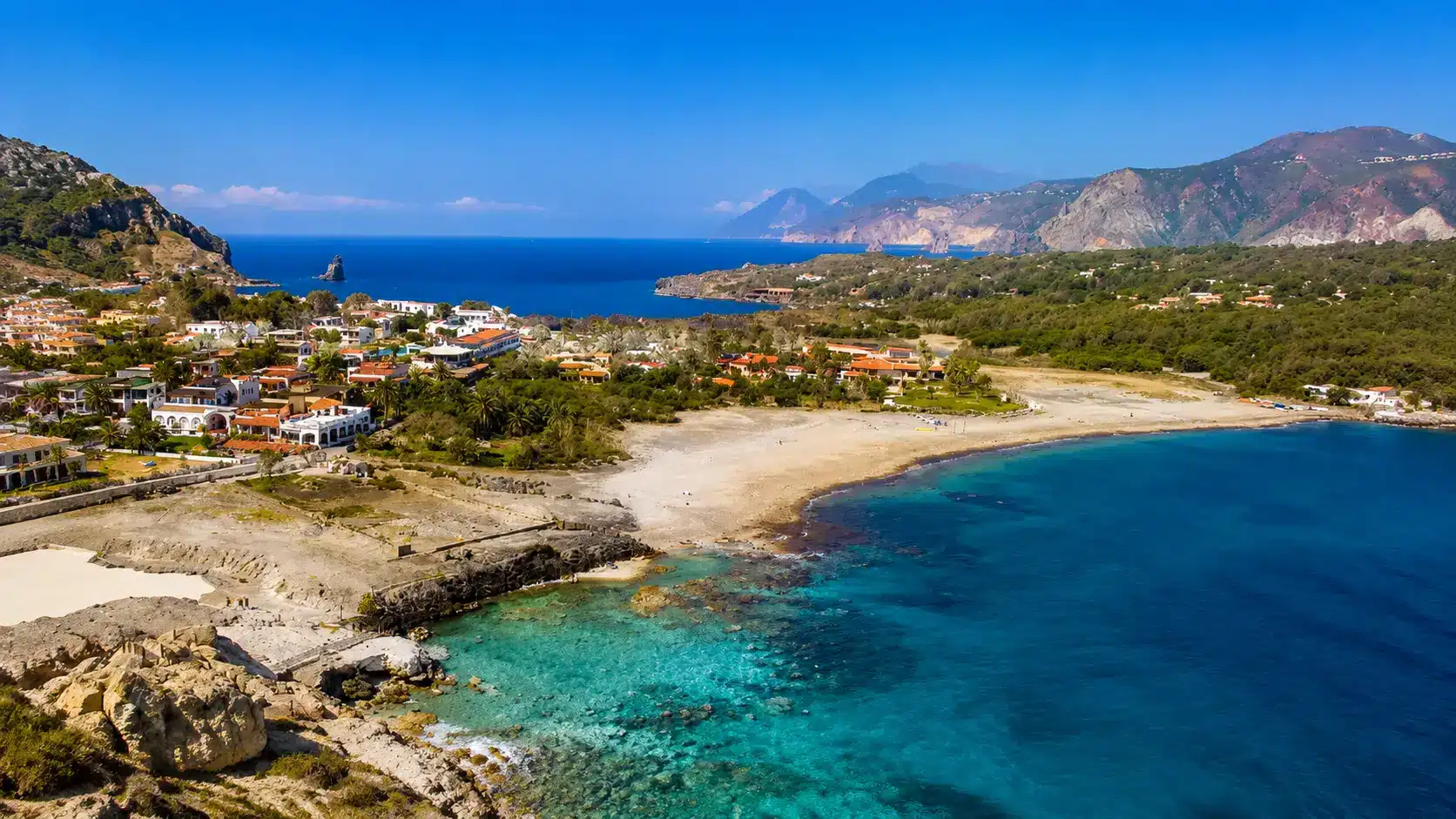
The Aeolian Islands sit off Sicily’s north coast, anchored by two active volcanoes, Stromboli and Vulcano.
Sailing past Stromboli after dark, when the summit glows faintly, is a rare sight.
Lipari makes the most practical base, with the best marina infrastructure of the group.
The region layers Norman, Greek, and Baroque history on top of the volcanic scenery, so time on land rewards the trip too.
- Active volcanoes: Stromboli and Vulcano anchor the group, with Stromboli’s glow visible from the water after dark.
- Lipari base: The best marina infrastructure in the region makes Lipari the practical starting point for a charter.
- Layered history: Norman, Greek, and Baroque influences sit on shore, adding onshore time to the volcanic scenery.
7. Amalfi Coast & Bay of Naples
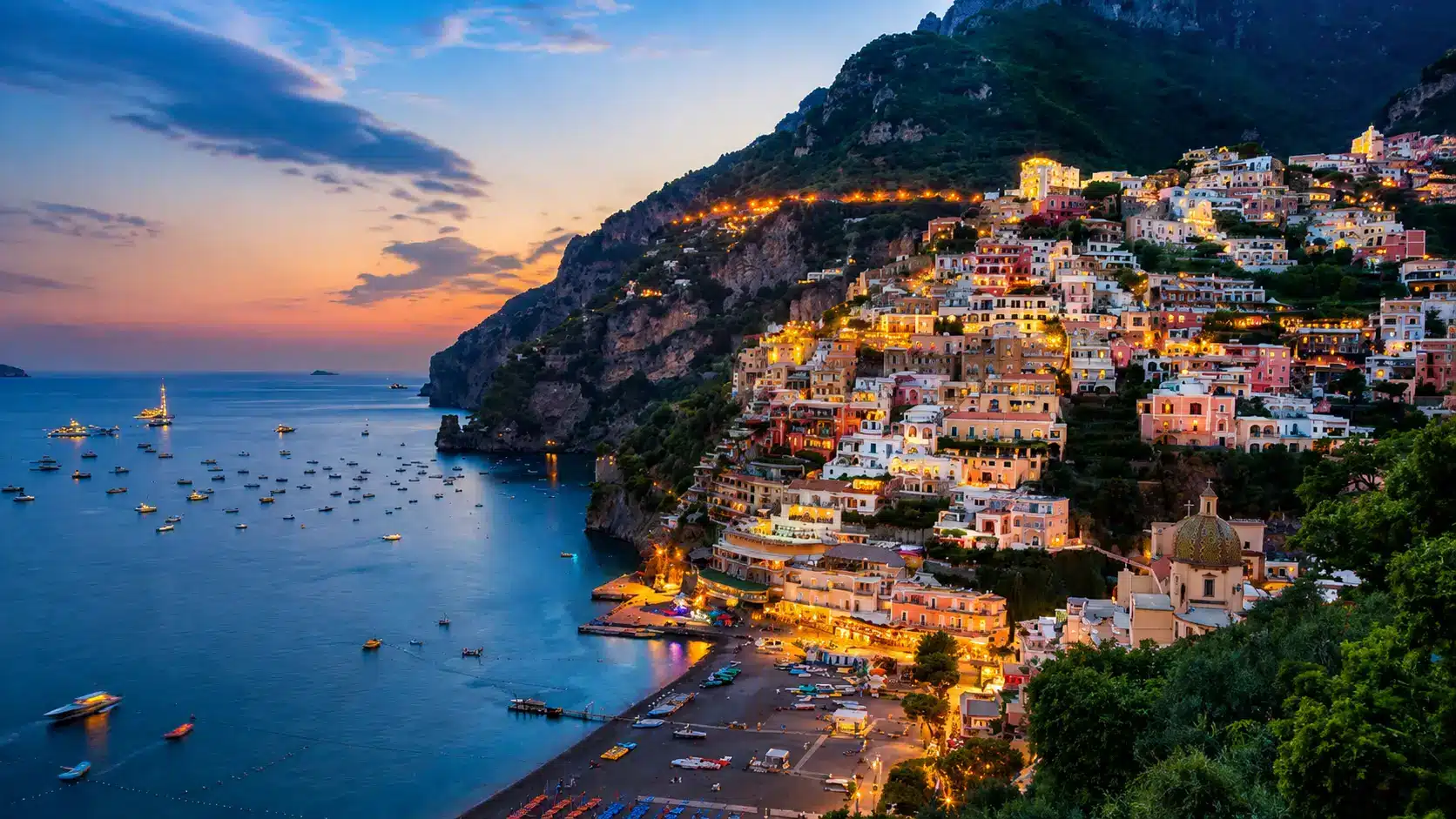
Positano’s cliffside houses and Capri’s Blue Grotto rank among the most recognizable sights in Mediterranean sailing.
The Bay of Naples delivers both within a short run of each other on a single charter.
Procida offers a quieter counterpoint, since fewer day-trippers make it out this far.
The tradeoff sits between culture and quiet, depending on how the route gets built around each stop.
- Iconic sights: Positano and Capri’s Blue Grotto sit within a short sail of each other along the bay.
- Procida’s quiet: Fewer day-trippers reach this far out, so anchorages stay calmer even during peak season.
- Culture versus quiet: A route built around Capri and Positano leans social, while Procida trades that energy for calm water.
8. French Riviera & Corsica
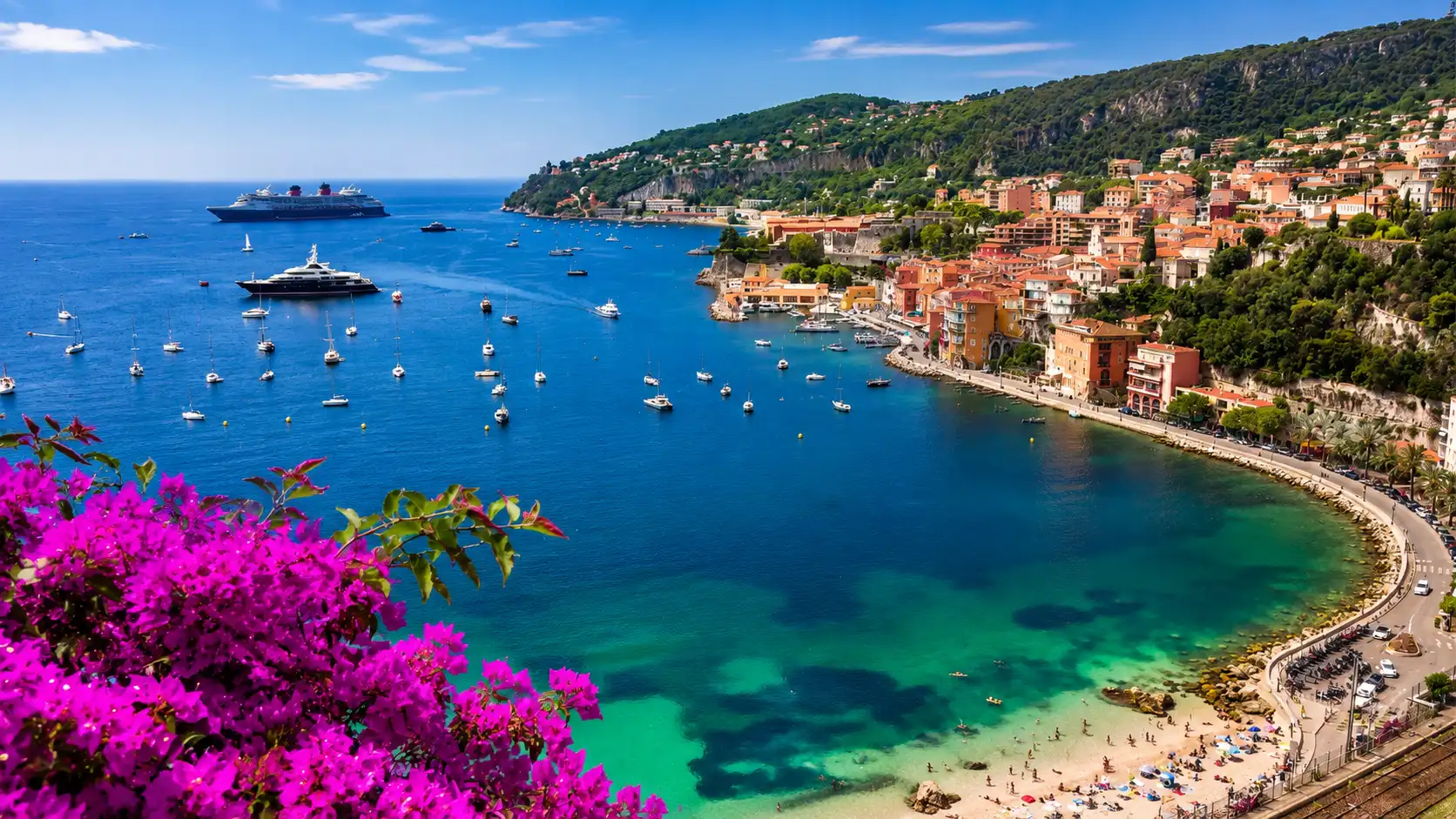
The French Riviera and Corsica sail like two different trips joined by one short crossing.
Monaco and Cannes bring superyachts and marina fees to match, built for comfort over challenge on the water.
Corsica flips that entirely. The west coast brings red granite cliffs and far fewer other boats, especially around Scandola Nature Reserve. This side asks more of a crew than the mainland does.
- Riviera glamour: Monaco and Cannes bring comfort-focused sailing with superyachts and marina fees to match the setting.
- Corsica’s coastline: Red granite cliffs around Scandola Nature Reserve bring fewer boats and more demanding conditions.
- Combined route: Starting glamorous on the Riviera and finishing rugged in Corsica covers more ground than most single routes.
9. Turquoise Coast & Göcek, Turkey
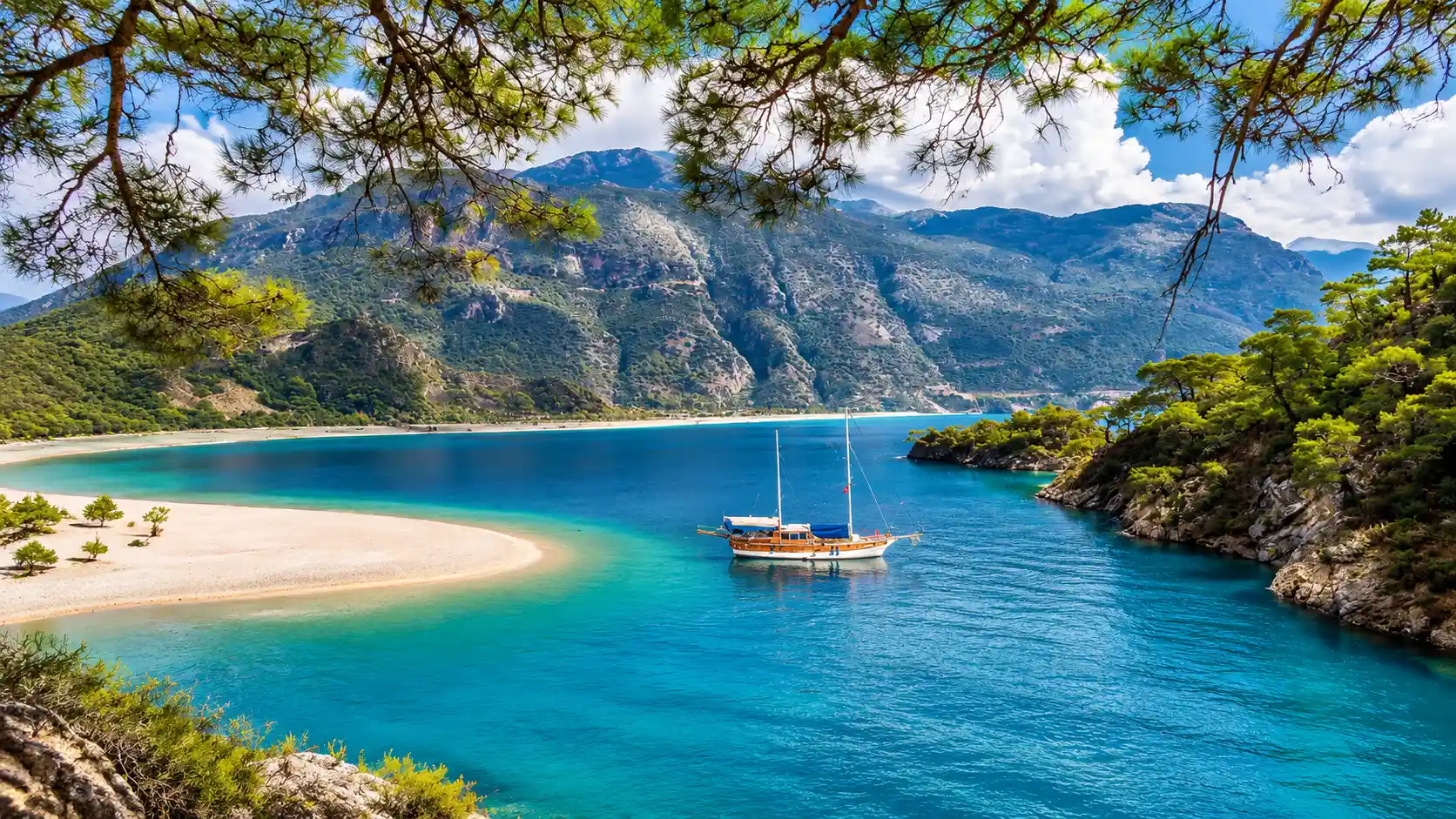
Göcek sits inside the Gulf of Fethiye, a stretch of coastline sheltered from most wind. Strong wind rarely reaches the anchorages, even when it blows hard just outside the gulf’s edges.
The Twelve Islands scatter across the gulf, each with its own quiet cove.
A traditional wooden gulet is a common charter option here alongside standard sailboats, suiting groups who want more space.
- Sheltered gulf: Strong wind rarely reaches the anchorages, making this one of the calmer charter regions in the Mediterranean.
- Twelve Islands: Each cove across the gulf stays quiet, with wooden gulets offering a common alternative to sailboats.
- Lower costs: Charter prices here run lower than Italy, France, or the busiest Greek islands, especially on longer trips.
10. Bay of Kotor, Montenegro
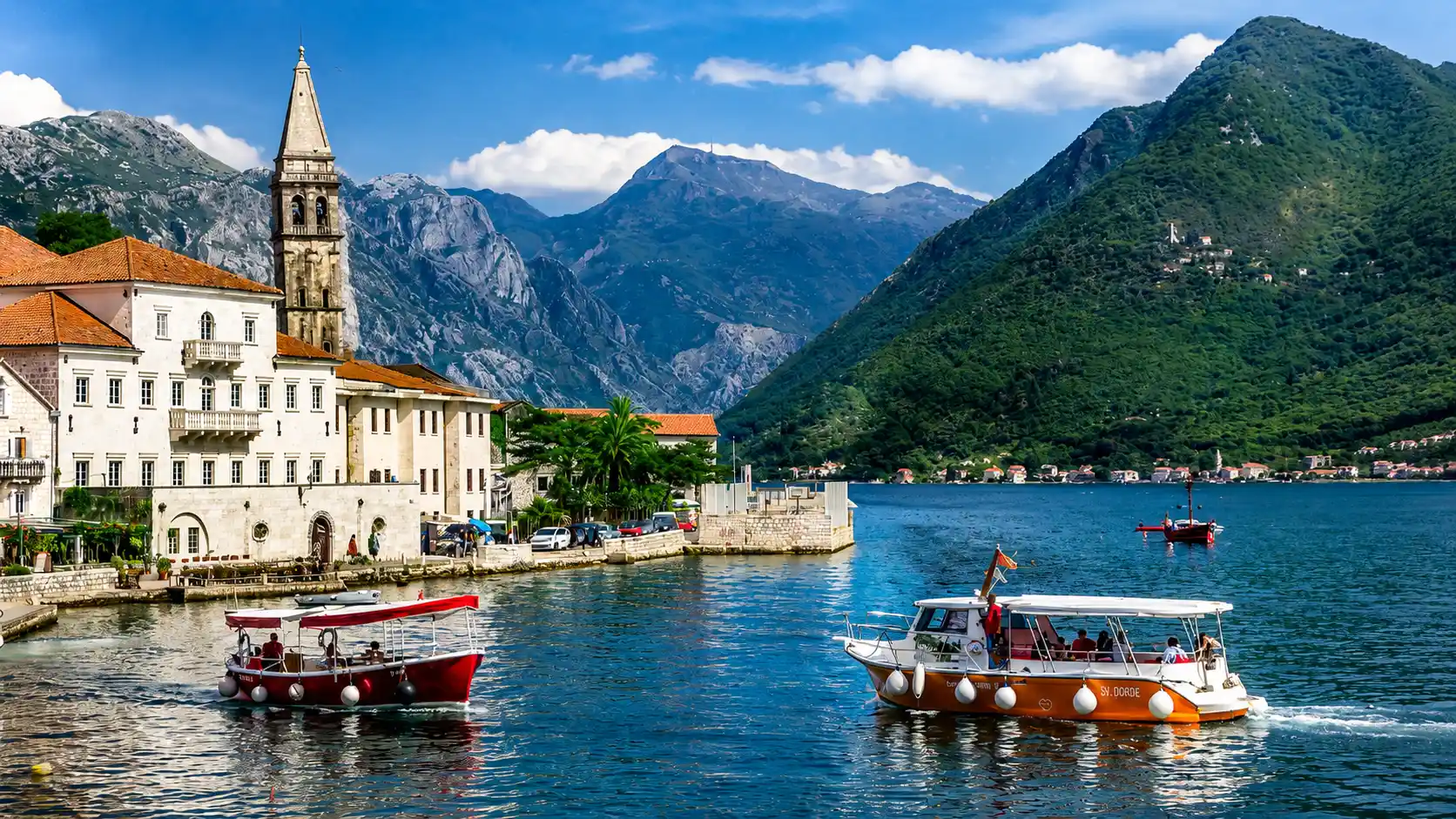
The Bay of Kotor folds in on itself like a fjord, with steep mountains dropping straight into the water. Kotor, Perast, and Tivat sit close together along a compact and scenic route.
A short three- or four-day charter can cover the whole bay without rushing.
Newer sailors get dramatic scenery without long open-water legs, and history sits on shore at almost every stop.
- Fjord-like scale: Steep mountains drop straight into the water, giving the bay a dramatic and compact shape.
- Short route: Three to four days covers Kotor, Perast, and Tivat without rushing between stops along the way.
- Onshore history: Old town walls and small island churches sit on shore at nearly every stop in the bay.
11. Larnaca & Limassol, Cyprus
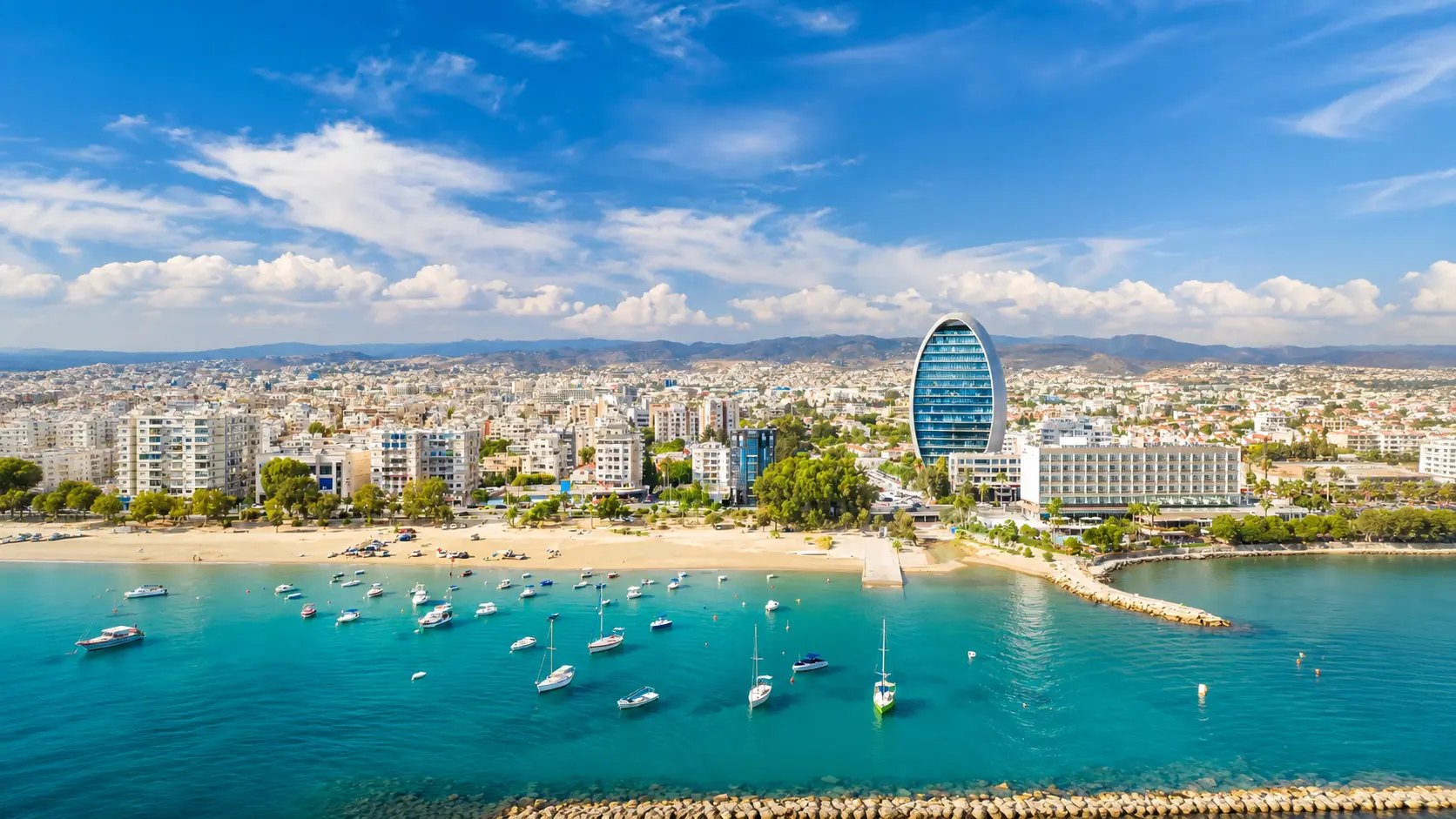
Cyprus sits further east than anywhere else on this list, and that position pays off in season length. Larnaca and Limassol both work as easy charter bases, with modern marinas and short runs out to anchorages around Cape Greko and Akrotiri Bay.
Sailing conditions here typically run from April through November, longer than almost every other region above, with the calmest stretches falling in June, July, and September before summer’s stronger afternoon breezes and the odd late-August gust build in.
History adds another layer on land. Ancient ruins, sea caves, and quiet fishing harbors sit within reach of a short charter, and Cyprus’s position east of Rhodes opens a route toward Greece for crews who want to extend the trip.
- Extended season: Charter operators report sailing conditions from April through November, longer than most regions on this list.
- Modern marinas: Limassol, Larnaca, and Paphos all offer well-equipped marinas with fuel, repair services, and round-the-clock security.
- Eastern Mediterranean history: Ancient sites and sea caves sit close to the water, adding onshore variety to a charter built around the southern coast.
With the main shortlist covered, a few underrated regions deserve a mention too.
Also Worth Your Anchor
These didn’t crack the top 10, but they solve specific trip needs the others don’t.
Malta brings a history-dense base with fewer crowds than the bigger island groups. It suits a charter that mixes sailing with time exploring Valletta’s fortifications.
Dodecanese, Greece offers a quieter, less wind-battered alternative to the Cyclades. Rhodes and Kos carry a similar mix of history and island-hopping without the Meltemi’s bite.
Portofino and the Ligurian Coast work best as a short luxury day-sail add-on rather than a full charter base. Anchorage space stays limited along this stretch.
Once a region is picked, the next question is timing.
When to Sail: Matching Season to Destination
The “best” region also depends on timing. Wind patterns shift the calculus entirely.
| Month/Season | Good For | Watch Out For |
|---|---|---|
| May–June | Ionian, Croatia, Malta, Turkey | Water still cool for swimming |
| July–August | Riviera, Corsica, Balearics, busy marinas everywhere | Peak crowds, Meltemi in the Aegean |
| September | Cyclades, Sardinia, Amalfi Coast, Sicily & Aeolian, Kotor | Booking windows shrink fast |
| Shoulder season (April, October) | Turkey, Ionian, Croatia | Meltemi and Mistral both weaker but less predictable |
Season and wind go hand in hand, so it’s worth knowing the four named winds that shape conditions most before locking in a route.
Mediterranean Winds and Weather
Four regional winds do most of the work in deciding whether a Mediterranean charter is relaxed or demanding. Knowing where each one blows, and when, matters as much as picking a destination.
1. The Meltemi
The Meltemi is the dry, northerly wind that defines summer sailing in the Aegean, strongest around the Cyclades and Dodecanese.
It blows most consistently from June through September and peaks in July and August, when it can run for several days in a row before easing. Charter specialist Sailogy puts typical open-water strength at Force 5 to 7 Beaufort, with gusts a step or two higher in the narrow channels between islands.
The wind tends to build through the afternoon and drop off overnight, so early starts help crews cover ground before it peaks.
2. The Mistral
The Mistral is a cold, dry northwesterly that funnels down the Rhône Valley and blasts into the Gulf of Lion, reaching as far as Corsica and Sardinia.
It shows up most often in winter and spring, though summer flare-ups happen too. Sustained speeds average around 50 km/h (30 mph) and can reach 100 km/h (62 mph) in strong events, according to meteorological data cited by Wikipedia, with wave heights of 4 to 7 meters recorded during the worst episodes.
It clears the sky and sharpens visibility, which is part of why it catches sailors off guard.
3. The Bora
The Bora (or Bura) is a cold, dry northeasterly that drops off the Dinaric Alps onto Croatia’s Dalmatian Coast, the Kvarner region, and the Bay of Kotor.
It’s most common from autumn through spring but can strike in any month without much warning. Croatian marine-safety operator SeaHelp lists typical strength at Force 5 to 7 Beaufort, though gusts in exposed channels like the Velebit have been recorded far above that.
The Bora builds fast, drops fast, and kicks up short, steep waves rather than long swell, which is what makes it dangerous for boats caught unprepared.
4. Tramontana and Scirocco
The Tramontana is a cold, dry northerly that hits the Balearic Islands and the Catalan coast hardest, most frequent in winter, with gusts that can climb well past 100 km/h where the terrain funnels the wind.
The Scirocco runs the opposite way: a warm, humid southeasterly that carries Saharan dust north to Sicily, Malta, the Aeolian Islands, and the Adriatic.
It shows up mostly in spring and autumn, brings haze and heavy humidity, and though generally milder than the other three winds, it can raise a steep, uncomfortable swell in the Adriatic with little notice.
Winds explained and season sorted, the last step is turning a shortlist into a booked charter.
Before You Book, A Quick Charter Checklist
A few practical checks now save headaches once on the water.
☐ Confirm the sailing certification or qualification required for bareboat versus skippered charter.
☐ Match boat type, monohull or catamaran, to group size and route.
☐ Check typical wind exposure for the chosen region and season.
☐ Compare charter base logistics: airport transfer time and marina fees.
☐ Review cancellation and insurance terms before paying a deposit.
☐ Pack backup safety gear (handheld VHF, second anchor, harnesses) if chartering bareboat through a wind-exposed region.
Essential Gear and Safety Tips for Expert Sailors
Crews planning a bareboat charter through a higher-wind region, the Cyclades in a Meltemi, Corsica’s west coast, or Croatia during a Bora, should pack beyond the standard charter inventory:
- A handheld VHF radio and charged backup power bank, in case onboard electronics fail.
- A second, larger anchor and extra chain for exposed or crowded anchorages.
- Reefing lines rigged and tested before departure, not left for the first gust.
- Harnesses and jacklines for night passages or rough water.
- A marine first-aid kit stocked beyond the charter company’s minimum.
- Offline weather routing apps or a dedicated weather receiver, since local winds like the Bora can build faster than a forecast updates.
Conclusion
There isn’t one single best place for sailing in the Mediterranean. There’s the best one for a given crew, skill level, and season.
A relaxed first charter in the Ionian asks for something different than a Meltemi-tested run through the Cyclades.
That’s the whole point of the comparison table above. Match the row that fits the trip, check the season against it, then work down the checklist before booking.
The sea stays the same size. What changes is which corner of it fits best right now. Pick a region, lock a date, and let the wind do the rest.
Frequently Asked Questions
Is a Sailing License Required to Charter in the Mediterranean?
It depends on the country and the operator. Bareboat charters usually require a recognized certification, while skippered charters need no license from guests at all.
What is the Cheapest Region to Sail in the Mediterranean?
Turkey’s Turquoise Coast and southern Croatia tend to cost less than the French Riviera or Amalfi Coast. Costs drop further outside July and August.
How Many Days Do you Need for a Mediterranean Sailing Trip?
Seven days suits most single-region charters well. Island-hopping across two countries usually needs ten to fourteen days to avoid a rushed itinerary.
Can Beginners Sail in the Mediterranean Without a Skipper?
Beginners can bareboat charter in calmer regions like the Ionian or Turkey with basic certification. Windier regions like the Cyclades suit a hired skipper better.



One Response