

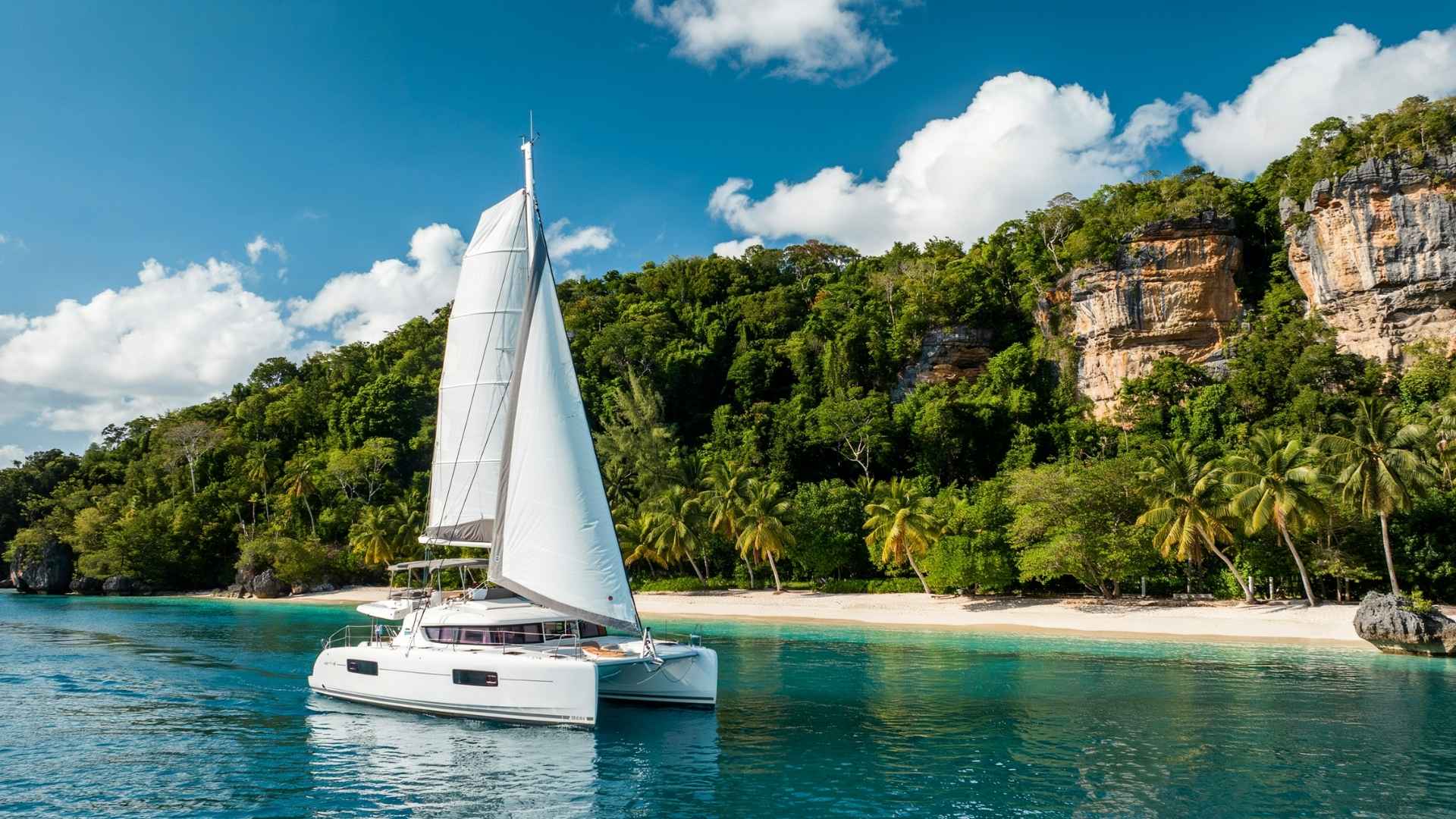
Someone handed me a chart of the British Virgin Islands once and said, “Pick an anchorage.” I stood there for a solid ten minutes pretending I understood what I was looking at. I didn’t.
Picked wrong, we motored an extra hour straight into the wind because of it, and my friend Marcus still brings it up every single time we’re near a boat.
Here’s the thing though, that mistake didn’t ruin anything. That’s kind of the whole point of sailing here.
You don’t need years of experience; the water in most of the popular spots forgives you, and the islands are close enough together that a bad call costs you an hour instead of a day.
So this is basically me talking you through what I wish I’d known before that first charter. Not everything there is to know, just the stuff that actually mattered.
Why Sailing the Caribbean is So Popular
The wind is the first thing. Trade winds blow steady out of the east most of the year, usually 10 to 20 knots, which is basically the sweet spot, enough to keep your sails full without turning every afternoon into a wrestling match with the helm.
Add water that’s warm nearly year-round, and you get conditions that let you get away with a lot of beginner mistakes without anything going badly wrong.
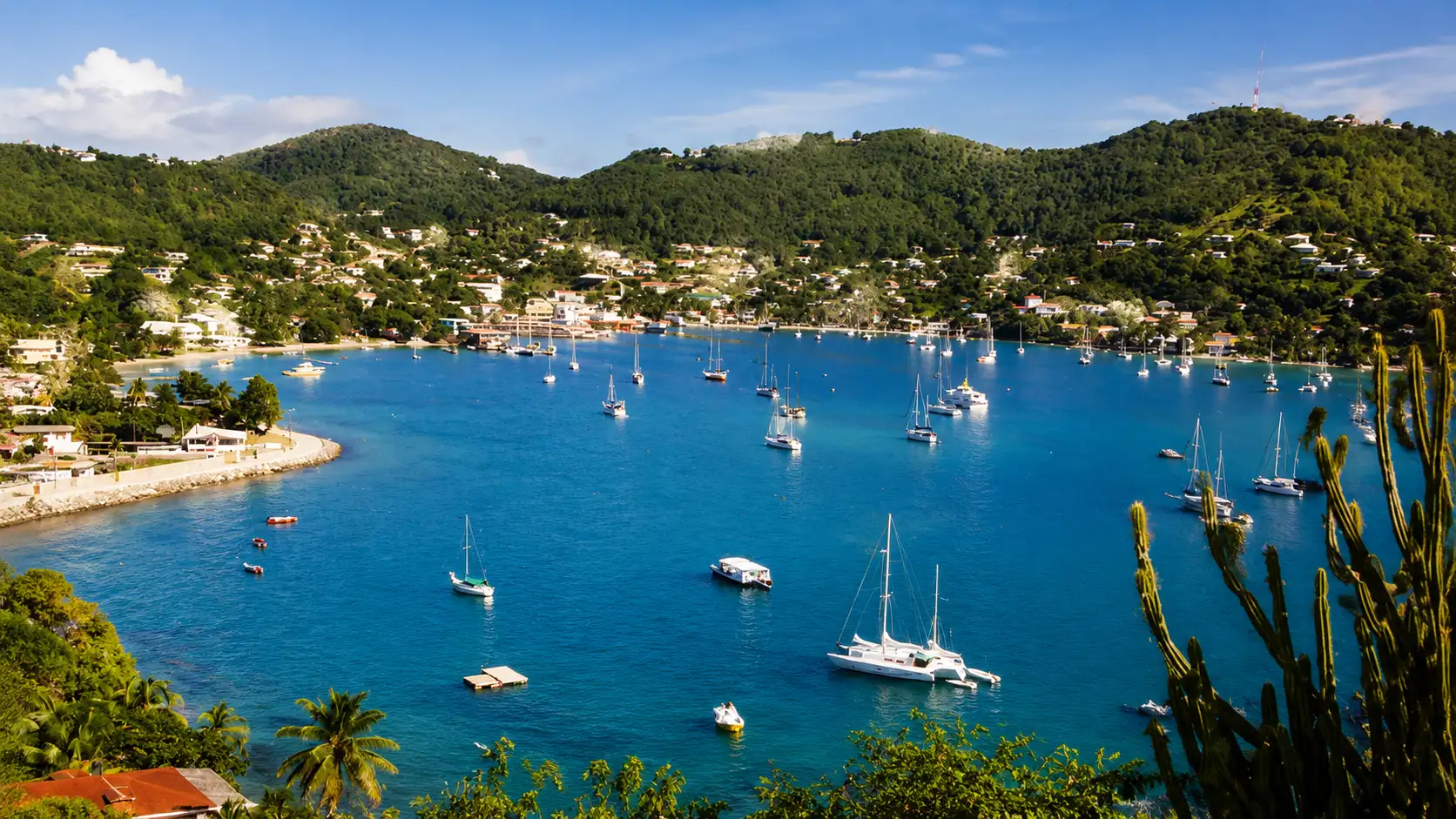
Everything is extremely close, too. One morning you’re in a busy harbor grabbing coffee and diesel, and by lunch you’re anchored somewhere with nobody around for miles.
I didn’t expect that part, honestly- how fast the scenery changes. Every island has its own accent, its own food, its own idea of what a good beach even looks like, and most of the hopping between them takes an hour or two.
And it’s not just a beginner thing, even though it gets marketed that way.
The BVI, in particular, seems built for first-timers: protected waters, short passages, and a charter base practically every few miles if something goes wrong. But sailors with way more miles under their belt than me still come back for the tougher stuff further south and east.
Best Time for Sailing the Caribbean
The best time to sail the Caribbean depends on your needs.
- December to April: That is peak season, and it earns that reputation. Winds are dependable, skies are mostly clear; this is the dry season everyone talks about.
It’s also the clearest water of the year for reef visibility, so if snorkeling is on the itinerary, it’s worth checking the best time to snorkel before locking in dates. It’s also when prices climb, so don’t expect to have anywhere to yourself. - May to early June: It’s when I’d actually go if I were choosing today. Fewer boats. Cheaper charters. The weather usually hasn’t turned yet, though you are taking a small bet on that.
- June to November: That is the hurricane season; there’s no way around it. Charter companies restrict availability and insurance gets complicated, so check forecasts daily if you sail this stretch.
Budget-first sailors should look at May. Crowd-averse sailors should pick February over Christmas week. If you want rock-bottom prices and can tolerate risks, look south in the fall.
Best Caribbean Sailing Destinations

Every one of these islands sails differently, and picking the wrong one for your group matters more than picking the wrong week.
- British Virgin Islands – Still the easiest place to learn. Short hops, calm water, and a marina practically every time you turn a corner if something goes sideways.
- US Virgin Islands – A good call for families. The sailing is forgiving, the beaches are excellent, and the snorkeling gives kids something to do besides ask when you’re leaving.
- St. Lucia – This one’s for the view more than the sailing. The Pitons rising out of the water as you approach are worth the trip on their own.
- Grenadines – Better suited to sailors who’ve done this once already. Longer stretches between anchorages, and the Tobago Cays are the kind of spot you don’t want to rush.
- Antigua – This is where the serious sailors go. Historic harbors, real regattas, and conditions that assume you already know what you’re doing.
- Bahamas – A different kind of trip entirely. Shallow, glassy water and sandy cays for people who want to drift more than they sail.
None of these are wrong choices. They’re just different trips wearing the same “Caribbean sailing” label.
Choosing the Right Type of Caribbean Sailing Trip
Bareboat means you’re the skipper. No hired crew, nobody to blame but yourself.
Most companies want to see some sailing history or a certification before handing over the keys, which is fair. It’s the cheapest way to do this and where you actually learn something.
Skippered charters solve the obvious problem: you bring the group, someone else brings the local knowledge.
I’d recommend this for a first trip if bareboat feels like too much. You still sail; you just aren’t the one only deciding whether that reef is close enough to worry about.
Crewed charters include a chef and a full crew in addition to the skipper. This is the version where the trip is a vacation, not a lesson.
Good for anniversaries, or groups where half the people have never set foot on a sailboat.
Choosing Between a Catamaran and a Monohull

There are two types of boats that you can take, and they both differ a lot. Choosing the right type of boat for sailing the Caribbean is more important than most people give it credit for.
| Factor | Catamaran | Monohull |
|---|---|---|
| Stability | More stable, less rocking | Leans and heels more |
| Space | More cabin and deck space | Tighter but cozier |
| Comfort | Better for seasickness-prone guests | More traditional sailing feel |
| Cost | Higher rental cost | Generally cheaper |
| Best use | Families, groups, comfort-focused trips | Sailors who want a classic feel |
I’ll be upfront, I lean toward a catamaran for a first trip, mostly because fewer people get seasick and there’s more room to spread out when everyone’s a little tired of each other.
Monohull sailors will tell you it’s not real sailing otherwise, and honestly, they’re not wrong either.
How to Plan Your Caribbean Sailing Itinerary

Start with how many days you actually have. A long weekend covers one or two islands without rushing. A week gets you three to five.
Two weeks means you can slow down and actually enjoy an anchorage rather than treating it as a checkpoint.
Keep your daily legs short, especially at first.
Two to four hours between islands is normal and leaves plenty of daylight for swimming or just sitting there doing nothing, which, honestly, might be the best part of the whole trip.
Before you go, confirm your charter company’s entry and exit points, and check permit requirements for any marine parks on your route.
Most importantly, budget for mooring fees at the popular spots, and build in one buffer day somewhere in case the weather doesn’t cooperate.
How Much Does Sailing the Caribbean Cost?
Costs swing more than most people expect. A bareboat monohull for a week can run a few thousand dollars.
Catamarans cost more on top of that. Add a skipper, or a full crew, and the number climbs again, sometimes a lot.
Estimated 7-day charter costs:
| Charter Type | Low Season (May–Nov) | High Season (Dec–Apr) |
|---|---|---|
| Bareboat monohull | $3,300–$4,500 | $7,000–$9,000 |
| Bareboat catamaran | $5,500–$7,500 | $10,000–$14,500 |
| Skippered charter | $6,000–$9,000 | $15,000–$25,000 |
| Fully crewed | $15,000–$25,000 | $25,000–$50,000+ |
The prices are just an estimate and may differ.
That’s before fuel, marina and mooring fees, groceries, park permits, gratuities if you’ve got crew, and your own flights and insurance.
None of those are huge by themselves. They add up fast if you don’t plan for them, which I didn’t, the first time.
What to Pack for Sailing the Caribbean

Keep sailing clothes that include non-slip shoes, something breathable, and one jacket for evenings that end up colder than you’d guess sitting in the sun that afternoon.
That’s really it for clothing; people constantly overpack for this trip.
Sun protection is the part I underestimated the first time. Reef-safe sunscreen, sunglasses, a hat that actually stays on in wind, and UV clothing if you burn as easily as I do.
I got scorched on day two of my first charter, figuring an hour without sunscreen wouldn’t matter. It mattered.
Beyond that, throw in dry bags, a reusable water bottle, a basic first-aid kit including life jackets, and something for motion sickness even if you’re pretty sure you won’t need it.
Get a waterproof case for your phone too. You will drop it in the water eventually; everyone does. It’s basically a rite of passage at this point.
Essential Safety Tips for Sailing in the Caribbean
You don’t need to overcomplicate Caribbean sailing safety, but a few habits can make a huge difference once you’re actually out on the water.
- Check the weather every single day. I got paranoid about this after a squall caught us off guard near Norman Island.
- Coral is the other thing that trips people up. Learn to spot it from the surface, the water discoloration, the texture change, and steer around it well before you’re close.
- Running aground hurts your hull and wrecks the reef, and neither is a quick fix.
- Local maritime rules are worth a skim too, since they’re not always what you’d assume.
- And use the mooring buoys where they’re provided, rather than dropping anchor wherever looks convenient.
- It’s not just etiquette; many nicer anchorages have seagrass or coral right under the spot you’re eyeing.
Responsible sailing really comes down to a few habits, and none of them are complicated: protect the reefs, pack your waste out, keep distance from marine wildlife, use the moorings when they exist.
Final Thoughts
Sailing the Caribbean rewards planning more than raw experience, which surprised me the first time around.
Match the season to your budget, your destination to your comfort level, your charter type to how much control you want over the boat, and you’ve made most of the hard decisions.
I’ve done this as the person staring blankly at a chart, and I’ve done it years later actually knowing what I was looking at. Both were worth it.
Get the basics sorted, and the rest- the water, the islands, the quiet mornings at anchor- mostly takes care of itself.
Frequently Asked Questions
Is the Caribbean Good for Beginner Sailors?
The BVI especially, yes. Calm water, protected passages, short distances between anchorages. It’s one of the more forgiving places in the world to make your first mistakes.
How Much Does it Cost to Sail Around the Caribbean?
Depends entirely on the boat and the crew situation. A basic bareboat monohull week starts around $3,500. Add a full crew and a catamaran, and you’re easily past $20,000, sometimes well past it.
What is the Best Month to Sail the Caribbean?
February and March if weather is your main priority. If you’d rather save money and don’t mind gambling slightly on conditions, May tends to work out.
Do I Need a License to Charter a Yacht?
Only if you’re going bareboat, and even then companies usually just want proof you’ve sailed before, not a formal license. Skippered and crewed charters skip this entirely since someone else is driving.
How Many Days are Enough for Sailing the Caribbean?
Five to seven days gets you three to five islands without rushing. Go shorter, and you’ll spend more of the trip sailing than actually anchored somewhere enjoying yourself, which kind of defeats the purpose.
Can You Sail Year-Round?
Technically. Almost nobody does June through November because of hurricane risk, and honestly I wouldn’t either.
Is a Catamaran Better Than a Monohull for Caribbean Sailing?
Depends what you care about. Space and stability, catamaran wins easily. Cost, and depending who you ask, the actual feel of sailing, monohull people will fight you on this one.



One Response