Water in ear after swimming is a common problem, and knowing how to get it out quickly can save you from days of discomfort.
Most people feel a plugged, muffled sensation right after a swim, and it often clears on its own within a few hours.
But sometimes the trapped water lingers, which raises the risk of an ear infection.
Simple habits after every swim can keep your ears dry, comfortable, and free from lasting problems.
How to Get Water Out of Ear?
When water gets stuck in your ear after swimming, start with simple steps like tilting your head, pulling your earlobe, and letting gravity do the work.
This is normal and usually clears within a day. It becomes a greater concern if the fullness lasts more than two days or progresses to pain.
Safe options include gentle head tilts, jaw movement, and a hair dryer on low heat, held away from your ear, which can help ease the pain.
Unsafe options include cotton swabs, sharp objects, or forceful shaking, since these can push wax deeper or scratch the ear canal.
Watch for itching, redness, or fluid that looks different from normal, as these point to a possible infection that needs attention soon.
Why Does Water in Ear After Swimming Get Trapped?
The ear canal has a narrow, curved shape that can hold water after a swim. Certain conditions make trapped water more likely and harder to clear naturally.
- Ear canal shape and fluid trapping: The narrow, curved shape of the ear canal traps water, preventing it from flowing straight out.
- Swimmer’s ear environment: Warm, moist air inside the ear canal creates a setting where bacteria can grow and multiply.
- Common triggers: Chlorine pools, lakes, and floating on freshwater rivers each carry different amounts of bacteria, and freshwater sources generally carry more bacteria than a well-chlorinated pool.
- Earwax blockage: Extra earwax can block the ear canal, preventing water from draining and trapping moisture, which increases the risk of infection over time.
Knowing these causes helps you spot when water is likely to linger. Simple drying habits after each swim lower your chances of ear trouble.
Symptoms of Water Stuck in EarCommon signs of water stuck in your ear include:
|
Is Water in the Ear Dangerous?
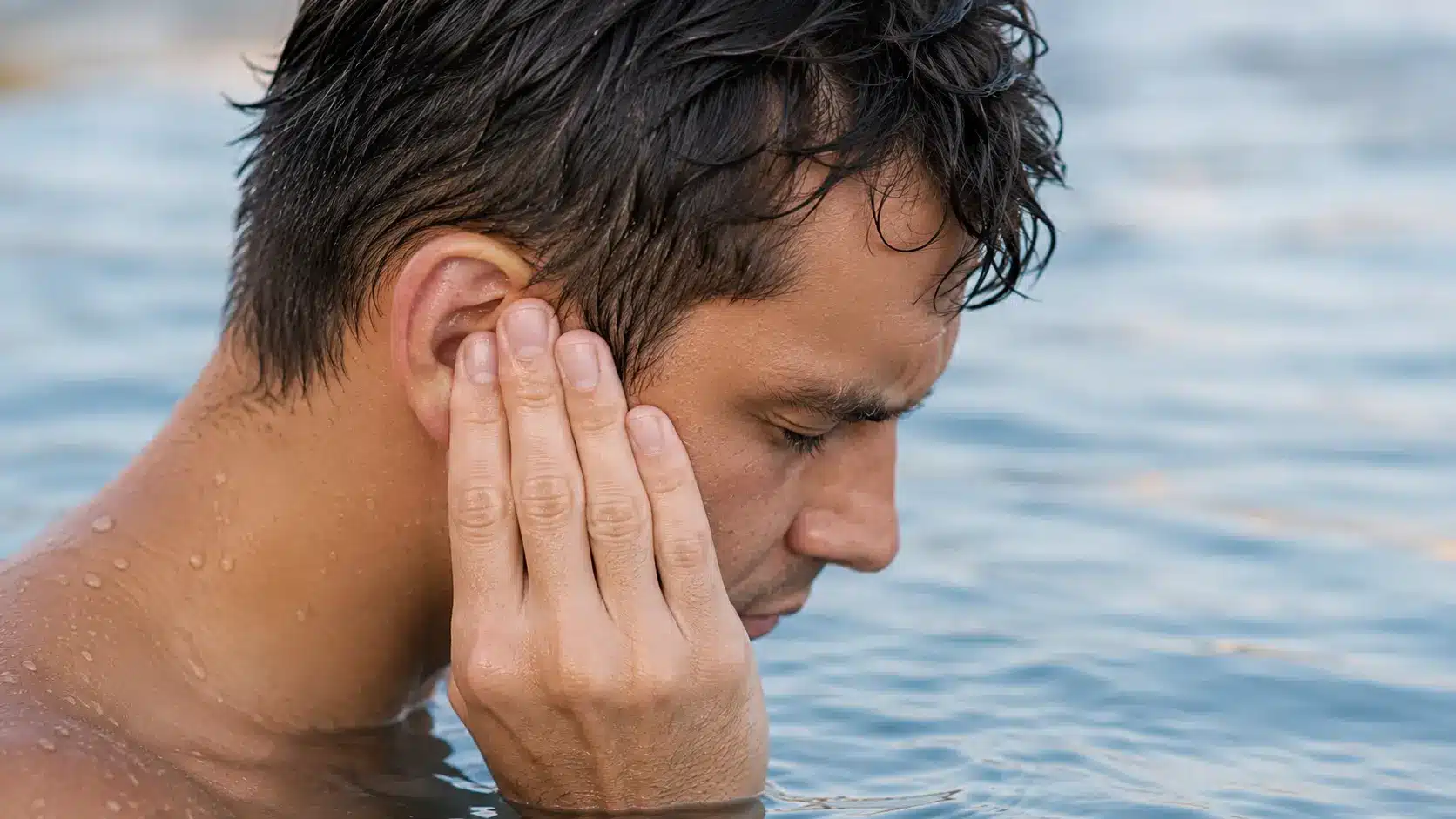
In most cases, water in the ear after swimming clears on its own within a few hours and causes no harm.
Problems start when the water stays trapped for a long time, since the moist space allows bacteria to grow and can lead to an outer ear infection known as swimmer’s ear.
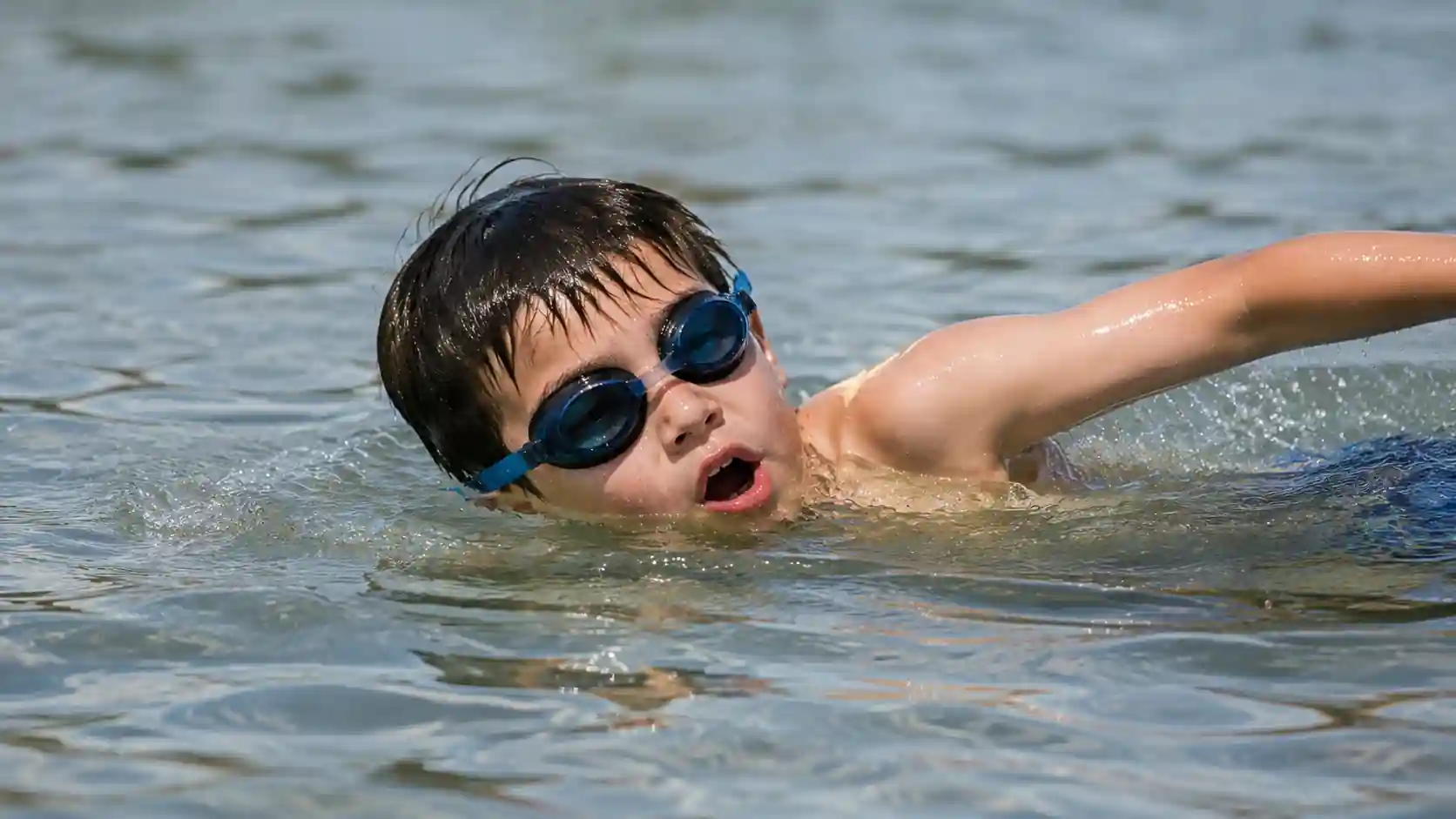
Children, frequent swimmers, and people who participate in regular water sports or wear earbuds and earplugs often face a higher risk, since these items can trap moisture against the ear canal.
Drying your ears thoroughly after every swim reduces this risk and keeps your ears healthy throughout the swimming season.
How to Safely Get Water Out of Your Ears?
Several safe methods help drain trapped water without causing ear damage. Try these steps in order, starting with the gentlest option before moving to stronger ones.
| Method | How It Helps |
|---|---|
| Gravity tilt | Tilt your head sideways, let water drip out |
| Earlobe pull | Pull the earlobe gently while tilting the head |
| Jaw movement | Chew or yawn to open the ear canal |
| Vacuum hand cup | Cup palm over ear, press and release |
| Hair dryer | Use low heat, hold it a foot away |
| OTC drying drops | Use alcohol-based drops to dry moisture |
Most methods clear water within minutes. If fullness continues after trying these steps, give it time or try drying drops made for swimmers.
What Not to Do?
Some common habits can make trapped water worse or cause injury. Avoid these actions even if the fullness feels annoying and you want quick relief.
- No cotton swabs or Q-tips: These push wax and debris deeper into the canal, raising the chance of blockage and irritation.
- Avoid inserting objects: Bobby pins, fingers, or keys can scratch the ear canal and lead to painful infections.
- No forceful ear shaking: Hard shaking can strain the neck and rarely clears water any faster than gentler methods.
- Avoid alcohol or peroxide misuse: Using these on irritated skin can sting and worsen existing damage inside the canal.
These habits feel like quick fixes but often backfire. Stick to gentle, proven methods and give your ear time to drain naturally.
Swimmer’s Ear Causes
Doctors point to a few clear causes behind swimmer’s ear. Understanding them helps explain why drying your ears after every swim matters so much.
- Bacterial growth: Warm, damp ear canals give bacteria the moisture they need to multiply quickly.
- Skin breakdown: Constant moisture softens the skin lining the canal, making it easier for germs to enter.
- Excess moisture: Water left behind after swimming keeps the canal wet far longer than normal.
- Minor cuts or irritation: Small scratches from swabs or fingers give bacteria an easy entry point.
Doctors agree that keeping the ears dry is the single best way to reduce the risk of this common infection.
How to Prevent Water in Your Ears After Swimming
Preventing water in the ear after swimming starts with drying your ears right after you leave the pool or ocean.
Tilt your head to each side and use a soft towel on the outer ear. Swimmer earplugs create a barrier that keeps water from entering the canal in the first place.
Swim caps offer extra protection, especially for frequent swimmers or children.
The Centers for Disease Control and Prevention recommends earplugs, swim caps, tilting the head to drain water, towel drying, and using a low-heat hair dryer if water remains
Drying drops used before and after a swim help remove residual moisture and reduce the risk of infection.
Building a simple routine of drying and protecting your ears after every swim turns prevention into a habit and keeps your ears comfortable throughout the swimming season.
Kids vs Adults Experience
Children are more likely to experience trapped water than adults because their ear canals are smaller.
Knowing the differences helps parents respond quickly and safely.
| Factor | Kids | Adults |
|---|---|---|
| Risk level | Higher, smaller canals | Lower, wider canals |
| Symptoms to watch | Ear tugging, fussiness | Fullness, muffled hearing |
| Safe removal | Gentle tilt, no swabs | Tilt, earlobe pull, drops |
| Doctor visit | Sooner, if crying or fever | After 48 hours of symptoms |
Adults can usually manage mild cases at home. Kids need closer attention since they cannot always describe pain or discomfort clearly.
When to See a Doctor for Water in the Ear
See a doctor if ear pain lasts more than 24 to 48 hours without improvement.
Ongoing hearing loss or a blocked feeling that will not clear also calls for medical care.
Pus or unusual fluid draining from the ear is a warning sign that should not be ignored.
Fever combined with ear pain or visible swelling around the ear suggests a spreading infection that requires prompt treatment.
People who deal with swimmer’s ear repeatedly may need a checkup to rule out earwax buildup or structural issues.
Quick treatment with prescription ear drops usually clears the infection within a week to ten days.
Conclusion
In my experience, water in the ear after swimming is usually harmless, but knowing how to get it out the right way keeps small issues from turning into painful infections.
Simple habits like tilting your head, drying your ears with a towel, and using earplugs can help protect your ears every time you swim.
Paying attention to warning signs like pain, swelling, or unusual drainage helps you catch trouble early and get treatment before it spreads.
A few minutes of care after each swim go a long way toward healthy, comfortable ears all season long.
Start drying your ears properly after your next swim, and talk to a doctor if pain or fullness lasts more than two days.
Frequently Asked Questions
How Long Does it Take for Water Trapped in the Ear to Drain Naturally?
Water usually drains within minutes to a few hours after swimming. Earwax buildup or a narrow canal can make it linger longer.
Can Water Stuck in the Ear Cause Permanent Hearing Loss?
Trapped water rarely causes permanent hearing loss. Any muffled hearing is usually temporary and clears once the water drains or an infection heals.
Is it Safe to Sleep With Water Still in Your Ear?
Sleeping with trapped water is not harmful immediately, but it increases the risk of infection overnight. Try safe drying methods before bed to lower discomfort.
Is Freshwater More Likely to Cause an Ear Infection?
Yes. Freshwater sources like rivers and lakes usually carry more bacteria than a well-chlorinated pool, which raises the risk of swimmer’s ear compared to treated water.
Can I Use Ear Drops if I Have Ear Tubes?
No. Avoid alcohol based or hydrogen peroxide drops if you have ear tubes or a perforated eardrum, and check with a doctor before trying any drying method.