
Parasailing lifts riders into the sky using nothing more than a parachute, a tow rope, and a moving boat.
It looks similar to paragliding at first glance, yet the equipment, launch method, and flying experience differ in almost every way.
Many people ask how parasailing works or what makes it different from paragliding and other water-based activities.
Understanding the gear involved, from the canopy to the harness, along with the way the boat controls height and speed, makes it easier to know what to expect before stepping onto the platform. Once these basics are clear, the entire flight feels far less unfamiliar.
What Is Parasailing and Why It Feels Like Flying
Parasailing pairs a parachute with a tow line and a moving boat, giving riders a taste of flight without any prior training.
It has become a favorite at beach destinations because it turns a short boat ride into an aerial experience anyone can try.
As the boat speeds up, wind fills the canopy and lifts the rider above the water. Unlike regular boating activities, the focus stays on height and open views rather than speed across the surface.
How Does Parasailing Work: Step-by-Step Breakdown Of The Full Ride
Parasailing follows a clear sequence from strapping in to landing. Each stage builds on the last, using the boat, canopy, and tow rope together to create a smooth and guided flight over the water.
Step 1: Setup, Harnessing, And Boat Preparation
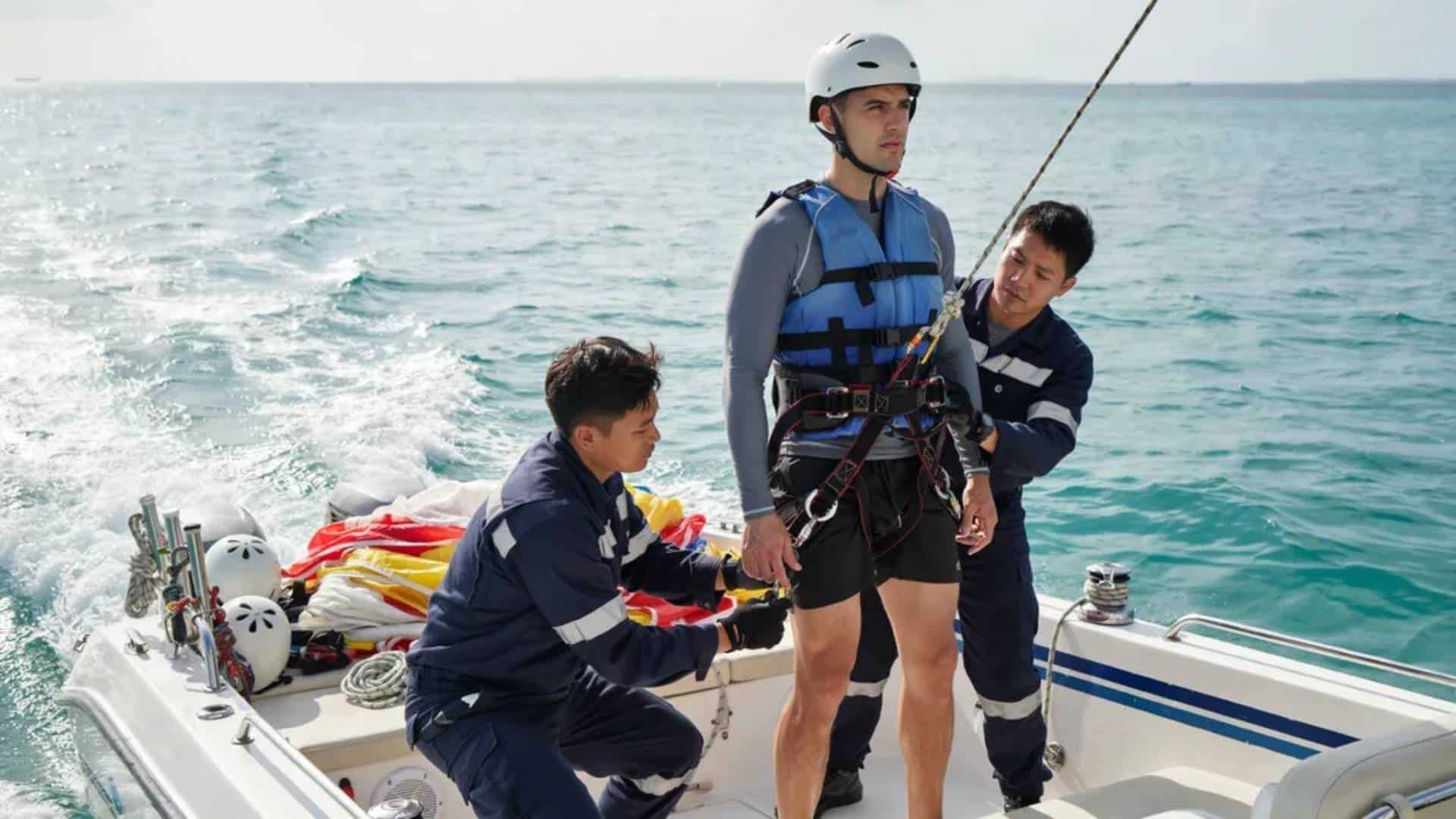
Before takeoff, the crew fits the rider into a secure harness connected to the parachute lines. Safety checks confirm that straps, buckles, and the tow rope are properly attached.
The boat is positioned at a steady spot on the water, and the canopy is laid out behind it, ready to catch wind once the boat begins moving.
Step 2: Boat Acceleration And Canopy Lift-Off
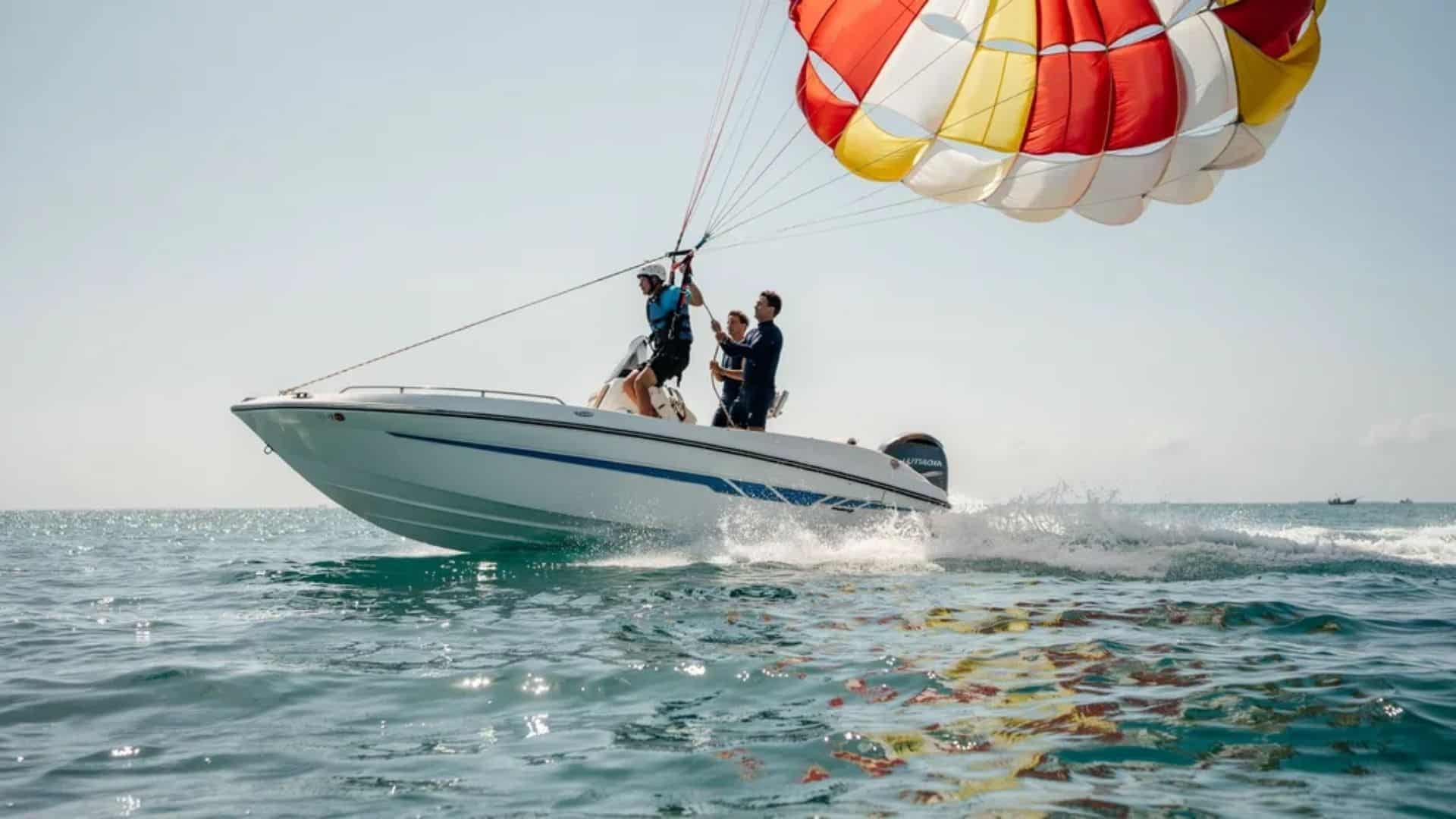
Once everyone is ready, the boat accelerates gradually across the water. This forward motion pushes air into the parachute canopy, causing it to inflate and rise.
As the tow rope stays taut, the rider is lifted smoothly off the platform, transitioning from the boat deck into the open air without any sudden jolts.
Step 3: Stable Flight, Height Control, and Mid-Air Experience
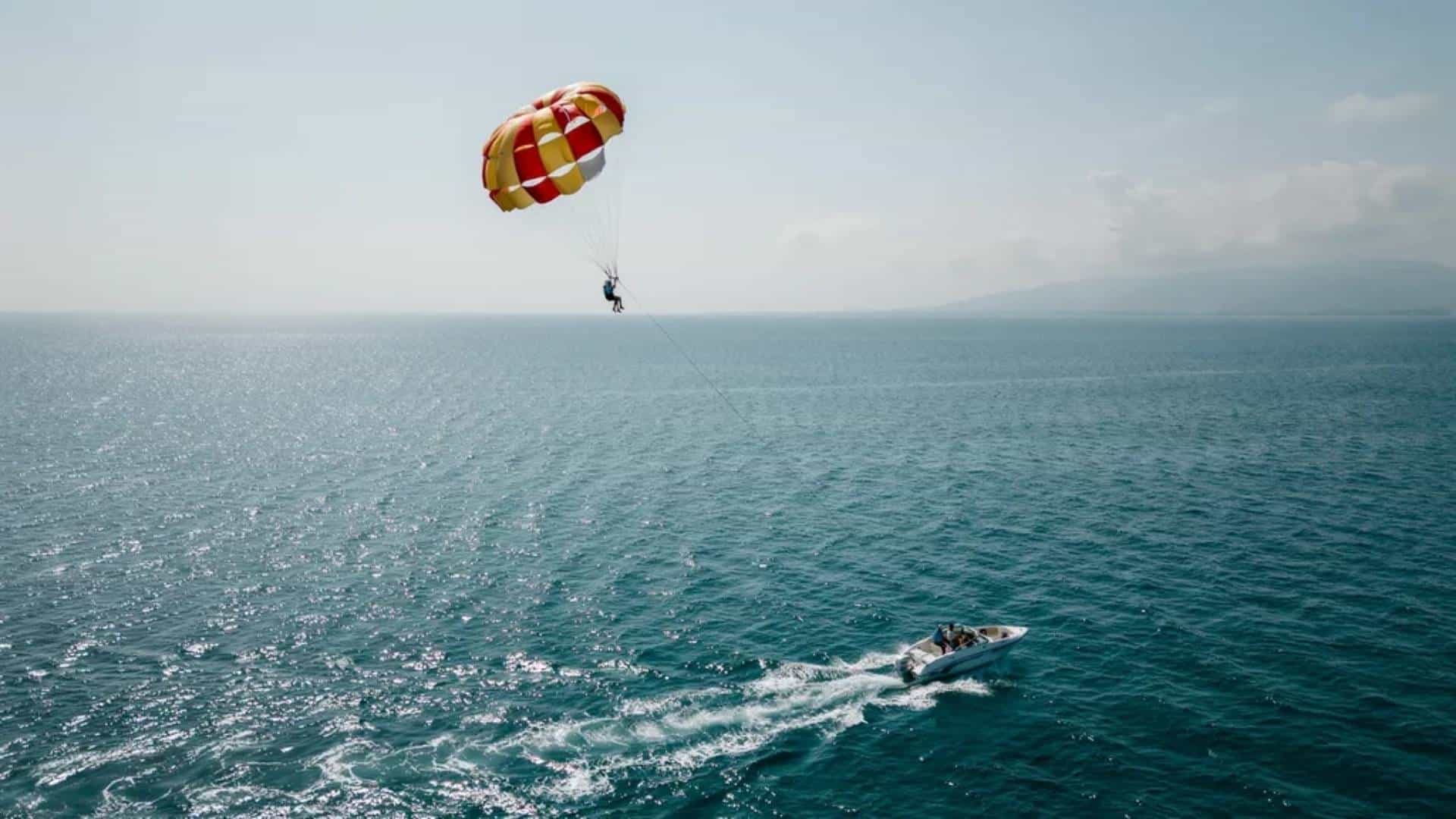
Once airborne, the canopy stabilizes, and the boat maintains a steady speed to keep the flight level. The tow rope length determines how high the rider stays above the water.
During this phase, riders can take in wide views over the water while the boat operator manages the rope and speed to keep the ride calm and steady.
Step 4: Controlled Descent And Smooth Landing
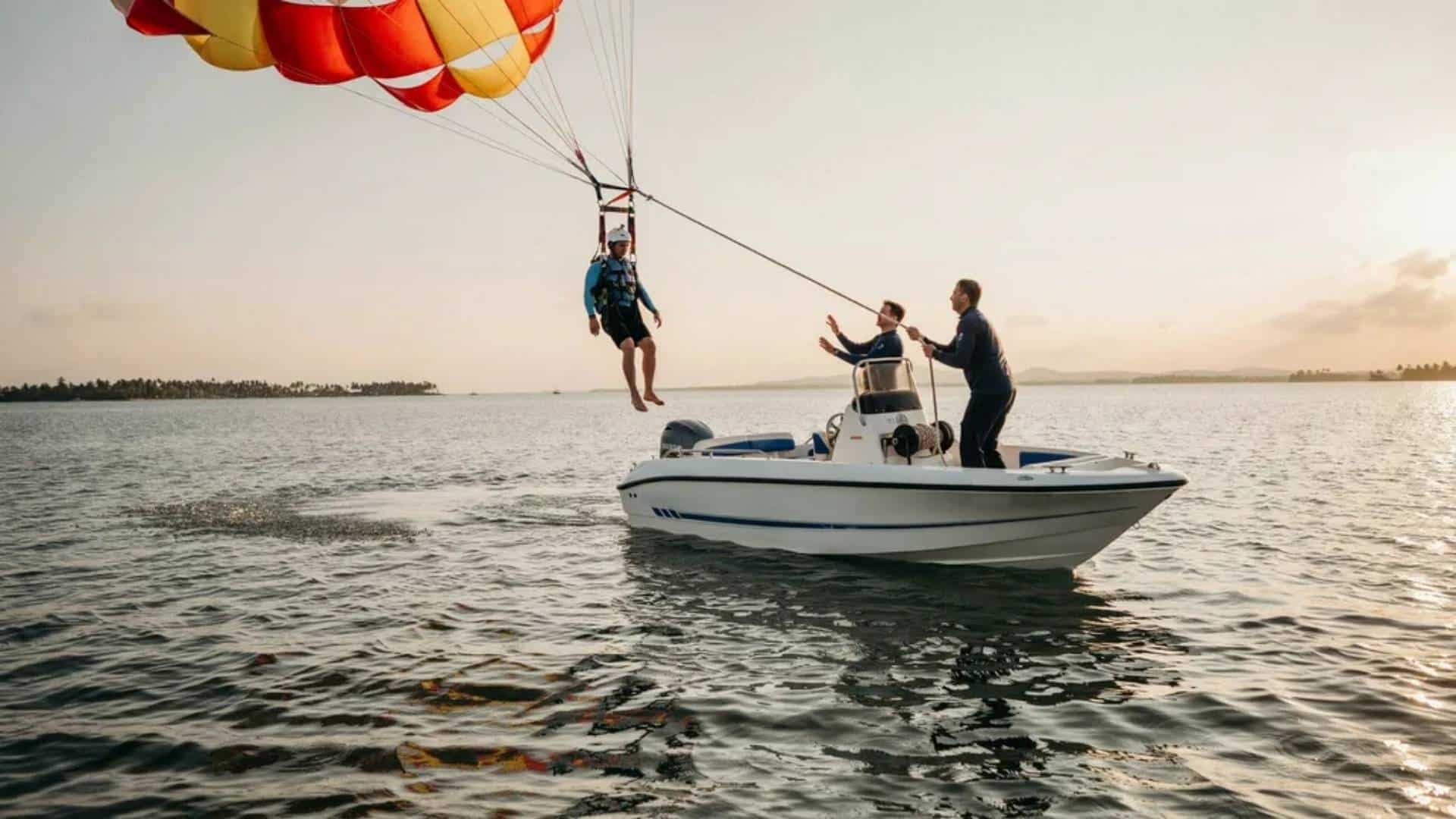
To bring the rider down, the boat gradually reduces speed while the crew reels in the tow rope. This slows the canopy’s lift and lowers the rider steadily toward the platform.
The descent is timed carefully so the landing feels gentle, with the rider’s feet touching down just as the boat comes to a stop.
Parasailing Equipment Explained: What Keeps You Safe in the Air
Parasailing relies on a few key pieces of equipment working together. From the canopy to the harness, each part plays a specific role in keeping the flight smooth, controlled, and safe throughout the ride.
| Equipment | Role |
|---|---|
| Parachute Canopy | Catches wind to create controlled lift and keep the flight stable |
| Tow Rope System | Connects rider to boat and adjusts height and distance |
| Harness Setup | Secures the rider’s body safely throughout the flight |
| Boat Winch System | Manages rope tension for smooth takeoff and return |
| Safety Backup Systems | Provides backup support in case of equipment failure |
Together, this equipment and your clothes form a reliable system that keeps every parasailing ride safe, steady, and enjoyable from start to finish.
Types Of Parasailing You Should Know Before Booking A Ride
Parasailing comes in a few different formats, each offering a slightly different experience depending on group size and equipment used. Knowing these types helps riders choose the right option before booking.
Solo Parasailing: Single Rider Experience
Solo parasailing involves just one rider harnessed to the canopy, offering a private and personal flying experience. Without sharing the ride, solo flyers often get more freedom in movement and a quieter atmosphere in the air.
This option works well for those who prefer independence or want an uninterrupted view during their flight.
Tandem Parasailing: Two People Flying Together
Tandem parasailing allows two riders to share the same harness and canopy, making it a popular choice for couples or friends.
Flying together adds a social element to the experience, letting riders share reactions and views in real time. It also suits beginners who feel more comfortable trying the activity alongside someone else.
Triple Parasailing: Group Ride With Shared Canopy
Triple parasailing accommodates three riders under one larger canopy, making it ideal for families or small groups. This format increases the shared experience while keeping the ride efficient for operators managing multiple guests at once.
Combined rider weight limits are considered carefully to maintain safe and stable flight throughout the ride.
Winch Boat Parasailing: Modern Boat-Based Takeoff System
Winch boat parasailing uses a mechanical winch system that allows riders to take off and land directly from the boat deck.
This modern setup removes the need for wading into water, making the process smoother and more beginner-friendly. It has become increasingly common at professional parasailing operations worldwide.
Parasailing Vs Paragliding: Key Differences
Though both activities involve flying with a canopy, parasailing and paragliding differ greatly in launch method, control, and overall experience for riders.
| Aspect | Parasailing | Paragliding |
|---|---|---|
| Launch Method | Boat launch from the water | Ground launch from a hill or slope |
| Control Type | Passive, boat-controlled flight | Active, pilot-controlled flight |
| Height And Duration | Moderate height, short fixed rides | Variable height, longer, flexible flights |
| Training Needed | Minimal, beginner-friendly | Requires skill and certified training |
| Flying Feel | Relaxed aerial view experience | Hands-on real flying experience |
Paragliding offers a completely different kind of freedom, letting pilots steer direction, adjust altitude, and stay airborne for extended periods using rising air currents.
It rewards practice and skill, appealing to those who want an active role in the flight rather than a guided ride, making it a favorite among flyers chasing longer, self-controlled time in the air.
What Parasailing Feels Like From Takeoff to Landing
The first lift-off feels light and gradual, with your feet leaving the platform as the parachute gently pulls you upward.
Once airborne, you float above calm or open water, taking in wide views with only the sound of wind around you. A typical ride lasts several minutes, giving enough time to settle into the experience.
Landing feels just as smooth, with the boat slowing down as you’re lowered back onto the platform. Most riders describe the feeling as calm and steady, with only a light thrill rather than fear.
| Factors That Affect Parasailing Cost
Parasailing prices depend on several factors, including location, ride duration, and time of year. Popular beach destinations often charge more than smaller local spots, while longer rides with higher altitude naturally cost extra. Peak travel seasons also bring higher prices compared to off-season months. Group size matters too, since tandem or group rides usually cost less per person than solo flights. |
Is Parasailing Safe: What Beginners Should Know Before Trying
Parasailing is generally safe when handled by trained professionals who manage every step carefully. Understanding a few basics helps beginners feel confident before their first ride.
- Trained operators control boat speed, rope length, and timing throughout the ride, eliminating the need for any skill or experience on the rider’s part.
- Weather conditions, such as wind speed, and water conditions are checked beforehand, following the same precautions outlined in the U.S. Coast Guard’s boating safety guidelines, since unsafe conditions often lead to rides being postponed or canceled.
- Weight limits and passenger pairing rules ensure the canopy lifts riders safely, with operators adjusting rope length based on combined rider weight.
Despite these safety measures, several myths still surround parasailing, making it seem riskier than it truly is. Many believe it requires swimming skills, prior experience, or that the parachute can detach mid-ride.
In reality, trained supervision, tested equipment, and strict safety checks make these concerns largely unfounded for most beginners. Once these myths are cleared up, most beginners feel far more relaxed about trying parasailing for themselves.
Parasailing Vs Other Sports: Quick Comparison
Parasailing shares some traits with skydiving, hang gliding, and jet skiing, yet each activity offers a different level of thrill, control, and skill required.
| Activity | Thrill Level | Control Type | Skill Required |
|---|---|---|---|
| Parasailing | Moderate | Boat controlled | Minimal |
| Skydiving | High | Free fall control | Trained jump needed |
| Hang Gliding | High | Pilot controlled | Skilled technique |
| Jet Skiing | Moderate | Rider controlled | Basic handling |
How Parasailing Compares To Each Sport
Each sport has its own setup, skill level, and overall feel, making parasailing stand out as a simpler, more beginner-friendly option.
Skydiving
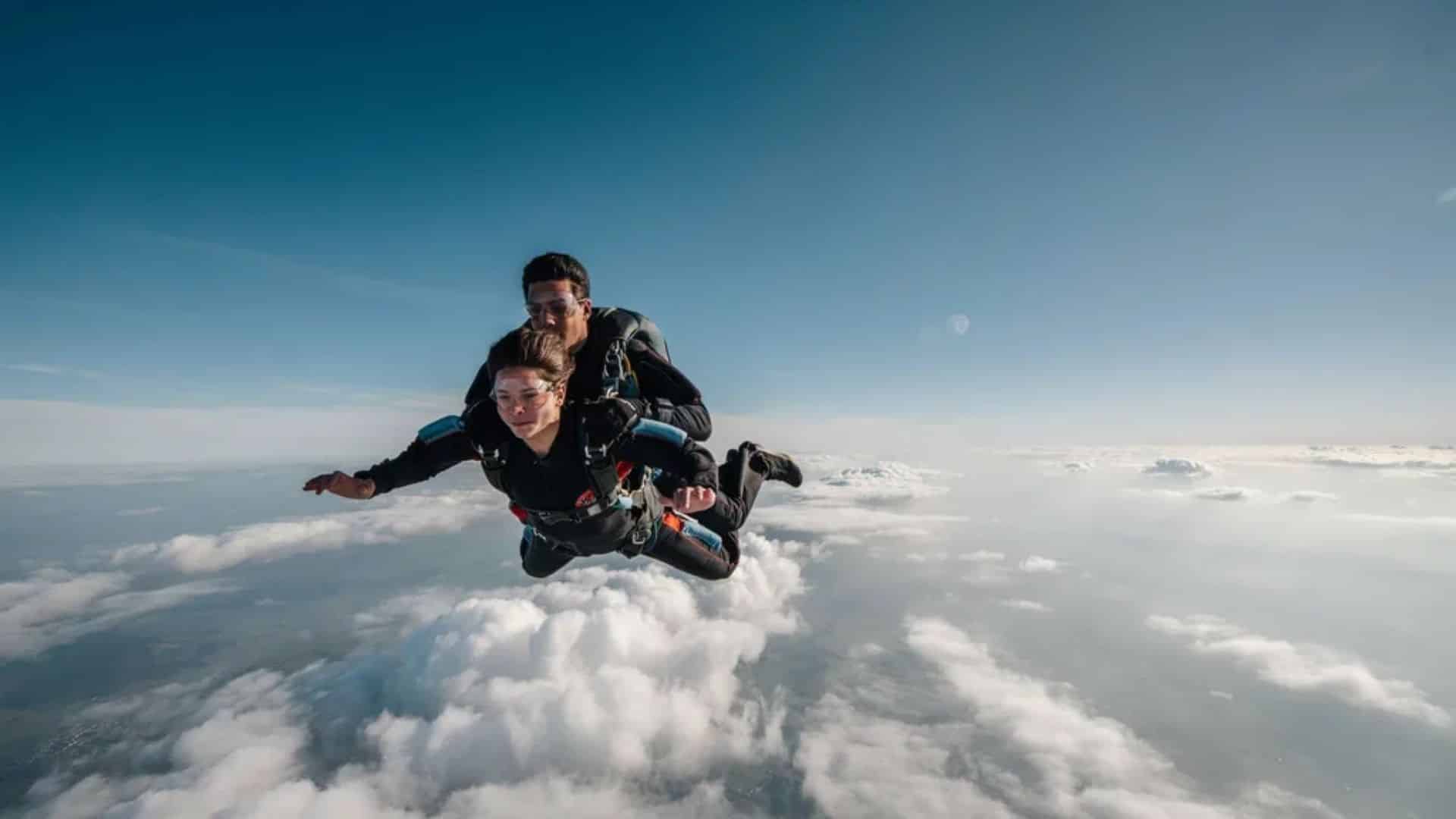
Skydiving involves jumping from a plane at high altitude, followed by a controlled free fall before the parachute opens. It delivers intense thrill within a short time frame and requires proper training or a tandem jump with a certified instructor.
Unlike parasailing, the experience is fast-paced and depends heavily on precise timing and body control throughout the fall.
Hang Gliding
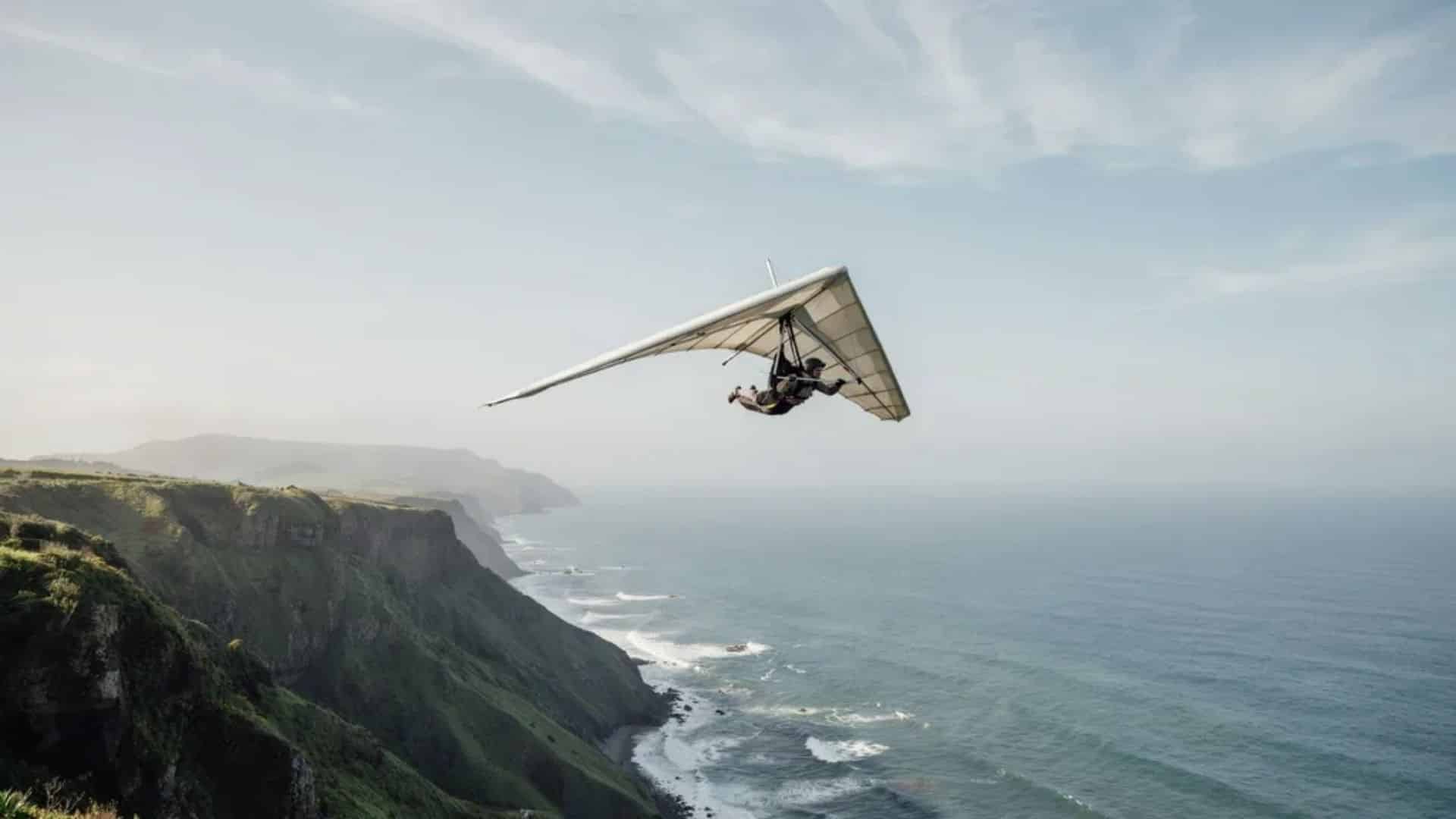
Hang gliding uses a lightweight frame that riders control manually as they glide through the air after a ground launch. It demands strong technique, balance, and practice, since pilots steer direction and speed themselves.
This hands-on control makes it more skill-intensive than parasailing, where the boat handles most of the flight.
Jet Skiing
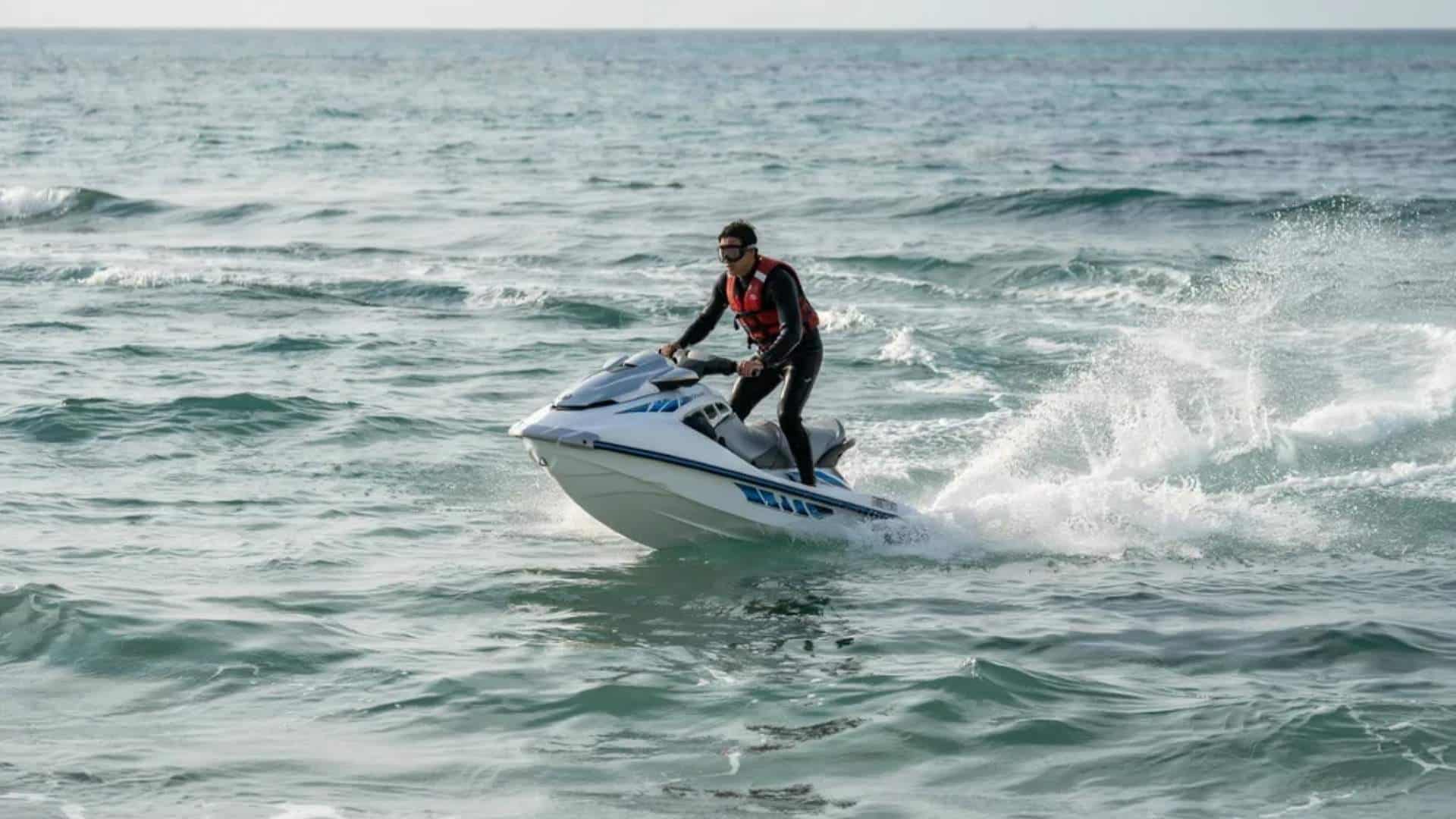
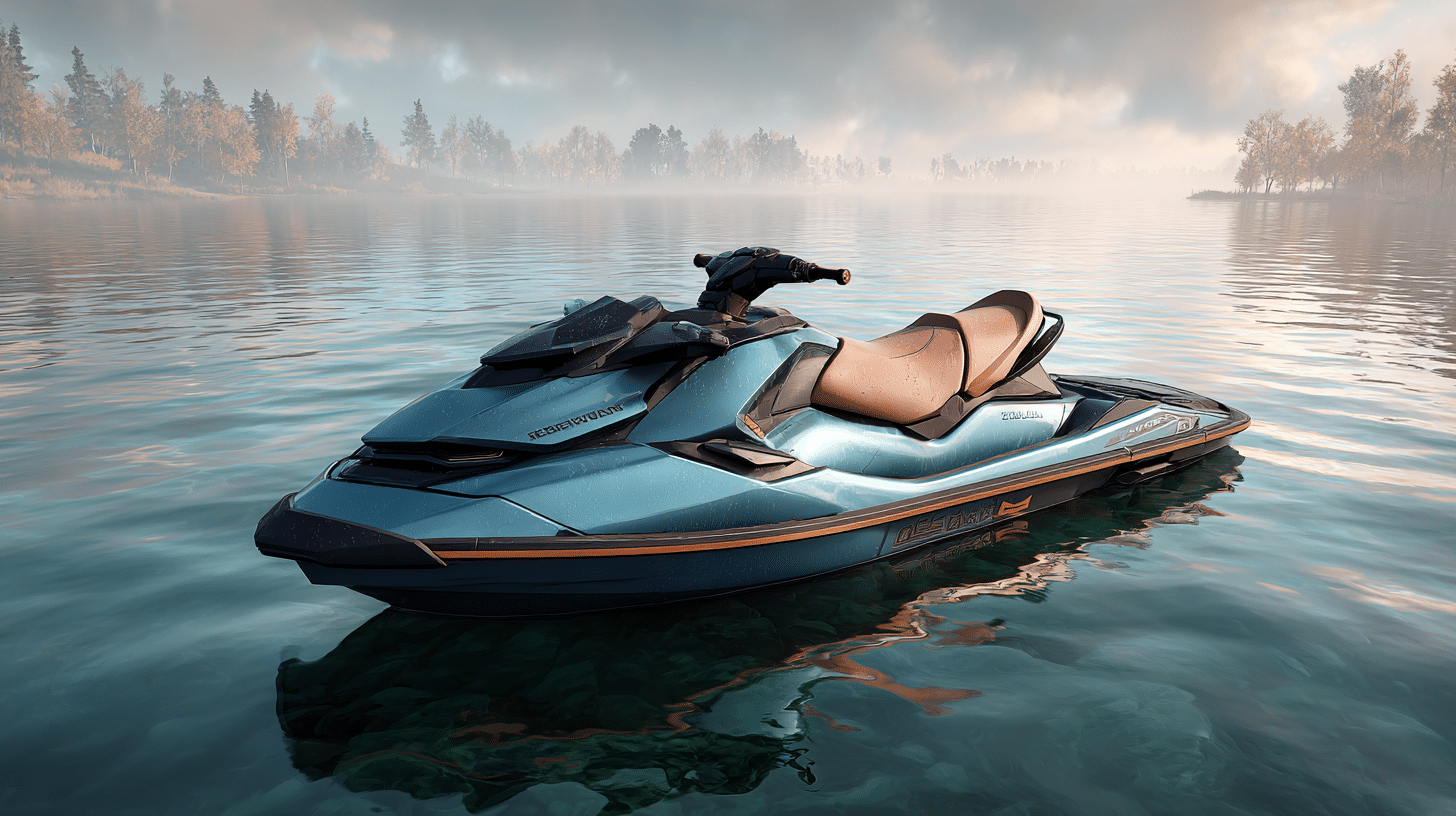
Jet skiing keeps riders on the water surface, using a motorized watercraft built for speed and maneuverability rather than height. It focuses on quick turns and water-based movement, offering a different kind of excitement from aerial sports.
Riders need basic handling skills, making it moderately easy for most beginners to pick up.
Best Locations for Parasailing Around The World
Some destinations stand out for their calm waters, scenic coastlines, and reliable operators, making them ideal spots to try parasailing at least once.
- Rio de Janeiro, Brazil – Fly above Copacabana Beach with views of Sugarloaf Mountain and Christ the Redeemer.
- Hawaii, USA – Soar over turquoise Pacific waters near Waikiki, Maui, and the Big Island coastline.
- Bali, Indonesia – Glide above Tanjung Benoa Beach with views of Nusa Dua’s clear lagoons.
- Phuket, Thailand – Experience smooth morning rides over Patong Beach with tropical island scenery.
- Cancun and Riviera Maya, Mexico – Take in the Caribbean’s crystal blue waters along the Yucatan coastline.
Each of these destinations offers a slightly different view and experience, making it easy to find a parasailing spot that matches your travel plans.
Tips for First-Time Parasailing Riders
A few simple tips for new riders can help you feel more relaxed and comfortable throughout the experience, from takeoff to landing.
- Overcome fear before takeoff by focusing on slow breaths and reminding yourself that the ride stays fully guided and controlled throughout.
- Keep a relaxed posture during flight, letting the harness support your weight rather than tensing your arms or legs.
- Practice steady breathing and relaxation techniques in the air, since calm breathing naturally reduces tension and improves overall comfort.
- Communicate clearly with the boat crew during the ride, signaling if you want to go higher, lower, or return sooner.
Following these simple tips helps first-time riders enjoy a smoother, calmer, and more confident parasailing experience overall.
Conclusion
Parasailing brings together simple equipment and a guided process to create one of the easiest ways to experience flight over water.
Unlike paragliding, there is no need for steering skills or ground-based training, since the boat and crew manage the entire ride from launch to landing.
With safety checks, weight guidelines, and steady operator control in place, most riders find the activity far more relaxed than expected.
First-timers and repeat flyers alike benefit from knowing how the ride works, as it helps set the right expectations before heading out onto the water.
Frequently Asked Questions
What is The Minimum Age to Try Parasailing?
Most operators allow riders as young as five or six years old, depending on local rules.
Is There a Weight Limit For Parasailing?
Yes, operators set minimum and maximum combined weight limits to keep the canopy stable.
Do You Need to Know How to Swim?
No, since takeoff and landing happen on the boat, swimming skills are not required.
Will You Get Wet While Parasailing?
Only if you choose to, since most rides let you dip your feet near the end.
Can Weather Cancel a Parasailing Trip?
Yes, high winds or storms often lead operators to reschedule or refund the ride.