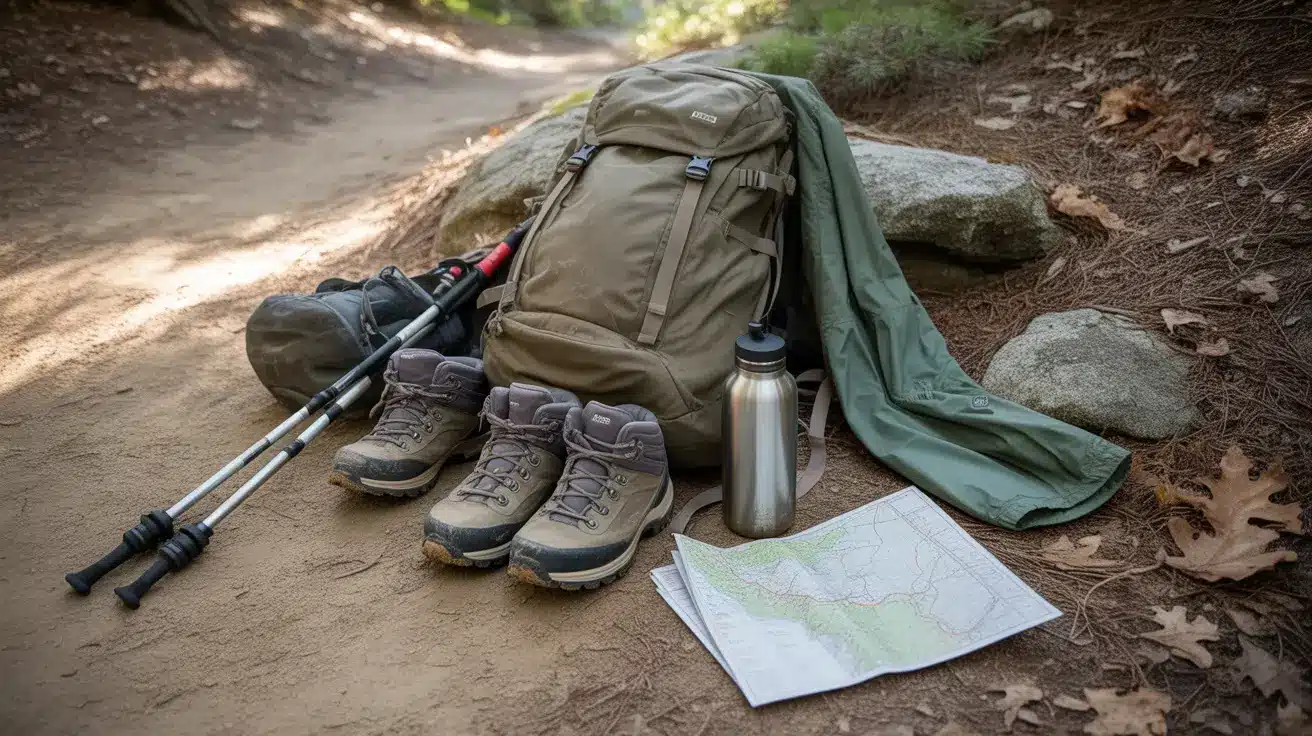
I still remember my first proper hike. I packed like I was moving houses, extra clothes, random snacks, and things I thought I might need.
On the trail, it becomes clear that hiking is more enjoyable when carrying only what’s truly necessary, not everything possible.
Over the years, I’ve trimmed my gear down to what actually earns its place in my pack. Some items improve comfort, some handle safety, and a few just make the trail feel easier overall.
The goal is simple: carry less, choose better, and enjoy the walk more.
Even if you’re putting together beginner hiking gear for your first trail or refining a setup you’ve used for years, this list is shaped by experience, trials where too much was packed or something important was left behind.
How I Picked This Gear List
I didn’t pick items based solely on brand names. Most of these are based on what holds up after repeated use, not just how they look on day one.
These are the key factors considered when choosing hiking gear:
- Comfort: If it doesn’t feel right after an hour, it won’t feel right after five
- Weight: Lighter gear makes a bigger difference than you think
- Durability: It should handle rough use without falling apart
- Weather resistance: Trails don’t wait for perfect conditions
- Value: Not always the cheapest, but worth what you pay
The recommended gear is selected for its long-term durability, proven after repeated use rather than just initial impressions.
The 10 Hiking Essentials: What to Bring on Every Hike
Before getting into specific gear picks, it’s worth knowing the framework that underlies every solid hiking gear checklist: the 10 Hiking Essentials.
- Navigation: map, compass, or GPS device
- Sun protection: sunscreen, sunglasses, and a hat
- Insulation: extra layers beyond what you start with
- Illumination: headlamp with spare batteries
- First-aid supplies: at a minimum, a compact trail kit
- Fire: lighter or waterproof matches for emergencies
- Repair tools and knife: multi-tool, duct tape, safety pins
- Nutrition: extra food beyond what you plan to eat
- Hydration: water plus a way to treat more, such as a filter or purification tablets
- Emergency shelter: lightweight bivy, space blanket, or tarp
The gear picks below cover all of these categories. Use this as a checklist before any hike, regardless of distance.
Best Hiking Gear at a Glance
These quick picks cover the hiking gear that consistently performs well for comfort, durability, and everyday trail use.
| Gear Type | Recommended Pick |
|---|---|
| Backpack | Osprey Talon 22 |
| Hiking Shoes | Salomon X Ultra 4 |
| Hiking Socks | Darn Tough Hiker Micro Crew |
| Rain Jacket | Patagonia Torrentshell |
| Trekking Poles | Black Diamond Trail Ergo |
| Water Filter | Sawyer Mini |
These choices keep your setup practical without adding unnecessary weight, making hikes feel smoother, safer, and more comfortable overall.
Best Hiking Gear by Category
This is where most people get stuck. There are too many choices. Here’s what actually stands out.
1. Best Hiking Backpacks
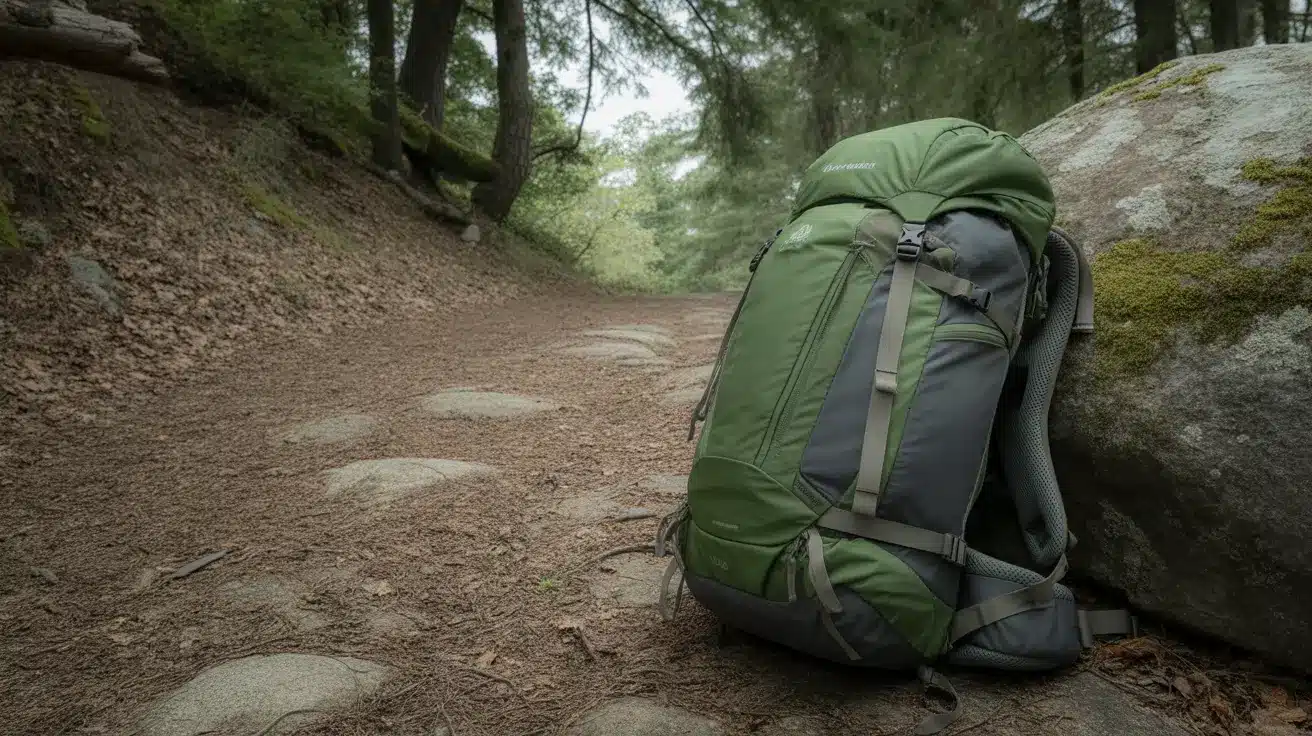
A good backpack should sit close to your body without pulling your shoulders back. I’ve used packs like this on full-day hikes, and comfort matters more than extra pockets once you’re a few hours in.
Look for padded straps, good airflow, and a stable hip belt. A well-fitted pack makes long hikes feel lighter and helps you move more naturally.
- Best overall: Osprey Talon 22 (more stable and breathable compared to most daypacks)
- Lightweight option: Deuter Speed Lite
- Budget-friendly: Teton Sports Oasis
Volume Tips: For day hikes, look for packs in the 20–30L range. For multi-day hikes, aim for 40–65L backpacks. Beginners usually do better with smaller daypacks before moving into larger multi-day hiking backpacks.
2. Best Hiking Shoes & Boots
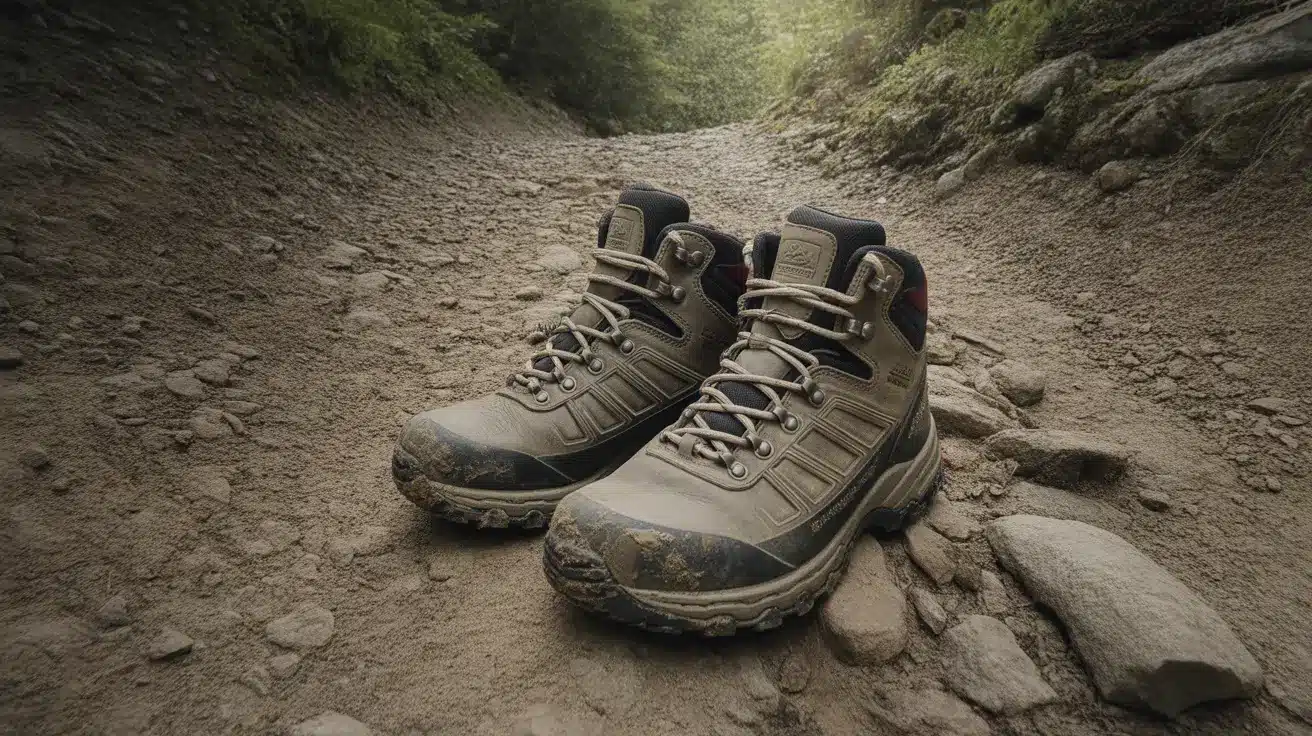
After a few long hikes with the wrong shoes, I stopped cutting corners here completely. A good pair gives you grip on loose ground and keeps your feet steady over long distances.
I’ve had hikes ruined by poor footwear, so now I always focus on fit first, then durability. Your feet will tell you quickly if something’s wrong. If you prefer lighter hiking gear, trail-style hiking shoes usually feel less bulky than traditional boots.
- Best overall: Salomon X Ultra 4 (lighter and more flexible than most boots, but still gives solid grip)
- Best for long hikes: Hoka Anacapa Low (more cushioning than Salomon, better for long distances but slightly bulkier)
- Best budget: Merrell Moab 3
Pro tip: Wear your hiking socks when trying on shoes. That small detail changes the fit more than you expect.
3. Best Hiking Socks
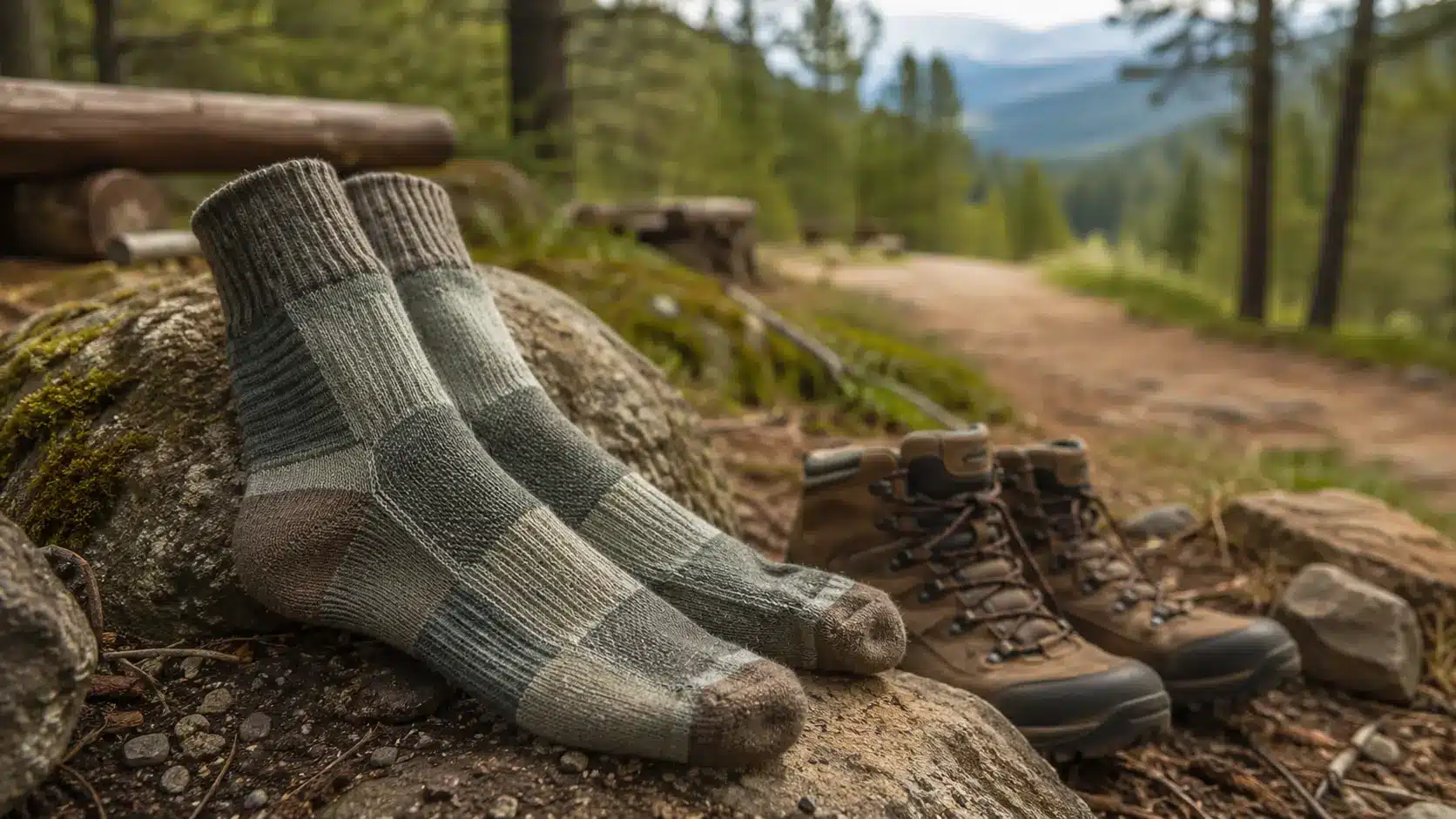
Good hiking socks matter more than most people think. Even the best shoes can feel awful with thin, sweaty, or poorly fitted socks.
I prefer cushioned, moisture-wicking socks because they reduce rubbing and help prevent blisters on longer trails. Even small hot spots on your feet can turn into painful blisters after a few miles.
- Best overall: Darn Tough Hiker Micro Crew
- Best cushioned option: Smartwool Classic Hike
- Best budget option: REI Co-op Merino Wool Hiking Socks (usually handle moisture and odor better than standard cotton hiking socks).
Pro tip: Avoid cotton socks for hiking. Once they get wet, they stay wet and can worsen blisters.
4. Best Hiking Clothing
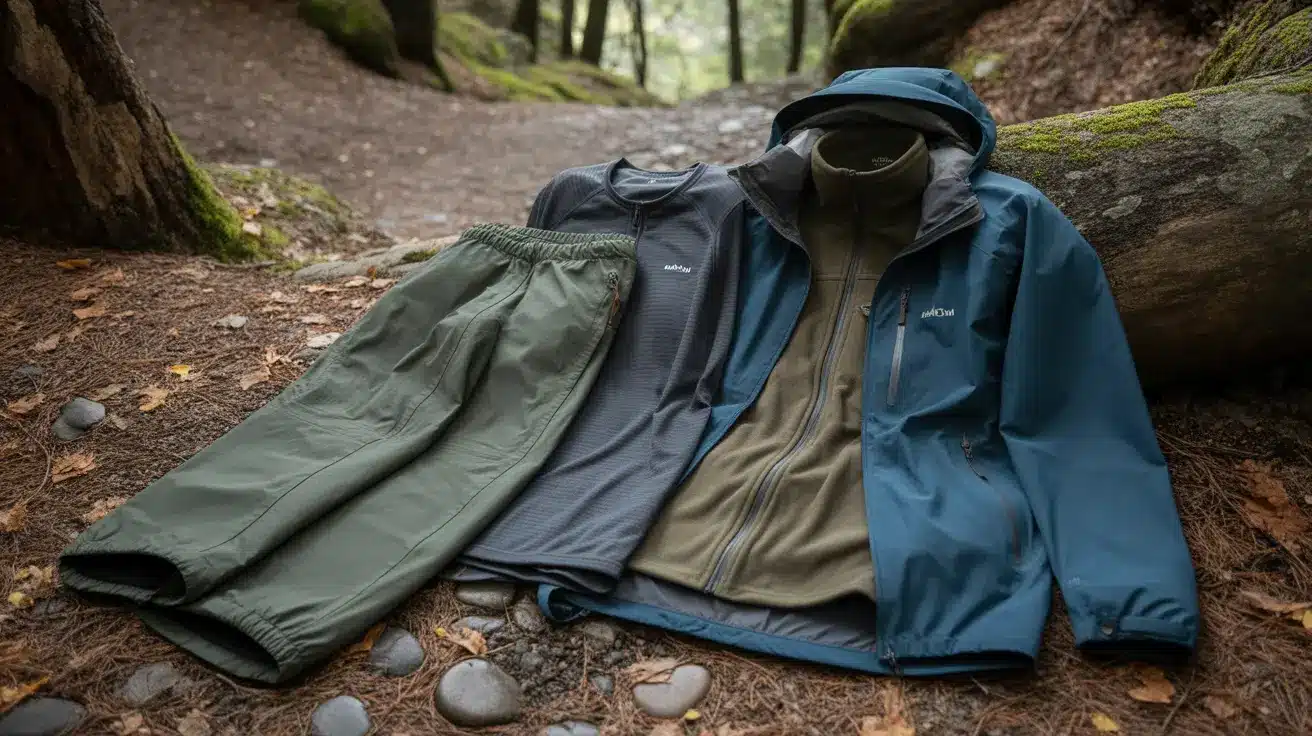
Clothing is less about style and more about staying comfortable as conditions change. I stick to layers that I can easily add or remove.
Breathable fabrics make a big difference, especially on longer climbs. Once you get layering right, you stop worrying about sudden weather shifts. A lightweight rain shell is one of the easiest ways to stay comfortable when the weather changes unexpectedly.
- Pants: prAna Stretch Zion
- Jacket: Patagonia Torrentshell
- Base layer: Smartwool Merino
These are pieces I’ve used across different weather conditions, and they’ve held up well with minimal wear.
Women’s Gear Note: Women’s hiking gear is not just about smaller sizing. A women-specific backpack, jacket, or hiking shoe often fits better through the shoulders, hips, chest, and heel. If standard gear feels awkward, try women-specific options before sizing up or down.
5. Trekking Poles
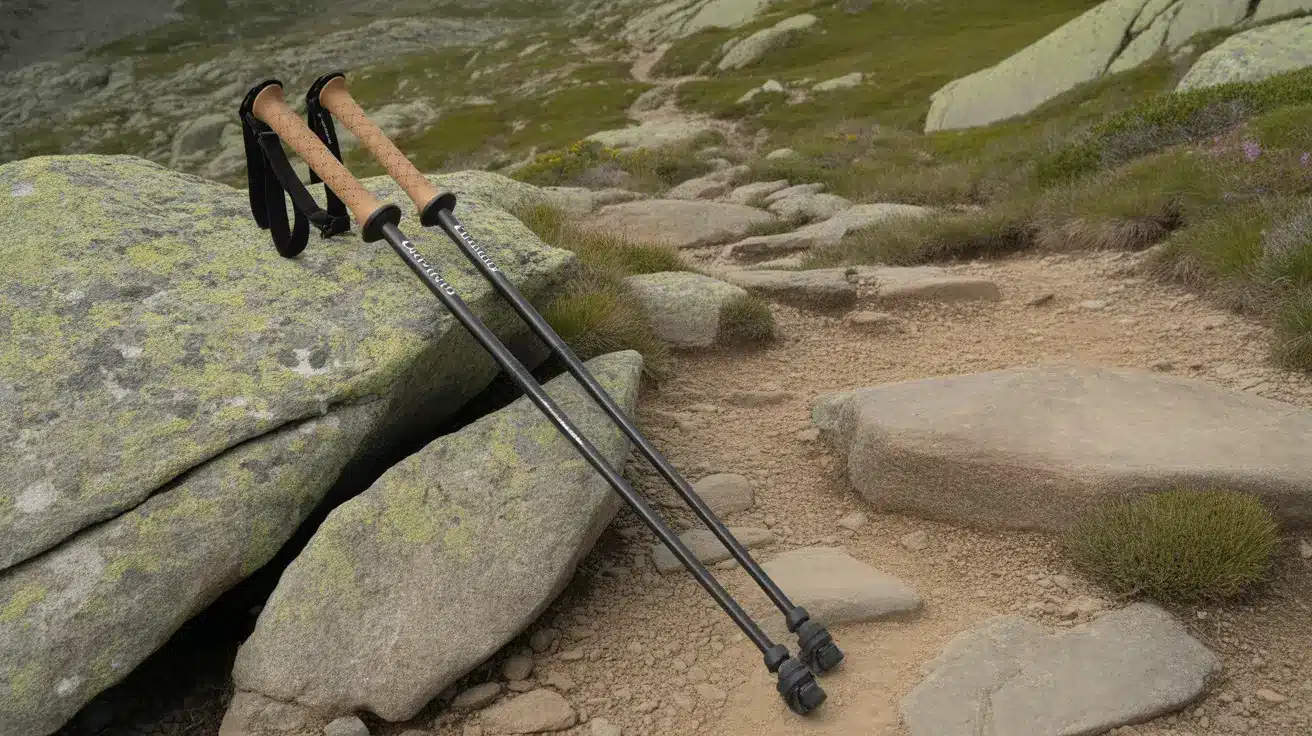
Trekking poles are often overlooked at first, but they’re invaluable on steep descents. They take pressure off your knees and help keep balance on uneven ground.
On longer hikes, they quietly reduce fatigue, which you really notice by the end of the day.
- Top pick: Black Diamond Trail Ergo
They help with balance and reduce strain on your knees.
6. Trail and Map Tools
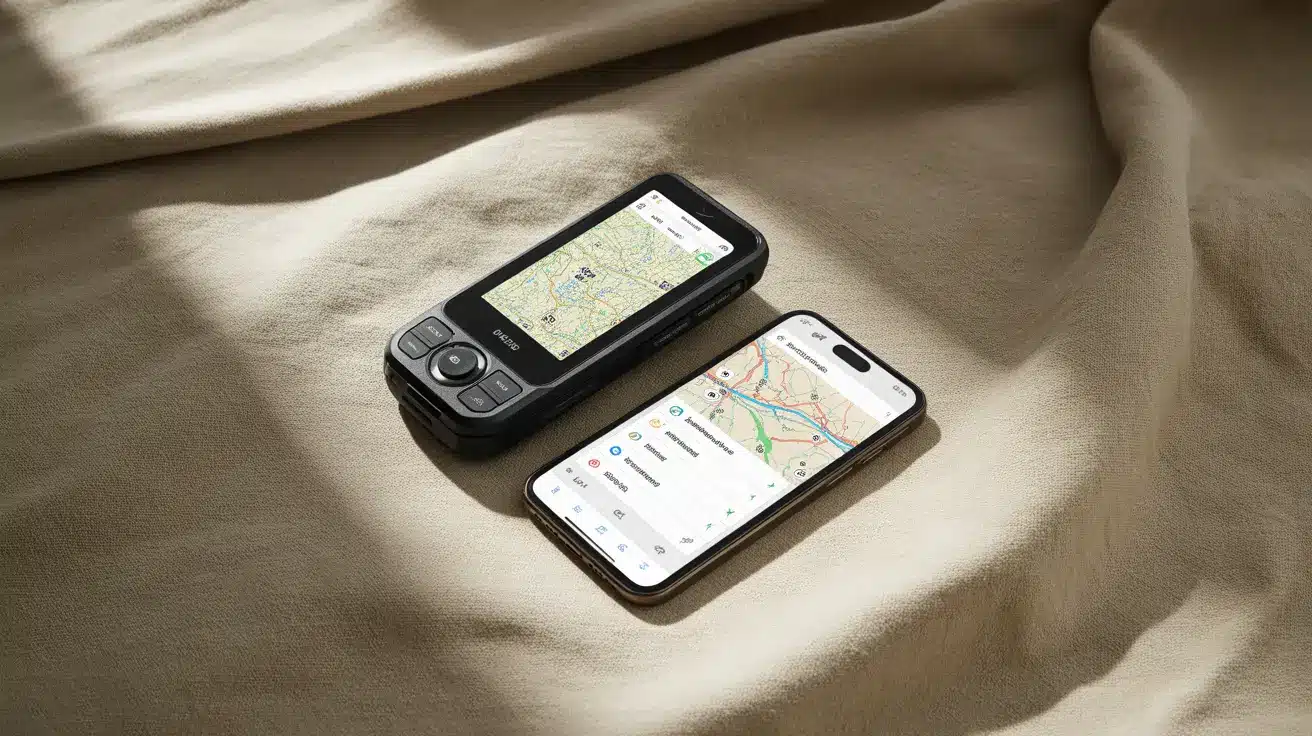
Trail directions are easy to ignore until you actually need them. A backup map or GPS tool is always a good idea, even on familiar trails.
Apps are useful, but a GPS device or watch that works without a signal gives peace of mind when paths are not clearly marked.
- Garmin GPSMAP series (for serious hikes)
- GPS watch, like Garmin Instinct or Garmin Fenix
- AllTrails app (for everyday use)
- Apps like Gaia GPS and onX Backcountry are also becoming more common for offline trail maps.
Pro tip: Download maps offline before you leave. Signal drops faster than you expect once you’re out on the trail.
7. Hydration Gear
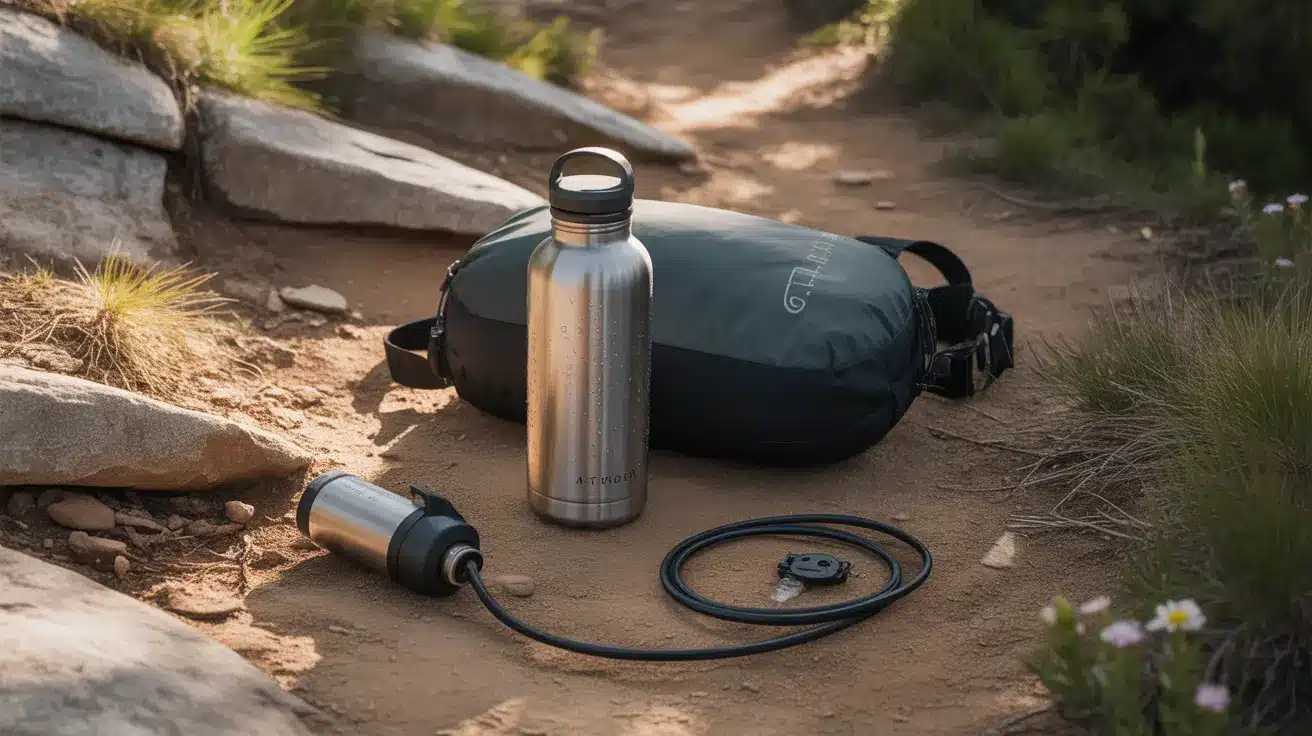
Staying hydrated is easy to overlook early on, but it quickly affects your energy and focus once you’re on the trail. I prefer setups that let me drink without stopping.
On longer hikes, having a water filter has saved me from carrying too much weight while still staying prepared. I usually carry more water during summer hikes because heat and elevation drain energy faster than most people expect.
- Nalgene bottles (simple and reliable)
- CamelBak hydration packs
- Sawyer Mini water filter (still popular for lightweight hiking, though some hikers prefer faster-flow filters for longer trips)
8. Safety & Emergency Gear
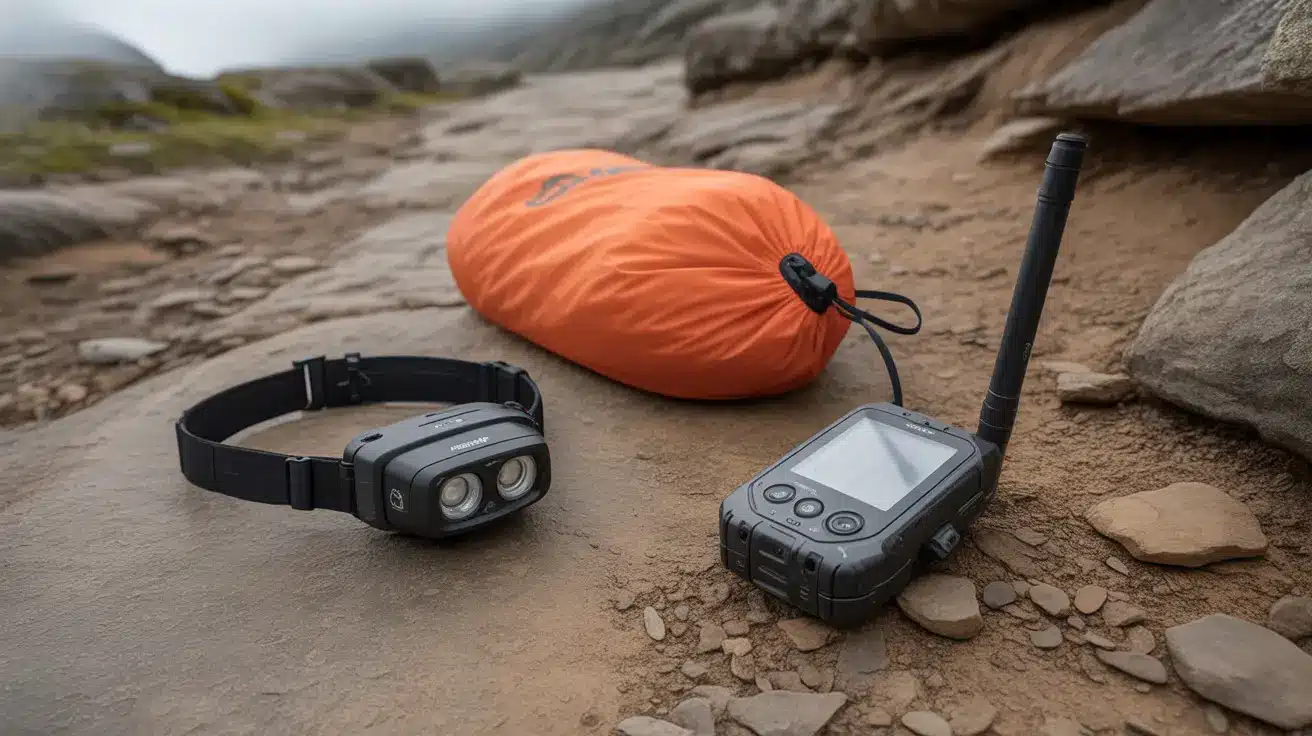
Safety gear doesn’t take much space, and I don’t skip it anymore after a few close calls. Even small delays can become bigger problems if you’re not carrying basic essentials.
A headlamp, a simple emergency shelter, and a way to call for help can make all the difference. I also like checking basic hiking safety tips before longer trails.
- Black Diamond headlamp
- Basic emergency bivvy
- Garmin inReach (for remote areas)
Pro tip: Keep your safety items in the same pocket every time. When you need them, you don’t want to waste time searching.
Good gear makes hiking easier, but experience matters more. Start simple, learn what works, and adjust your setup with every hike.
Extra Gear Worth Carrying
These items are not essential, but I usually bring a few along because they make the hike more comfortable overall.
- Sunglasses
- Hat
- Power bank
- Extra snacks
- Lightweight sit pad
- Sunscreen
Cold weather, GPS tracking can drain phone batteries surprisingly fast on longer hikes. They don’t add much weight, but they help you stay comfortable, take better breaks, and handle small changes along the way.
Gear Based on the Type of Hike
Not every hike needs the same setup. I usually pack based on distance, weather, and how long I’ll be away.
Day Hikes
For day hikes, I keep things light and simple. You only need enough to stay comfortable, hydrated, and safe without carrying extra weight.
- Small pack
- Water and snacks
- Basic safety kit
Multi-Day Trips
Multi-day trips need more planning because you’re carrying shelter, food, and overnight gear. Comfort matters, but weight matters even more.
- Larger backpack
- Tent and sleeping setup
- Cooking gear
Winter Hiking
Winter hiking changes everything. Cold, ice, and wet trails can turn quickly, so warm layers and proper grip become much more important.
- Insulated layers
- Waterproof boots
- Traction gear, like microspikes
Wet trails and icy ground usually require better grip and more waterproof gear than regular summer hikes.
Adjusting your gear based on the hike keeps things manageable, helps avoid overpacking, and makes the whole experience feel smoother and more enjoyable.
Budget vs Premium: Where It Actually Matters
Some hiking gear deserves extra money, while other items can stay simple without affecting your comfort much.
| Spend More On | Why It Matters | Save On | Why You Can Save |
|---|---|---|---|
| Shoes | Better comfort, grip, and support | Accessories | Nice to have, but not always essential |
| Backpack | Reduces shoulder and back strain | Basic tools | Simple versions often work well |
| Jacket | Protects you from rain, wind, and cold | Small extras | Easy to upgrade later |
Good gear doesn’t mean buying everything expensive; it means spending where it actually makes a difference on the trail. Spend where comfort, safety, and long-term use matter most.
Common Mistakes I See All the Time
Small hiking mistakes can turn a good trail day into a tiring one. These are the big ones to avoid.
- Packing too much “just in case.”
- Wearing new shoes without breaking them in
- Ignoring weather forecasts
- Skipping safety basics
A little planning keeps your hike lighter, safer, and much more comfortable from start to finish.
Final Thoughts
You don’t need a perfect setup to start hiking. Most of the time, you figure things out as you go, what you use often, what stays untouched, and what you wish you had packed.
Start simple, pay attention to what feels right, and over time, your gear will match the way you actually hike, not the other way around, which is usually when hiking starts feeling easier and more enjoyable.
Frequently Asked Questions
What Gear Should a Beginner Hiker Start With?
Focus on sturdy shoes, enough water, a comfortable backpack, and basic safety gear for a smooth hiking experience.
Is it Worth Investing in Expensive Hiking Gear?
Quality gear, especially shoes and backpacks, offers better comfort and durability, making it worth the investment for long-term use.
Are Trekking Poles Necessary for Hiking?
Trekking poles are not essential, but they help with balance and reduce fatigue on uneven ground.
What’s the Ideal Weight for a Day Hike Backpack?
Keep your backpack under 5-7 kg for day hikes to stay light on your feet and avoid unnecessary strain.