
Choosing the right kayak paddle length can make or break your time on the water. Many new kayakers think any paddle will do, but the wrong size can leave you tired, sore, and frustrated.
A paddle that’s too long makes you stretch awkwardly, while one that’s too short forces you to hunch over. Finding the perfect paddle length is easier than you think when you know what matters most.
Your height, kayak width, and paddling style all play important roles in determining your experience.
Learning these basics will help you choose the right paddle, allowing you to enjoy comfortable and efficient paddling every time you hit the water.
Understanding the Basics of Paddle Length
Paddle length is simply how long your kayak paddle is when you measure it from one end to the other, tip-to-tip. Think of it like measuring a really long ruler.
Most paddle companies measure length in centimeters (such as 220cm or 240cm), although some still use inches. When you’re shopping for a paddle, you’ll see these numbers everywhere.
Most manufacturers provide basic sizing charts to help you pick the right length, but these are just starting points.
The “right” paddle length depends on several things, like your height, the width of your kayak, and what type of paddling you plan to do. Getting the basics right makes choosing much easier.
Factors That Influence Paddle Length
Choosing the right paddle length isn’t guesswork; it’s based on three key factors that work together to determine your ideal size. Here’s a quick breakdown of what matters most:
| Factor | Details | Paddle Length Recommendation |
|---|---|---|
| Your Height | Torso length matters most; taller paddlers with longer arms need more reach | 5’0″-5’6″: 210-220cm 5’6″-6’0″: 220-230cm Over 6’0″: 230-240cm |
| Kayak Width | Wider boats require longer paddles to reach the water comfortably | Recreational (28-36″): Longer paddles Touring/Racing (20-24″): Shorter paddles |
| Paddling Style | High-angle = quick, powerful strokes Low-angle = relaxed, efficient strokes |
High-angle: Shorter paddles Low-angle: Longer paddles |
Remember, these factors often overlap; a tall paddler in a narrow racing kayak will need a different length than a tall paddler in a wide recreational boat. Use this table as your starting point, then fine-tune based on your specific combination of factors
Shaft Material
The shaft is the long middle part of your paddle. Aluminum shafts are heavier and stronger.
Fiberglass and carbon fiber shafts are lighter and reduce arm fatigue. The best material depends on your budget and paddling frequency.
1. Steel Shafts
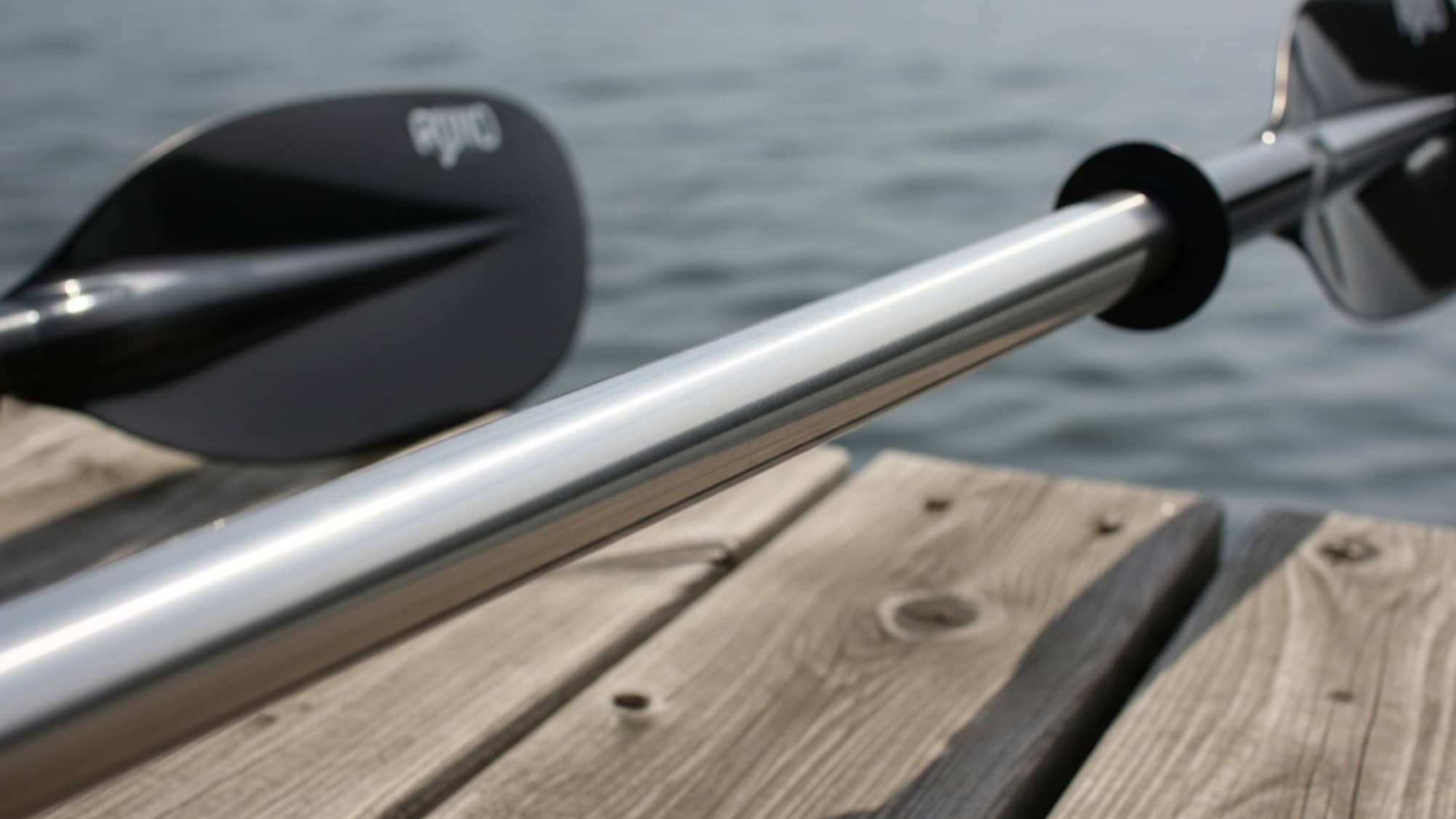
| Length | Width | Weight | Durability | Accuracy |
|---|---|---|---|---|
| 210–230 cm | Standard | Heaviest | Very high (robust) | Moderate precision |
Steel shafts are extremely strong and durable, making them suitable for rugged use and heavy-duty paddling.
However, their significant weight reduces efficiency, limiting comfort for long-distance trips. They are better for short, tough outings or backup paddling
2. Aluminum Shafts
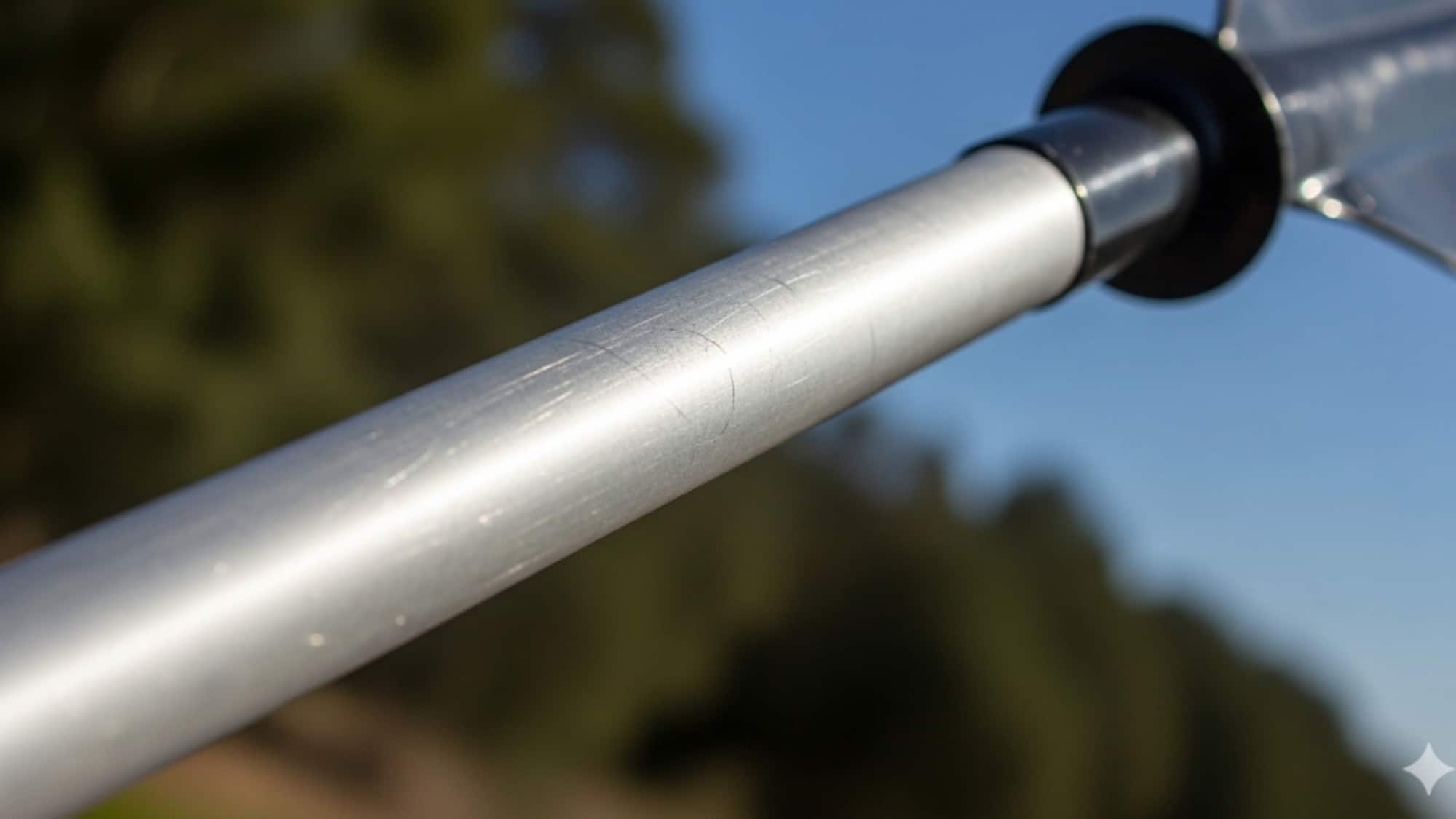
| Length | Width | Weight | Durability | Accuracy |
|---|---|---|---|---|
| 210–230 cm | Standard | Heavier | High (resistant) | Moderate control |
Aluminum shafts are budget-friendly and highly durable, making them a reliable choice for both beginners and experienced players.
While heavier than other options, they provide consistent performance for recreational paddling and short trips on lakes or calm rivers.
3. Fiberglass Shafts
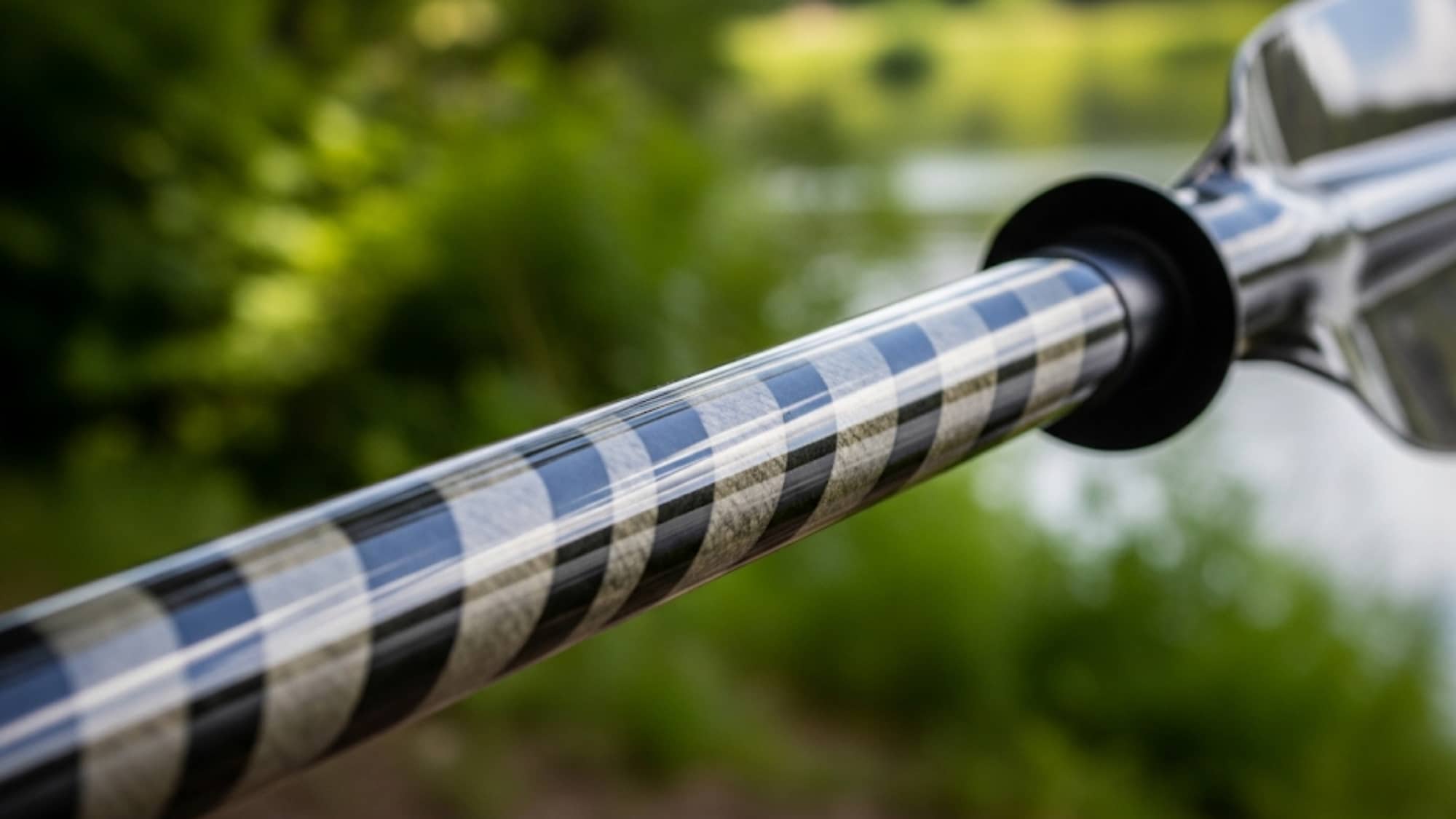
| Length | Width | Weight | Durability | Accuracy |
|---|---|---|---|---|
| 210–240 cm | Standard | Medium | Good (flex-resistant) | High responsiveness |
Fiberglass shafts strike a balance between weight and strength, offering smooth strokes and reduced fatigue.
They offer excellent durability and responsiveness, making them popular among intermediate paddlers who seek efficiency without the premium price of carbon fiber.
4. Carbon Fiber Shafts
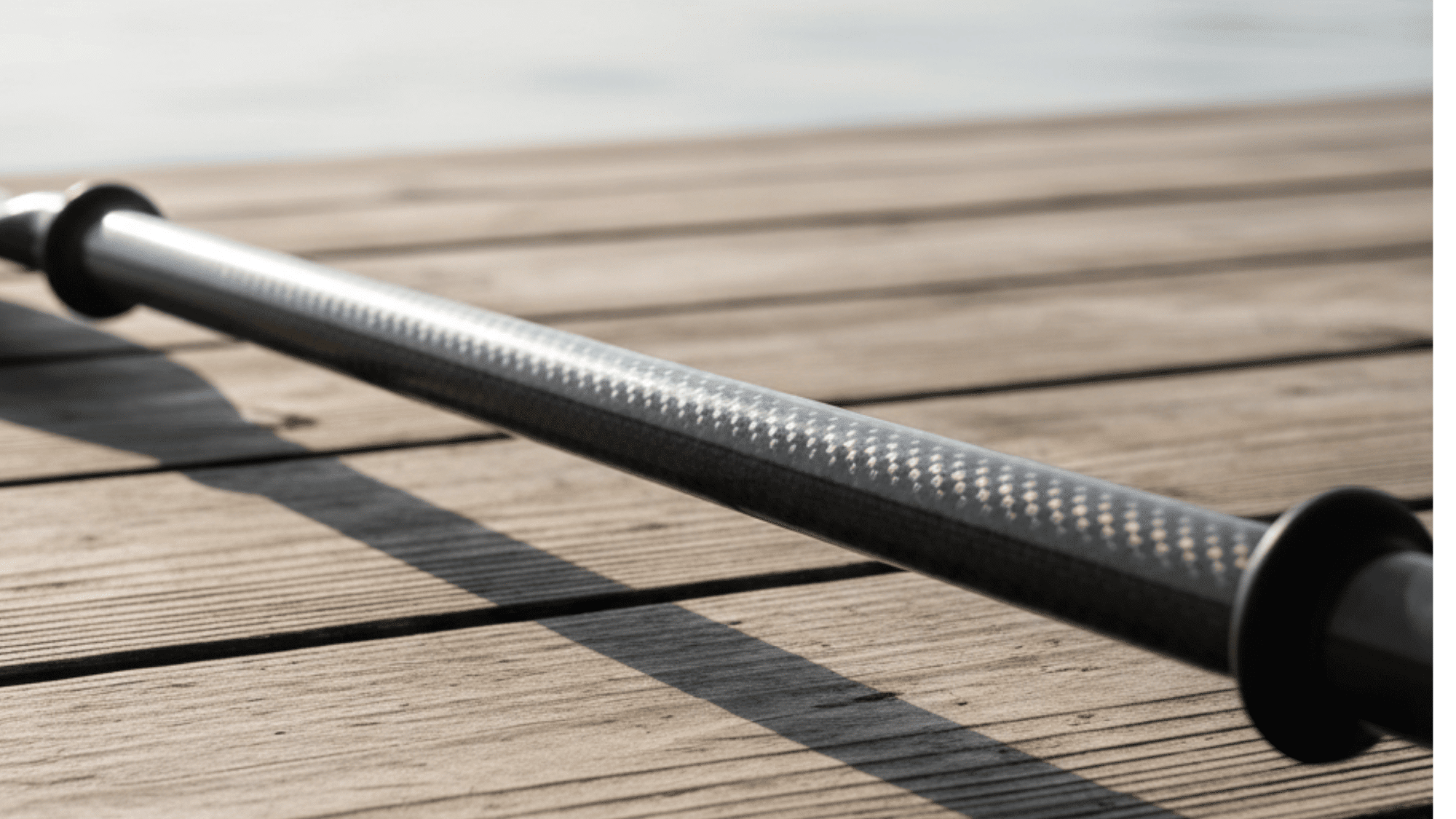
| Length | Width | Weight | Durability | Accuracy |
|---|---|---|---|---|
| 210–240 cm | Standard | Ultra-light | Strong but less impact-resistant | Excellent precision |
Carbon fiber shafts deliver unmatched lightness and precision, helping paddlers maintain speed with minimal effort.
Ideal for advanced paddlers and racers, they maximize accuracy but require careful handling due to slightly lower impact resistance.
Blade Material
The blade is the flat part of the paddle that pushes through the water. Blades come in different sizes and shapes.
Wider blades give more power but need more strength to use. Narrow blades are easier to paddle with for longer trips and cause less arm tiredness.
1. Nylon or Plastic Blades
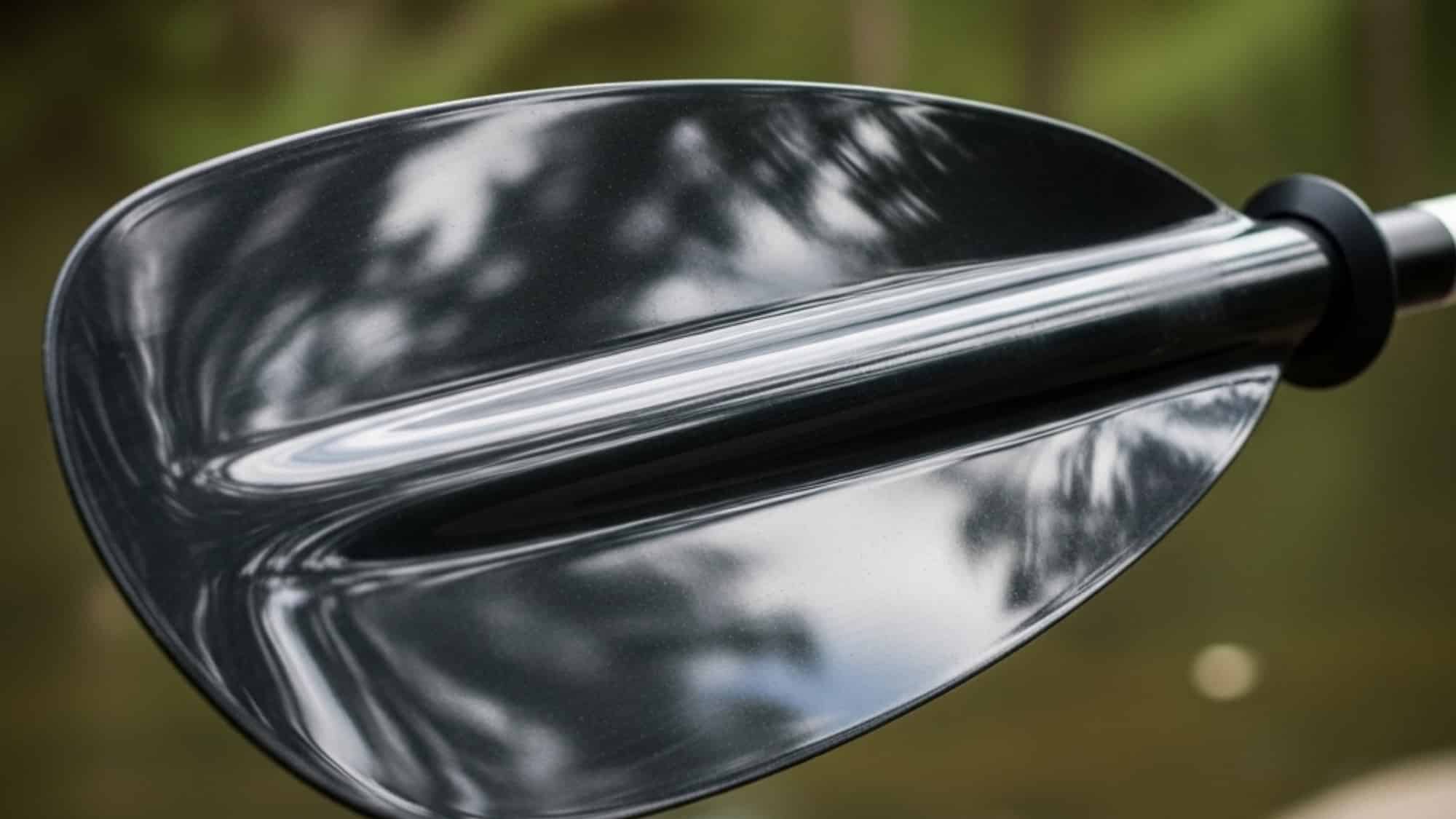
| Shape | Length | Width | Weight | Durability |
|---|---|---|---|---|
| Wide | 18–20 in | 6–7 in | Heavier | High (impact-resistant) |
Nylon or plastic blades cost less and last longer. They can handle bumps and hits without breaking, which makes them great for people just starting out.
These blades are heavier and don’t move through water as smoothly. But they work well for easy paddling on lakes, rivers, and short trips.
2. Fiberglass Blades
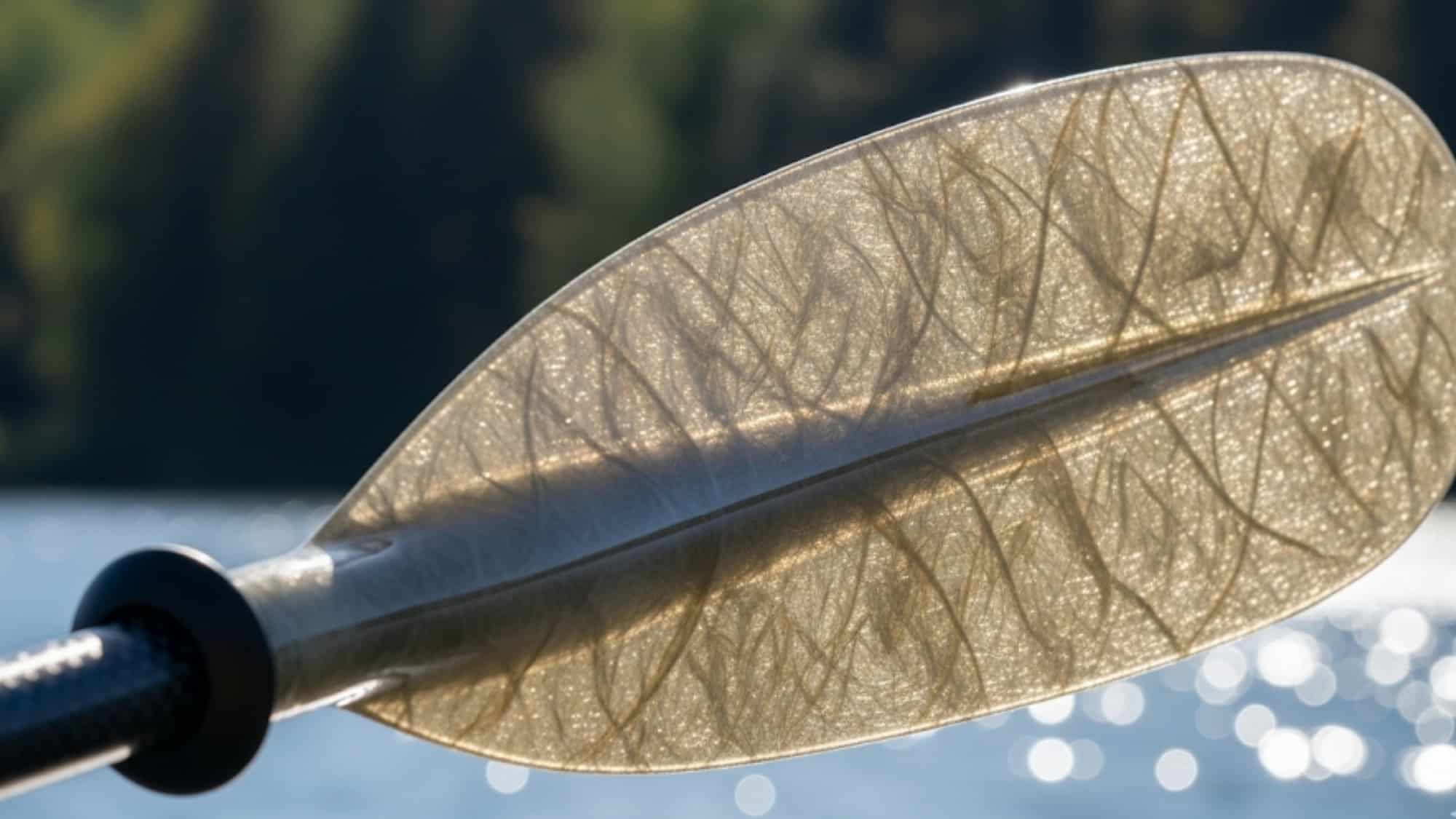
| Shape | Length | Width | Weight | Durability |
|---|---|---|---|---|
| Narrow | 18–20 in | 6.5–7.5 in | Medium | Good (flexible, long-lasting) |
Fiberglass blades are lighter than plastic and last a long time. They bend a little, which makes paddling easier and more comfortable on the arms.
These blades work well for people who paddle often. They create faster speeds without causing as much tiredness, making them perfect for longer trips.
3. Carbon-Fiber Blades
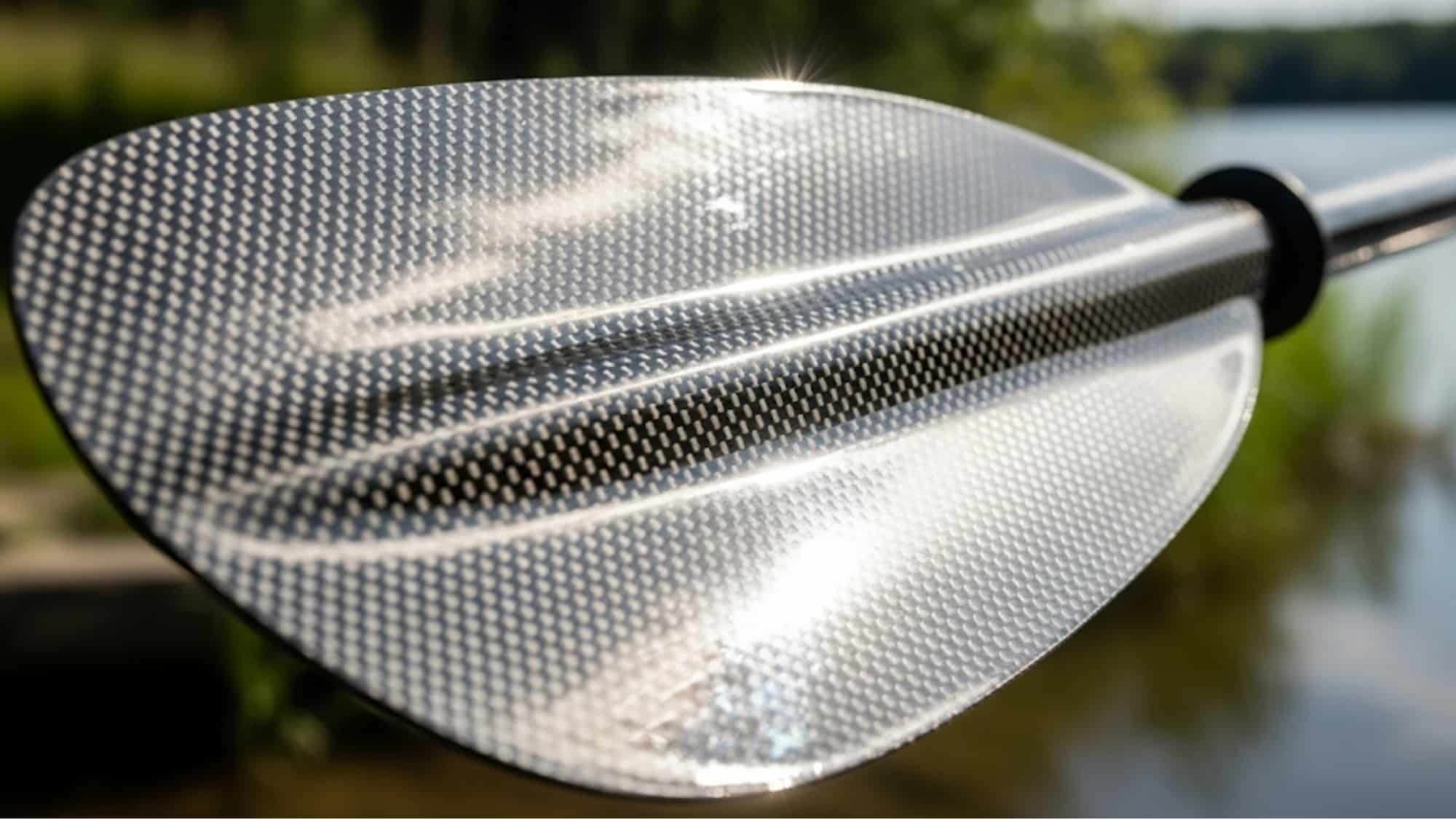
| Shape | Length | Width | Weight | Durability |
|---|---|---|---|---|
| Narrow | 18–20 in | 6.5–7.5 in | Ultra-light | Strong but less impact-resistant |
Carbon-fiber blades are the lightest option available. They require less effort and provide more power with each stroke.
These blades are best for skilled paddlers and racers. They reduce fatigue but can break more easily when hitting rocks or hard objects.
Final Thoughts on Paddle Length
Proper paddle length makes kayaking a much more enjoyable experience.
A well-sized paddle allows paddlers to go farther without getting tired and provides better boat control, which helps prevent sore muscles.
Consider body height, kayak width, and paddling style when selecting a paddle. Use basic size guides first, then test different lengths when possible.
Paddle material and blade shape also matter for comfort and performance.
Starting with the right paddle length creates a strong foundation for kayaking. The correct paddle size makes each trip on calm lakes or moving rivers better and more fun.
Taking time to choose the right length improves every moment on the water for all kayakers.