A charter listing gives you one number. It sits at the top of the page, usually per week, usually in euros, and it does exactly what it was written to do: it gets you picturing yourself on the boat. What it does not do is tell you what the week will cost. The distance between the headline rate and the final total is wide, and nobody is hiding it from you on purpose. The charges are simply scattered across a contract, a set of invoices, a few local regulations, and a bank statement, all arriving at different moments from different parties. Knowing where each one comes from is the difference between a trip that lands near your budget and one that quietly outgrows it.
The base rate is a starting point, not a total
The first thing worth understanding is what kind of contract sits underneath the price you were quoted. That single choice determines almost everything that follows.
Two Pricing Models, Two Very Different Numbers
Broadly, charters are sold either all-inclusive or “plus expenses.” All-inclusive quotes fold fuel, food, and docking into one figure and tend to look expensive at first glance. Plus-expenses quotes cover the boat and the crew’s wages, and little else. Most larger Mediterranean charters are written on a MYBA agreement, which follows the second model. The rate looks lean because it is.
Why Two Quotes for the Same Boat Aren’t Comparable
Put an all-inclusive quote next to a plus-expenses quote and the second one wins every time on paper. On the water, it often doesn’t. Before you compare anything, ask which model each price uses. Then rebuild both as a full-week total. Comparing base rates alone is how people talk themselves into a boat they can’t comfortably run.
The Onboard Fund You’re Expected to Top Up
Plus-expenses charters run on an advance provisioning allowance, usually shortened to APA. You pay it up front, the captain holds it, and everything the boat consumes gets drawn against it. Whatever’s left comes back to you at the end.
Fuel Is the Variable That Moves Everything
The APA typically runs somewhere between a fifth and two-fifths of the base fee, and where you land in that range depends mostly on what the boat burns. Sailing yachts sit at the low end. Motor yachts sit at the top, and a fast one crossing open water can drain the fund faster than anything else on board.
Berths, Food, and the Small Stuff That Adds Up
Marina fees in high season are their own line item, and prime berths in August are priced accordingly. Add provisioning to your preferences, laundry, water, tenders, and shore transport. None of it is unreasonable. All of it is charged at cost, which means your own choices set the pace. Ask the captain for the running balance mid-week. It’s your money, and you’re entitled to see the ledger.
Taxes and Fees That Change With Your Route
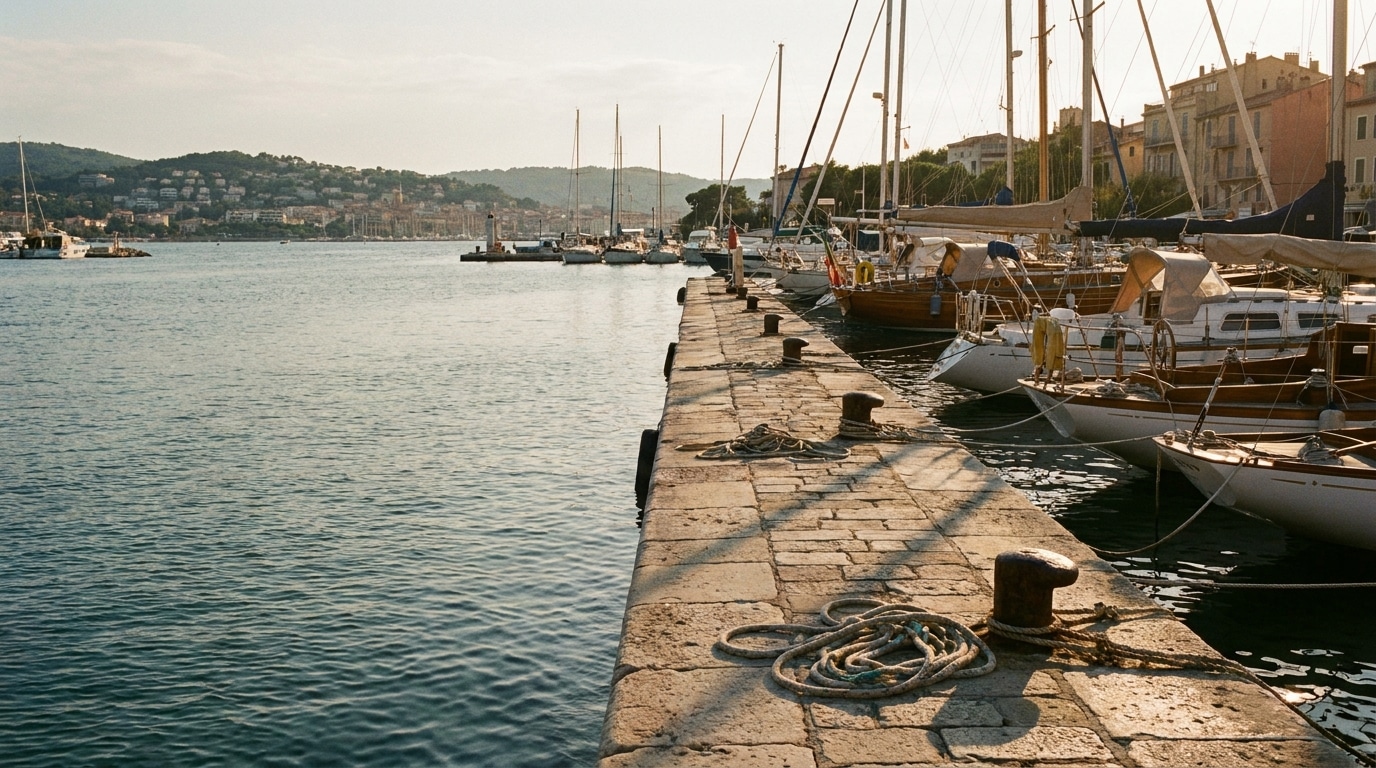
Where you sail matters as much as what you sail. Two identical boats leaving different ports the same morning can face different tax bills.
VAT Depends on Where the Charter Begins
Charter VAT is generally charged by the country where the trip starts, and each member state sets its own rate under the shared EU VAT rules. The spread between the cheapest and most expensive Mediterranean starting points is real money on a week-long booking. Sometimes shifting your embarkation port by a short hop across a border changes the number meaningfully. Sometimes it doesn’t. Ask before you commit to a base.
Cruising Taxes and Local Charges
Several countries layer their own charges on top. Greece, for instance, applies a monthly cruising fee to pleasure vessels over seven metres regardless of flag, and marinas often want proof of payment before they’ll take your lines. Elsewhere you’ll meet tourist levies, park permits for protected waters, and entry formalities if your itinerary crosses out of the EU. Individually these are small. Collected across a route that touches four countries, they stop being small.
Paying Across Borders, and Where the Money Leaks
Once the invoices start arriving, a different kind of cost appears — one that never shows up on any quote because it happens inside your bank.
The Exchange Rate Is a Price, Not a Fact
Charter payments are usually denominated in euros. If your account holds dollars, pounds, or anything else, someone converts the funds, and that someone sets the rate. Retail banks rarely use the mid-market rate. They apply a margin to it, then add a wire fee, and sometimes an intermediary bank takes a cut in transit. On a five-figure deposit, a margin of a couple of percent is not a rounding error. It’s a meaningful share of what you thought you were spending on the boat.
Where a Dedicated Provider Helps
Services built for cross-border payments price the job differently. A money transfer overseas through a specialist usually shows you three separate figures before you confirm: the reference rate, the margin, and the flat fee. That transparency is the whole point, because it lets you compare offers instead of guessing. Many also settle faster than a traditional wire, which matters more than you’d expect when a broker needs cleared funds by a fixed date and a slow transfer puts your booking at risk. Send the APA and the balance the same way, and the savings compound.
Timing Is Part of the Cost
Charter contracts stagger payments — a deposit at signing, the balance and APA some weeks before boarding. That gap is exposure. Rates drift. If your currency is strong when you book, converting early and holding euros can lock in a better outcome than waiting. There’s no guaranteed right answer, but ignoring the question entirely is the one approach that reliably costs you.
What Lands at the End of the Week
Two items tend to surprise people on the final day. The first is the crew gratuity, which is customary rather than contractual and generally sits in the range of ten to twenty percent of the base fee. Budget it from the start; deciding on it while shaking hands at the dock is uncomfortable for everyone. The second is the security deposit. It’s held against damage and returned after the boat is checked, but the funds are locked up for the duration and the release can take days.
Building a Number You Can Trust
Start with the base rate. Add the APA at the upper end of its likely range. Layer on VAT for your embarkation country, the local cruising and port charges your route triggers, the gratuity, and the cost of moving all of it into euros. Include flights, transfers, and the night in a hotel before boarding, because those are part of the trip whether or not they touch the boat. The total will be well above the headline figure — often close to half again as much.
The Point of Doing the Arithmetic First
None of this argues against chartering. The costs described here are ordinary, and most of them buy something specific: a crew that knows the coast, a boat kept in working order, access to water that’s hard to reach any other way. What causes problems is discovering the structure halfway through, when the choices have already been made and every option left is an expensive one.
Ask which contract model applies. Ask what the fund is expected to cover. Ask what your route triggers in taxes and fees, and check what your bank does to your money on the way out. A charter you’ve priced honestly is a charter you can enjoy without doing sums in your head at anchor. That’s worth the hour it takes to get the number right.