You packed light, picked a route, and showed up ready. But nobody told you how much goes into actually pulling off a canoe camping trip without things going sideways.
Canoe camping is one of the most rewarding ways to get into the wilderness. You carry everything in the boat, paddle at your own pace, and camp where few people ever go.
But it takes planning, the right gear, and a few skills most beginners skip. Read on to learn how to plan your route, pack smart, stay safe, and get the most out of every trip on the water.
What Canoe Camping is and How It Actually Works on Real Trips
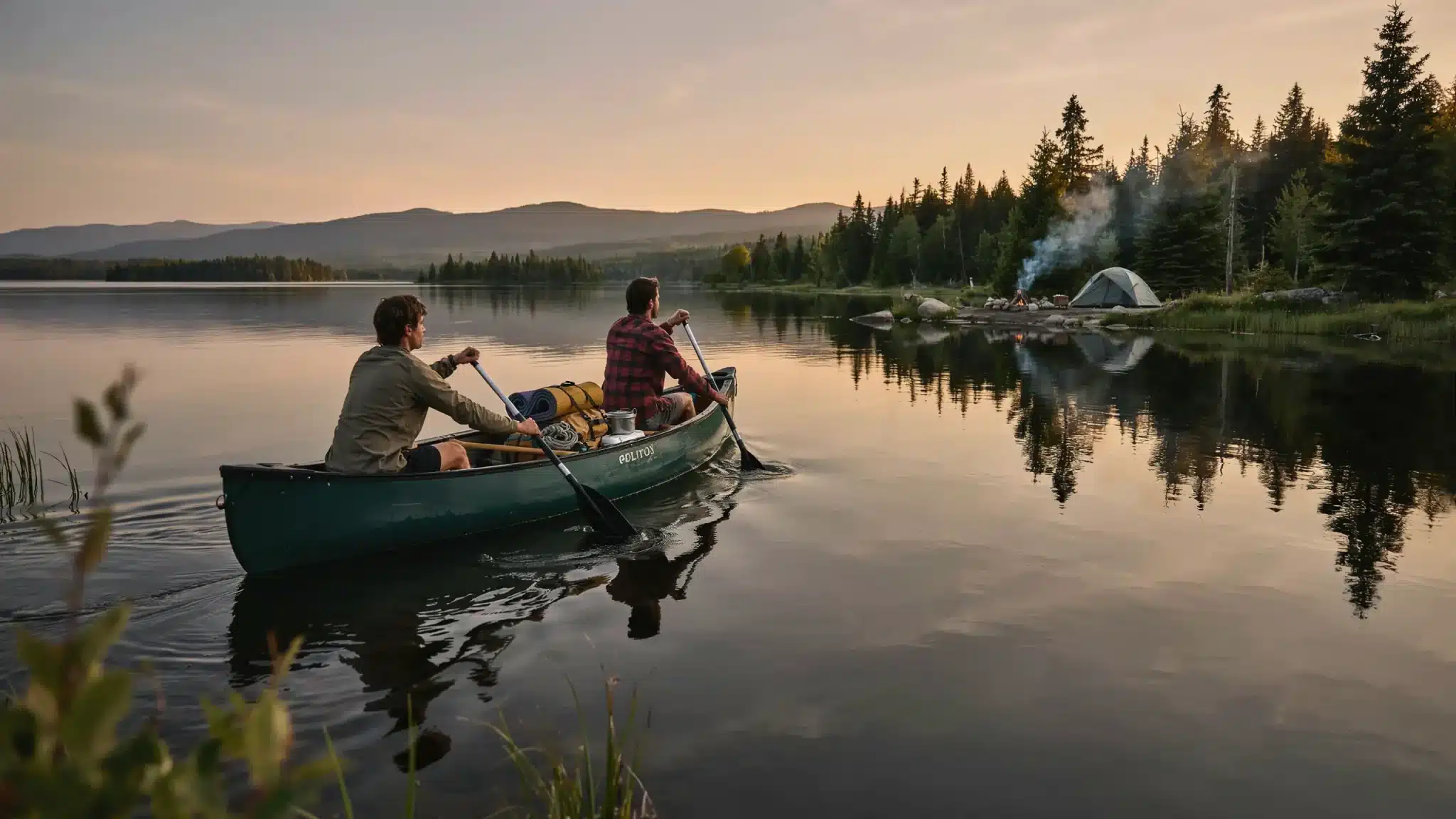
Canoe camping is exactly what it sounds like. You load your gear into a canoe, paddle to your campsite, and spend the night out in the wild.
Unlike backpacking, you are not carrying everything on your back. Canoes can carry substantial loads. Solo canoes typically hold 300 to 500 pounds, while tandem recreational canoes commonly support 700 to 940 pounds, depending on different styles, which means you can bring fresh food for the first night, a comfortable camp chair, and a full-size sleeping setup without any of the anguish of a backpacking weight limit.
It sits somewhere between a casual lake day and a full wilderness expedition. You move at your own pace, stop where you want, and camp in spots that most people never reach on foot. That is what makes it different from almost every other outdoor trip style out there.
Multi-day trips can range from two nights on a calm lake to two weeks deep in a wilderness waterway. The scale is completely up to you and what you are ready for.
Why Canoe Camping is Growing Among Beginners and Experienced Paddlers
More people are choosing canoe camping over other outdoor trip styles, and it is not hard to see why. There is something about being on the water, away from noise and screens, that draws people back every season.
Beginners like it because the learning curve is manageable. You do not need years of experience to get out on a calm lake with a loaded canoe and have a great trip.
Experienced paddlers keep coming back because it never really gets old. Every route feels different, every season brings something new, and the water always has a way of resetting things.
Families, solo travelers, and groups of friends are all finding their own version of it. That kind of wide appeal is rare in any outdoor sport.
How to Choose the Right Canoe Camping Trip Based on Skill Level and Comfort
Not every canoe camping trip is built the same. Here is a simple breakdown to help you find the right fit before you book anything.
| Trip Type | Water Conditions | Skill Level | What to Expect |
|---|---|---|---|
| Flatwater Lake Trip | Calm, no current | Beginner | Easy paddling, great for first-timers |
| Calm River Trip | Slow-moving current | Beginner to Intermediate | Gentle flow, some steering needed |
| River with Light Rapids | Moderate current | Intermediate | More technique required, exciting pace |
| Multi Lake Wilderness Route | Mixed conditions | Intermediate to Advanced | Portages involved, longer distances |
| Remote Expedition | Unpredictable conditions | Advanced | Full wilderness, serious planning needed |
Start with flatwater if you are new. Work up to moving water only after you feel confident in the basics and have a few overnight trips under your belt.
How to Plan a Canoe Camping Route Step by Step

Good route planning is what separates a smooth trip from a stressful one. Here is how experienced paddlers break it down.
1. Read the Map Before You Touch the Water
Get comfortable with topographic and water maps before you commit to a route. Look for lake chains, river connections, and portage trails that link everything together.
Mark your put-in and take-out points early. Knowing where you start and end makes everything in between much easier to manage and follow.
2. Plan Realistic Daily Paddling Distance
Beginners should plan for 2 to 5 miles per day, while guided groups on calm water sometimes cover 7 to 10 miles. Overestimating distance is one of the most common first-trip mistakes.
Experienced paddlers can push 15 to 20 miles on flatwater, but that number drops fast on windy days or routes with portages.
Factor in breaks, campsite setup time, and fatigue levels. Your second and third days on the water will almost always feel harder than your first.
3. Book Campsites or Know the Free Camping Rules
Some routes require advance campsite reservations, especially inside protected parks and conservation areas. Others allow free camping anywhere along the water with no prior booking needed.
Check the specific rules for your region before you leave. Showing up without a site on a busy weekend can leave you scrambling well after sunset.
4. Plan Every Portage Carefully
Portages are stretches where you carry your canoe and gear overland between bodies of water. Even a short portage with heavy gear will slow your group down more than expected.
Map out every portage on your route and honestly estimate the time. Most beginners seriously underestimate how draining a 500-meter carry with a full load actually feels.
Complete Canoe Camping Gear Checklist for Multi-Day Trips
Having the right gear on the water is not optional. Here is everything you need to pack before your first multi-day trip.
1. Canoe, Paddles, and PFD Essentials
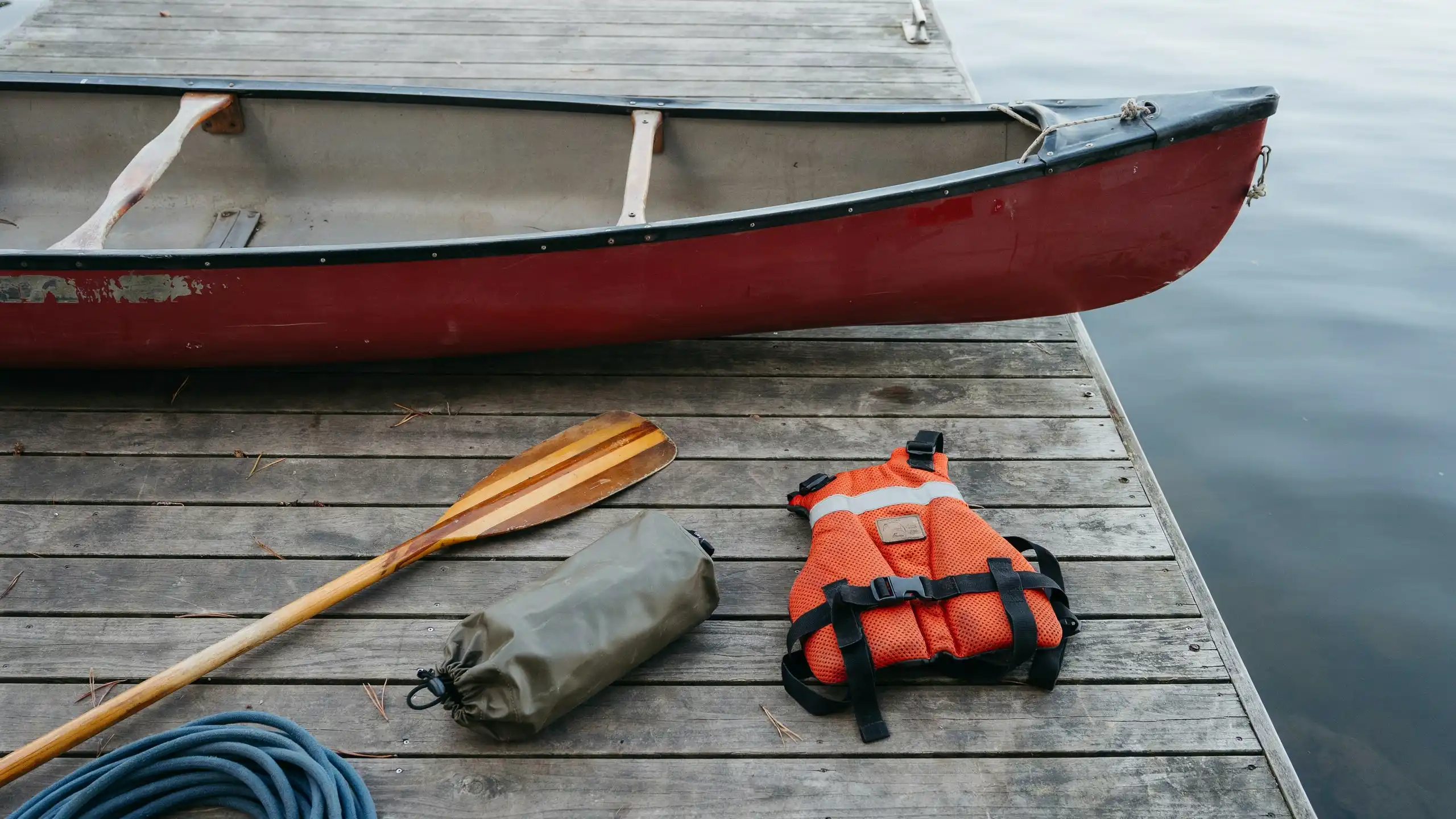
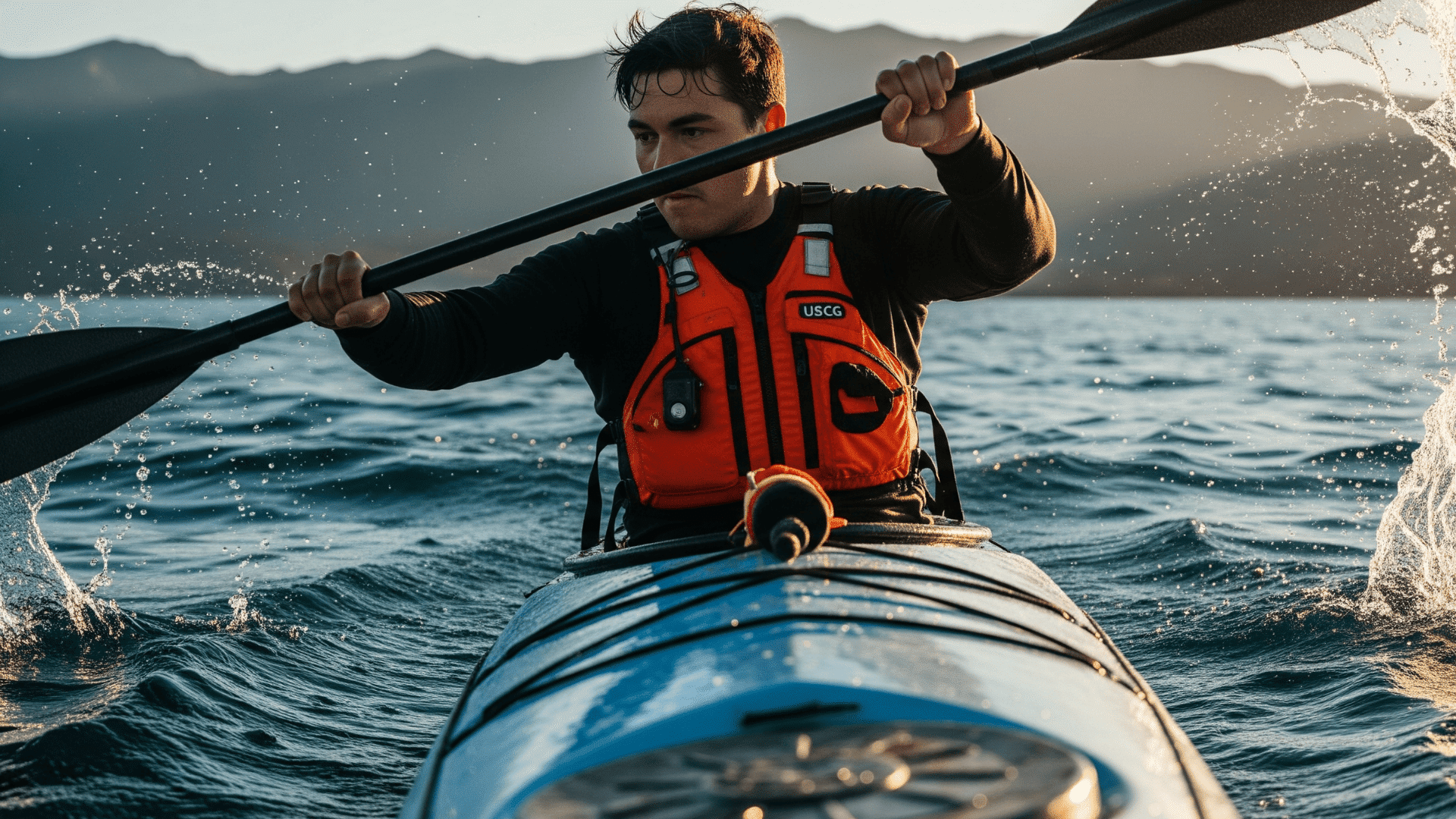
Your canoe, paddles, and personal flotation device are the three things you cannot leave behind. Everything else is secondary to these.
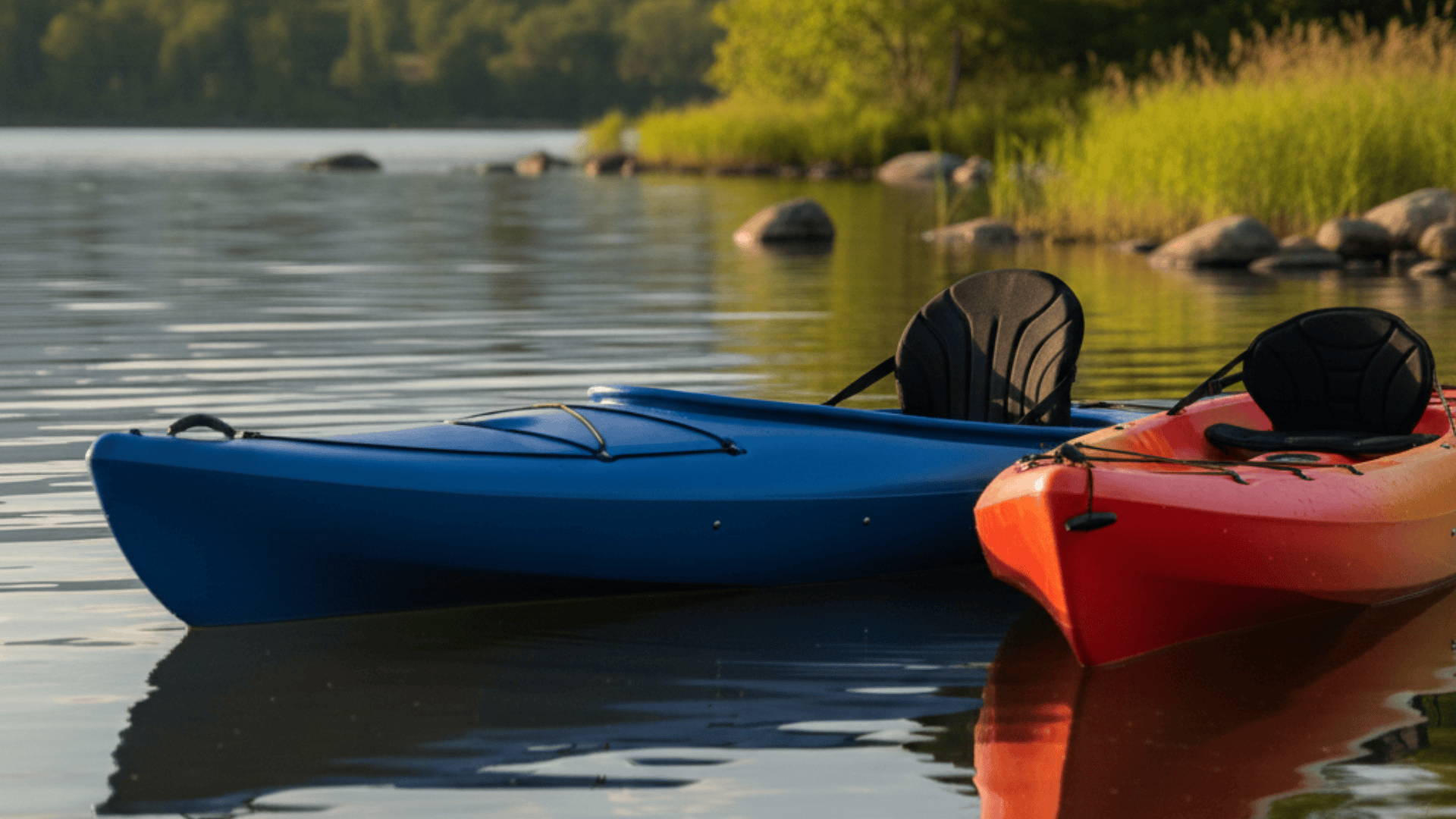
Choose a canoe size based on your group and gear load. A good paddle fit and a properly sized PFDon the water will make a full day far more comfortable and safe.
Best Brands: Old Town, Wenonah, NRS
2. Dry Bags, Barrels, and Waterproof Packing Systems
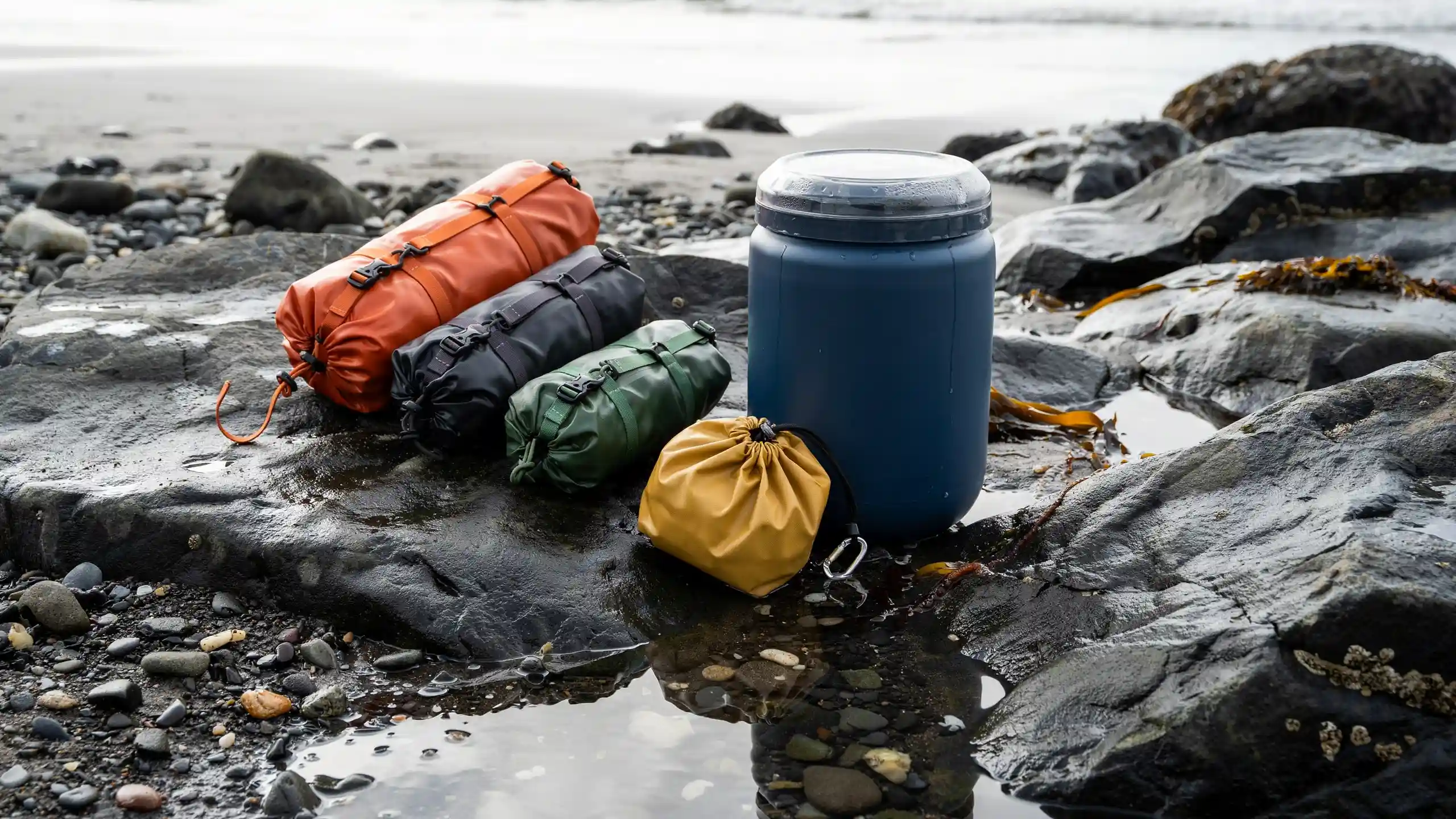
Everything you bring needs to stay dry, especially sleeping gear, food, and clothing. Dry bags and canoe barrels are the standard for any serious multi-day trip.
Pack heavier items low and centered in the canoe. A good waterproof system also makes portaging much cleaner since everything is already organized and ready to carry.
Best Brands: YETI, Granite Gear, SealLine, Recreational Barrel Works
3. Shelter, Sleeping Gear, and Weather Layering
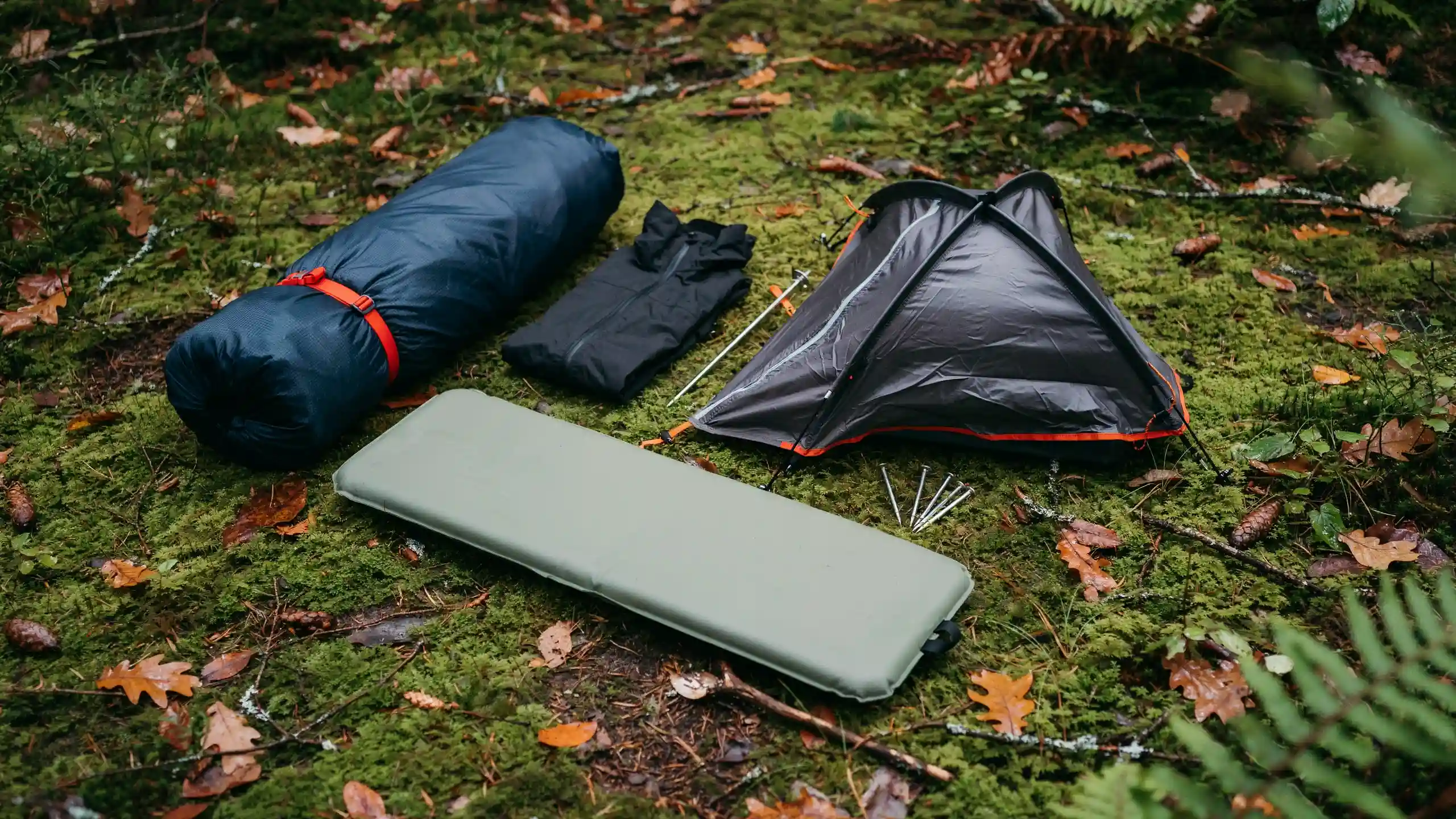
A reliable tent, a warm sleeping bag, and a good sleeping pad are non-negotiable for overnight trips. The weather on the water changes faster than most people expect.
Always pack a rain layer, even if the forecast looks clear. Temperatures drop significantly near open water after sunset, and being underprepared at camp is a miserable experience.
Best Brands: Big Agnes, Therm-a-Rest, Marmot
4. Cooking Systems and Food Storage for Wilderness Trips
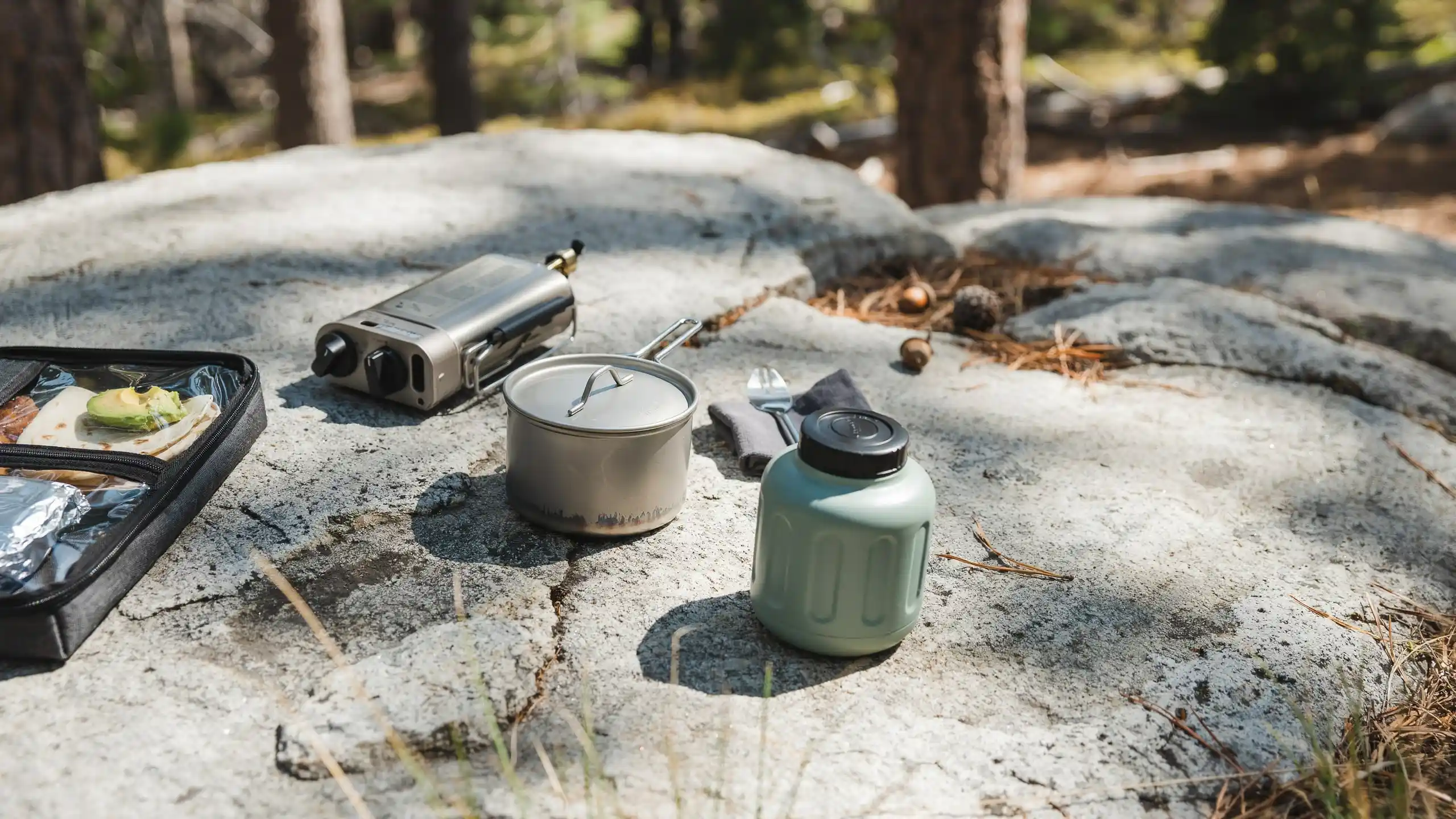
A compact camp stove, a lightweight pot, and a good food plan will keep your energy up across multiple days on the water. Meal planning matters more than most beginners realize.
Use smell-proof bags or a bear canister for food storage, depending on your region. Proper food storage also keeps your campsite clean and reduces unwanted wildlife activity overnight.
Best Brands: MSR, BearVault, GSI Outdoors
5. Safety Equipment Paddlers Rely On
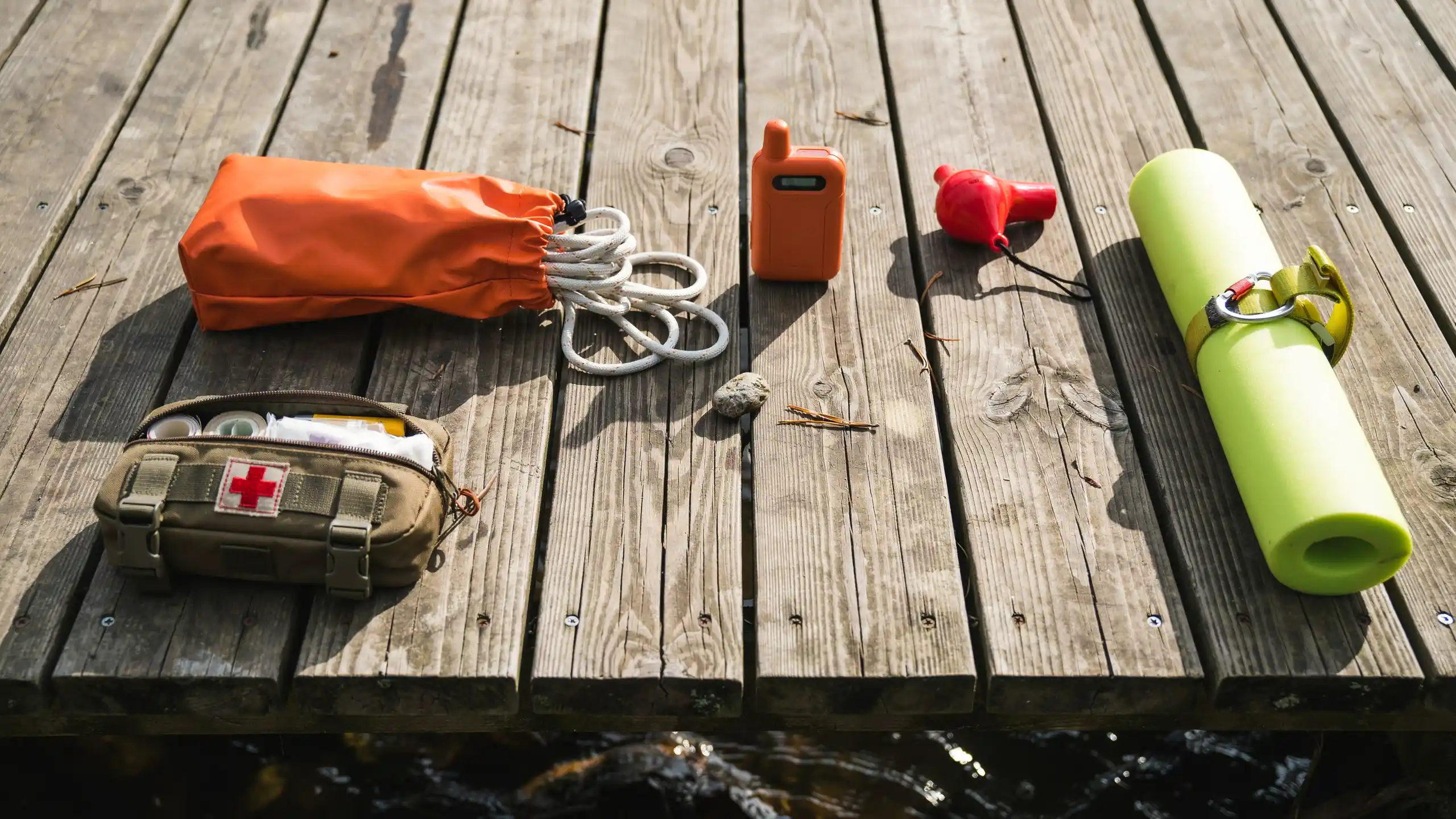
A throw bag, a whistle, a paddle float, and a first aid kit are the safety items every paddler should carry without question. These are not extras.
A waterproof communication device or personal locator beacon is worth carrying on any remote route. Getting help quickly in an emergency depends entirely on whether you prepared for one before leaving.
Best Brands: NRS, ACR Electronics, Adventure Medical Kits
6. Clothing and Layering for Paddlers
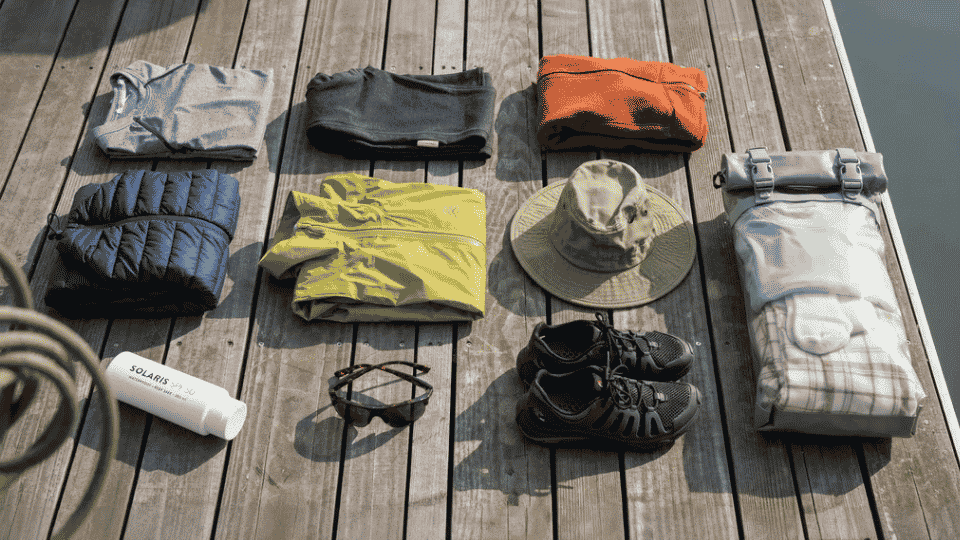
Clothing and layering matter as much as your sleep setup when canoe camping. Use a moisture-wicking base layer made of synthetic fabric or merino wool, never cotton.
Add a fleece or light puffy for warmth, and a waterproof rain jacket for protection. Wear UPF clothing, a hat, and sunscreen when exposed to the sun. Use secure water shoes, and always pack a dry sleep set in a waterproof bag.
Best Brands: Smartwool, Patagonia, Arc’teryx
Food and Meal Planning for Canoe Camping
Eating well on the water does not have to be complicated. With a little planning upfront, you can keep your energy up and your pack light across every day of the trip.
- Plan meals by day, not by item: map out breakfast, lunch, and dinner for each paddling day so you know exactly what to pack and nothing gets wasted
- Go for calorie-dense, lightweight foods: nuts, nut butter, instant oats, dried fruit, and jerky- that travel well and fuel long paddle days without adding bulk
- Stick to one-pot meals at camp: less cleanup, less gear, and you can cook almost anything in a single pot over a camp stove or fire
- Keep lunch grab-and-go: you likely will not want to stop and cook midday, so pack snacks and wraps you can eat straight from a dry bag
- Account for cold nights and high output: paddling burns more than you think, so add extra snacks and hot drink options like instant coffee or cocoa
- Dry bag all your food: it protects from water and keeps smells contained, which matters a lot in areas with wildlife
Good meal planning is one less thing to stress about out there. Get this part right, and you can focus on the paddle, the views, and the campsite ahead.
How to Pack a Canoe for Camping Trips Without Overloading It
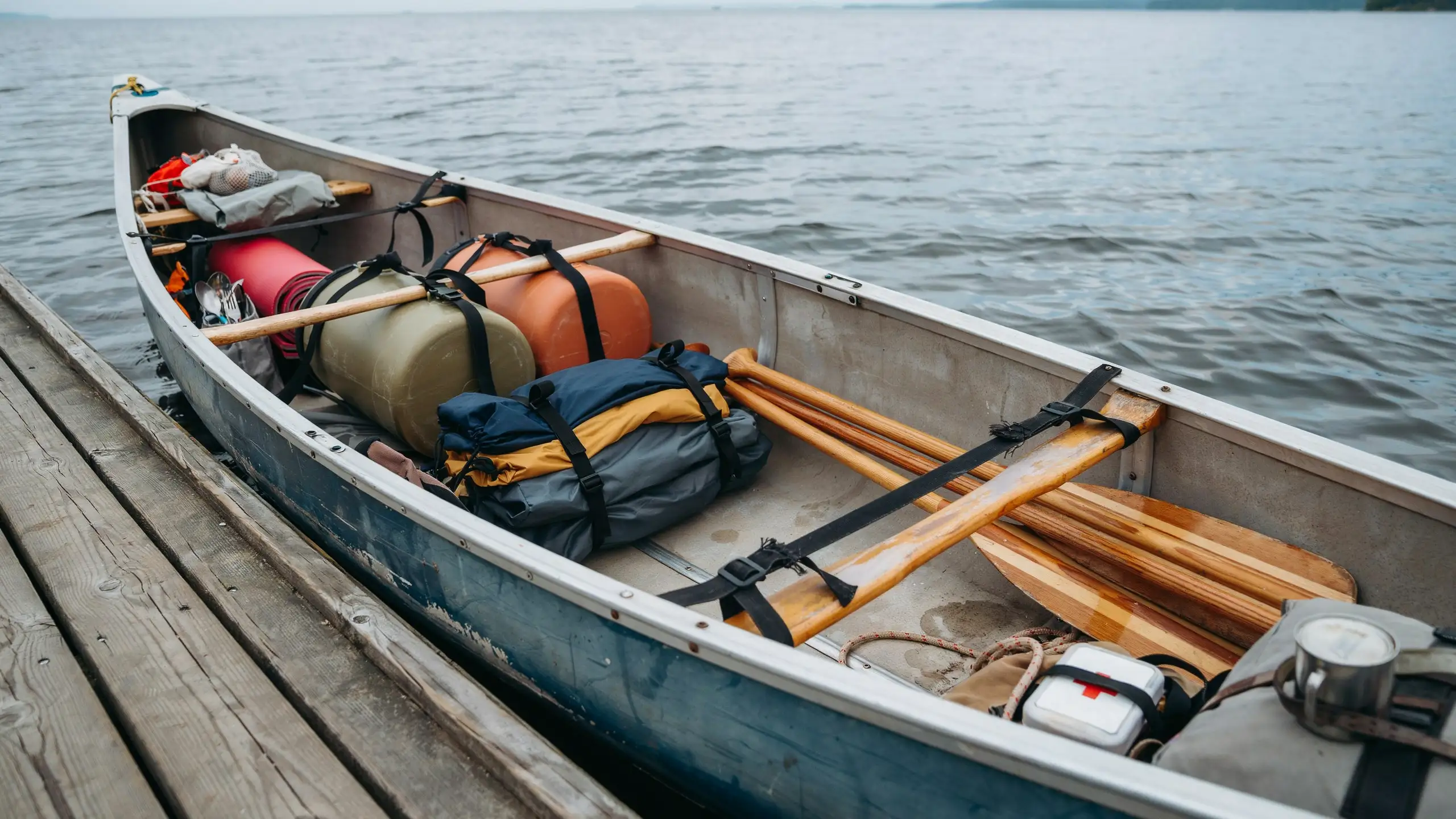
Packing a canoe incorrectly can make the whole trip harder than it needs to be. These are the key things to get right before you push off.
- Keep the heaviest gear low and centered in the canoe to maintain stability on the water.
- Split group gear and personal gear into separate dry bags so nothing gets mixed up at camp.
- Place items you need during the day, like snacks, sunscreen, and a rain layer, within easy reach.
- Seal everything else inside barrels or dry bags and secure them so they stay put if you tip.
- Pack your portage carry in mind from the start, so gear is easy to grab and go when you land.
- Avoid overstuffing the bow and stern, as uneven ends make steering significantly harder.
- Leave some room in the canoe so water from waves or rain has somewhere to go without soaking gear.
A well-packed canoe makes every part of the trip easier. Get the loading right from the start, and it shows all day.
Canoe Camping Safety Guide for Real Wilderness Conditions
Cold water is the risk that most beginners underestimate the most. Water below 60°F can trigger cold water shock within seconds of immersion, affecting your breathing and swimming ability before you have time to react.
Wind and weather on open lakes change quickly and with little warning. Learn to read the sky before you leave camp, and always get off the water early if conditions start shifting.
Store all food properly every night without exception. Bears and other wildlife are attracted to smell, not just visible food, so sealed containers and clean campsites matter more than most people think.
Always carry a personal locator beacon on remote routes. Getting help fast in an emergency depends entirely on whether you planned for one before leaving.
Essential Canoe Camping Skills Every Beginner Should Know Before Going
Gear only gets you so far out there. These are the skills that actually keep a trip running smoothly from day one.
- Learn the forward stroke, sweep stroke, and draw stroke before your first trip, as these three cover most situations on the water.
- Practice steering from the stern position since the person in the back controls the direction of the canoe.
- Communicate clearly with your paddling partner before and during the trip to avoid confusion in moving water.
- Learn the proper technique for carrying a canoe on a portage to protect your back and move faster on land.
- Understand how to self-rescue or assist a capsized paddler before you head into any remote area.
- Carry a paper map and know how to use it since phone signal disappears fast in wilderness waterways.
Know these six basics, and your first trip will go much more smoothly than most.
What a Real Canoe Camping Trip Feels Like From Start to Finish
The first morning always starts earlier than expected. You break down camp, load the canoe, and push off while the water is still flat and the air is cool.
Paddling rhythm takes about an hour to settle in. After that, the miles pass steadily, and the shoreline becomes the only thing you are really paying attention to.
Portages hit harder than most beginners expect. Carrying a loaded canoe overland, even for a short distance, is a full-body workout that no amount of gym time fully prepares you for.
By evening, campsite setup feels automatic. The exhaustion is real, but so is the satisfaction of having moved entirely under your own effort all day.
What Experienced Canoe Campers Actually Recommend
Real paddling experience teaches things no gear list ever will. Here is what the canoe camping community consistently says.
- Bring less gear than you think you need, as most first-timers overpack and regret it on the first portage.
- Scout campsites from the water before committing, since what looks good on a map often looks different in person.
- Start paddling early before the wind picks up and save afternoons for shorter crossings.
- Keep a dry set of clothes sealed and untouched for sleeping only, no matter what.
- Tell someone your full route and expected return date before every trip without exception.
- Many canoe campers agree that staying calm when things go wrong is what separates good trips from bad ones.
The paddlers who thrive out there are almost always the ones who listened before they launched.
Best Canoe Camping Destinations and Route Types
Some routes are built for first-timers, and some will test even the most experienced paddlers.
- Boundary Waters Canoe Area, Minnesota: Iconic wilderness destination with routes suited to all skill levels.
- The Adirondacks, New York: Hundreds of connected lakes and portages perfect for intermediate paddlers.
- Ozark National Scenic Riverways, Missouri: Calm float trips and easy access campsites ideal for beginners.
- Everglades Wilderness Waterway, Florida: 99 miles of remote backcountry paddling for experienced paddlers only.
- Quetico Provincial Park, Minnesota, Canada Border: Gold standard multi-week wilderness expeditions for advanced paddlers.
- Buffalo National River, Arkansas: 135 miles of calm, scenic river with free camping on gravel bars, perfect for beginners.
The right destination makes the whole experience. Start where you are comfortable and work your way up from there.
Conclusion
Canoe camping rewards everyone who puts in the effort to prepare. You get real wilderness access, time away from screens, and a pace of travel that almost nothing else can match.
The difference between a rough first trip and a great one usually comes down to planning, packing smart, and knowing a few basics before you leave the dock.
Pick a route that fits where you are right now. Start simple, build your skills, and the bigger trips will come naturally. Start with our canoe camping gear checklist and give yourself the best shot at a trip worth repeating.
Frequently Asked Questions
Do I Need a Permit for Canoe Camping?
It depends on the destination, as some parks require permits and others do not, so always check before you go.
Can I Canoe Camp Alone as a Beginner?
It is not recommended to have a paddling partner, as this makes the trip significantly safer and easier to manage.
What Time of Year is Best for Canoe Camping?
Late spring through early fall is ideal, with late spring offering fewer crowds and cooler conditions on the water.
How Do I Deal with Bugs on a Canoe Camping Trip?
A bug net, DEET repellent, and camping away from still water will cover most situations out there.