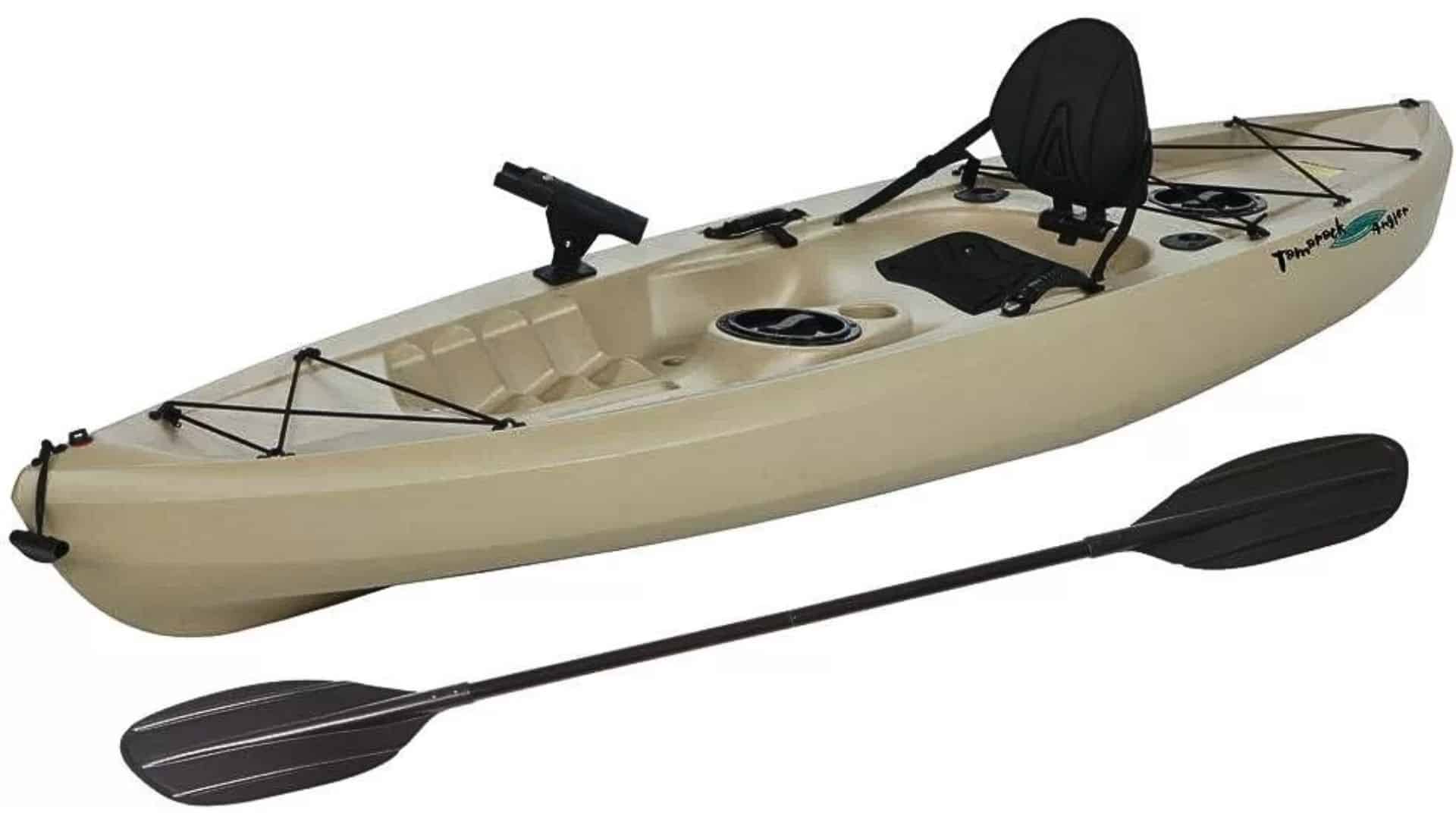

Not every paddleboard rolls up and fits in a bag. So, are all paddle boards inflatable? Short answer: no. Paddle boards come in two main types: inflatable and solid.
Inflatable boards pack down small, travel easily, and are a top pick for beginners. Solid boards offer more speed, better tracking, and stronger performance on the water. Both have a real place in the paddling world.
The best pick depends on a few key things: how often someone paddles, where they head out, how much storage space is available at home, and what kind of on-water performance they expect.
Once those questions have answers, choosing the right board gets a whole lot simpler.
Inflatable or Solid: Know Your Board
Paddle boards come in two main types. Inflatable boards are made from tough PVC and inflate with a pump. Once deflated, they fold down small and store away easily.
Many inflatable boards come with a full package that includes a paddle, pump, leash, and carry bag. Solid boards, on the other hand, have a hard outer shell and are ready to use right out of the bag.
They sit firm on the water and give a cleaner, more direct feel with each stroke. Both types work well, just in different ways and for different needs.
Breaking Down The Differences: Inflatable Vs Solid Paddle Boards

Choosing between an inflatable and a solid paddleboard comes down to how and where it will be used. Both types have real strengths. Knowing the key differences makes the choice much easier.
Materials
Inflatable boards are made from layered PVC, making them tough, light, and easy to carry. Higher-end models use drop-stitch construction for a firmer feel when pumped up.
Solid boards are made from fiberglass, epoxy, or carbon fiber. Fiberglass offers good value for regular paddlers, while carbon fiber is lighter and faster but costs more.
Portability And Storage
Inflatable boards are easy to carry and store. Once deflated, they roll up and fit into a backpack-style bag.
This makes them a great fit for people with limited space at home or those who travel often. Solid boards are bulkier and need a roof rack or a large storage area.
Stability And Comfort
Inflatable boards feel stable and comfortable underfoot, which makes them a great starting point for beginners.
The slight give in the surface is easy on the feet and joints. Solid boards feel firmer and more direct on the water, which some paddlers prefer as their skills grow.
Speed And Performance
Solid boards move faster and hold a straighter line on the water. Their firm shape cuts through water more cleanly, making them a better fit for racing or surfing.
Inflatable boards are slower by comparison but still perform well for casual paddling, flat water, and leisure use.
Durability And Impact Resistance
Inflatable boards handle bumps, rocks, and dock edges well. The PVC material absorbs impact without cracking.
Solid boards, while strong, can get dents and scratches more easily, especially during transport or storage. Careful handling is needed to keep a solid board in good shape over time.
Setup And Maintenance
Inflatable boards need to be pumped up before use and fully dried before packing away. This adds a few extra minutes to each session.
Solid boards are ready to go right away, but need more careful transport and a larger storage space to avoid damage between uses.
Price And Overall Value
Inflatable boards are usually more budget-friendly. Many come as a full kit with a pump, paddle, leash, and bag, which adds great value upfront.
Solid boards often cost more on their own, and when storage racks and transport gear are added, the total cost can climb even higher.
Both board types have a clear place in the paddling world. The right one comes down to personal needs, not which one looks better on paper. Think about storage, budget, and how often the water is calling, and the answer will follow.
Inflatable Paddle Boards: What Works And What Does Not
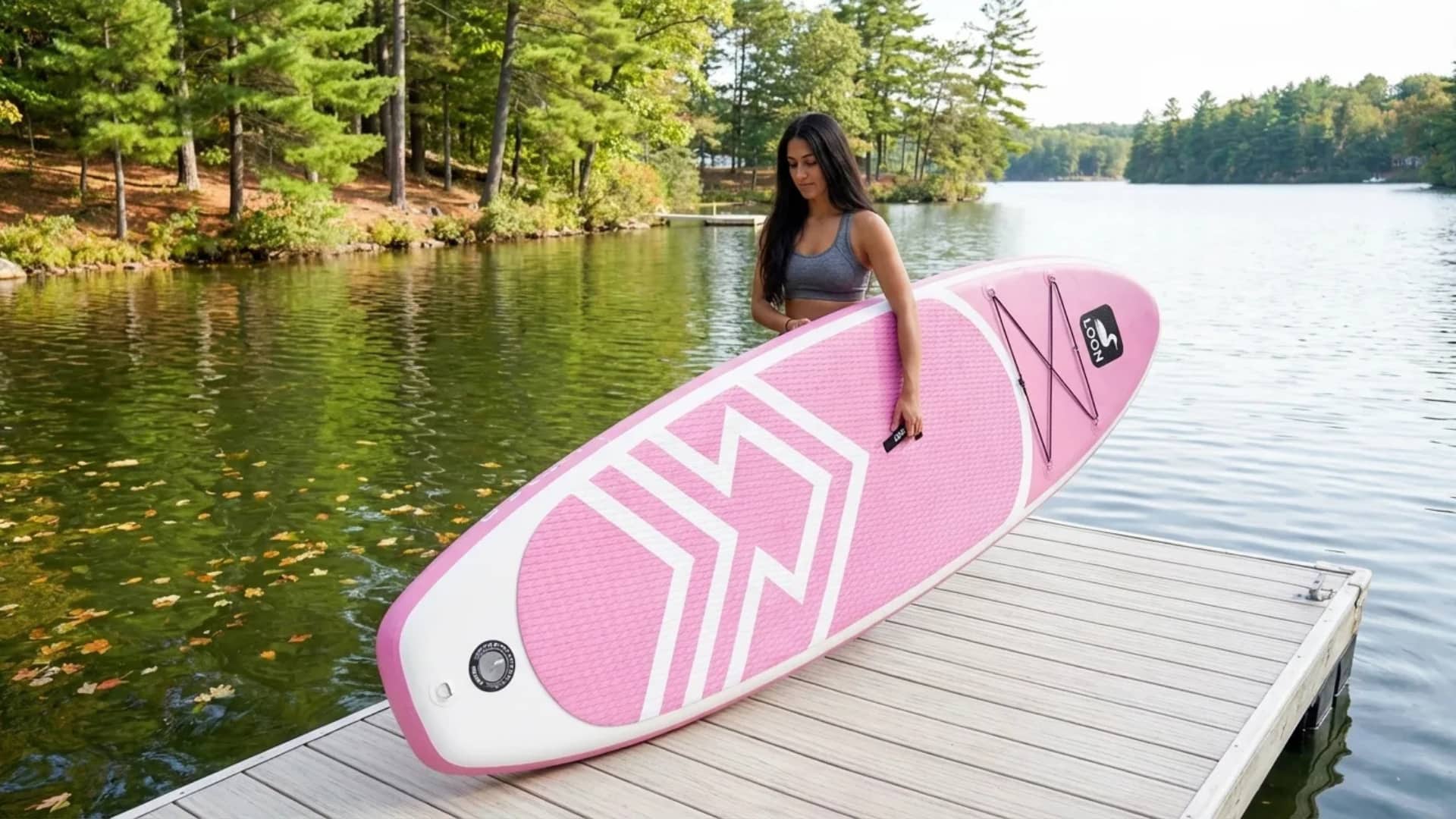
Inflatable paddle boards have grown popular fast, and for good reason. But like anything, they come with both upsides and downsides. Here is a clear look at both sides.
What Makes Them Worth It?
Inflatable boards make life easier in many ways. From saving space at home to being gentle on the body, they check a lot of boxes for everyday paddlers.
- Easy to store anywhere: Inflatable boards deflate and roll up small, fitting into a bag that tucks into a car boot, a closet, or a corner of an apartment without taking up much room.
- Great for beginners and casual use: The softer surface feels comfortable underfoot and is forgiving for new paddlers who are still finding their balance out on the water.
- Strong value for money: Many inflatable boards come with a pump, paddle, and bag, making them a smart and affordable choice for those just starting out.
Where They Fall Short
Inflatable boards are not perfect for everyone. There are a few trade-offs worth knowing before making a purchase decision.
- Inflation takes extra time: Before hitting the water, the board needs to be fully pumped up, which adds several minutes to the start of every paddling session.
- Less speed and crispness: Inflatable boards do not cut through water as cleanly as solid boards, making them a weaker choice for speed or sharper performance.
- Drying and packing takes effort: After each use, the board must be fully dried before it is packed away to prevent mould and keep the material in good condition over time.
Inflatable paddle boards are a solid choice for most casual paddlers and beginners. Knowing the pros and cons upfront helps set the right expectations before buying.
The Real Talk On Solid Paddle Boards: Pros And Cons
Solid paddle boards offer a different experience on the water. Before choosing one, it helps to weigh the good against the not-so-good.
| Pros | Cons |
|---|---|
| Better glide and smoother tracking on water | Bulky and hard to transport without a roof rack |
| More responsive and direct feel with every stroke | Needs a garage or a large space for storage |
| Great for racing, surfing, and performance paddling | More prone to dings and damage from knocks |
| Performs well in a wide range of water conditions | Higher overall cost when transport gear is added |
Solid boards suit paddlers who want more performance and are ready for the extra effort that comes with owning one.
How Long Do Inflatable And Solid Paddle Boards Last?
With proper care, both board types can last many years. Inflatable boards typically last 5 to 10 years. Leaving them inflated in the sun or storing them wet shortens their life quickly.
Solid boards can last even longer but are more vulnerable to dents and cracks from rough handling or hard impacts.
For both types, rinsing after use, storing away from direct sunlight, and keeping them out of extreme heat make a big difference. Good habits go a long way in protecting the investment.
Find Your Match: Inflatable Or Solid Paddle Board?
There is no single right answer here. The best board is the one that fits real life – storage space, paddling goals, budget, and how often the water calls. Here is a simple way to decide.
An Inflatable Is Your Board If…
Inflatable boards work well for a wide range of people. If any of the points below sound familiar, an inflatable is likely the smarter pick.
A beginner just starting out will feel comfortable on an inflatable.
It is also the better choice for anyone short on storage space, someone who travels often, or a family looking for a fun board everyone can share. For casual paddling, fitness, or weekend fun, inflatables cover it all.
A Solid Board Is Your Board If…
Solid boards are built for those who want to push further on the water. If performance is the priority, a solid board is worth the extra effort.
Anyone focused on speed, clean tracking, surfing, or racing will get more out of a solid board.
It is also a better fit for paddlers who already have garage space or a roof rack and are ready to step up from casual to more serious paddling sessions.
Both boards do the job well, just in different ways. Matching the board to lifestyle rather than trends is always the smarter starting point.
Things To Know Before Choosing A Paddle Board
Picking the right paddleboard is easier when the right questions are asked first. These five factors help narrow down the choice before spending a single penny.
- Match the board to the water: Calm lakes and flat water suit both board types, but rougher ocean or surf conditions call for a solid board with better control.
- Space shapes the decision: An inflatable fits into a bag and stores in a car boot or a closet, while a solid board needs a garage, a shed, or a roof rack.
- Know the goal upfront: Beginners and casual paddlers do well with an inflatable, while those chasing speed, surf, or skill progress are better served by a solid board.
- Start with the full cost in mind: Inflatable kits often include all the gear needed from day one, while solid boards can cost more once transport and accessories are added.
- Frequency changes priorities: Occasional paddlers usually value easy storage and convenience more, while frequent paddlers tend to value performance and on-water feel more.
Answering these five questions honestly makes the final decision much easier. The right board is the one that fits real life, not just the one that looks good in a review.
Final Verdict
No, are all paddle boards inflatable? Definitely not. Paddle boards come in two clear types, and each one serves a different kind of paddler.
Inflatable boards win on storage, travel, and budget, making them the go-to choice for beginners and casual paddlers.
Solid boards lead the way in speed, glide, and performance for those ready to push further on the water. Neither is the wrong choice.
It all comes down to lifestyle, goals, and where the paddling happens. The right board is out there. Drop a comment below sharing which board type feels like the right fit for you.
Frequently Asked Questions
Can Inflatable Paddle Boards Pop Easily?
No. Modern inflatable boards are made from tough PVC that handles bumps well. Sharp objects can cause damage, but normal use rarely leads to punctures.
Do Inflatable Paddle Boards Need A Special Pump Or Air Pressure?
Yes. Most boards need to be inflated to around 12-15 PSI. Many come with a hand pump, and using the right pressure keeps the board firm and safe.
Can You Leave An Inflatable Paddle Board Inflated Between Uses?
Yes, but it is not ideal. Heat and direct sunlight put extra stress on the material. Deflating and properly storing it helps the board last much longer.