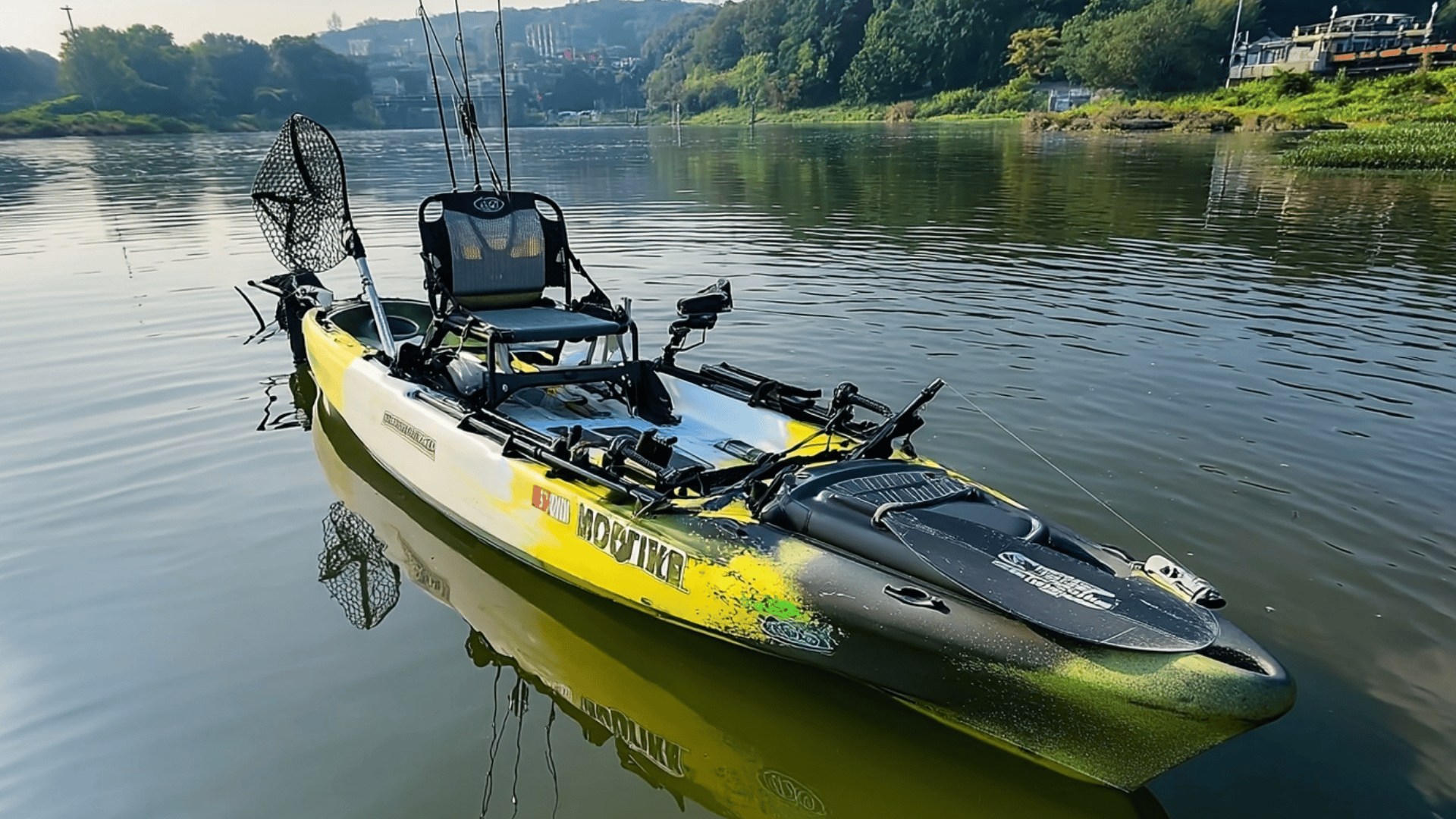

After spending years on the water testing different windsurfing boards, I know how overwhelming it can be when you’re trying to pick one.
The market is full of options, and every brand claims it’s the one you need. After riding boards from beginner-friendly setups to high-performance racing shapes, I’ve learned what actually matters.
The right windsurf board depends on the type of board, the key specs that shape how it rides, and the brand behind it, especially if you’ve already decided windsurfing suits you better than kitesurfing.
Understanding these points makes it much easier to choose a board that matches your skill level and sailing goals.
My goal is simple: to help you figure out which board matches your current windsurfing level and what you want to do on the water.
Understanding Different Board Types
Windsurf boards aren’t one-size-fits-all. This quick table helps match board type to goals, water conditions, and experience level.
| Type | Best For | Description |
|---|---|---|
| Freeride | All-around use | Stable enough to learn on, fast enough to keep using as skills grow. |
| Freestyle | Tricks and flatwater play | Short and very reactive, but harder to balance until basics feel easy. |
| Wave | Ocean swells and surf-style riding | Built for quick turns and control, needs solid skills and wave awareness. |
| Slalom/Race | Speed and racing | Narrow and technical, it rewards strong technique and confident control. |
| Beginner/Longboard | First-time learning | Wide, high-volume boards that float easily and help early balance and upwind practice. |
Start with the most forgiving option, then switch as skills improve. The right board makes learning smoother and safer overall.
Boards for Beginners
If you’re starting, your first board needs to be forgiving. I made the mistake of buying a board that was too small for my skill level, which set me back for months.
Look for boards with a volume of 150-200 liters. This gives you stability while you learn to balance and handle the sail. Width matters too, I suggest 75-85 cm. The extra width keeps you upright when you’re wobbling around.
1. Starboard Start
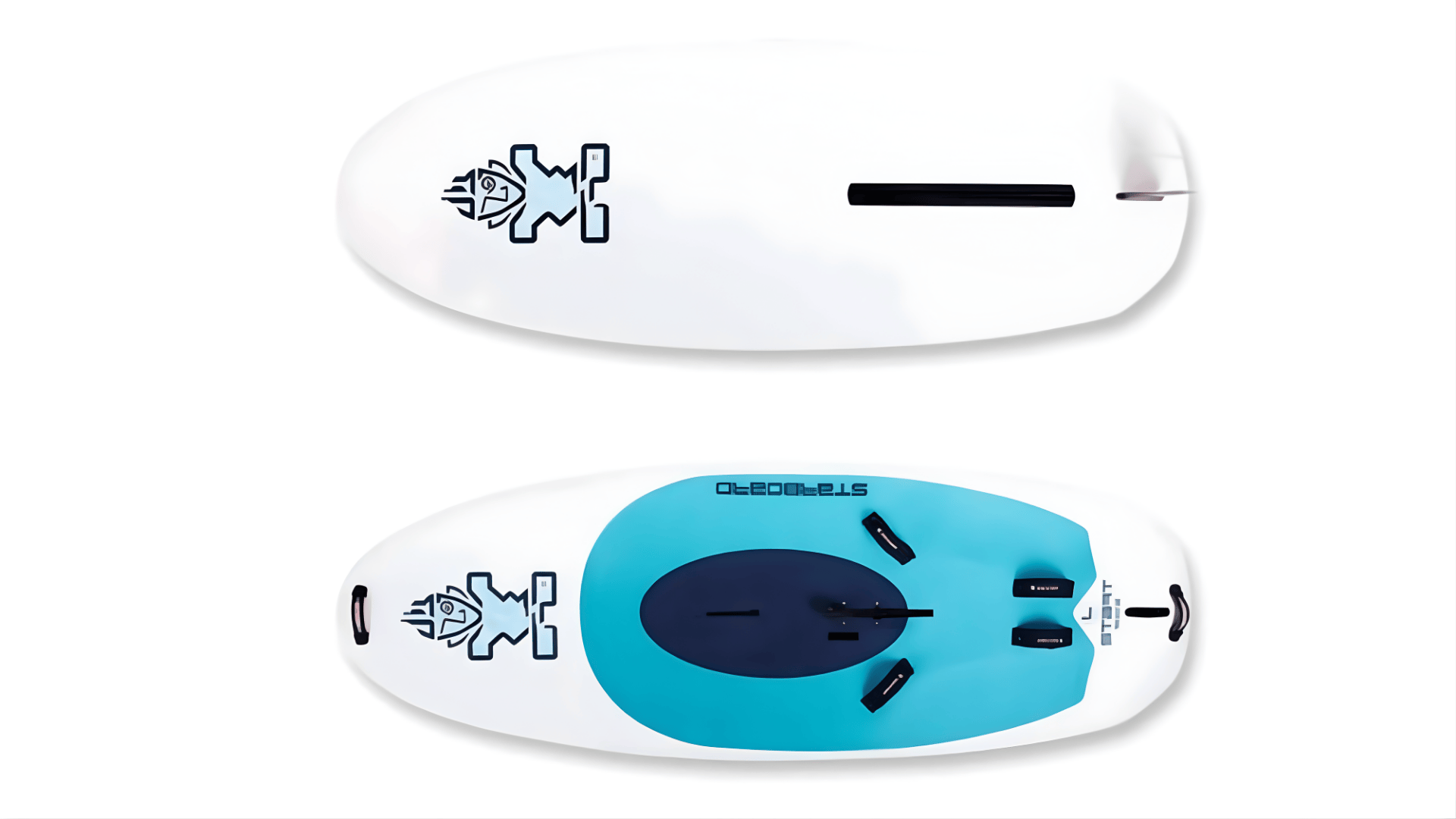
Starboard Start’s large volume helps beginners avoid falling off the board too often while balancing. The retractable daggerboard helps with upwind sailing, which beginners struggle with most.
It’s stable enough to build confidence as you learn the basics. Many sailing schools choose this model because it handles student errors gracefully.
The construction is durable and holds up to regular use without issues.
How To Choose Based On Your Weight:
If you want maximum stability for uphauling, tacks, and first upwind runs, Start is a safe pick for most adult weights because it’s built specifically as an entry-level board and aimed at easy, stable learning.
Quick Decision Tip: Choose this if you are still learning to balance, sail upwind, and want a school-style “easy mode” board.
2. BIC Techno 293
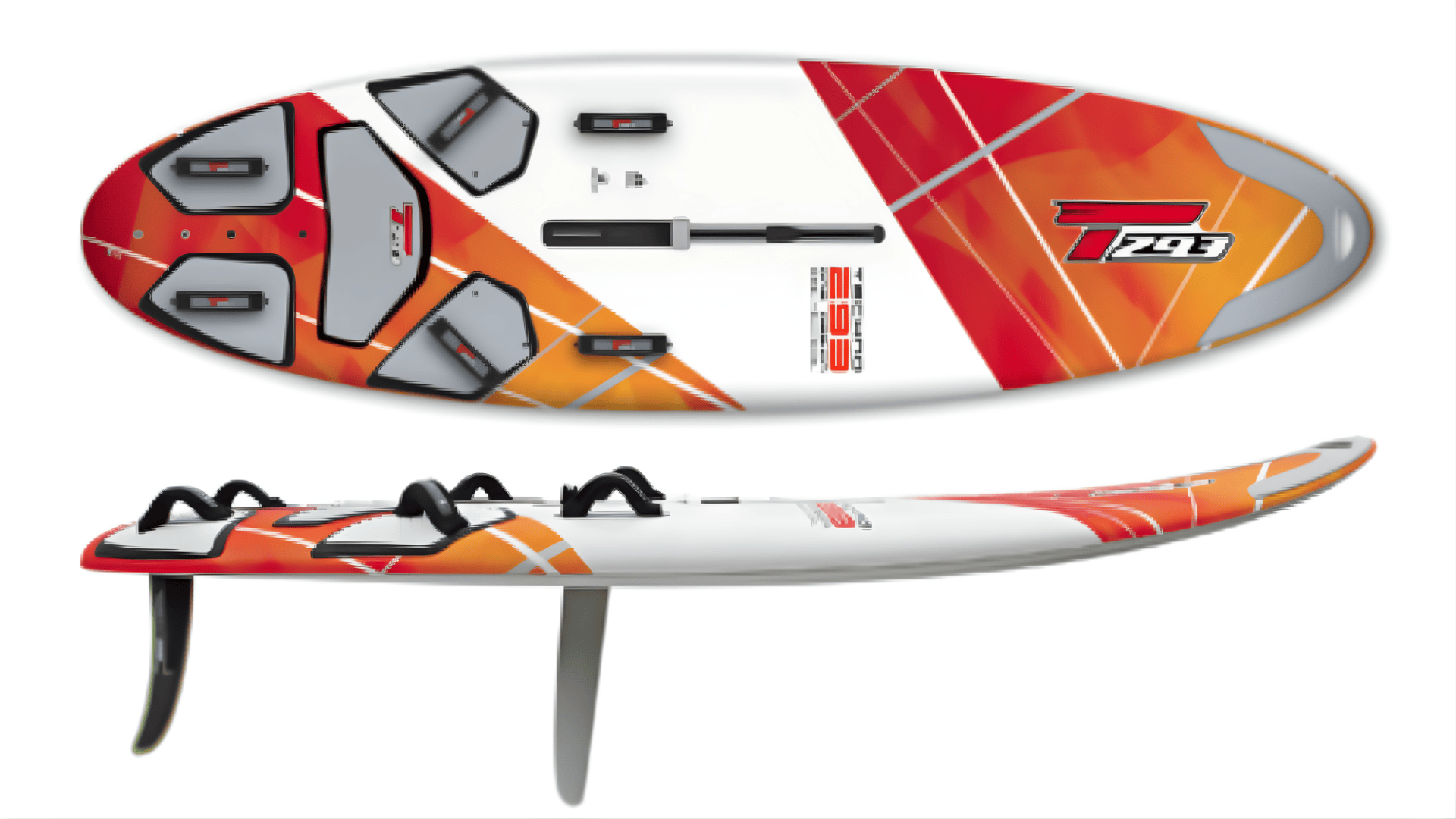
BIC Techno 293 was my first board, and it proved incredibly durable and stable throughout my learning phase.
Many sailing schools use these because they handle abuse well and keep students safe on the water. The wide shape provides excellent stability for new riders as they learn to balance.
Build quality is solid, and the board lets you make mistakes while you develop technique. It’s a reliable choice that won’t let beginners down.
How To Choose Based On Your Weight:
This board is used for learning and also has a long progression path into one-design racing, so it’s a strong pick if you want one platform that can last beyond day-one basics.
Quick Decision Tip: Pick this if you want a “learn now, keep later” board with a big community and organized racing options.
3. Fanatic Viper
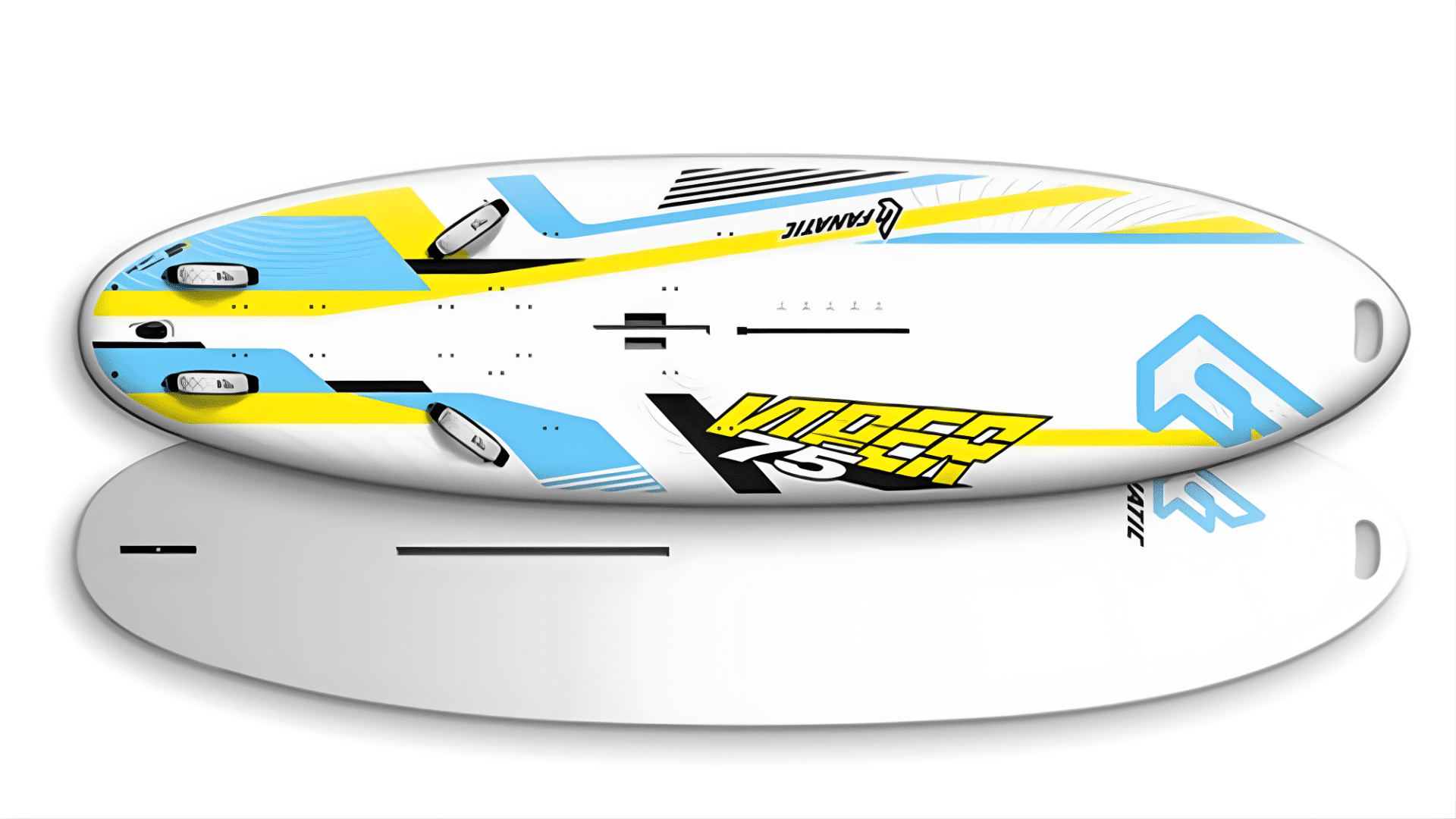
Fanatic Viper works well for larger adults who need extra volume to stay afloat comfortably. If you weigh over 200 pounds, the additional volume this board provides becomes necessary for proper floating.
The wider shape accommodates heavier riders without sacrificing too much stability. Build quality is consistent with Fanatic’s reputation for reliable equipment.
It’s specifically designed for bigger riders learning the sport.
How To Choose Based On Your Weight:
If you are heavier, learning in lighter winds, or you want the easiest platform possible, the Viper HD’s 245L “school board” volume makes learning much less frustrating.
Quick Decision Tip: Pick this if your priority is staying upright and getting lots of practice time per session.
Intermediate Boards
Once you’re planning consistently and attempting jibes, you’re ready for intermediate equipment. This is when board choice starts to significantly affect your progression.
I moved to intermediate boards when I could waterstart and sail in footstraps. These boards typically have a volume of 110-140 liters and a width of around 65-75 cm.
4. JP Australia SuperSport
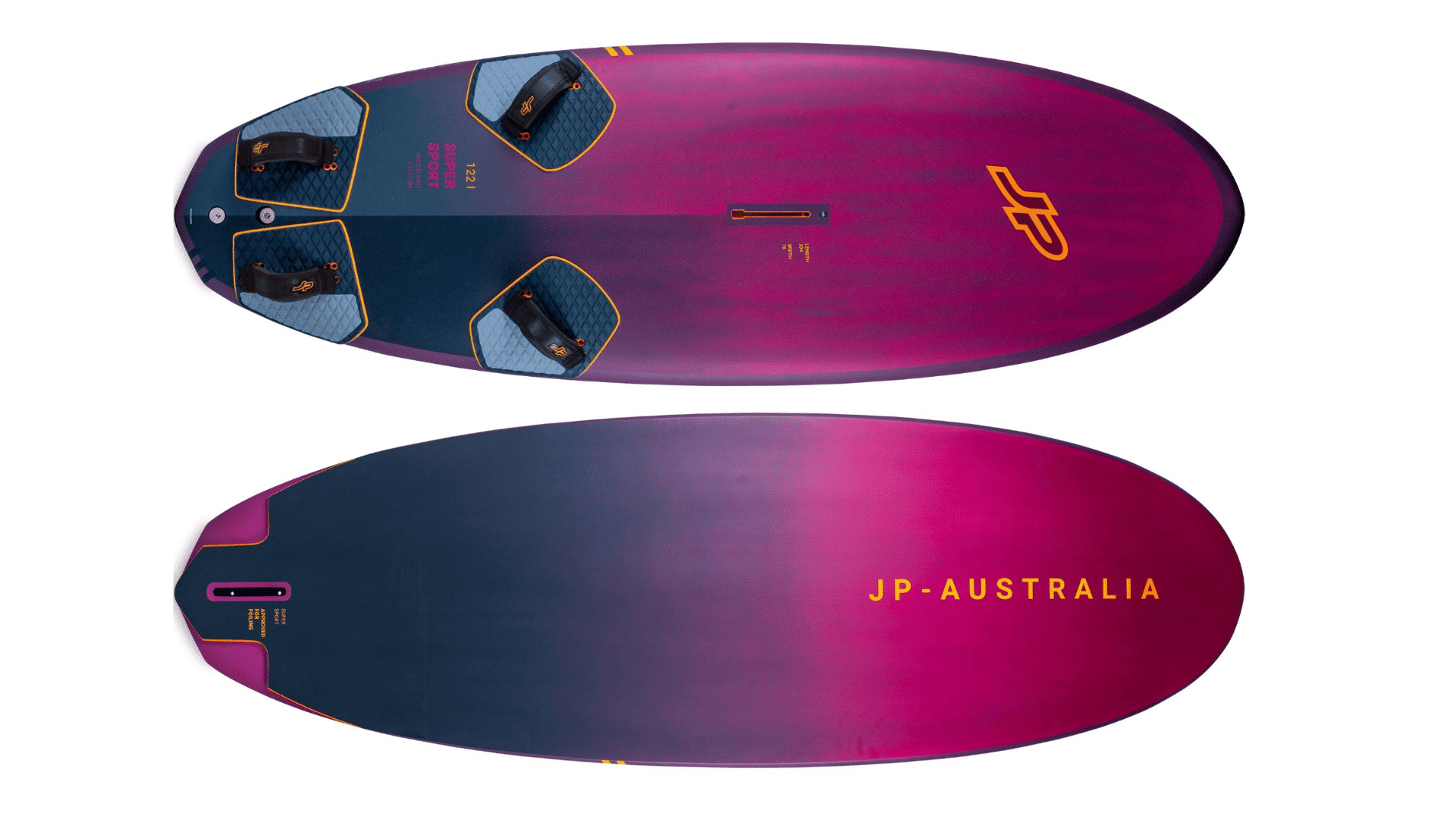
JP Australia SuperSport offers good value, with decent build quality and a transition that improves as skills develop.
It is a fast Freerace board designed for advanced intermediates and experts. A beginner attempting to uphaul on a SuperSport would find it incredibly unstable due to its performance-oriented rails and rocker.
It handles various wind conditions reasonably well for a learning board. The price point makes it accessible to riders just starting out.
How To Choose Based On Your Weight:
Choose a Super Sport size that matches your main wind strength and current skill level. This line is tuned for recreational riders who want speed, not for first-time uphauling.
Quick Decision Tip: Pick this when you want “fast freeride” feel without going full race slalom.
5. Fanatic Gecko
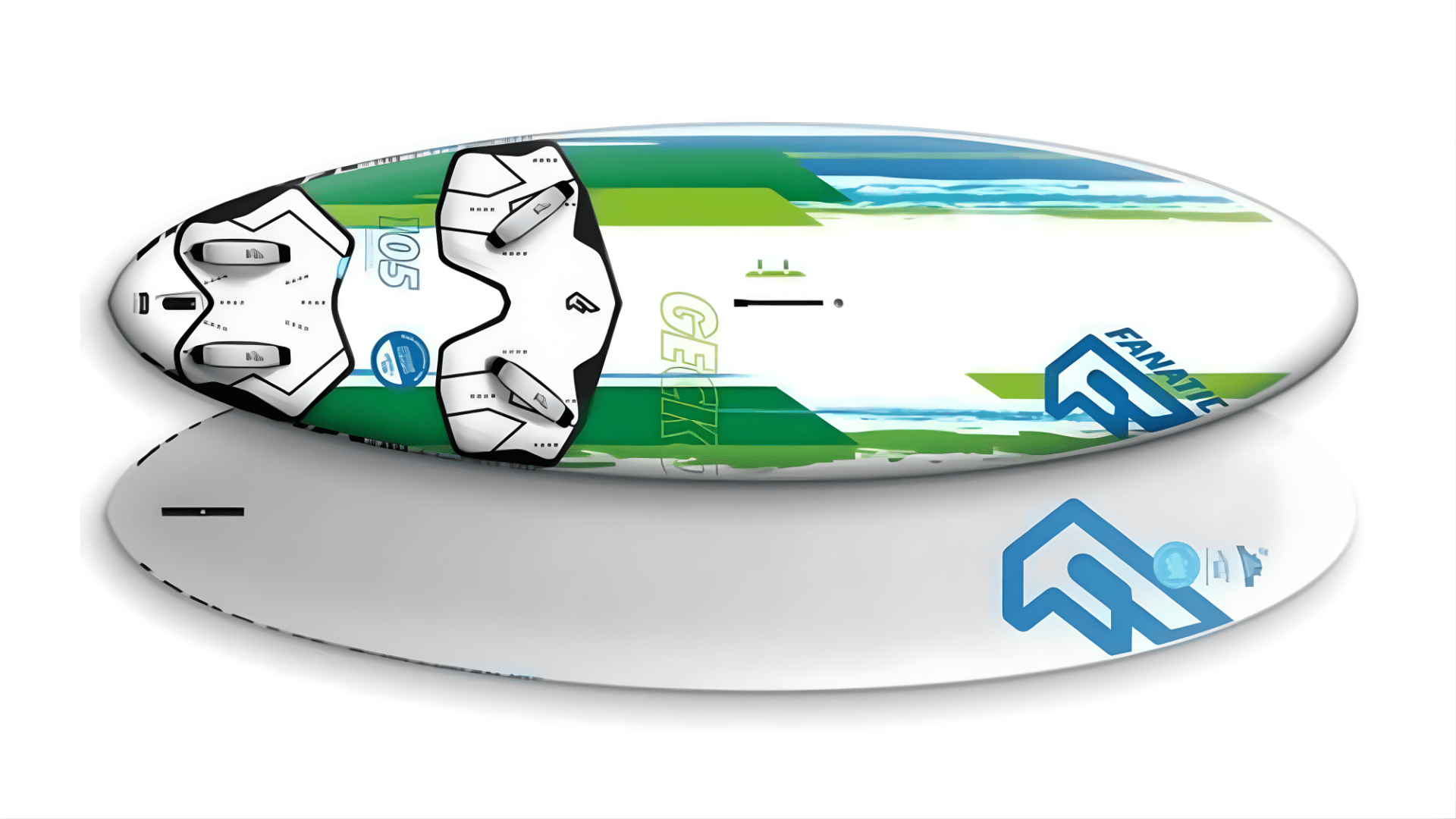
Fanatic Gecko has been my go-to recommendation for years because it plans early and handles chop well. The shape is forgiving enough that you won’t struggle, but responsive enough that you’ll improve steadily.
It builds confidence in intermediate riders while teaching better technique through responsive feedback. I’ve seen countless sailors make quick progress with this model.
The construction quality justifies the investment for serious progression.
How To Choose Based On Your Weight:
Use Gecko once you are moving into harness lines, footstraps, and planning control. Pick liters based on how powered you sail most days, and choose from the listed size range (example: 100–148L in the LTD lineup).
Quick Decision Tip: Pick this when you want one freeride board that stays fun as your jibes and speed improve.
6. Starboard Futura
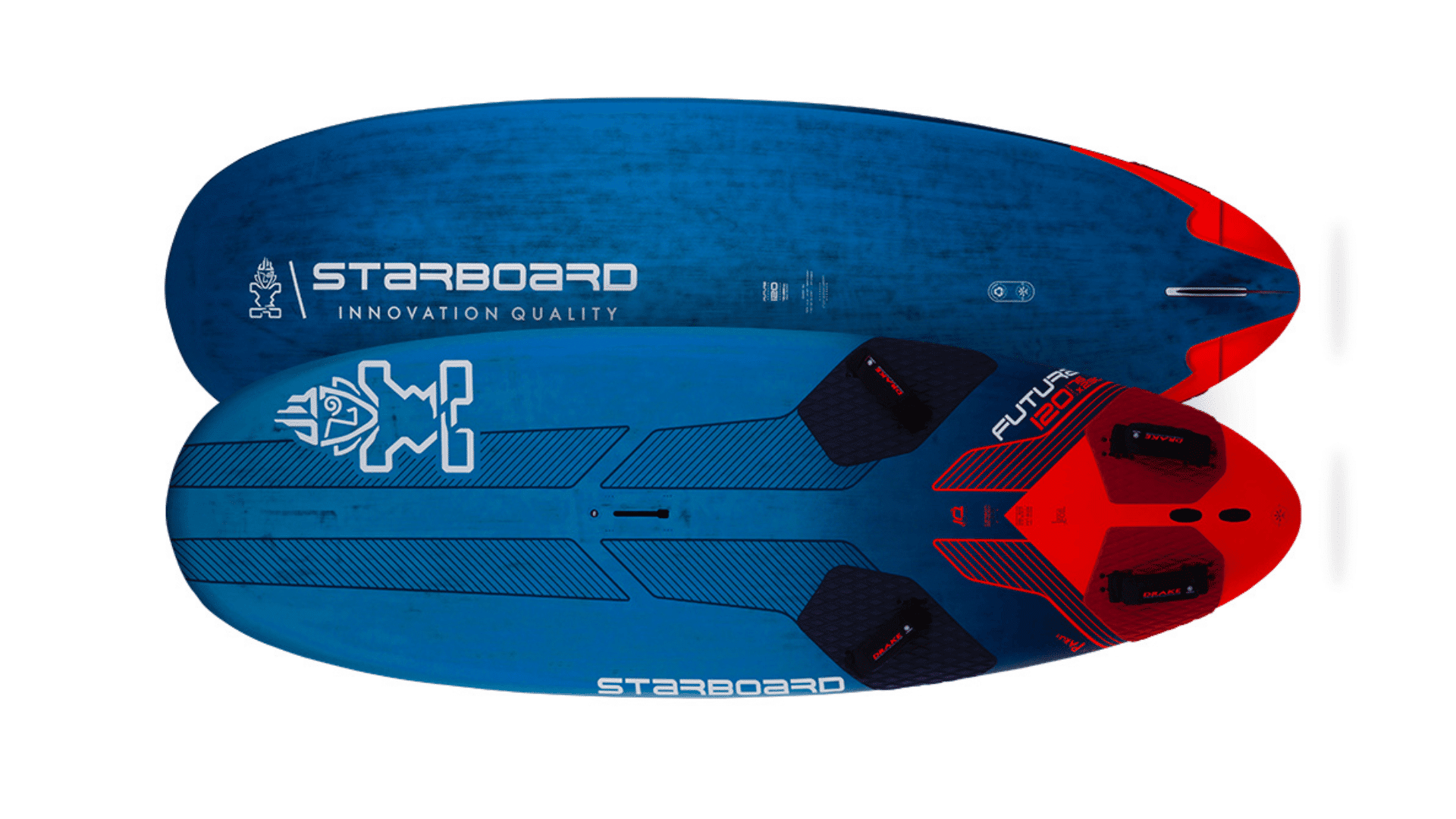
I rode the 127-liter version for a full season, and it consistently helped me improve my technique.
Starboard Futura offers more performance than typical intermediate models and demands cleaner footwork from riders.
It plans efficiently and handles various conditions with competence. The responsive nature helps develop proper sailing technique faster. Build quality is excellent, and the board holds its value well in resale markets.
How To Choose Based On Your Weight:
Futura is Starboard’s freerace direction. It makes sense when you already plane regularly and want more speed and sharper feedback than a pure freeride board.
Quick Decision Tip: Pick this if you want to level up your speed and control, and you are okay with a board that demands cleaner technique.
7. JP Australia Magic Ride
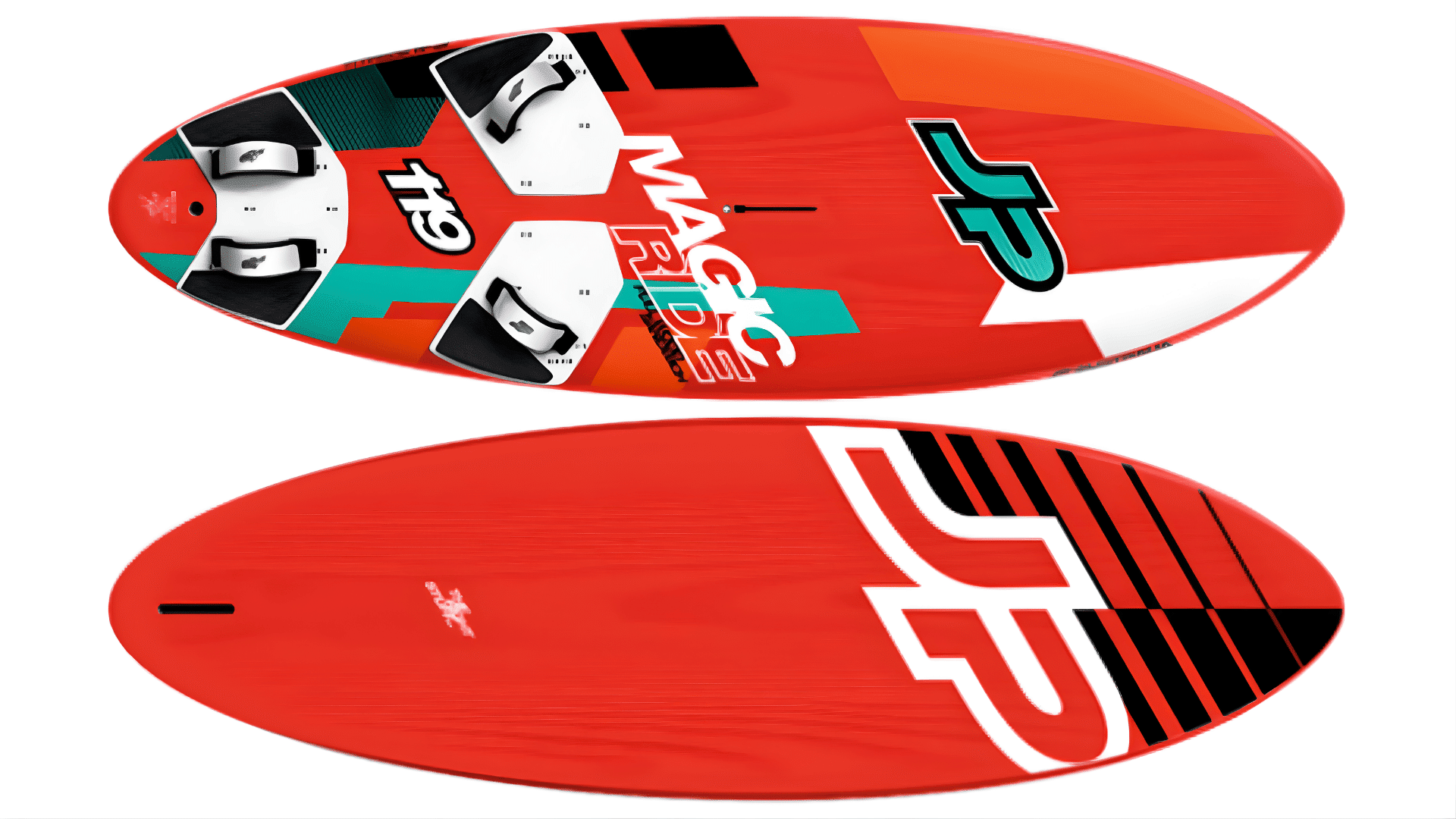
JP Australia Magic Ride is built specifically for lighter wind conditions that many sailors face regularly.
If you live somewhere without consistent strong winds, this board gets you planing when others are slogging. The shape sacrifices some high-wind performance for better light-wind capability.
I tested it extensively and appreciated the early planning characteristics. It’s perfect for locations with variable or lighter wind patterns throughout the season.
How To Choose Based On Your Weight:
If your spot is often light to medium wind, Magic Ride’s freeride focus and easy handling can help you plane sooner and keep sessions more fun. Choose liters based on your weight and your usual wind range.
Quick Decision Tip: Pick this if you want freeride comfort with turning that feels natural.
8. Tabou Rocket
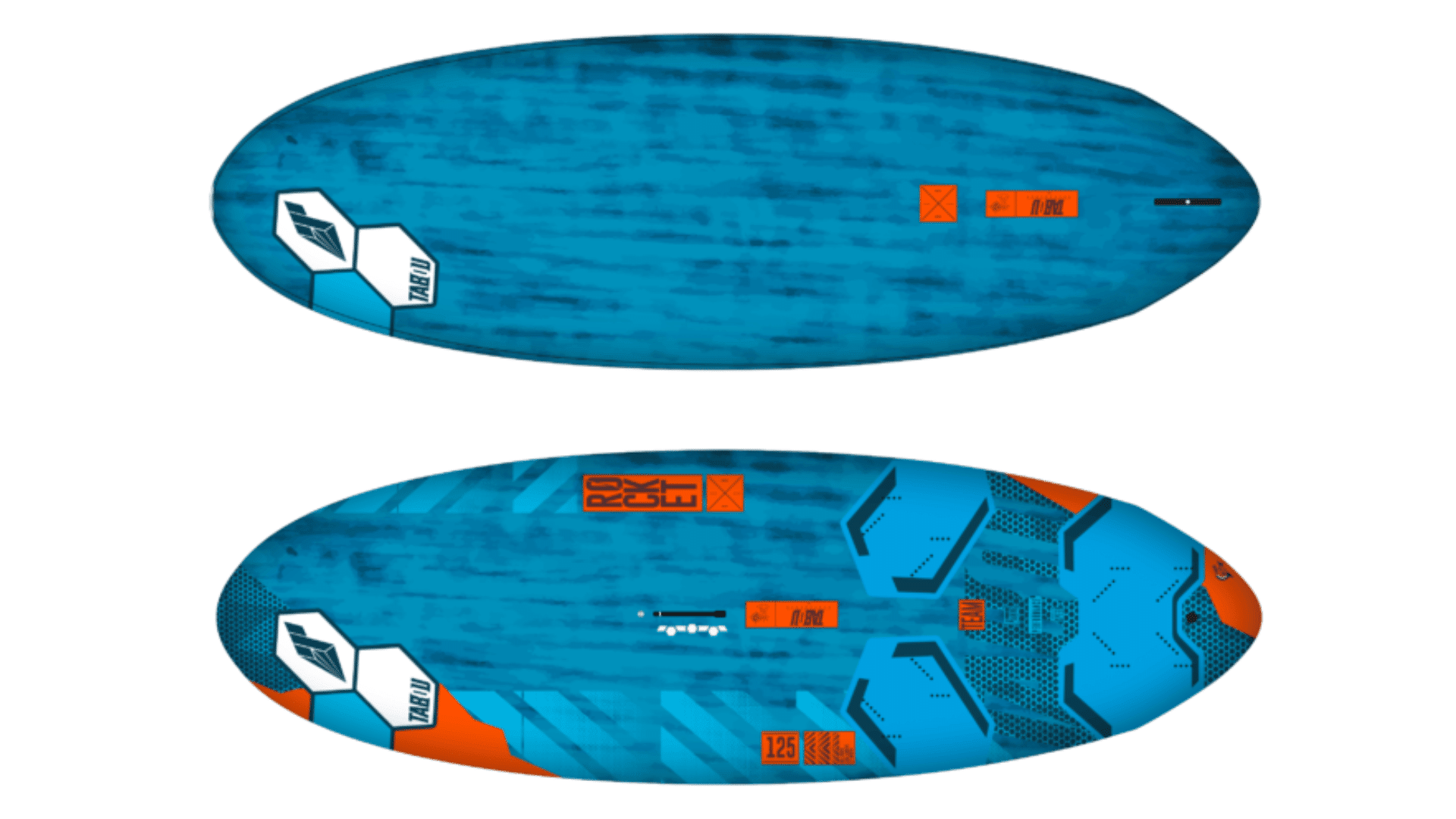
Tabou Rocket offers options across different volumes to match changing conditions and skill levels. I tested the 125-liter version and liked how it handled different sail sizes effectively.
You can use a 6.5m sail on light days or go up to 8.0m when conditions get windier. The versatility makes it a smart investment for progressing riders.
Construction quality is solid across their entire range of volumes.
How To Choose Based On Your Weight:
Rocket is a strong step once you are planning and want a board that can cover a range of sails and conditions. Pick liters based on your “daily driver” needs, then adjust for how windy your spot is.
Quick Decision Tip: Pick Rocket if you want one board that stays relevant from “first planing jibes” into faster freeride.
9. RRD Firemove
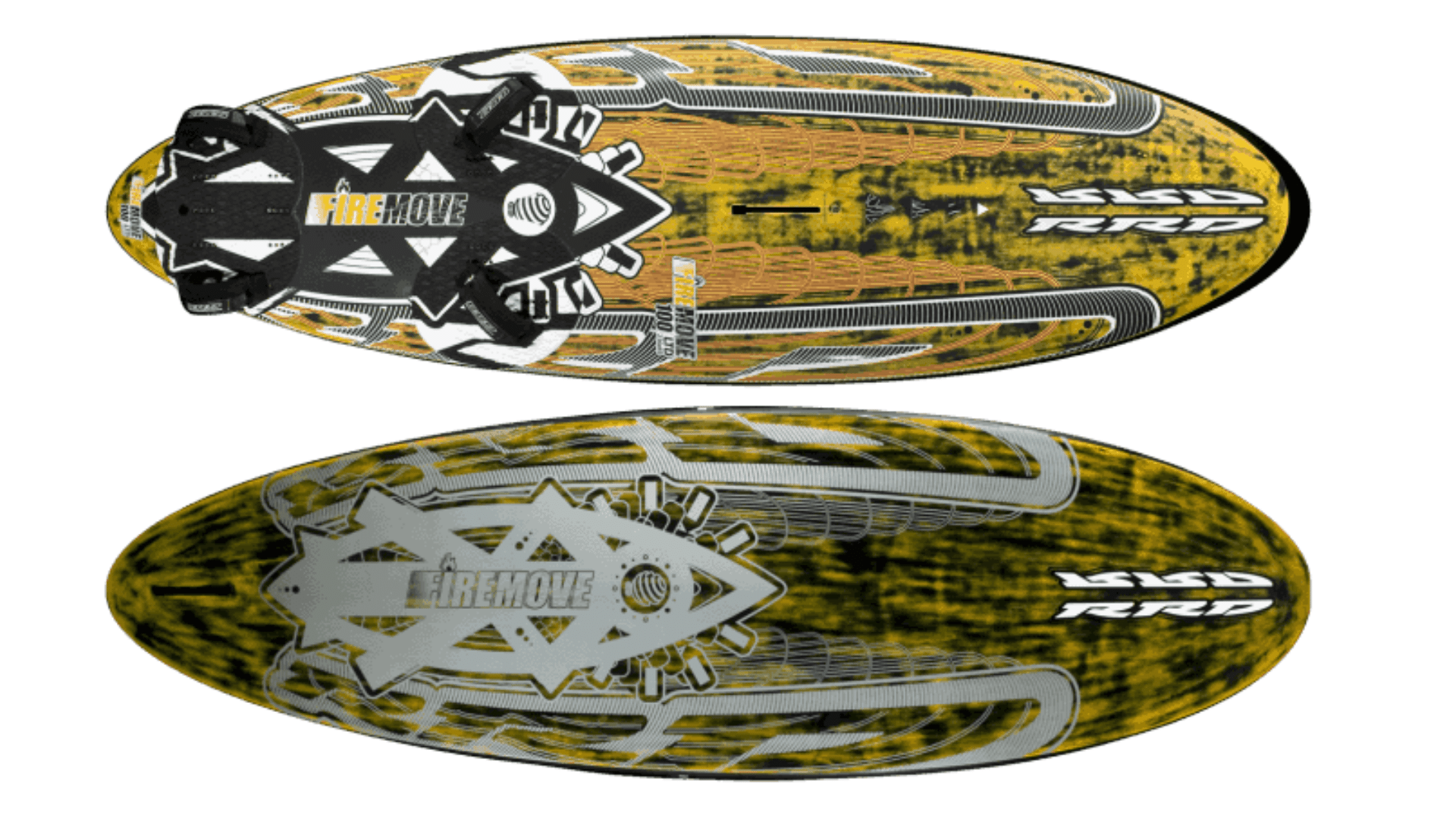
RRD Firemove is a Wide-Body Freeride board. It has no design lineage shared with freestyle boards; its primary purpose is early planing and stability for intermediate riders, not playful carving in the sense of tricks.
It feels lively and responsive without demanding the highly technical control that true freestyle boards require.
That makes it a great fit for riders who want a board that feels quick while staying practical for everyday freeride sailing.
How To Choose Based On Your Weight
Pick Firemove based on your weight and the wind strength you sail most often. More volume will feel easier and more forgiving, while less volume will feel looser and quicker.
Quick Decision Tip: Pick this if you want a compact freeride board with early planing, easy turns, and a playful feel for regular recreational sailing.
Advanced and Performance Boards
I didn’t move to performance boards until I was consistently landing jibes and sailing in strong winds. These boards demand good technique but reward you with speed and control.
Performance freeride boards typically range from 90 to 110 liters. They’re faster than intermediate boards but less forgiving. I dropped to a 98-liter board after three years of intermediate riding.
10. Starboard iSonic
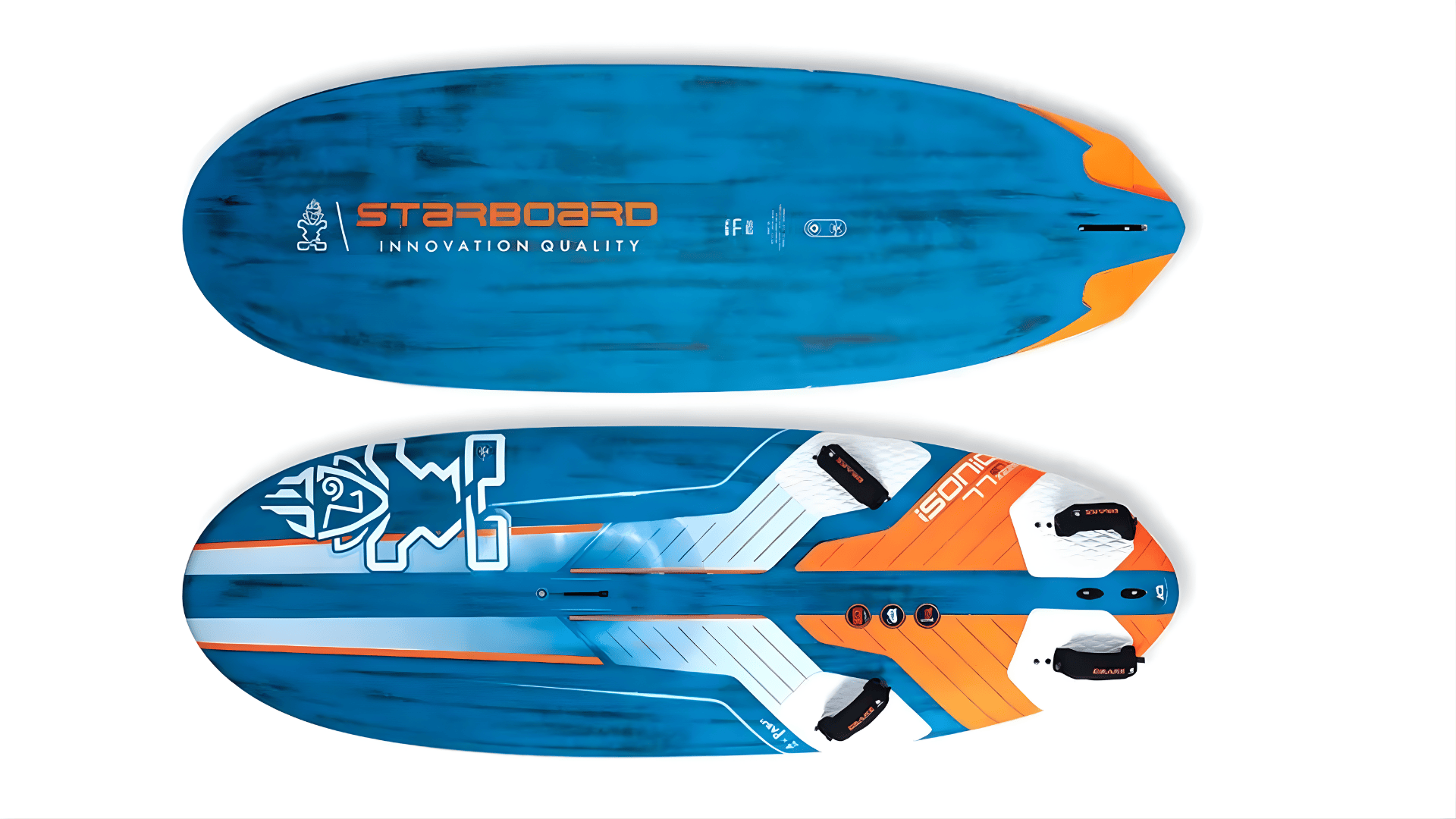
Starboard iSonic is what I ride now, and the 107-liter version planes incredibly early for its size. It handles speed well and carves nicely through turns without feeling unstable.
The carbon construction costs more, but the weight difference is noticeable when sailing. Performance is excellent across a range of wind conditions, from moderate to strong.
The board rewards good technique with responsive handling and impressive speed capabilities throughout sessions.
How To Choose Based On Your Weight:
This is not a learning board. Pick iSonic when you have strong control at speed and want slalom performance. Choose a size based on your sail quiver and wind range, then match it to the listed volume/width options.
Quick Decision Tip: Pick this only if you want speed focus and you already feel comfortable, fully powered.
11. JP Australia Freestyle Wave
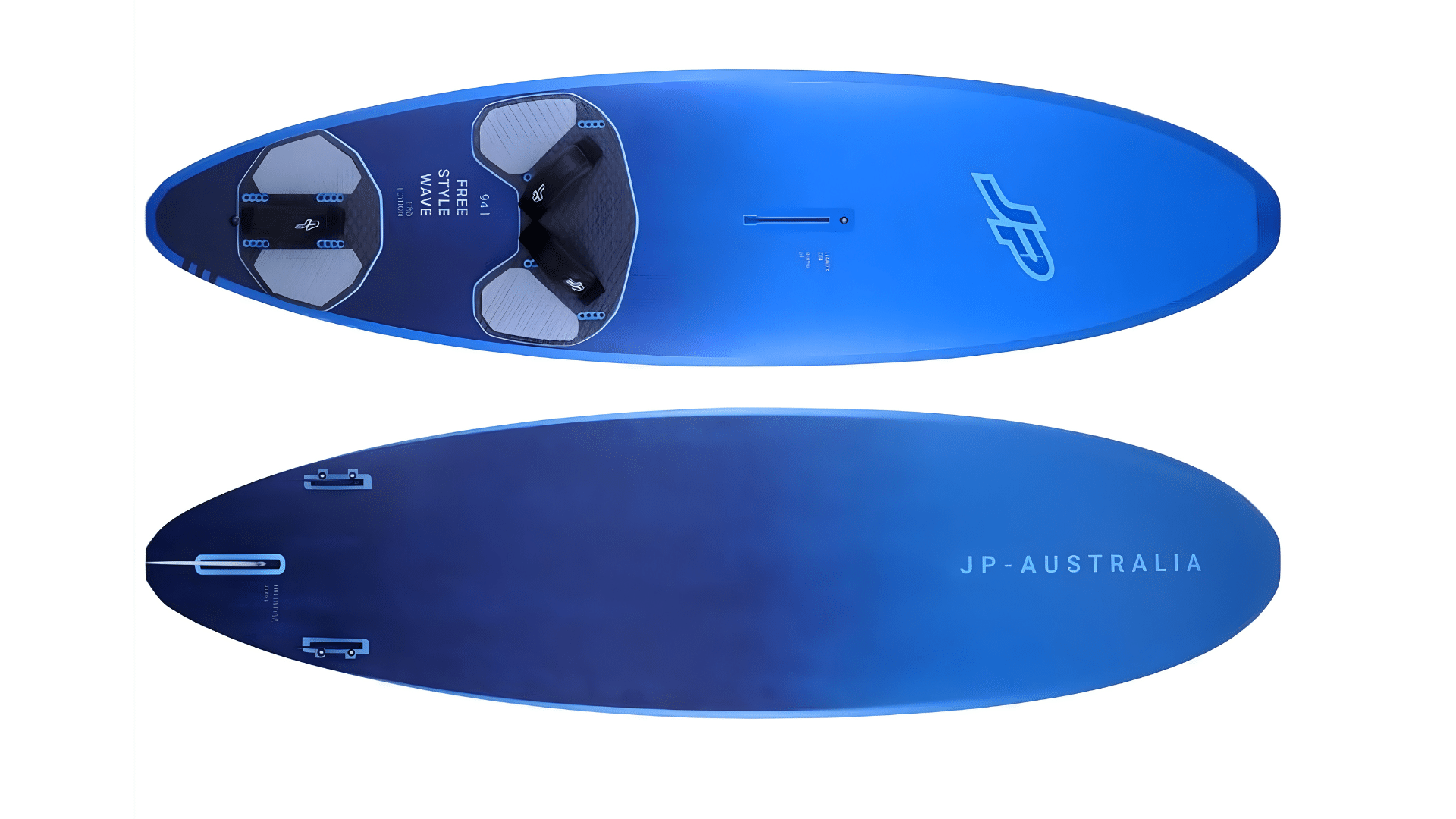
JP Australia Freestyle Wave board bridges freestyle and wave riding effectively if you want one board for both. I’ve ridden the 95-liter model in waves, and it performs better than I initially expected.
The shape handles tricks reasonably well while still maintaining wave-riding capability. It’s not perfect in either discipline, but it covers both adequately.
A good choice for sailors who want versatility without owning multiple specialized boards for different conditions.
How To Choose Based On Your Weight:
Pick liters based on your “powered-up” sailing level. Smaller liters suit strong-wind control; bigger liters suit lighter winds and easier starts. Many versions list thruster or single-fin setups depending on how you ride.
Quick Decision Tip: Pick this if you want one board that can do a bit of everything, especially if your spot changes a lot.
12. Tabou Speedster
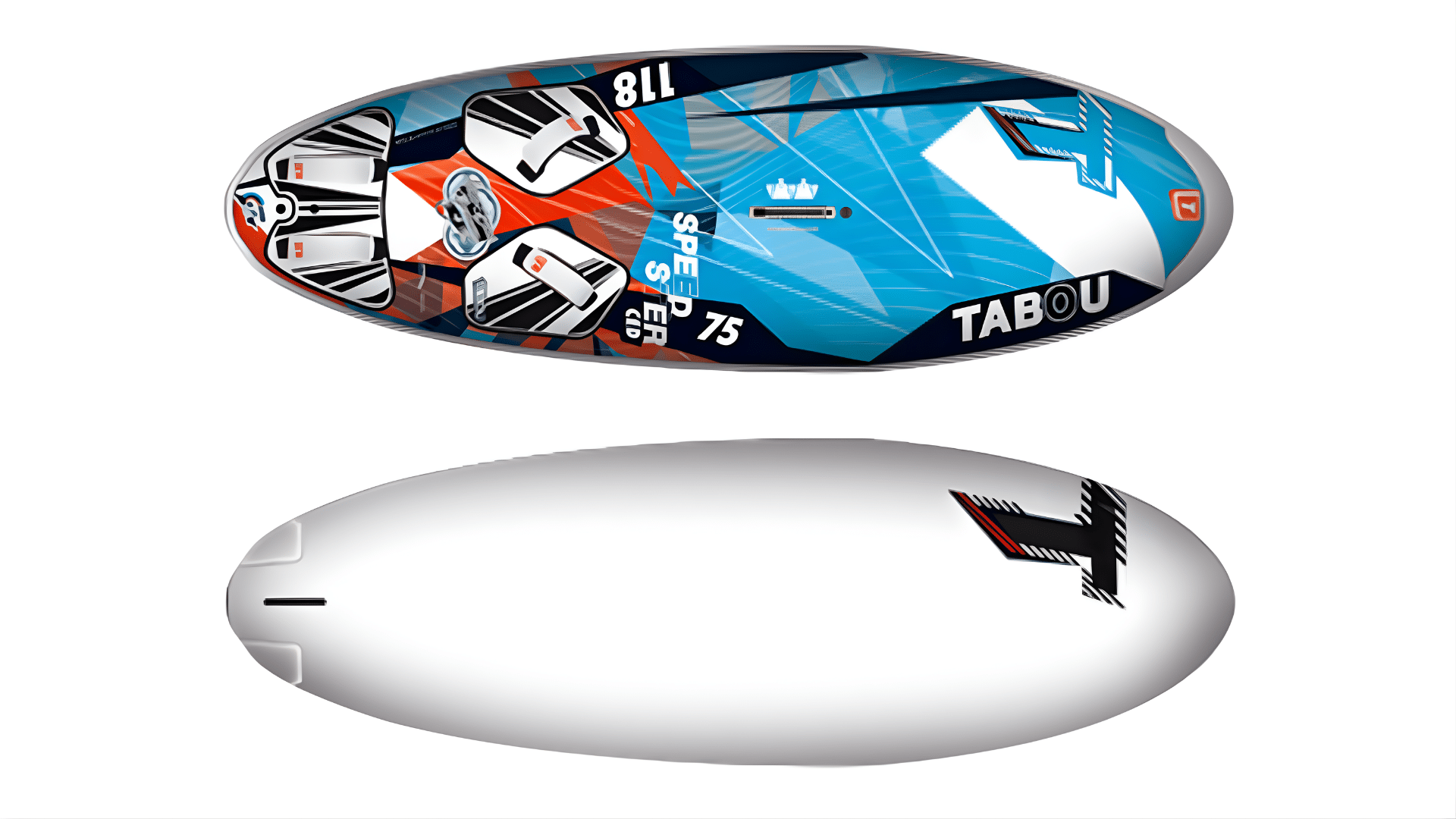
Tabou Speedsteris built specifically for Freerace/slalom racing with its long, narrow, and fast design. I’ve only demo’d these because they’re specialized for speed runs and racing, not general sailing.
The performance at high speeds is impressive, but it requires excellent technique to control it safely. Not suitable for casual sailing or mixed conditions at all.
If racing is your goal, this board delivers the speed and performance competitive sailors need.
How To Choose Based On Your Weight:
Pick this if your sessions are focused on speed and race-style sailing. Choose a size based on your sail range and wind range. If you want “one board for everything,” Rocket is usually the easier fit.
Quick Decision Tip: Pick this when speed is the goal, and you are ready to sail, powered up and in control.
Key Specifications to Compare
These are the board specs that actually change how you ride, and they make a lot more sense once you understand how the board fits with the rest of your windsurfing equipment.
| Spec | What It Changes | Quick Rule |
|---|---|---|
| Volume | Float + wind range | Too low sinks; too high feels bulky |
| Width / Tail | Stability + early planing + carving feel | Wider = more stable and earlier planing |
| Rocker | Speed vs control | More rocker = more control; less rocker = faster planing |
| Construction | Weight + durability + price | Tougher builds last longer; lighter builds feel quicker |
| Fins | Grip + speed + turning | Single fin for freeride/speed; multi-fin for waves |
| Length | Overall feel, but less than before | Width matters more than length on modern shortboards |
Start with the right volume, then balance rocker, fins, and size for your conditions and preferred riding feel.
How To Match Board To Your Needs
Choosing the right board is easier when you match it to your body, your spot, and your real goals.
- Start with your weight (volume): This decides if the board floats you comfortably. A general formula for board volume is rider weight (kg) + 30-40 kg for beginners, or rider weight (kg) + 10 kg for intermediate/light winds.
- Match your main water type: Flat water, chop, and waves all feel different. If you want one board, freeride handles the widest range of conditions.
- Look at your usual wind: Light wind favors a bigger board that planes early. Strong wind lets you ride smaller boards that feel faster and looser.
- Be realistic about skill level: Going too small too soon slows learning. If balance and uphauling are still hard, you probably need more volume.
- Choose what you want to learn: Freestyle for tricks, wave for surf, race for speed. Freeride does most things “well enough.”
- Set a budget that fits: New boards are often $800–$3,000; used boards are commonly $400–$1,500 and can be a smart first buy.
- Decide on one board or two: One board works, but two boards (one bigger, one smaller) cover far more days and feel less limiting.
Get the volume right first, then let your wind and goals choose the shape. That’s how you buy confidently.
Conclusion
Finding the right windsurfing board comes down to matching equipment to your current ability and local conditions.
Start with the right volume for your weight, pick a width that matches your balance skills, and choose a type that works where you sail.
Try demo boards when possible, talk to local sailors about what works in your area, and buy used if budget is tight. The right board makes every session more fun and helps you progress faster.
If you’re ready to buy, carefully assess your needs and choose a board that fits where you are now, not where you hope to be next year.
Ready to get on the water? Start by visiting your local windsurfing shop or checking online marketplaces for used boards in your area.
Frequently Asked Question
Can You Use The Same Windsurf Board In All Wind Conditions?
One board can cover mixed conditions, but different wind strengths usually require different sizes for better control and performance.
How Long Does A Windsurf Board Typically Last?
A windsurf board can last many years if stored properly, repaired quickly, and protected from repeated heavy impacts.
Is It Better To Buy A Used Windsurf Board Or A New One?
Used boards are great for beginners on a budget, while new boards offer lighter construction and better long-term performance.
Do Windsurf Boards Come With Fins, Or Do You Need To Buy Them Separately?
Most beginner and freeride boards include fins, but advanced boards sometimes require separate fins for tuning performance.