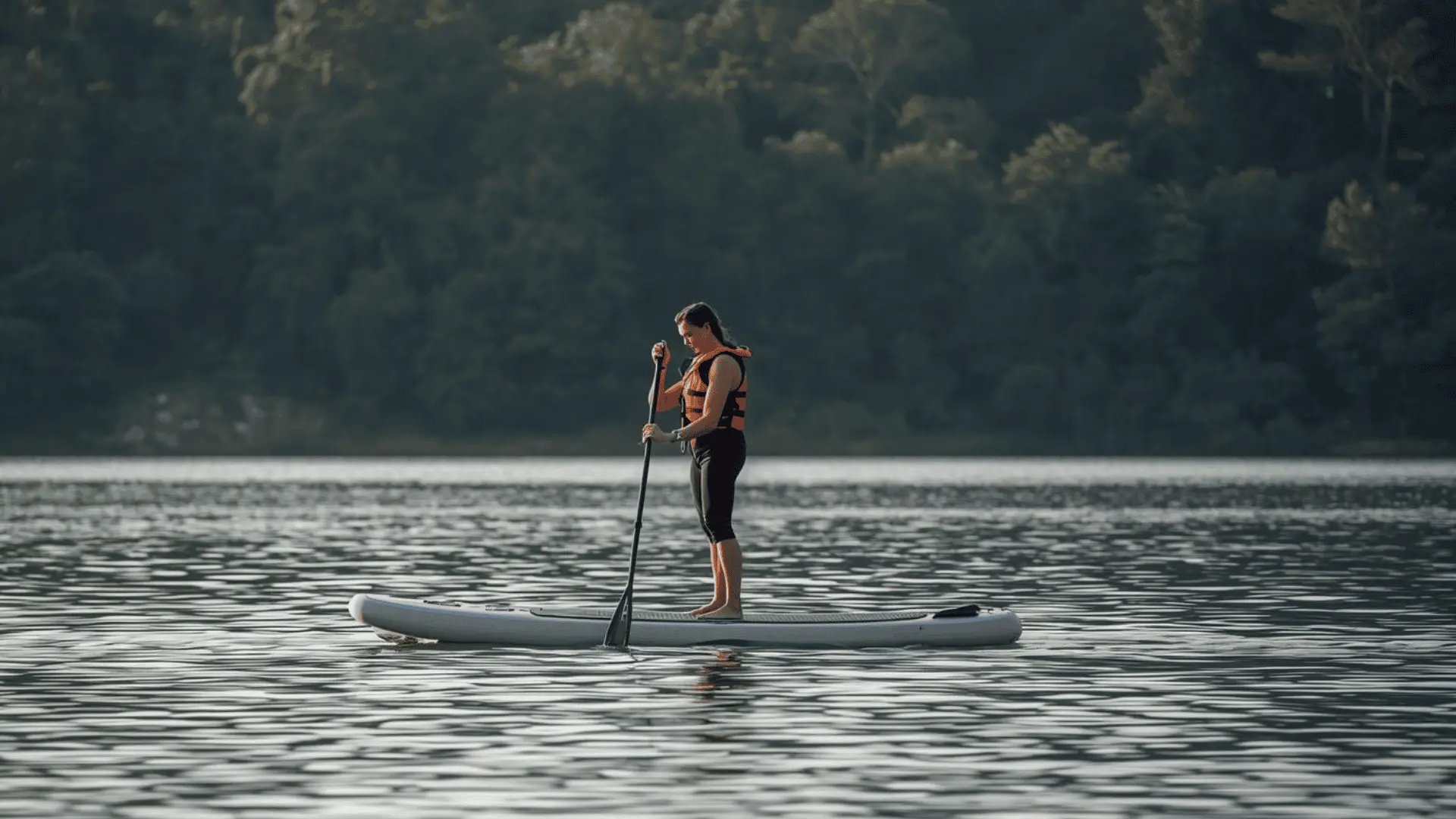
The first time on a paddleboard, most people fall in. That is completely normal. What is not normal is struggling because the board was the wrong choice from the start.
The right board makes a real difference, especially for beginners. Stand-up paddleboarding is one of the easiest water sports to pick up. It works on lakes, rivers, and calm coastal water.
And it does not require much gear or experience to enjoy. Every section below breaks down what to look for in the best stand-up paddleboard for beginners.
From key specs to common mistakes, each part helps make a smarter, more confident buying decision. No fluff. Just the information needed to get on the water and stay there.
Why Choosing the Right Paddle Board Matters
Most new paddlers share the same worry: “Can I actually stay standing on this thing?” The answer depends a lot on your board.
The wrong one makes balancing harder than it needs to be. The right beginner paddle board gives you a stable base so you can focus on paddling, not falling.
That’s why most beginners go with an inflatable. The best paddle boards in the inflatable category are easy to store, simple to transport, and hold up well against rocks and rough edges.
They also cost less than hard boards without giving up much performance. When it comes to finding the best stand-up paddleboard as a beginner, inflatable options are usually the smartest starting point.
What Makes a Great Beginner Paddle Board?
Not all boards are built the same. Knowing what to look for helps you pick the best stand-up paddleboard for your skill level and avoid wasting money on the wrong one.
- Board Size & Dimensions: Look for a board that is 10’–11′ long, 32″–34″ wide, and 6″ thick for the best stability.
- Board Type: All-around SUPs are the best beginner paddleboard option, working well on lakes, rivers, and calm coastal water.
- Construction Quality: Choose dual-layer PVC with a drop-stitch core and heat-welded rails; avoid cheap single-layer boards from big-box stores.
- Weight Capacity: Always pick a board rated 20–30 lbs above your body weight plus gear to maintain stability and control.
- Included Accessories: The best paddle boards come with a paddle, leash, hand or electric pump, and a carry bag.
- Stability: A wider deck and lower center of gravity make it much easier to stay balanced, especially during your first few sessions on the water.
Keeping these factors in mind before buying helps you avoid costly mistakes. A board that fits your size, skill level, and budget will always perform better from the start.
The Best Stand Up Paddle Boards for Beginners
These boards are solid picks for anyone starting out. Each one offers a good mix of stability, build quality, and value for beginner paddleboard buyers.
1. Thurso Waterwalker 132
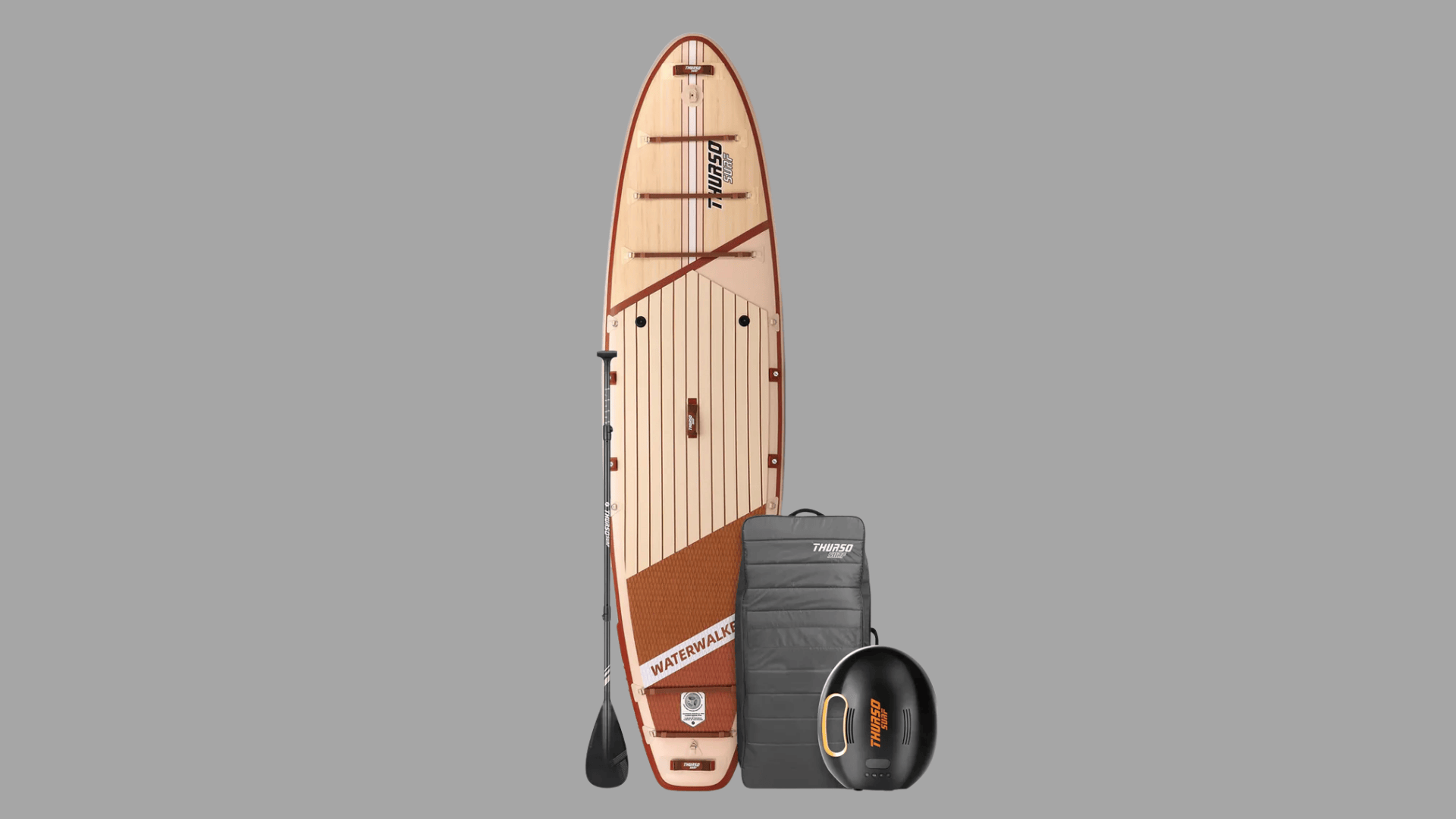
The Thurso Waterwalker 132 is a well-built, all-around board with a wide deck, strong dual-layer construction, and a full accessory kit, suited for calm lakes and coastal waters.
- Key Specs: The Waterwalker 132 is 11 feet long and 33 inches wide with a 6-inch thickness and a 330-pound weight capacity. It comes with a full accessory kit included.
- Best For: Beginners who want a reliable all-around board right out of the box.
- Pros: Wide and stable, strong dual-layer build, great accessories included.
- Cons: Heavier than some boards in its price range.
- Price Range: $500–$600
2. Bote Wulf Aero
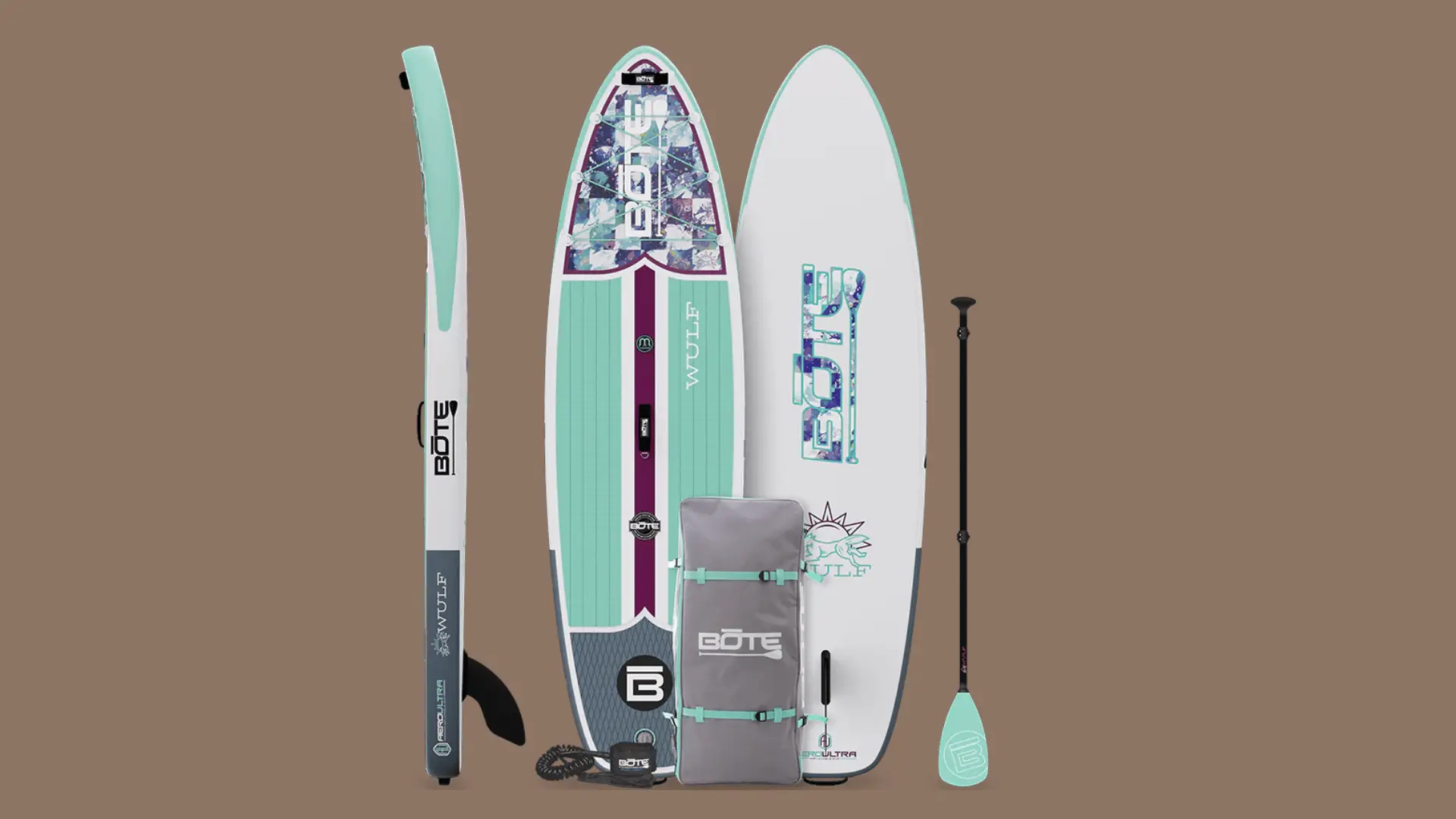
The Bote Wulf Aero is a wide, stable board built for paddlers who want a steady platform on flat or slow-moving water, with solid construction and a comfortable deck pad.
- Key Specs: The Wulf Aero measures 10’6″ in length and 34 inches wide with a 6-inch thickness and a 300-pound weight capacity. It is available in multiple size options.
- Best For: Paddlers who want extra stability on flat water or slow-moving rivers.
- Pros: Very wide platform, solid construction, versatile for different water types.
- Cons: Higher price point compared to other beginner paddleboard options.
- Price Range: $700–$900
3. Isle Pioneer 3
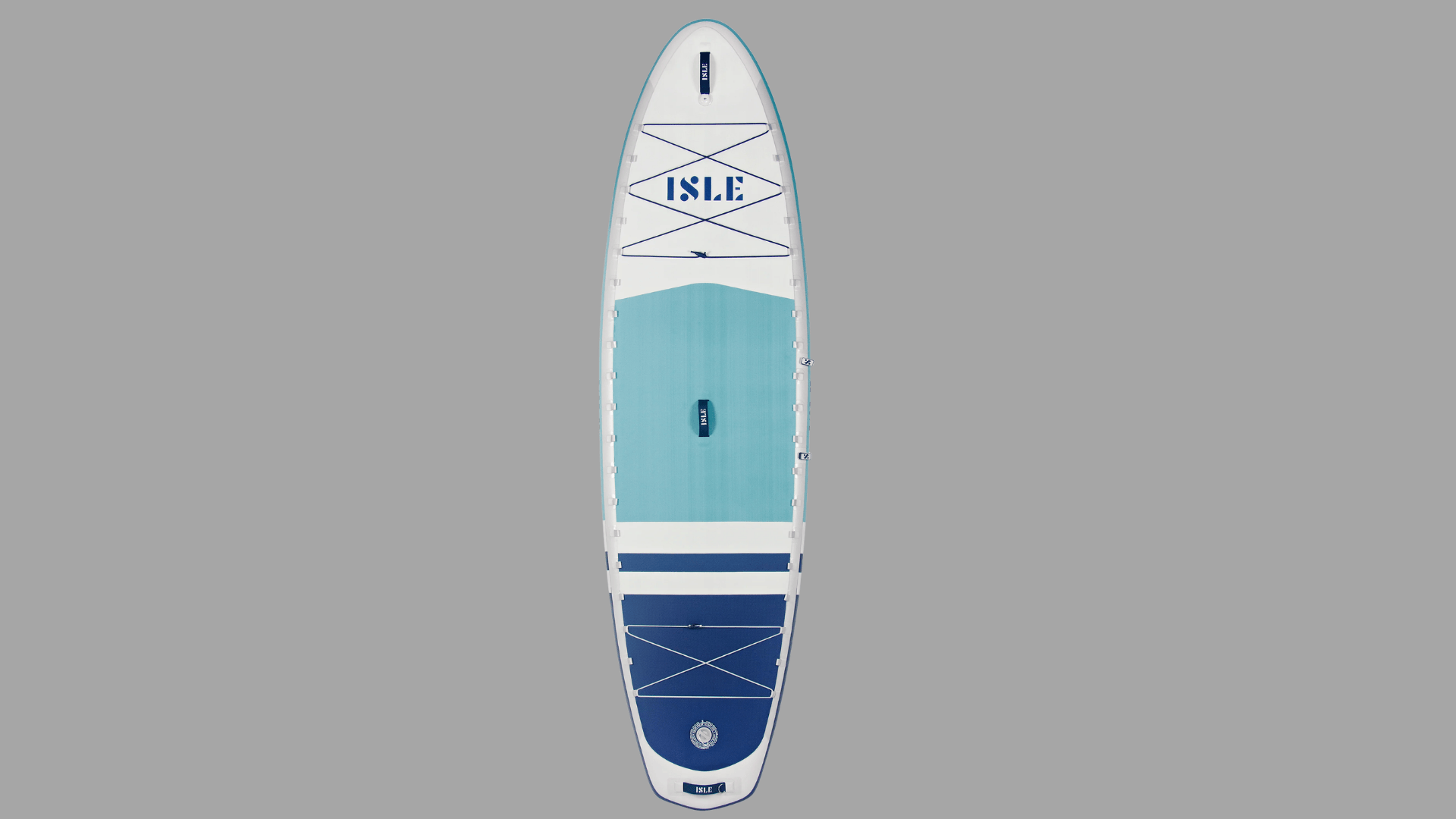
The Isle Pioneer 3 is a solid all-around board that comes with a full gear bundle, making it a practical choice for beginners who want to get on the water right away.
Key Specs: The Pioneer 3 is 10’5″ long and 32 inches wide with a 6-inch thickness and a 275-pound weight capacity. It includes a full accessory bundle at purchase.
Best For: Beginners who want everything included without buying gear separately.
Pros: Good kit value, stable ride, well-reviewed customer support.
Cons: Board performance is average compared to higher-priced models.
Price Range: $500–$650
4. Retrospec Weekender Plus
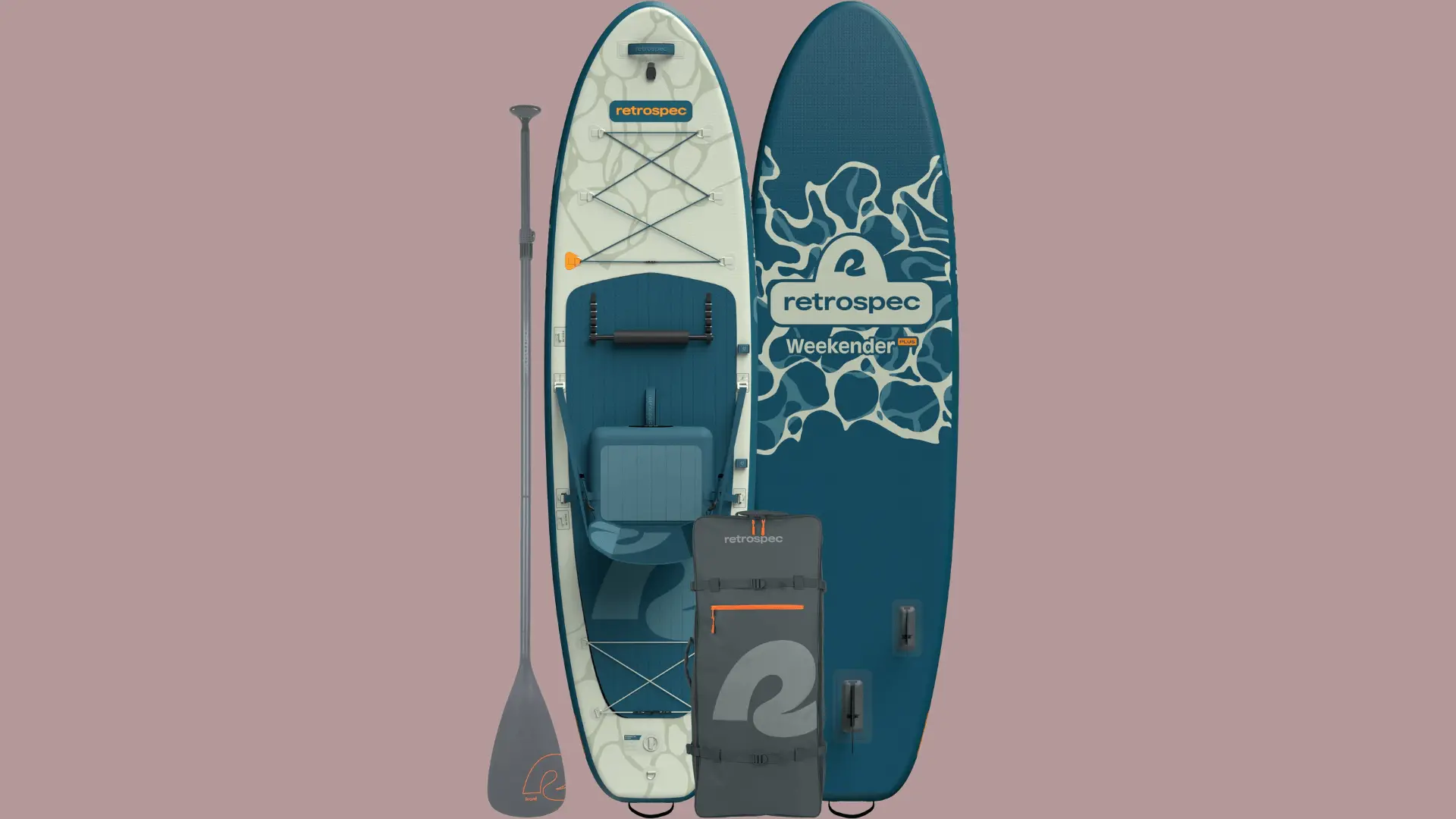
The Retrospec Weekender Plus is a simple, no-frills board built for casual paddlers. It offers decent stability and easy handling at one of the lowest price points on this list.
- Key Specs: The Weekender Plus is 10 feet long, 33 inches wide, 6 inches thick, and 250 pounds. It comes with a basic starter kit.
- Best For: Casual paddlers on a tight budget who paddle occasionally.
- Pros: Low price, decent stability, easy to store and carry.
- Cons: Single-layer construction limits long-term durability.
- Price Range: $200–$350
5. GILI Air
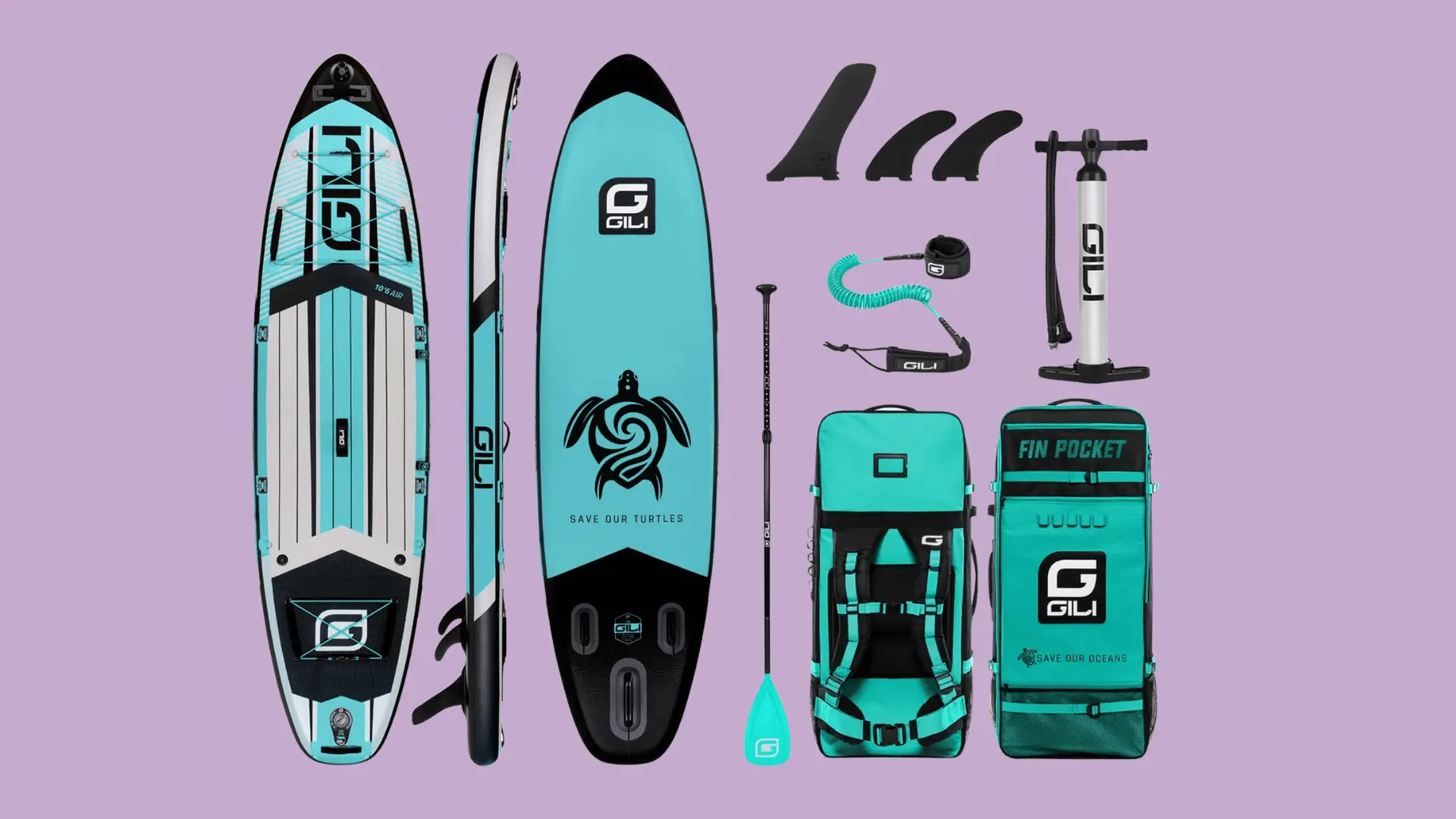
The GILI Air is a dependable mid-range board with a firm feel, stable ride, and a complete kit included. It holds up well on calm water and offers good value under $500.
- Key Specs: The GILI Air is 10’6″ long and 32 inches wide with a 6-inch thickness and a 265-pound weight capacity. A full kit is included with every purchase.
- Best For: Beginners who want good quality without going over a $500 budget.
- Pros: Solid build for the price, stable on calm water, good warranty.
- Cons: Stiffness is slightly less than that of premium boards at full inflation.
- Price Range: $400–$500
6. Red Paddle Co. MSL Ride
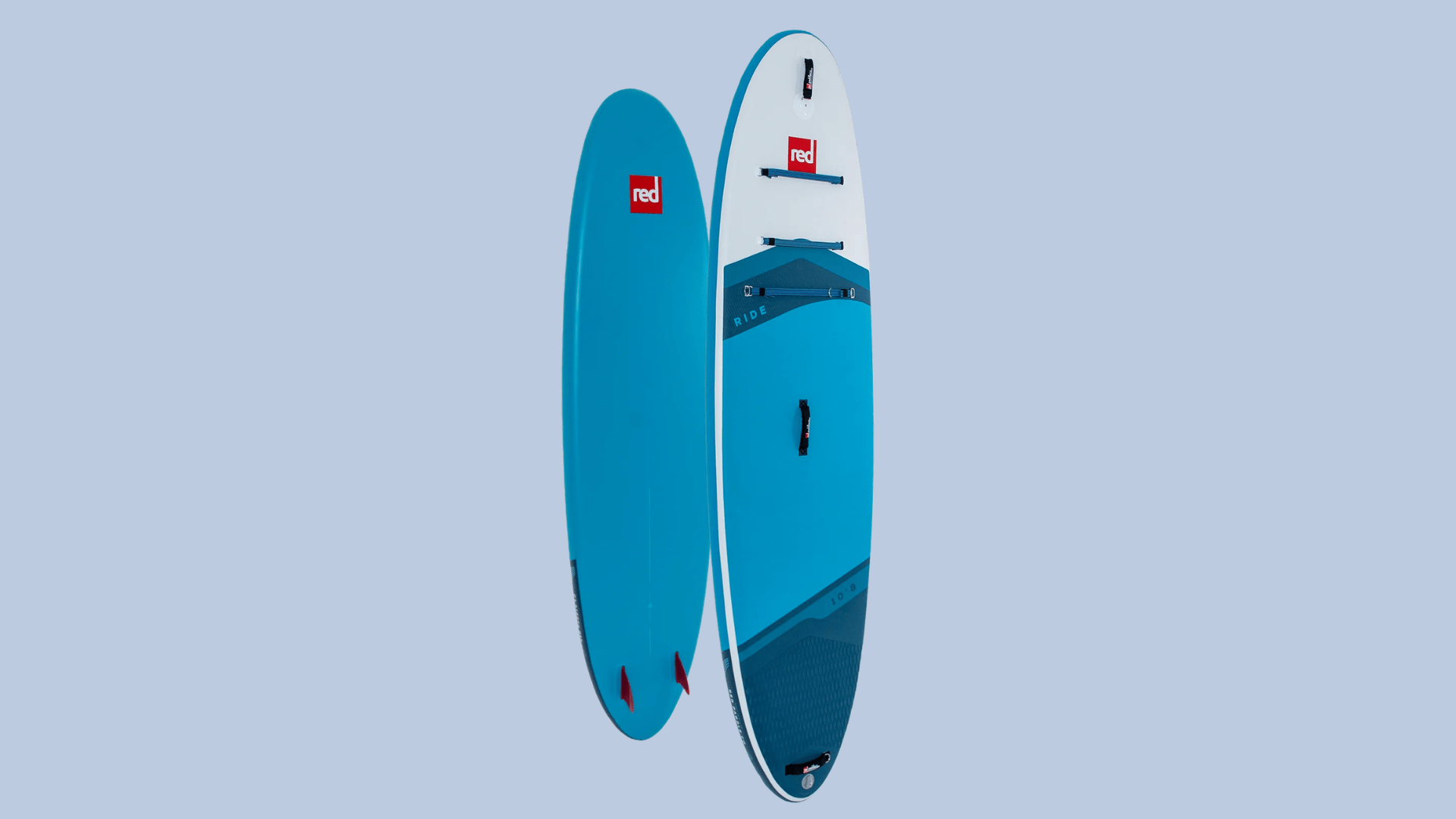
The Red Paddle Co. MSL Ride uses high-end MSL construction to create a lightweight, rigid board that performs closer to a hard SUP than most inflatables at any price point.
- Key Specs: The MSL Ride is 10’6″ long and 32 inches wide with a 4.7-inch thickness and a 220-pound weight capacity. It is built with Red Paddle Co.’s signature MSL technology.
- Best For: Beginners who plan to paddle often and want a board that lasts for years.
- Pros: Top-tier construction, lightweight, performs close to a hard board.
- Cons: High price makes it a bigger commitment for casual beginners.
- Price Range: $900–$1,100
7. Glide Wander 10’6
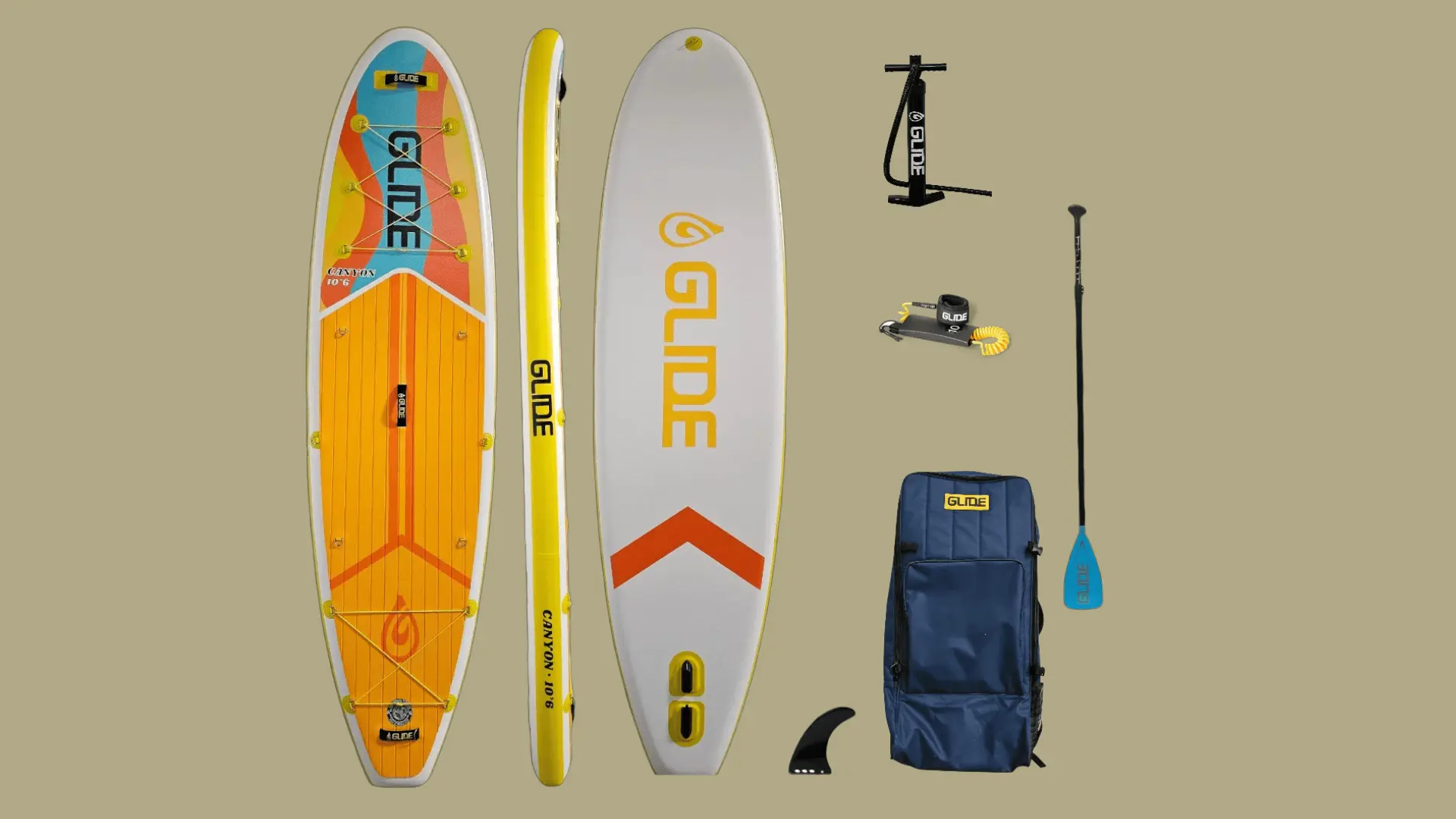
The Glide Wander 10’6 is a sturdy, high-capacity board with a wide stance and durable build. It offers more stability and weight support than most boards in its price range.
- Key Specs: The Wander 10’6 is 10’6″ long and 33.5 inches wide with a 6-inch thickness and a 350-pound weight capacity. It comes with a full accessory kit included.
- Best For: Beginners who want better-than-average quality without a premium price tag.
- Pros: High weight capacity, durable build, great stability for the price.
- Cons: Brand is less well-known than others on this best stand-up paddle board list.
- Price Range: $400–$550
8. iROCKER Cruiser
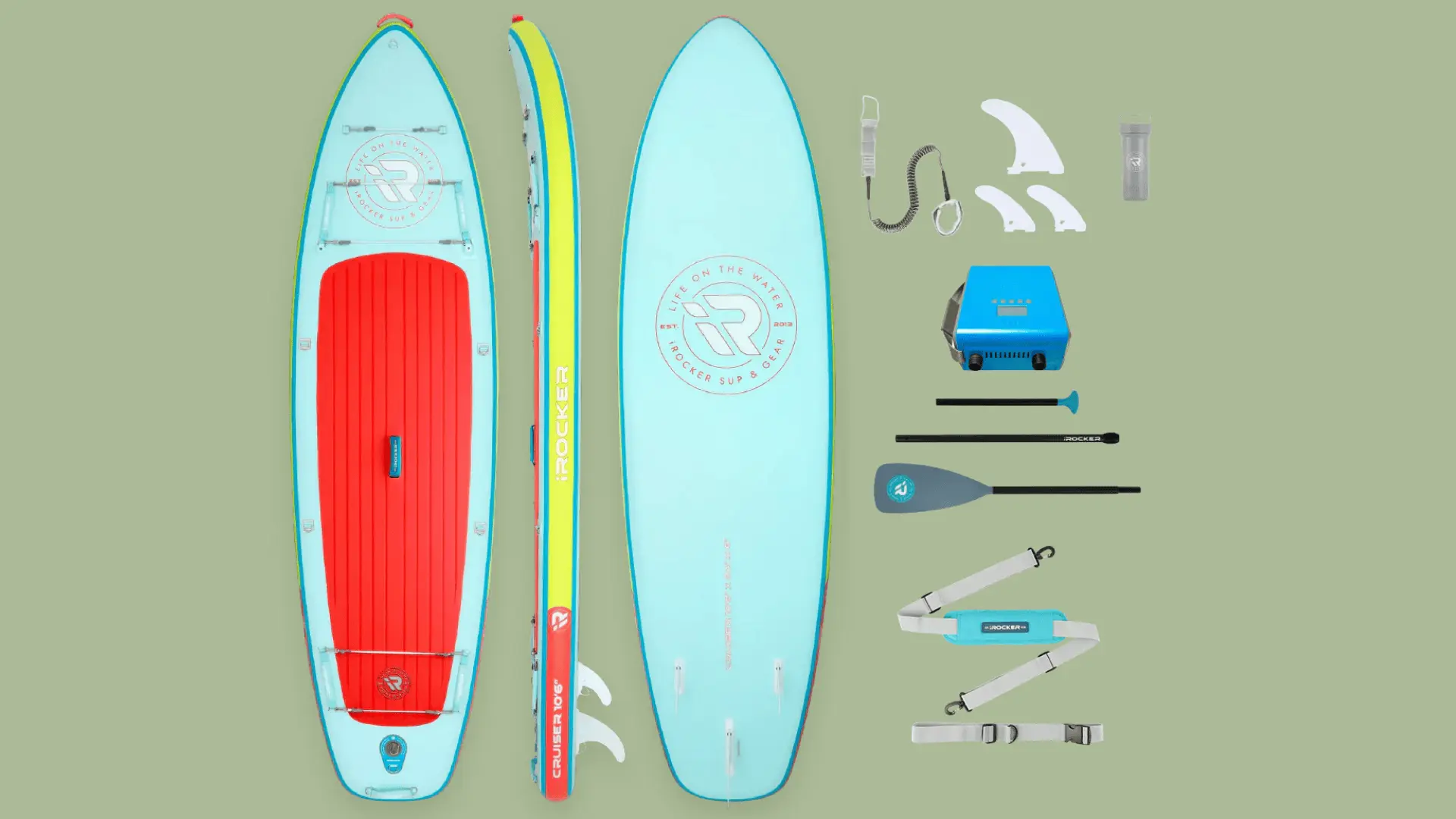
The iROCKER Cruiser is a thick, wide board built to handle more weight without losing stability. It is a strong pick for paddlers who need a higher capacity beginner paddleboard.
- Key Specs: The Cruiser is 10’6″ long and 33 inches wide with a 6-inch thickness and a 400-pound weight capacity. It includes a full accessory kit with purchase.
- Best For: Heavier paddlers or those who want extra capacity for gear and pets.
- Pros: High weight limit, stable ride, durable triple-layer construction.
- Cons: Heavier than most inflatables, which makes it a bit more work to carry.
- Price Range: $600–$750
9. Atoll 11′ iSUP
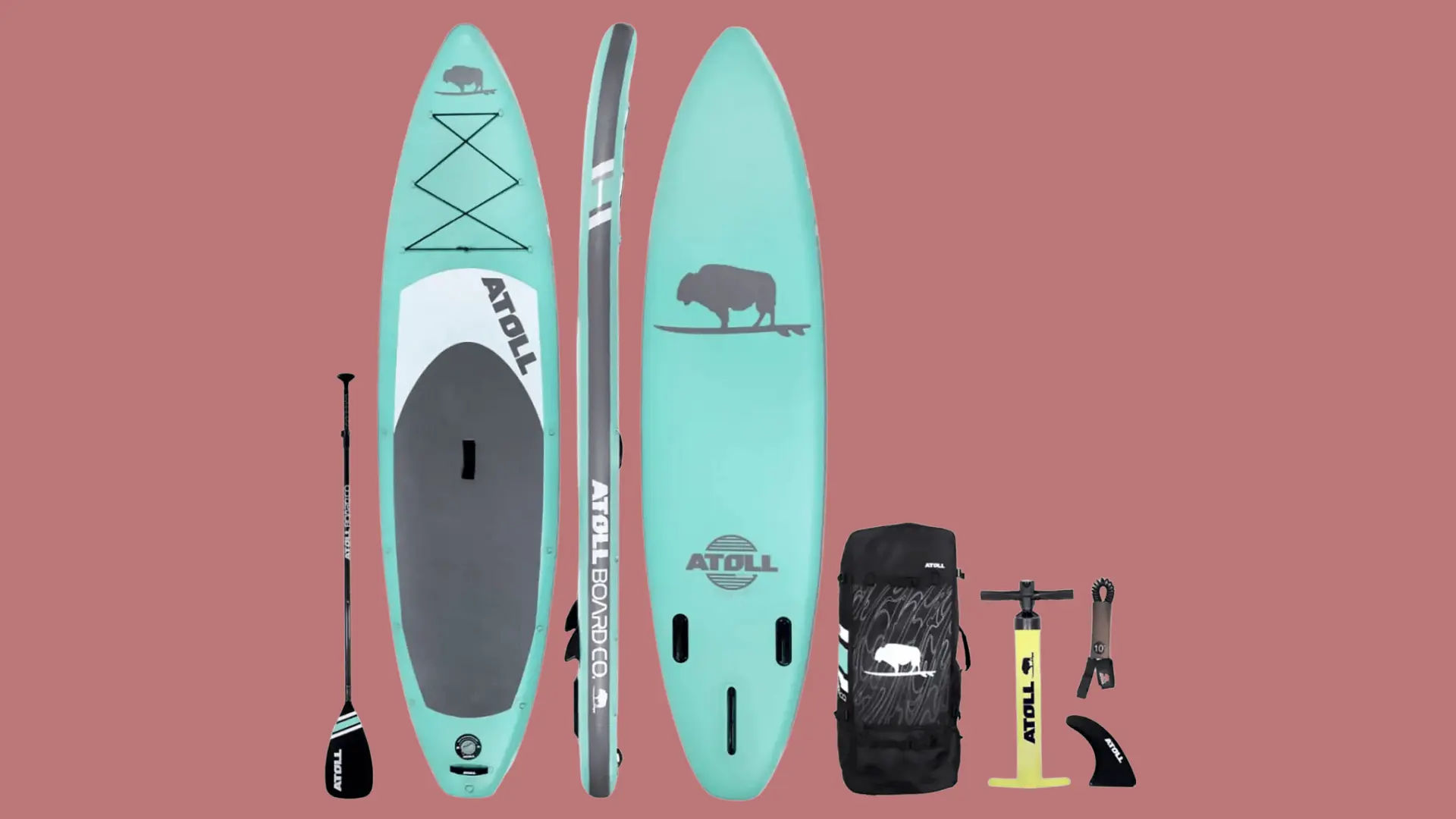
The Atoll 11′ is a long, stable board that gives taller paddlers more room to stand comfortably. Its rigid construction and full kit make it a well-rounded option for new riders.
- Key Specs: The Atoll 11′ is 11 feet long and 32 inches wide with a 6-inch thickness and a 325-pound weight capacity. It comes with a full kit at purchase.
- Best For: Taller beginners who need more deck length for a comfortable stance.
- Pros: Stiff and stable, good glide for the price, solid kit included.
- Cons: Longer length can feel harder to maneuver in tight spaces.
- Price Range: $700–$850
10. Bluefin Cruise
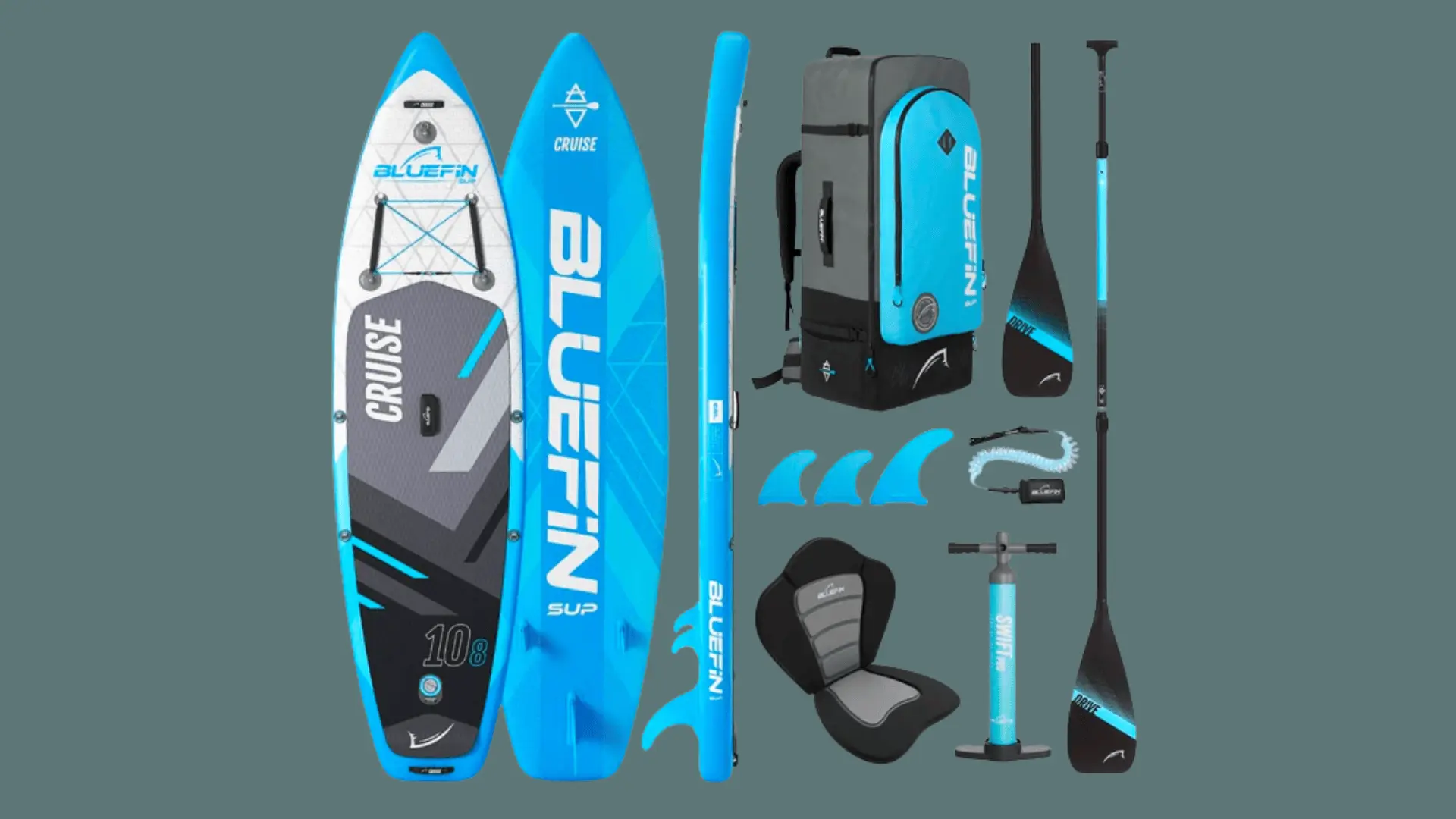
The Bluefin Cruise is a wide, stable board with a high weight limit, making it a practical choice for families or paddlers who bring along a child or small pet.
- Key Specs: The Cruise is 10’8″ long and 32 inches wide with a 6-inch thickness and a 308-pound weight capacity. It includes a full accessory kit and a two-year warranty.
- Best For: Families, beginners who paddle with kids, or those who want long warranty coverage.
- Pros: High capacity, durable build, strong warranty support.
- Cons: Slightly heavier than comparable boards, which adds to setup time.
- Price Range: $550–$700
11. Tower Adventurer 2
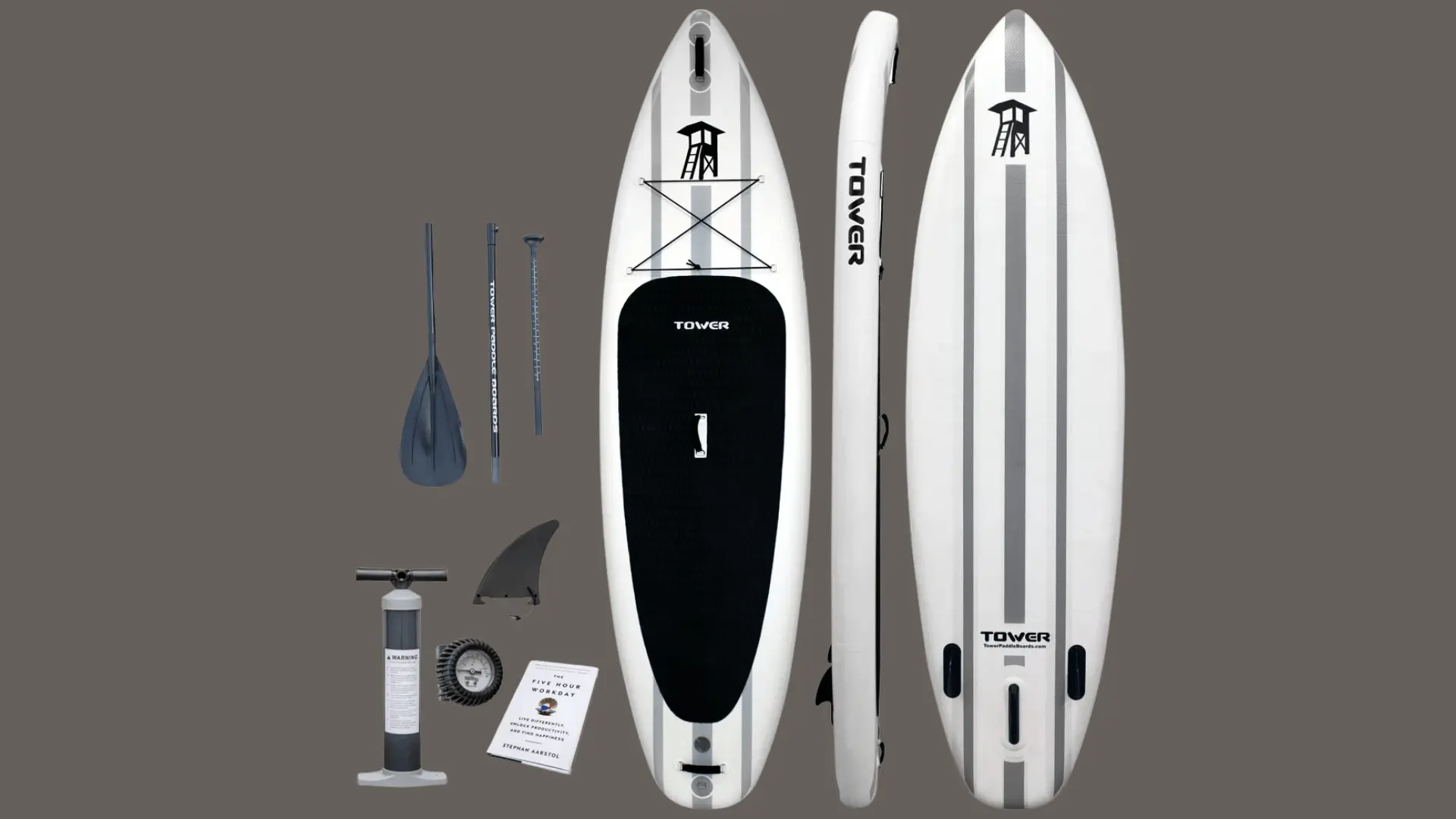
The Tower Adventurer 2 is a lightweight inflatable board that is easy to carry and set up. It is a solid choice for beginners who want a no-fuss board for calm water paddling.
- Key Specs: The Adventurer 2 is 10’4″ long and 32 inches wide with a 6-inch thickness and a 350-pound weight capacity. It includes a paddle, pump, and carry bag.
- Best For: Beginners who want a lightweight board that is easy to transport and store.
- Pros: Light, easy to set up, good weight capacity for its size.
- Cons: Fewer accessories included compared to other boards at a similar price.
- Price Range: $500–$650
Each board on this list suits a different budget and paddling style. Pick the one that matches your needs, and you will have a solid foundation to build on.
How to Choose the Right Paddle Board
Picking the right board does not have to be complicated. These key factors help narrow down the best stand-up paddleboard for your body, budget, and water conditions.
- Think About Where You Will Paddle: Calm lakes and rivers call for a wide, stable all-around board, not a narrow touring or specialty SUP.
- Match the Board to Your Body Weight: Always check weight capacity first. A board that sits too low in the water is harder to control and balance.
- Choose Width for Stability: A beginner paddle board that is 32 to 34 inches wide gives you the most stable platform when starting out on the water.
- Pick the Right Length: Boards between 10 and 11 feet track well on flat water and are easy to control for most beginner paddleboard riders.
- Set a Realistic Budget: The best paddle boards for beginners range from $400 to $700. Spending less often means giving up build quality and useful accessories.
- Look for a Complete Kit: A board that includes a paddle, leash, pump, and bag saves money and gets you on the water without extra shopping.
- Go Inflatable First: Inflatable boards are easier to store, carry, and transport, making them the most practical starting point for most new paddlers.
Taking a little time to think through these factors before buying saves money and frustration later. The right fit makes every session on the water more comfortable and controlled.
Inflatable Vs Hard Paddle Boards
Choosing between inflatable and hard paddle boards mostly depends on how you’ll carry, store, and use the board. Here are quick differences to compare.
| Basis | Inflatable Paddle Board (iSUP) | Hard Paddle Board (Solid) |
|---|---|---|
| Portability | Deflates into a backpack; easy to carry in small cars and travel | Bulky; often needs roof racks or a larger vehicle |
| Storage Space | Stores in a closet, trunk, or under a bed | Needs a garage, wall rack, or dedicated storage space |
| Setup Time | Requires inflation and fin setup (usually 5–15 minutes) | Ready instantly (grab and go) |
| Speed And Glide | Usually slower glide, especially over long distances | Typically faster and smoother glide |
| Comfort | A softer deck is more comfortable for kneeling, yoga, kids, and pets | More rigid surface; comfort depends on deck pad quality |
| Durability Against Dings | Handles bumps on rocks/docks well; less likely to dent | Can get dings, chips, and cracks from impacts |
| Puncture/Leak Risk | Possible punctures, seam/valve leaks (repairable with patch kits) | No air to leak, but cracks can be costly to repair |
| Price And Value | Often sold as kits; hard boards are often board-only | Board-only pricing can be higher; accessories are often extra |
For most beginners, an inflatable is the smarter starting point. It is easier to store, carry, and use without sacrificing much in terms of stability or overall performance.
Common Beginner Mistakes when Choosing a Paddle Board
Picking the wrong board is one of the most common reasons beginners give up early. Here are the mistakes to avoid before you spend a single dollar.
- Choosing a Board that Is Too Narrow: Narrow boards tip easily, making balancing much harder than it needs to be for new paddlers.
- Ignoring Weight Capacity: A board rated too low for your weight sits deep in the water, becoming unstable and slow.
- Buying the Cheapest Option Available: Budget single-layer boards from big-box stores often flex underfoot and wear out after one season.
- Skipping the Accessory Check: Not all beginner paddleboard kits include a leash or quality pump, so always check what is in the box.
- Choosing a Touring Board Too Soon: Touring SUPs are longer and narrower, which makes them a poor fit before you build basic balance skills.
- Not Checking the Return Policy: The best stand-up paddle board for you may not feel right on the water, so always buy from a brand with a fair return policy.
Avoiding these mistakes puts you ahead before you even hit the water. A little research upfront leads to a better board, a better experience, and fewer wasted dollars.
Essential Gear for Beginner Paddle Boarders
Having the right gear and accessories makes your first few sessions safer and more comfortable. These are the items every beginner paddleboarder should have before hitting the water.
| Essential Gear | Why You Need It |
|---|---|
| Paddle | Helps you move and steer with control. |
| Leash | Keeps your board close after a fall. |
| PFD | Helps you stay afloat and follow local rules. |
| Pump | Inflate your board to the right firmness. |
| Fins | Helps you track straight and turn better. |
| Carry bag | Makes transport and storage easier. |
| Repair kit | Fixes small leaks fast on inflatables. |
| Dry bag | Keeps keys, snacks, and clothes dry. |
| Phone dry case | Lets you call for help if needed. |
| Water bottle | Helps you stay hydrated on longer paddles. |
Having the right gear from the start keeps you safer and more prepared on the water. Most of these items are low-cost but make a real difference every session.
Tips for Getting Started on Your New Paddle Board
Getting on the water for the first time feels easier when you know the basics. These simple tips will help you build confidence faster on your beginner paddleboard.
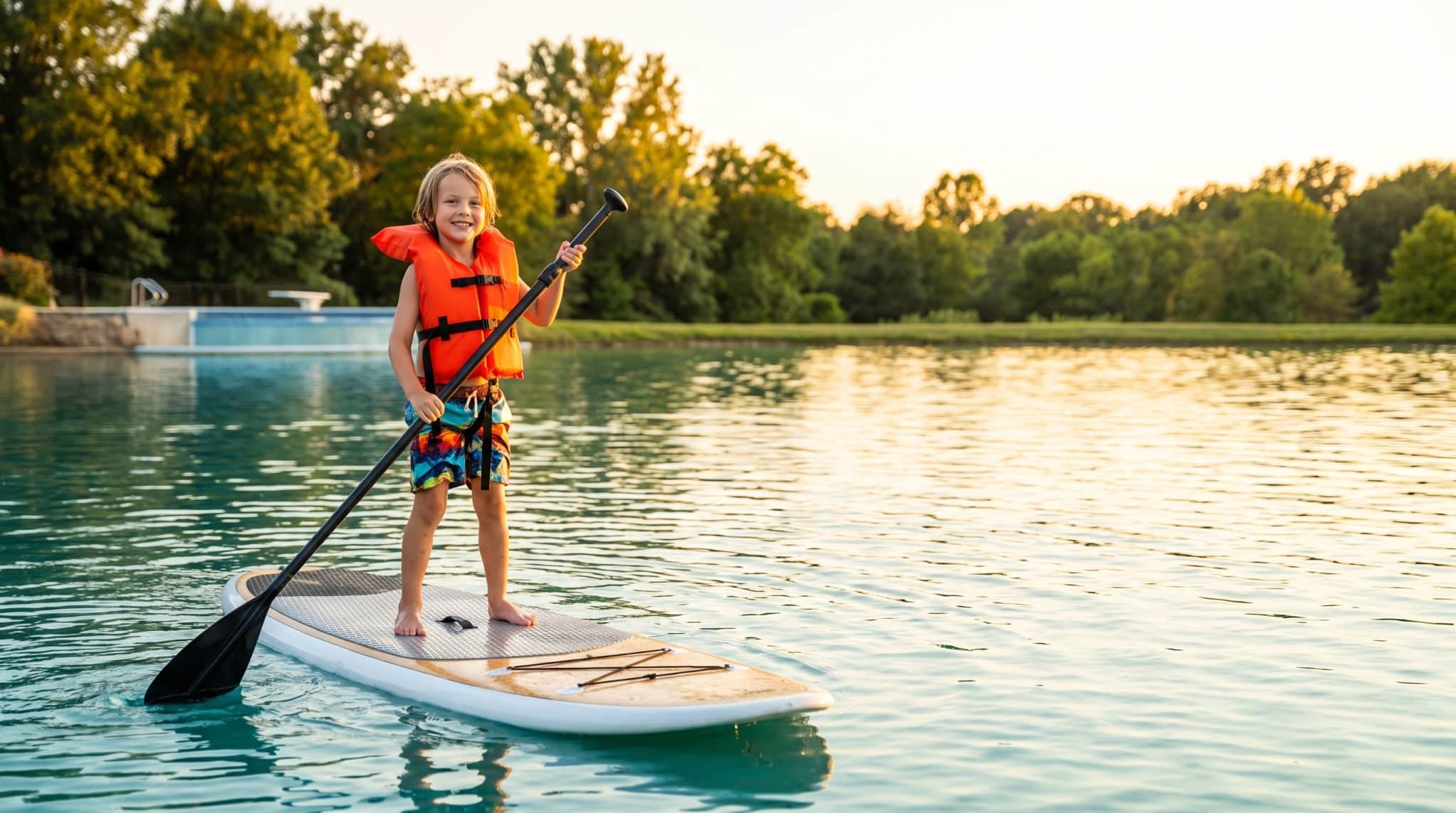
- Start on Calm, Flat Water: Lakes and slow rivers give you the best conditions to find your balance without dealing with wind or waves.
- Begin on Your Knees: Kneeling first helps you get a feel for the board before trying to stand, which lowers your chances of falling in.
- Check Your Paddle Height: Your paddle should reach about 6 to 8 inches above your head for the most control and least strain on your arms.
- Keep Your Eyes Forward: Looking down at your feet throws off your balance. Fix your gaze on the horizon to stay steady and upright.
- Always Wear Your Leash: A leash keeps your best stand-up paddleboard close if you fall, so you are never left stranded in the water.
- Paddle with Your Core, Not Your Arms: Using your core muscles instead of just your arms gives you more power and helps you paddle longer without getting tired.
These habits are simple, but they make a big difference early on. Build them into every session, and your balance and confidence will improve faster than you expect.
Final Thoughts
Finding the best stand-up paddleboard comes down to a few key things: the right size, solid construction, and a weight capacity that fits your needs.
The boards on this list cover a range of budgets and skill levels. Starting out on a tight budget or ready to invest in something that lasts for years, there is a solid option here.
Avoid common mistakes like going too narrow or skipping the accessory check. Start on calm water, use your core, and keep your eyes forward.
Paddleboarding is a sport that grows with you. The right board today can still be the right board two seasons from now.
Found this information helpful? Bookmark this page and share it with someone who is looking to get into paddleboarding.
Frequently Asked Questions
Do Paddle Boards Come with Everything You Need?
Many do. Good beginner paddle boards include a paddle, a leash, a pump, and a carry bag. Always check what is included before buying, as cheaper boards often leave out key accessories.
How Much Should a Beginner Spend on a Paddleboard?
A budget of $400 to $700 is a solid starting point. Boards in this range offer good build quality, better stability, and useful accessories without overspending.
Can You Use a Paddleboard in The Ocean as a Beginner?
Yes, but start in calm, sheltered areas like bays or coves. Avoid open water, strong currents, and large waves until you build confidence and solid balance skills on flat water.