The Snake River cuts through some of the most beautiful country in Wyoming and Idaho. People come from all over to float these waters and see what the fuss is about.
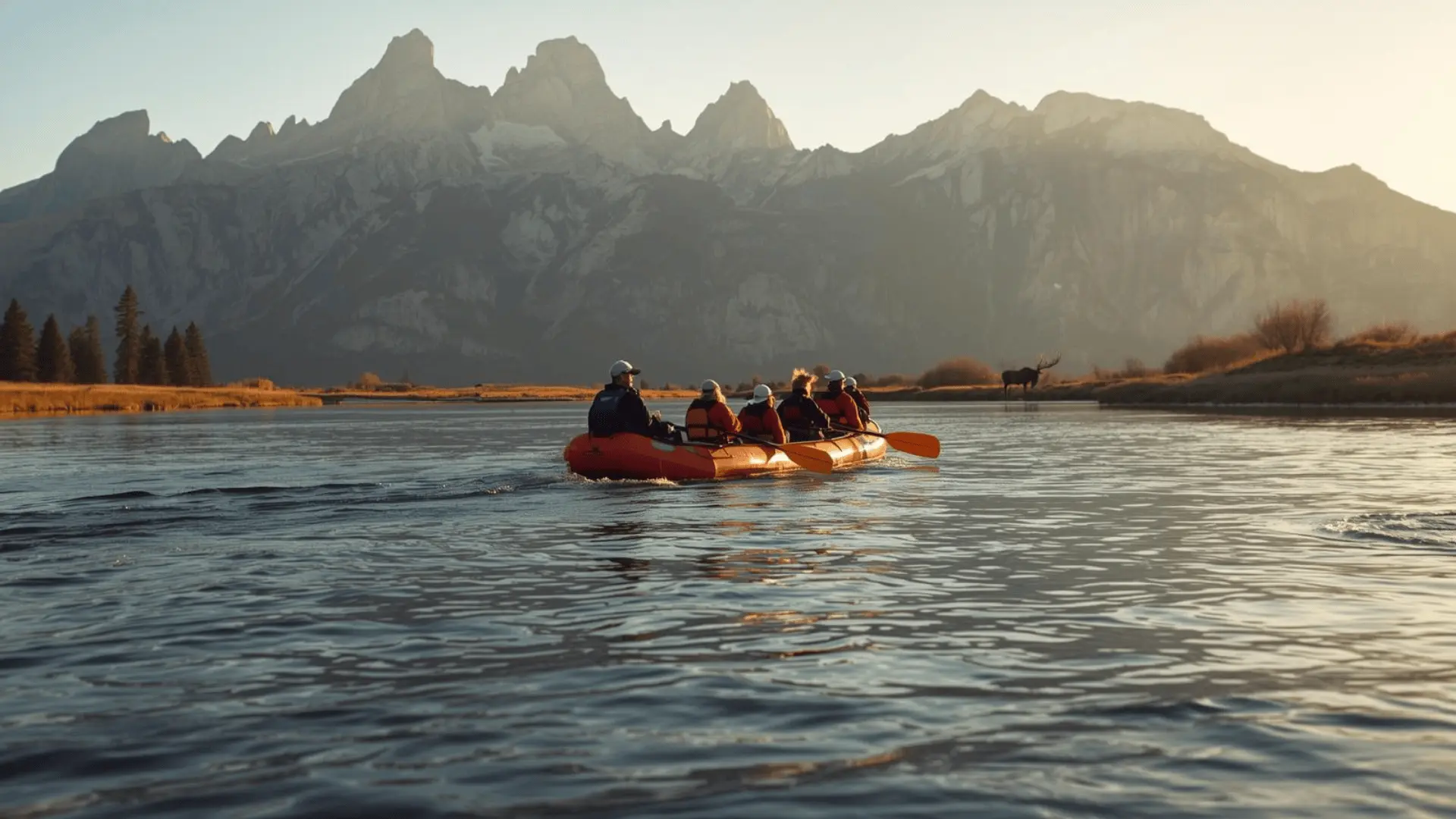
Some want calm floats where they can spot moose and eagles near the Tetons. Others crave the splash and bounce of whitewater rapids in the canyon sections. Snake River rafting offers both experiences, plus everything in between.
The hard part is knowing which trip fits your group. How do you pick between a scenic float and a whitewater run? What should you wear? How much does it cost?
You’ll find answers to all these questions below. Learn about the different sections, trip styles, and what to expect on the water. Safety basics, booking steps, and the best times to go are all covered.
By the end, you’ll know which rafting trip matches what you’re looking for.
What Is Snake River
The Snake River is a major waterway that flows through Wyoming, Idaho, and other western states. It starts in Yellowstone National Park and travels 1,078 miles before joining the Columbia River.
The river passes through different types of terrain. Near Grand Teton National Park, it flows through wide valleys with views of the mountains. Further along, it carves through steep canyon walls, including the Snake River Canyon near Jackson Hole.
Snake River rafting happens on several sections of this river. Each section offers different experiences. Some stretches stay calm and scenic. Others drop through rapids and rocky channels.
The river’s most remote section runs through Hells Canyon on the Idaho-Oregon border. This deep gorge creates a multi-day rafting route far from roads and towns.
Different parts of the Snake River attract different types of rafters based on what they want from their trip.
Types of Snake River Rafting Trips
These trips range from calm, scenic floats to challenging whitewater runs. Each trip type offers different difficulty levels, locations, and experiences suited to various skill levels and interests.
| Trip Type | Location | Rapid Class | Best For |
|---|---|---|---|
| Scenic Float | Near Grand Teton National Park | Class I–II | Families, wildlife viewing, first-timers |
| Whitewater Canyon Trip | Snake River Canyon (Jackson Hole) | Class III | Active families, first-time whitewater |
| Small-Boat Whitewater | Snake River Canyon (Jackson Hole) | Class II–III | Thrill-seekers, smaller groups |
| Multi-Day Hells Canyon | Hells Canyon (Idaho–Oregon border) | Class III–IV | Multi-day wilderness experience, confident rafters |
Snake River Rafting Quick Picks
Snake River offers different trip styles for different people. This guide breaks down three popular options to help you pick the right fit for your group and comfort level.
1. Scenic Float Near Grand Teton National Park
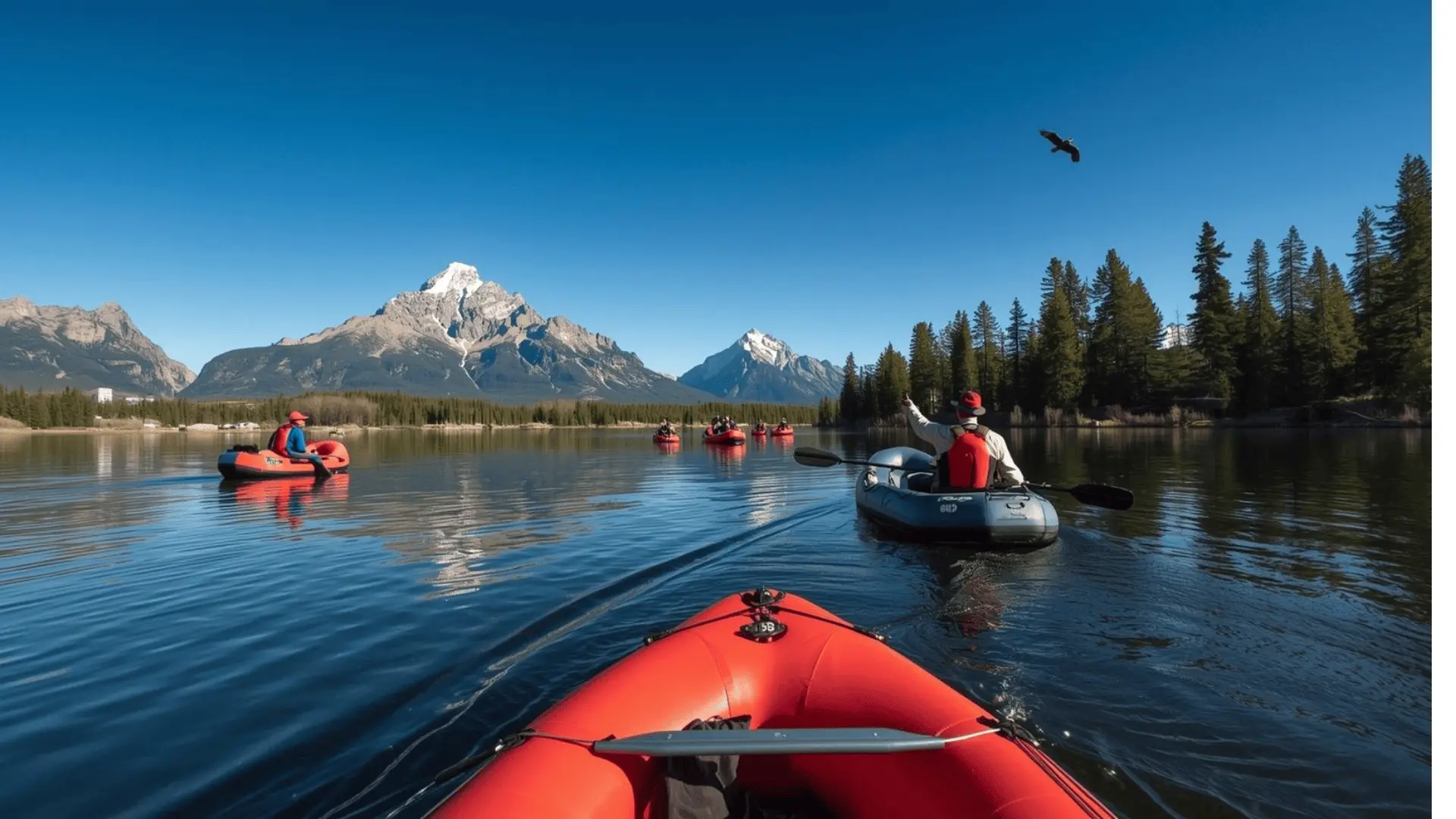
This stretch near the Tetons is perfect for a relaxed day on the water. You’ll float through calm sections while your guide points out moose, eagles, and other wildlife. The mountain backdrop makes for great photos.
- Best For: Families, first-timers, wildlife watchers, and those who prefer calm water.
- Best Season: June through September for warm weather and wildlife.
2. Whitewater In The Snake River Canyon (Jackson Hole Area)
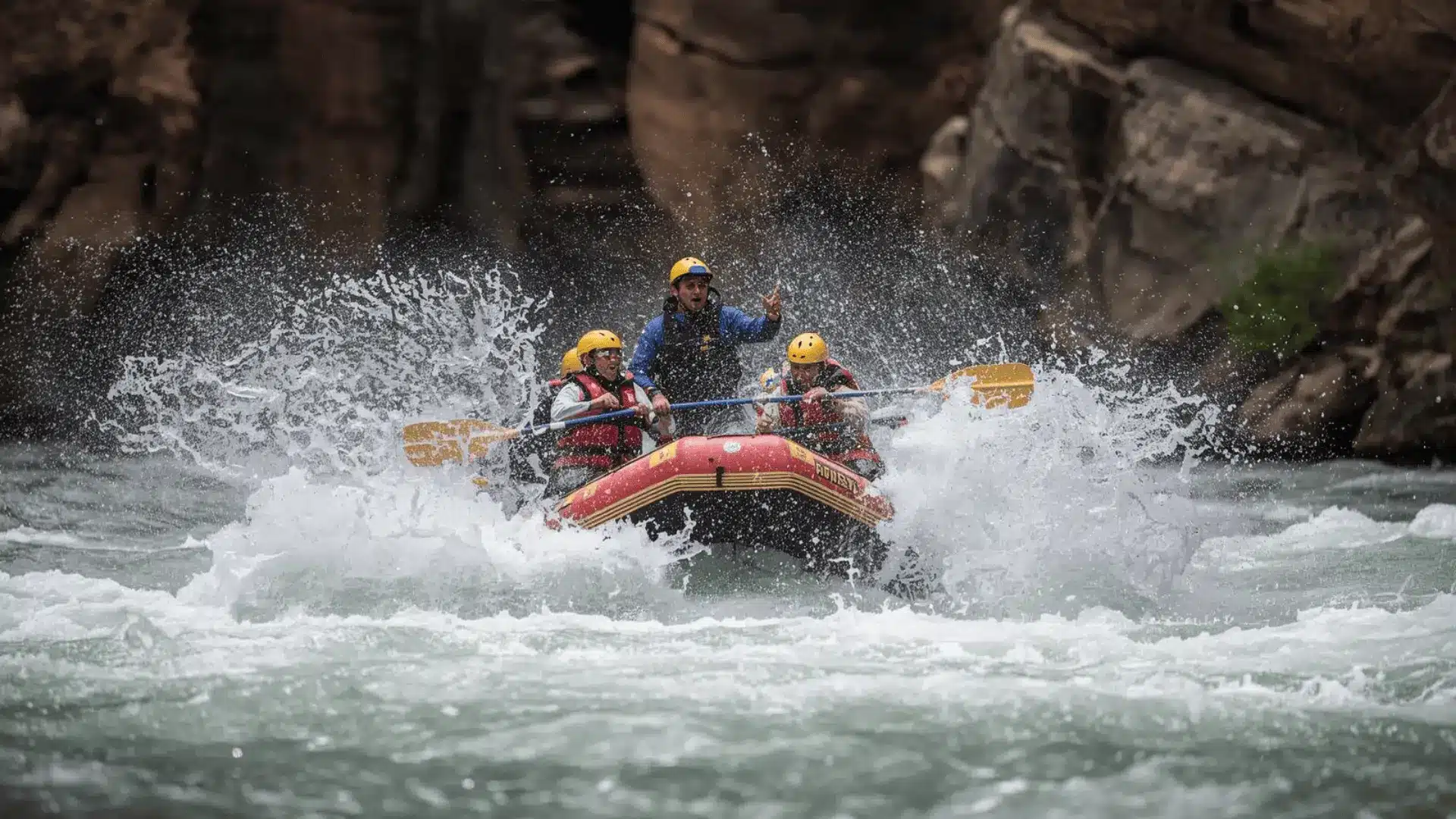
The canyon section near Jackson Hole brings more action to your rafting trip. You’ll hit several rapids that splash and bounce the raft around, then cruise through quieter spots between waves. These half-day trips balance excitement with manageable difficulty.
- Best For: Active families with older kids and first-time whitewater rafters.
- Best Season: May and June for big rapids, summer for warmer weather.
3. Hells Canyon Snake River Rafting
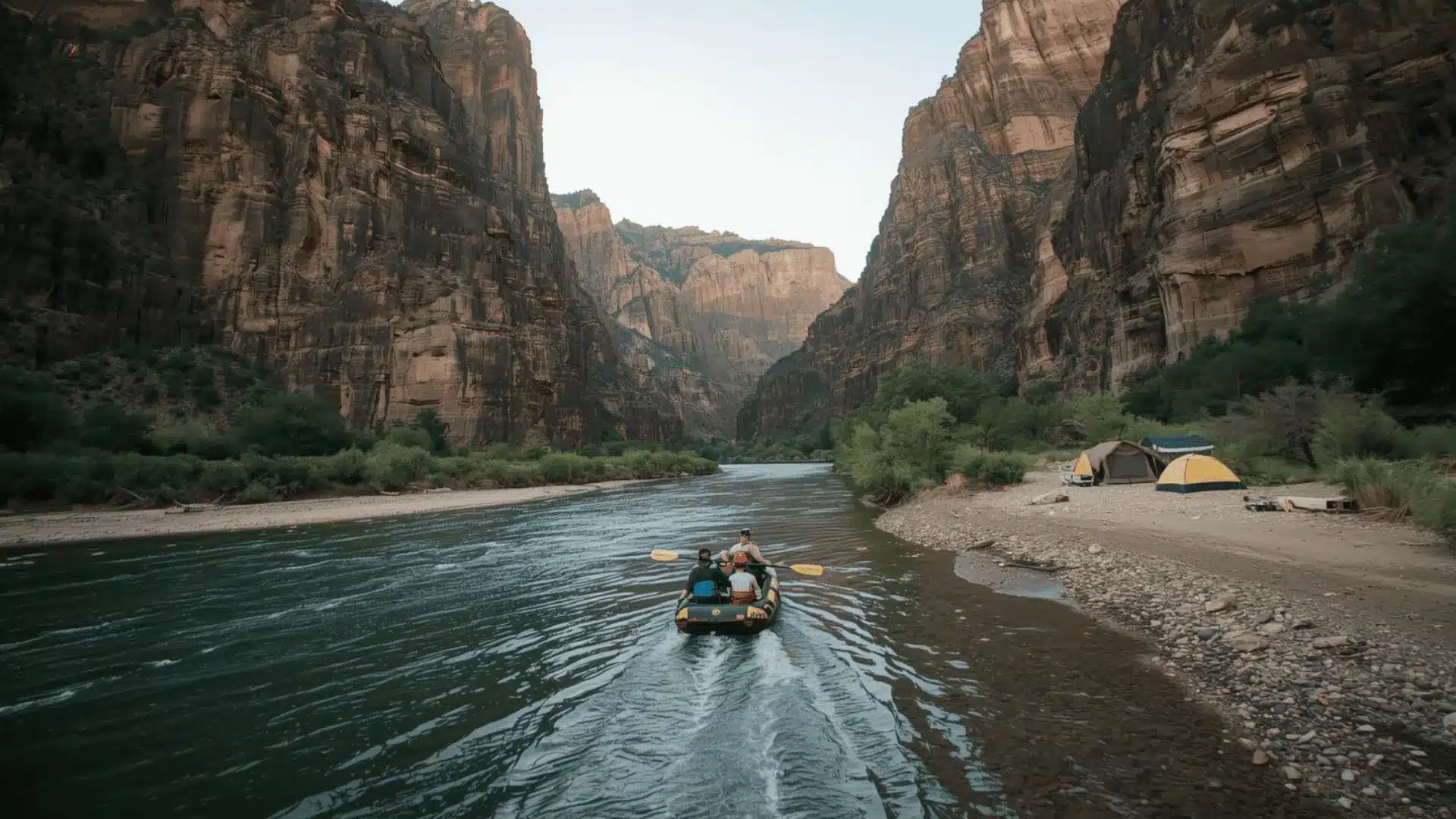
Hells Canyon trips are multi-day trips through North America’s deepest river canyon. You’ll camp on beaches, run bigger rapids rated Class IV, and spend days surrounded by tall canyon walls. These longer trips require more commitment but give you a true wilderness experience on the Snake River.
- Best For: Confident rafters and wilderness camping enthusiasts.
- Best Season: Late spring through early fall for best conditions.
From beginner-friendly stretches to exciting Class III and IV rapids, choosing the right trip ensures the best experience on the water. Pick your adventure, book with a trusted outfitter, and get ready to make unforgettable river memories.
How To Book Snake River Rafting
Booking your rafting trip involves choosing the right section, selecting a licensed outfitter, and understanding what’s included. Most companies offer online reservations with flexible options for different group sizes and experience levels.
- Choose Your Outfitter and Trip Section: You can reserve your trip through established companies like Mad River Boat Trips,Barker-Ewing Whitewater, or Dave Hansen River Trips. Browse their websites to compare sections, including scenic floats near Grand Teton National Park, whitewater runs through Snake River Canyon, or multi-day trips in Hells Canyon.
- Select Your Date and Check Availability: Most outfitters show real-time availability on their booking pages. Pick your preferred date and group size.
- Review Trip Details and Requirements: Read through age limits, weight restrictions, and fitness requirements before booking. Check what gear the outfitter provides versus what you bring. Review cancellation policies and weather contingency plans.
- Complete Your Reservation Online: Fill out the online booking form with participant names and contact information. Most outfitters require a deposit to hold your spot. You can also call directly to book and ask questions.
- Receive Confirmation and Pre-Trip Information: After booking, you get an email confirmation with the meeting location and time. Outfitters send packing lists and what to wear on the water.
Snake River Rafting Difficulty And Rapid Classes
Understanding rapid classification helps you choose the right section of the river based on your skill level, comfort, and thrill preference. Below is a breakdown of rapid classes and what to expect on the Snake River.
| Rapid Class | Difficulty Level | What to Expect | Recommended For |
|---|---|---|---|
| Class I | Easy | Slow-moving water with small waves and minimal obstacles. Very low risk. | Families, beginners, scenic float trips |
| Class II | Novice | Gentle rapids with small waves and clear channels. Some maneuvering required. | First-time rafters, children (with guides) |
| Class III | Intermediate | Moderate waves, narrow passages, and technical maneuvers. Exciting but manageable. | Adventurous beginners, teens, and adults |
| Class IV | Advanced | Powerful rapids, large waves, and precise maneuvering are needed. Higher intensity. | Experienced rafters, thrill-seekers |
| Class V | Expert | Extremely turbulent water, steep drops, and complex routes. Significant risk. | Highly experienced rafters only |
What to Expect on Your Trip
The rafting trips follow a similar structure regardless of section. Expect safety briefings, time on the water, guide instructions, and scenic stops throughout your float or whitewater experience.
- Check-In and Gear Up: Arrive at the meeting point to check in and receive gear. Guides help you fit life jackets, helmets, and any required wetsuits for your rafting trip.
- Safety Briefing Before Launch: Your guide explains paddle commands, emergency signals, and what to do if someone falls out. This talk covers river hazards and how to stay safe on the water.
- Running Rapids and Floating: The raft bounces through waves during rapid sections while everyone paddles together. Calm stretches between rapids let you look around, spot wildlife, and enjoy the scenery along the Snake River.
- Stops for Photos and Breaks: Most rafting trips pull over at scenic spots or beaches. These breaks let you stretch, take photos, use portable restrooms, and eat snacks or lunch on longer trips.
- Return to Shore: The raft pulls out at the take-out point downstream. Guides secure the boats while you change into dry clothes. Outfitters often provide transportation back to the starting location or your vehicle.
What to Wear and What to Avoid
What you wear and bring affects your comfort on the rafting trips. The right gear keeps you warm when wet and protects your belongings. Here’s what to pack.
Clothing Checklist (Base Layers To Outer Layers)
- Quick-dry shirt and shorts or pants
- Fleece or insulating layer for cooler weather
- Hat with a brim for sun protection
- Sunglasses with a retainer strap
- Sunscreen (waterproof formula)
Shoes, Splash Gear, And Dry Bags
- Closed-toe water shoes or old sneakers
- Sandals with heel straps (not flip-flops)
- Small waterproof bag for valuables
- Towel and dry clothes for after the trip
What Not to Bring
- Jewelry or expensive watches
- Loose items without secure attachment
- Glass bottles or containers
- Items you can’t afford to lose
Always check with your rafting outfitter beforehand, as many provide safety gear like life jackets and helmets and may have specific recommendations based on the season and river conditions.
Guide Safety Talk and On-River Signals
Before launching, guides explain paddling commands, hand signals, whistle codes, and emergency procedures. This safety talk ensures everyone knows how to communicate and respond during the trip.
- Pre-Launch Briefing: Your guide walks through paddling commands and rescue procedures before you leave shore. Listen carefully to these instructions for a safe rafting experience.
- Paddle Commands: Common commands include “Forward,” “Back Paddle,” and “Stop.” Some guides also use calls like “Left Forward” or “Right Back” to help turn the raft. Paddling together keeps the boat balanced and moving in the right direction.
- Hand Signals: Guides use hand motions when the river gets too loud for voices. A raised fist means “All Clear” or “I am okay.” An arm pointing shows which direction to paddle.
- Emergency Whistles: One short blast signals attention. Three quick blasts mean someone needs help. Guides explain what each whistle pattern means before your rafting trip begins.
- Swimmer Protocol: If someone falls out, guides call “Swimmer!” to alert the group. If you’re in the water, float on your back with your feet up and pointed downstream to avoid rocks. Listen for instructions and grab the raft or rescue line when directed.
- River Hazards Overview: Your guide points out features to watch for, such as hydraulics and rocks. They explain how to position yourself if you end up in the water unexpectedly.
Price Ranges and Requirements By Section
The rafting prices vary by section, trip length, and difficulty level. Costs include different services and gear. Age, height, and weight requirements differ by outfitter and specific trip type.
| Section | Typical Price Range (Per Person) | Height Limits | Weight Limits |
|---|---|---|---|
| Grand Teton Scenic Float (Moose Area) | $95 to $110 | Usually, there is no set height limit (as long as the PFD fits safely). | Often 250–300 lbs max (varies by outfitter/boat). |
| Jackson Hole Whitewater (Snake River Canyon) | $115 to $130 | Usually, there is no set height limit (the item must fit the helmet/PFD safely). | Often 250–300 lbs max; small-boat options may be stricter. |
| Hells Canyon (Multi-Day Guided Rafting) | $1,295 to $2,190 | Usually, there is no set height limit (fit and mobility matter for camp/boat). | Often 250–300+ lbs max, depending on gear load and raft capacity. |
Snake River Rafting Trip Planning Tips
Planning ahead makes your trip smoother and more comfortable. Consider timing, group size, fitness level, weather conditions, and booking windows when choosing your section and outfitter.
- Book Early for Peak Season: Summer months fill up fast on popular rafting sections near Jackson Hole and Grand Teton. Reserve your spot two to three months ahead for June through August trips.
- Match Trip Difficulty to Your Group: Consider the youngest and least experienced person in your group when choosing sections. Scenic floats work better than whitewater for young kids or anyone nervous about rapids and waves.
- Check the Weather and Pack Layers: River temperatures stay cold even in summer on some sections of the Snake River. Bring extra layers, rain gear, and sun protection. Weather changes quickly in mountain areas, so prepare for different conditions.
- Plan Transportation and Timing: Most rafting trips start and end at different locations. Ask your outfitter about shuttle services. Add extra time for driving to remote launch points in Hells Canyon or canyon sections.
- Read Cancellation Policies Carefully: Weather and water levels can change trip plans. Review your outfitter’s cancellation and rescheduling rules before booking. Some companies offer refunds, while others give credit toward future rafting trips.
The Bottom Line
Snake River rafting gives you options based on your comfort level and time. Scenic floats are well-suited for families who want to view wildlife. The Jackson Hole canyon brings whitewater action for active groups. Hells Canyon offers multi-day wilderness trips.
Book early for summer trips. Spring brings bigger rapids but colder weather. Fall offers fewer crowds and changing leaves.
Most outfitters provide all safety gear and trained guides. Start by deciding which section interests you most. Then compare outfitters and reserve your spot.
What kind of river day sounds right for your group? Share your thoughts in the comments or bookmark this page for later.