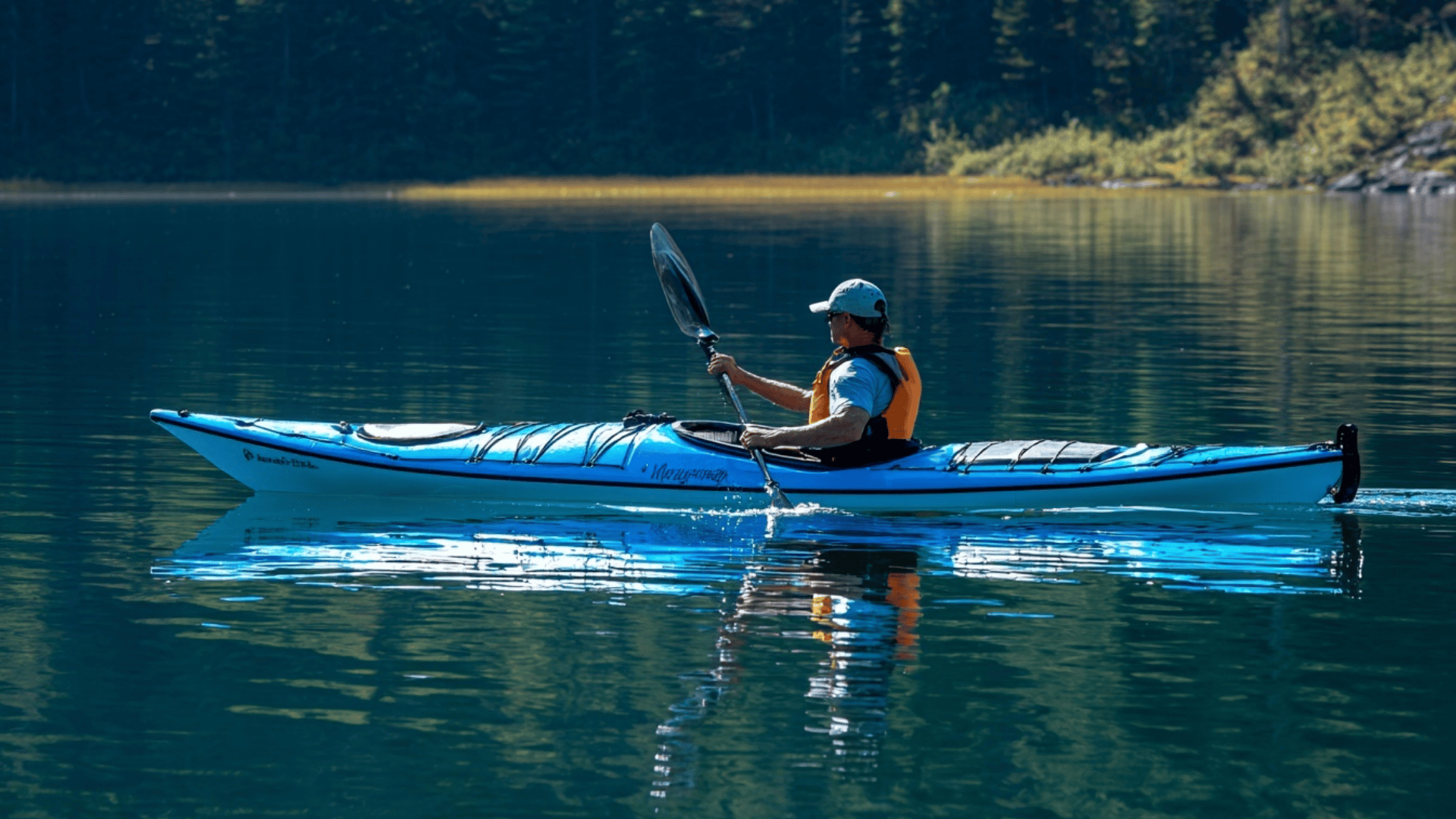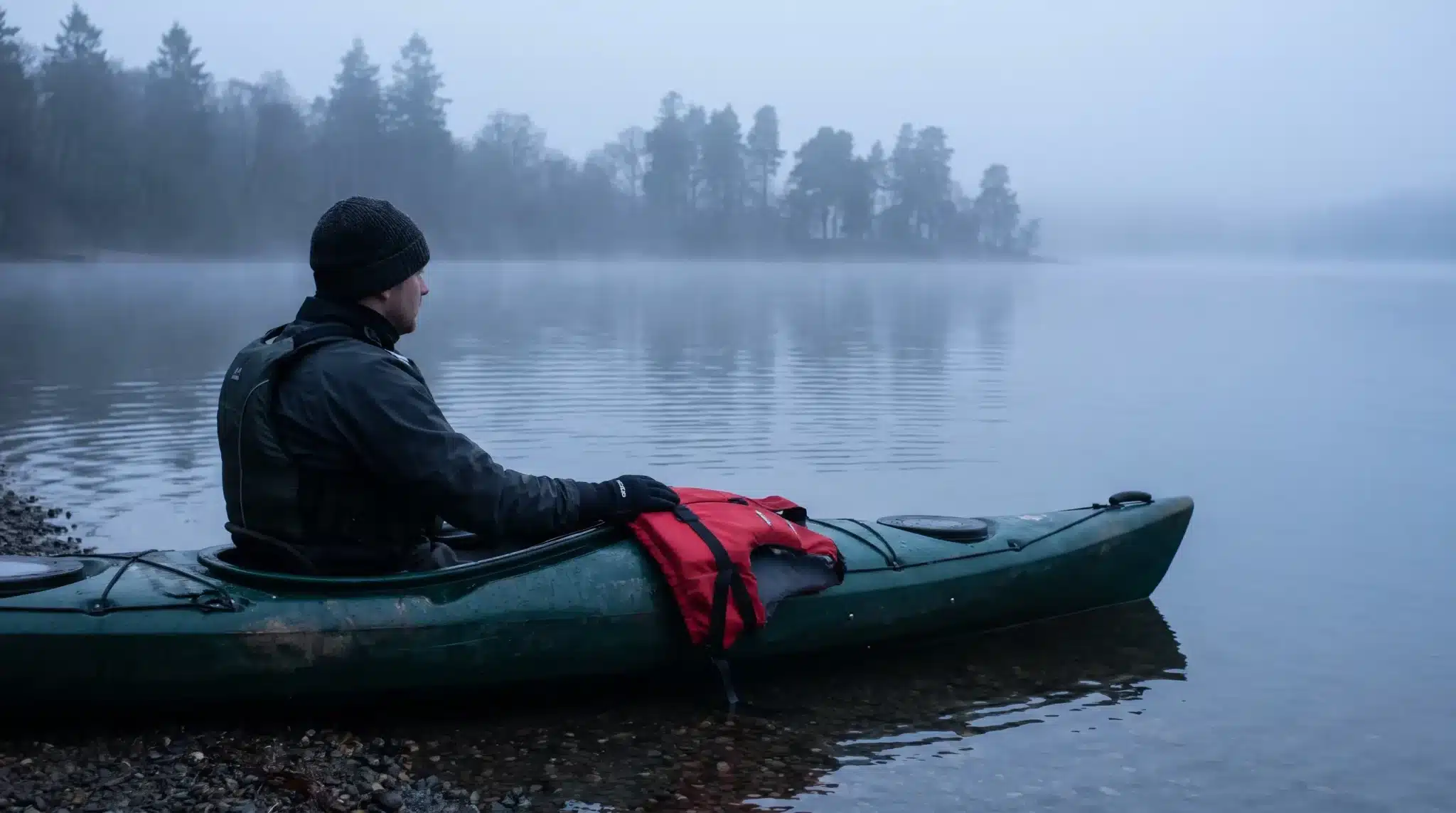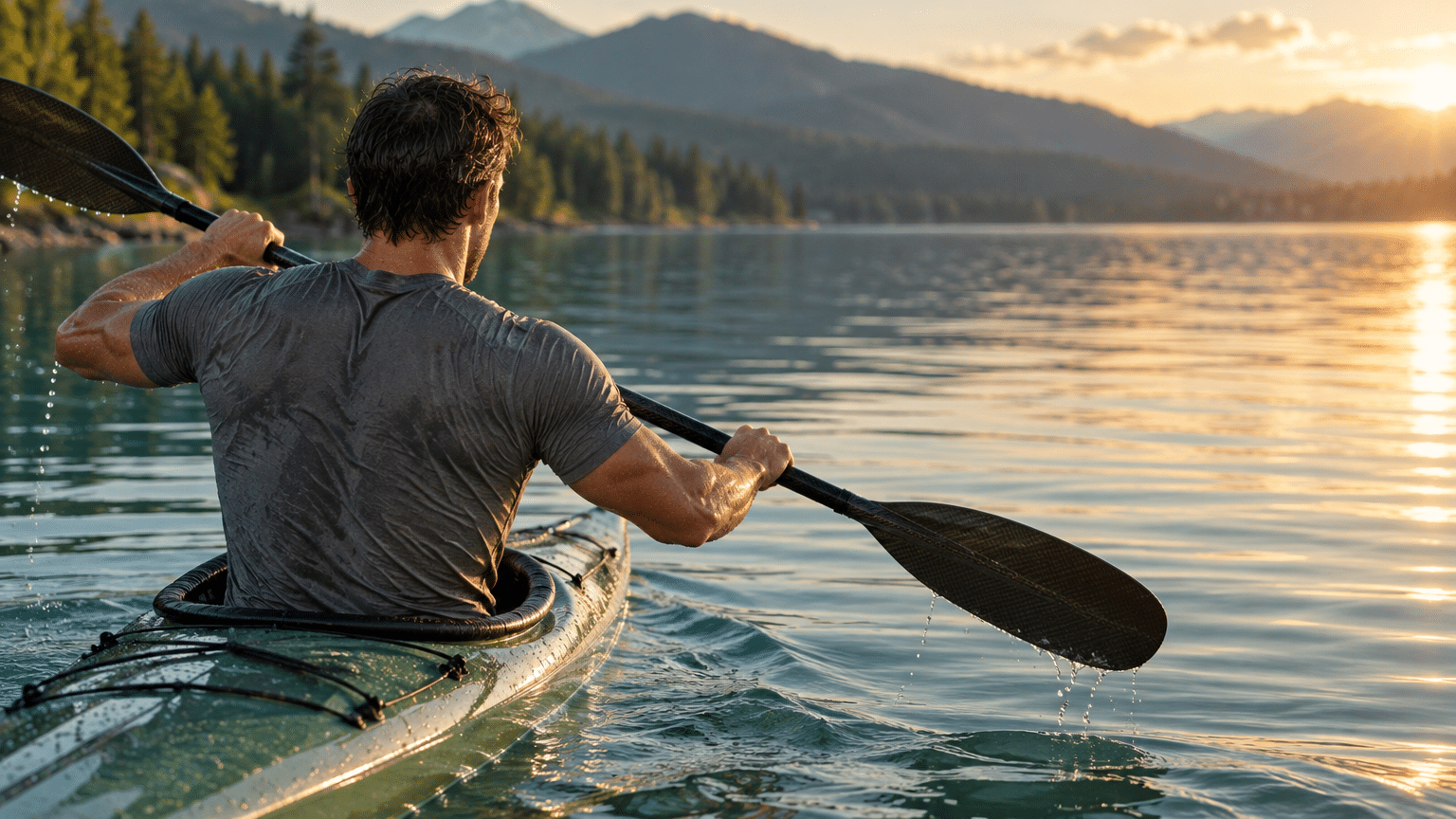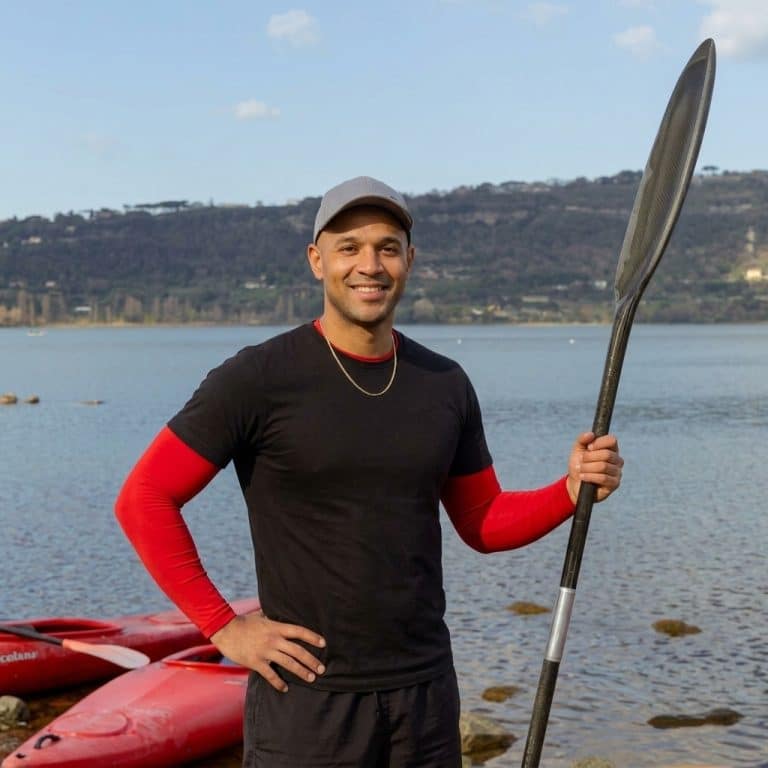

Stepping out of a lecture hall and into a kayak forces a completely different kind of thinking. In a classroom, mistakes usually happen on paper and can be erased or revised days later. Out on the water, current, wind, and shifting eddies demand immediate focus and calm decision-making. For college students overwhelmed by exams and constant screen time, paddling offers a rare environment where physical effort directly builds mental toughness.
Reading Moving Water Trains Real-Time Analysis
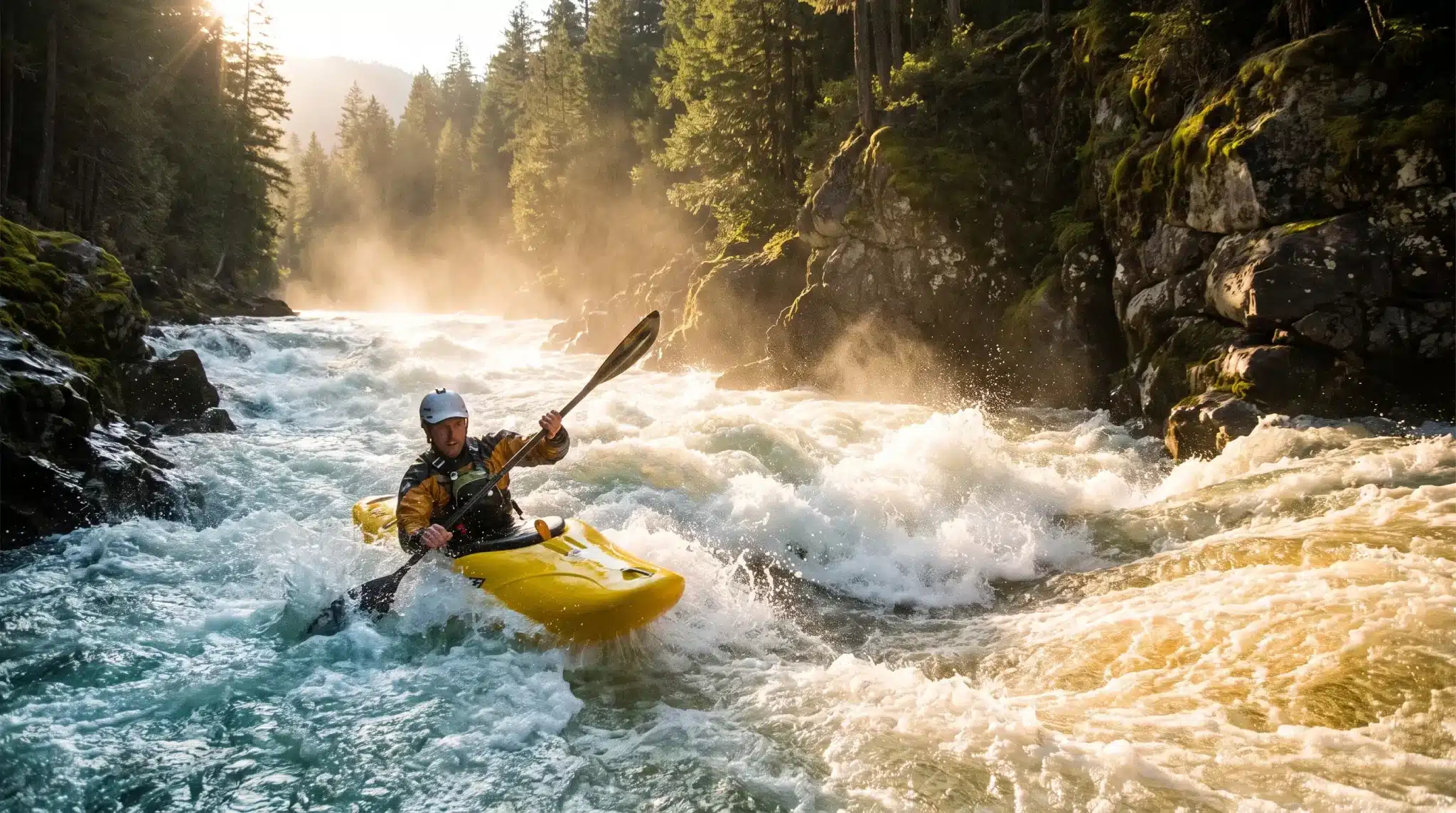
Every river or open lake presents a constantly changing puzzle. Before paddling through a narrow channel or around a fallen log, you have to scan the surface, judge the speed of the current, and pick a clean line several boat lengths ahead. Waiting until you reach an obstacle leaves zero room to correct your angle, so you quickly learn to look far downstream rather than staring at the bow of your boat.
That habit of looking ahead pays off when you get back to campus and have to deal with messy group projects or tight deadlines. Instead of waiting until the night before a due date to panic, you start spotting potential snags early—whether that means clarifying confusing rubric points with a professor or making sure you test uniqueness using an online plagiarism checker before turning in a research paper. Fixing small problems while there is still plenty of time takes the stress out of big assignments. You end up handling both rough water and busy exam weeks with a much cooler head.
Mastering Balance Builds Quiet Self-Assurance
Sitting in a narrow hull for the first time feels unsteady to almost everyone. Beginners instinctively tense their shoulders and grip the paddle shaft far too tightly, which ironically makes the kayak tippier. Real stability comes from relaxing your hips, engaging your core, and trusting the boat to move beneath you while your upper body stays centered.
Once you learn how to brace against a sudden wave without panicking, your relationship with discomfort changes. You stop fearing instability because you know your body can recover from an unexpected lean. That physical proof of capability translates into speaking up more confidently during seminars, taking on unfamiliar coursework, and staying composed under pressure.
Small Corrections Beat Brute Force
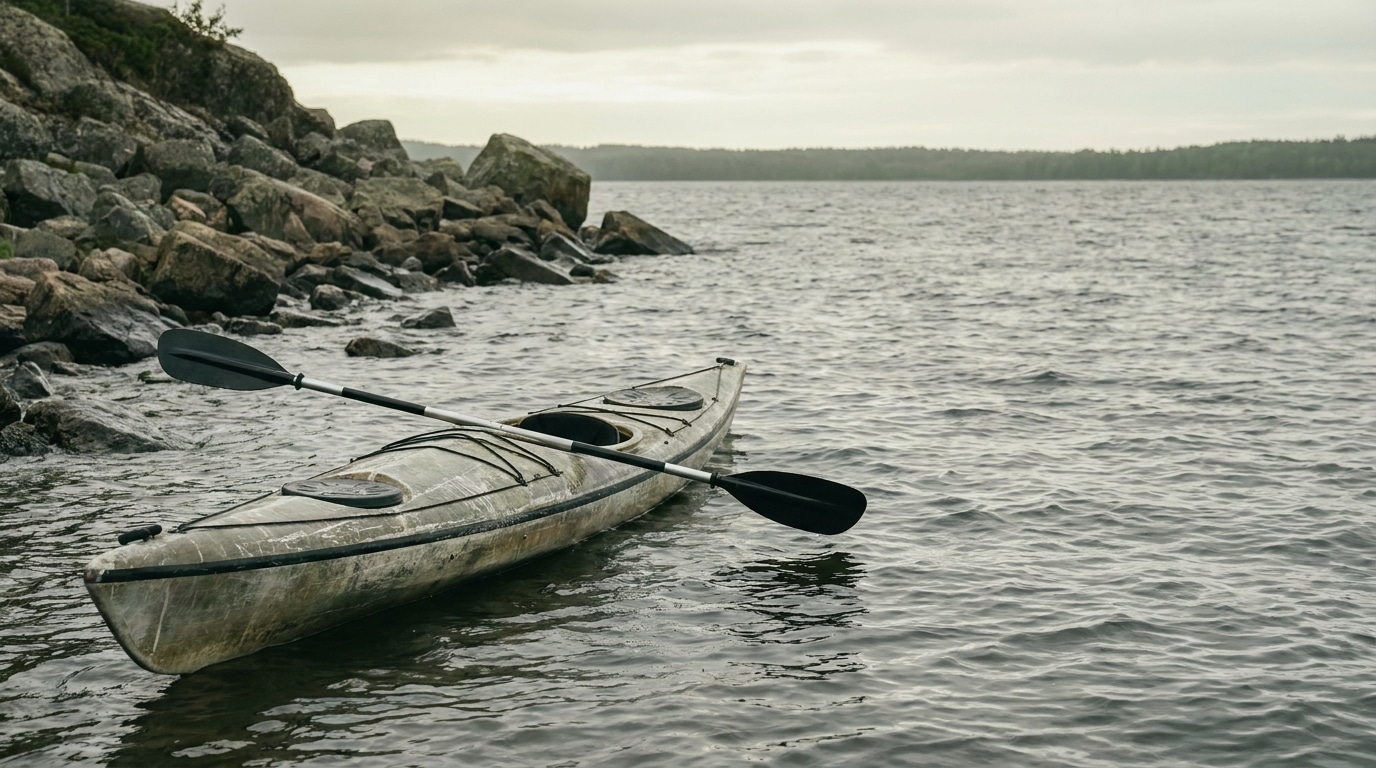
New paddlers often try to muscle their way through headwinds or cross-currents with fast, exhausting strokes, only to end up spinning off course. Experienced instructors quickly show that subtle adjustments—a slight sweep stroke, a gentle edge of the hull, or a well-timed rudder—steer a kayak far more efficiently than raw upper-body strength.
Learning to favor precision over panic reshapes how you tackle difficult academic problems. When a coding bug or a stubborn calculus proof refuses to budge, pulling an all-nighter rarely solves it. Stepping back, isolating the exact variable throwing things off, and making targeted adjustments gets you across the finish line with far less wasted energy.
Navigating Unexpected Conditions Teaches Adaptability
Weather on the water rarely sticks to the forecast. A calm morning paddle across a bay can turn into a choppy slog against an afternoon breeze within twenty minutes. You cannot argue with the wind or pause the current; your only option is to assess your energy reserves, adjust your pacing, and choose a sheltered shoreline route back to the launch point.
Dealing with shifting conditions outdoors strips away the rigid perfectionism that trips up so many students. Instead of freezing when a study plan falls apart or a lab experiment produces unexpected results, you develop the reflex to pivot calmly, work with the resources in front of you, and keep moving forward.
Partner Paddling Sharpens Clear Communication
Tandem kayaking exposes weak communication faster than almost any group assignment. If the bow and stern paddlers fail to sync their cadence or agree on which side of a buoy to pass, the boat zigzags aimlessly and tempers flare quickly. Success requires short, direct callouts and mutual trust in each other’s timing.
Working in sync on the water teaches you how to give and receive feedback without taking corrections personally. Whether coordinating a lab team or dividing responsibilities for a final presentation, you become much better at keeping everyone aligned toward a shared goal.
Conclusion
Kayaking strips away the distractions of modern student life and replaces them with immediate, honest feedback. Every calm recovery from a wobble, every smart line chosen through moving water, and every mile paddled against a steady breeze adds up to genuine self-reliance. Long after you haul the boat back onto the dock, that steady confidence stays with you in every classroom and challenge ahead.