
Spending time outdoors can be an affordable way to relax, stay active and explore new places. However, activities like kayaking, hiking and camping can involve more expenses than people initially expect. Equipment, transportation, accommodation and maintenance can quickly add up, particularly for those who enjoy frequent trips.
Building good financial habits can help you make room for outdoor activities without compromising your other priorities. With a little preparation, you can spend more time enjoying your adventures and less time worrying about their cost.
Set a Realistic Budget for Outdoor Activities
Before planning your next adventure, determine how much you can comfortably spend. A dedicated recreation budget helps you make decisions based on your financial situation rather than the excitement of an upcoming trip.
Start by looking at what you’ve spent on outdoor activities over the past few months. Include transportation, accommodation, park entrance fees, equipment rentals and meals. These smaller expenses are easy to underestimate when considered individually.
For example, a weekend kayaking trip might cost $60 for transportation, $80 for accommodation and $40 for food and other necessities. Even without renting equipment, the total reaches $180.
Knowing these costs in advance helps you decide which trips fit your budget and which might require additional savings. It also allows you to prioritize the experiences that matter most instead of spreading your money across too many activities.
Keep Your Financial Information Secure When Booking Trips
Planning outdoor adventures often involves making reservations through different websites. You might book a campsite, reserve a kayak or pay for accommodation before arriving at your destination. These transactions make it important to protect your payment information.
Always verify that you’re using a legitimate booking platform before entering sensitive details. Be cautious with unfamiliar payment links, particularly those received through unexpected emails or messages. Reviewing cancellation policies is equally important, as unexpected changes to your itinerary could otherwise result in lost deposits.
After making reservations, review your bank and credit card transactions to make sure all charges are accurate. This is particularly useful when booking through multiple providers, as it can help you spot duplicate payments, unexpected fees or unfamiliar transactions.
Keeping an eye on your credit information is another useful financial habit, especially if you frequently make purchases or travel arrangements online. When exploring the top credit monitoring apps, look for features that notify you about new accounts, credit inquiries or other changes to your credit profile. These alerts can help you identify potential problems early, while regular account reviews remain essential for detecting unauthorized charges.
Choose Equipment Based on How Often You’ll Use It
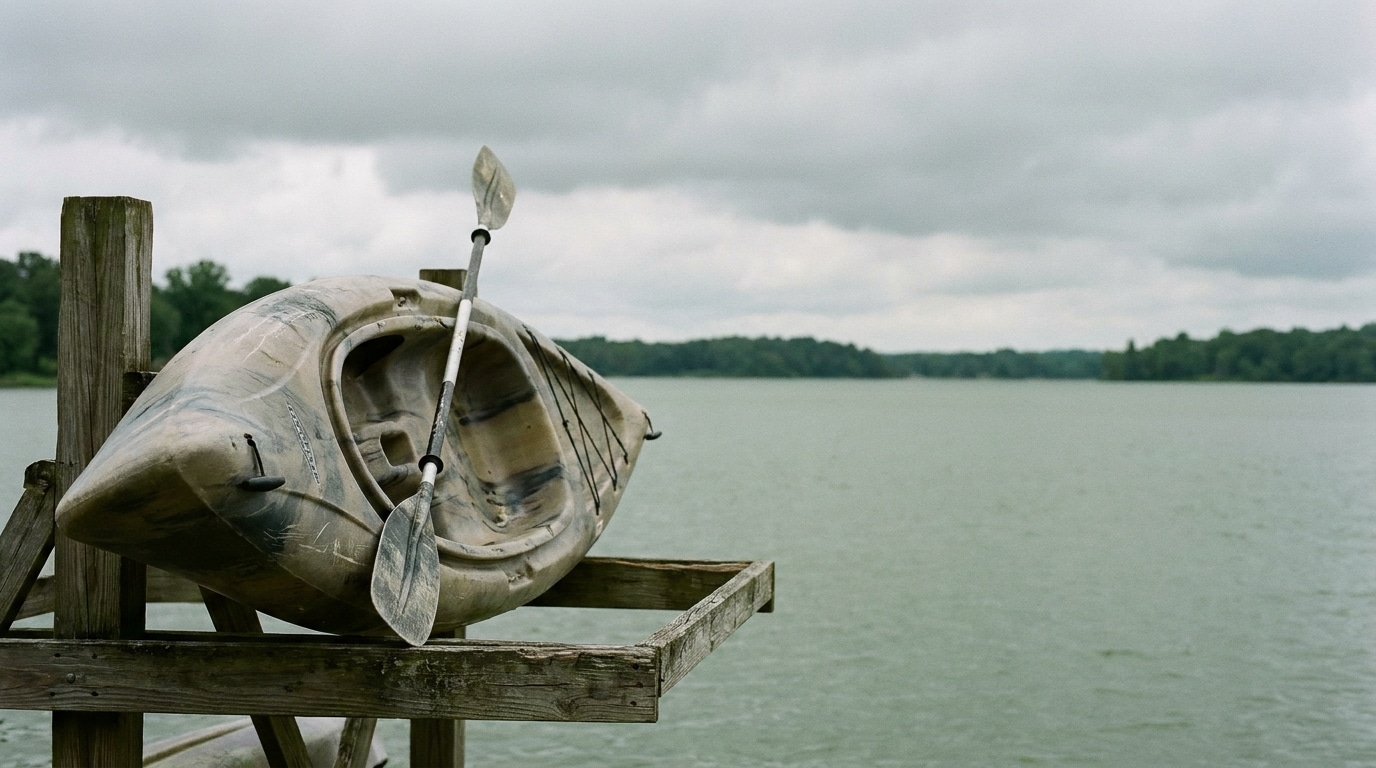
Outdoor gear can be expensive, especially when you’re interested in multiple activities. While owning equipment offers convenience, purchasing everything upfront isn’t always financially sensible.
Consider how frequently you’ll use an item before deciding whether to buy or rent it. Someone who kayaks several times a month may benefit from owning a kayak, while an occasional paddler might save money by renting.
Buying used equipment may reduce the initial cost, but condition matters. Inspect secondhand gear carefully, especially items related to safety. A lower price isn’t worthwhile if the equipment needs substantial repairs or replacement parts.
For activities you’re trying for the first time, renting provides an opportunity to discover what you actually need before committing to a purchase.
Prepare for Unexpected Outdoor Expenses
Outdoor activities don’t always go according to plan. A damaged paddle, additional transportation costs or an unexpected overnight stay can increase the price of an otherwise affordable trip.
One practical approach is to include a small contingency amount in your trip budget. For example, setting aside an additional $40 for a $250 weekend excursion gives you some flexibility when minor expenses arise.
Equipment maintenance also deserves attention. Kayaks, camping gear and hiking equipment can last for years when properly cared for, but neglecting basic maintenance may lead to expensive replacements.
Inspect your equipment before each trip, follow the manufacturer’s cleaning recommendations and store it in suitable conditions. These habits can help prevent avoidable damage.
Remember that recreational contingency funds serve a different purpose from emergency savings. Your main emergency fund should remain available for essential expenses such as medical bills, urgent home repairs or temporary income loss.
Take Advantage of Seasonal Travel Opportunities
The time of year you choose for an outdoor adventure can have a noticeable effect on its cost. Popular kayaking destinations often attract larger crowds during summer weekends and holidays, when accommodation and rental prices may increase.
Traveling during quieter periods can sometimes reduce expenses while providing a more relaxed experience. However, lower prices shouldn’t be the only factor influencing your decision.
For kayaking in particular, weather forecasts, water temperatures and river conditions deserve careful attention. A destination that offers affordable accommodation during the off-season may not provide suitable paddling conditions.
Booking ahead can be helpful when visiting popular destinations, especially if affordable accommodation is limited. Before paying, compare cancellation terms and consider whether your plans could change.
You can also reduce travel expenses by exploring nearby waterways. Local lakes and rivers may offer excellent paddling opportunities without requiring overnight accommodation or long-distance transportation.
Save Gradually for Bigger Adventures
Some outdoor experiences require more preparation than a typical weekend trip. Multi-day kayaking excursions, guided tours and visits to distant national parks can involve substantial costs.
Rather than relying on credit to cover these experiences, consider saving a fixed amount each month toward a specific goal.
For example, setting aside $75 monthly would give you $900 after one year, excluding any interest earned. That could cover a significant portion of a longer outdoor vacation or a major equipment purchase.
Having a clear goal makes saving more purposeful. Instead of simply putting money aside for future recreation, you’re working toward an experience you’ve already decided is worth the expense.
You may also find it useful to adjust your savings contributions throughout the year. During months with higher household expenses, contribute less. When your finances allow, increase the amount without sacrificing essential obligations.
The important thing is to keep your outdoor plans financially manageable rather than allowing one expensive trip to create months of financial pressure.
Conclusion
Outdoor adventures can become a regular part of your lifestyle when your spending reflects what you can realistically afford. You don’t need the most expensive equipment or distant destinations to enjoy kayaking, hiking or camping.
A thoughtful approach to money gives you more freedom to choose experiences that genuinely matter to you. The best outdoor adventures are the ones you can enjoy without creating financial problems that follow you home.