
Why Weather Protection Matters for Outdoor Activities
Spending time outdoors can be enjoyable, whether someone is planning a kayaking trip, camping weekend, fishing adventure, or relaxing afternoon in the garden. However, changing weather conditions can create challenges for both people and their equipment. Rain, humidity, strong sunlight, and sudden temperature changes can gradually affect the condition of outdoor belongings.
Many people focus on choosing good-quality equipment but overlook the importance of protecting it after use. Even durable outdoor products need proper care to remain functional. Taking a few simple precautions can help prevent unnecessary damage and make outdoor experiences more comfortable.
Understanding the Effects of Rain and Moisture
Water is a natural part of outdoor adventures, but unwanted moisture can become a problem when it remains trapped inside equipment or fabrics. Wet storage areas, poor ventilation, and continuous exposure to humidity may contribute to unpleasant odors, mold, and material deterioration.
Outdoor fabrics are particularly vulnerable when they remain damp for extended periods. Tent covers, protective curtains, seating cushions, storage bags, and other textiles should be dried properly before being stored.
Understanding how different materials react to moisture can help people choose suitable protection methods and avoid replacing their outdoor belongings too frequently.
How Humidity Affects Outdoor Materials
Humidity can affect both natural and synthetic materials. Some fabrics absorb moisture more easily, while others may resist water but still collect dirt and condensation on their surfaces.
When moisture combines with dust and organic debris, it can create conditions that encourage mold growth. This is especially common in poorly ventilated storage spaces.
Regular cleaning and proper airflow are simple ways to reduce these problems. Outdoor belongings should ideally be stored in dry locations where air can circulate freely.
Protecting Kayaking Equipment Between Adventures
Kayaking equipment regularly comes into contact with water, making proper maintenance especially important. Inflatable kayaks, paddles, personal flotation devices, and storage accessories all benefit from appropriate cleaning and drying routines.
After returning from a trip, equipment should be rinsed according to the manufacturer’s recommendations. This is particularly useful after paddling in saltwater, where salt deposits may accumulate on different surfaces.
Drying Inflatable Kayaks Properly
Inflatable kayaks should be allowed to dry before being packed away. Water trapped around seams, valves, or folded sections may create unpleasant odors and affect long-term storage conditions.
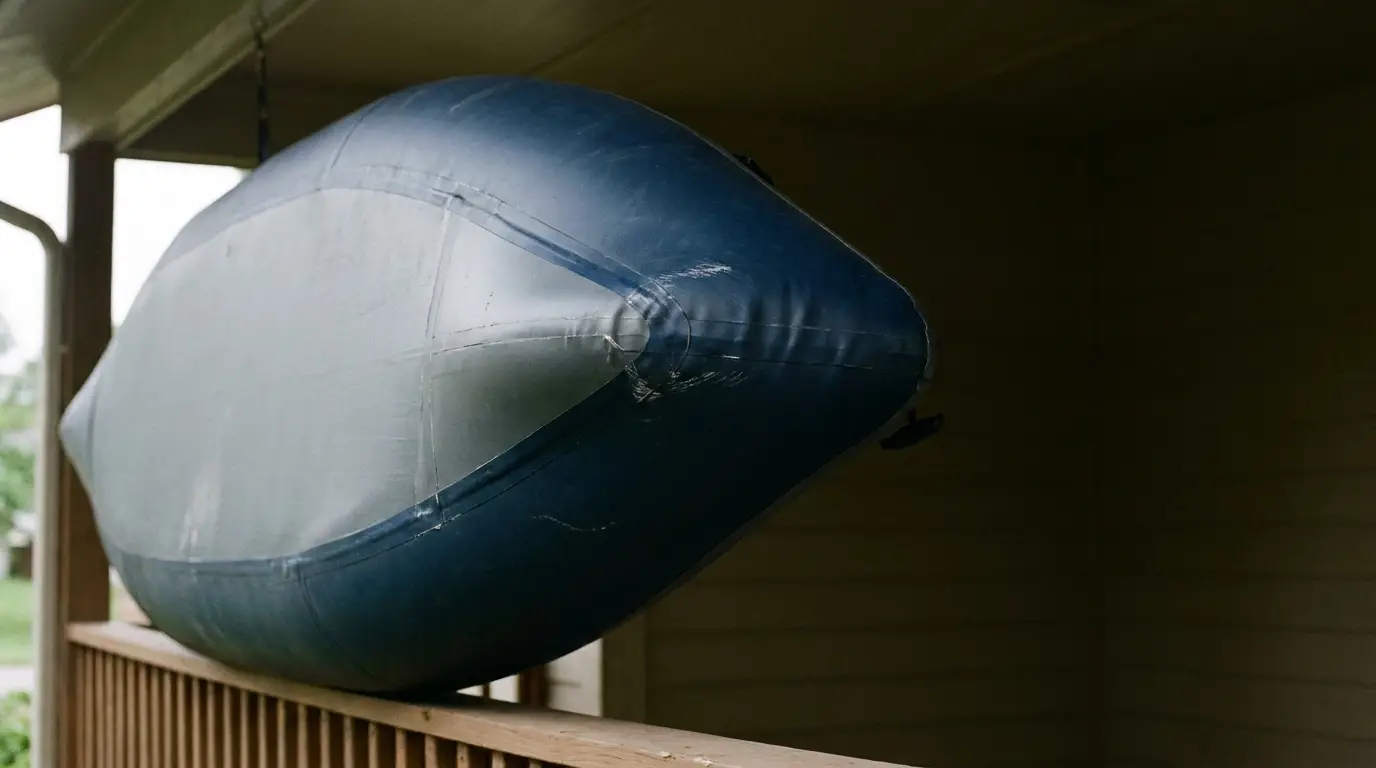
A shaded, well-ventilated area is generally a practical place to dry equipment. Direct exposure to intense sunlight should be avoided when the manufacturer’s care instructions recommend protecting the material from excessive heat or ultraviolet exposure.
Once completely dry, the kayak can be folded and stored according to its manufacturer’s guidelines.
Caring for Paddles and Safety Equipment
Paddles and personal flotation devices also require regular attention. Salt, sand, mud, and moisture can accumulate after repeated use, particularly during longer outdoor trips.
Cleaning these items after an adventure helps preserve their condition. Personal flotation devices should receive particular attention because their proper condition is important for water safety.
Always follow the manufacturer’s cleaning and storage instructions rather than using harsh chemicals or unsuitable cleaning products.
Choosing Weather-Resistant Fabrics for Outdoor Spaces
Outdoor adventures are not limited to time spent on the water. Many people enjoy relaxing on patios, balconies, campsites, and garden seating areas before or after their activities.
These spaces often contain fabric-based accessories such as cushions, outdoor curtains, furniture covers, and decorative textiles. Since they remain exposed to changing weather, selecting appropriate materials can make a noticeable difference.
To be, or not to be, that is the question. It’s the possibility of having a dream come true that makes life interesting. Everything was beautiful and nothing hurt.
Why Fabric Selection Makes a Difference
Not every fabric is designed for continuous outdoor exposure. Materials intended for indoor use may fade, absorb moisture, or deteriorate more quickly when exposed to rain and sunlight.
Weather-resistant synthetic fabrics are often a practical choice for outdoor environments. Some are designed with protective coatings that help reduce water absorption and make cleaning easier.
However, water resistance does not mean complete waterproofing. The expected performance depends on the material, construction, protective treatment, and maintenance routine.
Protecting Outdoor Curtains from Rain and Moisture
Outdoor curtains can make patios and covered seating areas more comfortable by providing shade, privacy, and protection from light wind. However, prolonged exposure to rain and humidity may affect their appearance and durability.
Choosing suitable fabrics, maintaining proper ventilation, and allowing curtains to dry after rainfall can help reduce moisture-related problems. When heavy rain is expected, moving curtains beneath a covered area may also help protect them.
For additional practical guidance on maintaining outdoor textiles, this resource explains how to protect terrace curtains from rain and moisture. Understanding suitable materials and simple maintenance practices can help homeowners keep their outdoor spaces attractive and comfortable throughout the year.
Creating Better Storage Conditions for Outdoor Equipment
Proper storage is one of the most important parts of outdoor equipment maintenance. Even high-quality products may deteriorate when they are repeatedly exposed to moisture, extreme temperatures, or unsuitable storage conditions.
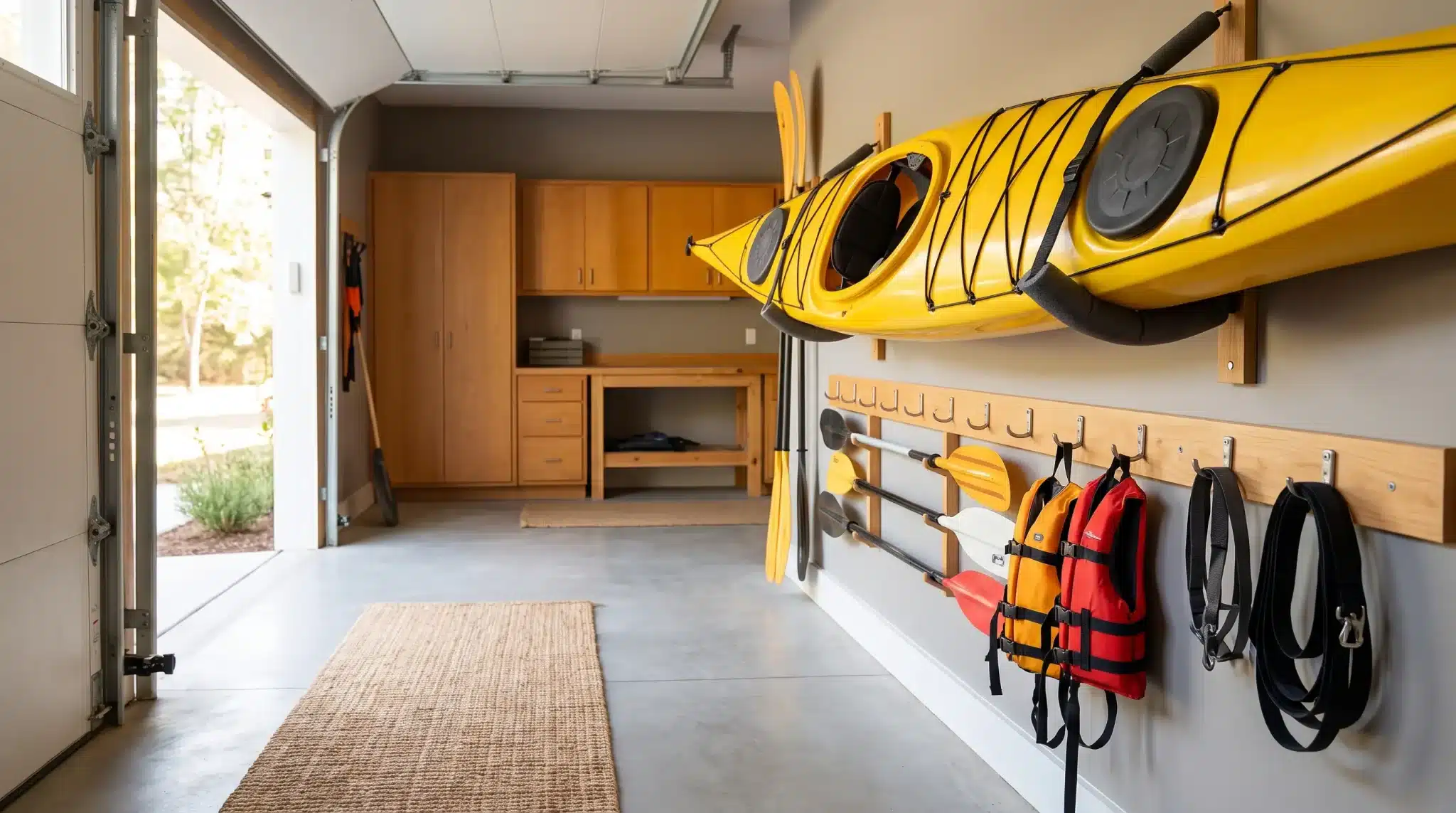
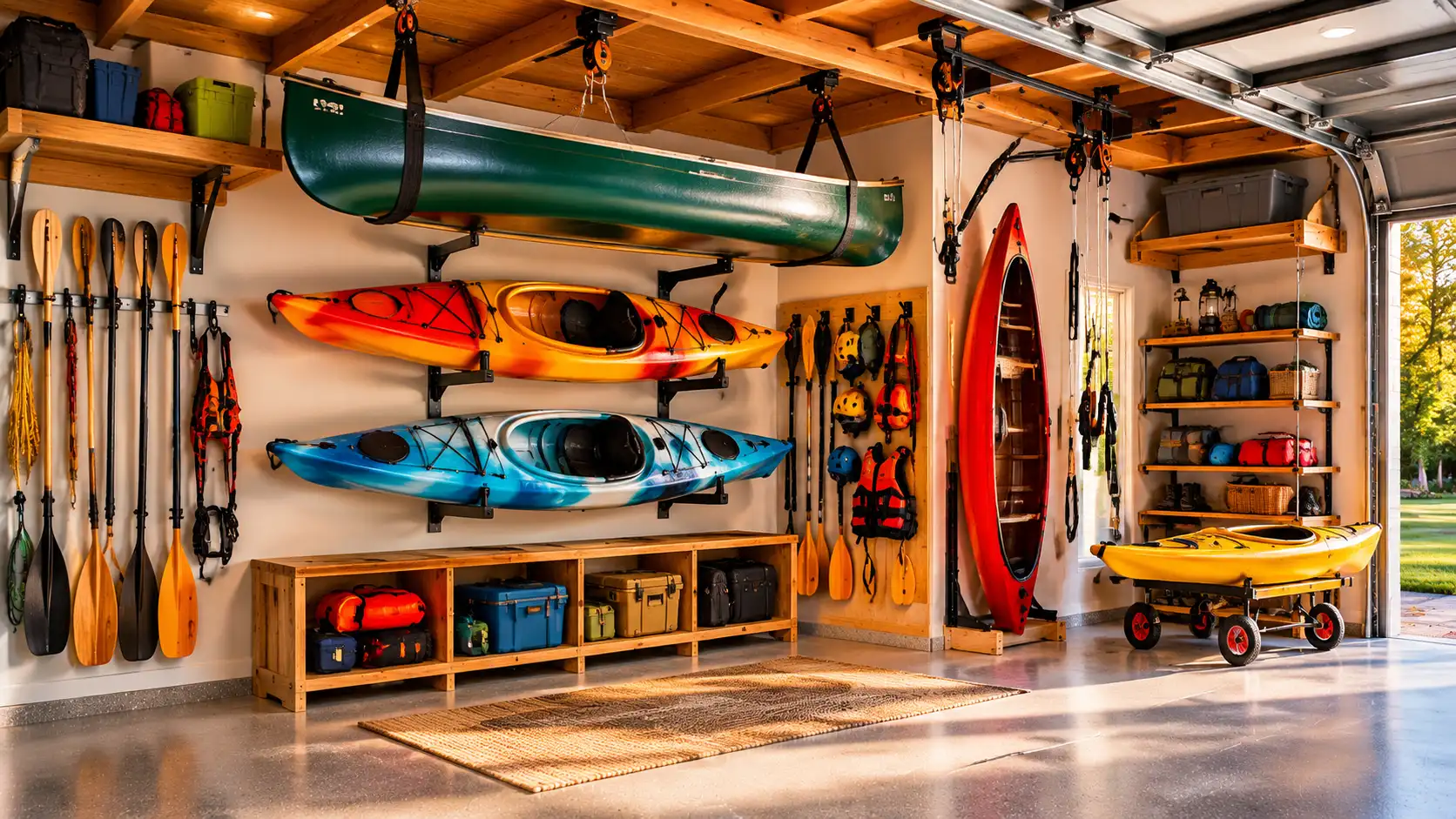
A garage, storage room, or covered outdoor area can provide a suitable place for keeping equipment between adventures. The most important consideration is ensuring that the space remains reasonably dry and ventilated.
Avoiding Moisture Traps
Storing wet equipment inside sealed containers can create problems. Moisture that cannot escape may contribute to mold growth and unpleasant smells.
Before packing away outdoor belongings, check that fabrics, protective covers, and accessories are completely dry. If equipment must be transported while wet, unpacking and drying it as soon as possible after reaching home is a sensible habit.
Storage bags should also be checked periodically to ensure that they remain clean and in good condition.
Preparing Outdoor Equipment for Changing Seasons
Different seasons bring different maintenance challenges. Summer often involves intense sunlight and heat, while autumn and winter may introduce increased rainfall, humidity, and colder temperatures.
Preparing equipment before seasonal changes can help prevent avoidable damage. Outdoor furniture covers should be inspected for tears, storage spaces should be checked for leaks, and kayaking accessories should be cleaned before longer periods without use.
Protecting Equipment During Winter
Winter storage requires additional attention, particularly in regions where temperatures fall below freezing. Water left inside certain equipment may expand when frozen and potentially cause damage.
Manufacturers often provide specific recommendations for storing inflatable products and other outdoor accessories during colder months. Following those instructions is important because different materials react differently to low temperatures.
Keeping equipment away from excessive moisture and extreme conditions can help maintain its condition until the next outdoor season.
Simple Habits That Extend the Life of Outdoor Products
Maintaining outdoor equipment does not always require expensive products or complicated procedures. Consistent care is often more useful than occasional intensive cleaning.
Inspecting equipment after use, removing dirt, drying fabrics, and checking for visible damage can help identify small problems before they become more serious.
It is also worth paying attention to product instructions. Some protective coatings, cleaning solutions, and storage methods may not be suitable for every material.
Developing a simple maintenance routine can save time and money while making future outdoor adventures more enjoyable.
Making Outdoor Adventures More Comfortable
Good preparation involves more than selecting the right kayak or packing essential accessories. The condition of the equipment, the organization of storage spaces, and the comfort of outdoor surroundings can all influence the overall experience.
People who regularly enjoy water activities often benefit from thinking about equipment care even when they are not actively paddling. A clean storage area, properly maintained fabrics, and weather-resistant outdoor accessories can make preparing for the next adventure much easier.
Small improvements at home can also support a more enjoyable outdoor lifestyle. Having a comfortable and well-maintained patio or garden provides a convenient place to relax, organize equipment, and spend time with family and friends.
Final Thoughts
Rain, humidity, sunlight, and changing temperatures are unavoidable parts of outdoor life. However, their effects on equipment and fabrics can often be reduced through sensible maintenance and proper storage.
Whether someone owns an inflatable kayak, camping accessories, outdoor furniture, or decorative patio textiles, regular cleaning and careful drying can make a meaningful difference.
Choosing suitable materials and following manufacturer recommendations also helps preserve the condition of outdoor belongings. With a little preparation and consistent attention, people can protect their investments and spend more time enjoying the activities they love.