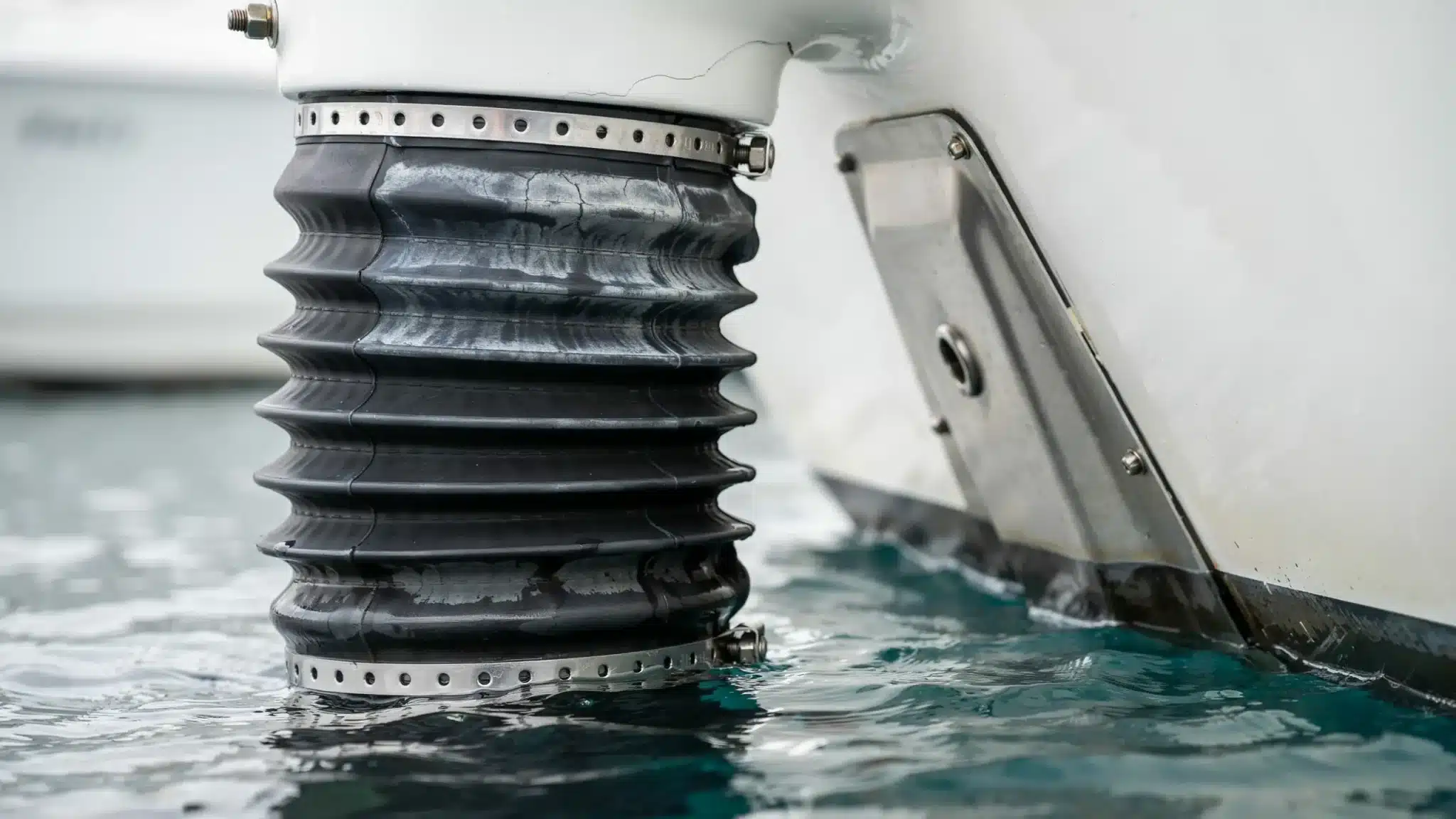
It was not long ago that, for the first time, a mechanic told me about the bellows of my boat and said, “Your bellows are cracked,” but I didn’t understand what he meant.
I learned that bellows are those little rubber components that do a lot without most people noticing.
Bellows are doing their job even as you read about them right now, as long as you have a stern-drive boat.
Bellows are bending according to the action of the drive system and keeping the dry areas away from water.
What Are Bellows on a Boat?
Bellows are flexible rubber parts, usually shaped like an accordion, found attached to your stern drive.
They create a watertight seal between the drive and the boat. Think of them as a rubber boot that can move as it should, like the CV axle on your car, but for saltwater rather than dirt and road.
The accordion shape is for functionality. It lets the drive move in different ways while keeping its seal intact.
You’ll see bellows only on inboard/outboard boats, also known as I/O boats, not all types of boats. Regular inboards and outboards don’t require them, because there’s no swiveling joint in those kinds of drives.
Rubber wears out quickly in such conditions, so marine bellows are made from reinforced rubber that resists UV and fuel damage.
Where are Bellows Located on a Boat?
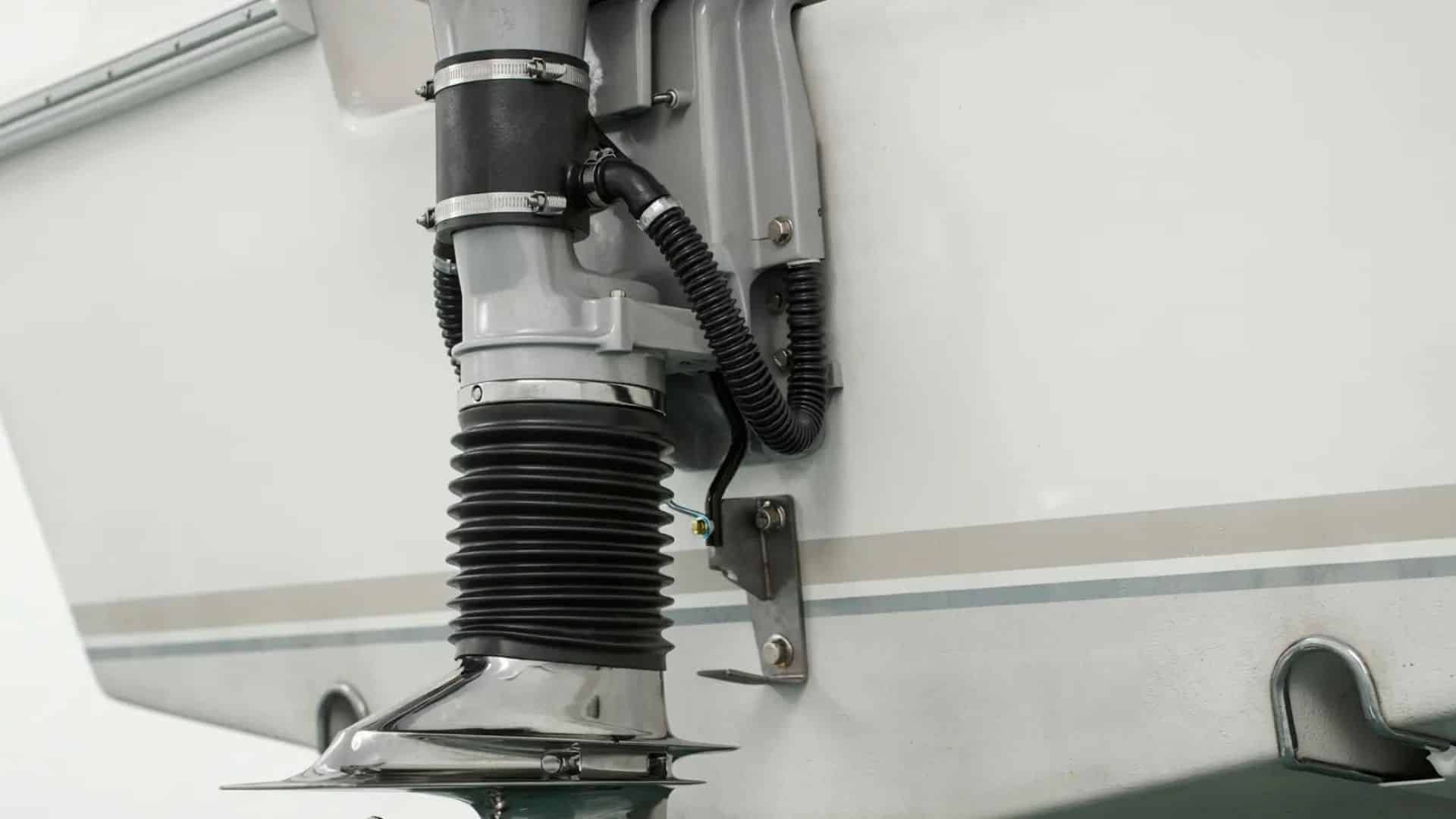
Bellows live in one general area, right where your boat meets the water and the drive does its work, but a few different bellows handle different jobs in that same tight space.
Bellows sit right at the transom, the point where the outdrive connects to the back of your boat. Since the stern drive tilts up and down for trim and swings side to side for steering, that connection point is always in motion.
A rigid seal would crack or leak almost immediately under that kind of movement. Bellows solve this by flexing right along with the drive, keeping a watertight barrier no matter which direction the outdrive is pointed.
Types of Bellows on a Boat
All the bellows of the boat don’t have the same function. Three bellows work together at the stern drive, each of which seals its own opening.
Knowing which openings are sealed by the bellows will make it easy for you to detect any problems in advance.
1. Drive Shaft Bellows
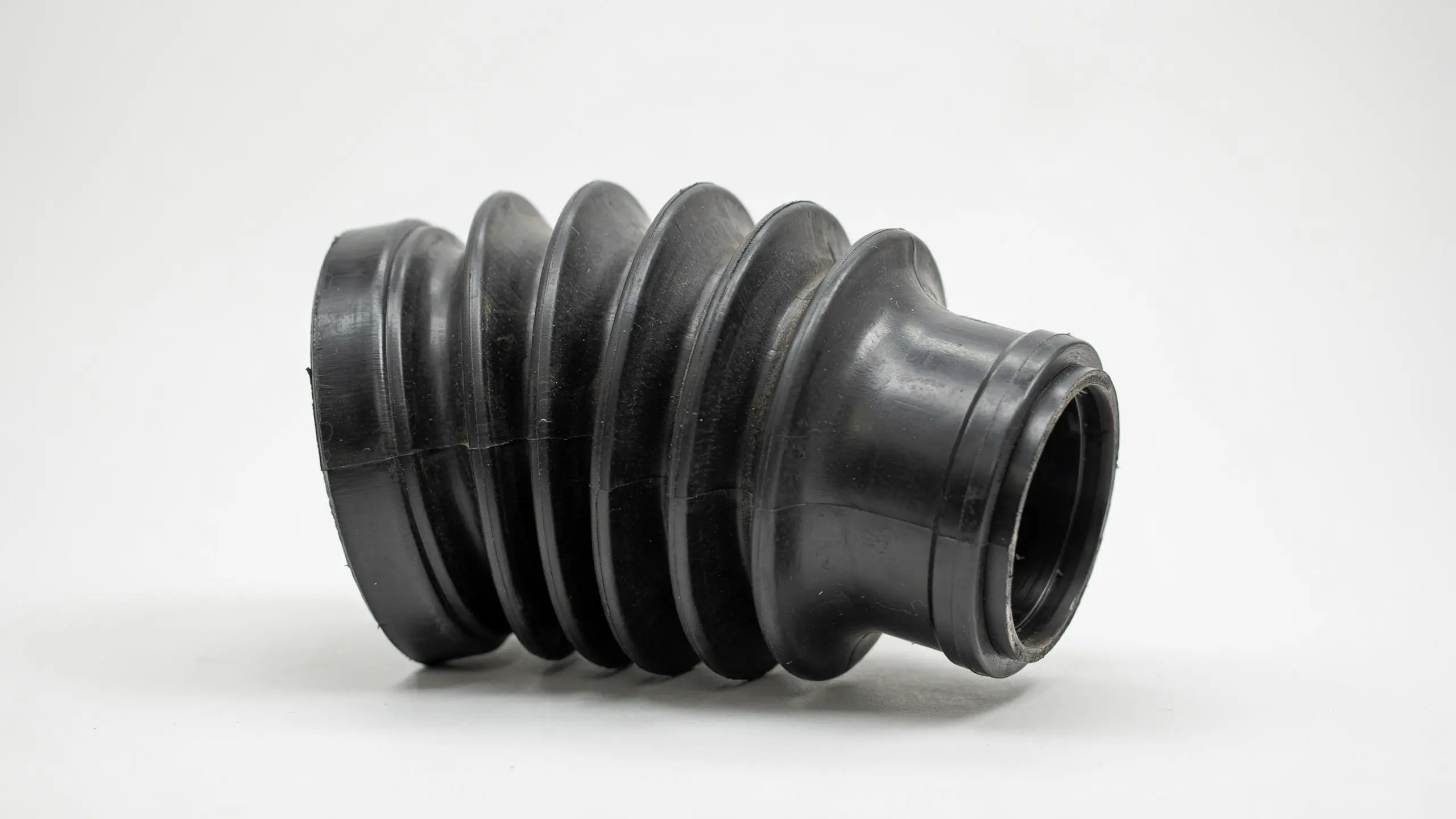
This one covers the U-joint and drive shaft area, arguably the most critical bellows on the boat. It keeps water from reaching the U-joint bearings and shaft splines, parts that corrode fast once water gets in and are expensive to replace.
Drive Shaft Bellows Replacement
I always start by shifting the boat into gear before removing the drive, since that keeps the U-joints aligned and makes reassembly easier. From there, the outdrive comes off the transom so you can access the bellhousing.
- Loosen and remove the clamps on both ends of the old drive shaft bellows.
- Cut the old bellows off with a utility knife if it will not slide free, being careful not to nick the drive shaft or gimbal bearing underneath.
- Inspect the gimbal bearing and U-joints while everything is exposed, since this is the easiest access you will get to these parts.
- Slide the new bellows into place along with fresh gaskets and O-rings, since reusing old ones defeats the purpose of the job.
- Reinstall the clamps and torque them to the spec in your service manual, not just hand tight.
2. Shift Cable Bellows
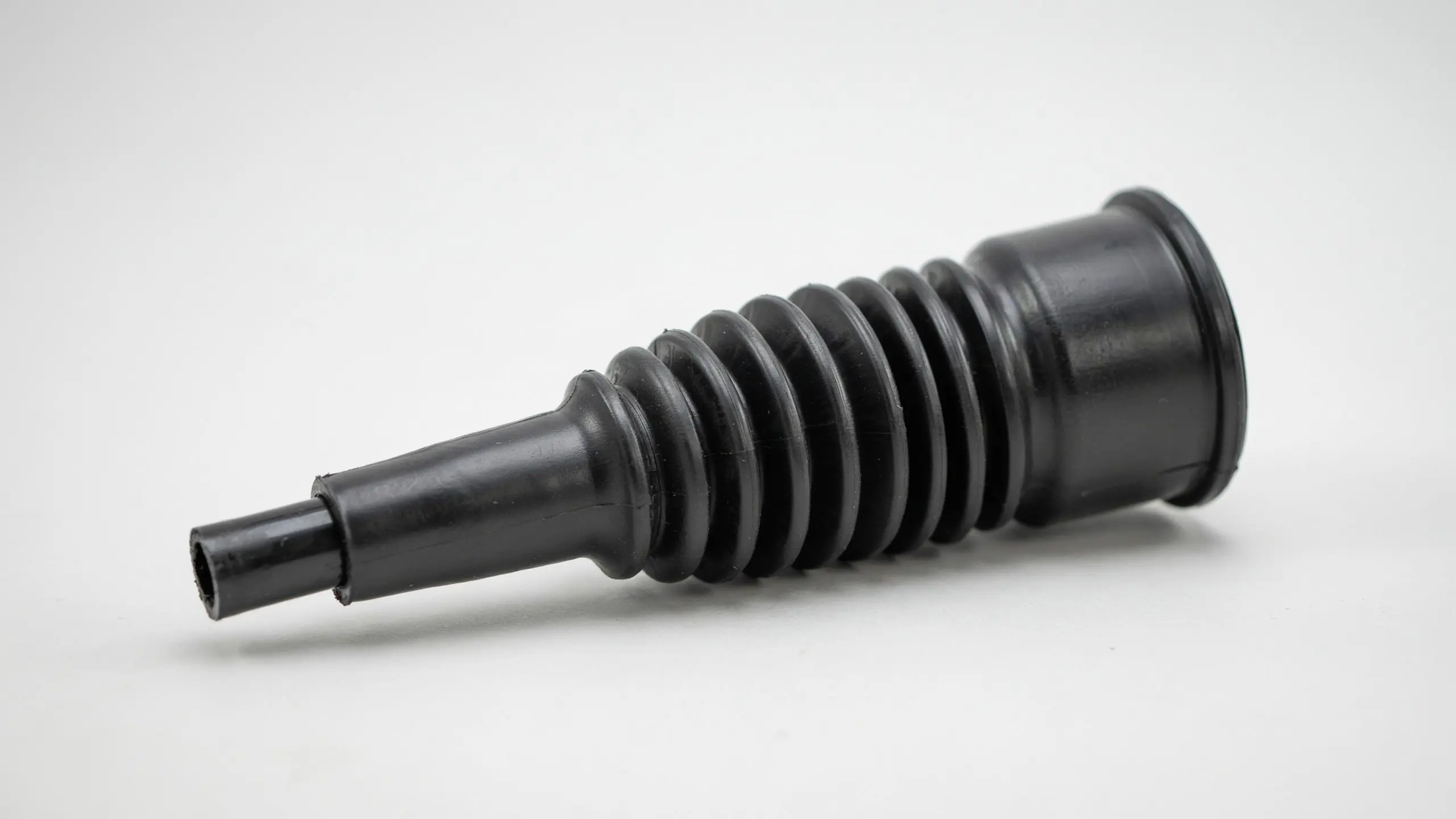
Smaller but just as important, this bellows seals the opening where your shift cable passes through the transom. Without it, water works its way in along the cable and slowly causes corrosion inside the boat.
Shift Cable Bellows Replacement
This is the easiest of the three, and I usually save it for last since it does not take much time once the drive is already off.
- Disconnect the shift cable from its mounting point so the bellows has room to move.
- Remove the clamps holding the old bellows in place at the transom.
- Slide the new bellows over the cable and seat it against the transom opening.
- Reconnect the shift cable and check that it moves smoothly through its full range before buttoning things up.
3. Exhaust Bellows
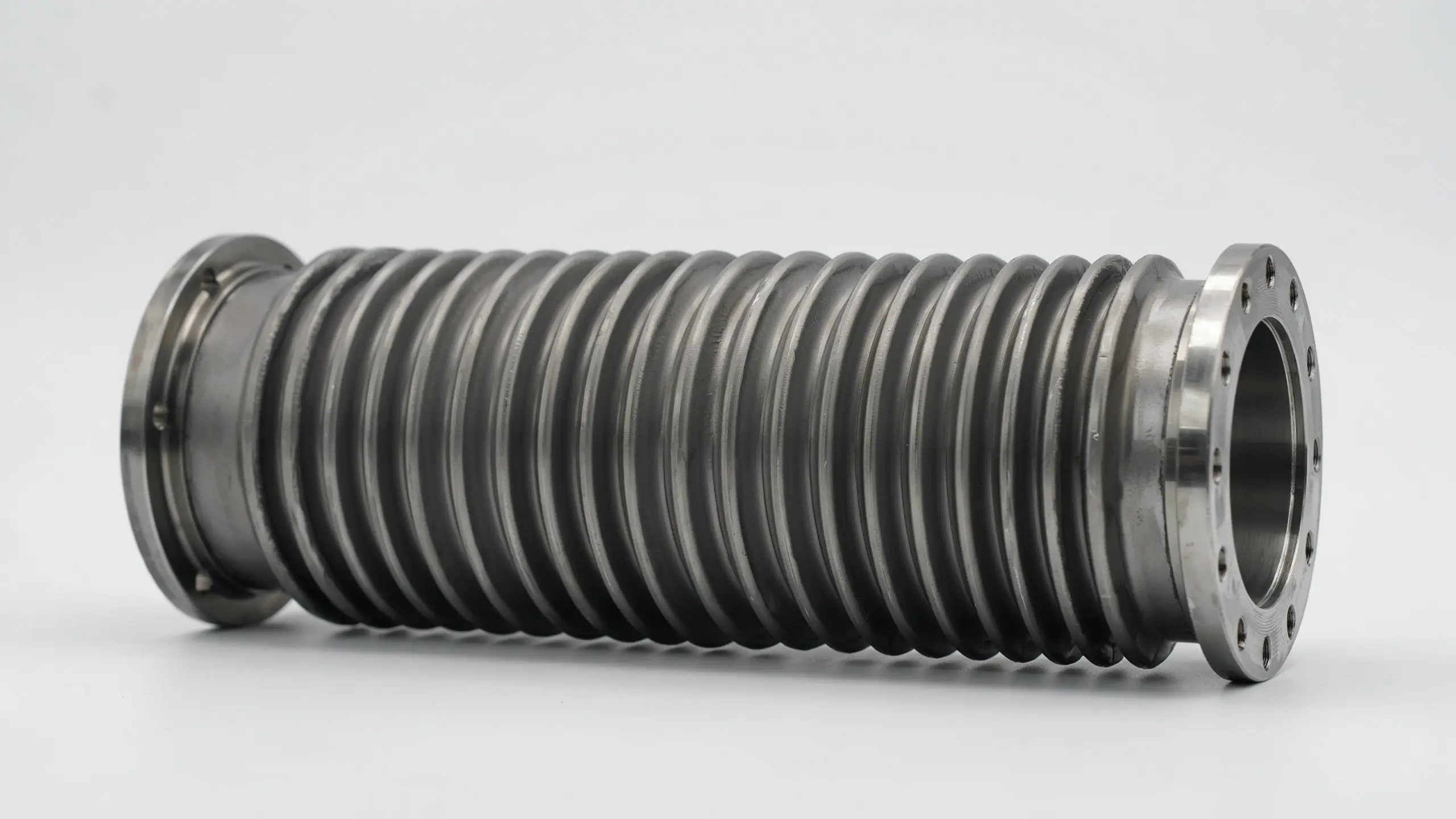
This bellows connects sections of the exhaust system on the outdrive. It helps route exhaust gases properly while keeping water from backing up into places it should not reach, especially at lower speeds or idle.
Exhaust Bellows Replacement
Exhaust bellows sit close to the drive shaft bellows, so I usually handle both while the drive is already open.
- Loosen the clamps on both ends of the exhaust bellows.
- Carefully cut away the old bellows, since this section sits close to other components you don’t want to damage.
- Check the housing for rust or debris before installing anything new, and clean it out if needed.
- Fit the new exhaust bellows and secure both clamps evenly so the seal sits flush all the way around.
Once the drive goes back on, I always pressure test the sterndrive before adding gear oil. It only takes a couple of minutes, and it tells you right away if a seal is not sitting the way it should.
What Do Bellows Do on a Boat?
Bellows might be small, but they carry a lot of responsibility for a part most people never see. Here is what they actually do out on the water:
- Keep water out by sealing sensitive mechanical parts away from seawater exposure.
- Allow stern drive movement, flexing to permit steering and trim while holding the seal.
- Protect engine and drive components like U-joints and cables from moisture and debris.
- Support stern drive reliability, since a failure here can quickly damage costly components.
Between sealing out water and flexing with every turn of the drive, bellows end up guarding some of the most expensive parts of your boat. That’s why a failed one rarely stays a small problem for long.
Why are Bellows Important on a Boat?
Stern drive systems only work because bellows hold up their end of the deal. The moment a bellows cracks or splits, the whole system loses the barrier it depends on, and water finds its way into places it was never supposed to reach.
A damaged or worn bellows opens the door to a handful of problems:
- Water entering the boat, sometimes slowly enough to go unnoticed until real damage is done
- Corrosion of internal parts, since saltwater and metal components do not mix well over time
- Damage to drive components, particularly the U-joints and shaft that bellows are meant to protect
- Expensive repairs, often involving the outdrive or transom assembly rather than just the bellows itself
The U.S. Coast Guard recommends that, before every outing, it is a good habit to pair the basic pre-departure checks with a bellows check, since both catch small issues before they turn into something serious on the water.
Catching a small crack early costs a fraction of what a full outdrive rebuild runs, and it is the difference between a quick fix and hauling the boat out for major repair work.
Signs Your Boat Bellows Need Replacement
Bellows usually don’t fail without warning. Most give off a handful of signs first, and knowing what to look for can save you from a much bigger repair down the line.
| Warning sign | What to look for |
|---|---|
| Visible cracks or splits | Dry, cracked rubber, along with tears or damage in the accordion folds |
| Water leaks | Water entering near the stern drive or dampness showing up around the transom. |
| Corrosion or rust around components | Rust near the drive shaft or U-joint, often a sign water already got past the seal. |
| Unusual noise or drive problems | Odd sounds or resistance while steering or trimming, which can point to related bellows damage |
| Age of the bellows | Rubber that has aged out from saltwater exposure, UV damage, constant movement, and temperature swings |
Any one of these on its own is worth a closer look. Catching them early is what keeps a bellows problem a cheap fix instead of an outdrive repair bill.
How Often Should Boat Bellows Be Replaced?
No single number works for every boat. Replacement intervals depend on the boat model, what the manufacturer recommends, and whether the boat runs in freshwater or saltwater, since saltwater wears rubber down noticeably faster.
As a general rule, most recreational stern drive boats need new bellows every 3 to 5 years, even if the rubber looks fine on the surface. Saltwater use and heavy trailering push that number toward the lower end, while a freshwater boat stored indoors can sometimes stretch past 5 years.
Storage conditions play a role too. A boat kept covered and out of direct sun tends to be easier on its bellows than one left exposed year-round.
Your best move is to check manufacturer guidelines for your specific model instead of relying on a general timeline, since that number can vary quite a bit from boat to boat.
Boats built to standards set by groups like the National Marine Manufacturers Association will usually have that maintenance schedule spelled out clearly in the owner’s manual, so it’s worth starting there before guessing.
How to Inspect Bellows on a Boat
A proper bellows inspection doesn’t take long, and doing it a few times a season can catch problems long before they turn into leaks. Here is a basic checklist to run through.
- Check for cracks, tears, or stiffness in the rubber, especially along the accordion folds where flexing happens most.
- Look for loose clamps at either end of the bellows, since a loose clamp can let water in even if the rubber itself is fine.
- Inspect for water leaks around the stern drive and transom area after the boat has been in the water.
- Check for signs of corrosion near the U-joint, drive shaft, and other components the bellows are meant to protect.
- Have a marine technician inspect hidden areas if needed, since some spots around the stern drive are hard to see without pulling things apart.
Keep in mind that a full bellows replacement often means removing the stern drive entirely to access the area properly.
That is not always a driveway job, and for most boat owners, it’s a repair better left to a professional who does it regularly.
Can You Run a Boat With Bad Bellows?
Technically yes, but it is not worth the risk. Even a small crack can let water seep into the U-joint, shaft, or shift cable area, parts that corrode fast once exposed.
What starts as a minor crack often turns into a bigger problem the longer you keep running the boat.
Water damage tends to spread quietly, and by the time you notice something is wrong, you could be looking at outdrive repairs instead of a simple bellows swap. It is one of those issues that only gets more expensive with time.
How to Avoid Future Problems With Bellows
Most of the bellows trouble I have seen could have been caught months earlier with a five-minute check. A little consistency here saves you from the kind of repair bill that ruins a boating season.
- Inspect every spring before launch, since a winter in storage is when rubber tends to stiffen or crack without you noticing.
- Check again after long trips or heavy use, especially if you have been running in saltwater, which wears bellows down faster than freshwater ever will.
- Replace all three bellows together, even if only one looks bad, since they age at close to the same rate and a second failure a few months later is common.
- Keep the boat covered when not in use, since UV exposure is one of the fastest ways to age rubber components before their time.
- Avoid trimming the drive up in the sun for long periods, since this leaves the bellows more exposed than they need to be.
- Have a technician check hidden areas during routine service, since some spots around the gimbal housing are hard to see without pulling things apart yourself.
- Keep records of when bellows were last replaced, especially if you bought the boat used, since a mystery service history is one of the biggest reasons bellows get overlooked.
- Stick to manufacturer-spec parts rather than the cheapest option you can find online, since a bellows failure is not where you want to save a few dollars.
None of this takes more than a few minutes at a time, but it is the difference between catching a problem early and finding out the hard way while you are out on the water.
This kind of upkeep matters whether your stern drive sits behind a fishing boat or one of the best pontoon boats for families, since the drive system works the same way regardless of hull style.
Boat Bellows Maintenance Tips
Keeping bellows in good shape does not take much effort, just a bit of consistency. A few simple habits go a long way toward avoiding surprise repairs.
- Inspect before and after storage, checking condition before launching and again once long storage periods end.
- Keep the stern drive maintained, since regular servicing often helps catch related issues early.
- Replace damaged bellows early, rather than waiting until water damage has already occurred.
A cracked bellows also risks your drive system. The United States Environmental Protection Agency points out that a well-maintained engine and drive system leaks less fuel and oil into the water, so keeping your bellows in good shape protects more than just your own repair bill.
None of these take much time, but they are the difference between a quick bellows swap and an expensive outdrive repair. A little attention now saves a lot of hassle later.
It is worth noting that stern drives are not the only water toys with bellows to watch. Most personal watercraft steering systems use a similar bellows setup in their jet-drive assembly, so the same inspection habits apply if you own a jet ski too.
Conclusion
Bellows on a boat are not something you think about until they fail, and by then, you are usually already dealing with a repair bigger than the part itself.
A quick check before launching, a look after storage, and paying attention when something feels off with the drive can save you thousands down the line.
This is a lesson that cost me more than it should have, and it is not one worth repeating.
Stay on top of your bellows, and your stern drive will keep running the way it is supposed to for years.
Frequently Asked Questions
What are Bellows on a Boat?
Bellows are flexible rubber seals that protect stern drive components from water and debris.
How Long Do Boat Bellows Last?
Their lifespan depends on usage, environment, maintenance, and manufacturer recommendations, though most need replacement every 3 to 5 years.
Do All Boats Have Bellows?
No. Bellows are mainly used on boats with stern drive or I/O systems.
Can Bad Bellows Sink a Boat?
Damaged drive bellows can allow water into the boat and may cause serious problems if ignored.