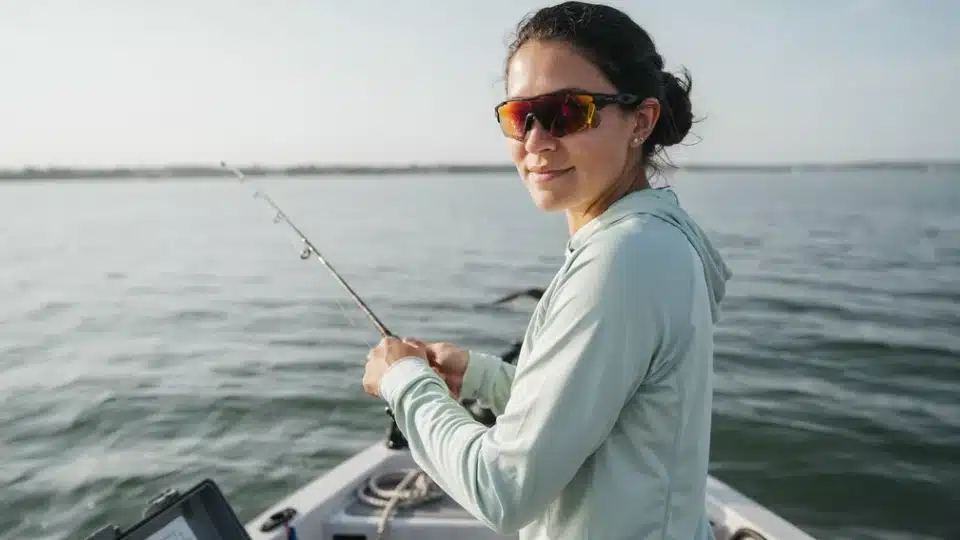

A runabout boat is a small, open powerboat built for cruising, fishing, and watersports. I’ve spent enough time around lakes and marinas to know it’s usually the first boat people buy, and for good reason.
Runabouts typically run 16 to 30 feet long, though some models stretch past that on either end, and they carry an open cockpit that’s simple enough for a first-time owner to learn in a weekend.
They’re not too big and not too expensive, which is why so many first-time buyers choose a runabout over anything else on the lot.
Below, I’ll walk through the different types of runabouts, what they’re actually good for, the pros and cons, what to check before you buy, how to maintain one, and how a runabout stacks up against other boats you might be cross-shopping.
What is a Runabout Boat?
A runabout is a boat built for fun on the water. Cruising, fishing, watersports- it can handle all three without much fuss.
This kind of boat isn’t very big, so it usually seats four to eight people. It runs on an outboard or sterndrive engine, and the inside stays open with plenty of room to move around. The name fits what it was built for: running about on lakes, rivers, and calm bays.
The size range is wider than many people expect. Most runabouts fall between 16 and 30 feet, but you’ll find compact 13-footers and larger 35-to-38-foot models wearing the same label.
Runabouts actually trace back to the 1920s. The earliest ones were varnished wooden boats built to take advantage of early outboard motors, and I still think that history is part of why the design has held up so well.
A 19-foot runabout works great for tubing, cruising along the shore, or a weekend lake trip. Compared to a cruiser, a runabout is easier to handle and a lot easier to store when you’re not using it.
Runabout vs. Bowrider: What’s the Difference?
I get asked this constantly, and honestly, the terms overlap more than people think. A bowrider is really a type of runabout, one with open seating built into the bow.
Some in the industry use “runabout” and “bowrider” almost interchangeably, especially when the boat has a flush-deck cuddy cabin. In that configuration, it’s sometimes called a sport boat instead.
The bigger umbrella term is “runabout,” and it covers bowriders, deck boats, jet boats, and a few other small powerboat styles built for general use rather than one specific job.
What are Runabout Boats Used for?
Runabouts stay popular because one boat can cover so much ground. Families lean on them for day cruising because the open seating works well for short trips on lakes, rivers, and calm coastal water.
People also use runabouts for tubing, water skiing, and wakeboarding. They’re a solid fit for casual fishing too, though serious anglers will want a dedicated fishing boat with proper storage and live wells.
The real appeal is that one runabout can cruise, tow watersports gear, and handle a light fishing trip. Most owners never feel like they need a second boat.
Key Features of a Runabout Boat
If you’re shopping for a runabout, it helps to know the features that actually define the category.
- Open Seating Layout: The open floor plan gives everyone room to move and makes the cockpit feel bigger than the boat’s actual footprint.
- Outboard or Sterndrive Engine: Outboards are easier to service, while sterndrive setups tend to handle more smoothly at higher speeds.
- Windshield Protection: A windshield blocks wind and spray, making cruising much more comfortable.
- Storage Compartments: Room for life jackets, safety gear, fishing rods, tubes, and other water toys.
- Trailer-Friendly Design: Most runabouts are light enough to tow and store without needing a dedicated marina slip.
- Swim Platform: Makes it easy to get in and out of the water between watersports runs.
These features keep the runabout simple to use while still covering the activities people actually want to do.
Types of Runabout Boats
Not every runabout looks the same. The type you pick affects seating, storage, and which activities the boat handles best.
1. Bowrider Runabout Boats
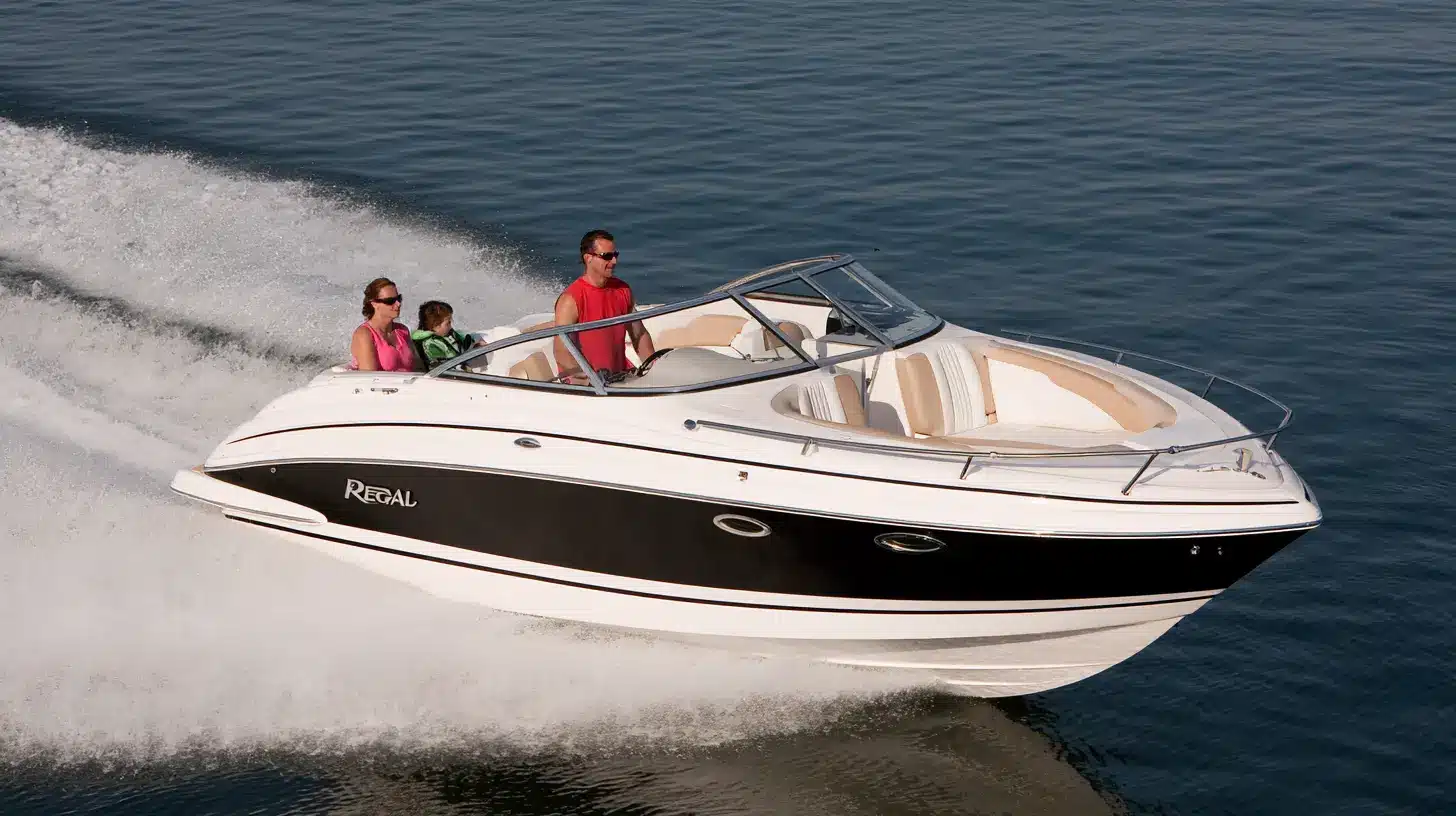
Bowriders open up seating at the front of the boat, in the bow area, along with the seating you’d expect further back. It’s a nice spot to sit, catch some sun, or just enjoy the ride.
Families like bowriders because they’re good for cruising, swimming, and towing tubers or skiers.
Best for: Families, beginners, and casual boaters who need a versatile boat for swimming, tubing, and weekend lake trips.
2. Cuddy Cabin Runabout Boats
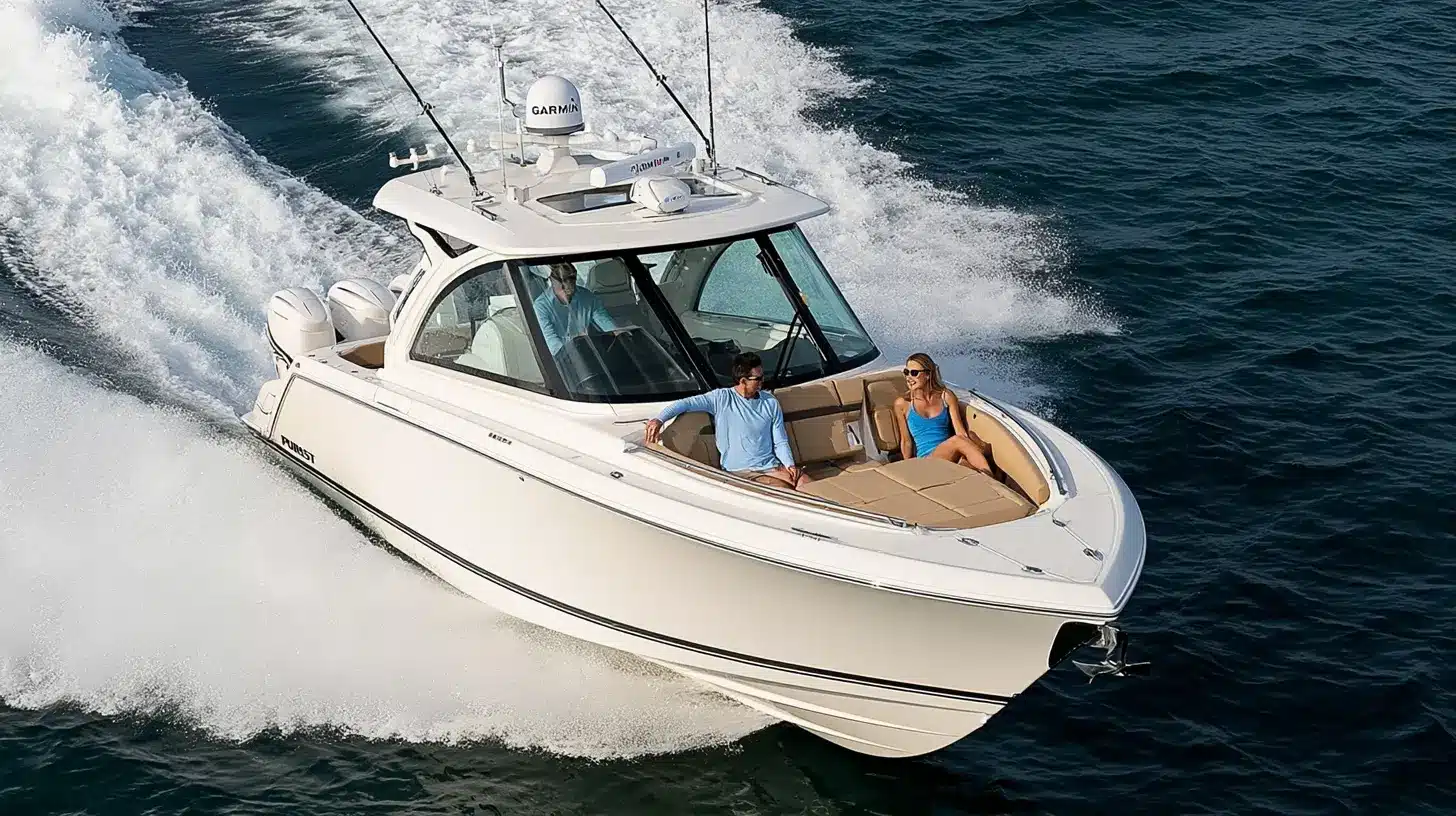
Cuddy cabin runabouts add a small cabin up front, a place to get out of the sun, wind, or rain, and stash your gear.
That cabin can double as a short-term sleeping spot for a weekend trip, which is why cuddy cabins tend to appeal to couples and weekend boaters more than anyone else.
Best for: Couples and small families who want extra comfort for longer day trips, overnight stays, or changing weather.
3. Jet Boats
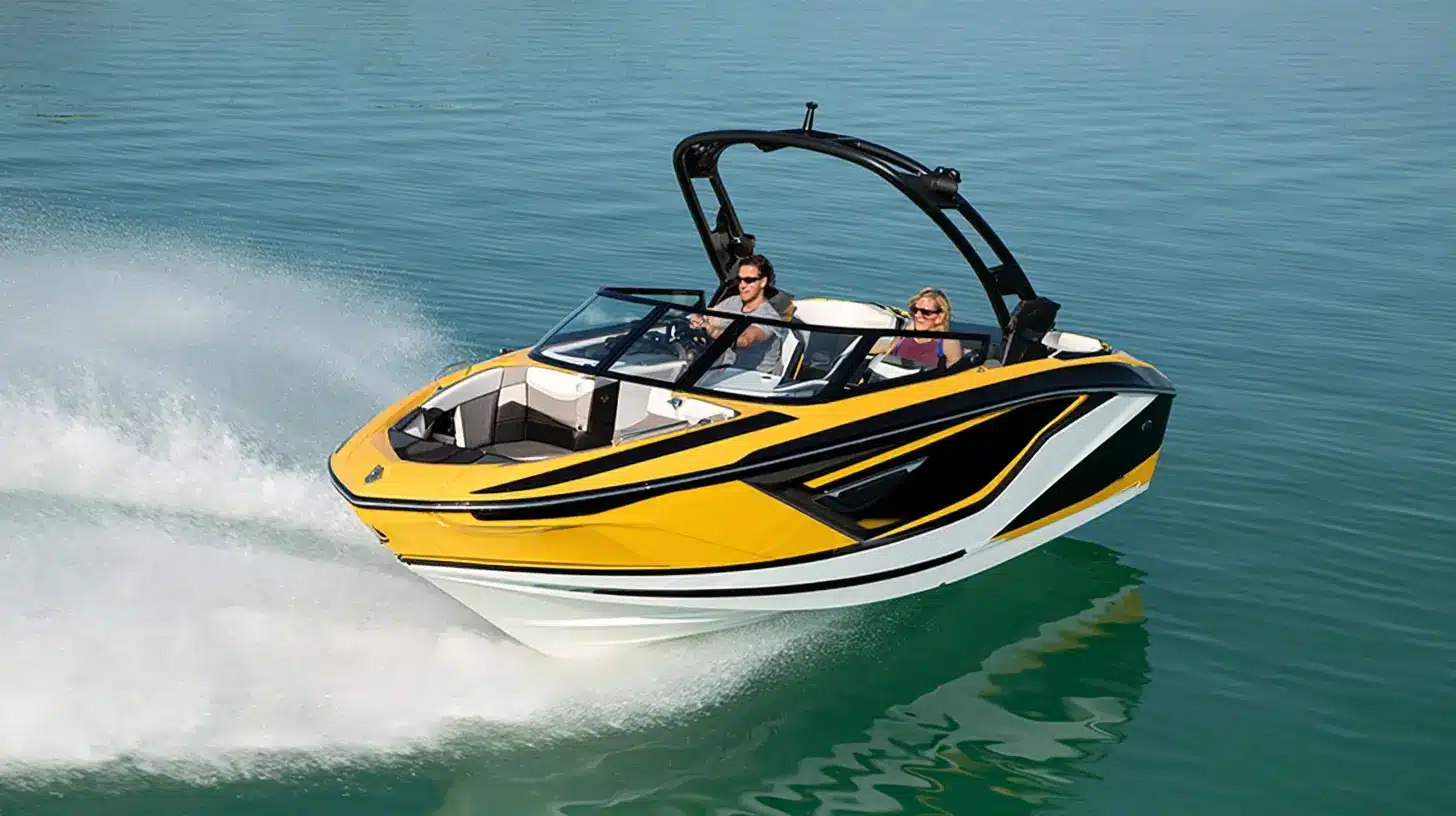
Jet boats swap the traditional propeller for water jet propulsion, pushing water through a pump system instead. That design gives jet boats quicker acceleration and tighter maneuverability, and it lets them run in shallower water than a prop-driven boat can handle.
Watersports fans tend to gravitate toward jet boats because they’re responsive and easy to handle on the water.
Best for: Watersports enthusiasts who want quick response and easy handling for wakeboarding and tubing.
4. Deck Boats
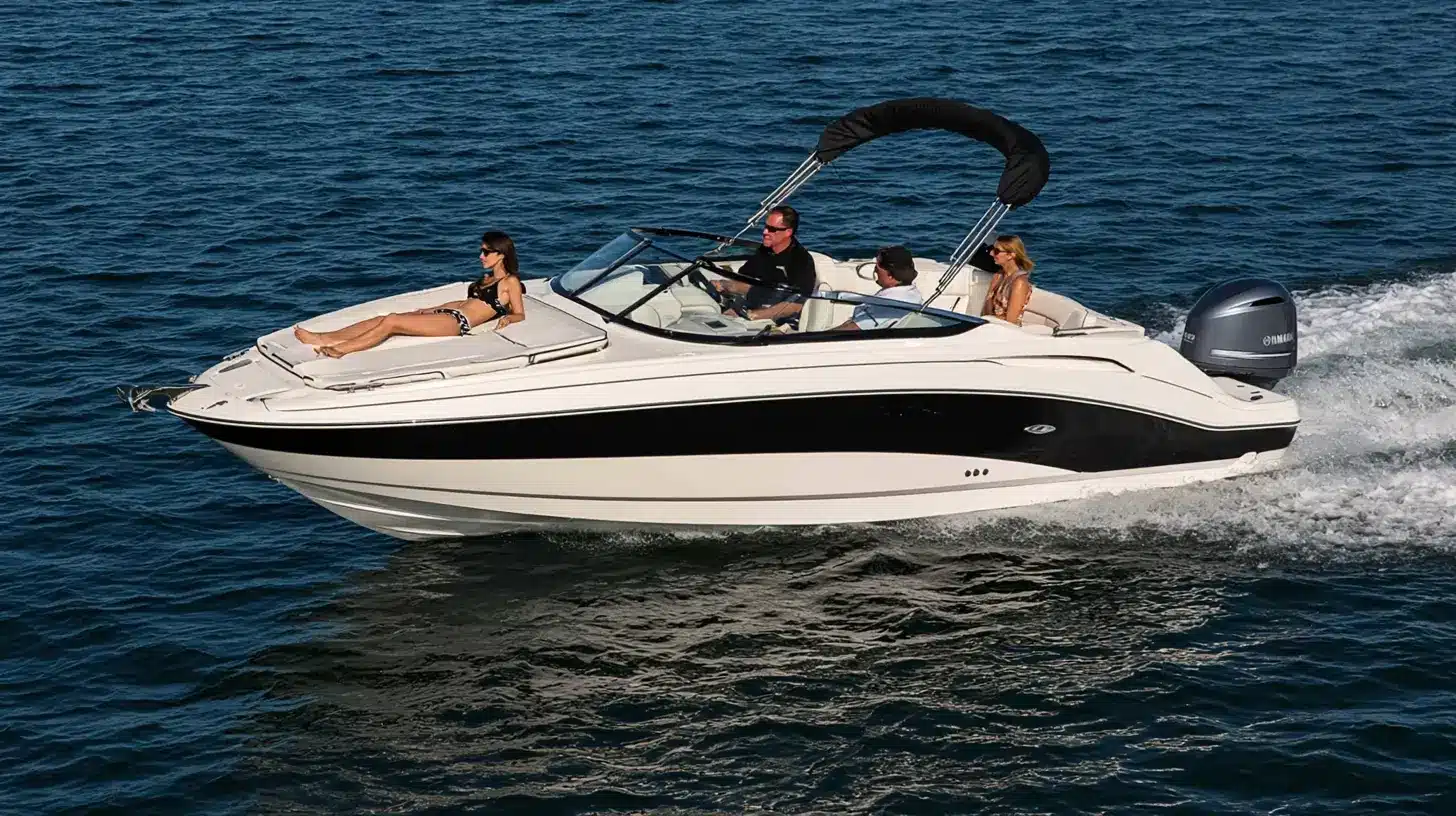
Deck boats use a wider hull that opens up more deck space and seating than a standard bowrider offers. That extra room makes it easier for passengers to move around, relax, swim, or enjoy watersports together.
They’re a good fit for larger families or groups who want more space without stepping up to a much bigger boat.
Best for: Larger families and groups who need extra seating and room for social activities.
5. Fish and Ski Runabout Boats
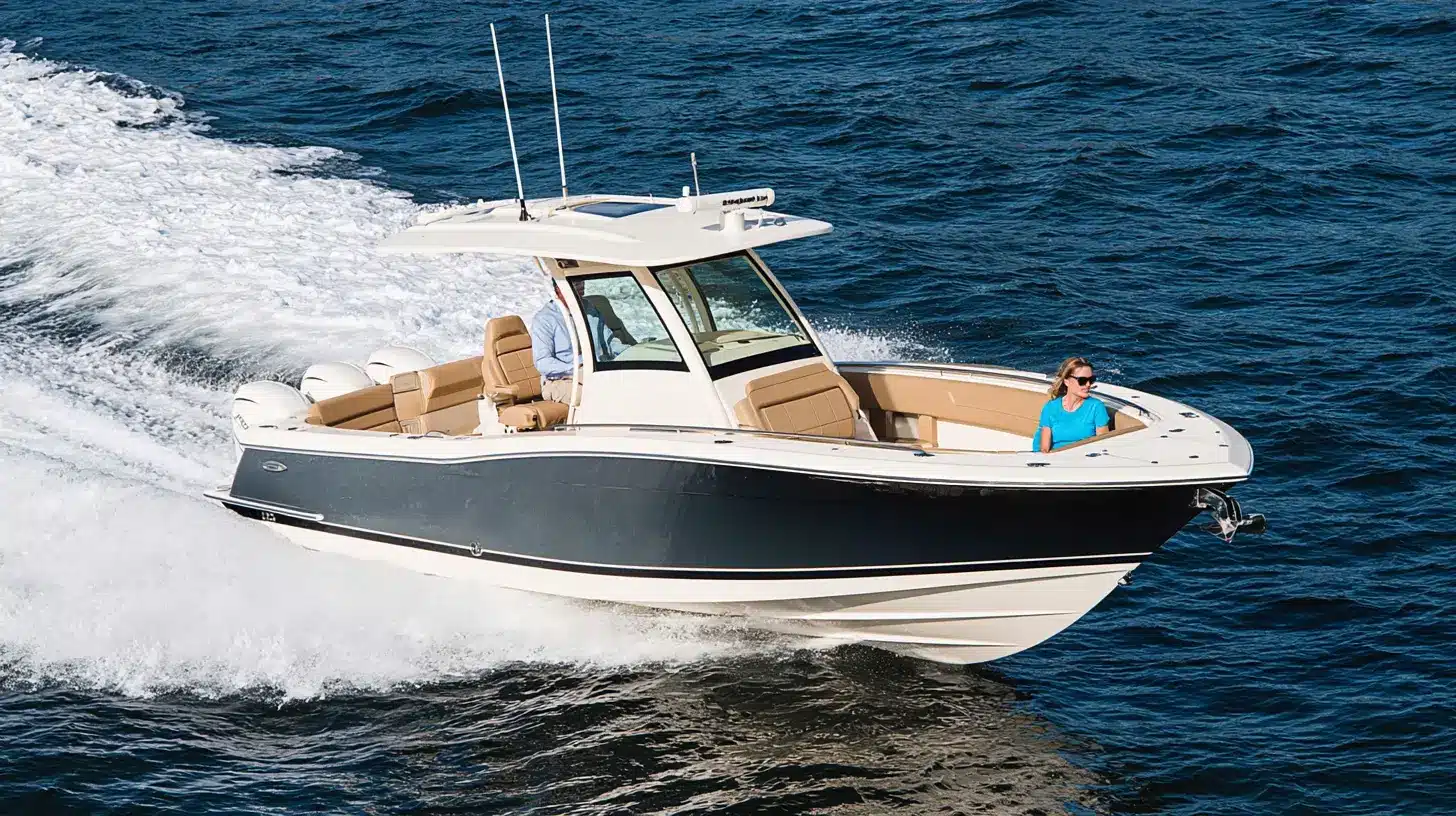
These boats add rod holders and extra storage for anglers while keeping the comfortable, ride-focused layout of a standard runabout.
Because a fish and ski runabout can flex between roles, it often works well for families who want one boat that does more than one job.
Best for: Owners who want one boat for casual fishing trips, family outings, and watersports without owning separate boats.
Matching the type to how you’ll actually use the boat is what keeps you from paying for space or features that end up going unused.
Advantages and Disadvantages of Owning a Runabout Boat
People gravitate toward runabouts because they’re comfortable, quick, and affordable. That said, runabouts have real limitations worth weighing before you buy.
| Advantages | Disadvantages |
|---|---|
| Easy to Handle – Simple to steer and dock. | Limited Space – Less room for people and gear. |
| Versatile Use – Great for cruising, fishing, and watersports. | Less Rough-Water Protection – Offers less shelter from wind and spray. |
| Lower Ownership Costs – Usually costs less to fuel and maintain. | Limited Storage – Smaller storage areas. |
| Easy to Transport – Many models are trailerable. | Not Ideal for Long Trips – Best for day outings. |
| Good for Day Trips – Comfortable for casual boating. | Limited Overnight Space – Few sleeping accommodations. |
If you want a boat that’s easy to handle and flexible enough for a lot of different activities, a runabout is hard to beat for a day on the water. If you need more space or serious storage, you’re probably better off looking at a bigger boat.
Runabout Boat Features to Consider Before Buying
A few details separate a boat you’ll actually use from one that sits at the dock all season.
When you’re comparing runabouts, think about overall size, engine power, seating capacity, and how much gear you need to store.
Smaller boats are easier to handle and tow behind your car, while bigger boats trade some of that convenience for comfort. Match the engine size to how many people you’ll typically have aboard and what you plan to do on the water.
Also check storage space for life jackets, rods, and water skis. Once you’ve weighed size, budget, and intended use together, narrowing down the right boat gets a lot easier.
Outboard vs Sterndrive Engines
Runabouts commonly run on either an outboard or sterndrive engine, and each setup brings different trade-offs. Your choice affects performance, maintenance, interior space, and handling.
| Outboard | Sterndrive |
|---|---|
| Engine is mounted outside the hull. | The engine is mounted inside the boat, with the drive unit extending through the stern. |
| Easier access for maintenance. | Offers a cleaner, more integrated appearance. |
| Frees up more interior space. | Keeps the engine out of the main seating area. |
| Easy to tilt out of the water. | Can provide smooth, balanced handling. |
| Common on many modern runabouts. | Often found on larger or performance-focused runabouts. |
For simple maintenance, easy trailering, and everyday versatility, an outboard is usually the more practical pick. A sterndrive tends to appeal to boaters who prefer its integrated look and handling feel.
Best Runabout Boat for Different Buyers
Picking the right runabout comes down to who’s using it and what you actually plan to do with it.
- Best for Beginners: Smaller bowrider models with simple controls and lower maintenance needs suit first-time owners best.
- Best for Families: Larger bowriders or deck boats offer more seating, storage, and space for group outings.
- Best for Watersports: Jet boats or performance-focused runabouts give you quicker acceleration and sharper handling for wakeboarding and tubing.
- Best for Fishing: Fish and ski models pair rod storage with comfortable family-friendly seating.
- Best for Weekend Trips: Cuddy cabin models add basic shelter, extra storage, and more comfort for longer outings.
Starting with how you’ll actually use the boat, rather than chasing a brand name, usually gets you a better long-term fit.
Best Runabout Boat Brands Compared
A quick side-by-side view makes it easier to see how the major brands differ.
| Brand | Known For | Best For |
|---|---|---|
| Sea Ray | Premium build quality and comfort | Buyers who want upgraded features |
| Bayliner | Affordable, beginner-friendly models | First-time boat owners |
| Boston Whaler | Durable, unsinkable hull construction | Long-term ownership |
| Yamaha | Reliable jet propulsion models | Watersports fans |
| Chaparral | Stylish layouts and steady performance | Families wanting comfort |
Price, warranty terms, and dealer support vary by brand, so it’s worth checking current listings before you decide.
Runabout Boat Maintenance TipsRegular upkeep keeps a runabout reliable season after season. Rinse the boat after every trip, check the engine, inspect the hull, monitor the battery, and store it under a cover when it’s not in use. In colder climates, winterizing the engine and plumbing prevents costly damage. The U.S. Coast Guard boating safety resources cover seasonal storage and safety checks in more detail. A little consistency here goes a long way toward extending the boat’s lifespan. |
How Much Does a Runabout Boat Cost?
Runabout prices vary widely depending on brand, size, engine, and features. Knowing the general range helps you set a realistic budget before you start shopping.
-
New Runabout Boats: Most new models range from $25,000 to $100,000+, depending on size, brand, engine power, and added features.
-
Used Runabout Boats: Used models typically range from around $10,000 to $60,000, depending on age, condition, maintenance history, and upgrades.
Market conditions push these numbers up or down over time, so treat this as a starting range rather than a fixed price. And remember, the purchase price is just the start. Insurance, fuel, storage, and routine maintenance add to the real cost of ownership.
Runabout Boat vs Other Boat Types
Knowing how a runabout stacks up against other popular boat types makes it easier to land on the right choice. Each option trades off space, performance, and purpose differently.
| Boat Type | How It Compares to a Runabout Boat |
|---|---|
| Center Console Boat | Center consoles skip the bow seating and cabin space of a runabout, placing the helm in the middle of the deck for 360-degree access. That layout suits fishing better, while runabouts lean toward comfort and family-friendly seating. |
| Pontoon Boat | Runabouts offer better speed and handling, while pontoons provide more open space, stability, and seating for larger groups. |
| Fishing Boat | Runabouts are better for mixed activities, while dedicated fishing boats bring specialized features like larger storage, rod holders, and live wells. |
| Jet Ski | Runabouts carry more passengers and gear, making them better for family trips, while jet skis are built for individual riders and quick recreation. |
Runabouts land in the middle: enough performance, comfort, and versatility for buyers who want one boat that covers multiple activities instead of a specialized model.
Final Thoughts
A runabout covers enough activities it stay a go-to pick for first-time boat buyers.
Simple controls, comfortable seating, and a layout that flexes to whatever you’re doing that day make it a solid choice for cruising, fishing, and jumping in the water.
Which runabout makes sense really depends on how you’ll use it.
A smaller model suits someone just getting started or looking for casual time on the water, while a bigger boat with more power and space fits a family or frequent boater better.
Matching the boat type, size, engine, and features to what you actually need, rather than just going by brand name, is what gets you a better deal and a boat you’ll be happy with for years.
Frequently Asked Questions
Are Runabout Boats Good for Beginners?
Yes. Simple controls, smaller size, and lower maintenance make runabouts a common first boat for new owners.
How Many People Can Fit on a Runabout Boat?
Most models seat four to eight people, depending on the length and layout of the specific boat.
Can You Fish from a Runabout Boat?
Yes, for casual fishing. Fish and ski models add rod holders and storage suited to lighter fishing trips.
Are Runabout Boats Good for Ocean Use?
They work best in calm coastal water. Rough open-ocean conditions call for larger, more stable boats instead.
What’s the Difference Between a Runabout and a Bowrider?
A bowrider is technically a type of runabout, one with open seating built into the bow. The two terms get used interchangeably a lot, especially once a flush-deck cuddy cabin gets added and the boat starts getting called a sport boat instead.