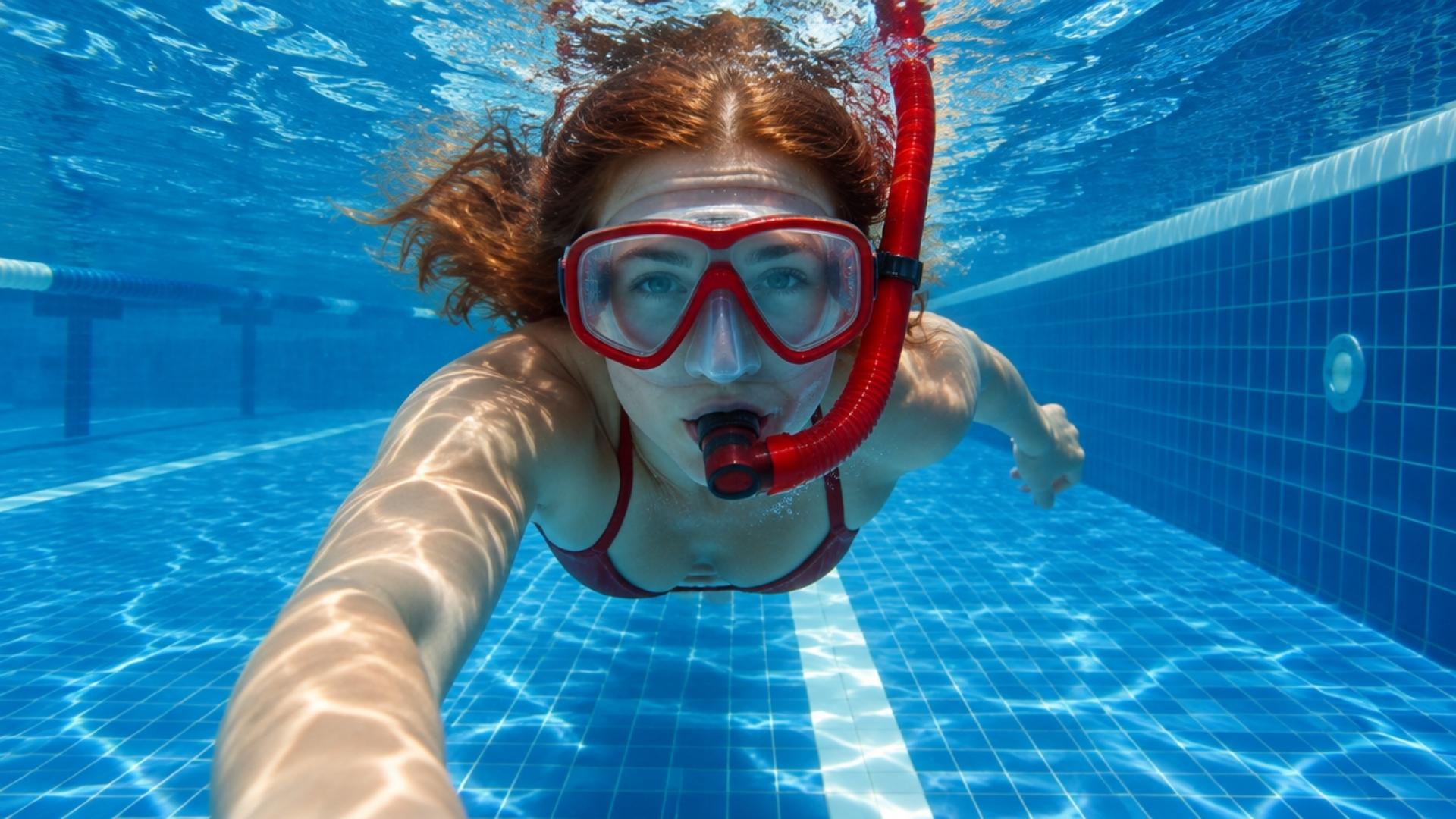
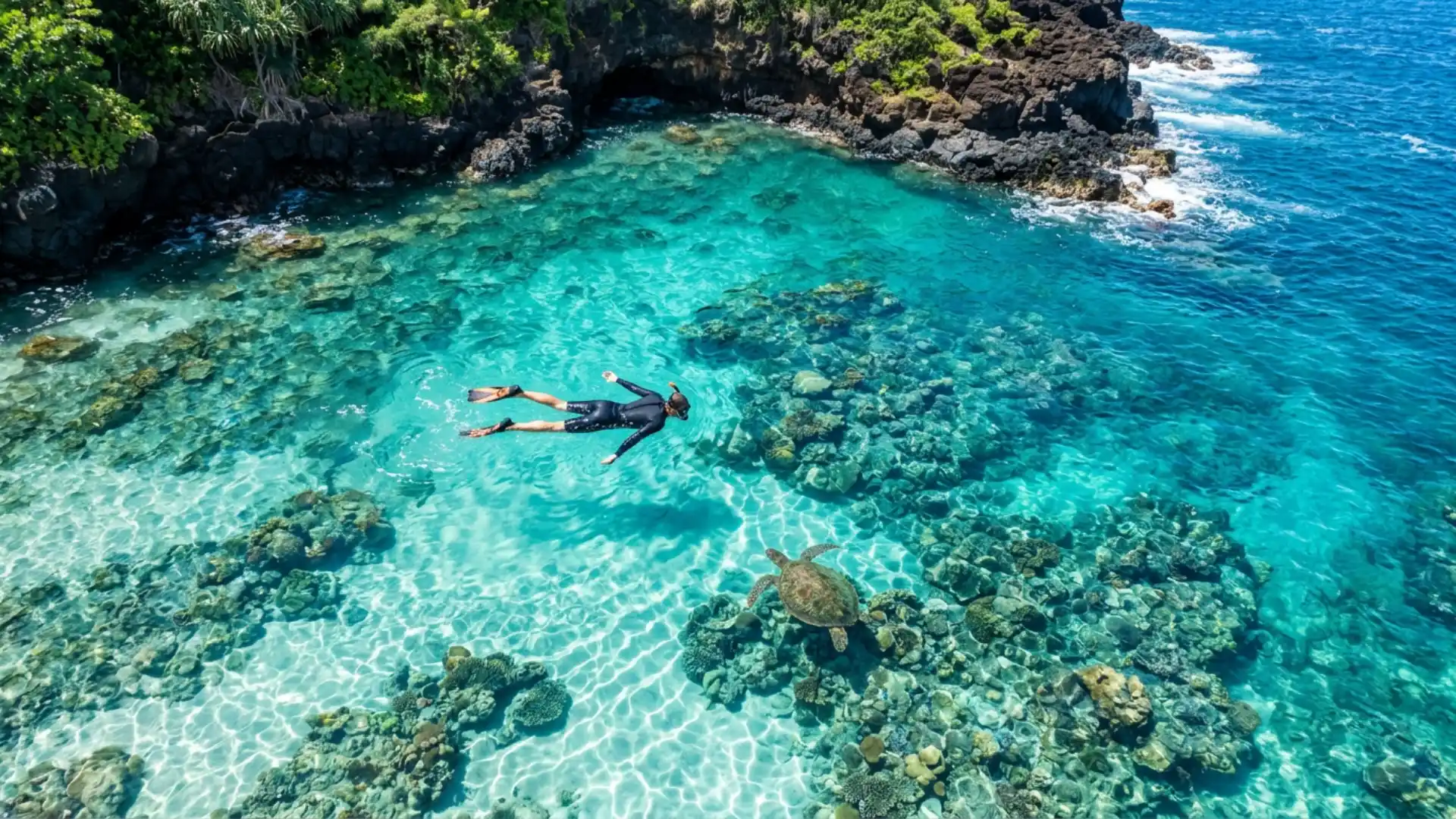
Hawaii’s best snorkeling may be found either on a boat trip or somewhere off the coast of the islands. However, the best beaches to go snorkeling may be right at the coastline, as there you can enjoy clear water, abundant fish, and pleasant surprises.
Having visited a lot of locations for snorkeling in Hawaii, I discovered that each of the islands has its unique offer for snorkelers.
There are bays teeming with turtles and reef spots rich in color and other features; thus, I understood that it was equally important to choose both a proper spot and a season.
Below, I will provide some information about the places worth a visit on Oahu, Maui, the Big Island, and Kauai, and useful tips for you.
Quick Answer: Best Snorkeling Spot on Each Island
In a hurry? These are some of the best places you could snorkel in each of the Hawaiian islands:
- Oahu: Hanauma Bay is one of the best beginner snorkeling spots because of its protected reef and shallow water. Electric Beach offers more marine activity for confident swimmers but requires more awareness of ocean conditions.
- Maui: Molokini Crater offers some of the best water clarity by boat, while Kapalua Bay is a good shore access place for relaxing snorkeling.
- Big Island: Kahaluʻu Beach Park is suitable for beginners thanks to its easy access, while Kealakekua Bay is special for its excellent visibility and diverse marine life.
- Kauai: Poipu Beach can be a good choice year-round for its calm waters, while Tunnels Beach offers a larger reef system and great underwater scenery in summer.
What Makes Hanauma Bay Oahu’s Best Beginner Reef?
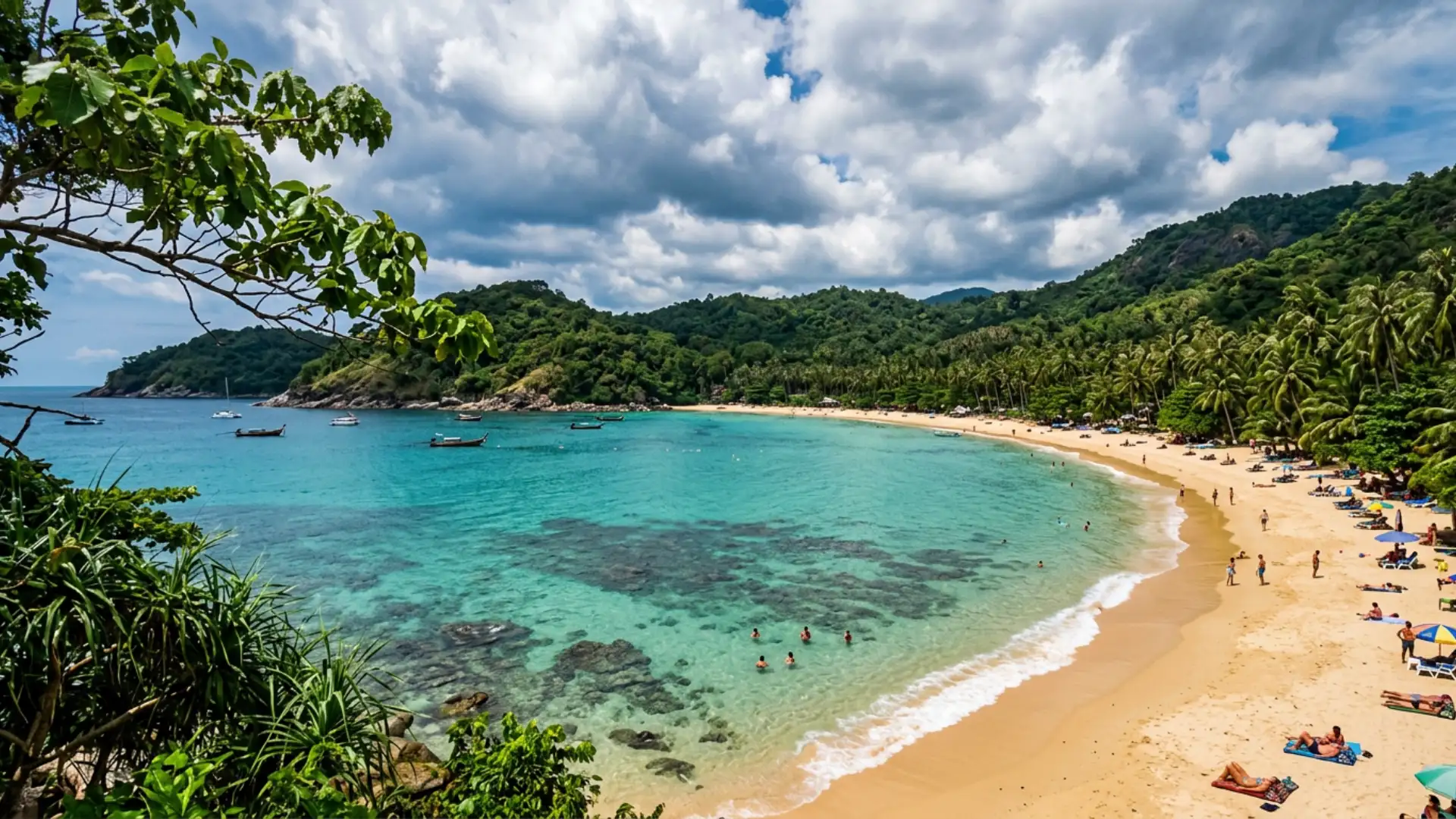
Hanauma Bay is one of Oahu’s easiest snorkeling spots because its volcanic crater protects the water from rough conditions. The shallow 3- to 8-foot reef makes it ideal for beginners, kids, and spotting colorful reef fish.
Since it gets busy, visitors should reserve a spot through the City and County of Honolulu’s system, and note that it is normally closed on Mondays and Tuesdays.
Visitors should also check current closure notices before planning a trip, as temporary closures can happen for maintenance or conservation work.
Hanauma Bay closed August 3, 2026, for sewer system replacement and is now scheduled to reopen on August 19, 2026, after the closure was extended for additional repairs.
A second short closure is expected in early 2027 when the new lift station goes online, so check the official site before booking.
Check the official City and County of Honolulu Department of Parks and Recreation updates before booking your visit.
Entry costs $25 for visitors 13 and older, while Hawaii residents and children 12 and under enter free with valid ID. Everyone also watches a short conservation video before heading to the beach.
If tickets sell out, Electric Beach at Kahe Point is an option for experienced snorkelers. The warm water attracts marine life, but stronger currents, waves, and deeper water make it less suitable for beginners. Check ocean conditions before entering.
Best Snorkeling Spots in Maui: Molokini Crater and Kapalua Bay
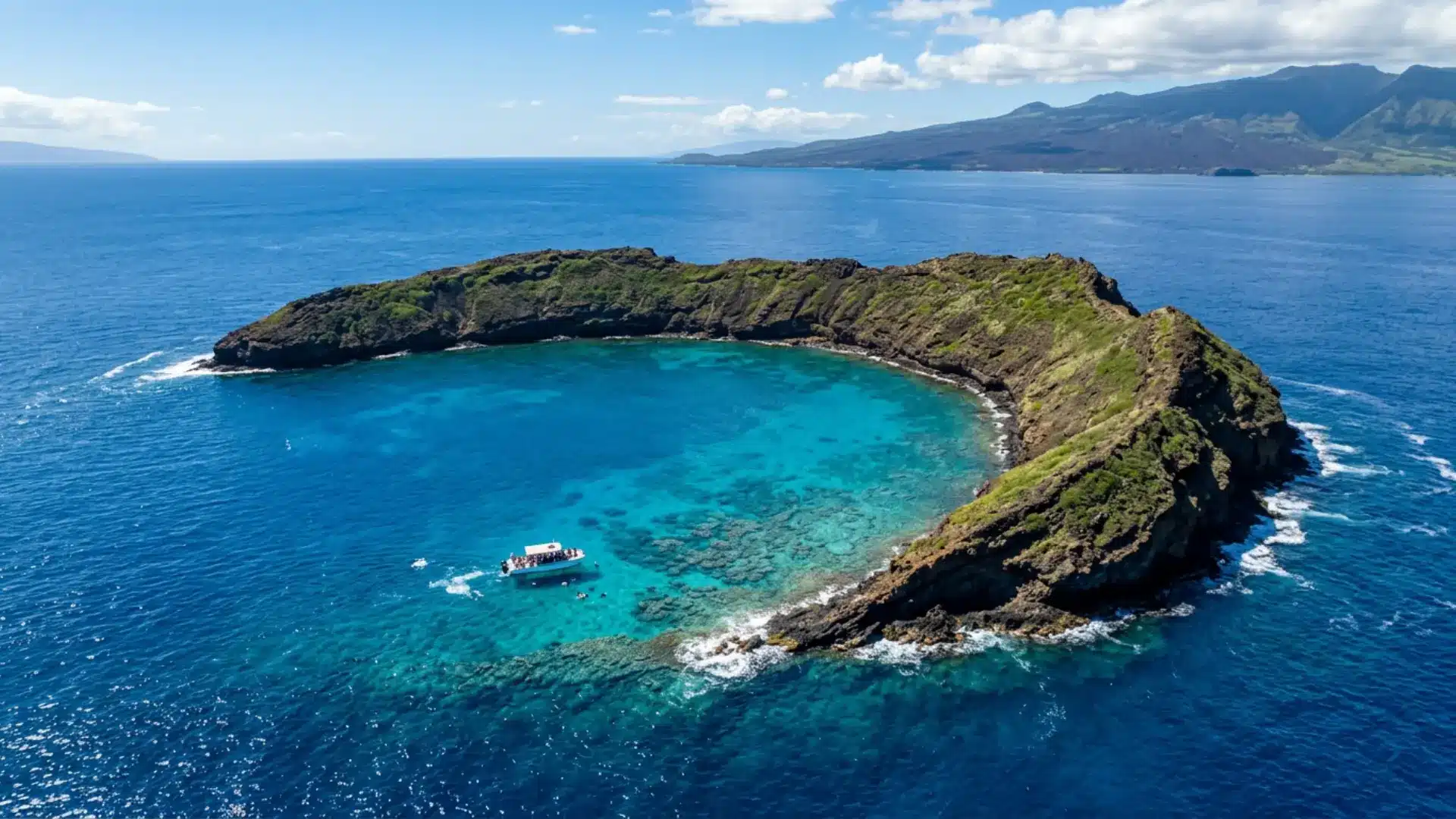
Maui offers two standout snorkeling experiences: Molokini Crater for crystal-clear offshore reefs and Kapalua Bay for easy beach access.
Molokini Crater lies about three miles offshore from Maui’s south coast and is accessible only by boat. The protected crater waters usually range from 20 to 50 feet deep, with visibility that can reach around 150 feet on clear days.
The crater’s back wall drops dramatically to deeper waters of around 300 feet and is known as a popular area for spotting larger marine life, including turtles.
The outer back wall drops into much deeper water, making some areas better suited for experienced snorkelers and divers who are comfortable with deeper ocean surroundings. Most tours also visit Turtle Town near Maluaka Beach, where green sea turtles gather.
For those without boats, one could consider the Kapalua Bay located at the west coast of Maui Island. This is an ideal location for beginners as the bay is protected by a reef that prevents waves from entering the area.
Quick Pick:
- Molokini Crater: Best for visibility and offshore marine life
- Kapalua Bay: Best for easy shore snorkeling and families
Big Island Snorkeling Kealakekua Bay vs Kahaluʻu Beach Park
The Big Island has two standout snorkeling spots, but they offer completely different experiences:
| Spot | Best For | What to Expect |
|---|---|---|
| Kealakekua Bay | Clear water and marine life | A protected conservation area with healthy coral reefs, excellent visibility, and plenty of reef fish. Most visitors arrive by kayak or boat since shore access requires a steep hike |
| Kahaluʻu Beach Park | Beginners and families | A shallow lava-rock reef near Kailua-Kona with calmer water, easy entry, and frequent green sea turtle sightings near shore |
Kealakekua Bay is also located near Pu’uhonua o HonaunauNational Historical Park, making it a good choice for a half-day trip that combines snorkeling with Hawaiian history.
Kahaluʻu Beach Park is the more convenient option, with restrooms, showers, lifeguards, and reef guardians who help visitors safely enjoy the area while protecting marine life.
Though spending long stretches face down in the shallows can sometimes leave you dealing with water in your ear once you’re back on shore.
Kauai Snorkeling Depends on Ocean Conditions
Kauai’s snorkeling conditions change more with the seasons because ocean swells can quickly affect safety and visibility.
Tunnels Beach on the north shore has one of Hawaii’s most impressive reef systems, but it is mainly a summer snorkeling spot. During winter, north shore swells can make entry difficult, while south shore locations such as Poipu generally provide more reliable conditions.
From May through September, calmer water makes it easier to explore, while winter swells can bring strong currents and rough entry conditions.
For a more dependable option, Poipu Beach on the south shore stays calmer most of the year, making it better for beginners, families, and easy shore access.
Another beginner-friendly option is Lydgate Beach Park on Kauai’s east side. Its protected lava rock pools create calmer conditions compared with many open-ocean beaches, making it a good choice for families and newer snorkelers.
The area also has facilities nearby, including restrooms and picnic areas, which makes it easier to spend several hours by the water. Always check same-day ocean conditions before snorkeling, as Kauai’s water can change quickly.
Best Time to Snorkel in Hawaii by Season
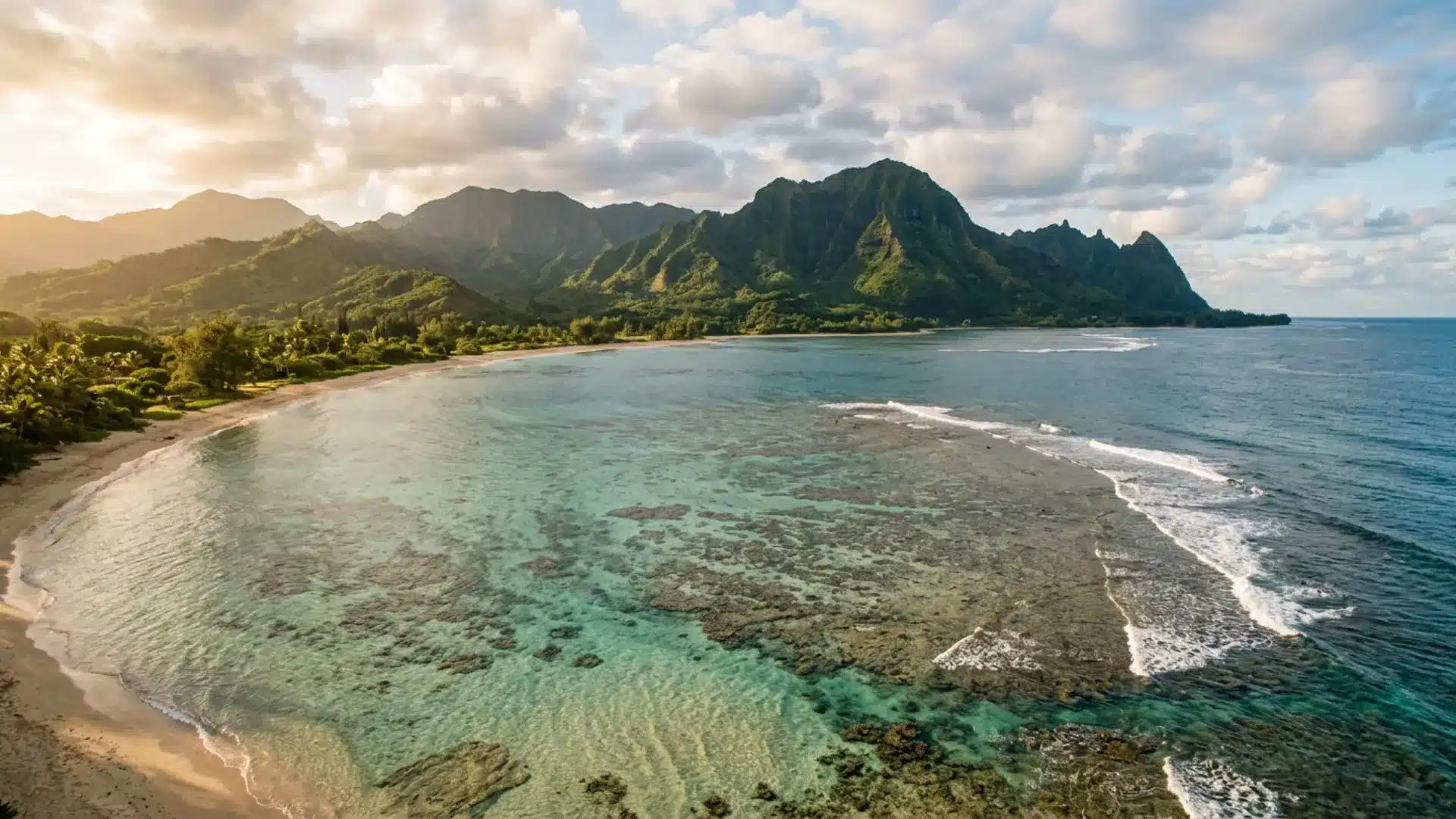
Hawaii’s snorkeling conditions follow the movement of ocean swells. Choosing the right season can make the difference between calm, clear water and rough conditions.
Winter: November to March
- North-shore beaches tend to experience big waves and currents
- Areas such as the North Shore of Oahu and Tunnels Beach of Kauai tend to become dangerous
- South and west-facing beaches are usually better choices
- Some of the best options for winter are Waikiki, Kihei and Wailea in Maui, Kona Coast, and Poipu Beach
Summer: May to September
- North shores become calmer and more accessible
- More snorkeling spots open across all islands
- Always check same-day ocean reports since conditions can change within hours
- South-facing beaches remain comfortable in terms of temperature
Early morning is usually the best time for snorkeling in Hawaii. Winds are often lighter, water conditions are calmer, and visibility is typically better before the afternoon, when waves and currents pick up.
Check daily ocean reports, as conditions may change from one day to the next.
Reef Safe Sunscreen Rules Vary Across Hawaii
Sunscreen products that contain oxybenzone and octinoxate were banned in the state of Hawaii in 2021 in order to protect the coral reefs.
Maui County and Hawaii County (Big Island) have stricter sunscreen rules than the statewide restriction. Both counties limit the use of sunscreen products to mineral-based options containing zinc oxide or titanium dioxide, with prescription exceptions.
If you are visiting multiple islands, packing a mineral sunscreen with zinc oxide or titanium dioxide as the active ingredients is the easiest way to stay within local requirements.
The easiest option for an island-hopping trip is to pack one mineral sunscreen with zinc oxide or titanium dioxide as the only active ingredients.
It works across Hawaii’s major snorkeling destinations, including areas with stricter county rules such as Maui and the Big Island, so you can avoid carrying different products between islands.
How Close Can You Get to a Sea Turtle?
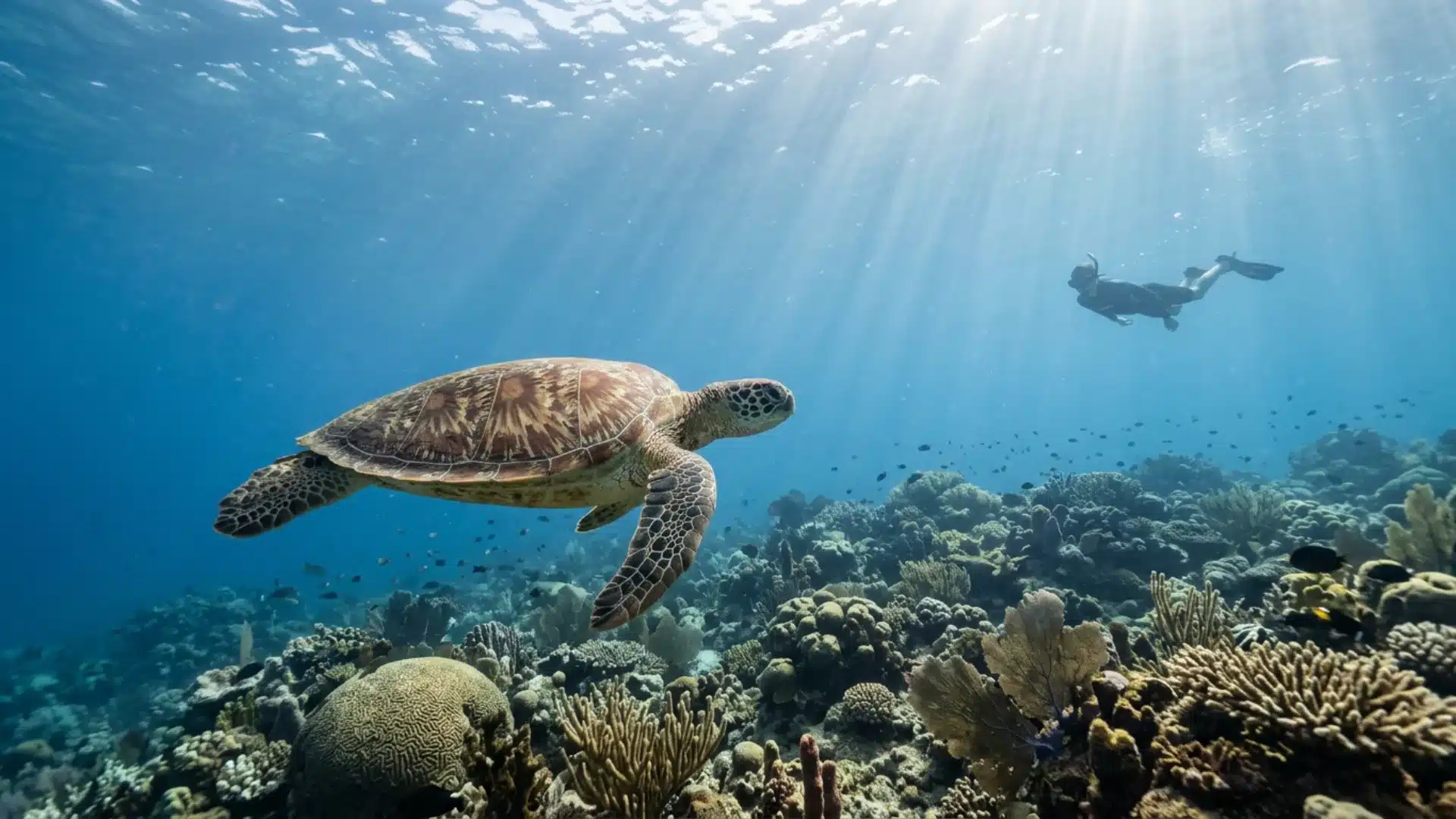
Hawaiian green sea turtles ( honu ) are protected wildlife, so keeping your distance is essential while snorkeling. NOAA Fisheries and Hawaii’s Department of Land and Natural Resources recommend staying at least 10 feet away from turtles, whether they are resting on the beach or swimming nearby.
There are a few easy things that one can do to ensure that both he and the sea turtles are safe:
- Never touch, chase, or feed a sea turtle
- Use your camera zoom instead of moving closer for photos
- If a turtle swims toward you, stay still and let it pass naturally
- Observe the same rules of distance in busy places such as Laniakea Beach in Oahu
The environment of the ocean is also a very important factor to consider. It is recommended to snorkel with a partner, wear a properly fitted PFD, and stay updated with the lifeguards’ information. Stay away from rivers or channels, especially after rain.
Conclusion
Based on my experience exploring various areas in Hawaii, I have come to understand that the best places for snorkeling do not have to be the remotest reefs or the most popular destinations. For a first-timer, it’s best to start with easily accessible destinations such as Kahaluʻu Beach Park and Hanauma Bay.
Once you feel comfortable, places like Molokini Crater and Kealakekua Bay are worth the extra planning for their clear water, protected reefs, and unique marine environments. Just remember to pack reef-safe sunscreen and check local ocean conditions before heading out.
Have you found a favorite snorkeling spot in Hawaii? Comment down below and share your experience!
Frequently Asked Questions
What is the Best Month to Snorkel in Hawaii?
May through September usually offers calmer water, but the best snorkeling conditions still depend on the island and daily ocean conditions.
Do I Need a Tour to Snorkel in Hawaii?
No. Many beaches offer easy shore snorkeling, while spots like Molokini Crater require a boat tour to reach.
Is Hanauma Bay Worth Visiting?
Yes. Its shallow reef, calm water, and easy beach access make it one of Oahu’s best beginner snorkeling spots.
Do You Need to Bring Your Own Snorkeling Gear in Hawaii?
No. Many beaches and tour operators offer rentals, but bringing your own mask and snorkel can save money and ensure a better fit.