
Snorkeling in Costa Rica offers two completely different experiences because the country’s Pacific and Caribbean coasts have their own marine environments, beaches, and underwater landscapes.
As a result, there are two different ecosystems for snorkellers to explore when visiting Costa Rica.
The Pacific Coast has coves and calmer bays, along with volcanic and rocky reefs, while the Caribbean Coast has mostly coral reefs and clear, warm waters.
Snorkeling in Costa Rica can provide a good opportunity to see various tropical fish species, sea turtles, rays, and even reef sharks in marine parks.
The most recommended places to do so include Caño Island, Marino Ballena National Park, Tortuga Island, Papagayo Peninsula, and Cahuita National Park.
It should be mentioned that the clarity of water depends on the time of year and location.
Best Places for Snorkeling in Costa Rica
These are areas that include the best snorkeling sites along the entire coastline of Costa Rica.
1. Caño Island

Caño Island is a biological reserve located in the waters of the Osa Peninsula and characterized by some of the clearest waters in the country, with visibility up to 60 to 100 feet.
This enables one to see the reef sharks, rays, sea turtles, and a number of tropical fish swimming in large schools.
Being a reserve, this site can only be accessed through guided boat tours.
The best time of year for snorkeling in this location is the dry season from December to April.
2. Marino Ballena National Park
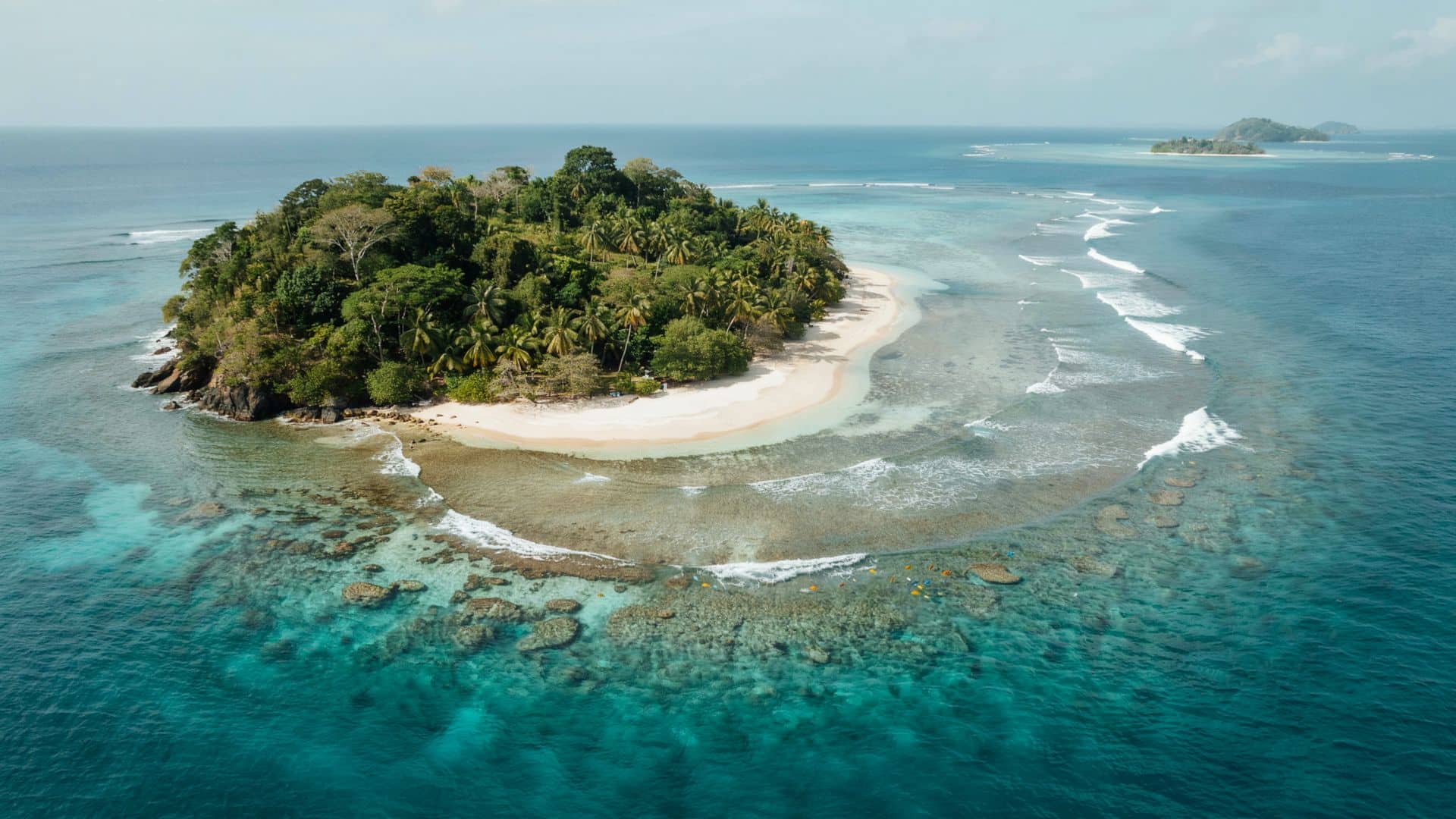
Named after its whale-shaped sandbar, this park near Uvita protects a stretch of coral and rocky reef close to shore.
Snorkelers can spot parrotfish, angelfish, and sometimes small rays without needing a long boat ride out.
The park is also known for humpback whale sightings during migration season, adding another reason to visit.
Water here tends to be calmer than open-ocean spots, making it a solid choice for beginners.
3. Tortuga Island
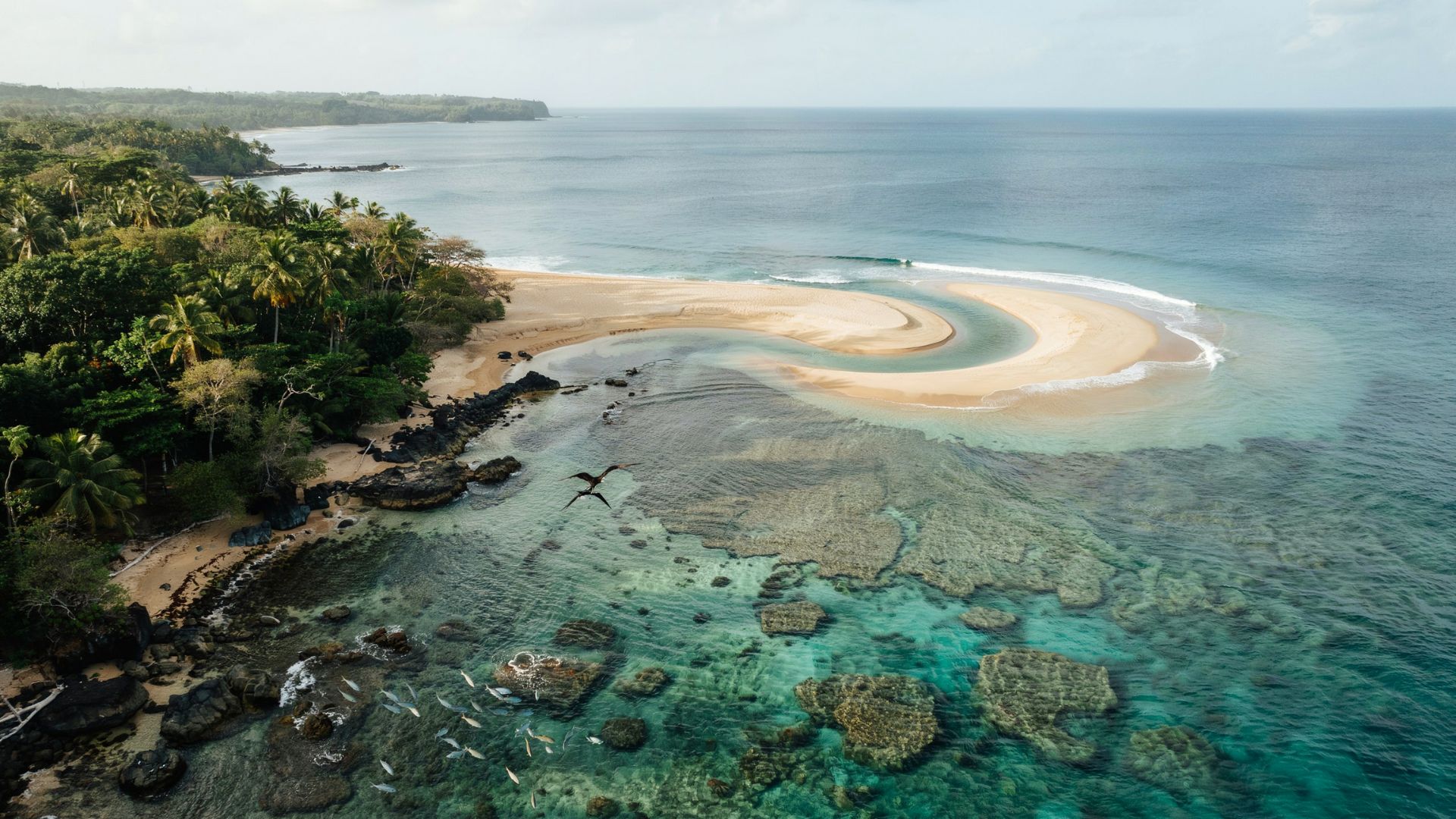
Just off the Nicoya Peninsula, Tortuga Island is one of the most popular day-trip destinations for snorkeling in Costa Rica.
Its calm, shallow bays make it easy for beginners and families to get into the water with minimal hassle.
You’ll find sea stars, small reef fish, and occasional rays around the rocky patches near shore.
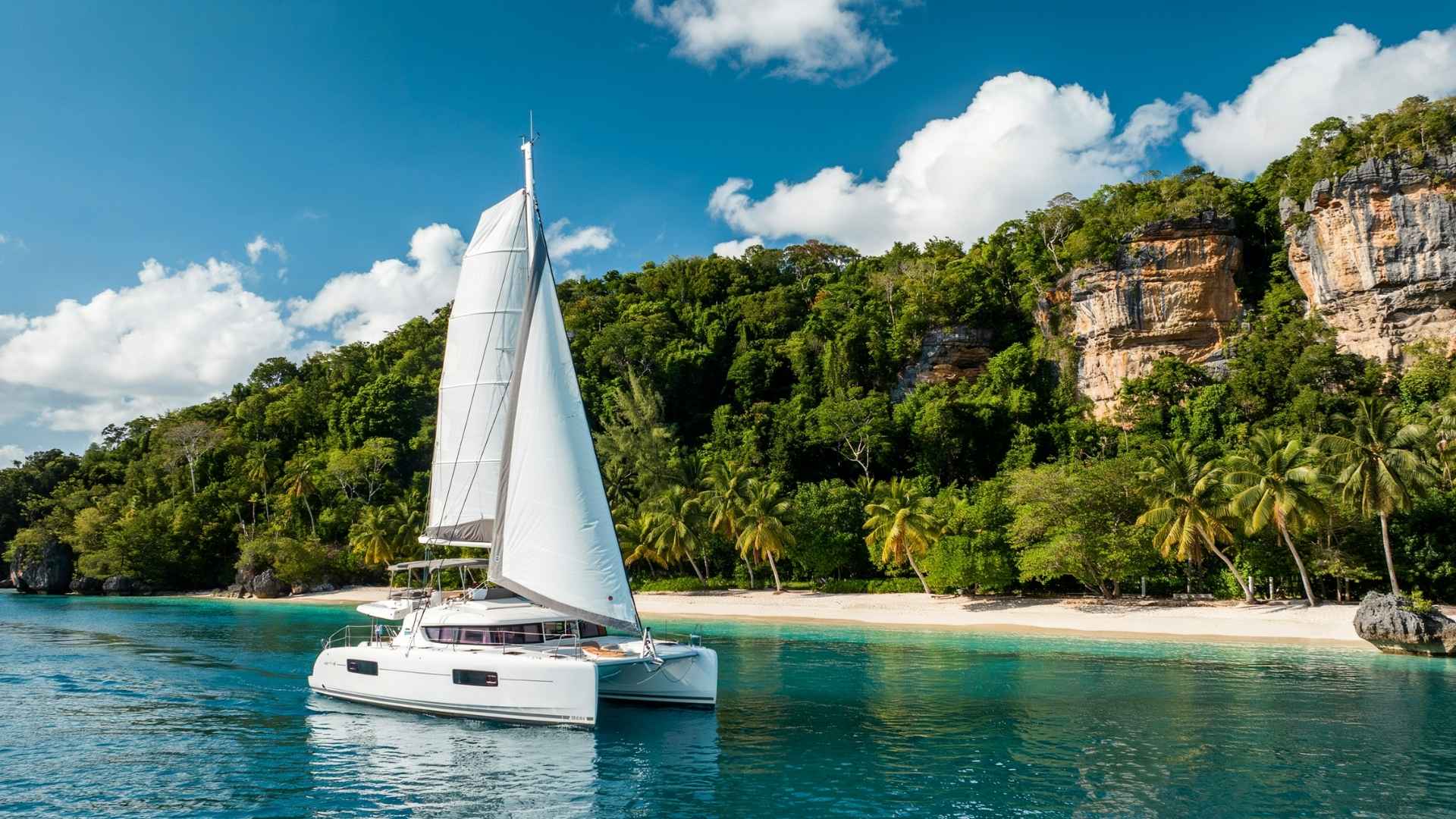
Most visitors arrive by catamaran or boat tour from Puntarenas or Jaco, often paired with a beach day.
4. Papagayo Peninsula
.jpg)
This upscale area, the Papagayo Peninsula, is in Guanacaste on Costa Rica’s northern Pacific coast.
The water tends to be calm due to the peninsula’s shape, which blocks much of the open-ocean swell.
You can expect to see puffer fish, moray eels, and colorful reef fish along the rocks.
Papagayo is close to resorts, so it’s convenient if you’re staying nearby and want an easy half-day trip.
5. Playa Flamingo
.jpg)
Flamingo Beach in Guanacaste has decent snorkeling near its rocky outcrops, especially toward the northern end of the bay.
The main draw here is convenience, since the beach is easy to reach and has calm water most of the year.
You won’t find dense coral, but you can spot small fish, crabs, and the occasional ray around the rocks.
Boat tours from Flamingo also head to nearby islands with better visibility.
6. Playa Ocotal
.jpg)
A small, quiet beach near Playas del Coco, Ocotal is known for its dark volcanic sand and rocky reef just offshore.
It’s one of the better shore-entry snorkeling spots in Guanacaste, meaning you don’t need a boat to reach decent conditions.
Expect to see parrotfish, sergeant majors, and small rays close to the rocks.
Ocotal is also a popular scuba diving base, so the same waters offer good variety for snorkelers too.
7. Playa Hermosa
.jpg)
Playa Hermosa, near Playas del Coco, has calm waters and a gentle slope, making it beginner-friendly for snorkeling in Costa Rica.
Rocky areas near Playa Hermosa can attract small fish and occasional marine life, but it’s not as rich as Caño Island or Cahuita, making it a good pick mainly for an easy, no-boat-needed option.
It’s not as rich in marine life as Caño Island or Cahuita, but it’s a good choice if you want an easy, no-boat-needed option.
Morning hours tend to have the clearest water before afternoon wind picks up.
8. Playa Panama
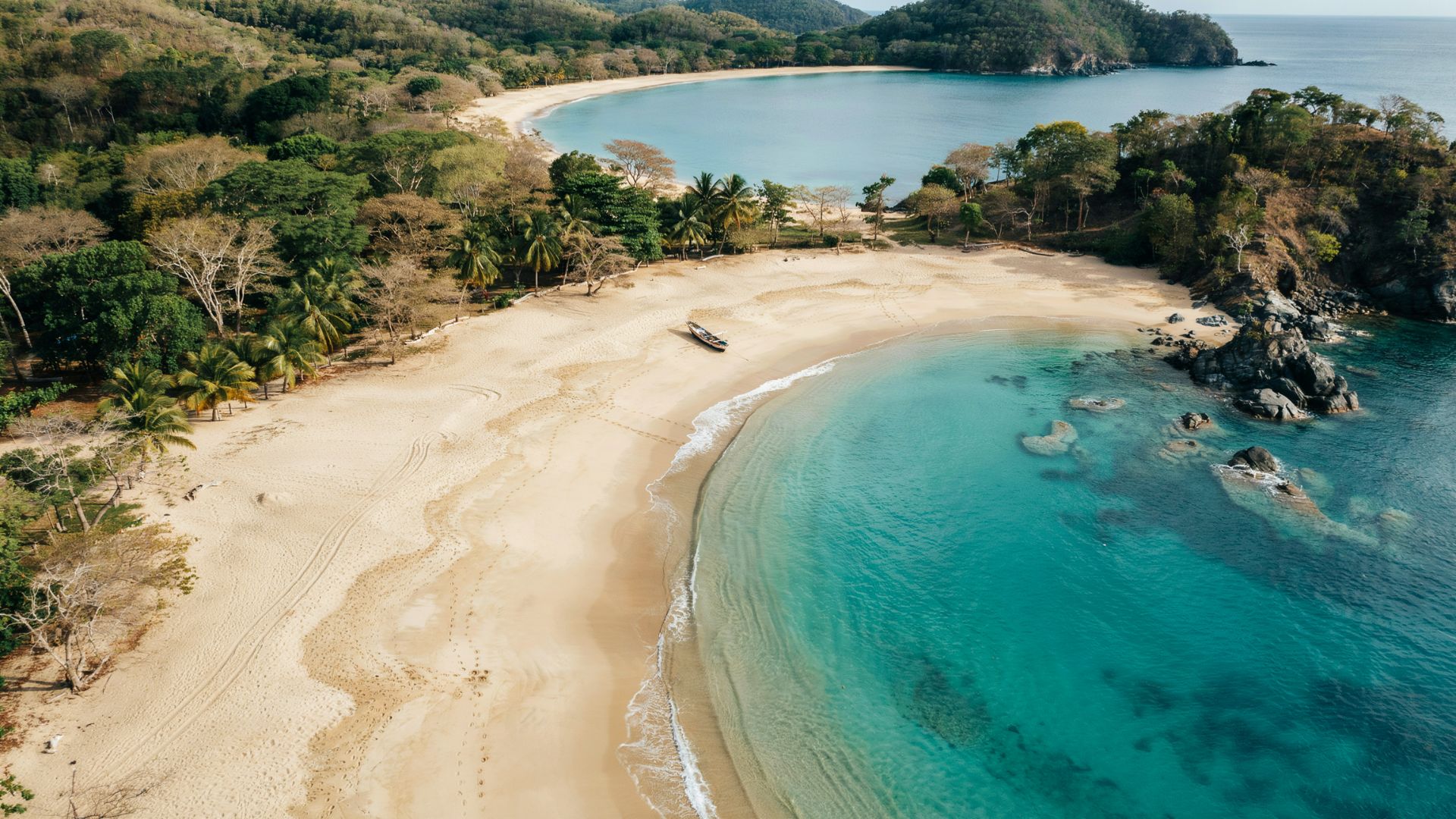
Set within Culebra Bay in Guanacaste, Playa Panama has calm, sheltered water thanks to the bay’s shape.
It’s less about coral and more about a relaxed swim with visibility of small fish and rocky reef life near the shoreline.
Because the water stays calm most of the year, it’s a good pick for families or first-time snorkelers.
There isn’t much infrastructure right at the beach, so most people combine it with a stay at nearby resorts. Conditions are generally best in the dry season.
9. Manzanillo Beach
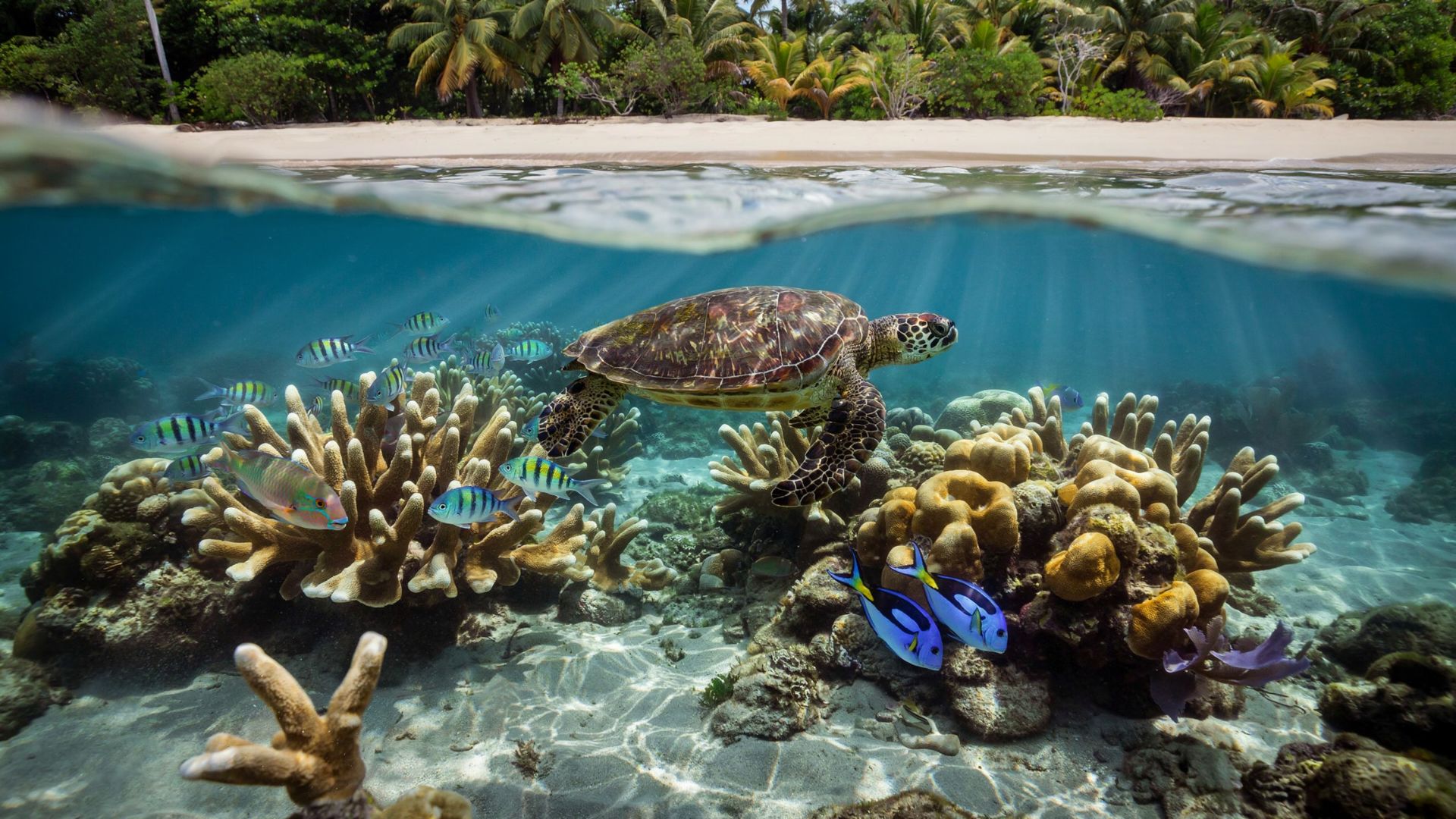
On the Caribbean coast near the Panama border, Manzanillo sits inside the Gandoca-Manzanillo Wildlife Refuge and offers solid reef snorkeling with far fewer crowds than Cahuita.
Expect to see parrotfish, sea turtles, and dense coral formations close to shore.
This side of Costa Rica has warmer, clearer water for much of the year compared to the Pacific.
Manzanillo is less crowded than Cahuita, making it a good option if you want a quieter reef experience.
10. Cahuita National Park
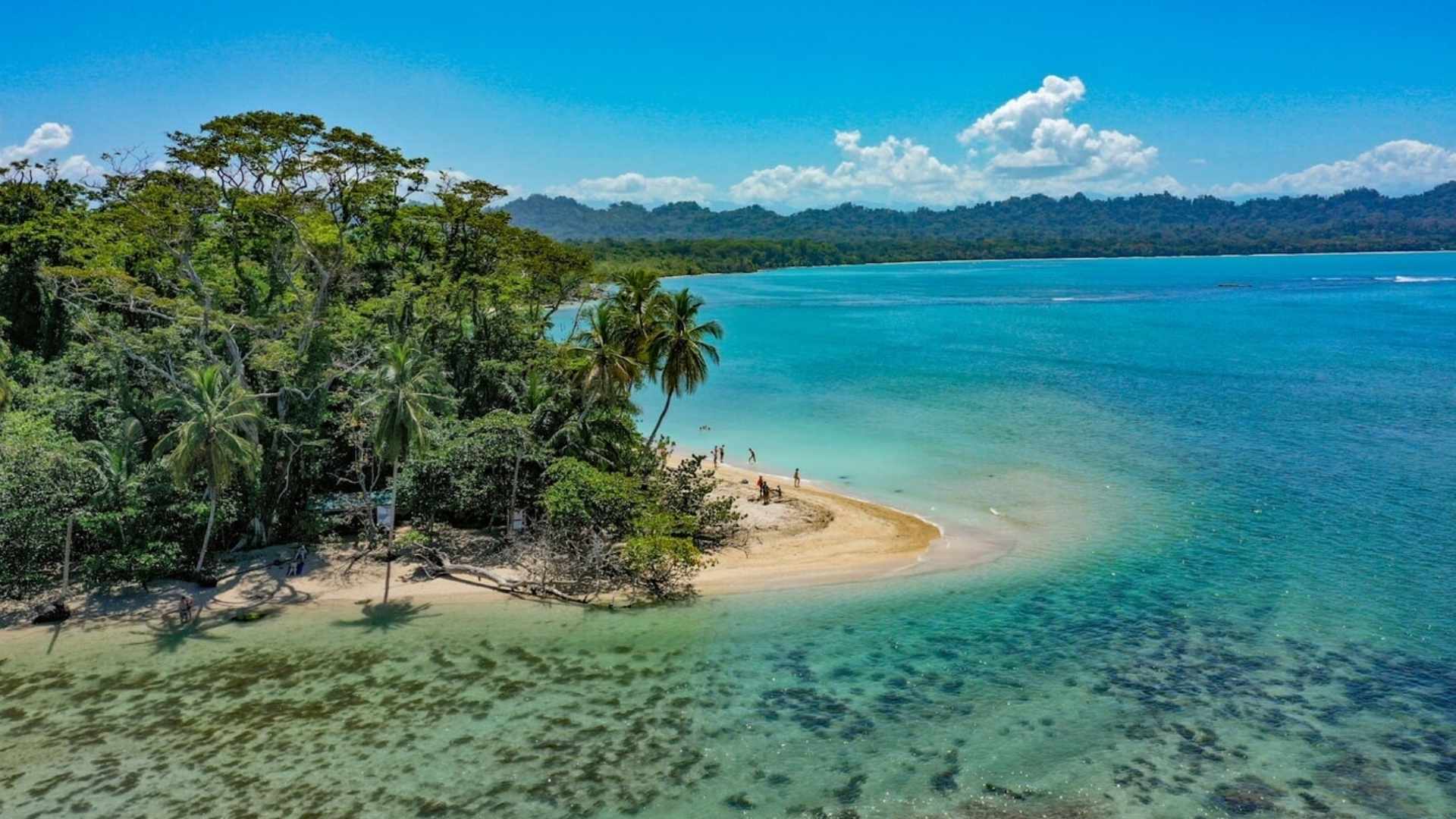
On the southern Caribbean coast near the Panama border, Cahuita National Park protects the largest coral reef in the country, covering roughly 600 acres with more than 35 coral species and over 135 types of fish.
Snorkelers can expect parrotfish, angelfish, sea turtles, and even nurse sharks along the reef’s edges.
Access is by guided boat tour only, since the reef sits inside a protected marine zone.
September and October bring the clearest conditions, with a secondary calm window in February and March.
Best Time for Snorkeling in Costa Rica
Snorkeling timing is very important in Costa Rica due to the difference in visibility depending on the season of the year on each coast.
This is a look at the information about ideal times for snorkeling.
| Region | Season | Best Months | Water Temperature | Visibility |
|---|---|---|---|---|
| Pacific Coast | Dry season | December to April | 78 to 82°F | Good to excellent, calmer seas and less rain runoff |
| Pacific Coast | Rainy season | May to November | 80 to 84°F | Reduced; rain and runoff stir up sediment |
| Caribbean Coast | Variable, depends on rainfall | September to October (also February to March in some years) | 80 to 84°F | Ranges from poor to excellent depending on recent weather |
First, let’s consider the Pacific coast. In this region, there is a clear schedule for diving: December through April is the dry season, when it becomes calmer, and visibility is better in most places.
The situation is different on the Caribbean coast. Snorkeling there depends on the amount of rain and swell.
What Marine Life Can You See While Snorkeling in Costa Rica?
The water around the coastlines of Costa Rica has diverse kinds of sea creatures, depending on the season and water clarity.
Below are the common things you’ll come across when snorkeling in Costa Rica:
- Sea turtles gliding near reefs and rocky points
- Rays resting on the sandy seafloor
- Reef sharks in deeper, calmer waters
- Angelfish and parrotfish moving in and out of coral
- Pufferfish hiding near rocks
- Moray eels tucked into crevices
- Large schools of tropical fish moving together in open water
As stated by National Geographic Travel, Costa Rica’s waters support sea turtles, rays, tropical fish, and other marine species.
| Snorkeling in Costa Rica can reveal sea turtles, rays, reef sharks, angelfish, parrotfish, pufferfish, moray eels, and large schools of tropical fish, depending on the location and time of year. |
Is Snorkeling in Costa Rica Good for Beginners?
Yes, snorkeling in Costa Rica works well for beginners, especially at calmer beaches with easy shore access.
Spots like Playa Ocotal, Playa Hermosa, Papagayo, and Tortuga Island have gentle water and shallow entry points, making them a good fit for first-timers.
Before going, check for currents and avoid swimming out too far, especially at less crowded beaches.
If you’re not a confident swimmer, a flotation vest or noodle can help you stay relaxed in the water.
Also, avoid touching coral, fish, or any marine life, both for your safety and to protect the reef.
Snorkeling Tours in Costa Rica
If you do not feel like organizing this activity yourself, it is not hard to find the guided snorkeling tours in Costa Rica; these tours usually take place at most of the sites mentioned above.
There are organized tours that take place every day in Caño Island, Tortuga Island, Papagayo, and Marino Ballena.
The price for such an excursion varies from $50 to $150, depending on the place you visit, distance covered by the boat, and additional services included in the package.
Snorkeling Safety Tips
While snorkeling in Costa Rica is usually safe, there are a few important things you should do to ensure maximum safety, particularly at places where the current flows or where there is boat traffic. Remember to:
- Get information about the current and visibility from your local operator before entering the water.
- Use a life jacket if you are not a strong swimmer, even on calm days.
- Snorkel with a buddy or in a group rather than alone.
- Do not touch coral or marine life; it is dangerous not only to you but also to the animals.
- Use reef-safe sunscreen to keep yourself and the water safe.
- Be careful of any boats that may be in the area.
- Find out an exit point before you begin, so that you won’t have to search for one when you’re tired.
A little preparation goes a long way toward making your snorkeling trip in Costa Rica safer and more enjoyable.
Final Thoughts
Costa Rica has beaches suited to any snorkeling lover, from calm, beginner-friendly bays to reef-heavy sites for advanced swimmers.
Families will be interested in visiting some safe bays such as Papagayo or Tortuga Island, whereas people wishing to observe some amazing underwater fauna might choose Caño Island or the Caribbean beach of Manzanillo.
It all depends on where you live, the season, and your comfort in the water.
To ensure your visit is enjoyable, it is recommended to consider the state of the water and the protection zone of a particular beach.
Some preparation is required for a good snorkeling experience.
Frequently Asked Questions
What is the Best Place for Snorkeling in Costa Rica?
Caño Island suits experienced snorkelers, Tortuga Island works for beginners, and Marino Ballena offers an easy middle ground.
Is Snorkeling Better on the Pacific or Caribbean Side of Costa Rica?
Pacific offers rocky coves and clearer dry-season water, while the Caribbean has richer coral, but visibility depends heavily on rainfall.
Is Snorkeling in Costa Rica Worth It?
Yes, snorkeling in Costa Rica is worth it for travelers who enjoy warm water, tropical fish, sea turtles, and easy access to marine environments.
Can You Snorkel from the Beach in Costa Rica?
Yes, several beaches, including Playa Ocotal, Manzanillo, and Playa Hermosa, offer shore snorkeling, although boat trips usually reach clearer reefs.