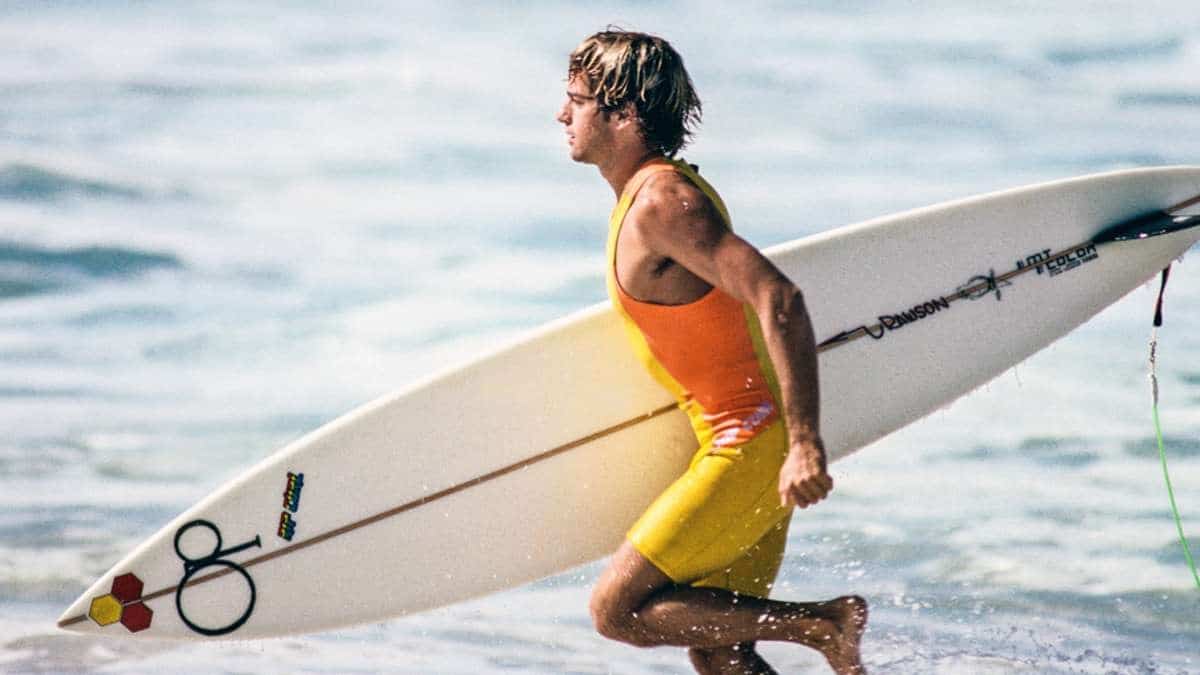
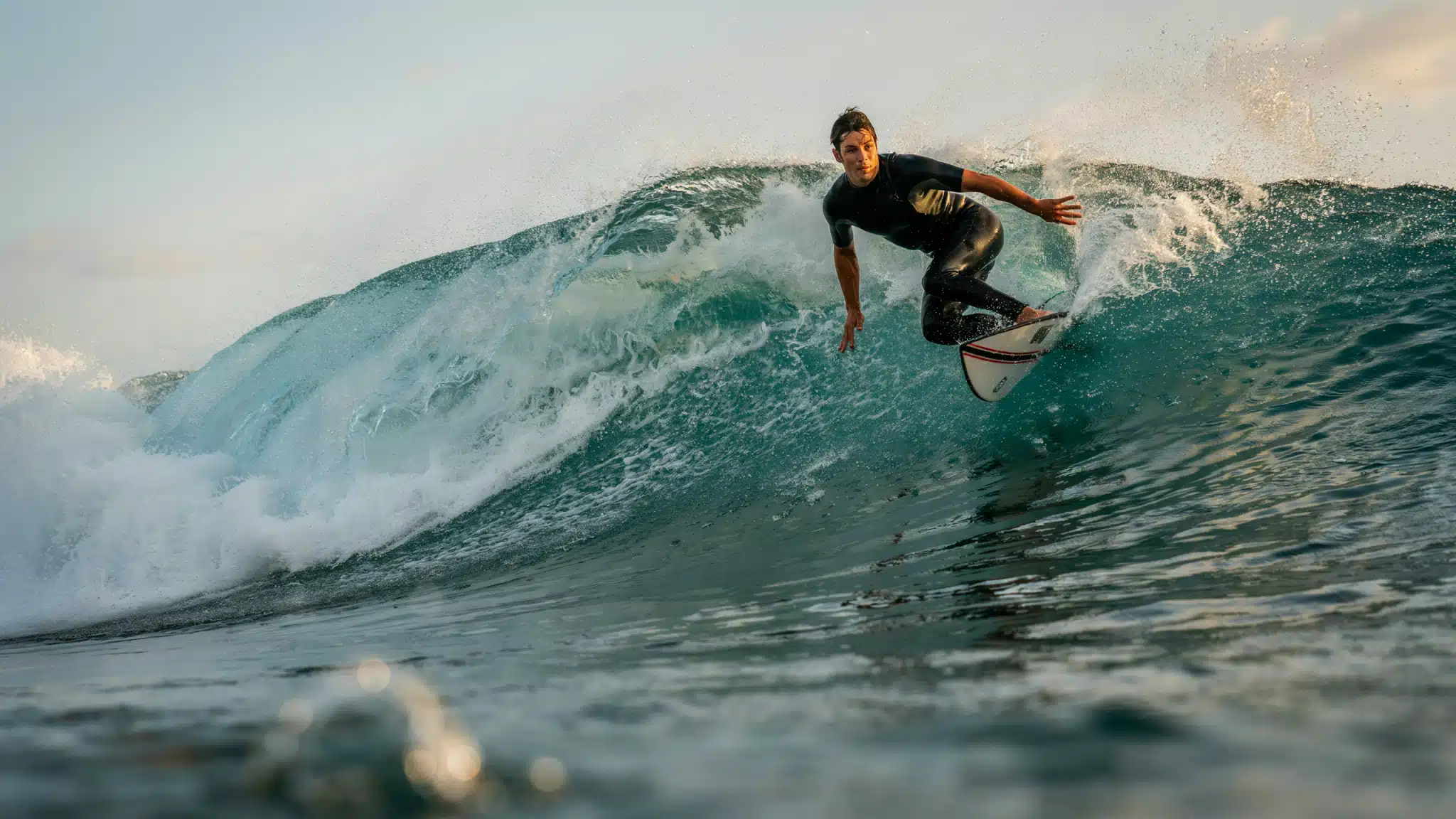
Surfer slang and surfing terms make up the language every rider learns in the water.
This vocabulary connects surfers across beaches and generations.
New surfers often feel lost when locals talk about barrels, sets, or a stoked session.
Learning this language builds safety, respect, and belonging in surf culture, the same culture that shaped some of the most stylish surfers in the sport’s history.
Surf terms started with Hawaiian roots, spread through California and Australian beach towns, and now spread through social media and surf shops worldwide.
What is Surfer Slang?
Surfer slang is the shared vocabulary surfers use to describe waves, boards, moves, and lineup behavior.
It marks cultural identity, showing who belongs inside the surf community.
Many terms come from Hawaiian words tied to respect for the ocean, while others grew out of bold Australian beach culture.
Beyond identity, this language serves a practical purpose, letting surfers call out conditions, warn of danger, and share priority using quick words.
Why does it Matter in Surf Culture?
Surfer slang shapes safety, respect, and belonging in every session.
- Safety in the water: Quick surf terms warn riders of danger fast, and a shouted word can stop a wipeout.
- Respect in the lineup: Knowing lineup language shows you understand priority rules, which builds trust in crowded spots.
- Faster communication: Short slang replaces long explanations, letting surfers share wave size, wind, and board choice fast.
- A sense of belonging: Speaking the same surf language connects riders across beaches and countries.
This shared language turns strangers into surf buddies and keeps every session running smoothly.
Surfing Terms Every Beginner Should Know
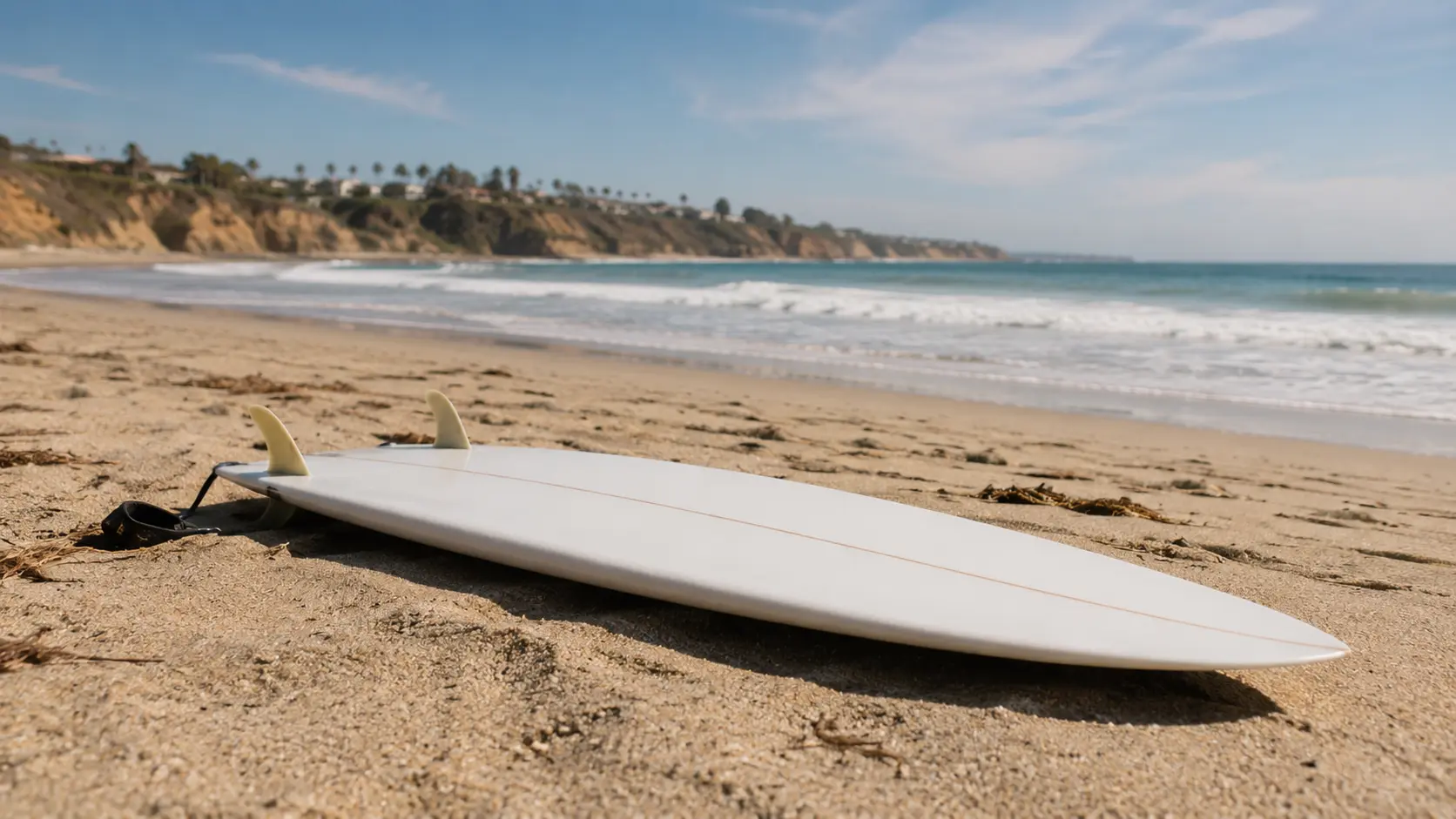
Every beginner needs a base vocabulary first. These terms cover waves and wave shape.
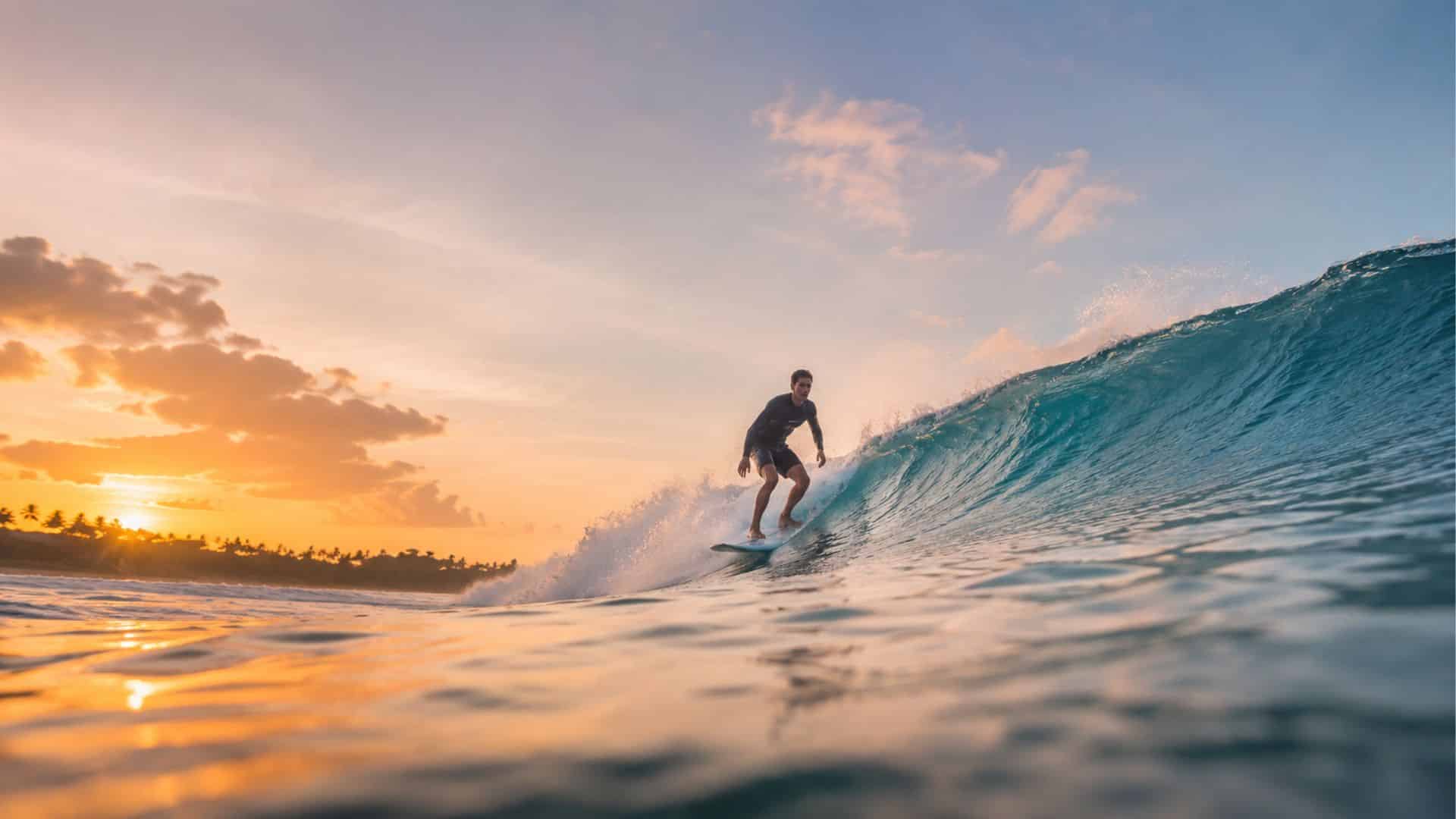
1. Barrel / Tube: A barrel, also called a tube, is the hollow center of a breaking wave. Surfers ride inside this pocket for a big thrill.
2. Swell: The National Weather Service Glossary defines swell as wind-generated waves that have moved out of the area where they were created, which is why swells arrive smoother and more organized than choppy wind waves. It turns into rideable waves near the shore.
3. Set: A set is a group of larger waves arriving together, usually the best waves of a session. Surfers wait for these.
4. Lineup: The lineup is the area past the breaking waves where surfers gather to wait their turn. Position decides who rides first.
5. Closeout: A closeout happens when a wave breaks all at once across its whole length. This makes the wave hard to ride.
6. A-Frame: An A-Frame wave peaks in the middle and breaks in both directions at once. This lets two surfers ride the same wave.
7. Shoulder: The shoulder is the less steep part of a wave, away from the breaking section. Beginners often practice turns here.
These terms give new riders the base to follow any talk in the water.
Most Common Surfer Slang
In the water, surfers use casual slang to describe feelings and skill level.
8. Stoked: means extreme excitement or happiness after a good session. Surfers use this word often to describe a great wave.
9. Gnarly: describes something intense, powerful, or impressive, often used for big waves or bold moves. The tone can shift by context.
10. Frothy / Froth: Frothy or froth describes high-energy surfing conditions. A surfer checking the forecast might froth at the mouth at the prospect of a strong swell.
11. Amped: Amped means feeling pumped and ready to surf. Surfers use this word before paddling out when conditions look good.
12. Kook: A kook is an inexperienced surfer who lacks ocean awareness and often breaks lineup rules by accident. The word can sound harsh.
13. Grom / Grommet: A grom or grommet is a young and enthusiastic surfer, often a kid who spends most free time chasing waves.
14. Charging: Charging means paddling hard or surfing hard in big waves. Surfers who charge take on tough conditions without pause.
These words describe mood and skill, and hearing them helps beginners pick up the culture fast.
Surfboard and Equipment Surfing Terms
Boards and gear come with their own vocabulary.
15. Shortboard: A shortboard is a small, performance-focused surfboard built for fast turns and quick moves. Skilled surfers prefer this in strong waves.
16. Longboard: A longboard is a long, stable board ideal for beginners and smooth, relaxed rides. Its size makes catching waves easier.
17. Thruster: A thruster is a three-fin surfboard setup that gives surfers control and speed. It remains the most common choice today.
18. Quad Setup: A quad setup uses four fins for extra speed and loose, flowing turns. Surfers often choose it for fast, open waves.
19. Leash: A leash is the cord connecting a surfer to the board, keeping it close after a fall. It protects surfers nearby.
20. Wax: Wax is a sticky coating applied to the top of a surfboard for grip. Without it, standing up on a wet board is hard.
21. Quiver: A quiver is the full set of surfboards owned by one surfer for different waves. Serious surfers often own several.
Knowing this vocabulary helps beginners shop and talk on boards with confidence.
Surf Maneuvers and Action-Based Surfing Terms
Maneuvers give surfing its style. These terms describe the moves riders perform on a wave.
22. Take-off: The take-off is the first movement of standing up on a wave after paddling into it. A clean take-off sets up the ride.
23. Bottom Turn: A bottom turn happens at the base of the wave, where a surfer turns to build speed for the ride ahead.
24. Cutback: A cutback brings the surfer back toward the breaking power zone after riding out onto the open wave face.
25. Carve: A carve is a smooth, arcing turn made across the face of a wave, showing control and style over pure speed.
26. Aerial: An aerial is a move where a surfer jumps off the wave into the air before landing back on the face.
27. Floater: A floater involves riding directly over a breaking section of the wave instead of around it, a skillful move.
28. Kick Out: A kick out is the move surfers use to exit a wave on purpose at the end of a ride.
These moves separate casual riders from skilled surfers.
Surf Etiquette and Lineup Language

Surf etiquette keeps the lineup safe and fair, and these terms explain its unwritten rules.
29. Dropping In: Dropping in means taking a wave that another surfer is already riding, breaking a basic rule of surf manners.
30. Snaking: Snaking is paddling around another surfer to steal priority on a wave, a move that often causes tension.
31. Right of Way: Right of way is the rule that decides who gets a wave first, usually the surfer closest to the breaking part.
32. Lineup Priority: Lineup priority is the position-based order surfers follow when picking which wave to take during a busy session.
33. Party Wave: A party wave happens when several surfers ride the same wave together, often by agreement rather than by accident.
34. Calling Waves: Calling waves means telling other surfers your plan to take a wave, helping avoid mix-ups and drop-ins.
35. Respect: Respect is the core value holding surf culture together, guiding how surfers treat locals, beginners, and each other.
Following these rules earns trust fast and keeps the lineup calm.
The same courtesy applies whether you are sharing a paddle board peak or a shortboard, so it is worth knowing this etiquette even if you are just starting out on a paddle board.
Regional Surfer Slang Around the World
Surf slang changes by region, shaped by local culture and history.
36. Aloha Style (Hawaii): Aloha style reflects deep cultural respect and ocean reverence, rooted in Hawaiian tradition and the home of modern surfing.
37. Aussie Surf Slang: Aussie surf slang sounds fast and bold. When the waves are firing, Australians simply say it’s cranking.
38. California Surf Talk: California surf talk stays relaxed and easygoing, using phrases like sick swell and totally stoked for great conditions.
39. Global Surf Mix: As surfers travel and share clips online, slang now crosses borders fast. A rider in Portugal might say stoked the same way a Californian would, and terms that once stayed local now show up in surf talk everywhere.
These regional styles show how one sport created many local voices, tied by the same love of waves.
Modern Surf Slang in Social Media Culture
Social media introduced new surf slang centered on video and online sharing.
40. Shredding: Shredding means performing advanced surf moves with skill and style, often the kind of riding that ends up in online clips.
41. Edit: An edit is a surf video clip or highlight reel, usually shared online to show off a session or a trip.
42. Pumping: Pumping describes waves that stay steady and strong, often used when checking forecasts or surf cameras online.
43. Clip-worthy: Clip-worthy describes a wave or trick good enough to record and share, a term born from surf video culture.
44. Surf Check: A surf check means looking at the ocean or a live camera to judge conditions before deciding to paddle out.
45. Send It: Send it means going all in on a big or risky wave without pause, often used to hype up a friend.
46. Session: A session is the time spent surfing, from paddling out to walking back up the beach.
These terms show how surf slang continues to grow alongside video and online surf groups.
Surf Report and Ocean Condition Terms
Understanding surf reports means knowing the wind and wave vocabulary surfers check daily.
47. Offshore Wind: Offshore wind blows from land toward the sea, holding wave faces up and creating clean, well-shaped waves.
48. Onshore Wind: Onshore wind blows from the sea toward land, creating choppy and messy waves that are harder to ride.
49. Chop: Chop refers to small, messy waves caused by wind, often making conditions bumpy and less fun to surf.
50. Groundswell: A groundswell is a long period, powerful ocean wave that travels a long distance before reaching the coast.
51. Windswell: A windswell is a short-period, wind-generated wave that forms closer to shore and breaks less cleanly.
52. Flat: Flat describes ocean conditions with no surfable waves present, leaving surfers waiting for the next swell.
53. Clean Conditions: Clean conditions describe smooth, well-shaped wave surfaces, usually from offshore wind and good swell timing.
Learning these terms helps surfers read a forecast and plan sessions well.
Importance of Learning Surfer Slang
Learning surfer slang gives new riders a real edge in the water. It builds clear communication in the lineup, helping surfers share plans, warn of danger, and avoid conflict without long explanations.
This vocabulary also helps surfers read surf forecasts, turning wind and swell numbers into a clear picture of what to expect.
Shared language creates a sense of belonging within surf communities, connecting strangers who speak the same language about waves and boards.
For beginners, these terms make learning move faster, since instructors and local surfers can explain moves using words everyone shares.
Conclusion
Surfer slang and surfing terms open the door to full surf culture, from lineup manners to reading ocean reports.
Each word carries real meaning, built from years of history and ocean traditions passed down through generations of riders.
Learning this vocabulary turns confusing beach talk into clear, useful information for any surfer at any stage.
Speaking the language shows respect, builds safety, and connects surfers across beaches worldwide. Keep this list close and let it bring more confidence to every session in the water.
Frequently Asked Questions
What Does Hang Ten Mean in Surfing?
Hang ten means walking to the nose of a longboard and placing all ten toes over the edge while riding a wave.
What is a Goofy Foot Surfer?
A goofy-foot surfer rides a wave with the right foot forward on the board, rather than the more common left-foot-forward stance.
What Does Duck Dive Mean in Surfing?
A duck dive is a technique surfers use to push the board underwater and pass beneath a breaking wave while paddling out.