
Not all life jackets are built the same, and choosing the wrong one can put you at real risk on the water. Calm lakes, fast rivers, and open ocean each demand something different from your gear.
The different types of life jackets each serve a specific purpose, and knowing which one matches your activity could be the difference between a safe trip and a dangerous one.
You will find every major category covered here, what each one is designed for, and how to pick the right fit before you ever step on a boat. Keep reading, because the right choice starts before you hit the water.
Why Does Wearing a Life Jacket Matter?
Every year, people lose their lives on the water in accidents that could have been prevented. A life jacket is one of the simplest tools you can carry, and it might be the most needed one.
Drowning is more common than most people realize. In the US, it is a leading cause of accidental death, and many victims never expected to end up in the water at all.
Cold water, strong currents, and boat collisions can overwhelm even the strongest swimmers within seconds.
Accidents do not announce themselves. A sudden wave or unexpected capsize can throw you overboard before you even react.
Experts and coast guards worldwide recommend wearing one at all times on open water. That is not being overly cautious. It is just being smart.
Life Jacket Design Types: Foam, Inflatable, and Hybrid
The design of a life jacket affects how it feels, how it works, and where it makes sense to wear it. Each type has real strengths and real trade-offs, so it helps to know what you are actually comparing.
| Feature | Foam | Inflatable | Hybrid |
|---|---|---|---|
| How it works | Built-in foam panels | Inflates manually or automatically | Foam base with inflatable chambers |
| Buoyancy | Always active | Higher when inflated | Moderate to high |
| Best for | Kids, non-swimmers | Experienced adult swimmers | Versatile everyday use |
| Comfort | Bulkier | Slim and lightweight | Balanced fit |
| Maintenance | Low | Requires regular checks | Moderate |
| Water activity | All conditions | Calm to moderate water | Most conditions |
Foam is dependable, inflatable is comfortable, and hybrid sits right in the middle. Your water conditions and swimming ability should drive the final call.
The USCG Classification System
The USCG now also labels life jackets by performance levels rather than Types alone. Level 50 is for strong swimmers in supervised, calm water only.
Level 70 covers most recreational kayaking and paddleboarding. Level 100 suits general boating and nearshore use. Level 150 is built for open or rough water and can turn an unconscious wearer face-up.
When shopping for a new jacket, you may see these level labels instead of Type labels. They serve the same purpose, and the same selection logic applies.
Understanding the Different Types of Life Jackets
Not all life jackets are built the same, and picking the wrong one could put you at serious risk. Knowing what each type does helps you make a smarter choice.
1. Type I: Offshore Life Jacket
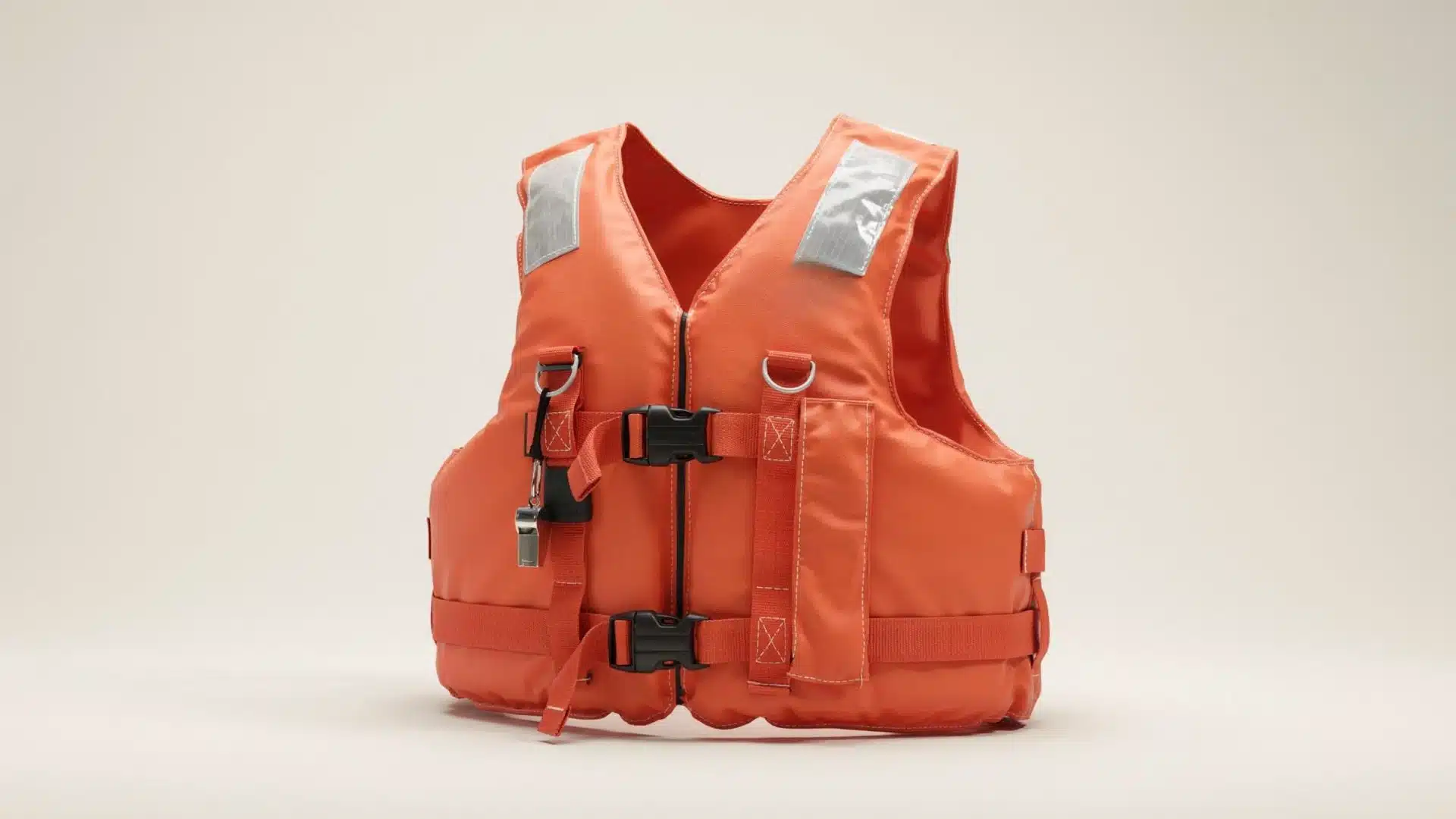
This one is built for serious, open-water conditions where rescue might take a while. It is your best bet when you are far from shore and need maximum protection.
- Best For: Rough, open-ocean conditions and remote waters where help is far away
- Buoyancy Level: Minimum 22 lbs, the highest available, keeping mostunconscious wearers face-up and breathing
- Offshore/Inshore Use: Strictly offshore, designed for situations where rescue is not coming anytime soon
2. Type II: Nearshore Life Jacket

This is a lighter, more affordable option designed for calmer waters. It works well when you are closer to shore, and help can reach you faster.
- Best For: Calm inland waters, lakes, and supervised recreational activities close to shore
- Buoyancy Level: Minimum 15.5 lbs, enough to turnsome unconscious wearers face-up, though the turning action is less reliable than a Type I
- Offshore/Inshore Use: Inshore only; it is not reliable or safe enough for rough or remote water conditions.s
3. Type III: Flotation Aid
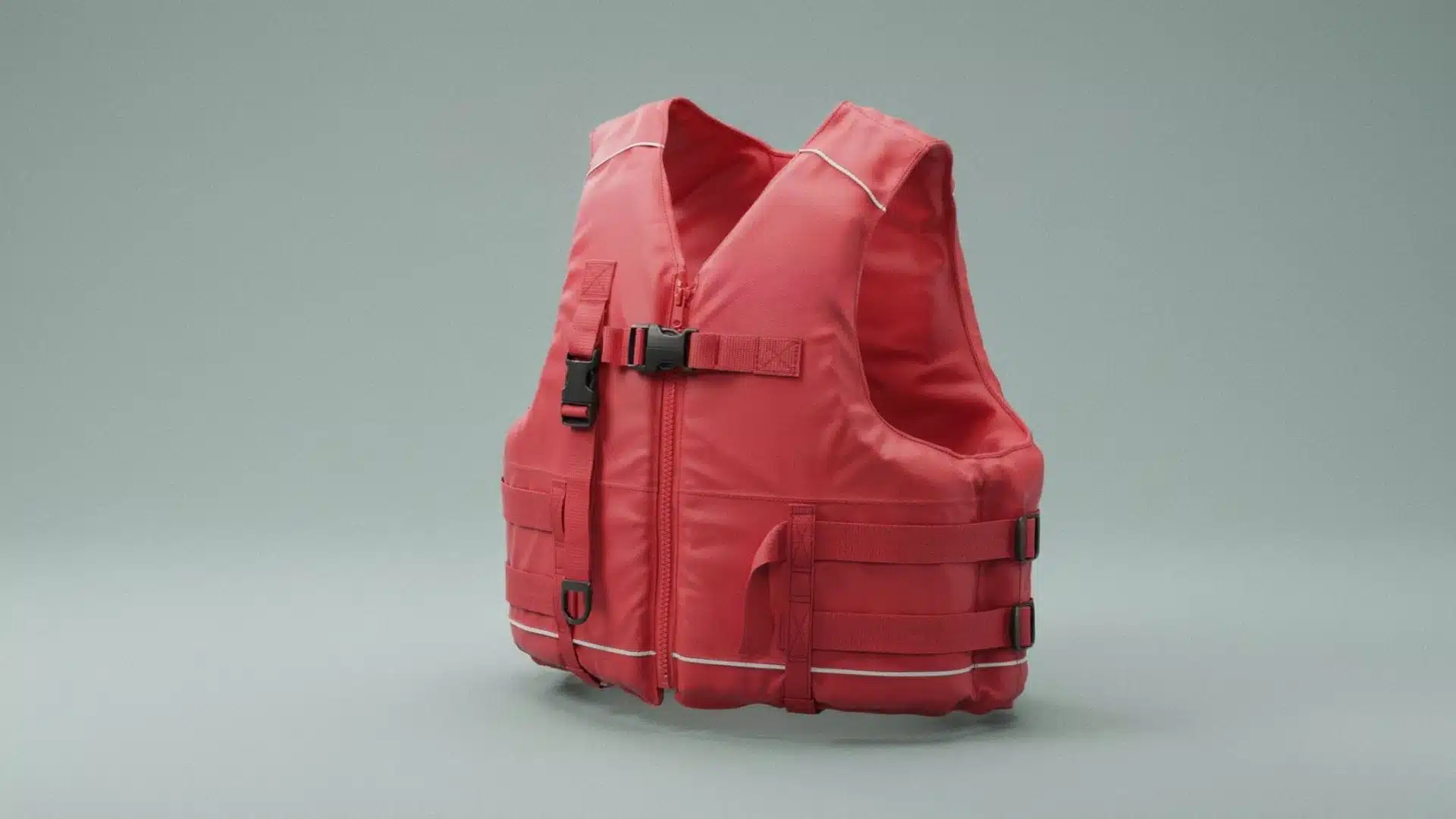
This Type puts comfort first without sacrificing basic safety. You will see it used most often in recreational water sports and activities.
- Best For: Water skiing, kayaking, fishing, and any supervised recreational water activity
- Buoyancy Level: Minimum 15.5 lbs, but it will not turn an unconscious wearer face-up on its own
- Offshore/Inshore Use: Inshore and calm waters only, and you should always pair it with close supervision.
4. Type IV: Throwable Device
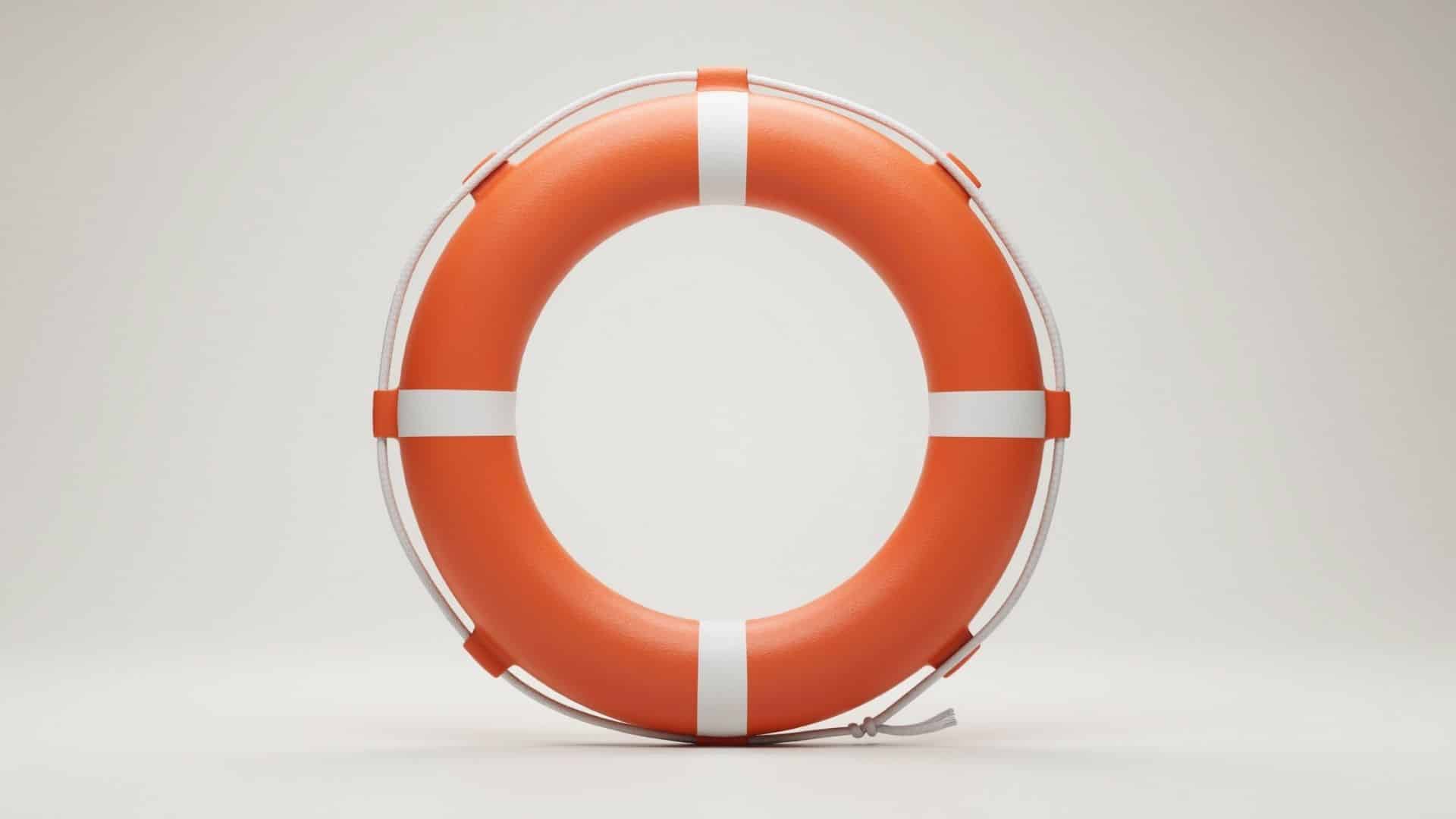
This is not something you wear, but it still saves lives. You throw it to someone in the water, and they hold on until help arrives.
- Best For: Backup safety on boats, always used alongside wearable personal flotation devices
- Buoyancy Level: Minimum 16.5 lbs for ring buoys, enough to keep a person afloat for a short time
- Offshore/Inshore Use: Inshore and calm waters only, and it should always be kept within easy reach on deck. Type IV devices must be kept immediately accessible on deck at all times. Storing them in a compartment or locker violates federal law.
5. Type V: Special Use Device
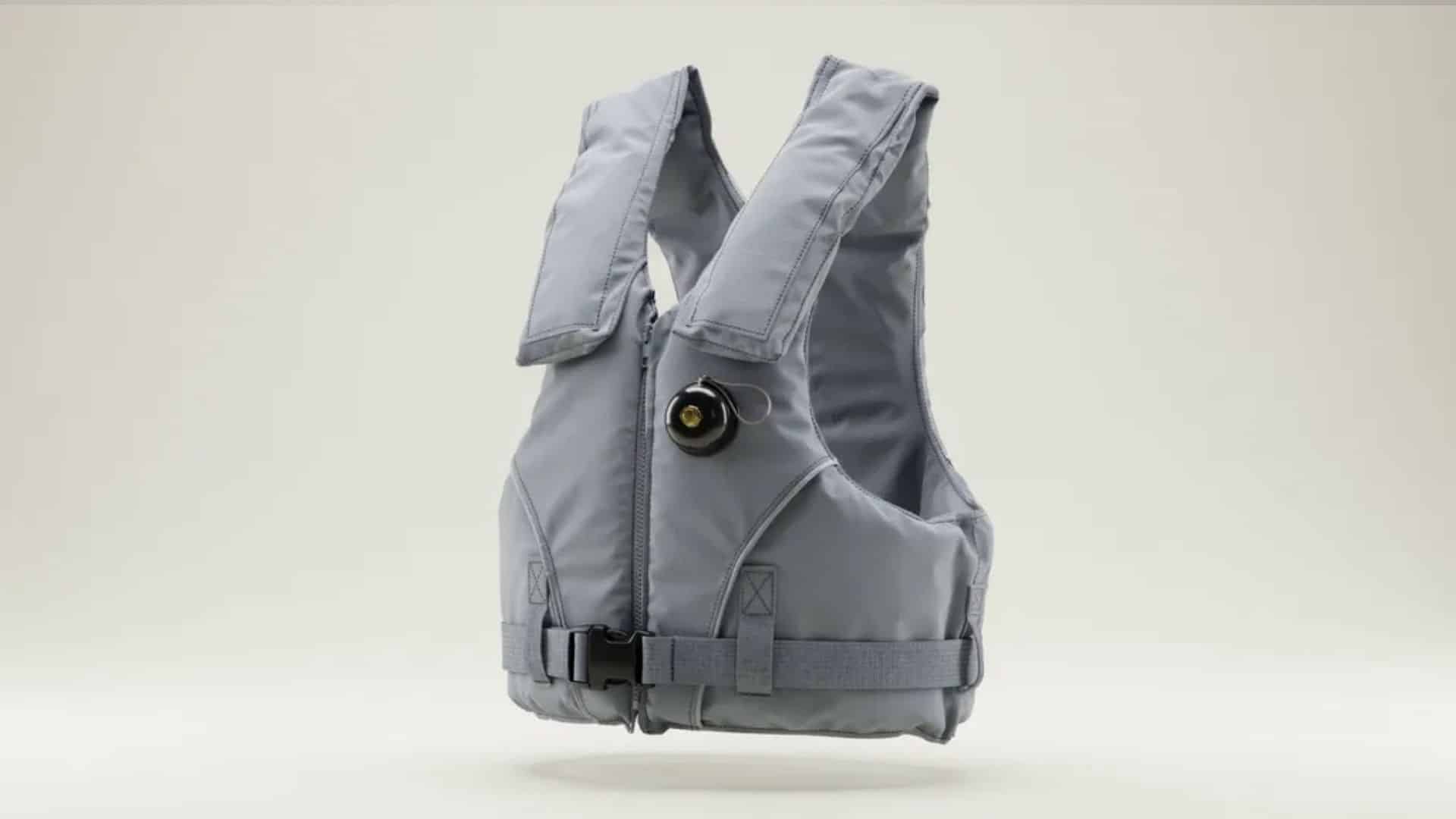
These are made for specific activities and conditions, so one size does not fit all here. Always check the label to confirm it suits your exact situation.
- Best For: Kayaking, windsurfing, commercial boating, and other clearly defined water activities
- Buoyancy Level: Varies by design, but meets or exceeds the standards of Type I, II, or III jackets
- Offshore/Inshore Use: Depends entirely on the specific model and the activity printed on its label.
Choosing the right life jacket comes down to where you are going and what you are doing out there. Each Type serves a real purpose, and none of them work if you leave them sitting in the boat untouched.
New USCG Performance Level Life Jackets
The USCG now rates life jackets by performance levels instead of types. It is a more practical system, and once you understand what each level does, picking the right one gets a whole lot easier.
6. Level 50
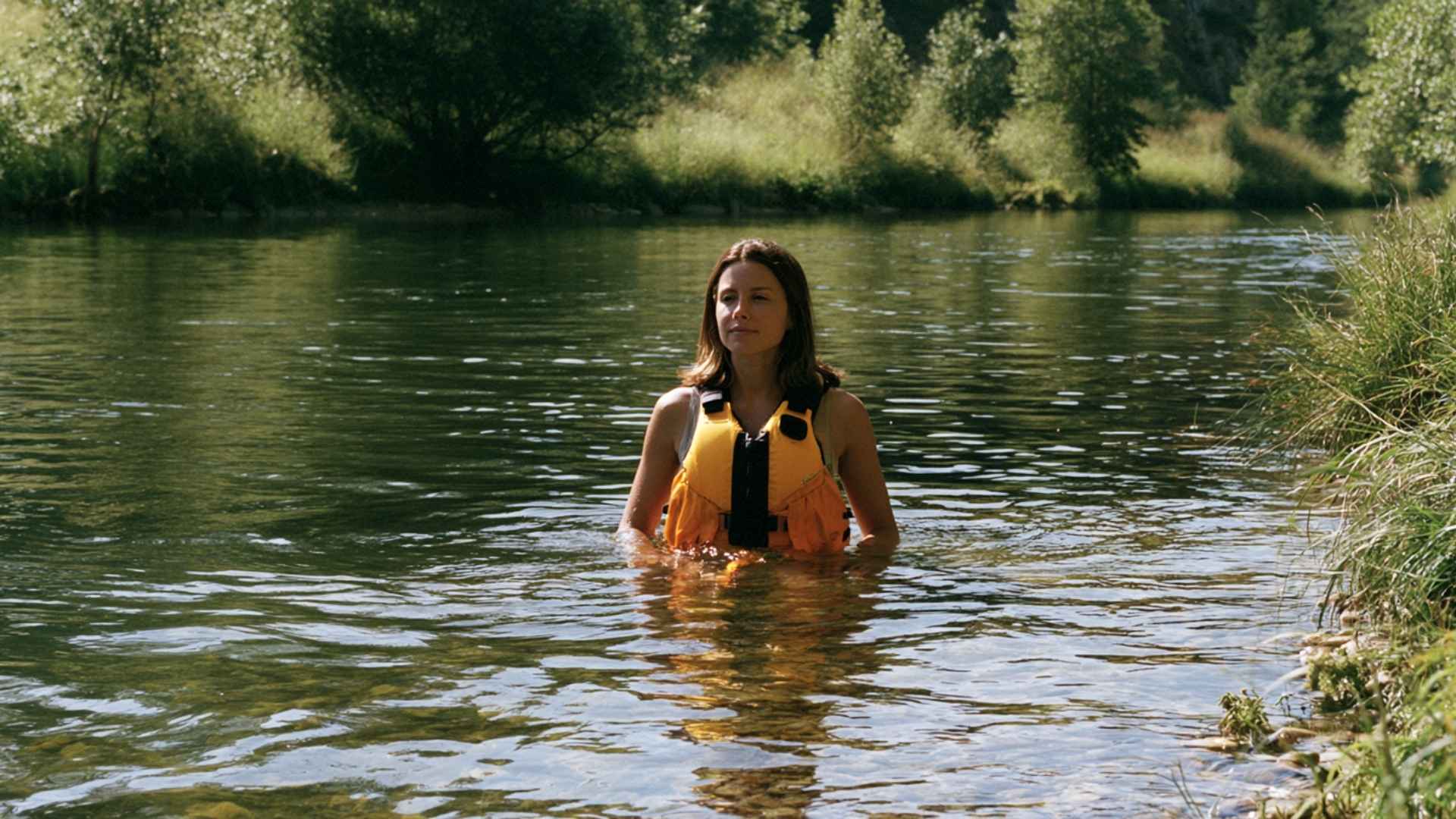
Basic buoyancy for calm, controlled water. This one is lightweight but recommended only for strong swimmers near shore. Not suitable for weak swimmers or non-swimmers.
- Best For: Supervised activities, calm inland water
- Buoyancy Level: 50 Newtons
- Offshore/Inshore Use: Inshore only
7. Level 70
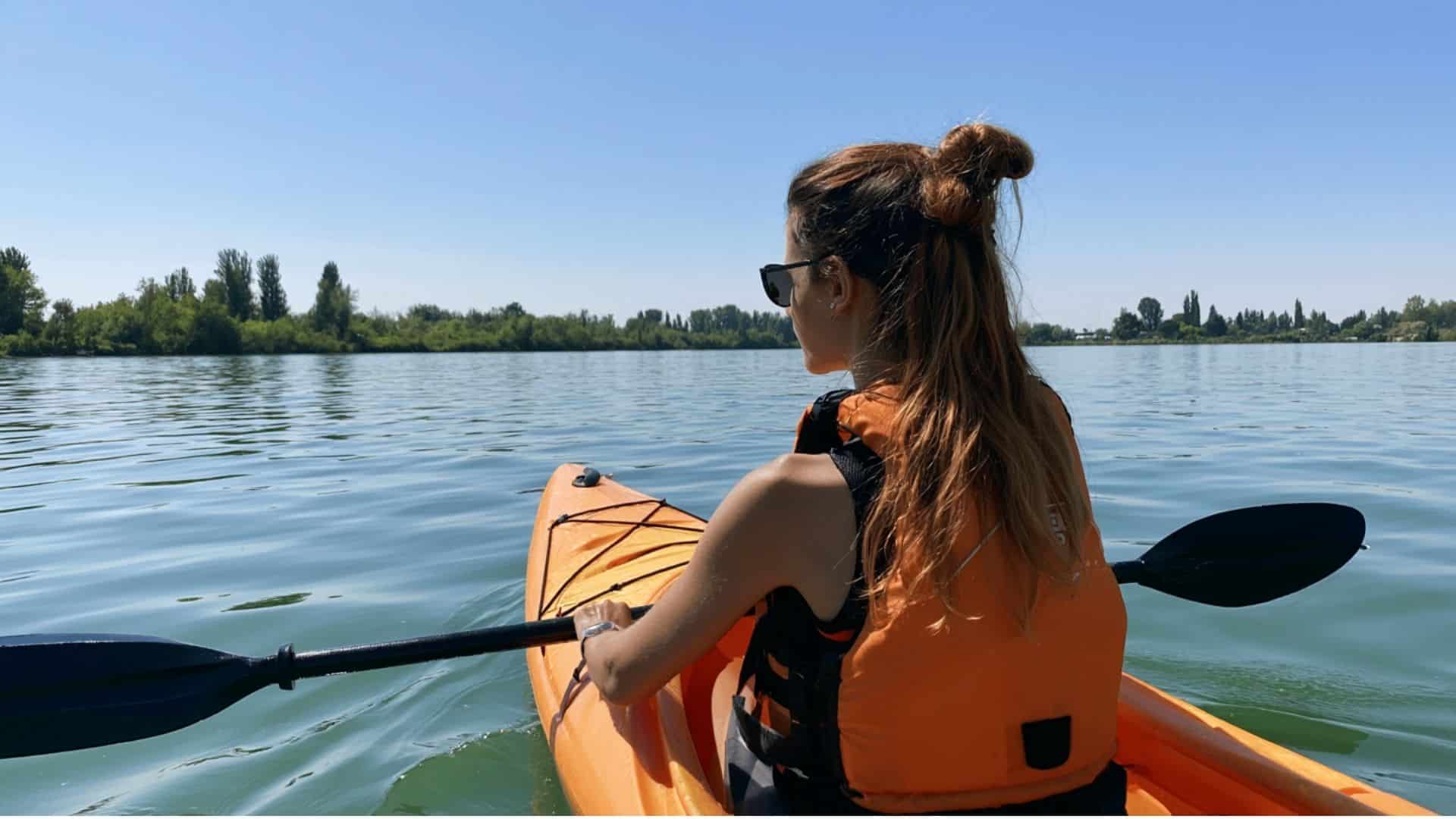
Designed for calm, inland water where help is nearby. It is the lightest option, making it comfortable for long wear during low-risk activities.
- Best For: Kayaking, paddleboarding, supervised water activities
- Buoyancy Level: 70 Newtons (minimum)
- Offshore/Inshore Use: Inshore only
8. Level 100
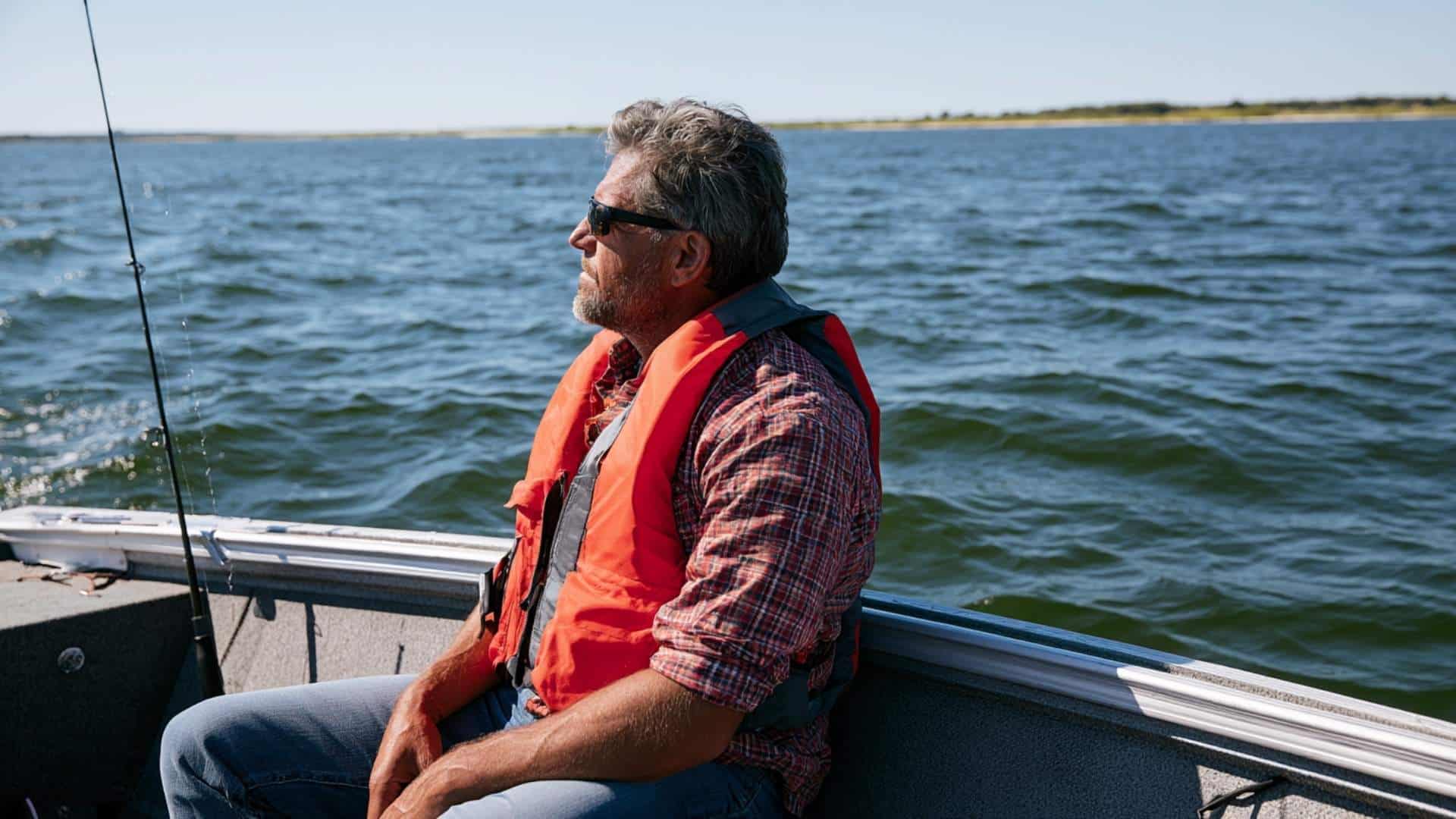
A solid all-rounder for most recreational boating situations. It gives you reliable buoyancy without feeling too bulky or restrictive.
- Best For: General boating, fishing, sailing
- Buoyancy Level: 100 Newtons
- Offshore/Inshore Use: Inshore and nearshore
9. Level 150
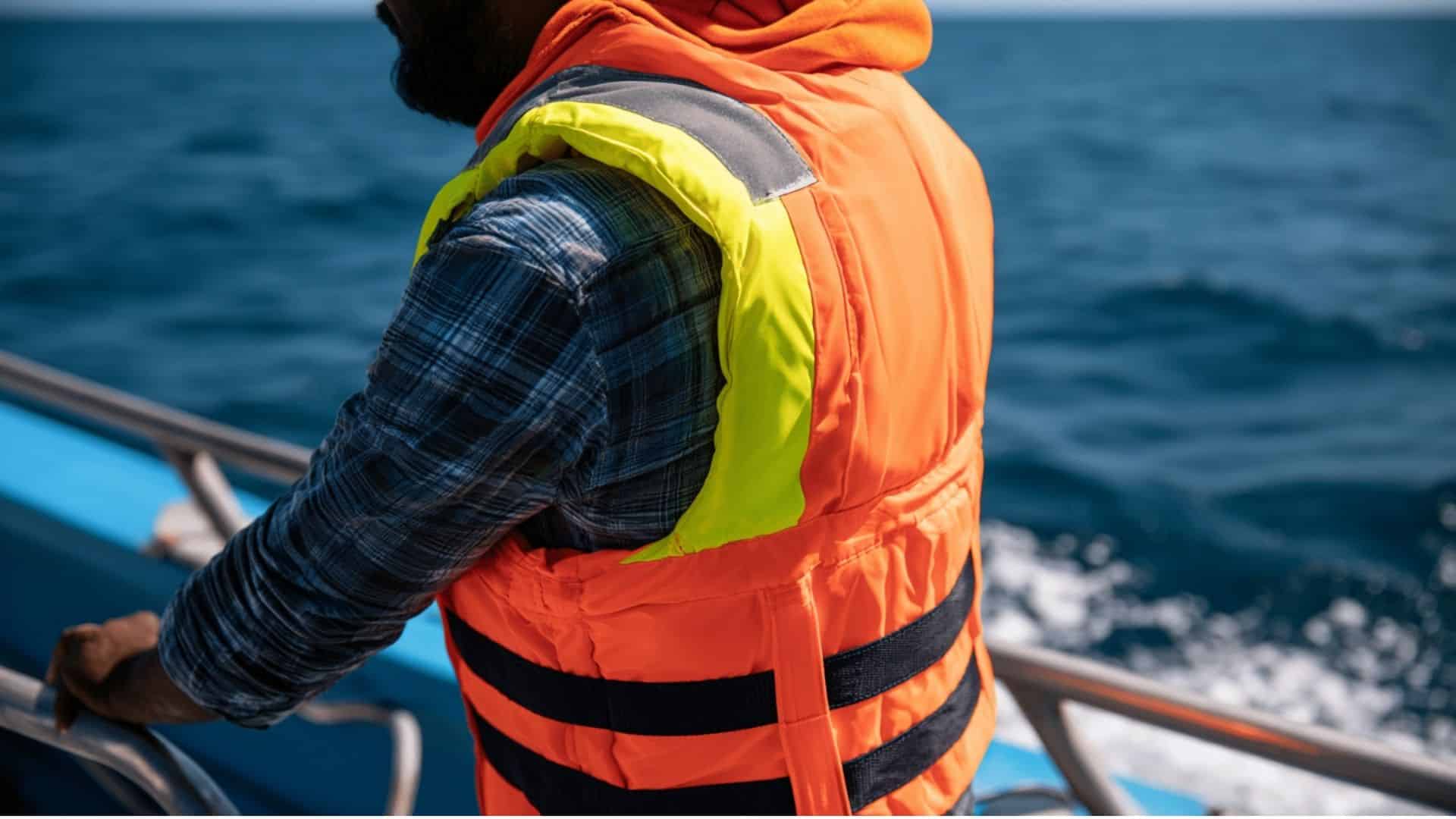
Built for open, rougher water where conditions can change fast. It can turn an unconscious person face-up, and that single feature could save your life.
- Best For: Offshore boating, unpredictable or remote conditions
- Buoyancy Level: 150 Newtons
- Offshore/Inshore Use: Offshore and inshore
Each level serves a different purpose. Match it to where you are actually boating, and you will always have the right protection on hand.
When You Must Wear a Life Jacket
Knowing when the law requires a life jacket can keep you safe and out of legal trouble on the water. Rules vary by state, age, and activity, but in some situations, wearing one is non-negotiable.
| Situation | Requirement |
|---|---|
| Children under 13 | Must be worn at all times on moving vessels in most US states. Inflatable life jackets are not Coast Guard-approved for children under 16 or for non-swimmers. Always use an inherently buoyant foam jacket for young children. |
| Personal watercraft (jet skis) | Required for all riders in every state |
| Whitewater rafting/kayaking | Mandatory in most states regardless of age |
| Towed activities (tubing, skiing) | Required for the person being towed |
| Sailing offshore | Coast Guard recommends constant wear |
| Low visibility or rough water | Strongly advised; required in some states |
State regulations differ, so always check your local boating authority before heading out. If you paddle regularly, it is worth understanding the specific rules around kayaking and life jacket laws before your next trip.
What Makes a Life Jacket Coast Guard Approved?
When you are shopping for a life jacket, the Coast Guard approval label is the first thing you should look for. It tells you the jacket has been tested and actually works.
Coast Guard-approved life jackets go through serious performance and buoyancy testing before hitting store shelves. Approval means the jacket meets federal safety standards, not just the manufacturer’s word.
Before you buy, check the label for an approval number, jacket type, size range, and intended use. If anything is missing, walk away. Do not let a cheaper option give you a false sense of security. That label exists to keep you alive.
How to Choose the Right Life Jacket for Your Activity?
The right life jacket depends on what you are doing and where you are doing it. Picking the wrong jacket style or type can leave you under-protected.
- Boating: A Type II works well for calm nearshore boating, but switch to a Type I for open water trips.
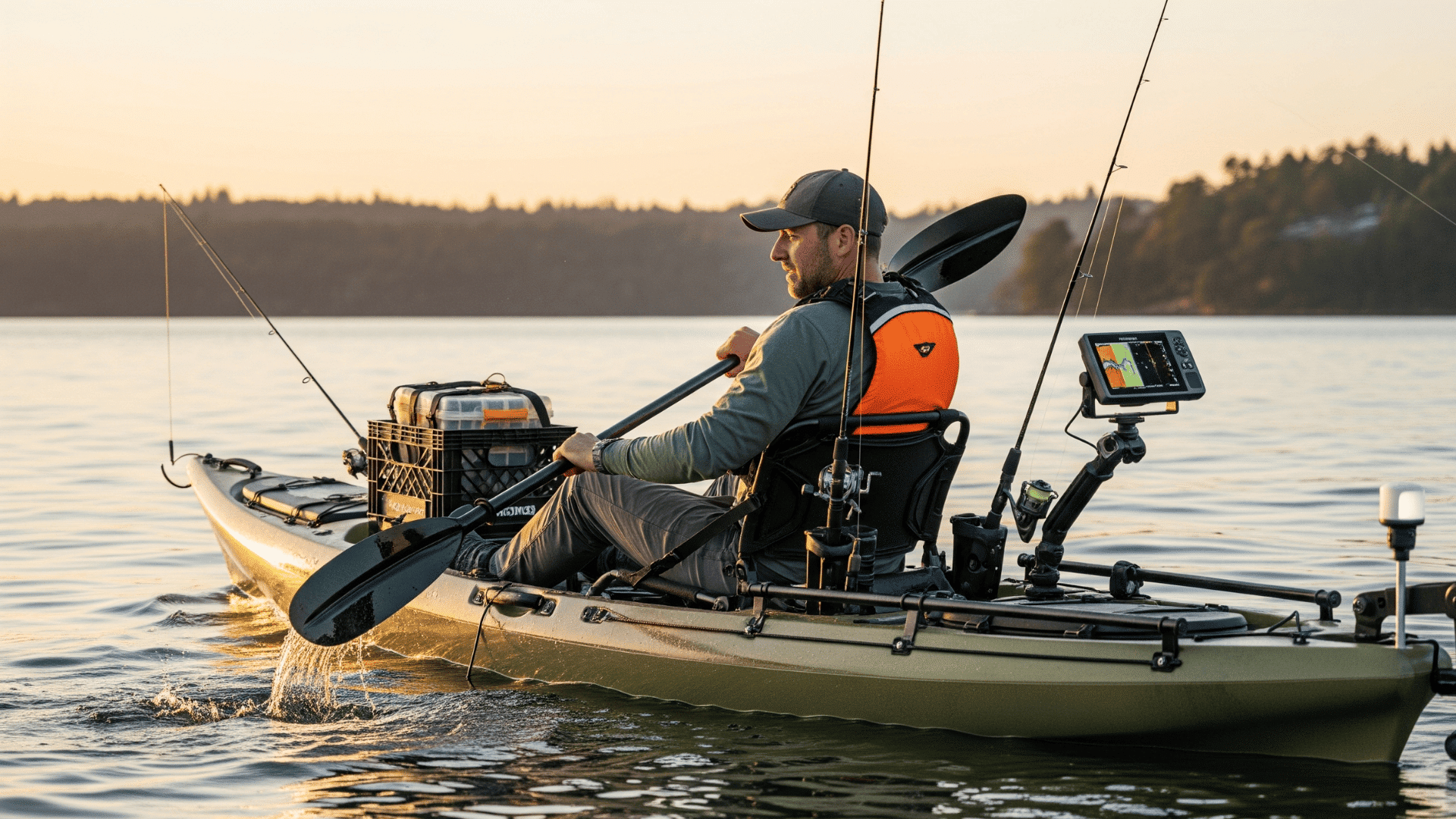
- Fishing and Kayaking: A Type III gives you the movement you need without getting in the way of your activity.
- Paddleboarding: A Type III works great, and a belt-pack inflatable Type V is a solid low-profile option.
- Water Skiing: Stick with a Type III, as it handles impacts well and lets you move freely.
- Children’s Activities: Always use a Coast Guard-approved jacket sized for your child’s weight, never an adult one.
- Offshore Boating: A Type I is your only real option, offering the highest buoyancy and face-up positioning.
No single jacket fits every situation, and that is perfectly fine. Keep the right one on hand, wear it properly, and you are already ahead of most people on the water.
Federal Life Jacket Requirements by Boat Size
The law is pretty clear on this one, and it is not something you want to guess at out on the water. Federal rules tie life jacket requirements directly to your boat size, so knowing where you stand before you launch matters.
| Boat Size | Wearable PFDs Required | Throwable Device Required |
|---|---|---|
| Under 16 ft | One per person on board | Not required |
| 16 ft and over | One per person on board | One Type IV required |
| Any size with children | Properly fitted PFD per child | Varies by state |
| Canoes and kayaks | One per person | Not required |
| Vessels over 26 ft | One per person plus Type IV | Required |
These are federal minimums, and your state may add more on top. Always check local rules before heading out because fines are the least of your worries if something goes wrong.
How Should a Life Jacket Fit?
A life jacket that does not fit right is almost as dangerous as wearing none at all. Before you hit the water, take a few minutes to make sure yours fits the way it should.
Start with sizing. Your jacket should match your chest size and body weight, not just feel roughly okay. Once you have the right size, tighten every strap so the jacket sits snug but still lets you breathe comfortably.
To test the fit, lift your arms above your head and have someone tug the jacket upward. If it slides past your chin, it is too loose. The most common mistake people make is buying a jacket that is too big and assuming it will work fine. It will not.
A properly fitted life jacket stays in place when it matters most and does not ride up or shift around. Get the fit right before you ever leave the dock.
Life Jacket vs. PFD: What Is the Difference?
You have probably seen both terms used and wondered if they actually mean the same thing. They do not, and knowing the difference helps you make smarter choices on the water.
| Feature | Life Jacket | PFD (Personal Flotation Device) |
|---|---|---|
| Full name | Life Jacket | Personal Flotation Device |
| Primary purpose | Turns the unconscious wearer face-up | Keeps you afloat while conscious |
| Buoyancy level | Higher | Varies by type |
| Best use | Offshore, rough water | Calm water, active water sports |
| Approval body | USCG approved | USCG approved |
| Comfort level | Bulkier | More comfortable |
Both tools serve your safety, but they are not interchangeable. Pick based on where you are going and what the water looks like that day.
Life Jacket Safety Tips Worth Knowing
Following a few basic life jacket safety tips can make a real difference when things go wrong on the water. These are not complicated rules, but they do need to become habits.
- Wear it before getting on the water: Do not wait until you feel unsafe. Put it on before you board and keep it on throughout the trip.
- Check for damage before every trip: Look for tears, broken buckles, or faded material. A damaged jacket may not perform when you need it most.
- Replace worn-out equipment: If your jacket looks beat up or feels stiff, replace it. Old gear loses reliability over time.
- Choose the correct size: A jacket that is too big or too small will not protect you properly, so always check the size rating.
- Never rely on inflatable toys: Pool floaties and water wings are not safety devices and offer zero real protection in open water.
- Keep children’s jackets secured: Always fasten every strap and buckle on your child’s jacket, and check that nothing has come loose mid-trip.
- Follow the manufacturer’s instructions: Every jacket comes with specific care and use guidelines, and ignoring them can quietly reduce its performance.
Good habits on the water start before you even leave the shore. Stay consistent with these tips, and you give yourself a much stronger chance of staying safe out there.
How to Care for and Maintain Your Life Jacket
A life jacket only works if it is actually in good shape when you need it. Basic upkeep takes almost no time, and it can make a real difference when it counts.
- Rinse with fresh water after every use, especially after saltwater exposure
- Let it air dry completely before storing. Never use direct heat or sunlight
- Store in a dry, ventilated space away from fuel, oil, and chemicals
- Check foam panels and inflatable chambers regularly for wear or damage
- Test inflatable models before each season by inflating manually and checking for leaks
- Replace any life jacket with torn straps, cracked buckles, or waterlogged foam
- Check the USCG approval label periodically to confirm it is still intact and legible
Treat it like the safety gear it is, and it will hold up season after season. A worn-out life jacket is not a life jacket at all.
Conclusion
Water safety is not something you figure out after an accident. You plan for it before it ever happens.
Coast Guard-approved life jackets exist because the water does not care how experienced you are, how strong you swim, or how short the trip is.
Following proven life jacket safety tips and wearing the right jacket consistently is the simplest way to protect yourself and everyone on board.
Official safety recommendations are not overly cautious; they are built from real losses and real data.
The best life jacket is not the most expensive one. It is the one you actually wear every single time.
Ready to gear up the right way? Browse Coast Guard-approved options and make safety your first step before every trip.
Frequently Asked Questions
Which Type of Life Jacket Is Best for Boating?
It depends on where you are boating. A Type II works well for calm nearshore water, but if you are heading offshore into rougher conditions, a Type I is the right and safest choice.
Are All Coast Guard-approved life jackets the Same?
Not at all. Coast Guard-approved life jackets come in different types, each built for specific conditions and activities. Approval means it meets safety standards, but it does not mean every jacket works the same way.
Do Adults Have to Wear Life Jackets at All Times?
Laws vary by state and waterway, but most regulations strongly recommend that adults wear one consistently. In rough conditions or open water, wearing it at all times is always the smartest and safest call.
How Often Should You Replace a Life Jacket?
There is no fixed expiration date, but you should replace your jacket if you notice tears, stiff foam, broken buckles, or fading, as any of these signs may mean it no longer performs reliably.