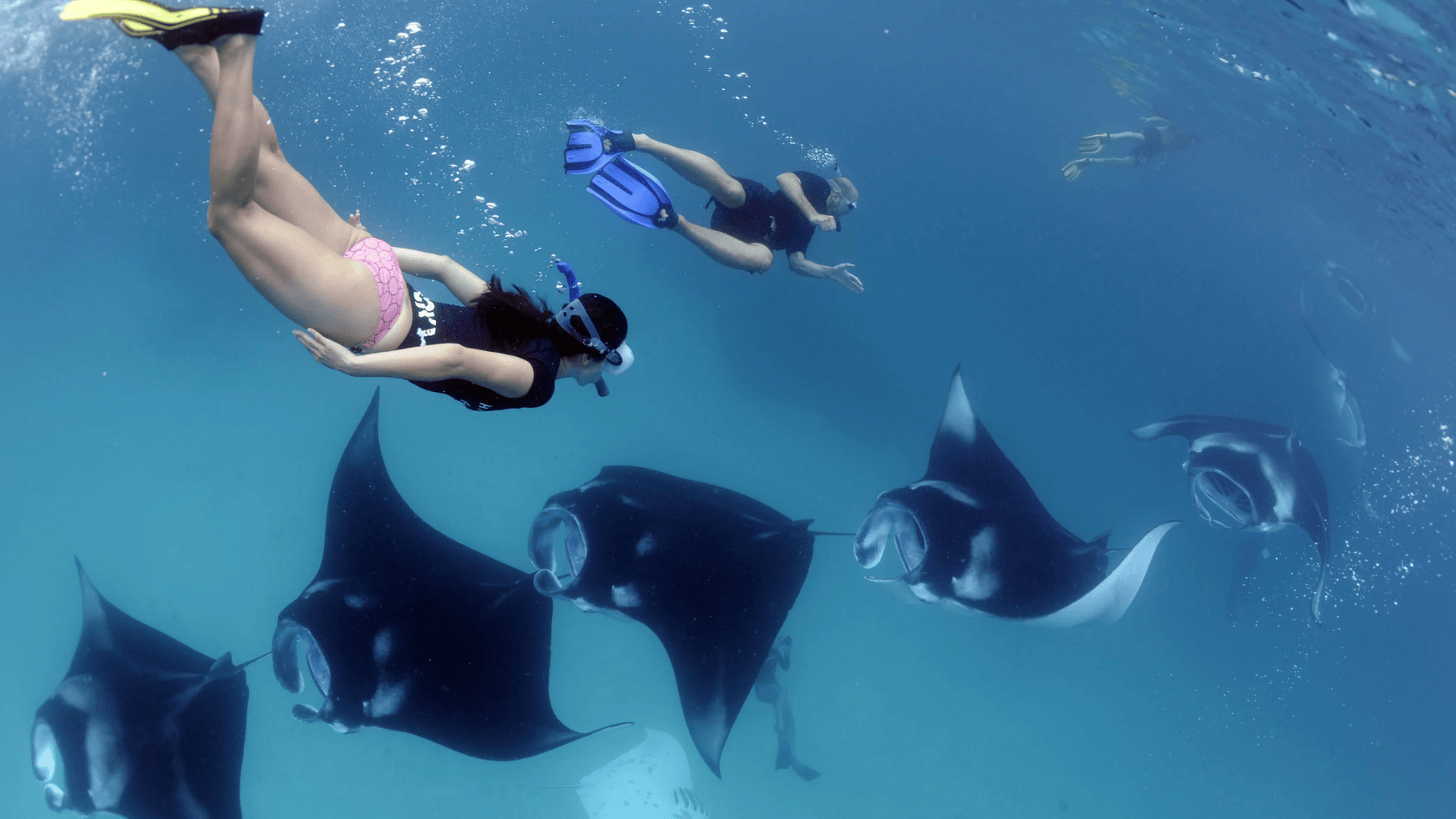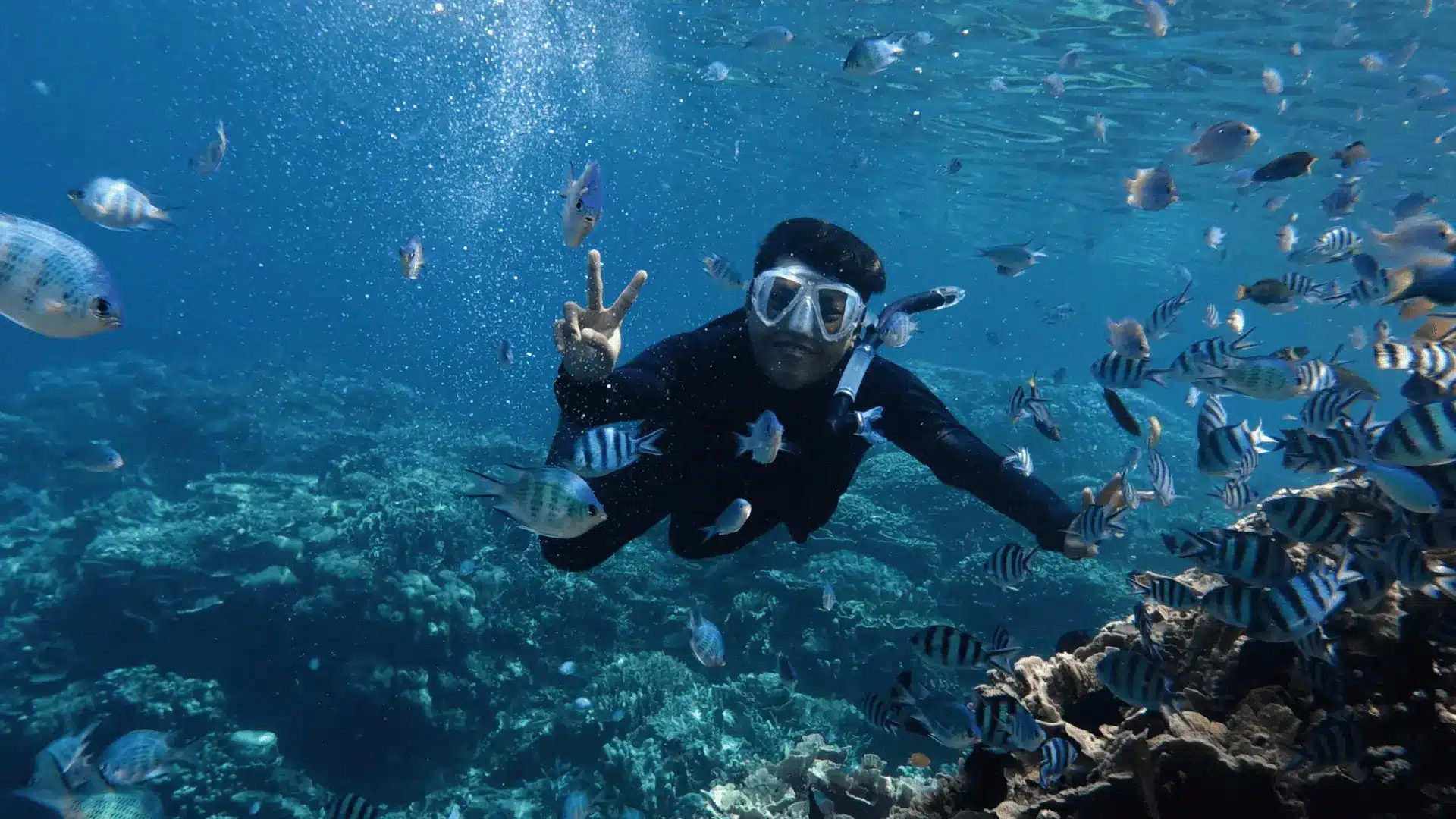
You spot a coral reef from the surface. A sea turtle drifts past just below your feet. And all you needed was a mask and a tube. That is the beauty of snorkeling.
If you have been curious about trying it but are not sure where to begin, you are in the right place. What is snorkeling, exactly? How do you do it safely? What gear do you actually need?
All of that is covered here, in plain, simple terms.
No experience required. No complicated instructions. Just everything you need to get in the water feeling prepared and confident.
If you are heading to the beach next week or just starting to think about it, you will find everything covered here from the very first step.
What Is Snorkeling?
Snorkeling means floating on the water’s surface while wearing a mask and a snorkel. It lets you watch underwater life without going below the surface.
People have been doing this for thousands of years.
Ancient Greek sponge farmers used hollow reeds to breathe while scanning the seafloor. Modern masks and snorkels became widely available in the mid-20th century.
Snorkeling is often confused with similar water activities, such as the debate over Scuba Diving vs Snorkeling.
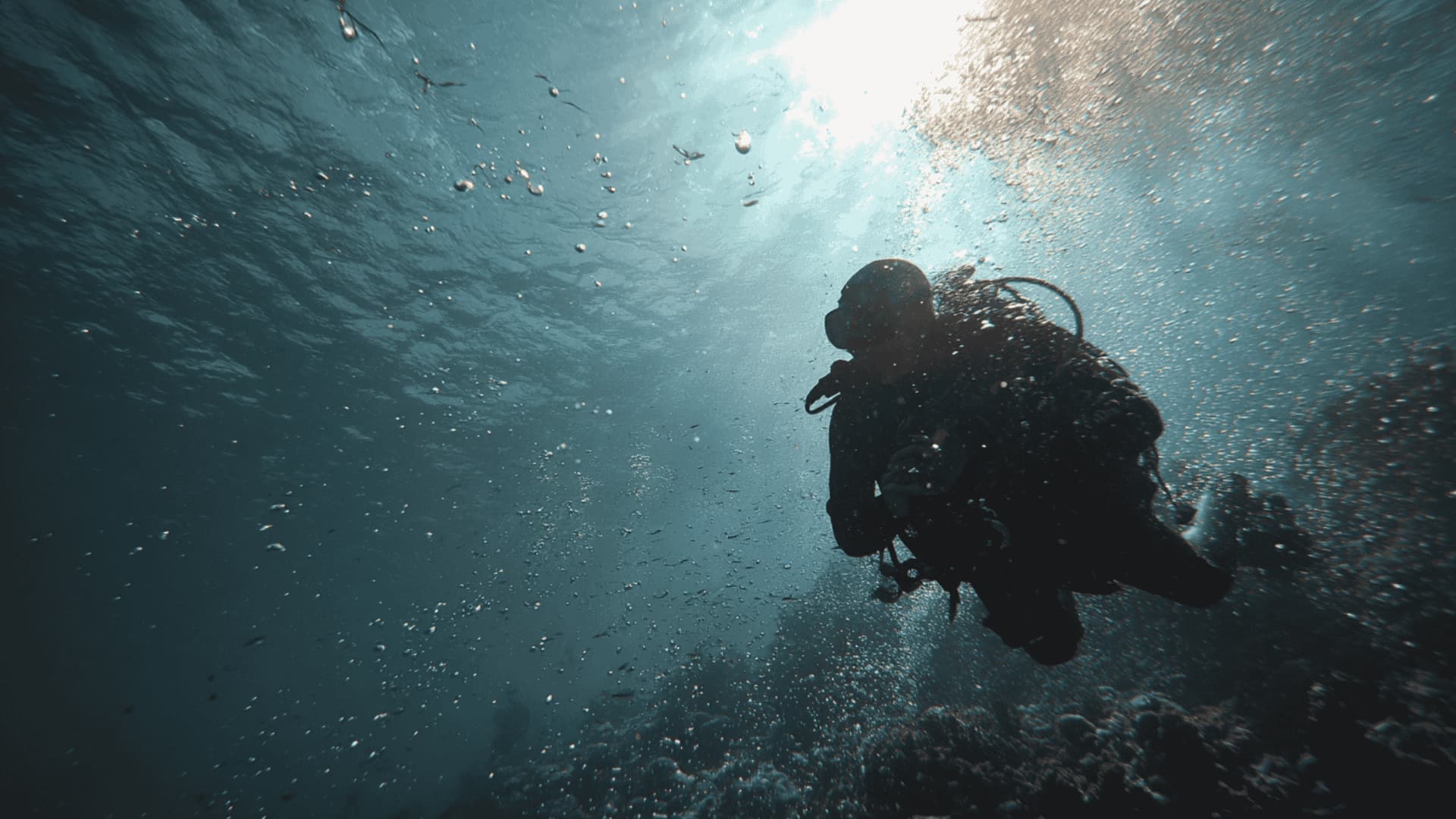
Skin diving involves briefly diving below the surface with no air tank. Scuba diving takes you fully underwater and requires certification. Freediving is a competitive sport based on breath-hold diving.
No certification, no tanks, and no prior experience needed.
Why Should You Try Snorkeling? Reasons It’s Worth It
Snorkeling is one of the most accessible water activities out there. Here are the reasons beginners keep coming back to it.
- No Training or Certification Required: You can get in the water on your first day: no courses, no tests, no paperwork needed.
- Affordable Gear: A basic mask, snorkel, and fins set costs under $50. You do not need expensive equipment to get started.
- Suitable for All Ages and Fitness Levels: Kids, older adults, and beginners can all snorkel comfortably. It adapts well to different ability levels.
- Close-Up Views of Marine Life: You can see fish, sea turtles, and coral reefs up close. It feels like looking into a living aquarium.
- A Gateway to Deeper Water Activities: Snorkeling builds comfort in the water. Many people use it as a first step toward scuba diving or freediving.
These reasons make snorkeling a smart starting point. It is low-cost and low-risk when done in calm, suitable conditions and is open to nearly everyone willing to try.
Where Can You Snorkel?
You do not need an exotic destination to get started. Good snorkeling spots exist in oceans, lakes, and even your local pool.
- Tropical Coral Reefs: Hawaii, the Great Barrier Reef, and the Caribbean offer warm, clear water and rich marine life, perfect for all skill levels.
- Shallow Coastal Beaches: Many regular beaches have calm, shallow water ideal for beginners. Look for spots with good visibility and minimal current nearby.
- Protected Bays and Coves: Natural inlets block wind and waves, keeping water calmer. These are great spots to build confidence before moving to open water.
- Freshwater Lakes and Springs: Snorkeling is not just for the ocean. Clear lakes and natural springs, especially in Florida, offer great visibility and unique scenery.
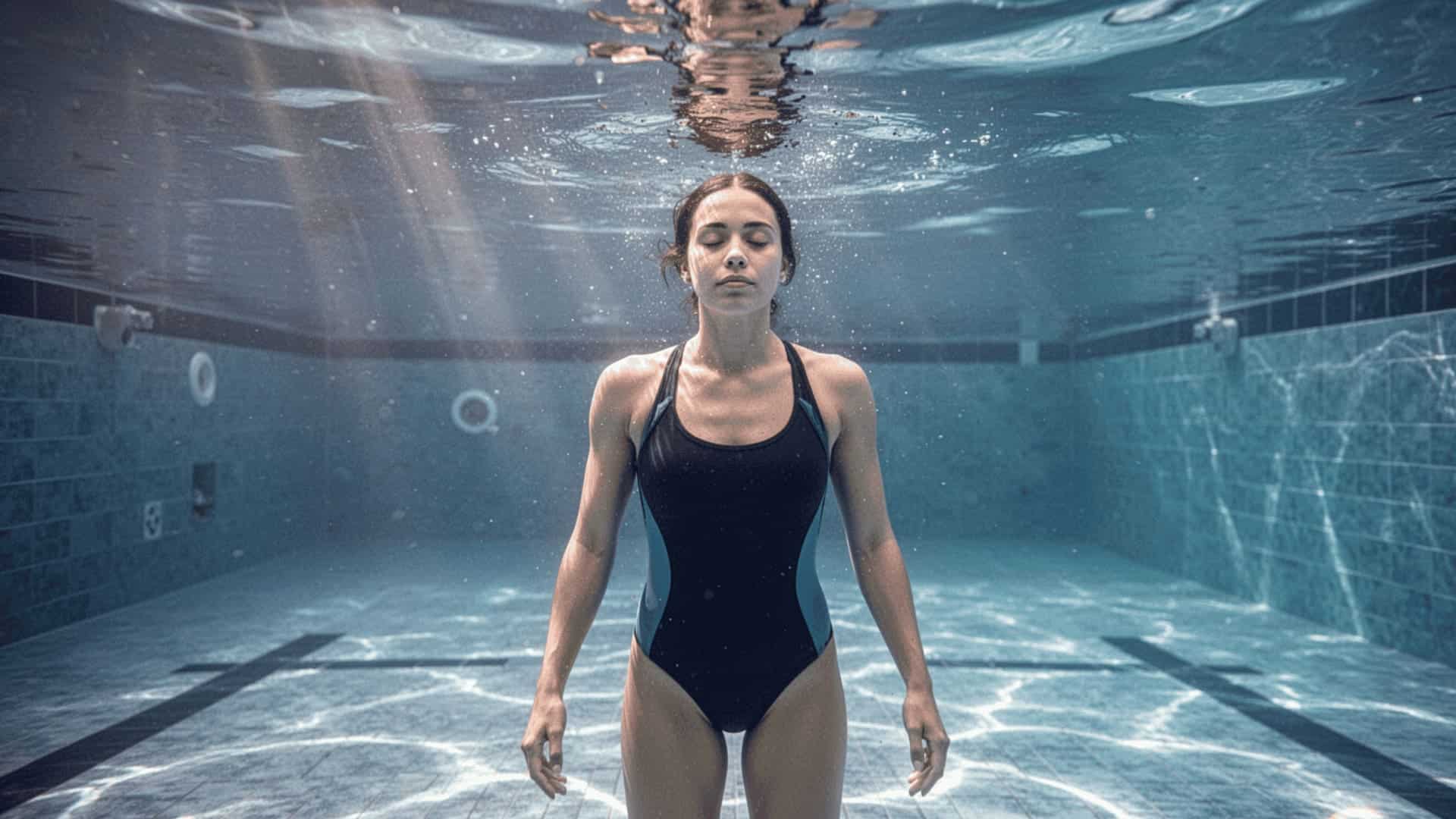
- Swimming Pools: The best place to start. Practice your breathing, mask seal, and kicking technique before attempting any open-water snorkeling session.
No matter where you go, always check water conditions, visibility, and any local restrictions before getting in.
What Equipment Do You Need for Snorkeling?
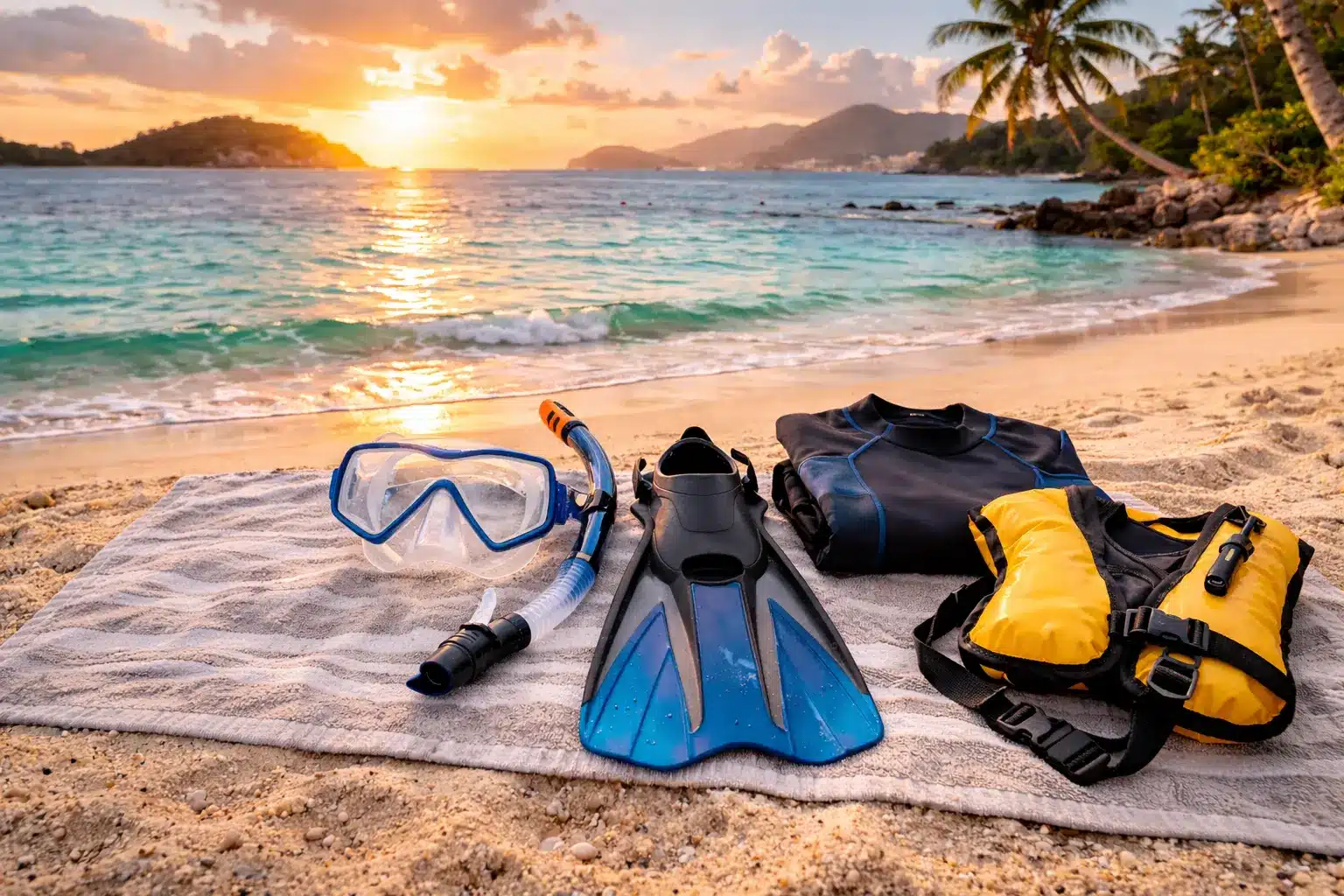
You do not need much gear to start snorkeling. A few basic pieces are all it takes to get in the water safely and comfortably.
1. Snorkel Mask
A snorkel mask covers your eyes and nose so you can see clearly underwater.
Look for one that fits snugly against your face, with no gaps. A good seal keeps water out. Single-lens masks give a wider view, while dual-lens masks tend to fit more face shapes.
2. Snorkel Tube
The snorkel tube lets you breathe while your face is in the water.
Dry snorkels have a valve that blocks water when you go underwater, which is great for beginners. Semi-dry snorkels offer similar protection at a lower cost. Classic J-tubes are simple but let water in more easily.
3. Fins
Fins attach to your feet and help you move through the water with less effort.
Full-foot fins slip on like shoes and work well in warm water. Open-heel fins adjust with a strap and fit over water shoes. Both styles reduce leg fatigue and help you swim more efficiently.
4. Wetsuit
A wetsuit or rash guard protects your skin from the sun and keeps you warm in cooler water.
A rash guard works well in warm, tropical conditions. A shorty wetsuit covers your torso and upper legs and is suitable for mild water temps. A full wetsuit is best when water temperatures drop below 70°F.
5. Snorkel Vest
A snorkel vest is an inflatable vest that helps you stay afloat at the surface.
It is a practical choice for nervous beginners or those who are not strong swimmers. It does not restrict movement much and gives you extra confidence while you get comfortable in the water.
How to Snorkel Step by Step: A Beginner’s Technique Guide
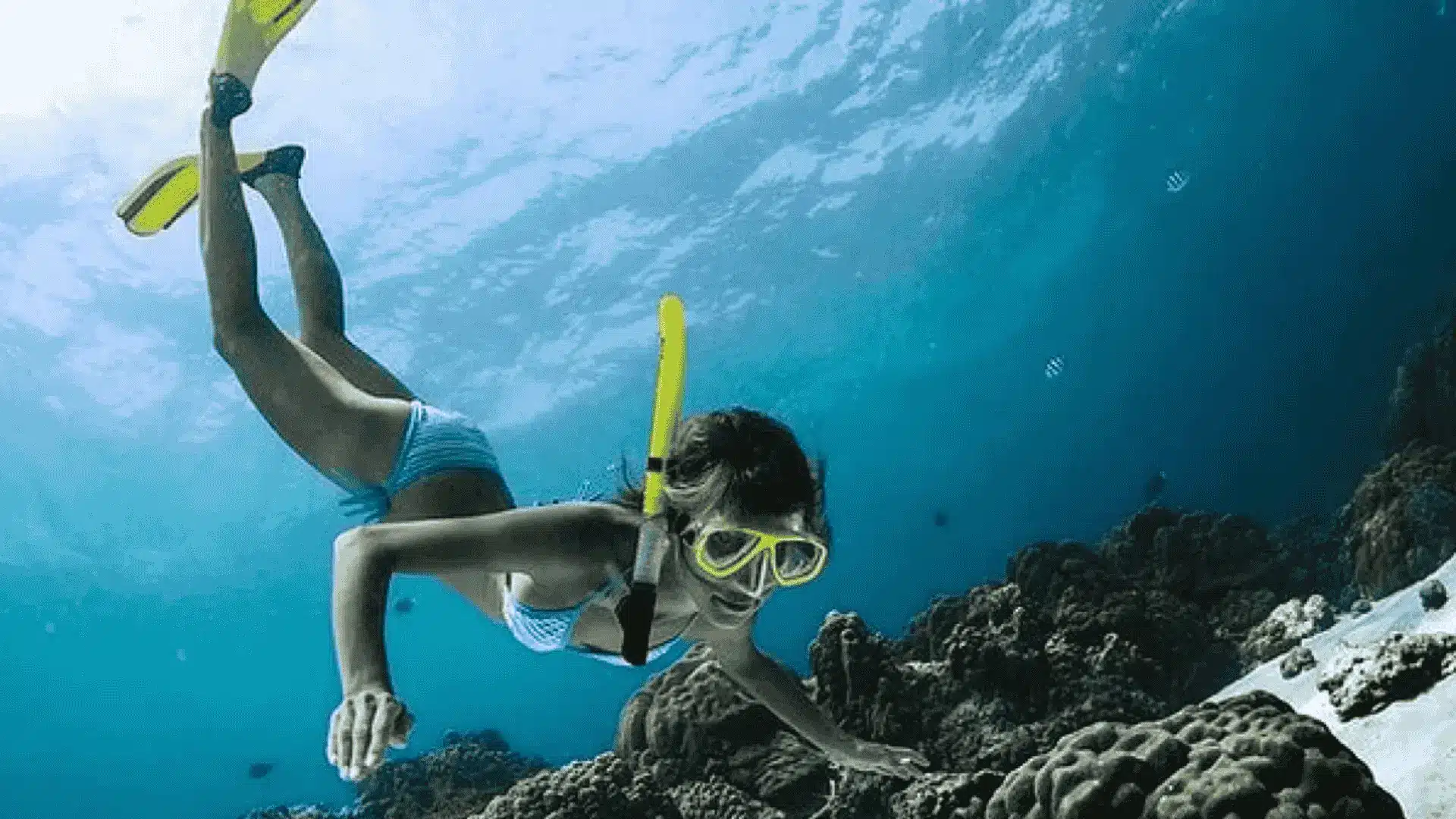
Knowing the right technique makes a big difference in the water. These five steps will help you feel calm, comfortable, and ready before you even get in.
Step 1: Getting Your Gear Ready
Hold the mask against your face and inhale through your nose. If it stays put without the strap, the seal is good.
Rub spit on the inside of the lens and rinse lightly to prevent fogging. Clip the snorkel to the left side of your mask strap so the mouthpiece sits naturally in your mouth.
Step 2: Entering the Water the Right Way
Always walk backward into the water when wearing fins to avoid tripping.
Start in a shallow, calm spot like a pool or beach wading area.
Once waist-deep, check that your mask is sealed and your snorkel is clear before putting your face in the water.
Step 3: Breathing Through the Snorkel
Breathe slowly and deeply through your mouth, steady and controlled, like breathing through a straw.
Avoid quick, shallow breaths as they waste energy and can cause anxiety. If it feels unfamiliar, practice in a pool first with your face down in shallow water until it feels natural.
Step 4: Floating and Kicking Correctly
Lie flat on the surface with your face angled down at about 45 degrees and your body relaxed.
Rest your arms at your sides. Kick gently from your hips using a slow flutter motion, not from the knees. Calm, smooth kicks also avoid disturbing the marine life below you.
Step 5: Clearing Your Snorkel and Mask
If water enters your snorkel, exhale sharply through your mouth to push it out. This is called the blast clear method.
For your mask, surface and pull the bottom away from your face to drain. Underwater, press the top of the mask and exhale through your nose to clear it.
Video Tutorial
For step-by-step beginner snorkeling tips, watch this tutorial from Kraken Aquatics on YouTube.
Snorkeling Tips for Beginners that Make a Real Difference
These tips won’t just improve your technique, they’ll help you stay safe, use less energy, and get more out of every session in the water.
1. Practice in a Swimming Pool First: Get comfortable breathing through the snorkel in a pool before heading to open water. It builds confidence fast.
2. Choose Calm, Shallow Water for Your First Time: Clear, shallow water lets you stand up if needed and helps you focus on technique without added stress.
3. Never Snorkel Alone: Always bring a buddy. If something goes wrong, gear failure, cramps, or currents, having someone nearby matters.
4. Check Weather and Current Conditions:Before entering the water, look up local conditions. Strong currents and rough seas can turn a calm trip into a dangerous one in a matter of minutes.
5. Head Out Against the Current First: Start by swimming into the current. On the way back, it works in your favor and saves energy when you’re tired.
None of these tips requires extra gear or training. Small adjustments in how you prepare and move through the water go a long way.
Common Snorkeling Mistakes Beginners Make
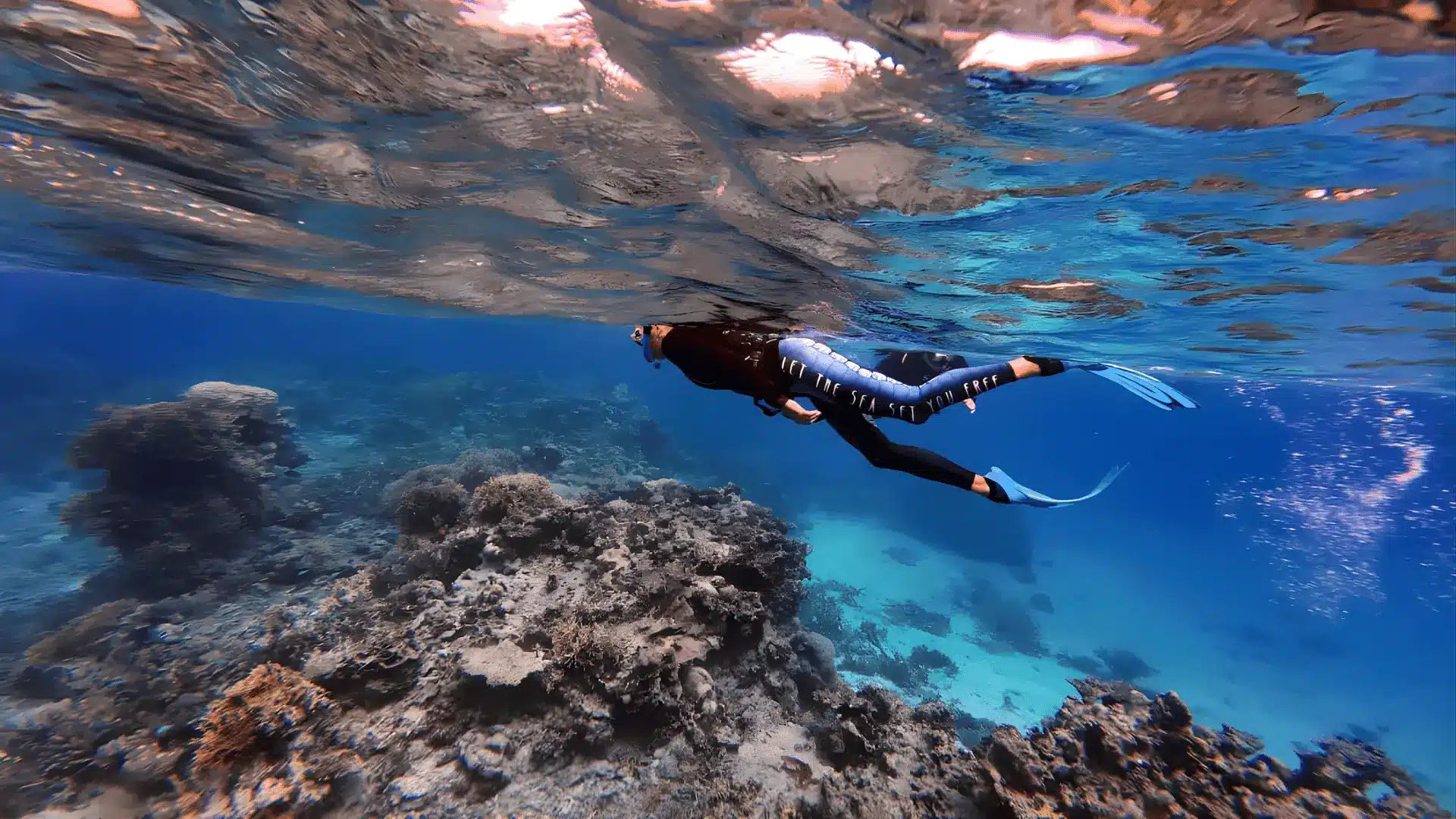
Most beginner struggles in the water come down to a few avoidable mistakes. Knowing them ahead of time saves you a lot of frustration.
- Choosing Gear That Doesn’t Fit: Ill-fitting masks leak, and loose fins cause blisters. Always try on your gear and test the seal before entering the water.
- Breathing Too Fast: Rapid breathing wastes energy and causes dizziness. Practice slow, rhythmic mouth breathing in shallow water until it feels natural and controlled.
- Skipping Pool Practice: Jumping straight into open water with unfamiliar gear is a common mistake. Always spend time in a pool getting comfortable first.
- Going Too Far from Shore Too Soon: Confidence builds gradually. Stay in shallow water until you are fully comfortable with your breathing, gear, and movement before venturing further out.
- Ignoring Ocean Conditions: Currents, tides, and poor visibility can make even calm-looking water risky. Always check local conditions before entering, no matter how experienced you are.
Avoiding these five mistakes will make your first few sessions much smoother. A little preparation on land goes a long way once you are in the water.
Ready to Get in the Water?
So, what is snorkeling? It is one of the simplest ways to see a world most people never get close to.
You now know the gear you need, how to move through the water, and what to watch out for on your first session. The hard part is not the swimming. It is taking that first step.
Start small. Stay calm. Go with a buddy.
The underwater world does not ask for much in return, just a little preparation and a willingness to slow down.
Have you tried snorkeling before, or is this your first time getting ready for it? Drop a comment below and let us know.
And if you found this helpful, bookmark this page for your next trip.