Long, narrow boats glide across calm water with rowers moving in perfect unison. Understanding what is crew sport reveals a unique athletic pursuit that combines intense physical effort, precise teamwork, and a rich history stretching back thousands of years.
Athletes sit facing backwards, using oars to propel their boats forward while relying completely on timing and synchronization with their teammates.
From ancient civilizations to modern Olympic competitions, this water sport has intrigued people worldwide.
Learning about competitive rowing helps you appreciate why so many athletes dedicate themselves to this demanding yet rewarding pursuit and why it continues to grow in popularity across the globe.
What is Crew Sport and How It Works
Crew is the competitive sport of rowing, where teams race boats across water using oars. Rowers sit in long, narrow boats called shells and use oars to push the boat forward.
One unique aspect of crew is that rowers face backwards, looking in the opposite direction of the boat’s travel. The sport requires perfect timing and teamwork, as all rowers must move together in sync.
In the United States, the term “crew” became popular because it emphasizes the team nature of the sport. Each person in the boat plays a critical role, working as one unit to achieve speed and success on the water.
History of Crew: From Ancient Rowing to Modern Competitions
Rowing has existed for thousands of years, dating back to ancient civilizations that used oars to move boats across rivers and seas.
Over time, people began racing against each other, and rowing gradually developed into an organized competitive sport. By the 1800s, universities and rowing clubs started holding formal races with set rules.
Today, crew is recognized as a respected water sport featured in major competitions, such as the Olympics. Modern crew maintains strong connections to its historical roots while using advanced boat designs and training methods.
The sport continues to grow globally, drawing athletes who value strength, technique, and teamwork.
Types of Crew and What’s the Difference?
The crew is divided into two main categories based on how rowers use their oars. Understanding the difference between sweep rowing and sculling helps explain the various boat types you might see at a regatta.
| TYPE | OARS PER ROWER | COMMON BOAT SIZES | DESCRIPTION |
|---|---|---|---|
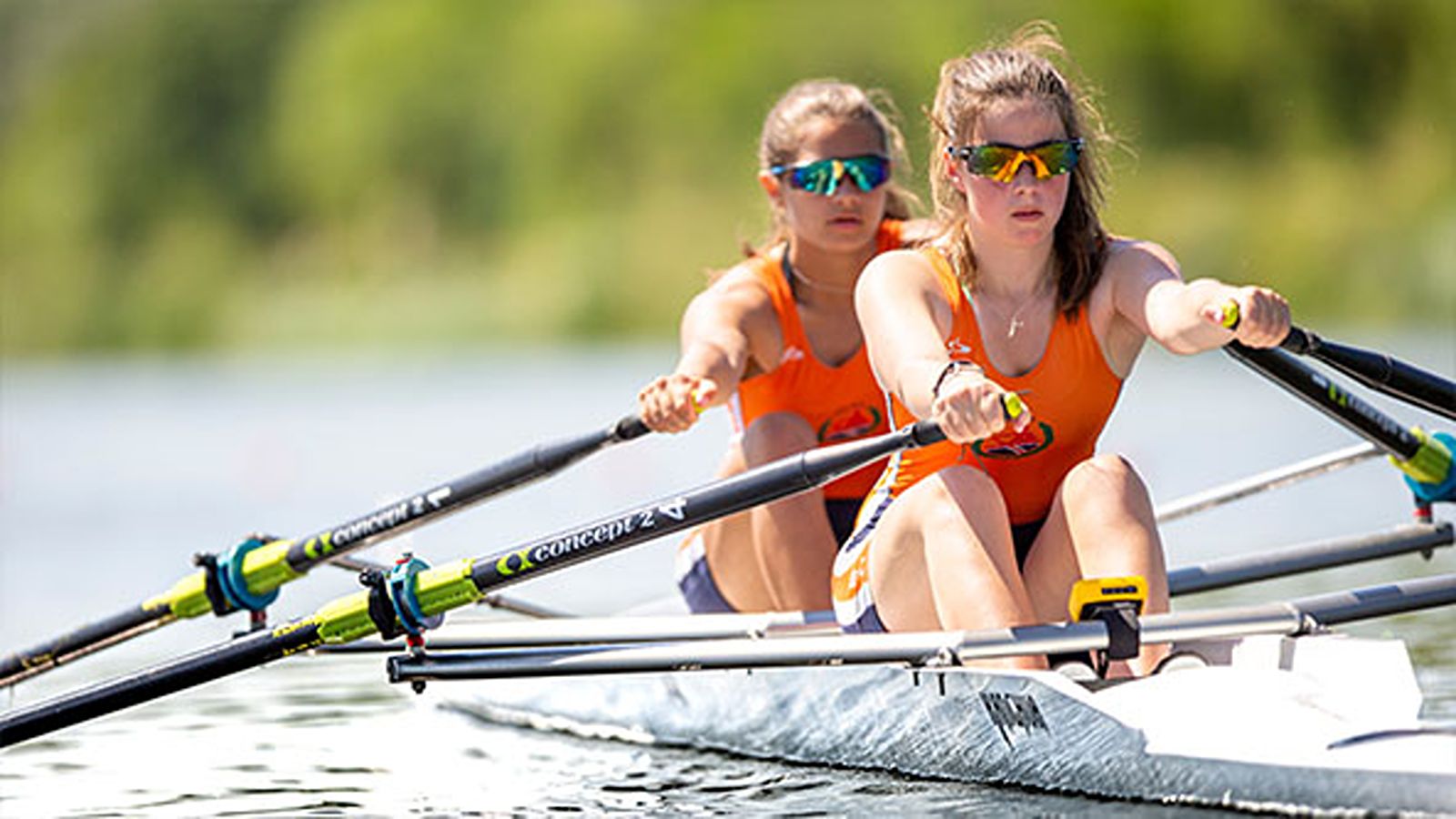
| Sweep Rowing | 1 oar (held with both hands) | 2, 4, or 8 rowers | Each rower holds a single oar on either the left or right side of the boat, requiring precise coordination between teammates. |
| Sculling | 2 oars (one in each hand) | 1, 2, or 4 rowers (singles, doubles, quads) | Each rower controls two shorter oars independently, allowing for more individual control and balance. |
Both styles require strength and skill, but sweep rowing focuses more on team synchronization while sculling emphasizes individual technique and balance. Each offers a unique challenge for rowers.
What Does a Crew Race Look Like?

Crew races take place on calm waters such as rivers, lakes, and canals, providing smooth conditions for boats to glide through. There are different types of race formats in the sport.
Sprint races feature boats racing side-by-side in separate lanes, usually covering distances of 1,000 to 2,000 meters.
Head races are longer time trials where boats start at intervals and race against the clock rather than directly beside each other.
These events are called regattas, which are organized competitions that can last one or multiple days. Race distances vary by competition level, with youth and college races usually 1,500–2,000 meters.
Why People Crew: Benefits of Crew
Crew offers a unique combination of physical challenges and mental rewards that keep athletes coming back to the water. The sport builds strong bodies and minds while creating lasting friendships and teamwork skills.
- Ultimate Team Sport: Crew requires perfect cooperation, trust, and rhythm as rowers move in complete unity to power the boat forward.
- Full-Body Fitness: Rowing provides excellent cardiovascular conditioning while building strength and endurance in the legs, core, arms, and back.
- Mental Toughness: The sport develops discipline, focus, and resilience as athletes push through challenging workouts and races.
- Strong Camaraderie: Rowers form deep bonds with teammates, creating a sense of belonging and shared purpose.
- Body Type Friendly: People of various sizes and builds can succeed in crew – you don’t need to be exceptionally tall or large to start rowing.
These benefits make Crew an appealing choice for athletes seeking both personal growth and team connection.
Who Can Do Crew: What Types of People Get Into It?
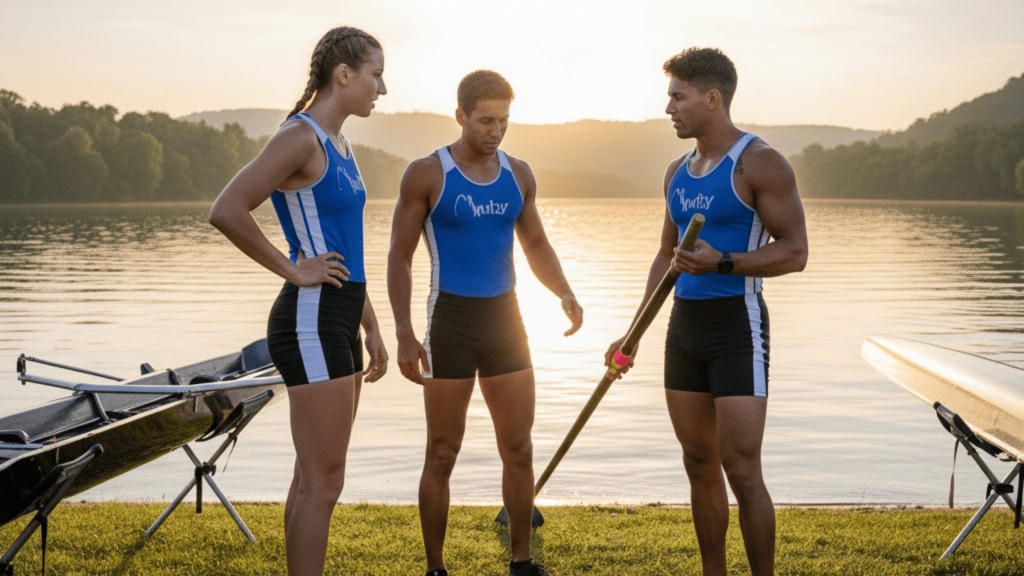
Crew welcomes people with a wide range of body types and athletic backgrounds. You don’t need to be exceptionally tall or muscular to succeed in rowing.
Beginners are always welcome, as proper technique and consistent training matter far more than natural strength or prior experience. Coaches teach newcomers the fundamentals, helping them develop skills over time.
People who thrive in a crew tend to enjoy working as part of a team and appreciate structured, disciplined activities.
Since rowing relies on synchronization and unity, athletes who value teamwork find the sport rewarding. The mix of individual progress and team success makes crew accessible and fulfilling for many.
Crew Terminology: Basic Words and Stroke Phases
Understanding crew vocabulary helps you follow conversations about the sport. A shell is the long, narrow boat rowers use, while the stroke refers to the rowing motion.
The coxswain is the person who steers and motivates the crew. Sculling means using two oars, while sweep rowing uses one oar per person.
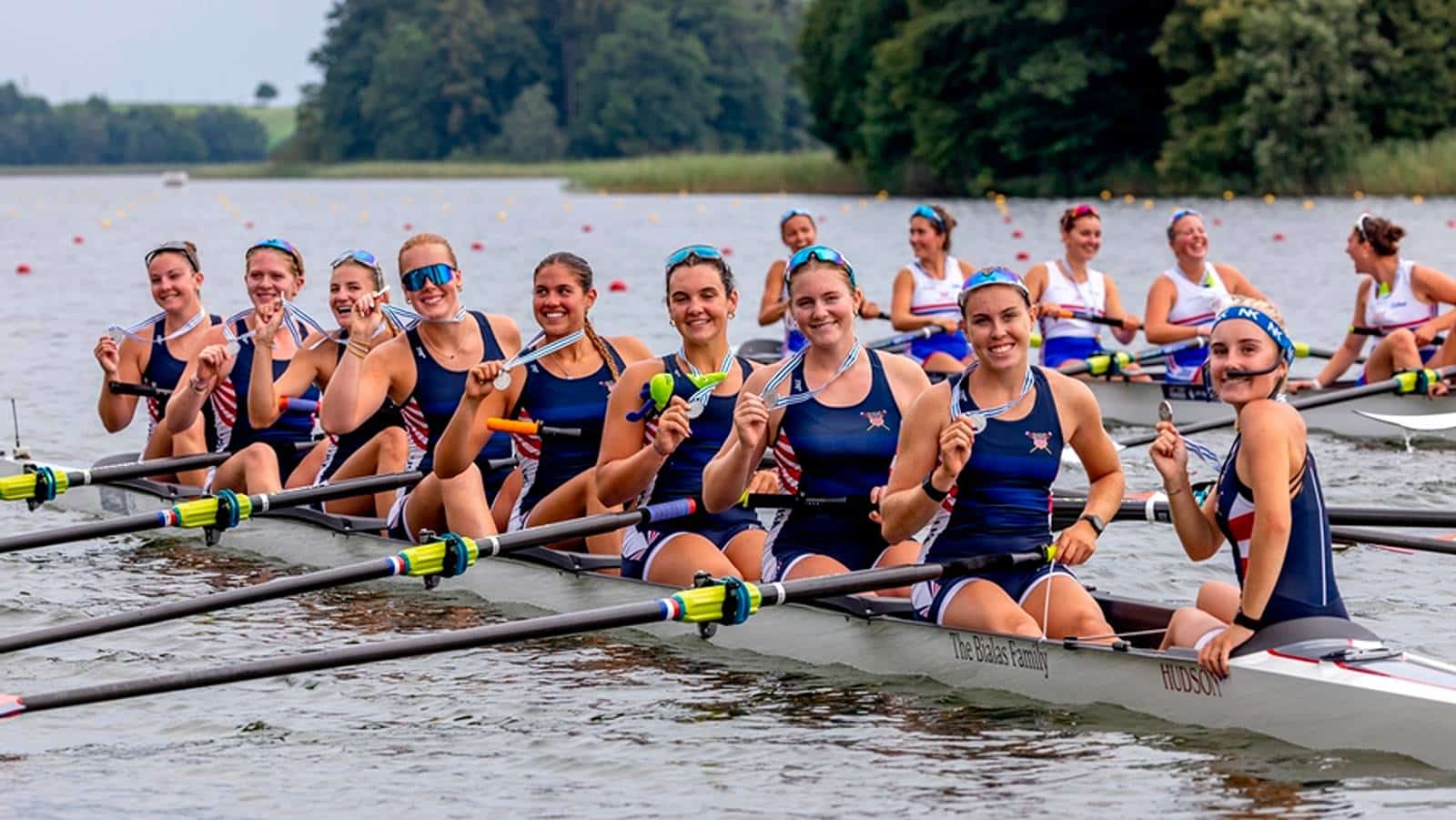
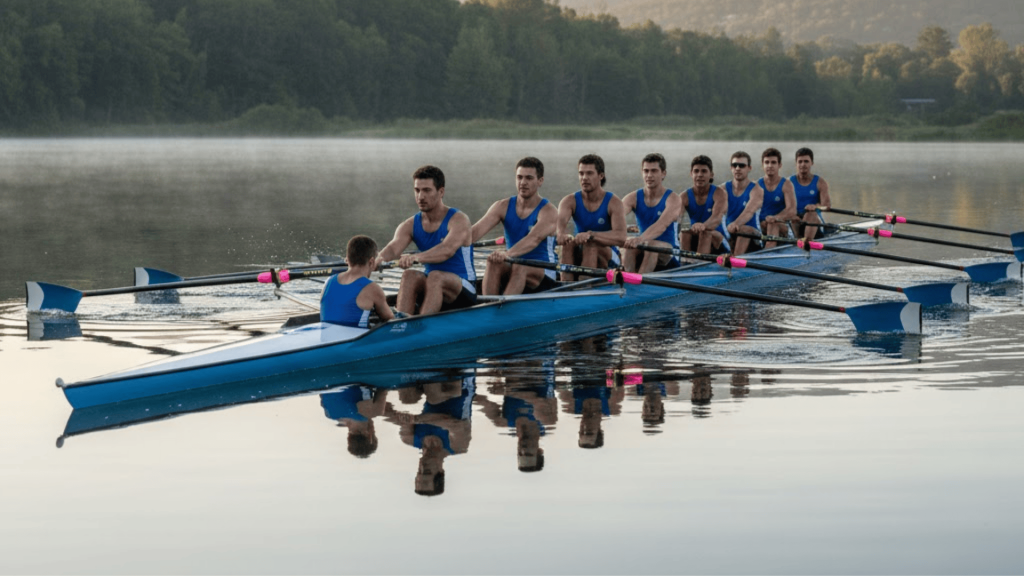
Boat types include singles (one rower), doubles (two), quads (four), and eights (eight rowers). The rowing stroke has four phases: the catch (blade enters water), drive (pushing with legs), finish (pulling oar to body), and recovery (returning to starting position).
Knowing these terms makes it easier to understand different boat types, techniques, and race strategies.
Where People Row and How Popular the Sport Is?
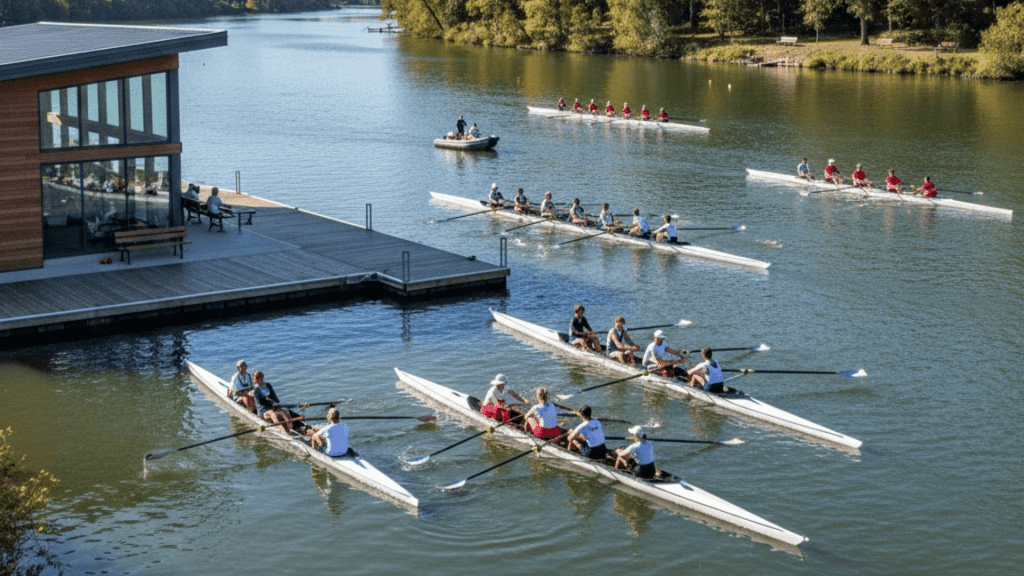
Crew exists at many levels, from youth programs to college teams and adult masters clubs. Schools and universities often have competitive rowing programs, while community clubs welcome recreational rowers of all ages.
Some people row for fitness and fun, while others compete seriously in races and regattas.
The sport continues to grow globally as more people learn about its unique combination of physical challenge, teamwork, and tradition.
Rowing clubs on rivers and lakes worldwide offer athletes opportunities to train and compete, attracting those seeking personal achievement and strong team connections in this historic sport.
Should You Try Crew? What to Expect and Why It’s Worth Trying
Trying crew offers numerous benefits, including improved fitness, teamwork skills, mental discipline, and a supportive community.
Beginners start by learning proper rowing technique before gradually building up physical conditioning. You’ll work closely with teammates, requiring dedication and regular attendance at practice.
Many rowing clubs actively welcome newcomers and provide coaching for people with no experience. Success in crew depends more on mastering technique, maintaining rhythm with your boat, and working together than on pure strength.
This makes the sport accessible to people of different athletic backgrounds. The combination of physical challenge, team unity, and personal growth makes crew a rewarding sport worth trying, even for complete beginners.
Final Thoughts
Understanding what is crew sport reveals a unique combination of full-body conditioning, mental toughness, and the special experience of moving in perfect sync with teammates.
The sport welcomes beginners of all body types, making it accessible to anyone willing to learn proper technique and commit to regular practice.
From high school teams to adult clubs, rowing opportunities exist for people at every skill level. The blend of tradition, discipline, and camaraderie creates a rewarding athletic experience unlike any other.
Knowing how competitive rowing works can help you decide if it’s right for you or simply appreciate the dedication of rowers you see on the water. Have questions or want to share your experience? Leave a comment below!