
For many kayakers, the off-season can feel like a long wait for the next opportunity to get back on the water. Colder temperatures, shorter days, changing weather conditions, or limited access to suitable waterways can make regular paddling difficult. However, the months away from the kayak do not have to mean losing fitness or falling behind.
In fact, the off-season can be an ideal time to improve the physical qualities that support better paddling. Cross-training allows kayakers to work on cardiovascular endurance, core stability, balance, mobility, coordination, and muscular strength without repeating the same paddling movements every day.
The goal is not simply to become stronger. A well-rounded off-season routine can help you return to the water feeling more prepared, coordinated, and capable of handling longer or more demanding paddling sessions.
Why Cross-Training Matters for Kayakers
Kayaking requires more than upper-body strength. Efficient paddling involves coordinated movement through the legs, hips, torso, shoulders, arms, and hands. Core rotation is particularly important because it helps transfer force through the body instead of relying entirely on the arms.
Cross-training gives kayakers the opportunity to develop these supporting qualities while also reducing repetitive stress.
For example, a kayaker might use strength training to improve stability, cycling to maintain cardiovascular fitness, yoga to improve mobility, and a recreational sport to develop balance and coordination.
A good off-season program should therefore include several different types of movement rather than focusing on one exercise alone.
1. Swimming for Full-Body Endurance
Swimming is one of the most useful cross-training activities for kayakers because it combines cardiovascular conditioning with full-body movement.
Swimming can develop endurance while working the shoulders, back, arms, hips, and core. It also provides a low-impact way to maintain fitness when running or other high-impact activities are uncomfortable.
Different swimming strokes can provide slightly different challenges. Freestyle, for example, involves repeated shoulder and torso movement, while other strokes can introduce different coordination patterns.
Kayakers can use swimming as a steady aerobic workout or incorporate short intervals to make sessions more challenging.
The key is to maintain good technique rather than simply trying to swim as fast as possible. Poor technique can create unnecessary stress in the shoulders, particularly when training volume increases.
2. Strength Training for Paddling Power
Strength training should be an important part of an off-season kayaking routine.
Rather than focusing exclusively on large muscles, kayakers should build strength throughout the body. Exercises involving the back, shoulders, hips, legs, and core can contribute to more controlled and efficient movement.
Useful exercises may include:
- Squats
- Lunges
- Rows
- Push-ups
- Planks
- Dead bugs
- Resistance-band rotations
- Pull-downs
- Hip bridges
Core training deserves particular attention. A strong core helps stabilize the body while the torso rotates during a paddle stroke.
REI’s kayaking training guidance similarly emphasizes developing the core, hips, legs, back, shoulders, and arms, along with balance and cardiovascular fitness, rather than treating kayaking as an arm-only activity.
During the off-season, kayakers can gradually increase resistance while maintaining proper movement quality. There is no need to train to exhaustion every session. Consistency and controlled progression are generally more useful than simply lifting heavier weights.
3. Cycling for Cardiovascular Fitness
Cycling is another excellent option when outdoor paddling is unavailable.
Although cycling does not reproduce the exact movement of kayaking, it can help maintain cardiovascular conditioning while placing relatively little impact on the joints.
Cyclists can choose between steady rides and interval sessions depending on their fitness level.
A longer, moderate ride can help develop aerobic endurance, while shorter intervals can introduce higher-intensity work. Indoor cycling can also be useful when winter weather makes outdoor exercise difficult.
For kayakers who spend long hours on the water, maintaining a good aerobic base during the off-season can make the transition back to longer paddling sessions easier.
4. Yoga for Mobility and Body Control
Kayaking involves repeated rotation, sitting for extended periods, and sustained positioning of the shoulders and arms. Mobility can therefore be just as important as strength.
Yoga can help kayakers incorporate controlled stretching, balance work, breathing, and body awareness into their training.
Useful movements may focus on:
- Thoracic spine mobility
- Hip flexibility
- Shoulder mobility
- Hamstring flexibility
- Balance
- Controlled rotation
Yoga can also provide a lower-intensity training option between harder workouts.
The objective is not to become extremely flexible. Instead, kayakers should aim for comfortable, controlled movement through the ranges of motion needed for paddling.
5. Running and Hiking for Endurance
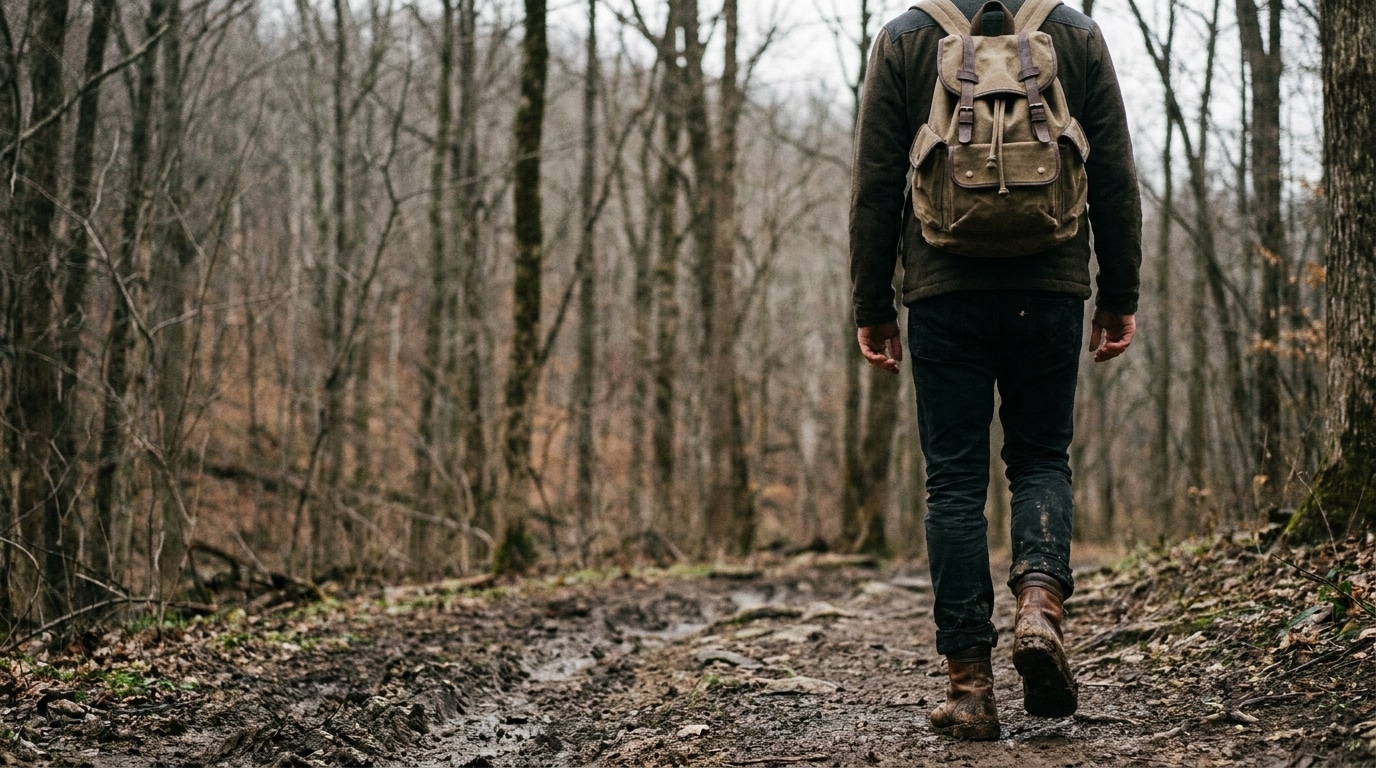
Running and hiking can provide another way to maintain cardiovascular fitness during the off-season.
Running is particularly useful for people who enjoy higher-intensity aerobic exercise, while hiking can offer a lower-impact alternative with an added emphasis on leg strength and stability.
Hiking on uneven terrain can also challenge balance and coordination. This can complement kayaking because paddlers benefit from having good overall control of their bodies.
However, kayakers who are not accustomed to running should increase their distance gradually. Cross-training should support kayaking rather than create a new source of excessive fatigue or injury.
6. Tennis for Agility and Coordination
A recreational racket sport can introduce movement patterns that are very different from paddling while still developing qualities useful to athletes.
For example, tennis involves repeated changes of direction, rotational movement, hand-eye coordination, balance, and short bursts of activity. Someone looking for a structured way to develop these skills could incorporate tennis lessons into an off-season routine.
The biggest benefit is variety.
Instead of spending every training session performing similar exercises, a new sport challenges the body and brain in different ways. This can make off-season training more enjoyable while developing coordination that can complement other forms of exercise.
Kayakers should remember, however, that tennis can place considerable demands on the shoulders and elbows. It is sensible to increase playing volume gradually, particularly for people who have not played regularly.
7. Ice Skating for Balance and Lower-Body Control
For kayakers living in colder climates, winter sports can provide an enjoyable way to stay active.
Ice skating requires balance, lower-body control, coordination, and continuous adjustments to body position. These qualities can complement the stability and body awareness required during paddling.
For beginners, ice skating lessons can provide a structured introduction to skating technique and balance rather than simply attempting longer sessions without instruction.
Skating should be treated as a complementary activity rather than a replacement for kayaking-specific conditioning. Combining it with strength and mobility work can create a more balanced winter routine.
As with any new activity, beginners should start gradually and use appropriate protective equipment and safe skating environments.
8. Pilates for Core Stability
Pilates can be particularly useful for kayakers who want to improve core control without relying exclusively on traditional strength exercises.
Many Pilates movements emphasize controlled positioning, stability, breathing, and coordination. These qualities can help athletes become more aware of how their pelvis, spine, shoulders, and limbs work together.
Kayakers can benefit from exercises that strengthen the abdominal muscles while also training the muscles around the hips and back.
The focus should be on controlled movement rather than simply completing a high number of repetitions.
9. Rowing for Paddling-Specific Conditioning
Indoor rowing can be another useful option during the off-season because it combines cardiovascular conditioning with coordinated movement involving the legs, hips, back, and arms.
Although rowing and kayaking use different techniques, rowing can provide a strong full-body workout.
However, technique matters. Kayakers should avoid assuming that the two sports use identical movement patterns. The purpose of rowing in a cross-training program is to develop general conditioning and strength rather than replace technical paddling practice.
Shorter rowing intervals can be used for higher-intensity conditioning, while longer steady sessions can support aerobic endurance.
10. Balance and Functional Training
Kayakers can also dedicate part of their off-season to balance and functional movement.
Single-leg exercises, stability drills, controlled rotations, and bodyweight movements can improve coordination and help strengthen muscles that may not receive enough attention during traditional gym workouts.
Simple exercises such as single-leg stands, split squats, step-ups, and controlled rotational movements can be incorporated into a weekly routine.
Balance training does not need to be complicated. Even a few minutes of controlled practice can add variety to an otherwise strength-focused workout.
How to Build an Off-Season Routine
The best cross-training program is one that can realistically be maintained throughout the off-season.
A simple weekly schedule might include:
Monday: Strength training
Tuesday: Swimming or cycling
Wednesday: Yoga or mobility
Thursday: Strength training
Friday: Rest or light movement
Saturday: Hiking, running, skating, or another recreational activity
Sunday: Recovery and mobility
This schedule can be adjusted according to fitness level, kayaking goals, available equipment, and weather conditions.
The important point is to avoid turning every session into a hard workout. Recovery is part of training, especially when several activities are being combined.
Avoiding Common Off-Season Training Mistakes
One of the biggest mistakes kayakers can make is trying to compensate for the lack of paddling by dramatically increasing other forms of exercise.
More training is not automatically better.
Another common mistake is ignoring mobility. Strength without adequate movement quality can leave athletes feeling stiff when they return to the kayak.
It is also important to avoid introducing several unfamiliar activities at the same time. If someone suddenly begins running, lifting weights, skating, and swimming every week, it becomes difficult to determine which activity is causing excessive fatigue or discomfort.
Instead, introduce new activities gradually and allow the body time to adapt.
Finally, remember that cross-training should complement kayaking. As the paddling season approaches, training can gradually become more specific to the demands of the sport.
Preparing to Return to the Water
As spring or the main paddling season approaches, kayakers should begin shifting some attention back toward paddling-specific movements.
This may include rotational exercises, resistance-band work, shoulder endurance, core training, and eventually shorter paddling sessions when conditions allow.
Technique should also be revisited. Efficient paddling relies on coordinated movement and proper stroke mechanics rather than simply using maximum arm strength. Returning gradually can help the body readjust after months away from the kayak.
The final weeks of the off-season should therefore be viewed as a transition period rather than an opportunity to suddenly double training volume.
The off-season does not have to be a period of inactivity for kayakers. It can be one of the most productive times of the year for developing the physical qualities that support better paddling.
Swimming can maintain full-body endurance, strength training can build stability and power, cycling and running can support cardiovascular fitness, while yoga and Pilates can improve mobility and body control. Recreational activities such as tennis, ice skating, hiking, and rowing can add variety while developing coordination, balance, and overall fitness.
The most effective approach is to create a balanced routine that includes strength, endurance, mobility, recovery, and enjoyable activities. By using the off-season strategically, kayakers can return to the water better prepared for longer trips, more demanding conditions, and another successful paddling season.