
Skiing vs snowboarding is one of the first questions anyone asks before hitting the slopes for the first time. Here is the short answer: skiing is usually easier to pick up in the first few days.
Snowboarding feels harder at the start, but many people find that it starts to click faster once the basics settle in.
Both options are covered here for first-timers, adults, families, and anyone booking their first snow trip. Difficulty, gear, comfort, cost, terrain, and safety are all compared.
No experience needed to follow along. A clear sense of which one fits best should come together pretty quickly after reading through.
Skiing Vs Snowboarding: Which One is Better for Beginners?
For most beginners, skiing is easier to start with. The body faces forward, each leg moves on its own ski, and poles help with balance.
Skiing has been around for thousands of years, originally used for travel and survival in snowy regions.
Moving around on flat ground and in lift lines also feels more natural on skis from day one. That combination of factors makes the first few days on the mountain much less frustrating for most people.
When it comes to snowboard vs. ski for beginners, the answer isn’t always the same for everyone.
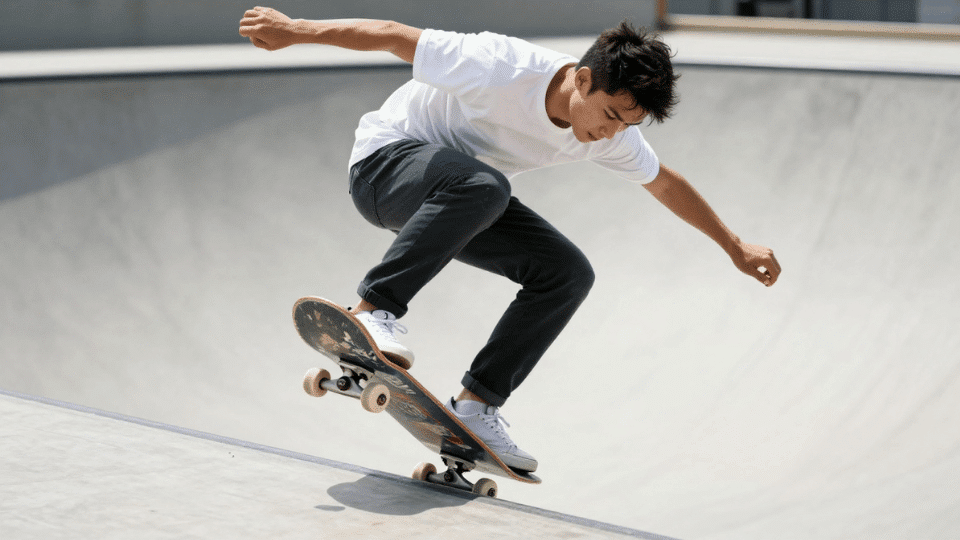
Snowboarding can be the better starting point for people who already have experience with skateboarding, surfing, or wakeboarding.
The balance and body feel from those sports transfer well, making a snowboard feel more natural than managing two separate skis.
What is the Difference Between Skiing and Snowboarding?
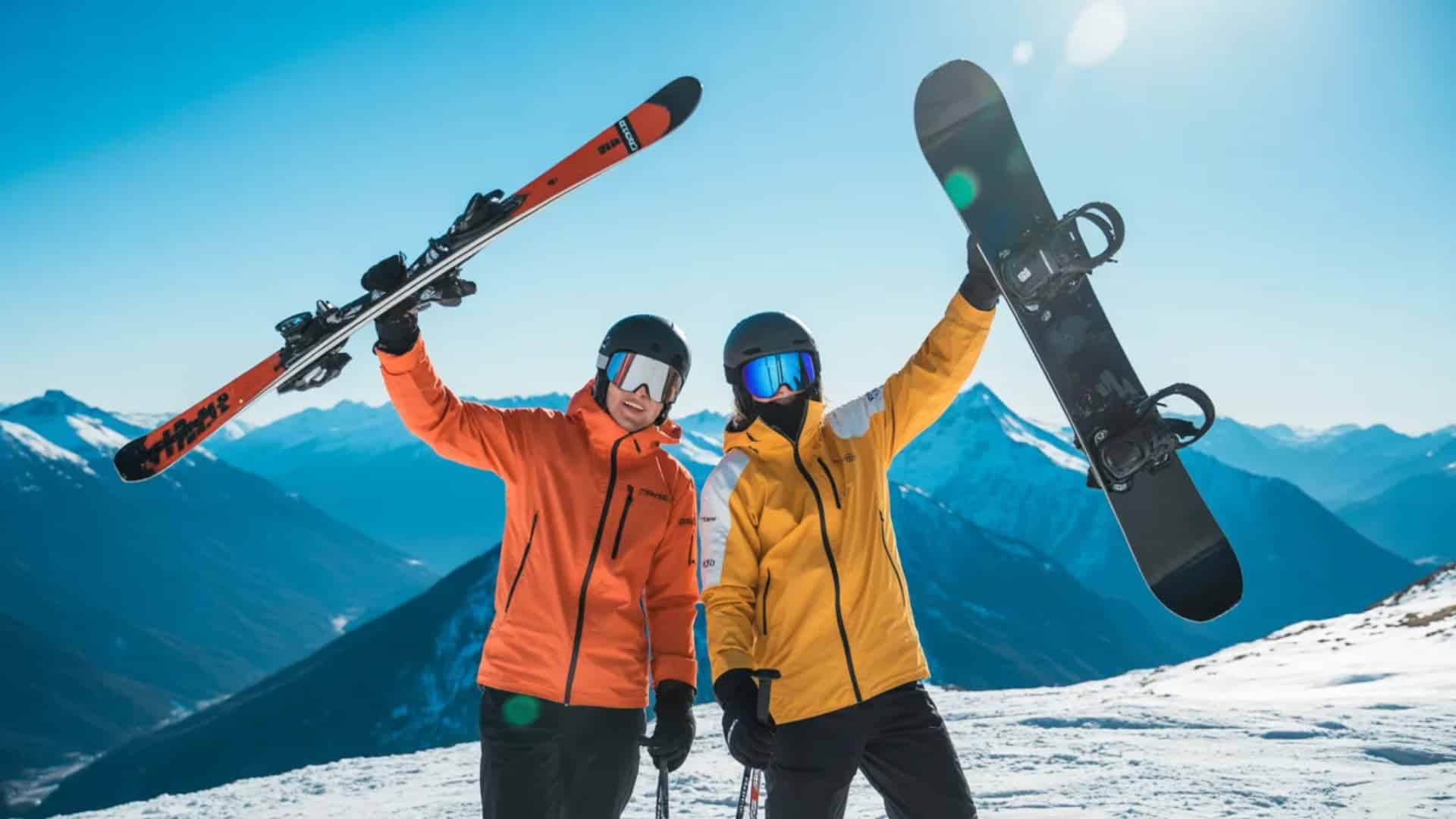
Skiing and snowboarding both get you down the mountain, but the way they do it is quite different.
From how you stand to how you stop, the two sports feel very different from the start. Here is a clear breakdown of what sets them apart.
Stance and Body Position
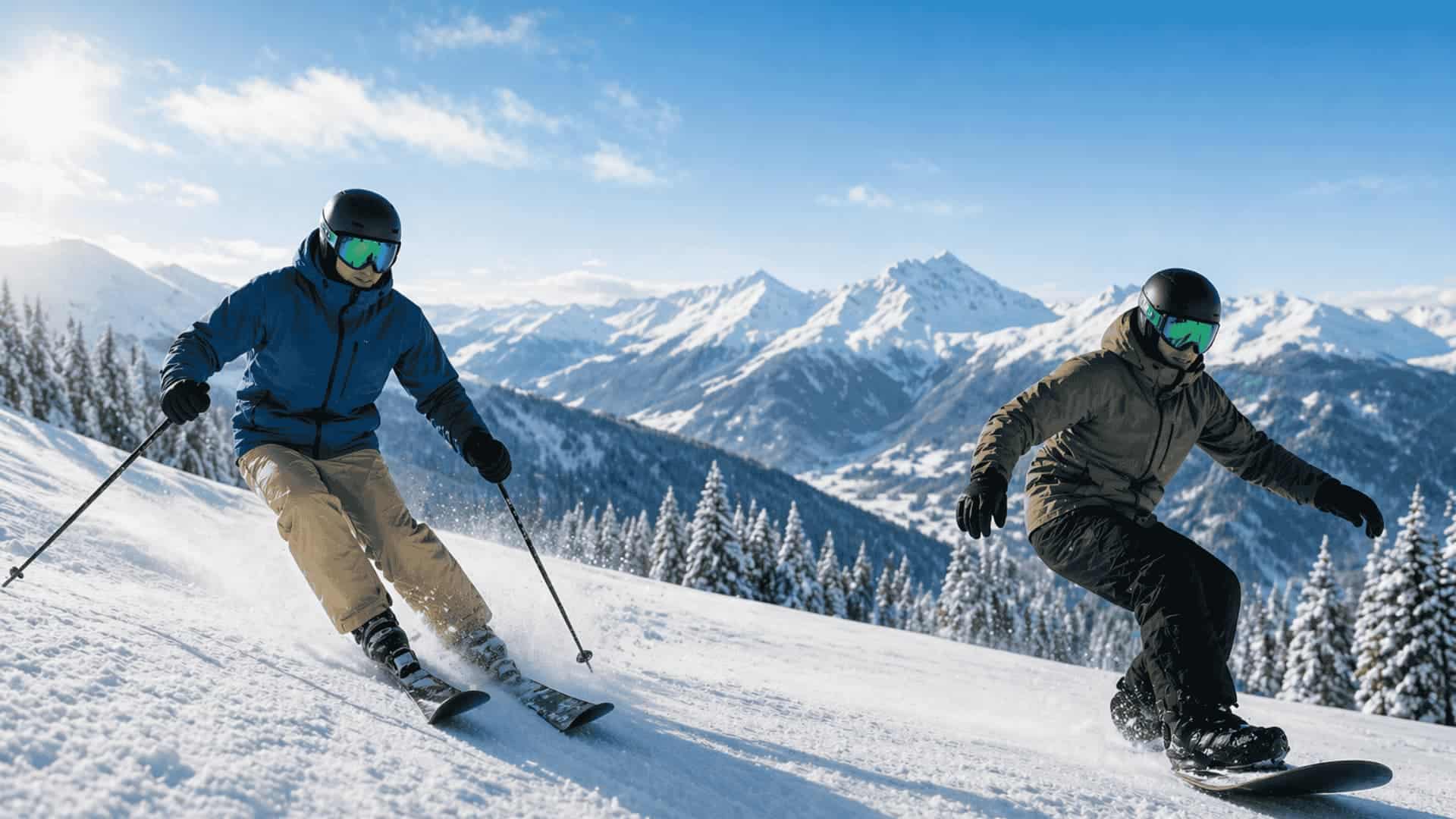
Skiing uses two separate skis and a forward-facing stance, which feels natural from day one. Snowboarding uses one board and a sideways stance, which takes some getting used to.
That basic difference in position affects balance, turning, stopping, and how quickly a beginner feels comfortable on the slope.
How Turning and Stopping Work
Skiers can control each leg separately, making it easier to steer and slow down early. Snowboarders shift their weight and use the edge of the board to turn and stop.
It takes more practice to get right, but once it clicks, the movement starts to feel smooth and connected.
Equipment Setup
Skiers use two skis, boots, bindings, and poles. Snowboarders use one board, boots, and bindings without poles. Snowboard boots are generally softer and easier to walk in.
Ski boots are stiffer and can feel awkward off the slope, making walking to the lift or the lodge less comfortable for many skiers.
How Does Each One Feel on the Mountain?
Skiing Often Feels More Controlled in The Early Stages. Snowboarding Can Feel More Fluid once the Basic Turns Click. Flat Sections of The Mountain Are Easier to Ski on.
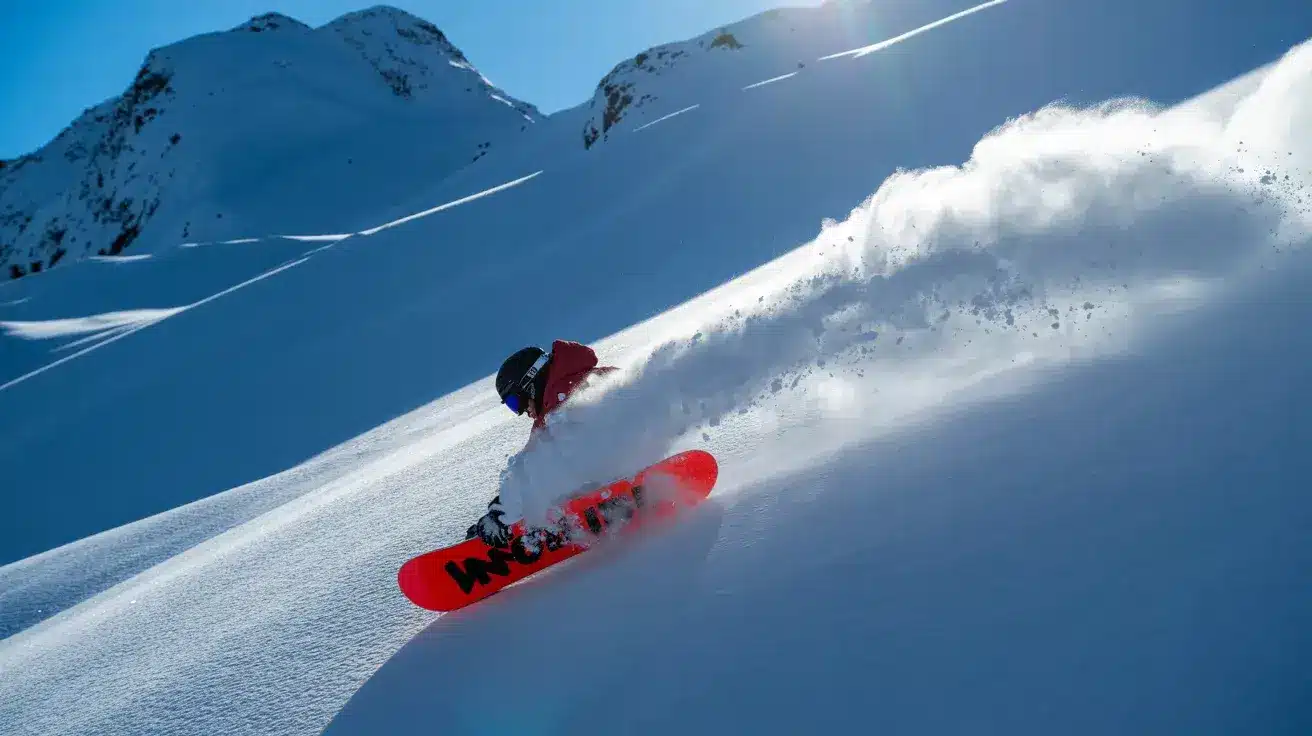
New snowboarders often struggle at flat spots and may need to unclip one foot to push along, which can get frustrating.
Both sports have a different feel from start to finish. Knowing these differences before choosing helps set more realistic expectations and makes the first day on the mountain a lot less overwhelming.
Snowboard Vs Ski: Which is Harder to Learn?
Skiing is generally easier on day one. Most beginners feel more stable on skis right away because the stance is forward-facing and both legs move independently. Snowboarding is harder at first.
Both feet are locked onto one board; the sideways stance feels unnatural to many people, edge control takes real practice, and falls are more frequent in early sessions.
The learning curves are often described like this: skiing is easier to start, snowboarding is harder at first, but may feel smoother once the basics click.
As the terrain gets more difficult, skiing can remain technically demanding for a long time. How fast each person progresses depends on fitness, coordination, and how much time they spend on the slope.
Who Should Ski and Who Should Snowboard?
Neither sport is better than the other. The right pick depends on the type of person, their background, and what they want out of the experience. Here is a side-by-side look at who tends to do better with each one.
| Who It Suits | Skiing | Snowboarding |
|---|---|---|
| Early progress | Easier for cautious beginners wanting quick control | Slower start, but smoother once basics click |
| Flat-ground movement | Easy to push and glide on flat areas | Frustrating on flat sections, often needs one foot unclipped |
| Body stance | Suits those who prefer facing forward | Suits those comfortable with a sideways stance |
| Families and groups | Easier with mixed ability levels and young kids | Better when everyone is at a similar skill level |
| Board sport background | Less relevant | Great fit for skaters, surfers, and wakeboarders |
| Locked-in feel | Each ski moves independently | Both feet locked in for a more connected feel |
| Park and freestyle | Better for racing and groomed runs | More popular for park riding and freestyle |
| Tough start tolerance | Better for those wanting early confidence | Better for those okay with a rough start |
Skiing tends to suit people who want fast confidence and easy movement from day one.
Snowboarding suits those who enjoy board sports, want a more fluid feel, and are willing to push through a tougher start to get there.
Skiing Vs Snowboarding On Different Terrain
The mountain has a lot to offer, but not every section feels the same on skis versus a snowboard. Here is how each one tends to handle different types of terrain.
- Groomed beginner runs: Both work well here, but skiing often feels easier for speed control and moving between sections in the early stages of learning.
- Flat areas: Skiers can glide and push with their poles more easily. Snowboarders often need to unstrap one foot and push along, which slows things down and takes extra effort.
- Lift lines: Moving through them is generally easier on skis. Snowboarders need to unclip a foot and shuffle, which can feel awkward until it becomes second nature.
- Moguls: Skiers tend to handle bumpy mogul runs more comfortably. The independent leg movement on skis makes it easier to absorb and react to each bump along the way.
- Terrain parks: Snowboarding has a strong following there. The locked-in feel of a board suits jumps, rails, and freestyle riding, appealing to many park riders.
- Powder and trees: Both can be great in powder and wooded areas. Personal preference and setup matter more here than which sport someone rides, so there is no clear winner.
The right terrain depends on the rider, the day, and the skill level. Trying different sections of the mountain on either sport is the best way to find out what feels right.
Is Skiing or Snowboarding Harder on the Body
Both sports are physically demanding, but in different ways. Skiing puts a lot of pressure on the legs, knees, and lower body.
Holding a bent stance and controlling two skis at once quickly builds fatigue, especially on longer runs. Snowboarding works the core heavily and relies on edge control throughout.
In the first few days, snowboarding can feel more tiring because beginners fall more often and spend a lot of energy just getting back up. That repeated effort adds up fast.
Over time, both sports demand consistent strength and fitness to keep improving comfortably.
What are the Injury Risks for Skiing and Snowboarding?
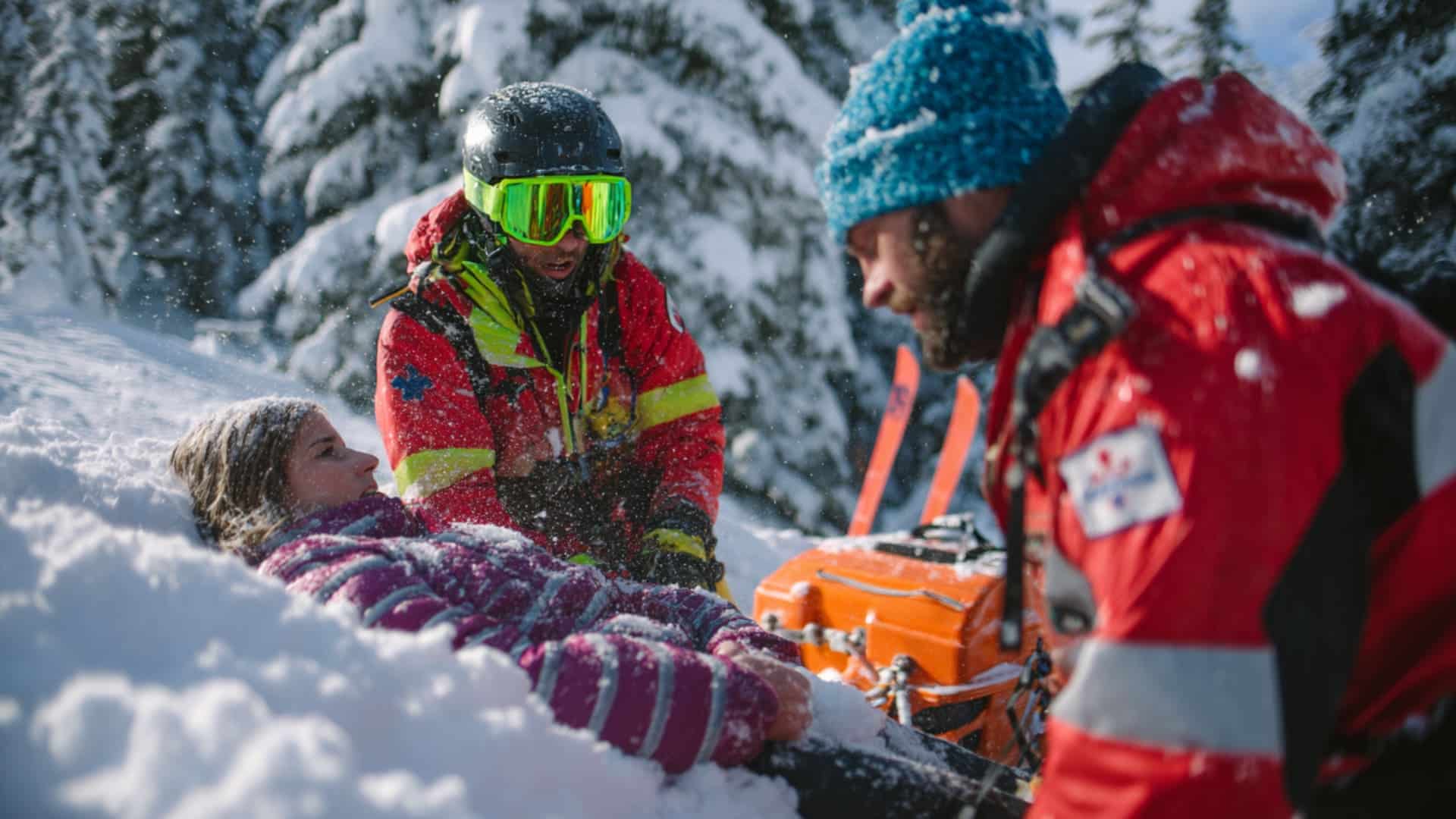
Injuries can happen in both sports, but the type and location on the body often differ. Knowing the basics helps beginners make smarter choices before and during their first trip.
- A 2023 study from Tyrol, Austria, found 0.44 injuries per 1,000 skier days and noted that injury rates have declined compared to older data.
- Skiing is commonly linked to lower-body and knee injuries. Twisting forces on the knees during turns are the most frequently mentioned concern.
- Snowboarding is often linked to wrist and shoulder injuries. Beginners falling onto outstretched hands is one of the most common causes of early snowboarding-related injuries.
- Taking lessons from a certified instructor is one of the best ways to lower risk. Proper form early on significantly reduces the risk of falls.
- Renting well-fitted boots and bindings gives better control on the slope. Gear that fits correctly also reduces strain on ankles, knees, and wrists during learning.
- Wearing a helmet is strongly recommended for both sports. Staying on terrain that matches the current skill level and stopping before exhaustion also keeps the risk lower.
No sport is completely risk-free, but beginners who prepare well, take lessons, and respect their limits tend to have a much safer and more enjoyable time on the mountain.
Gear Costs and First Trip Expenses for Both Sports
First trips can get expensive fast, so knowing where to spend and where to save makes a real difference. Here is a practical look at what to expect for lessons, gear, and first-day costs.
Lesson Costs and Package Deals
REI recommends beginner group lessons for both sports and points out that package deals bundling lessons, rental gear, and a lift ticket usually offer the lowest starting price.
Booking a package through the resort is often the most cost-effective option for a first-time visitor to the mountain.
Rental Gear and First-Time Costs
Beginners should rent before buying anything. Resort rental shops are convenient and easy to use, though off-mountain shops often charge less for the same-quality gear.
Starting with rentals lets beginners try the sport without spending a large amount upfront on equipment they may not continue using.
Which Setup Feels Simpler for a First Trip?
Snowboard gear can be easier to carry since it is one board instead of two long skis. However, ski boots make movement on snow easier once you are actually sliding.
Off the snow, ski boots feel stiffer and more awkward to walk in compared to softer snowboard boots.
Knowing what to expect in terms of costs and gear helps beginners plan better and avoid surprises on the day. A little research before the trip can save both money and frustration once you arrive at the resort.
|
Both sports require similar base layers and outerwear, but a few details differ. For skiing, fitted base layers, mid-layer insulation, and a waterproof ski jacket and pants are standard. Gloves with wrist protection are important for both. For snowboarding, slightly more padding in the seat and knees makes a real difference in the learning phase. Padded snowboard shorts worn under pants are cheap and significantly reduce bruising from repeated falls. Both sports require moisture-wicking base layers rather than cotton, which stays wet and causes cold. |
Should Age Or Past Sports Experience Affect Your Choice?
Age and background can both play a role in which sport feels like the better starting point. Adults learning later in life often find skiing easier because the learning curve in the first stage feels more manageable.
That said, adults with experience in skateboarding, surfing, or wakeboarding may adapt to snowboarding faster than expected.
For kids, the decision is less clear-cut and often depends on the child’s comfort in new situations rather than a fixed rule.
If board sports are already part of someone’s background, snowboarding tends to feel like a natural next step.
Skiing Vs Snowboarding: Which One Should You Choose?
Both sports are worth trying, but the right starting point depends on the person. Here is a simple way to decide based on what matters most to you.
| Choose Skiing If | Choose Snowboarding If |
|---|---|
| You want quicker early progress | You are okay with a steeper start |
| You only have a short trip planned | You already enjoy board sports |
| You prefer easier flat-ground movement | You want a single-board, locked-in feel |
| You prefer facing forward while moving | You are drawn to freestyle or park riding |
| You are traveling with family or mixed-ability groups | You want a sport that feels more fluid once it clicks |
For most first-timers, skiing is the safer recommendation. It is easier to pick up quickly and fits a wider range of people and trip lengths.
That said, snowboarding is absolutely the right pick for someone with the right background or the patience to push through a tougher start.
Conclusion
The skiing vs. snowboarding debate does not have a single right answer. Skiing tends to be the smoother starting point for most people.
Snowboarding demands more patience upfront, but rewards it later. Long-term, both sports offer real depth, challenge, and enjoyment at every level.
The best choice comes down to learning style, how much time someone has, and what kind of experience they are after on the mountain.
There is no wrong pick, just different paths to the same slopes. Already tried one or thinking about the other? Drop a comment below and share which one worked better for you.
Frequently Asked Questions
Which Burns More Calories, Skiing or Snowboarding?
Both burn about 400-600 calories per hour. Intensity, terrain, and fitness level affect the final number more than the sport itself.
Is Skiing Or Snowboarding Better for Bad Knees?
Snowboarding is generally better. It puts less rotational stress on the knees. Skiing involves more twisting forces that can aggravate existing knee issues.
Should Beginners Take Ski Lessons or Snowboard Lessons First?
Yes, ski lessons are the better starting point. Progress feels faster early on, which builds confidence before attempting the steeper snowboarding learning curve.