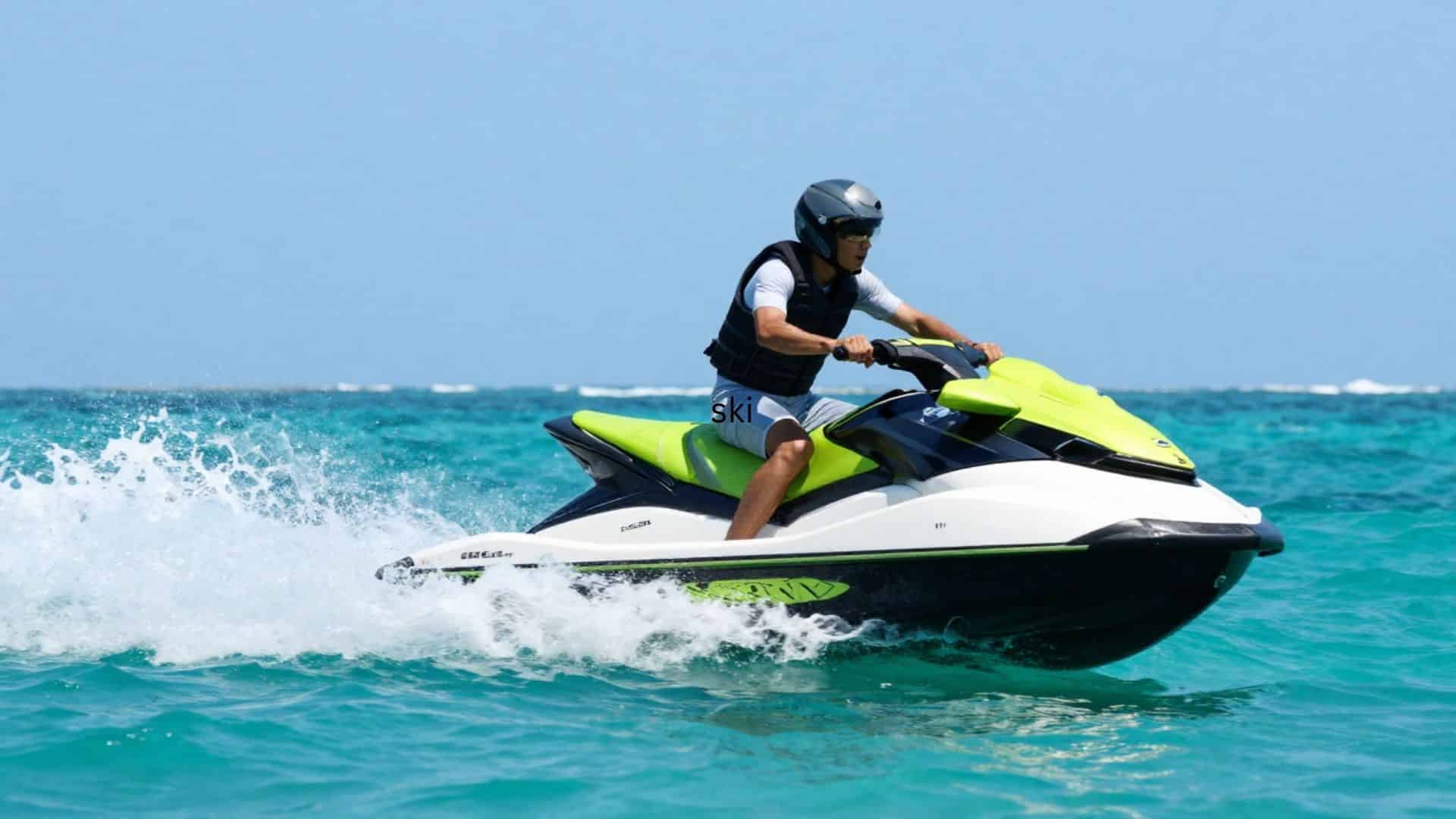

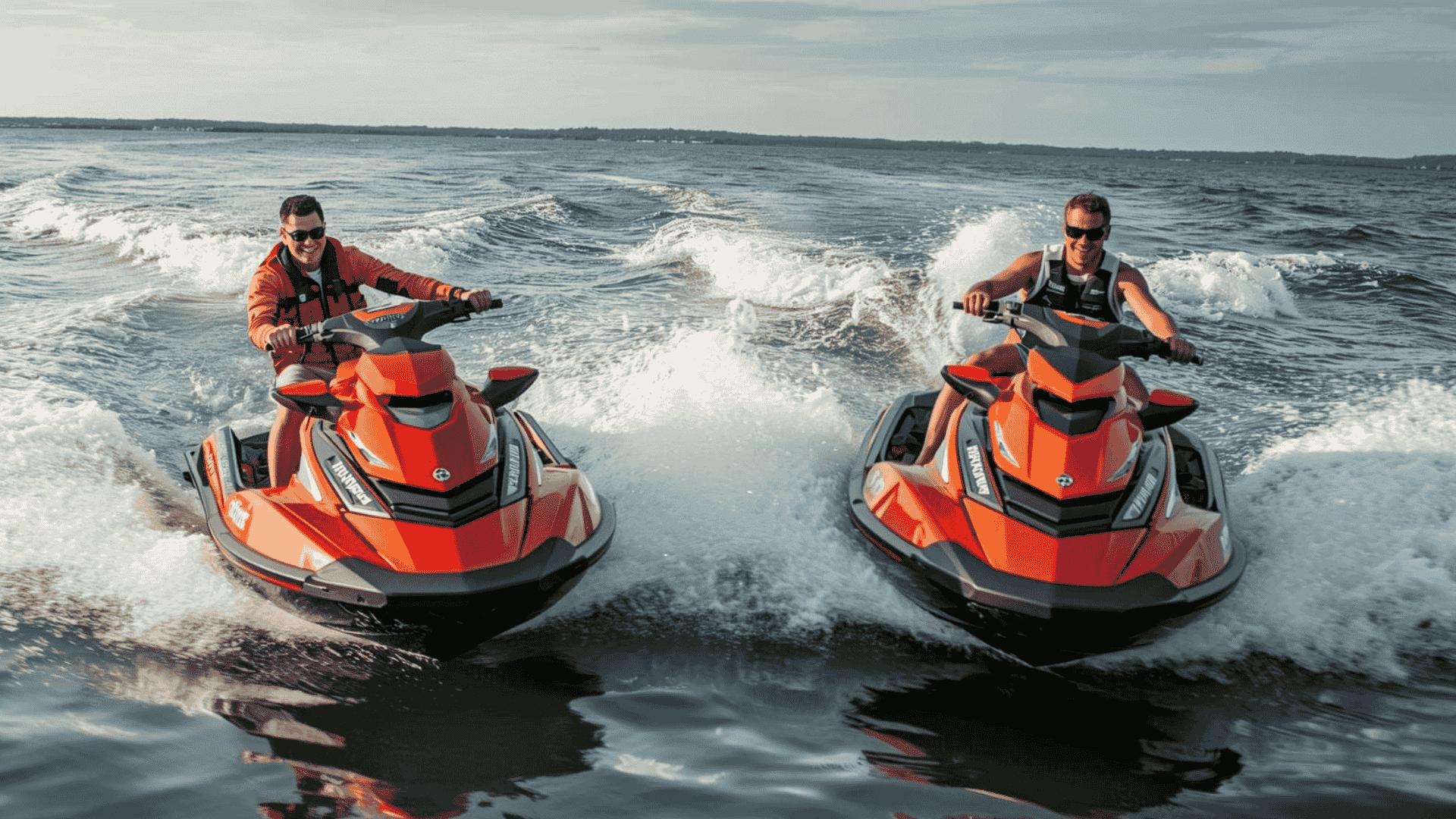
Planning to buy a personal watercraft but confused about the options? The jet ski vs waverunner debate stops many buyers in their tracks.
Here’s the thing: most people think these names mean the same thing. They don’t. Jet Ski is made by Kawasaki. WaveRunner comes from Yamaha. Each brand has its own style, features, and price tag.
Some riders want raw speed and sporty handling. Others need family-friendly comfort and stability. The right choice depends on how you plan to use it. Solo rides or family outings? Standing up or sitting down? What’s your budget?
What comes next breaks down the real differences between these two options. You’ll get straight facts about performance, price, and features.
You’ll learn which one matches your riding style and budget. Time to figure out which watercraft belongs in your garage.
What is a Jet Ski?
Jet Ski is a specific brand owned by Kawasaki. The company introduced the first stand-up model in 1973. It became the original personal watercraft.
Over time, the name became so popular that people started calling all personal watercraft “jet skis.” But technically, only Kawasaki makes actual Jet Skis.
Other manufacturers make their own versions with different brand names. Yamaha calls theirs WaveRunners. Sea-Doo is another major brand.
A Jet Ski uses jet propulsion to move across water. Water gets sucked in through an intake and pushed out through a nozzle. This creates thrust without using a propeller.
You steer by turning the handlebars that control the water jet direction. The system is safer around swimmers because there are no exposed blades.
Key Features of Jet Skis
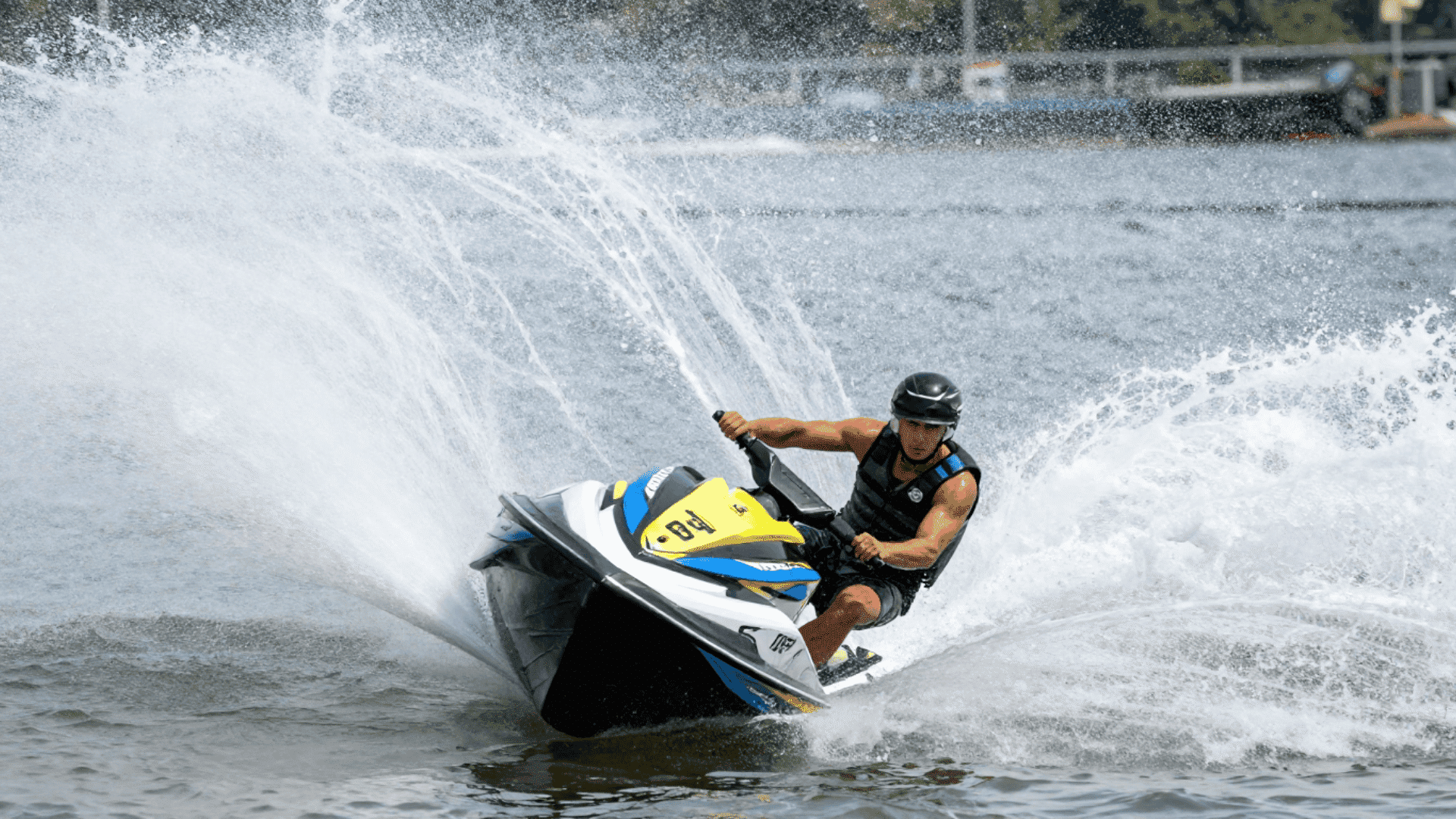
Jet skis are characterized by performance and speed. These Kawasaki-specific innovations emphasize sporty handling, powerful engines, and unique features rarely found on other personal watercraft brands.
- Jet Propulsion System: Water enters through a bottom intake, passes through a powerful pump, and shoots out the back nozzle to create forward thrust and movement.
- Handlebar Steering: Turn the handlebars to change the direction of the water jet exiting the nozzle. This controls where the watercraft goes on the water.
- High-Performance Engines: Kawasaki Jet Ski models use 4-stroke engines, ranging from about 112 kW (152 PS) on the SX-R 160 to 221 kW (300 PS) on the supercharged Ultra 310 series, giving quick acceleration and high top speeds.
- Stand-Up and Sit-Down Models: Kawasaki offers both traditional stand-up models and modern sit-down versions. Stand-up options are rare among other personal watercraft brands today.
- Sporty Design Focus: Built for performance and handling rather than luxury. The design emphasizes speed, agility, and responsive control for riders seeking an exciting water experience.
Pros and Cons of Jet Ski
Jet Skis deliver strong performance and sporty handling, but require regular maintenance and are more expensive. Evaluating their advantages and disadvantages helps you determine if Kawasaki’s brand matches your riding style.
| Pros | Cons |
|---|---|
| Fast pickup and sporty feel. | Can be pricey on higher trims. |
| Great for solo fun rides. | Insurance can cost more. |
| Strong models for performance lovers. | Maintenance needs regular care. |
| Easy to find Kawasaki spec sheets. | Features vary a lot by model. |
| Good for tight turns and quick moves. | Not all models suit families. |
| Lots of aftermarket add-ons. | Used units can hide wear. |
What is a WaveRunner?
WaveRunner is a specific brand owned by Yamaha. The company launched its first model in 1986, several years after Kawasaki introduced the Jet Ski.
Yamaha designed WaveRunners with a focus on comfort and stability. They wanted to create a personal watercraft that appealed to families and recreational riders.
The brand quickly gained popularity for reliability. Yamaha applied its motorcycle and marine engine expertise to build dependable watercraft. Most WaveRunners are sit-down models, but Yamaha also sells a stand-up model (SuperJet).
Like all personal watercraft, WaveRunners use jet propulsion. Water enters through an intake, passes through a pump, and exits through a nozzle to create movement.
The steering system works the same way as other PWCs. Turn the handlebars to change the direction of the water jet.
Key Features of WaveRunners
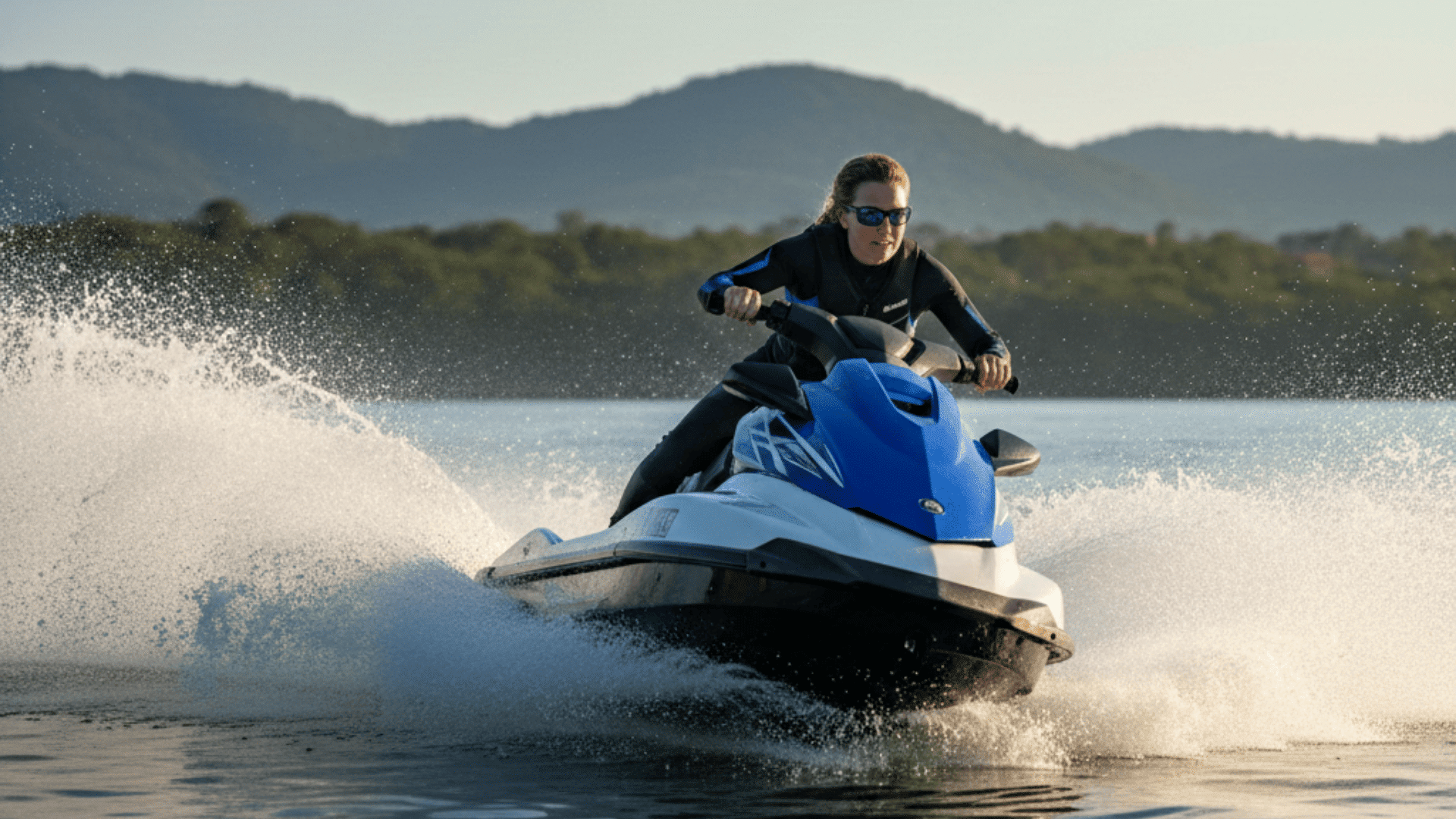
WaveRunners feature distinctive design elements that set them apart from other personal watercraft brands. These innovations focus on comfort, technology, and ease of use for recreational riders.
- Comfortable Seating Design: Ergonomic seats with extra padding provide comfort for riders and passengers during long trips. Many models accommodate up to three people with ample room.
- Advanced Electronics: Digital displays show GPS mapping, fuel consumption, speed, and engine data. Higher-end models include touchscreen interfaces and smartphone connectivity for enhanced control.
- RiDE Technology: Yamaha’s dual handlebar lever system controls forward and reverse independently. Squeeze the right lever for forward and the left for reverse to enable simple maneuvering and docking.
- Generous Storage Capacity: Large waterproof compartments hold gear, coolers, and personal items. WaveRunners typically offer more storage space than performance-focused brands for all-day outings.
- Cruise Control System: Set and maintain a constant speed without holding the throttle. This feature reduces hand fatigue during long rides and helps conserve fuel.
Pros and Cons of WaveRunners
WaveRunners offer reliability, comfort, and advanced features but come at a higher price. Understanding their strengths and weaknesses helps you decide if Yamaha’s brand fits your needs.
| Pros | Cons |
|---|---|
| Often has good storage space. | Heavier units can be harder to trailer. |
| Nice comfort features on higher trims. | Fuel use can rise with high power. |
| Great for towing tubes. | Used units may have hidden damage. |
| Helpful ride modes on many models. | Saltwater use needs extra care. |
| Reliable option for long rides. | Not every model fits tight budgets. |
| Good resale on popular lines. | Names and trims can confuse buyers. |
Which One Should You Choose?
So you’re stuck between the two options, and that’s totally normal. The good news? Both will get you out on the water having a blast. But your choice really comes down to what matters most to you.
Choose a Jet Ski if:
- You want raw, supercharged power. Kawasaki currently holds the crown for the highest horsepower in a production PWC (310 HP).
- Budget matters, and you’re looking for competitive pricing
- You prefer saying the name everyone recognizes
Choose a WaveRunner if:
- You want Yamaha’s reputation for reliability
- You want the most intuitive braking and reverse system (RiDE)
- You prioritize fuel efficiency, as Yamaha’s TR-1 and HO engines are often cited as the gold standard for naturally aspirated economy.
At the end of the day, both will deliver an awesome experience. Test ride them if you can, and go with what feels right.
Jet Ski Vs WaveRunner: Key Differences
When you’re comparing jet ski and WaveRunner options, understanding the differences helps you make a smart choice. Some distinctions are obvious, but others might surprise you.
| Aspect | Jet Ski | WaveRunner |
|---|---|---|
| Manufacturer | Kawasaki | Yamaha |
| Price Range | Mid to High | Entry to High |
| Handling | Sporty and aggressive | Smooth and stable |
| Target Rider | Thrill-seekers and “Muscle” enthusiasts | Families, tourers, and tow-sports |
| Features | Basic to moderate | Advanced tech options |
| Weight | Lighter models available | Usually, a heavier build |
| Durability | Good quality | Known for longevity |
| Resale Value | Moderate | Higher retention |
Safety and Rules To Know Before You Ride
Both Jet Skis and WaveRunners require proper safety knowledge and legal compliance. Understanding regulations, equipment requirements, and safe riding practices protects you and others on the water.
- Boating Safety Certificate: Most states require a boating safety course and certificate to operate personal watercraft. Check your local requirements before riding, as regulations vary by state and age.
- Life Jacket Requirements: All riders and passengers must wear Coast Guard-approved life jackets while riding. This applies to both Jet Skis and WaveRunners, regardless of your swimming ability or experience level.
- Age and Supervision Rules: Many states set minimum age limits for operating personal watercraft alone. Younger riders often need adult supervision or must complete safety training before riding without direct oversight.
- Speed and No-Wake Zones: Slow down in designated no-wake areas near docks, marinas, and swimming zones. Both Jet Skis and WaveRunners must follow posted speed limits to prevent accidents and property damage.
- Distance from Other Vessels: Maintain safe distances from other boats, swimmers, and shorelines while riding. Most areas require staying at least 100 feet away from other watercraft, docks, and people in the water.
Technical Specifications
If you’re comparing specs between these two brands, the numbers tell an interesting story. You’ll notice some clear differences that affect how each one performs on the water.
These details can help you figure out which machine matches what you need.
| Specification | Jet Ski (Typical Models) | WaveRunner (Typical Models) |
|---|---|---|
| Starting Price Range | $10,000 – $19,000+ | $7,000 – $20,000+ |
| Engine Size | 1,498cc | 1,049cc – 1,812cc |
| Horsepower | 160 – 310 HP | 100 – 250 HP |
| Top Speed | Limited to 67 mph (Industry Agreement) | Limited to 67 mph (Industry Agreement) |
| Fuel Capacity | 15.9 – 20.6 gallons | 13.2 – 18.5 gallons |
| Seating Capacity | 2-3 people | 1-3 people |
| Weight | 950 – 1,100+ lbs (Known for heavy, stable hulls) | 540 – 850+ lbs (Known for lightweight materials) |
While both brands are capable of going faster, almost all manufacturers electronically limit their craft to 67–68 mph due to a long-standing “gentleman’s agreement” with the Coast Guard to avoid excessive regulation.
Maintenance and Storage Tips
Whether you own a jet ski or a WaveRunner, proper care keeps it running strong for years. These simple tips work for any personal watercraft and don’t require expert-level skills.
- Rinse After Every Ride: Salt water and debris can damage internal parts and corrode metal components. A quick freshwater flush through the cooling system goes a long way in preventing buildup.
- Check the Oil Regularly: Clean oil keeps the engine healthy and running smoothly. Dirty oil leads to poor performance and expensive engine repairs.
- Store in a Covered Area: Sun and weather can fade paint, crack seats, and damage electrical systems over time. A garage or watercraft cover works great.
- Inspect the Hull for Damage: Small cracks and chips turn into big problems if they’re ignored. Early fixes save money.
- Winterize Before Cold Months: Draining water and adding fuel stabilizer protects the engine from freezing and fuel degradation.
Conclusion
The jet ski vs WaveRunner choice becomes clear when you match features to your needs. Kawasaki Jet Skis deliver sporty performance and quick handling.
They work great for solo riders who want speed and tight maneuvers. Yamaha WaveRunners offer comfort, stability, and family-friendly features. They excel on longer trips with passengers.
Both brands build quality personal watercraft. Your decision depends on riding style, passenger needs, and water conditions. Consider your budget, too, and factor in insurance, maintenance, and fuel costs beyond the purchase price.
Check local regulations before buying. Some areas have specific rules about PWC operation and safety requirements. Take test rides if possible. Water feels different in each brand.
Ready to make your choice? Bookmark this page for reference when comparing models at the dealership.
Frequently Asked Questions
What Is Another Name for a Jet Ski?
Personal Watercraft (PWC) or water scooter. Many people also use “jet ski” as a general term for all PWCs, though it’s actually Kawasaki’s brand name.
How Far Can a Jet Ski Go Offshore?
Most jet skis can go 50-150 miles offshore, depending on fuel capacity and ocean conditions. However, most are designed for near-shore use, and going far offshore requires experience and safety equipment.
How Long Can a Wave Runner Run without Water?
Never run a WaveRunner without water. Running it dry for even 30 seconds can cause serious engine damage. Always flush with water after use and avoid running on land.