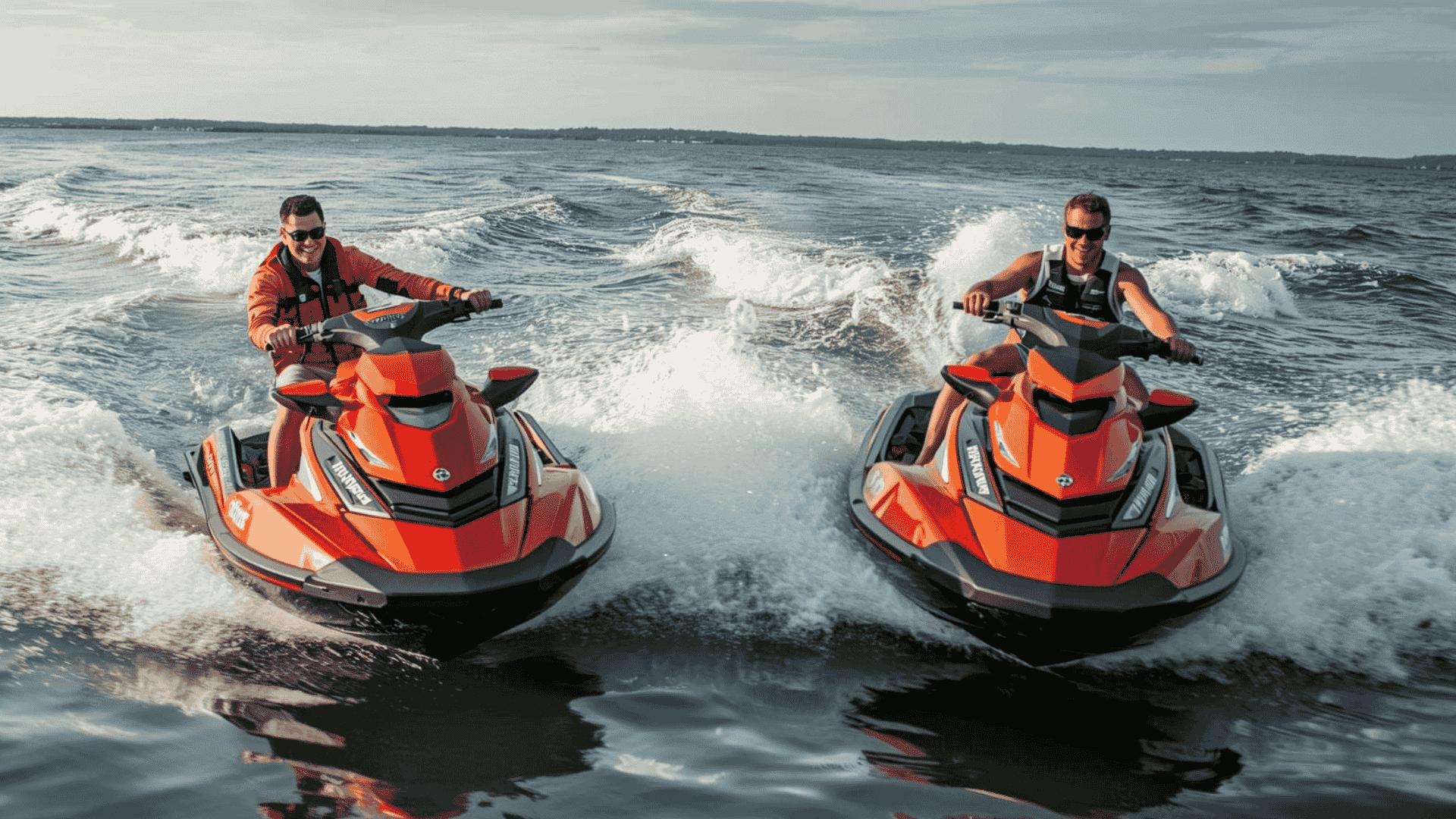

The water looks perfect. The jet ski is ready. But can you legally get on and ride?
It’s a question thousands of people ask every summer. How old do you have to be to drive a jet ski?
The answer might surprise you. It’s not the same everywhere you go.
Your home state has its own rules. The state next door might require something completely different. Travel to another country and everything changes again.
Some places require safety courses. Others demand adult supervision. Rental companies add their own restrictions on top of state laws.
Getting it wrong isn’t just embarrassing. It comes with real consequences that affect your wallet and your record.
What Counts as Driving a Jet Ski?
Before we talk about age requirements, you need to understand what actually counts as driving or operating a jet ski. First, let’s clear up some confusion.
Jet Ski is a brand name owned by Kawasaki. The correct term is PWC, which stands for Personal Watercraft.
This includes Jet Ski, WaveRunner, Sea-Doo, and similar brands. Most laws use the term PWC, but people commonly call them “jet skis.” Now, here’s what matters for age laws. Operating means you control the throttle, steering, and speed.
You’re responsible for everyone on board. Riding as a passenger means you’re sitting behind the operator without controlling anything. Age requirements apply to operators, not passengers.
If you’re renting, different rules apply. Renting requires signing an agreement, paying a deposit, and accepting liability. Rental companies often set higher age minimums than legal operating ages, typically 18 or 21.
How Old DoYou Have to Be to Drive a Jet Ski?
There’s no single federal jet ski law in the U.S., so each state sets its own rules. Minimum age, supervision, and safety-course requirements vary, often based on local waterways and accident rates.
| State | Minimum Age | Supervision Required Under Age | Minimum Age To Rent (If Set By Law) |
|---|---|---|---|
| Florida | 14 years old | N/A | 18 years (rental) |
| California | 16 years old | Yes – ages 12-15 only with a supervised onboard adult | Varies by rental company |
| North Carolina | 14 years old | Under 14: Not allowed 14–15: Safety course or adult supervision |
Varies by location |
| New York | 14 years old | Under 14: Not allowed 14+: Safety course required |
Varies |
| Georgia | 12 years old | Under 12: Not allowed 12–15: Safety course or adult supervision |
Varies |
| Texas | 13 years old | Yes – under 13 must be accompanied by an adult | Varies |
| Michigan | 14 years old | Yes – under 16 supervised | Varies |
| Minnesota | 13 years old | Yes – must be certified if under 16 | Varies |
| Louisiana | 16 years old | N/A | Varies |
| Oregon | 16 years old | N/A | Varies |
| Ohio | 12 years old | Yes – under 12 can’t operate, 12-15 with supervision & schooling | Varies |
Before heading out on the water, confirm your state’s specific requirements. Laws change, and neighboring states may have completely different rules from yours.
Note: Beyond age limits, many states require a boating safety certificate before you can legally operate a jet ski. In some places, the rule applies to all riders under a set age, even with adult supervision.
International Jet Ski Age Requirements
If you plan to ride a jet ski outside the United States, you need to know the rules change by country. International age requirements and licensing laws differ significantly from U.S. regulations.
-
Canada: Jet ski operators must be 16 and hold a Pleasure Craft Operator Card, earned through a safety course and exam, which is applicable nationwide.
-
United Kingdom: No single national minimum age is set by UK law. Rentals and insurers require riders to be 18+, and private owners may permit younger riders with liability coverage.
-
Australia: Most Australian states allow supervised operation from age 12, while independent operation requires age 16 and a license. Rules vary by state and territory.
-
European Countries: Jet ski rules vary across Europe. France and Spain allow operation from age 16 with licensing, while Italy and Greece require operators to be 18 with a boating license.
-
UAE and Middle East: The UAE generally requires jet ski operators to be 18 for rentals. Dubai and other emirates enforce maritime training requirements and safety certifications.
International laws vary widely, so research the requirements for your specific destination before traveling. Contact local authorities or rental companies for current regulations.
What Safety Gear Should A Rider Wear?
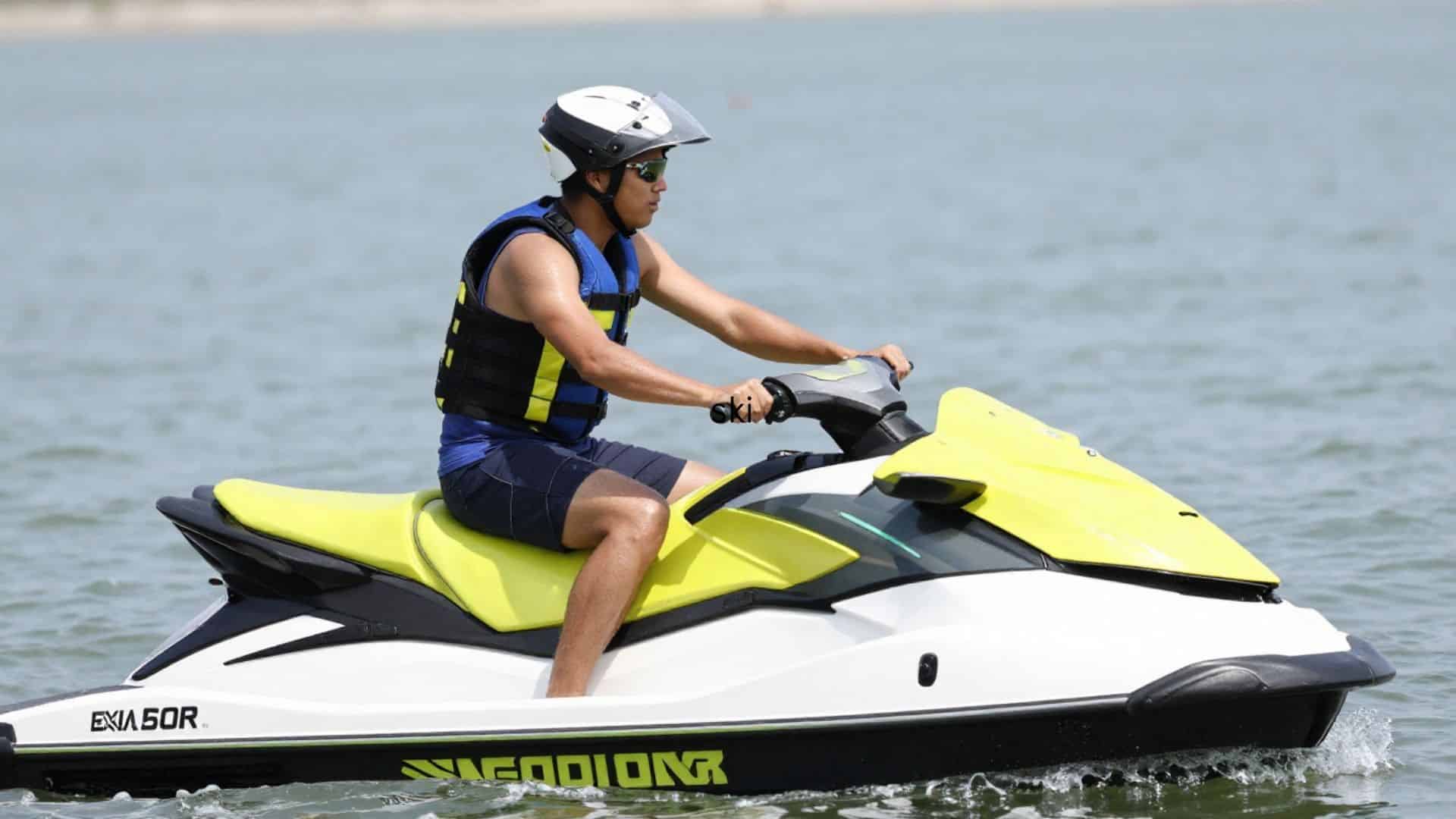
The right equipment is your first line of defense against injury. Three essential items must be checked every time.
- Proper Life Jacket (PFD): A USCG-approved PFD is mandatory. Choose a Type II or III water-sports jacket, properly sized to your child’s weight and chest.
- Fit Matters: A poor fit is risky. Test the straps and lift by the shoulders; if they ride up, it’s too big. Ensure easy movement, practice in shallow water, and replace as your child grows.
- Kill Switch Lanyard: Always attach the kill switch lanyard to your wrist or life jacket before starting. Proper tension prevents detachment. If they fall, the engine stops. Inspect regularly for damage.
Once proper gear is in place, focus on essential operating rules. Equipment provides protection, but intelligent behavior prevents accidents.
Safety Rules That Prevent Most Problems
These rules address the most common causes of jet ski accidents. Learn them before operating independently on the water.
- Keep Distance From Swimmers And Boats: Stay 100–200 feet from swimmers, boats, docks, and shore. It gives reaction time and reduces wake disturbance.
- No Sharp Turns Near Others: Avoid sharp, high-speed turns near people or boats. Practice handling in empty water before attempting tighter maneuvers.
- Slow In No-Wake Zones: Obey no-wake markers and idle at about 5 mph, producing no wake: common near marinas, docks, shore, and anchored boats.
- Look Left And Right Often: Scan left, right, behind, then forward repeatedly. Most collisions happen from tunnel vision; side awareness prevents surprises.
- Understand That Jet Skis Have No Brakes: Jet skis don’t brake instantly. Releasing throttle slows gradually; at 30 mph, stopping can take 150–200 feet.
Consistently follow these rules to prevent most accidents. Regularly review safety and make it a habit on each ride.
Penalties for Violating Jet Ski Age Laws
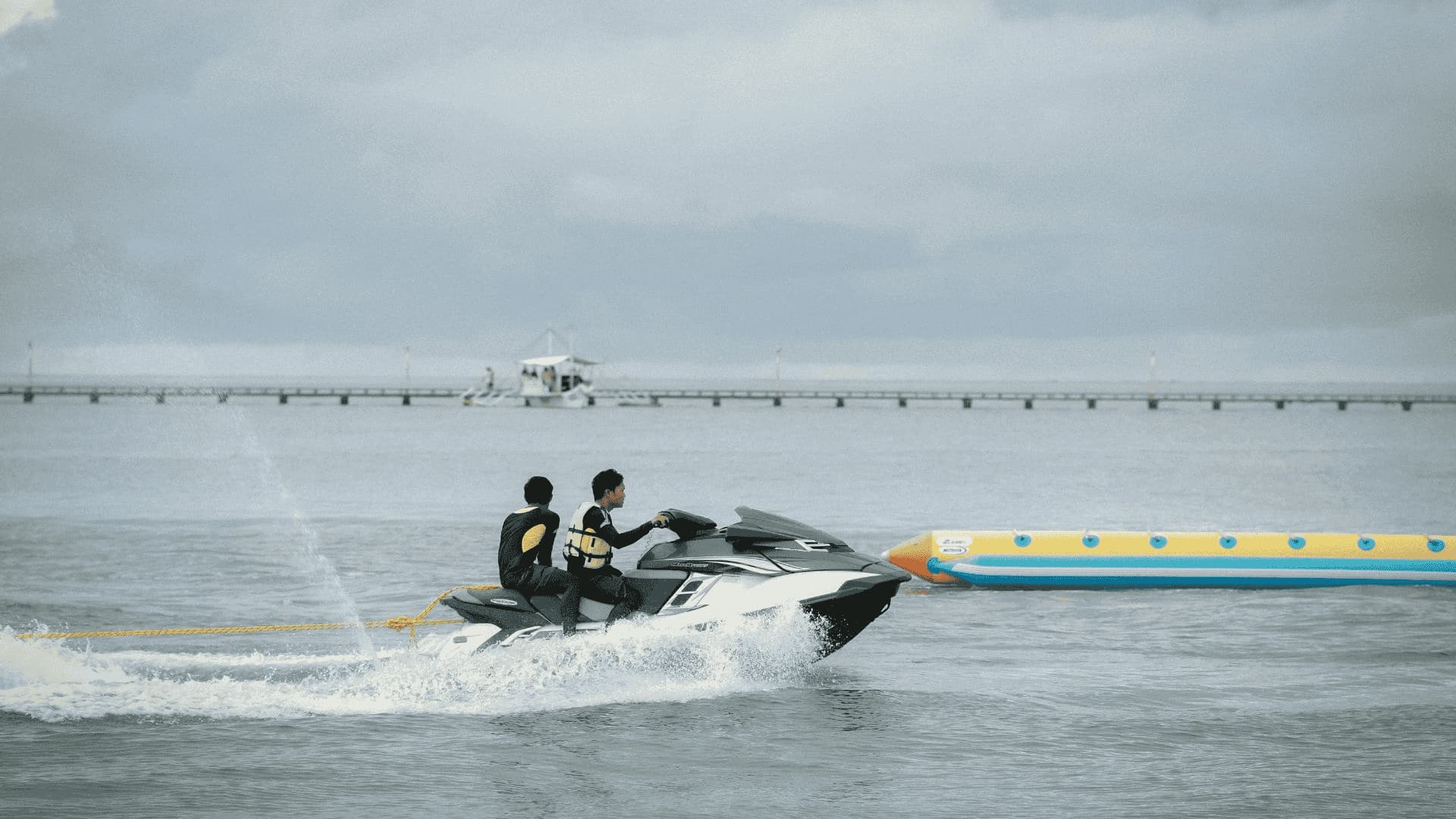
Violating jet ski age laws can lead to expensive, long-lasting consequences for both riders and parents.
First-time citations often carry fines of $100 to $500, with steeper penalties for repeat offenses. Some areas add points to your boating record, which can trigger license suspension.
Parents or guardians may also be cited and held civilly liable after an accident. Officers can impound the PWC, which will incur towing and daily storage fees.
Insurance premiums can rise by 10-30%, and repeated violations can even result in coverage being denied.
Conclusion
So, how old do you have to be to drive a jet ski? There’s no single answer.
Age requirements range from 12 to 18, depending on your location. Some places require safety courses. Others demand adult supervision. A few have no age limits at all.
Now you know where to check before hitting the water. You understand the difference between operating and riding as a passenger. You’ve learned the essential safety rules that prevent accidents.
You also know the penalties for breaking age laws. Fines, license points, and insurance hikes aren’t worth the risk.
Knowledge keeps riders safe and legal. Before you or your teen operates a jet ski, verify your state’s current requirements. Double-check international rules if traveling abroad. Ready to ride safely?
Bookmark this page for quick reference, and share it with anyone planning their first jet ski experience.