
The first cast can decide the mood of an entire striped bass fishing trip. A lure that looks wrong or bait that lacks freshness may pass by unnoticed, while the right choice can trigger a powerful strike in seconds.
Choosing the best bait for striped bass is not always about picking the most popular option. Water conditions, fish behavior, and the type of area being fished all play a role.
With so many choices available, knowing where to start can feel confusing. The right bait selection gives anglers more confidence and a better chance of connecting with these hard-fighting fish.
A few key factors can make the decision much easier before heading out on the water.
What is the Best Bait for Striped Bass?
Fresh menhaden, also called bunker, is often the best bait for saltwater striped bass. In freshwater lakes, live shad and herring usually work better because they closely match natural forage.
| Bait or Lure | Best For | Water Type | Main Strength |
|---|---|---|---|
| Menhaden or bunker | Large coastal stripers | Saltwater | Strong scent and natural forage |
| Live eels | Night fishing and rocky areas | Saltwater | Natural movement |
| Live shad | Reservoir and lake fishing | Freshwater | Matches common forage |
| Mackerel chunks | Surf and deep water | Saltwater | Tough, oily meat |
| Bucktail jig | Versatile casting | Both | Works at several depths |
| Swimbait | Active feeding fish | Both | Realistic baitfish movement |
| Topwater plug | Surface feeding stripers | Both | Visible and aggressive strikes |
Choose bait based on water type, depth, season, and feeding activity. Carry one natural bait and one artificial lure so you can adjust quickly when striped bass suddenly change behavior.
How to Choose a Striped Bass Lure
Choosing the right striped bass lure depends on local baitfish, fishing conditions, and where fish are holding. Consider size, weight, depth, hooks, and color before selecting a lure.
- Lure Size: Match lure size with local baitfish like bunker, shad, or sand eels for a more convincing presentation.
- Weight and Casting Distance: Choose heavier lures for strong winds, surf, fast currents, or deeper water, where longer casts are needed.
- Running Depth: Select surface, suspending, or sinking lures based on where striped bass are feeding throughout the water column.
- Hook Strength: Use strong, corrosion-resistant hooks that handle powerful striped bass and repeated saltwater exposure without failing.
- Color and Finish: Pick true-to-life baitfish patterns in clear water and brighter, high-contrast finishes in cloudy conditions.
The best lure choice changes with location and conditions. Start by matching the local forage, then adjust size, depth, and color based on striped bass activity.
Best Live Bait for Striped Bass
Live bait works best when it matches the fish already present in the water. Choosing local forage makes the bait look natural and more likely to attract feeding striped bass.
1. Menhaden or Bunker

Menhaden, also called bunker, is often considered the best live bait for saltwater striped bass because it is oily, familiar, and easy for large fish to detect. You can live-line it, drift it with the current, or cut it into chunks.
Use bright eyes, firm flesh, and clean scales as signs of freshness. Its main drawback is that it requires cool, well-aerated water to survive.
Skill Level: Intermediate
2. Live Eels

Live eels work well around rocks, bridges, inlets, and strong currents, especially after sunset. You can cast them, let them drift with the current, or fish them below a float.
They stay alive longer than many baitfish, making them useful for extended trips. However, their slippery bodies make them difficult to handle and rig. A damp cloth can help you hold the eel securely without damaging it.
Skill Level: Intermediate
3. Live Shad

Live shad is one of the best choices for freshwater striped bass in reservoirs, rivers, and large lakes. It works best where shad is already a major food source.
Keep the bait lively in cool, oxygen-rich water and avoid overcrowding the tank, particularly when you time your outing around seasonal striper feeding windows rather than fishing at random hours.
Skill Level: Intermediate
4. Herring and Alewife
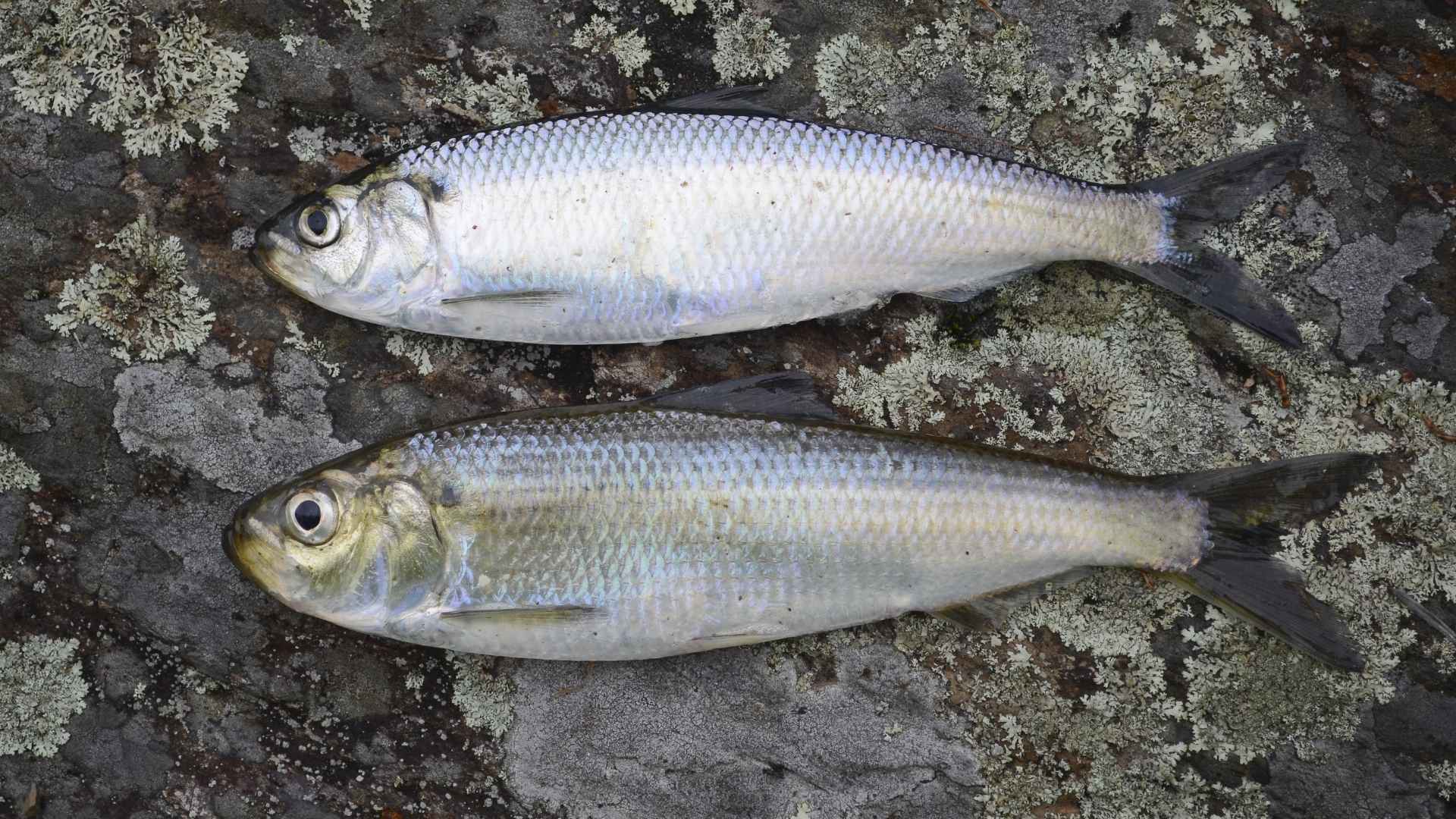
Herring and alewife are effective in lakes and some coastal waters where their use is allowed. They can be trolled, drifted, or live-lined near schools of feeding striped bass.
Choose bait that matches the size of the local forage to create a natural presentation. These baitfish can be restricted in some areas, so check state rules covering possession, transport, collection, and legal fishing methods before use.
Skill Level: Intermediate
5. Mackerel

Mackerel performs best in cooler coastal waters where striped bass regularly feed on oily baitfish. It can be used live, drifted near feeding schools, or cut into chunks for bottom and surf fishing.
Its oily flesh releases a strong scent that carries through moving water. The meat is also firm enough to stay on the hook during long casts, making it practical for rough-surf conditions.
Skill Level: Beginner to Intermediate
6. Bloodworms and Sandworms

Bloodworms and sandworms are useful in estuaries, bays, tidal rivers, and shallow coastal waters. They work especially well when striped bass are feeding close to the bottom.
Their soft shape and natural movement make them easy for smaller stripers to take. Thread the worm securely onto the hook to prevent it from slipping off. Be aware that worms can also attract flounder, sea robins, and other species.
Skill Level: Beginner
7. Clams

Clams are a useful striped bass bait choice in bays, flats, and tidal areas where fish feed close to the bottom. Their strong natural scent spreads through cloudy or moving water, helping stripers locate the bait.
They work well when baitfish are less active or difficult to find. Secure clam pieces properly on the hook to keep them in place during current and repeated casts.
Skill Level: Beginner
8. Squid

Squid is a dependable backup bait because its tough texture helps it stay on the hook during long casts and rough conditions. It works well from boats, piers, and surf locations.
Squid can be used alone or paired with other bait to improve presentation. While it does not produce as much oil as baitfish, it remains effective when fresh oily bait is unavailable.
Skill Level: Beginner
9. Cut Shad

Cut shad is one of the best bait choices for freshwater striped bass, especially around reservoirs, rivers, and lake channels. It works well below bait schools where stripers search for injured prey.
Fresh cuts release more scent and oils than older frozen pieces. Use firm body sections that stay attached longer and replace the bait when it loses its natural smell.
Skill Level: Beginner
10. Menhaden Chunks

Menhaden chunks are highly effective for bottom fishing because their oily flesh creates a strong scent trail. Different sections, including the head, belly, and body, offer different presentations.
Fish them around channels, current breaks, and deeper areas where striped bass search for food. A fish finder rig keeps the bait near the bottom while allowing a more natural movement.
Skill Level: Beginner
11. Mullet

Mullet is a valuable option in coastal areas where striped bass naturally feed on migrating baitfish. It works especially well during seasonal mullet runs when larger stripers target these fish.
Anglers can use mullet live, cut, or drifted near rocks, inlets, and other structures. Larger mullet can attract bigger striped bass looking for a high-calorie meal.
Skill Level: Intermediate
Best Artificial Lures for Striped Bass
Artificial lures are easy to store, help you cover more water, and let you quickly target striped bass at different depths and speeds from shore or a boat in changing conditions.
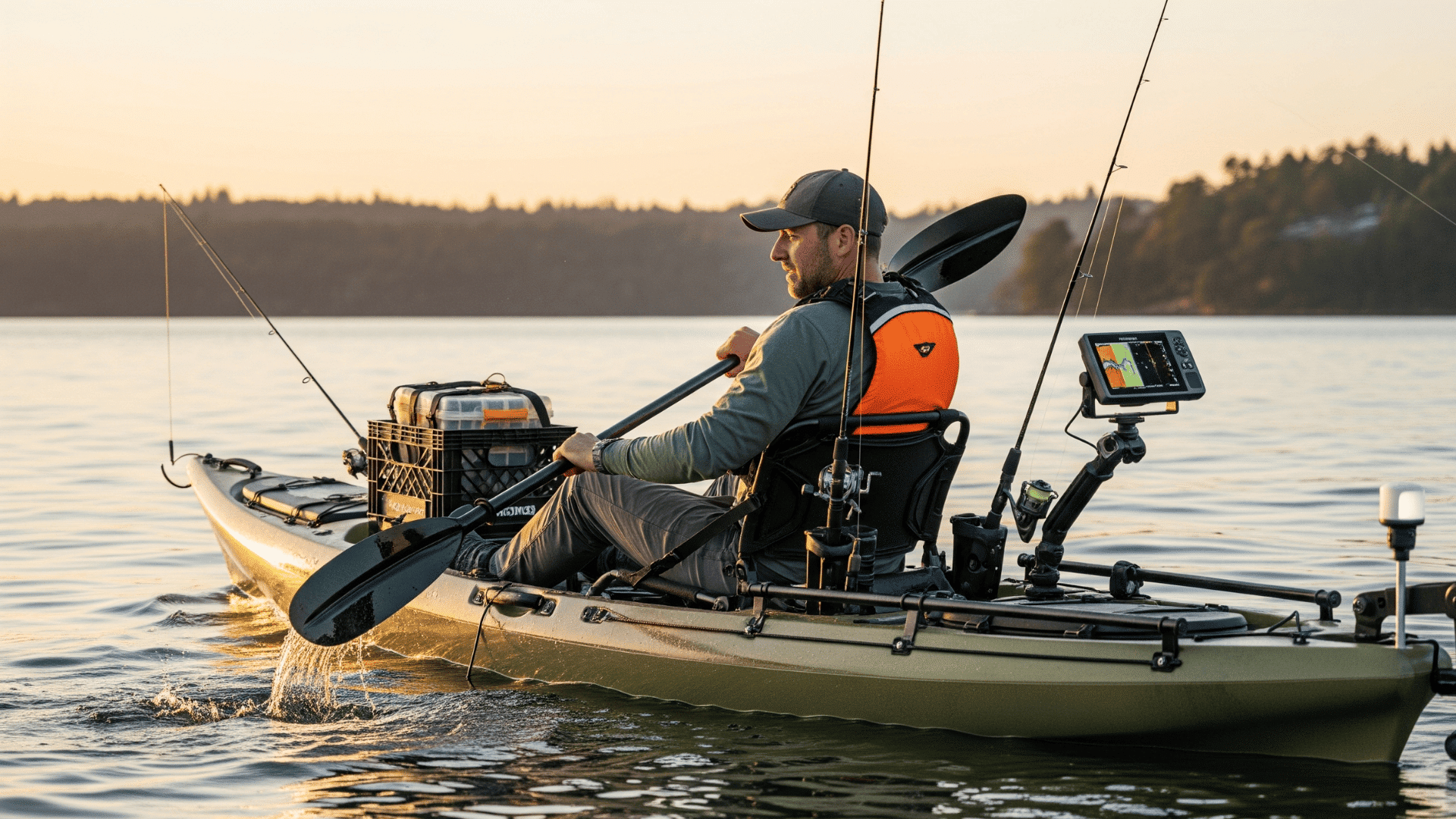
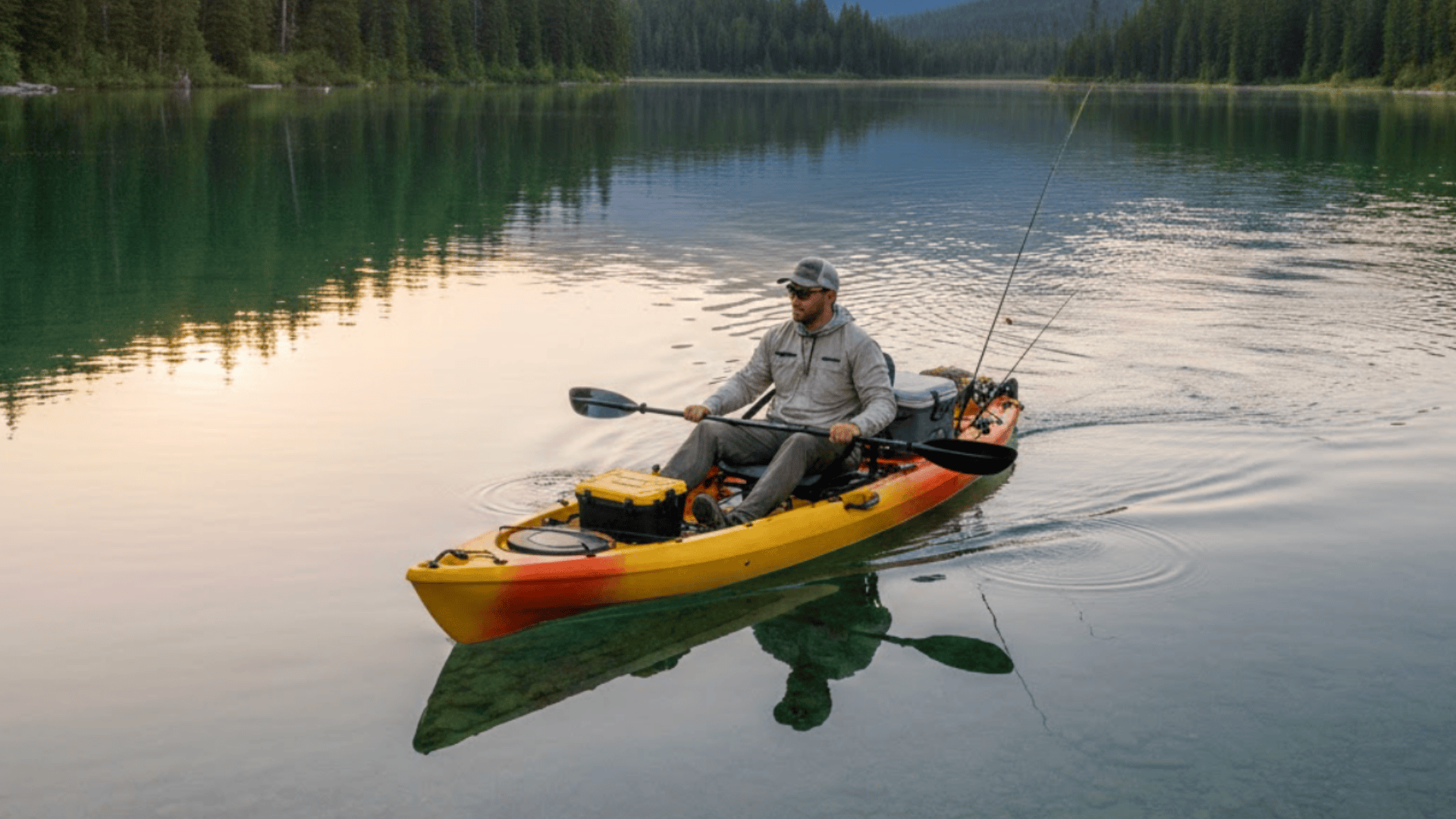
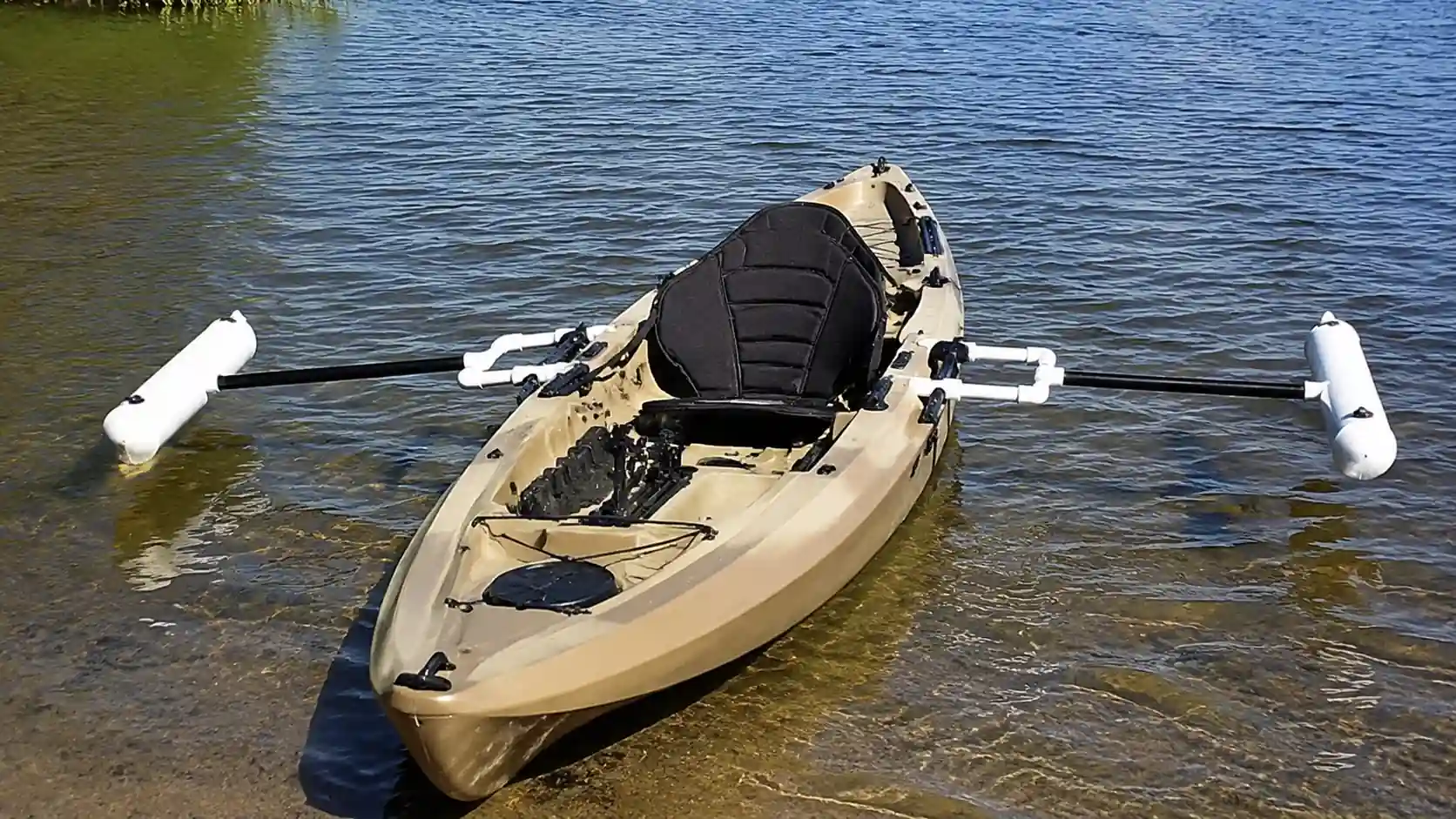
- Bucktail jigs: Bucktail jigs work from shore, boats, bridges, or kayaks, and a stable kayak fishing setup makes it far easier to hold your position while casting into current. Match weight to depth and current, then add a soft-plastic trailer.
- Soft plastic swimbaits: Soft plastic swimbaits match shad, herring, sand eels, or bunker. Choose paddle-tail size and jig-head weight for local conditions carefully.
- Topwater plugs: Topwater plugs excel during surface feeding at dawn, dusk, or low light. Use pencil poppers or walking baits over active fish.
- Jerkbaits and minnow plugs: They suit shallow shorelines and mimic injured baitfish. Add pauses when striped bass follow without striking immediately.
- Metal spoons and diamond jigs: Metal spoons and diamond jigs cast far, reach deep fish, and handle wind or fast current when stripers chase baitfish.
- Lipless crankbaits: Lipless crankbaits cover freshwater lakes quickly, while strong vibration helps in stained water. Change retrieval speed to reach different depths.
Carry several lure styles so you can adjust to depth, light, current, and feeding activity. Start with a bucktail or swimbait, then switch when striped bass respond differently that day.
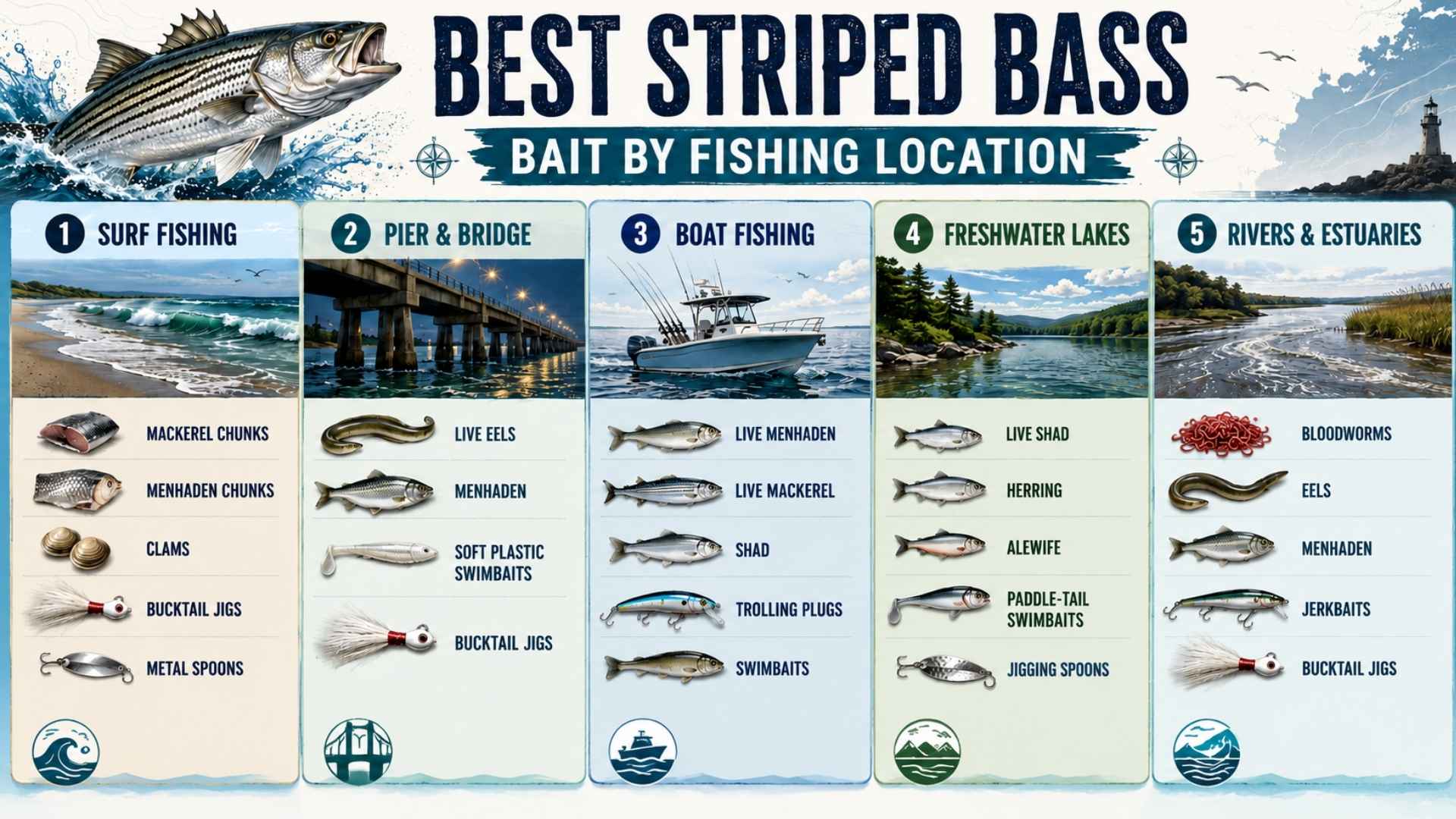
How to Match the Bait to Striped Bass Feeding Activity
Choosing the right bait is not only about the species you use. Matching bait size, depth, movement, and color to feeding conditions can improve your chances of attracting striped bass.
1. Look for Local Baitfish
Watch for birds, surface splashes, and bait schools to identify what striped bass are feeding on. Match your lure size and shape to the local forage.
2. Match the Bait Size
Use smaller baits during early runs and switch to larger bunker or mackerel when targeting trophy stripers. Downsize lures when fish follow without striking.
3. Choose the Right Depth
Target surface-feeding fish with topwater plugs, use swimbaits and bucktails for midwater, and choose cut bait or metal jigs for deeper areas.
4. Adjust for Water Clarity
Clear water favors natural colors and subtle action, while cloudy water works better with vibration, scent, and stronger contrast patterns. A good pair of polarized fishing eyewear also helps you read that clarity and spot moving baitfish before you ever make a cast.
Matching your bait to striped bass feeding activity helps create a more natural presentation. Pay attention to local conditions, and adjust your setup as fish behavior changes.
Live Bait vs Artificial Lures for Striped Bass
Both live bait and artificial lures can catch striped bass, but each works better in different situations. Your choice depends on fish activity, water conditions, fishing style, and even the right kayak type for you since your platform changes how much water you can cover in a session.
| Factor | Live Bait | Artificial Lures |
|---|---|---|
| Natural scent | A strong scent draws fish in | Limited or absent scent |
| Storage | Requires bait tanks, coolers, and care | Easy to store and carry |
| Reusability | Single-use and needs replacement | Can be reused many times |
| Water coverage | Covers smaller areas with slower presentations | Covers more water quickly |
| Beginner friendly | Usually easier when fish are nearby | Usually easy, but requires lure selection |
| Best use | Slow, pressured, or selective fish | Active fish are searching for new areas |
| Cost over time | Can become higher with regular purchases | Often lower after initial purchase |
Use live bait when striped bass are feeding slowly or staying in one area. Choose artificial lures when you need to cover water, locate fish, or target active feeding schools.
Common Bait Mistakes That Reduce Striped Bass Bites
Small mistakes in bait selection, storage, and presentation can cause striped bass to ignore your setup. Avoid these common errors to improve your chances on the water.
- Using old bait or poor storage methods: Old bait loses scent and freshness, making it less appealing. Keep natural bait cool and properly stored before use.
- Ignoring local forage and bait size: Match your bait or lure to what striped bass are already feeding on for a more natural presentation.
- Fishing the wrong depth or speed: Adjust your bait position and retrieve speed based on water temperature, fish location, and feeding activity.
- Using weak hooks or unsuitable lures: Choose strong, corrosion-resistant hooks and avoid oversized lures that look unnatural to feeding stripers.
- Ignoring bait and fishing regulations: Check local rules for bait collection, hook types, size limits, and possession requirements before fishing.
Avoiding these common mistakes helps create a more realistic presentation and improves your chances of attracting striped bass. Simple changes in bait care, depth, and lure choice can lead to better results.
Stay Legal While Targeting Stripers
Striped bass bait-and-hook rules vary by state, including restrictions on live bait collection and transport, hook types, seasons, size limits, and possession. Always check local regulations before fishing, as federal striped bass management directs anglers to follow the rules where they fish.
Wrap Up
Menhaden, live eels, and shad remain dependable live-bait choices, while bucktail jigs, swimbaits, and topwater plugs help cover more water. Matching your bait size, depth, and presentation to local conditions can make a big difference.
Always check local fishing regulations, including circle hook requirements, before using live bait. If you prefer natural bait or artificial lures, the right choice comes down to understanding the fish and adapting to the conditions.
What bait has helped you land your best striped bass? Share your experience and help other anglers improve their next trip.
Frequently Asked Questions
What Is the Best Bait for Striped Bass?
Menhaden or bunker is often the top saltwater bait, while shad works well for freshwater striped bass.
Are Artificial Lures Effective for Striped Bass?
Yes, bucktail jigs, swimbaits, and topwater plugs effectively catch striped bass in many fishing conditions.
What Is the Best Bait for Large Striped Bass?
Large striped bass often respond well to live menhaden, eels, mackerel, and oversized swimbaits.
Is Live Bait Better Than Lures for Striped Bass?
Live bait works well for slow-feeding fish, while lures help cover water and find active stripers.
What Bait Should I Use for Striped Bass at Night?
Live eels, dark topwater plugs, and slow-moving lures are popular choices for nighttime striped bass fishing.