Lucas Armitage
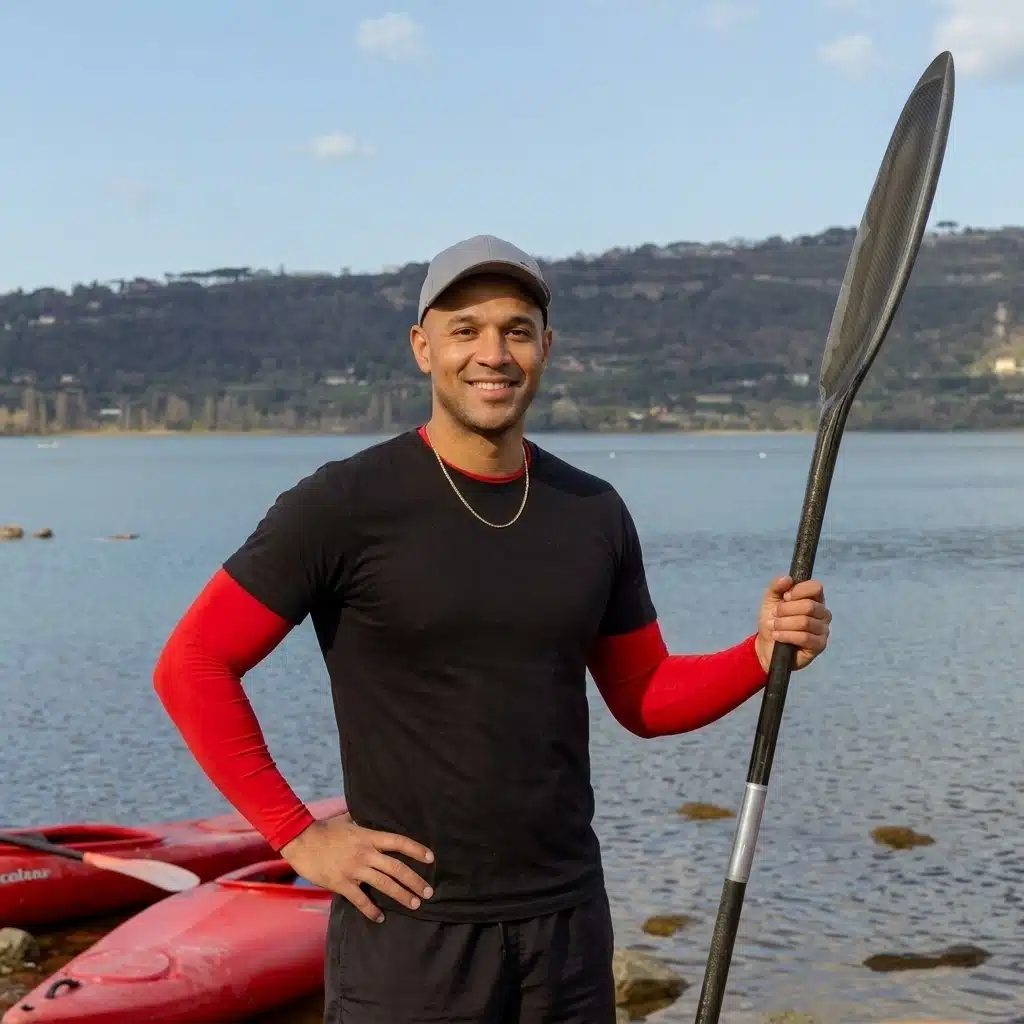
Lucas Armitage grew up around Lake Tahoe, spending summers on his family's old fishing boat and riding jet skis with friends. He didn't try kayaking until college, when a friend invited him to paddle the French Broad River in Asheville, North Carolina.
He flipped three times on that first trip but enjoyed it enough to go back. He later joined the college paddling program at Warren Wilson College and graduated with a B.A. in Outdoor Leadership.
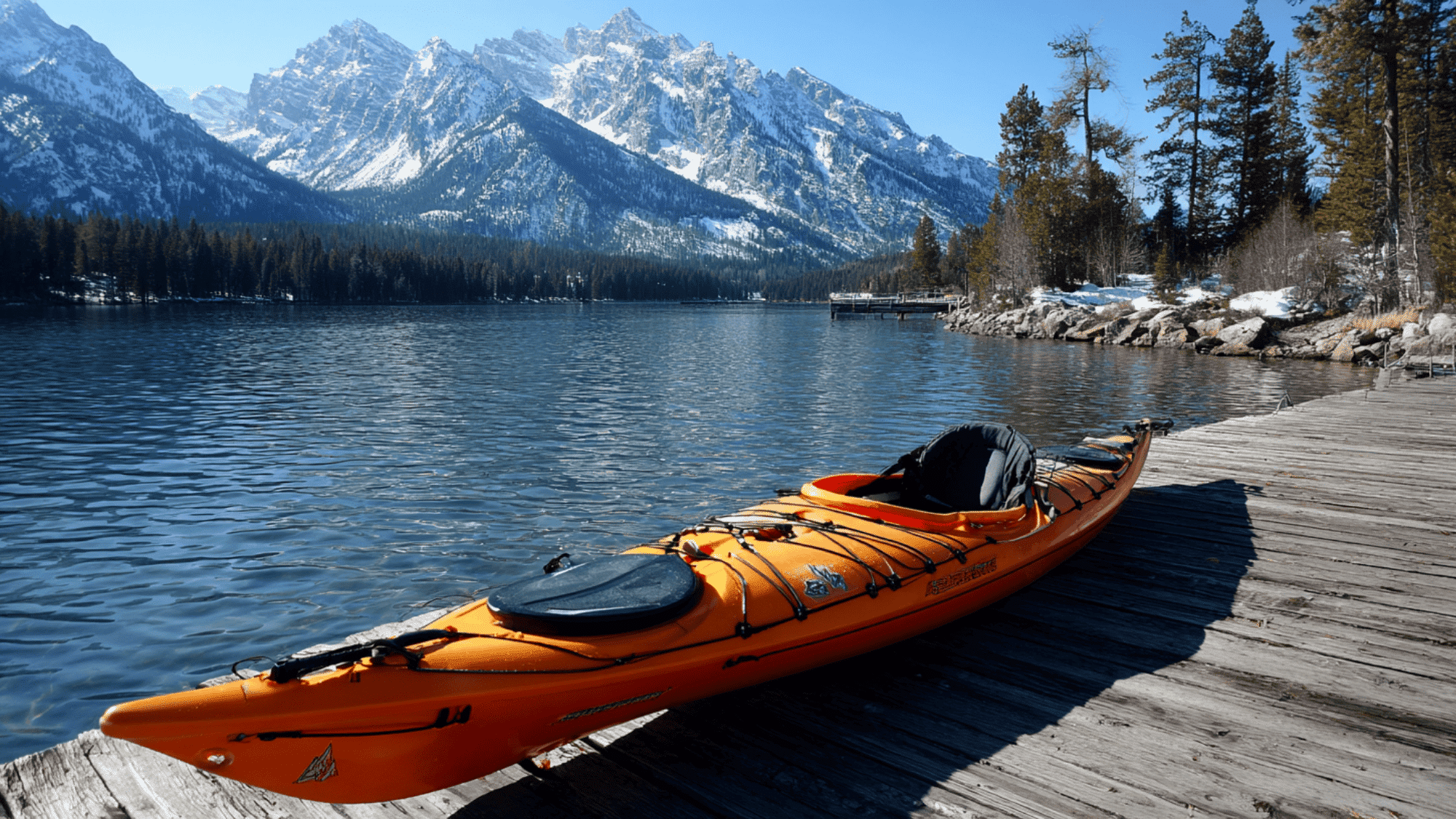
Today, Lucas works at a kayak outfitter on Monterey Bay, where he tests new kayaks and paddleboards before the shop decides which models to stock. He has tested more than 80 models in nine years, taking them out on Monterey Bay and sometimes Lake Tahoe.
He keeps notes on each one, paying attention to seat comfort, tracking, stability, and how well it handles in the wind. He also checks how easy it is to get back into after a capsize and whether it can hold up to regular use.
Lucas has been an ACA Level 3 Coastal Kayaking Instructor since 2016 and teaches beginner classes whenever he can. He covers basic paddling skills and water safety, helping new kayakers get familiar with their equipment and learn what to expect before heading out.
He still goes back to Tahoe every summer, but now he brings a kayak instead of taking out the old fishing boat.