
Walking into a rowing club for the first time can feel overwhelming.
Everyone around seems to know exactly what to do. Then someone says, “grab the scull,” and another says, “pick up the oar”, and suddenly, the confusion sets in.
Are they the same thing? Do they mean different tools? Or is one a boat and the other a blade?
These are fair questions.
Most beginners wonder the same thing. Understanding the difference between scull vs oar is one of the first steps to feeling confident in any rowing club.
Scull vs Oar Comparison at a Glance
In rowing, many beginners get confused between a scull and an oar. The difference is simple. A scull is used when a rower handles two blades. An oar usually means one blade in sweep rowing.
| Feature | Sculling | Oar (Sweep Rowing) |
|---|---|---|
| Oars per rower | 2 oars | 1 oar |
| Meaning | A rowing style | A single blade used in rowing |
| Common boats | Single, double, quad sculls | Pair, four, eight boats |
| Control | Easier for beginners | Needs more teamwork |
This basic difference shapes how rowers train, balance the boat, and work with others. Once you know this, rowing terms become much easier to understand.
What Is an Oar in Rowing?
An oar is a long tool used to move the boat through water, though many beginners still wonder about oar vs paddle differences before they ever step into a boat.
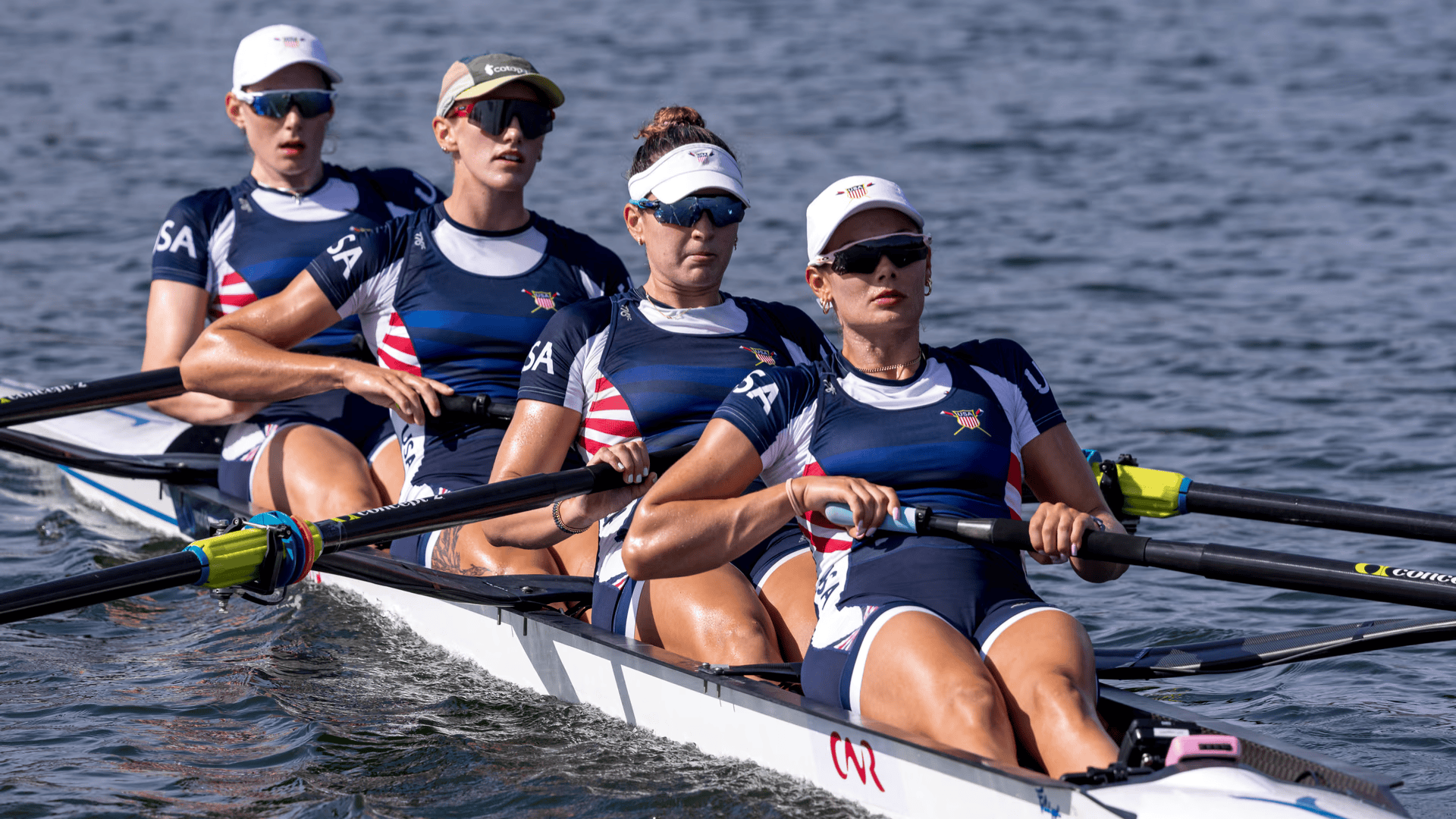
In most cases, the word oar is linked with sweep rowing. In this style, each rower uses only one oar. This means rowers sit on different sides of the boat and must work in sync.
For example, in an eight-person boat (8+), every rower holds one oar. The team must match their timing to keep the boat balanced and moving straight.
Oars are simple to understand but harder to master. Since each rower has only one oar, balance and teamwork become very important.
What Does Scull Mean in Rowing
Sculling is a rowing style where each rower uses two oars, one in each hand. These oars are often called sculls. This setup gives the rower more control over balance and direction.
Sculling is common in beginner training because it feels more stable. Since both sides are controlled by one person, it is easier to keep the boat straight.
There are different types of sculling boats:
- Single scull (1x): one person, two oars
- Double scull (2x): two people, two oars each
- Quad scull (4x): four people, two oars each
For example, in a single scull, one rower manages both oars and controls the entire boat alone.
One of those early skills is learning how to feather the oar, a small technique that directly affects how clean and controlled each stroke feels.”
Common Mistakes Beginners Make
Many beginners confuse scull and oar because both terms are often used in rowing clubs. Learning the basic difference early makes rowing language easier to follow.
- A scull is a boat: Many beginners think scull means the boat, but it actually refers to the rowing style using two oars.
- Using the scull and oar the same way: These words are related, but they are not the same and should not be used interchangeably.
- Getting confused about oars per rower: In sculling, one rower uses two oars. In sweep rowing, one rower uses only one oar.
- Misunderstanding rowing styles: Some beginners do not realize that sculling and sweep rowing are distinct styles with distinct techniques. Knowing which is which can save you a lot of confusion on the water.
Once these mistakes are clear, rowing terms start to make more sense. This helps beginners understand training better and follow club instructions with more confidence.
How Are These Terms Used in Rowing Clubs?
Most rowing clubs have both types of boats, sweep and sculling.
If you’re a beginner, you’ll likely start with sweep rowing. It’s easier to balance since you’re sharing the boat with others.
The boat decides the oar. A single scull, a sweep eight, a kayak — any vessel on public water comes with rules. If you plan to take one out, it is worth knowing that kayak DUI laws apply just as strictly as they do on the road.
Sculling boats use sculls (two per person). Sweep boats use one long oar per person.
In sweep boats, your coach will assign you a side: port (left) or starboard (right). In sculling, there’s no side. You pull both oars equally, so the stroke is always balanced.
Practical tip: When you join a rowing club, ask: “Do you teach sweep or sculling first?” It tells you exactly what gear to expect on day one.
ReminderOne oar per person = sweep rowing. Two oars per person = sculling. The shorter oars are always sculls. Still confused? Just count the oars. That tells you everything. |
Conclusion
Rowing has its own language. And it starts with knowing the difference between a scull and an oar.
An oar is used in sweep rowing, one per rower. A scull means two oars, one in each hand.
The boat type, the training style, and even how you sit in the boat all connect back to this one simple difference.
Once you get this right, everything else in rowing starts to make sense.
Are you joining a rowing club soon? Drop a comment below and tell us: sweep or sculling, which one are you starting with?
Frequently Asked Questions
What are the terms used in rowing?
Common rowing terms include scull, oar, sweep, stroke, blade, coxswain, port, starboard, catch, and finish.
What does sculling mean in rowing?
Sculling means each rower uses two oars, one in each hand, to move the boat forward.
Is 4+ sculling or sweeping?
A 4+ is a sweep rowing boat. Each of the four rowers uses one oar, and there is a coxswain.