Surfing feels a lot more fun when you understand your board. Learning about different types of surfboards makes it easier to choose the right one for your waves and your skill level.
When I first looked into surfing, I had no idea how many types of surfboards existed or why their shapes mattered so much.
Some boards are built for balance, some for speed, and some for big waves. Each design changes how the board moves on the water.
Here, I’ll explain whats a surfboard is in simple terms, so even beginners can follow along easily.
From long boards to short ones and everything in between, this will help you understand how surfboards work and how to pick one that feels right for you.
What Exactly Is a Surfboard and How Does It Work?
A surfboard is a long, flat board that helps you move across ocean waves.
I see it as the main tool that lets the wave carry your body forward. You can stand on it, kneel on it, or lie down while the water pushes the board ahead.
Surfboards come in many shapes and sizes, and each one is made for a different kind of wave and rider.
Some boards are wide and steady, making them easier to balance, while others are small and quick, designed for speed and turns.
Once you understand what a surfboard is and how it works, choosing the right surfboard feels simple.
Identifying Surfboard Components
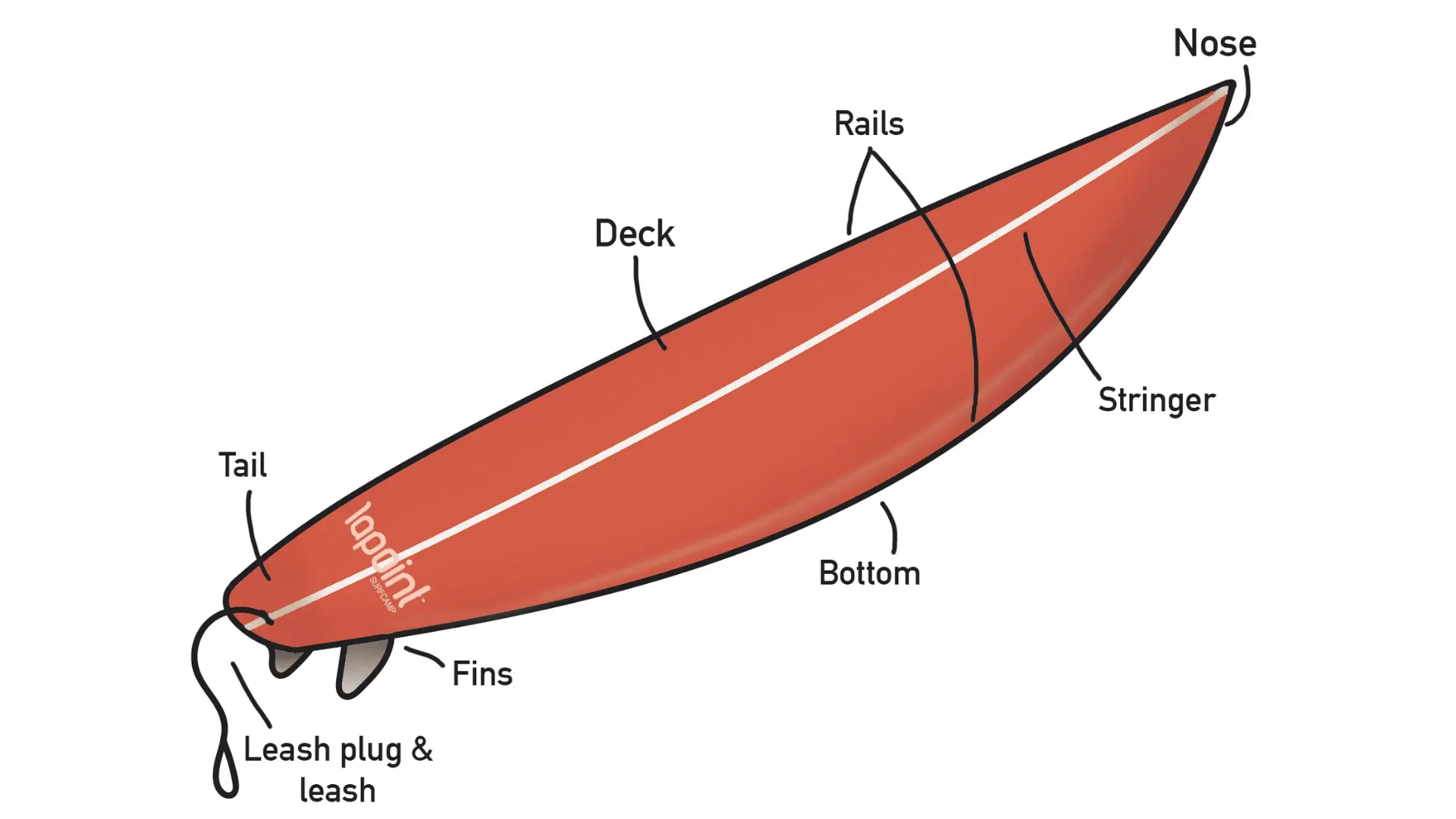
Even though a surfboard looks simple, it’s made of many parts that all work together. I like to understand each part because it helps me know how the board will move on a wave. Here are the main pieces in a clear and easy way:
- Nose: The front of the board. It helps with balance and shows where the board is heading.
- Tail: The back of the board. It helps control speed and the board’s turning.
- Rails: The sides of the board. They help with grip and control on the water.
- Deck: The top surface where you stand, kneel, or lie down.
- Bottom: The underside of the board that helps it move smoothly over water.
- Fins: Small blades under the board that help with balance and steering.
- Leash Plug: The spot where the leash connects so the board stays close to you.
Knowing these parts makes it easier to understand how surfboards work and why each one feels different in the water.
Types of Surfboards and How to Choose the Right One for You
Different surfboards suit different waves, riding styles, and skill levels. Shape, size, and volume affect how a board paddles, turns, and controls speed. Knowing these differences helps you choose the right board more easily.
1. Shortboard
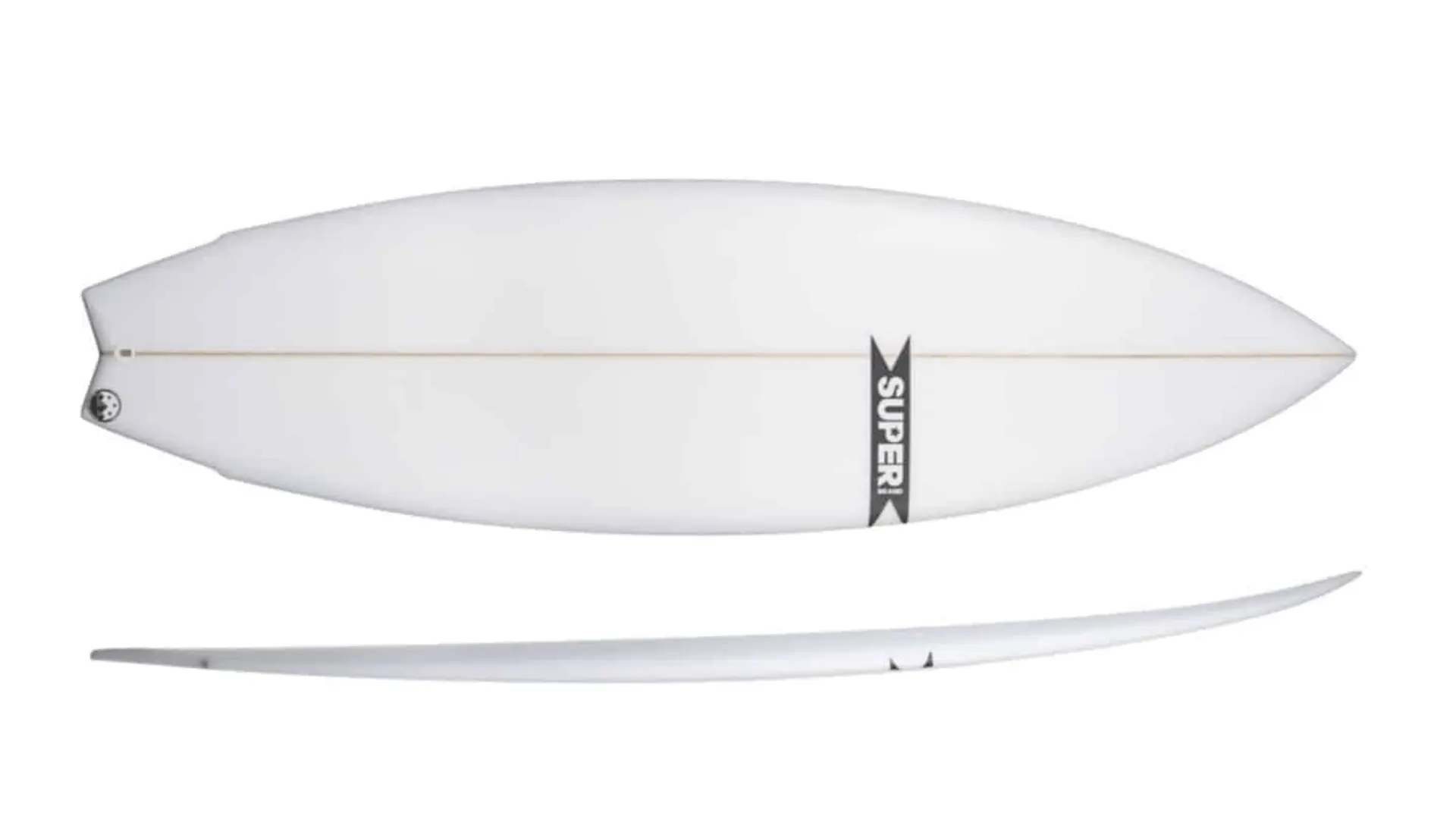
A shortboard is fast, light, and made for quick moves. I see it used a lot in surf contests because it turns easily and handles strong waves well.
It works best in bigger, powerful waves where speed and control matter. This board is better for skilled surfers, since balancing and paddling can be harder for beginners.
- Pros: A Shortboard provides high speed and sharp turns in strong waves.
- Cons: It is hard to balance and not good for beginners.
- Ideal Conditions: It performs best in strong, clean waves with good power.
2. Longboard
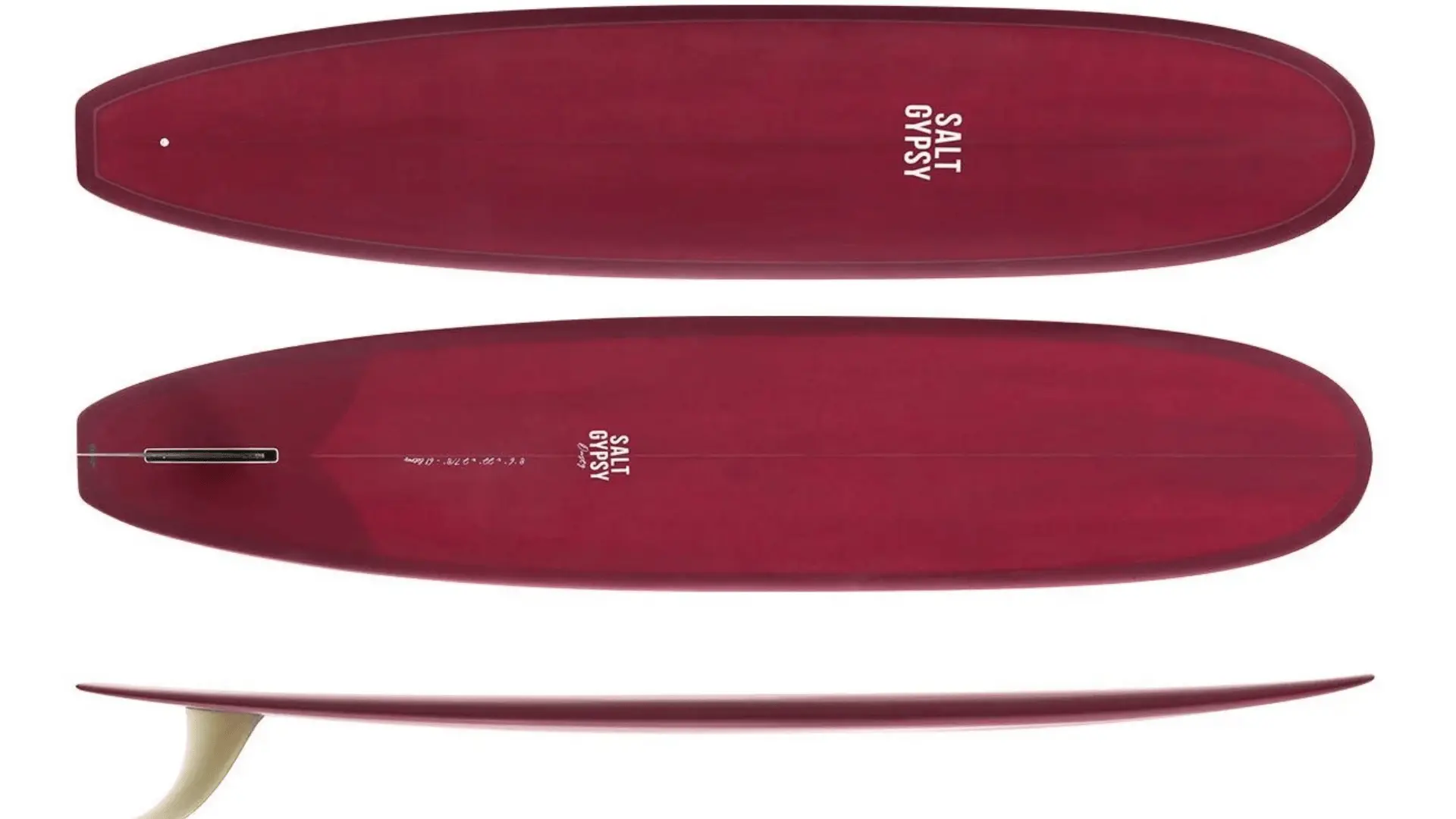
A longboard is big, wide, and very stable in the water. I like how easy it is to paddle and balance on, especially in small waves.
It’s great for learning and for relaxed surfing days. Many riders even walk on the board while riding, which makes it fun and smooth.
- Pros: It is very stable and easy to paddle.
- Cons: It turns slowly and is hard to carry.
- Ideal Conditions: Longboard works well in small, gentle waves near the shore.
3. Funboard/ Mini-Mal
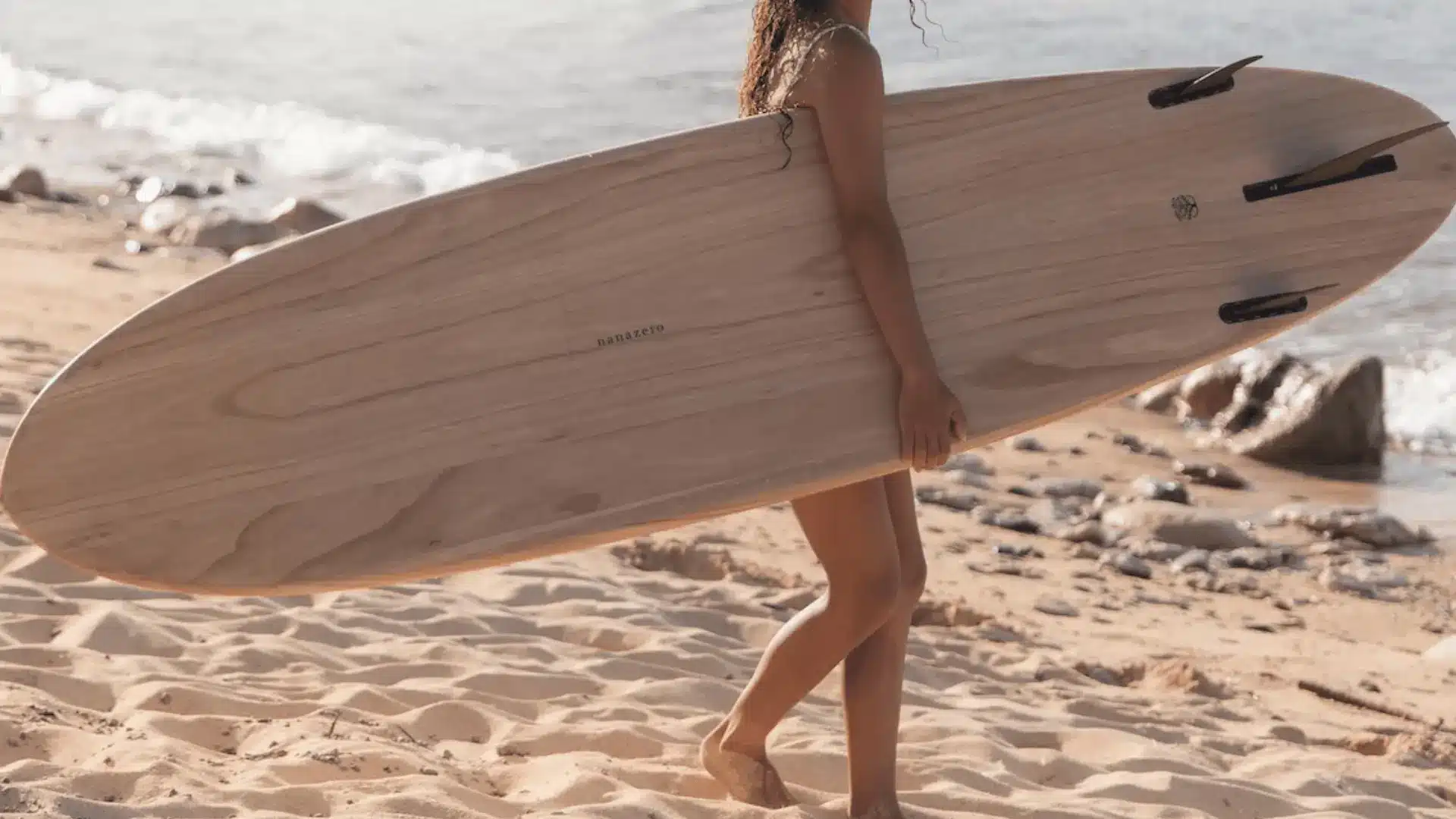
A funboard sits between a shortboard and a longboard in size. It feels steady but still turns easily. I see it as a great choice for people who want more control without losing balance.
It works well on small to medium waves and helps surfers learn turns and improve their movement.
- Pros: It offers good balance and easy control.
- Cons: Mini-Mal does not move very fast.
- Ideal Conditions: It suits calm to medium waves that are not too strong.
4. Fish Surfboard
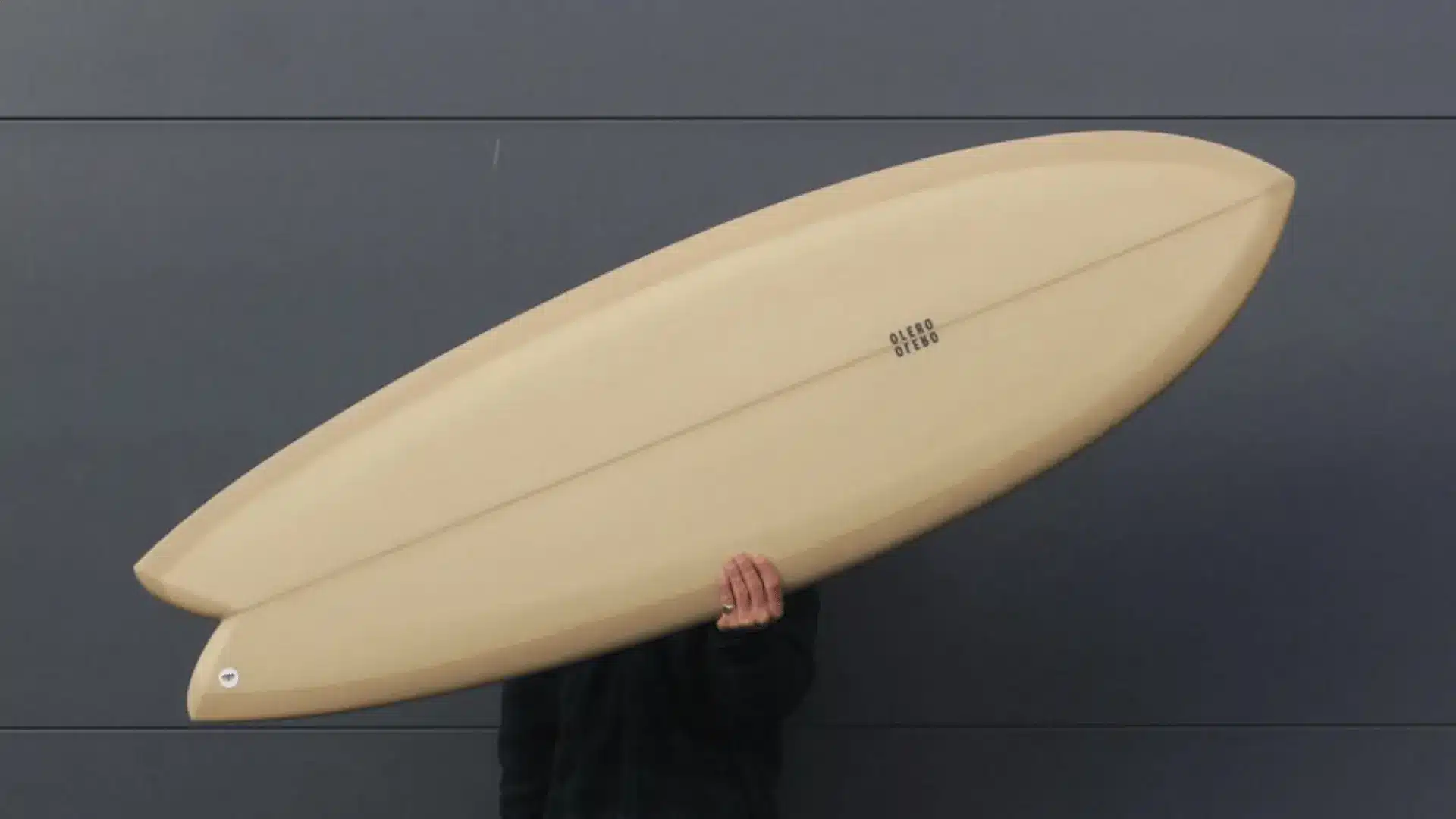
A fish surfboard is short, wide, and shaped for easy speed. I like how it glides well on smaller waves and doesn’t need big water to work.
It’s great for fun sessions in weak or soft waves. This board is easy to ride and perfect for playful surfing days.
- Pros: Fish Board works really well in small, soft waves.
- Cons: It does not handle big waves well.
- Ideal Conditions: It shines in slow, soft waves with less power.
5. Mid-Length Board
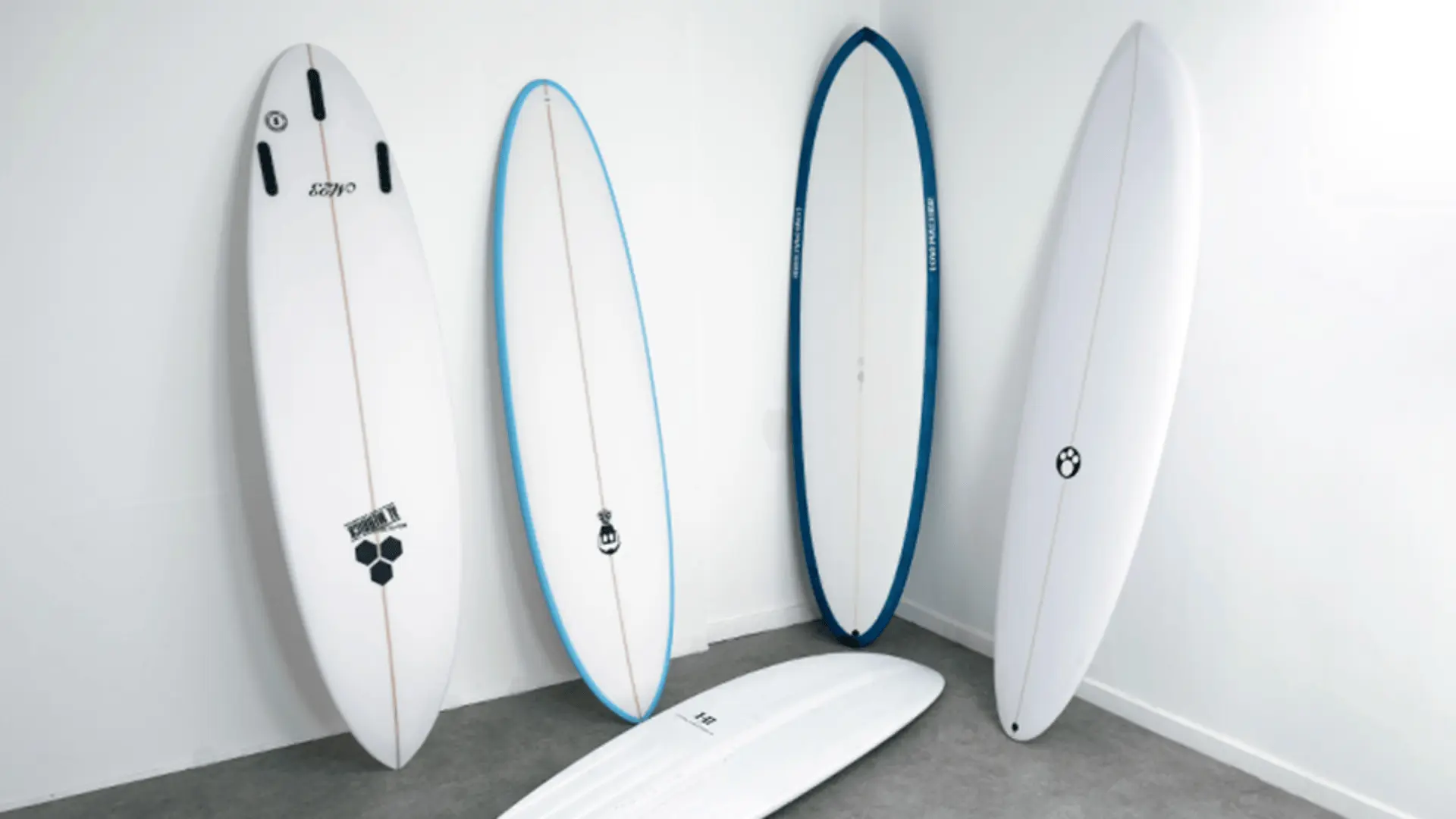
A mid-length board sits between a shortboard and a longboard in size. I like how it feels steady but still easy to turn. It paddles well, balances nicely, and works in many wave types.
This board is great for beginners and experienced surfers who want comfort, control, and smooth rides in small to medium waves.
A funboard and a mid-length board may look alike, but a funboard is more about quick learning and playful turning, while a mid-length board is more about calm control, steady flow, and smooth rides across different wave conditions.
- Pros: It gives smooth riding and easy paddling.
- Cons: It is not very fast or sharp in turns.
- Ideal Conditions: A mid-length board feels best in clean, steady waves with smooth flow.
6. Gun Surfboard
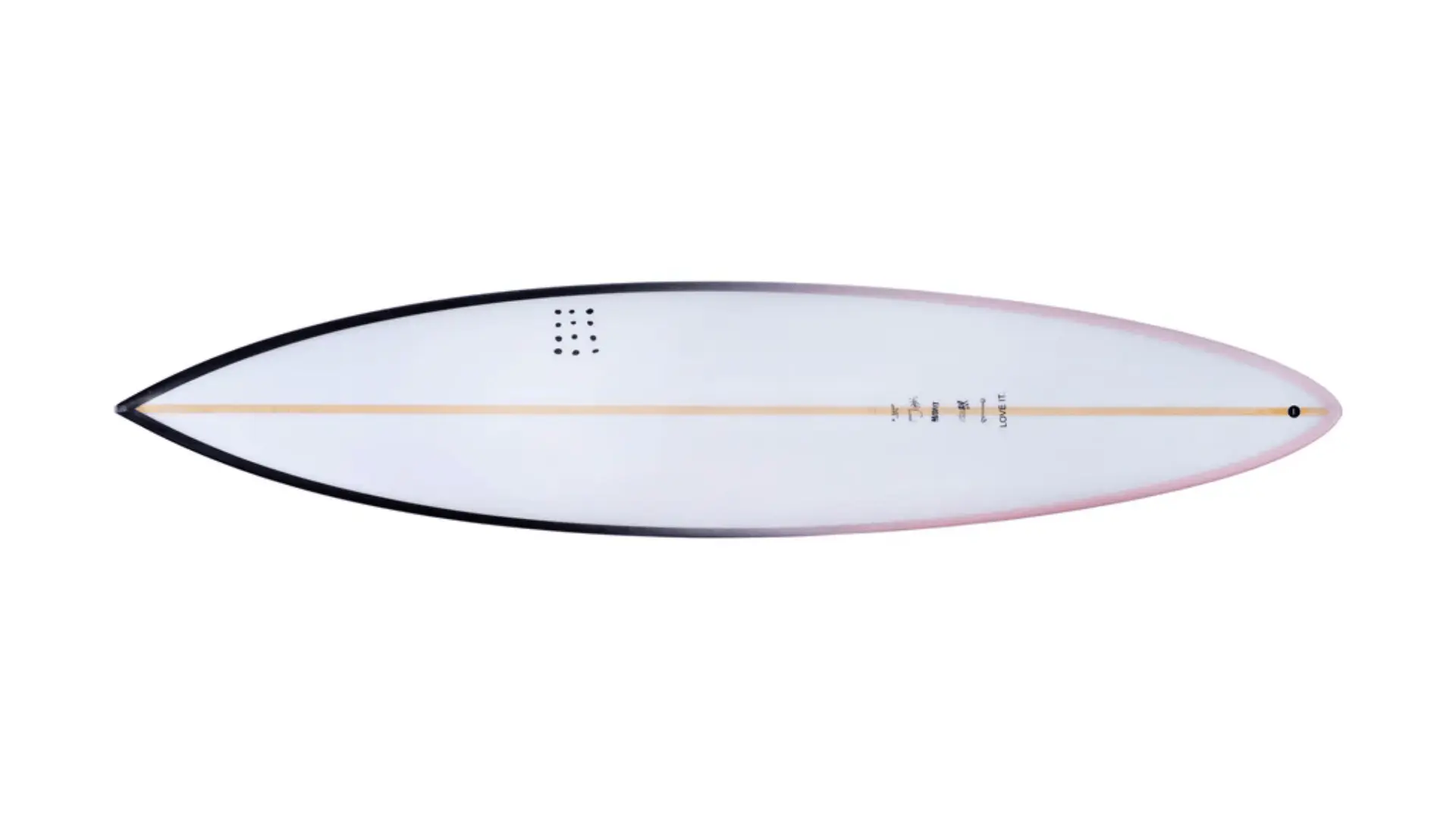
A gun surfboard is made for very big waves. It is long and narrow, built for speed and control. I see it used in strong ocean conditions where waves are tall and powerful.
Gun Surfboard helps surfers paddle fast and stay steady in heavy water, making it a serious board for skilled riders only.
- Pros: It works well in very large and powerful waves.
- Cons: A Gun Surfboard is designed for skilled surfers only.
- Ideal Conditions: It is meant for tall, fast-moving waves in deep water.
7. Tow-In Board
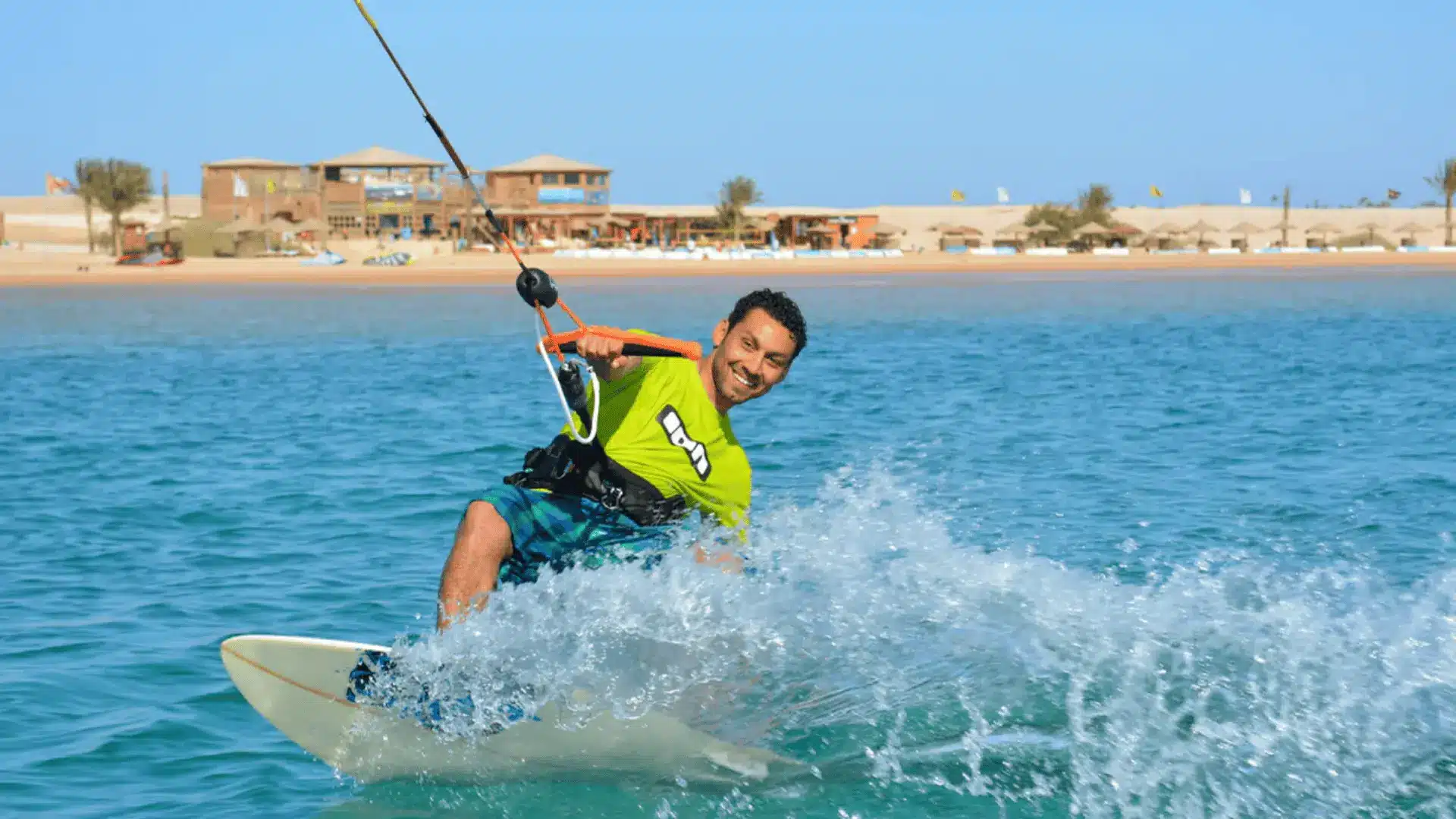
A tow-in board is used for waves too big to paddle into. Riders use a jet ski to pull them into the wave. I think of it as small but strong, built for speed and grip. It’s used only in extreme wave conditions by trained surfers.
- Pros: A tow-in board can handle extreme wave conditions.
- Cons: It needs a jet ski and is not for normal surfing.
- Ideal Conditions: It is used only in very large, powerful ocean waves.
8. Alaia Surfboard
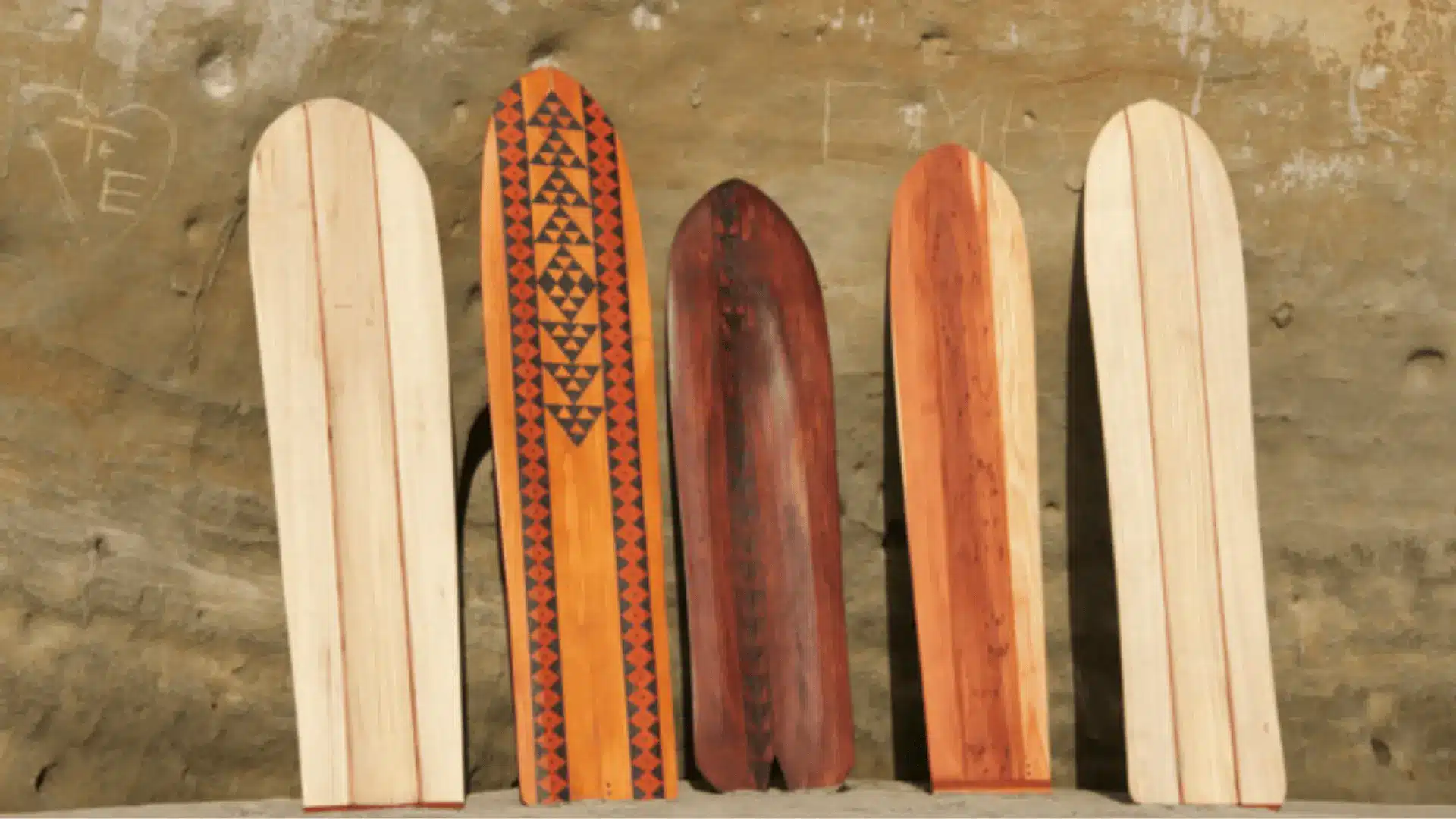
An Alaia surfboard is a wooden board with no fins. It comes from old surfing styles and feels very natural on the water.
I see it used in clean, smooth waves where balance matters more than speed. It’s not for beginners, but it offers a calm, simple ride in the right waves.
- Pros: It provides a simple, natural riding feel.
- Cons: It is hard to control and has no fins.
- Ideal Conditions: Alaia surfboards work best in clean, slow, and smooth waves.
9. Foil Board
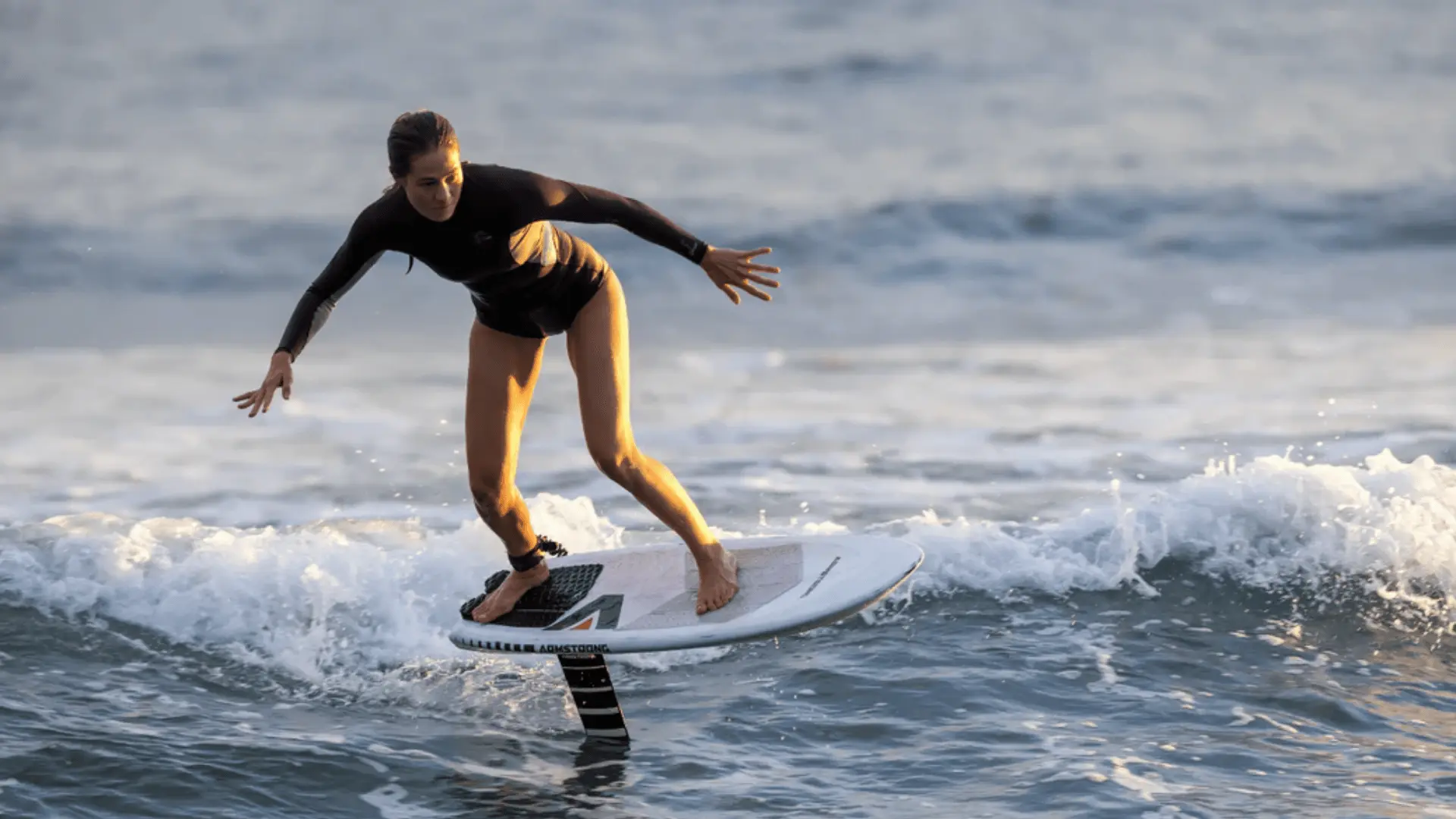
A foil board has hydrofoils, an underwater wing system attached beneath surfboards, that lift the board above the water. I love how different it feels compared to normal boards.
It glides smoothly and feels fast even in small waves. This board is used by skilled surfers who want a light, floating feel while riding.
- Pros: It glides smoothly and feels fast even in small waves.
- Cons: Foil Board is hard to learn and requires skill.
- Ideal Conditions: It feels best in small, clean waves and calm water.
10. Soft-Top / Foam Board
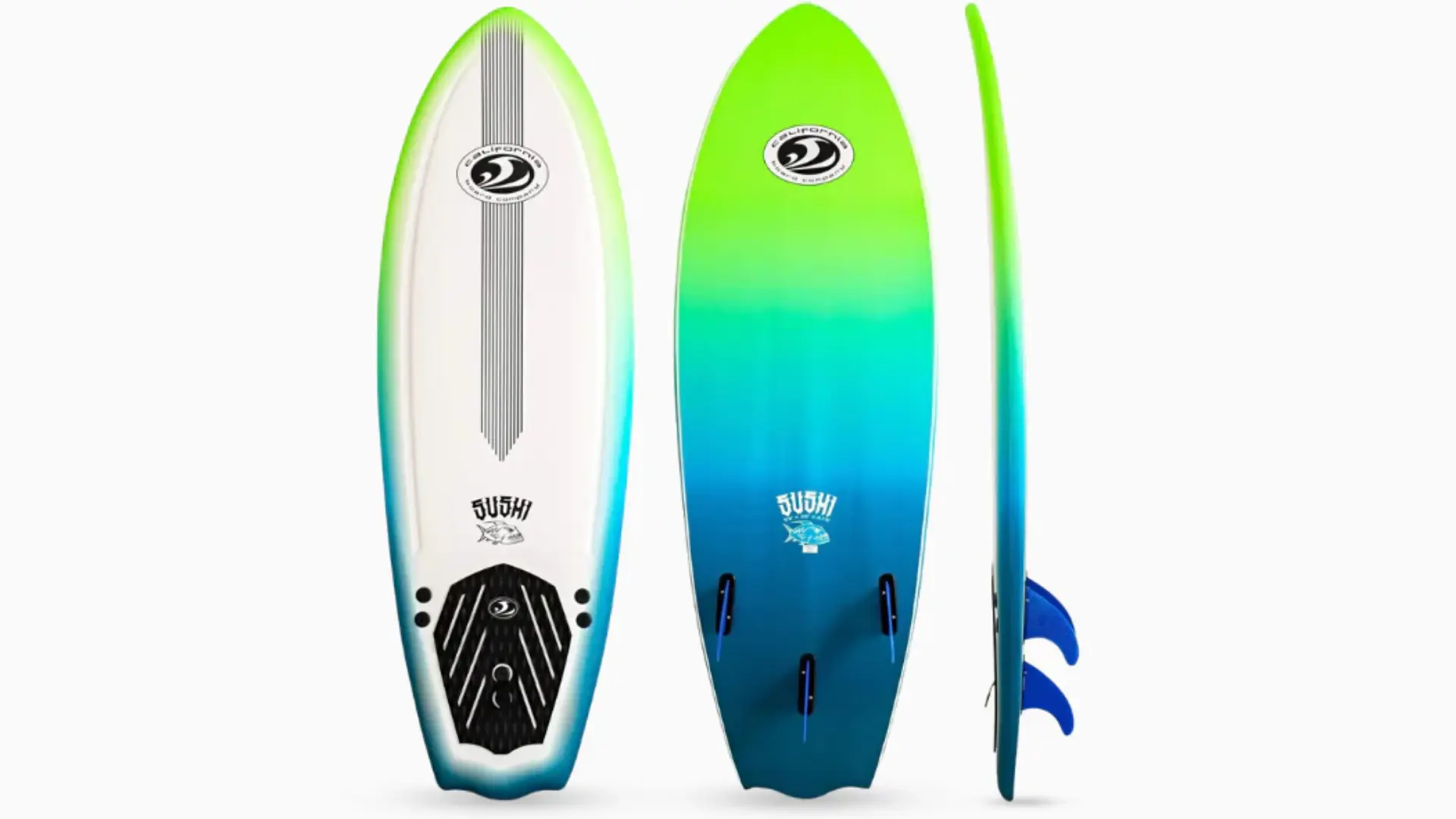
A soft-top board has a foam surface that feels gentle and safe. I like how it makes learning less scary, especially for kids and first-time surfers.
It floats well, paddles easily, and works best in small waves. This board is great for practice, lessons, and relaxed beach days.
- Pros: Foam Board is safe and great for beginners.
- Cons: It feels slow and has less control.
- Ideal Conditions: Perfect for small waves and shallow beach areas.
11. Hybrid Surfboard
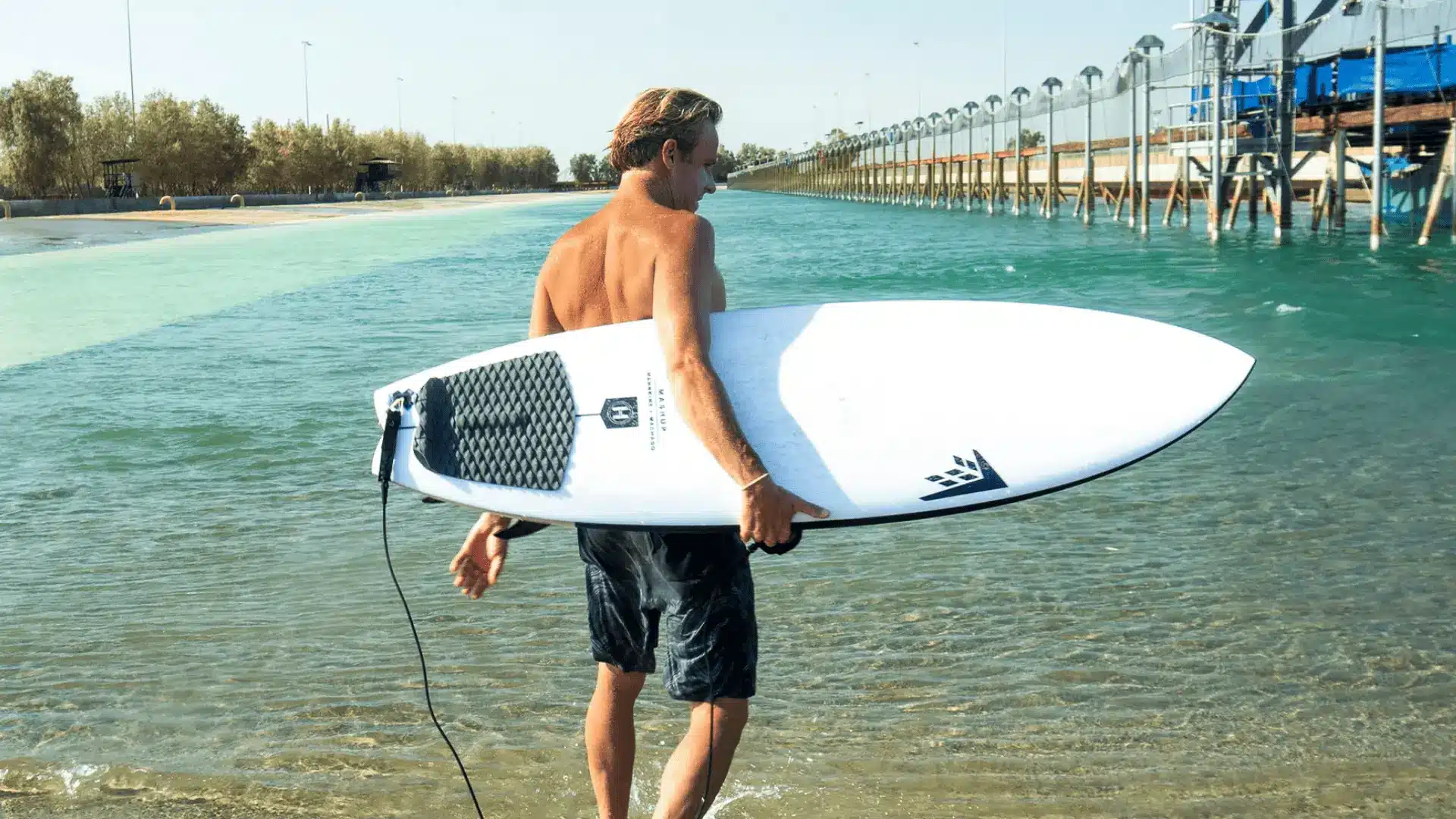
A hybrid surfboard mixes features from different board types. I see it as a flexible option that works in many wave conditions. It gives balance, speed, and control in one shape.
A hybrid surfboard is good for surfers who want one board for different wave sizes and different riding styles.
- Pros: It works well in different wave conditions.
- Cons: It is not perfect for one riding style.
- Ideal Conditions: Hybrid surfboard suits mixed wave conditions and changing surf days.
12. Egg Surfboard
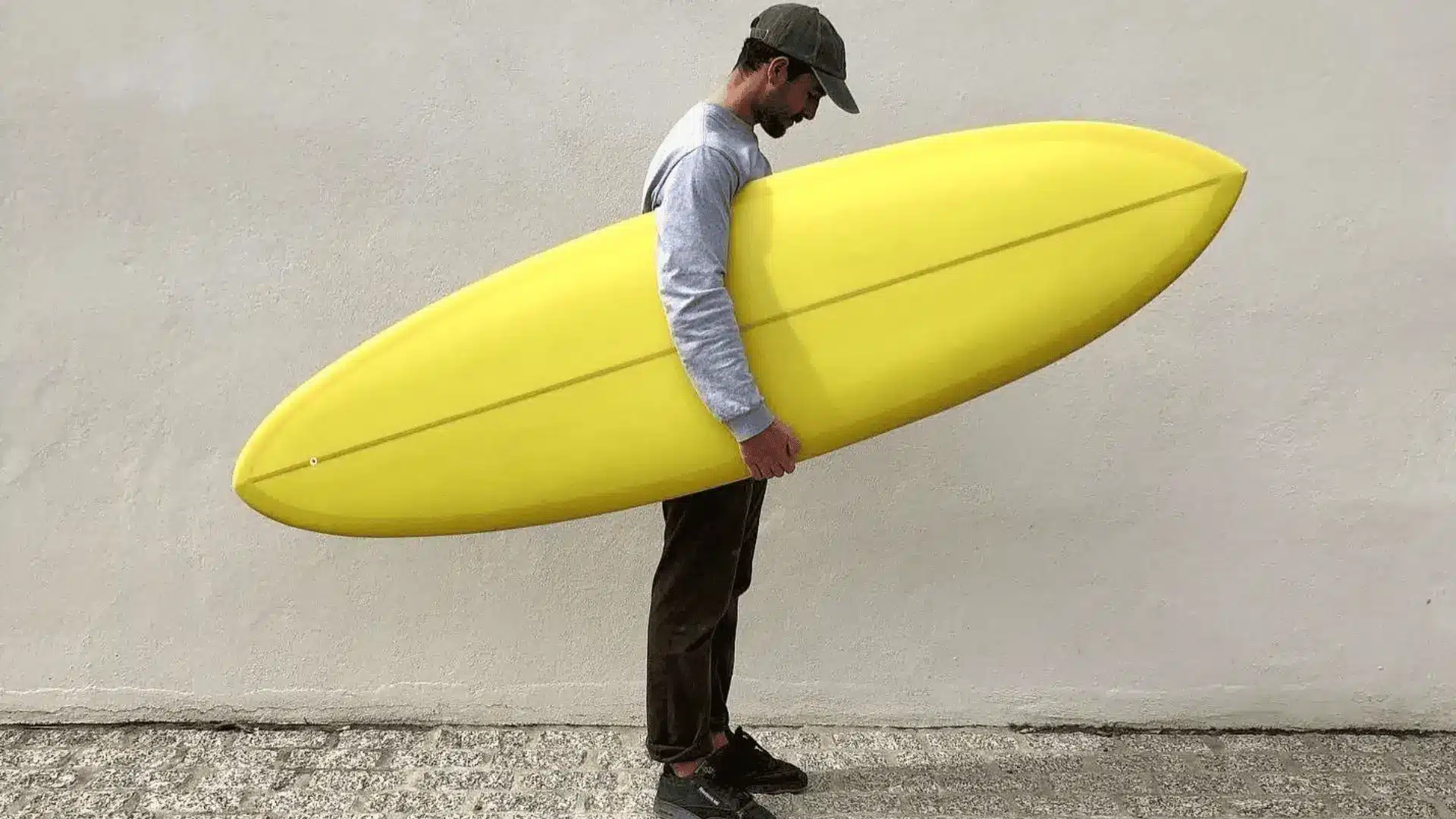
An egg surfboard has a rounded shape and a smooth feel in the water. I like how stable and calm it feels when riding small waves.
It paddles easily and turns gently, making it great for relaxed surfing, and it works well for people who want comfort and control without stress.
- Pros: It feels stable and calm while riding.
- Cons: The Egg Surfboard has limited speed.
- Ideal Conditions: It feels best in slow, small, and easy-going waves.
13. Mini Simmons Surfboard
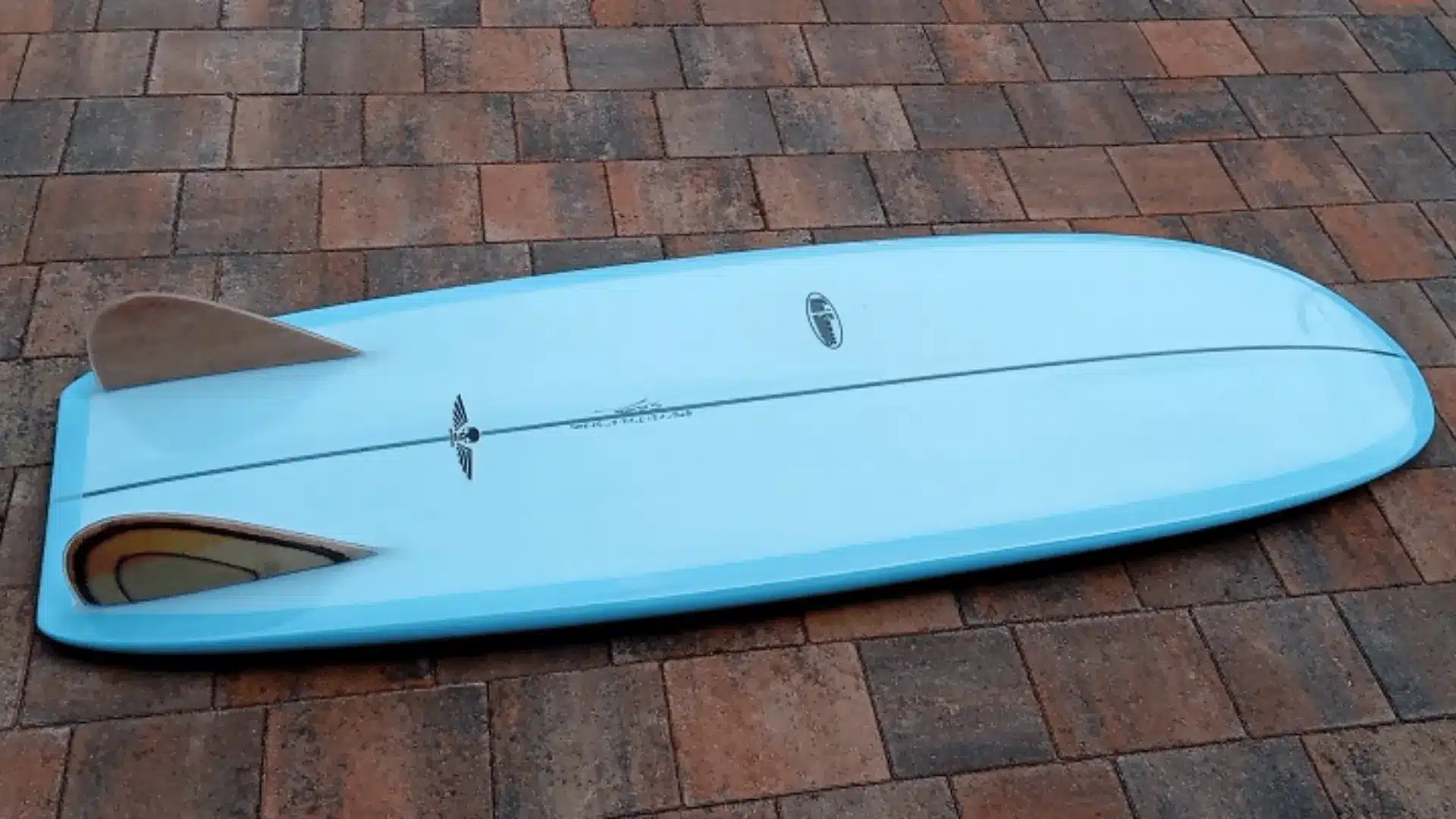
A Mini Simmons board is short, wide, and flat, which makes it very easy to paddle and balance on. I like how it feels stable in the water and smooth on small waves. It works best for relaxed sessions and fun rides when the waves are soft and gentle.
- Pros: Mini Simmons feels very stable and paddles easily in small waves.
- Cons: It does not perform well in big or strong waves.
- Ideal Conditions: It works best in small, soft, and slow-moving waves near the shore.
How Dimensions And Shape Affect Performance
I learned early that a surfboard’s size and shape change how it feels on the water. Small design details can make a big difference in balance, speed, and control. Here’s a simple way to understand it:
-
Length: Longer boards offer better balance and are easier to paddle, helping beginners feel steadier. Shorter boards turn faster and give more control in strong, powerful waves.
-
Width: Wide boards feel more stable and are easier to balance on, especially in small waves. Narrow boards move faster and make cleaner turns, but they need better control.
-
Thickness: Thicker boards float better and feel easier to ride, making them great for learning. Thinner boards feel quicker and respond faster to movement.
-
Shape: Rounded noses give smooth and steady rides, while pointed noses work better in bigger waves. Wide tails help with balance, and narrow tails give more control during turns.
Understanding how size and shape affect a board makes choosing the right one much easier.
Tips to Choose the Right Surfboard
Picking the right surfboard can feel confusing at first, but a few simple tips can make it much easier. I focus on comfort, balance, and how the board feels in the water. Here’s what helps most:
- Know Your Skill Level: Bigger, wider boards are easier for beginners to control.
- Check the Wave Size: Small waves need stable boards, big waves need strong, narrow boards.
- Think About Balance: If staying upright feels hard, choose a wider board.
- Look at Board Length: Longer boards paddle easily, shorter boards turn faster.
- Choose the Right Material: Foam boards are safe for learning, hard boards give more speed.
- Match the Board to Your Goal: Learning, fun riding, or big waves all need different boards.
When the board feels right in your hands and steady in the water, you’re on the right track. A good match makes every wave more fun and every session more enjoyable
Wrap-Up
Finding the right board feels easier once you understand the different types of surfboards and how each one works on the water.
I’ve seen how learning about board shapes, sizes, and uses can change the whole surfing experience.
With so many types of surfboards, there’s always one that fits your waves, skill level, and style. Understanding what a surfboard really is and how it moves on the water helps you make better choices and enjoy every ride more.
No matter if you like calm waves or strong ones, the right board makes a big difference. Take your time, learn what feels right for you, and try new boards when you can. Start small, stay safe, and go enjoy the waves.
Frequently Asked Questions
Which Surfboard is Best For Beginners?
I always see beginners do best with longboards, soft-top boards, or funboards. They are stable, easy to paddle, and help with balance while learning.
Can One Surfboard Work for All Wave Types?
Not really. Some boards work better in small waves, while others are made for big waves. Hybrid boards and mid-length boards come close to working in many conditions.
What’s The Safest Surfboard for Kids?
Soft-top or foam boards are the safest choice for kids. They are light, soft, and easy to control in small waves.