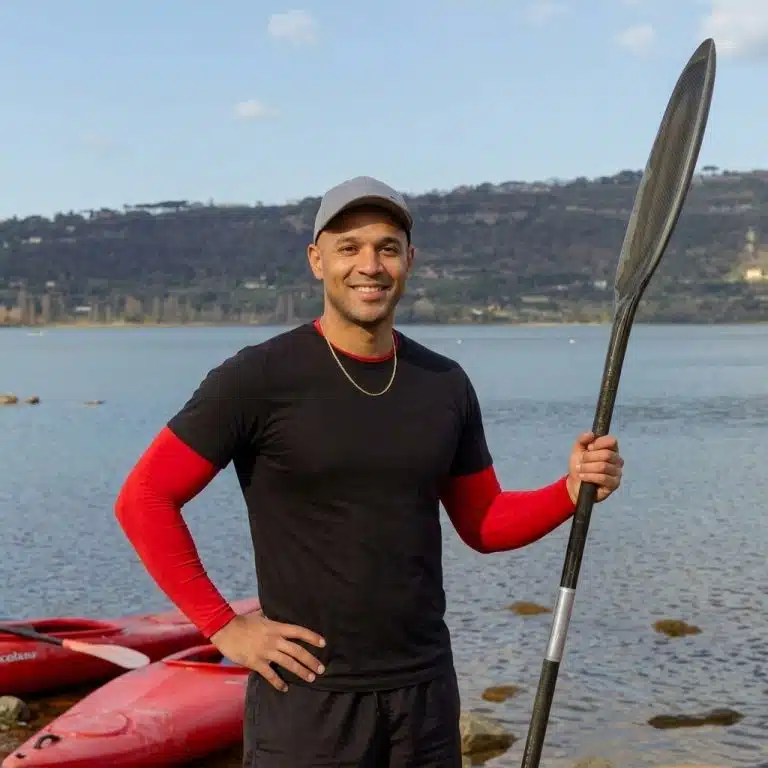

Imagine spending your Saturday morning paddling across a quiet lake instead of sitting in your dorm room. Sounds pretty nice, right? If you love outdoor activities, you might wonder whether community college or university gives you more chances to enjoy kayaking. Both can offer great experiences, but the opportunities aren’t always the same.
Some schools have outdoor clubs, kayaking classes, and weekend trips. Others have smaller programs but sit close to rivers, lakes, or beaches where you can practice. Your choice depends on what kind of experience you want and how much time you can spend on the water. Here’s what you should know before choosing.
Is College Size an Issue for Kayaking?
It is possible to believe that a larger college offers more opportunities for outdoor activities. It may have facilities such as a recreation center and student organizations, but that does not mean it will offer better kayaking opportunities. For example, a community college located near a popular kayaking area will offer better opportunities for the activity.
For example, Scottsdale Community College in Arizona offers kayaking in its outdoor adventure classes. Such classes allow students to gain practical experience in the field thanks to organized events. Some universities provide similar opportunities in campus recreation services. You should compare the two programs based on the activities and services they offer.
Balancing Kayaking Practice With College Assignments
Getting better at kayaking takes practice, but finding free time during college can be difficult. You might have a weekend paddling trip planned when a long research paper suddenly starts taking up your evenings. Between collecting sources, writing drafts, and studying for exams, your outdoor plans can quickly disappear!
If research assignments are making your schedule difficult to manage, you can pay for research paper writing through EssayPro, focusing on academic help with research planning, outlines, and feedback on your own drafts. With a clearer study plan, you can spend less time feeling stuck and make more room for kayaking lessons, outdoor clubs, and supervised paddling trips. You’ll also have a better chance of keeping up with your assignments while enjoying college life.
What Kayaking Opportunities Do Community Colleges Offer?
A community college may be a good option if you’re looking for hands-on outdoor activities alongside your studies. Some colleges provide short-term courses on outdoor recreation, but there are also community college clubs that arrange trips to nature in your area. If the campus you are attending is near rivers or lakes, there is also a possibility to attend some kayaking lessons provided by recreation centers near your place.
The other point is that community colleges are attended by students who live nearby. If you’re familiar with local kayaking spots, you may find it easier to practice regularly. Also, it will be easier for you to arrange some beginner’s lessons if you have work or family obligations.

How Universities Can Assist in Developing Kayaking Skills
The organized outdoor activity programs run by the university campus recreation department are another way universities can help you develop kayaking skills. There are guided trips, equipment rental options, or clubs where you can participate in outdoor activities throughout the semester. There are universities where you can enroll in training to become an outdoor trip leader.
For instance, Texas A&M University – Corpus Christi offers kayaking as part of its outdoor recreation clinics. At the University of Utah, paddling is included in its outdoor adventure program. These programs show how universities can help students develop kayaking skills. However, you should confirm whether there is a kayaking schedule at a particular university.
Community College vs University: Comparing Kayaking Opportunities
The biggest difference may be how you access kayaking activities. Some schools focus on scheduled lessons, while others offer clubs and trips throughout the year. Neither option guarantees more time on the water. Your experience will depend on the programs, facilities, and local paddling conditions:
|
What to Compare |
Community College |
University |
|
Kayaking classes |
Available at some colleges |
Available through some recreation programs |
|
Outdoor clubs |
May have smaller student groups |
May offer several outdoor clubs |
|
Equipment rentals |
Varies by school |
Some campuses have rental centers |
|
Guided trips |
May offer local outdoor activities |
May organize local and longer trips |
|
Practice time |
Depends on schedules and nearby water |
Depends on programs and trip availability |
Use this table as a starting point rather than a fixed rule. A community college with weekly kayaking classes could provide more practice than a university offering only two trips each semester. It’s worth comparing actual schedules before making your choice. You might find that the smaller school better fits your goals.

Will Kayaking Make College Life Better?
Going kayaking lets you relax and have some fun out in nature at the end of a stressful week. You will be able to meet students who share your hobbies and develop skills you could never develop in class. It can also help you develop teamwork skills. During any excursion, everyone will need to work together and listen to safety instructions.
You can even relate kayaking to your area of study. For instance, if you are taking environmental studies, then going kayaking will help you observe the rivers, shoreline, and wildlife in the area.
So, Which College Should You Choose?
If hands-on kayaking is important to you, don’t choose a school solely because it’s a community college or a university. Look at its outdoor programs, nearby paddling locations, and how often you can get on the water. Check the costs and find out whether beginners receive proper instruction. A smaller school with regular lessons might suit you better than a larger campus with occasional trips.
The best choice is the one that lets you enjoy kayaking while keeping up with your education. You don’t need the biggest outdoor recreation center to become a better paddler. Regular practice, good instruction, and safe conditions matter much more. Find a program that fits your schedule, grab your paddle, and enjoy the adventure!