A paddling trip that starts with a flight carries two sets of costs. There is the price of getting yourself somewhere, and there is the price of getting yourself onto the water once you arrive. Each one is manageable on its own. Together, they can stack up fast, and many travelers only notice how much they spent after they’re home and the card statements arrive.
The good news is that most of these costs are predictable, so you can plan around them. With a few smart decisions made well before departure, a fly-and-paddle trip can cost far less than it first appears. The sections below walk through where the money goes and how to keep more of it.
Why Water Trips Cost More Than They Should
Before cutting costs, it helps to see where they come from. Paddling trips have a few built-in expenses that a typical city break doesn’t, and they tend to hide in the fine print.
The Gear Problem
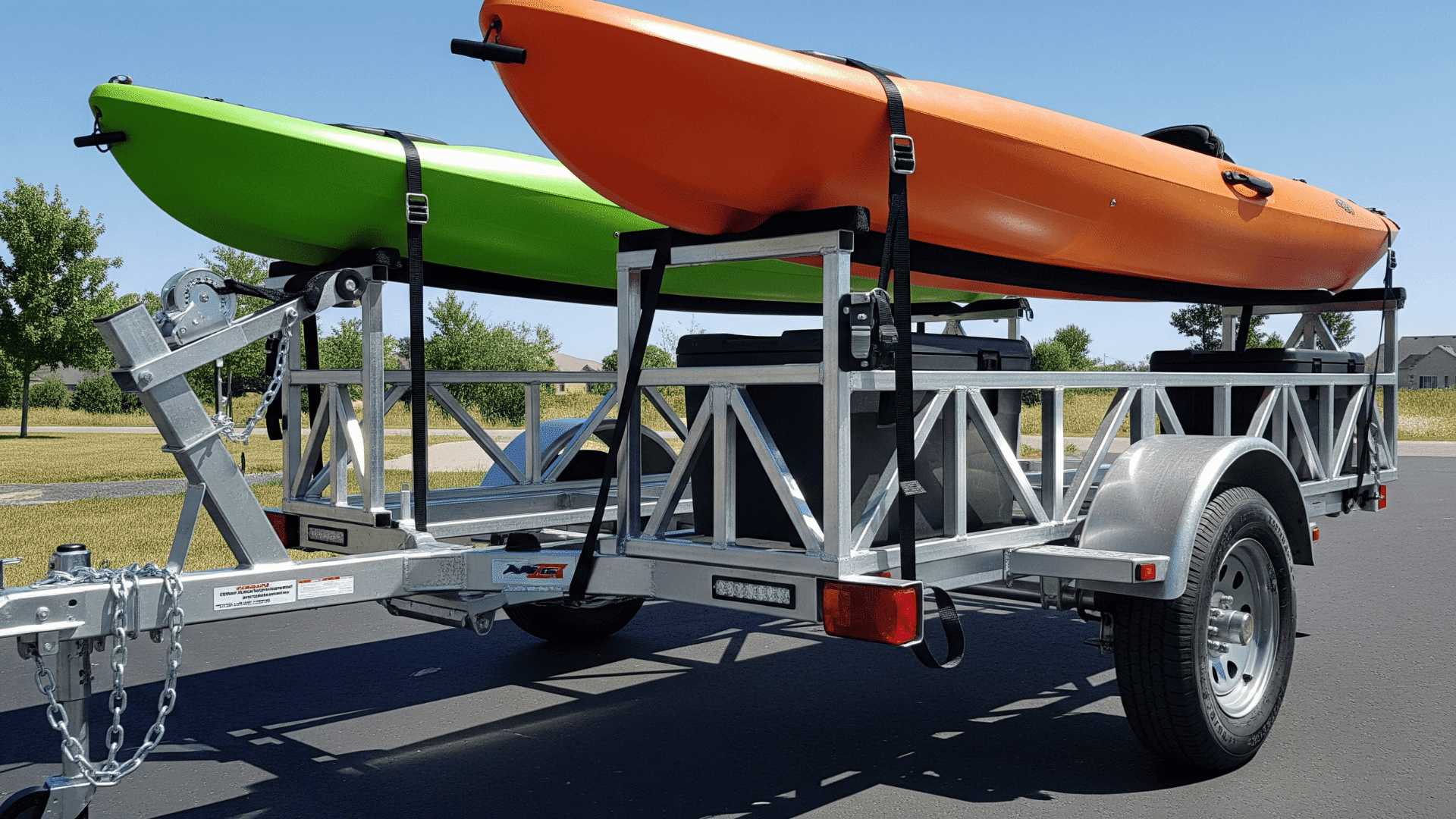
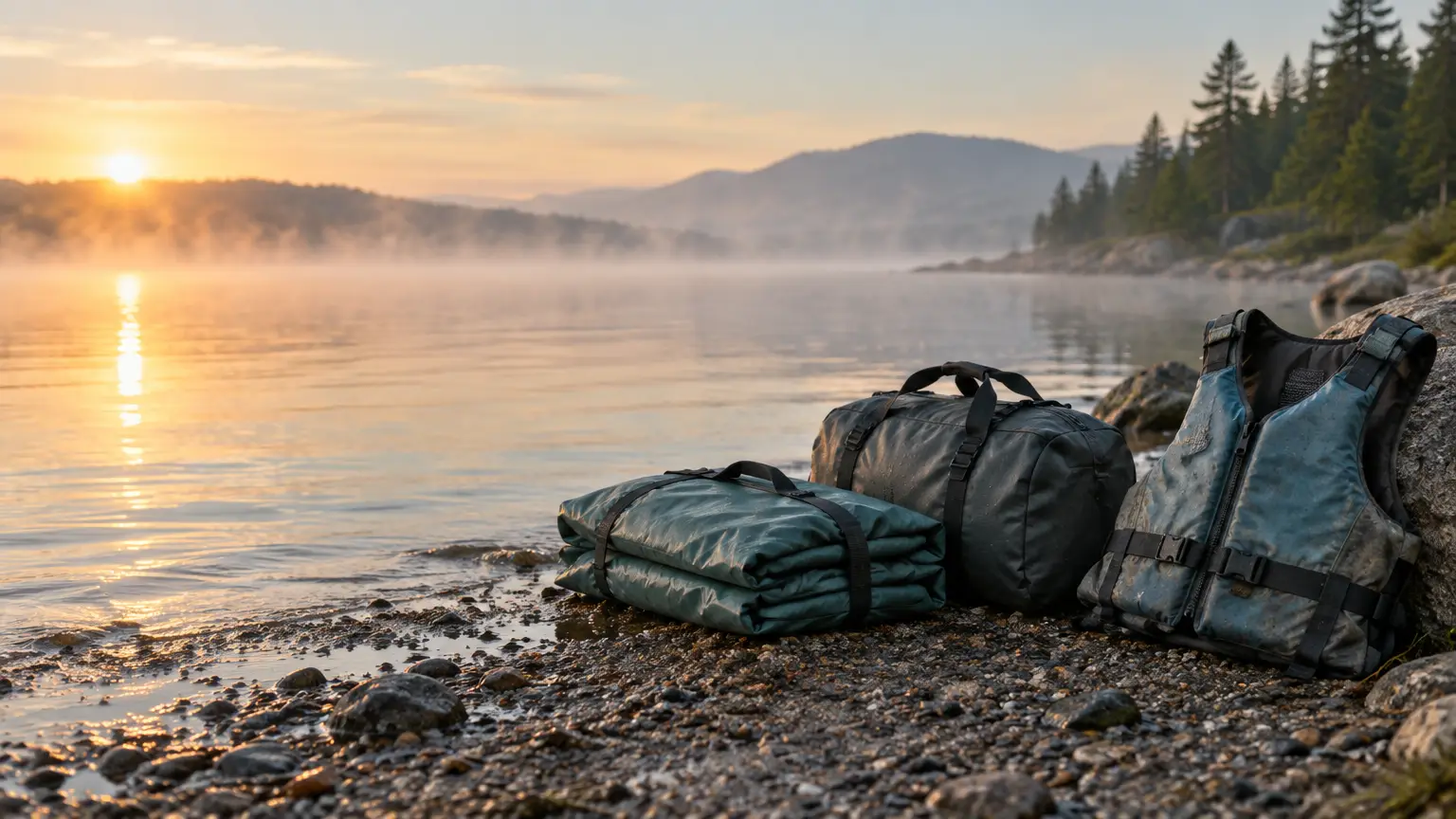
Boats are big. Paddles are long. Dry bags, PFDs and spray skirts take up room, and airlines charge for every extra pound and inch. A traveler who checks a paddle bag and a duffel of wet gear can pay more in baggage fees than in airfare on a short domestic route.
The Timing Problem
Water trips also run on nature’s calendar. River levels, tides and weather windows push many paddlers toward the same few weeks each year. Demand climbs, and so do flight and lodging prices. Flexibility is the cheapest tool you have, but it isn’t always available.
Once you know these two pressure points, the fixes become clearer. The first and biggest one is deciding what actually needs to come with you.
Decide What Travels and What Stays Home
Your gear choices shape the rest of the budget. Every item you leave at home is one less fee and one less hassle at the airport.
When Renting Wins
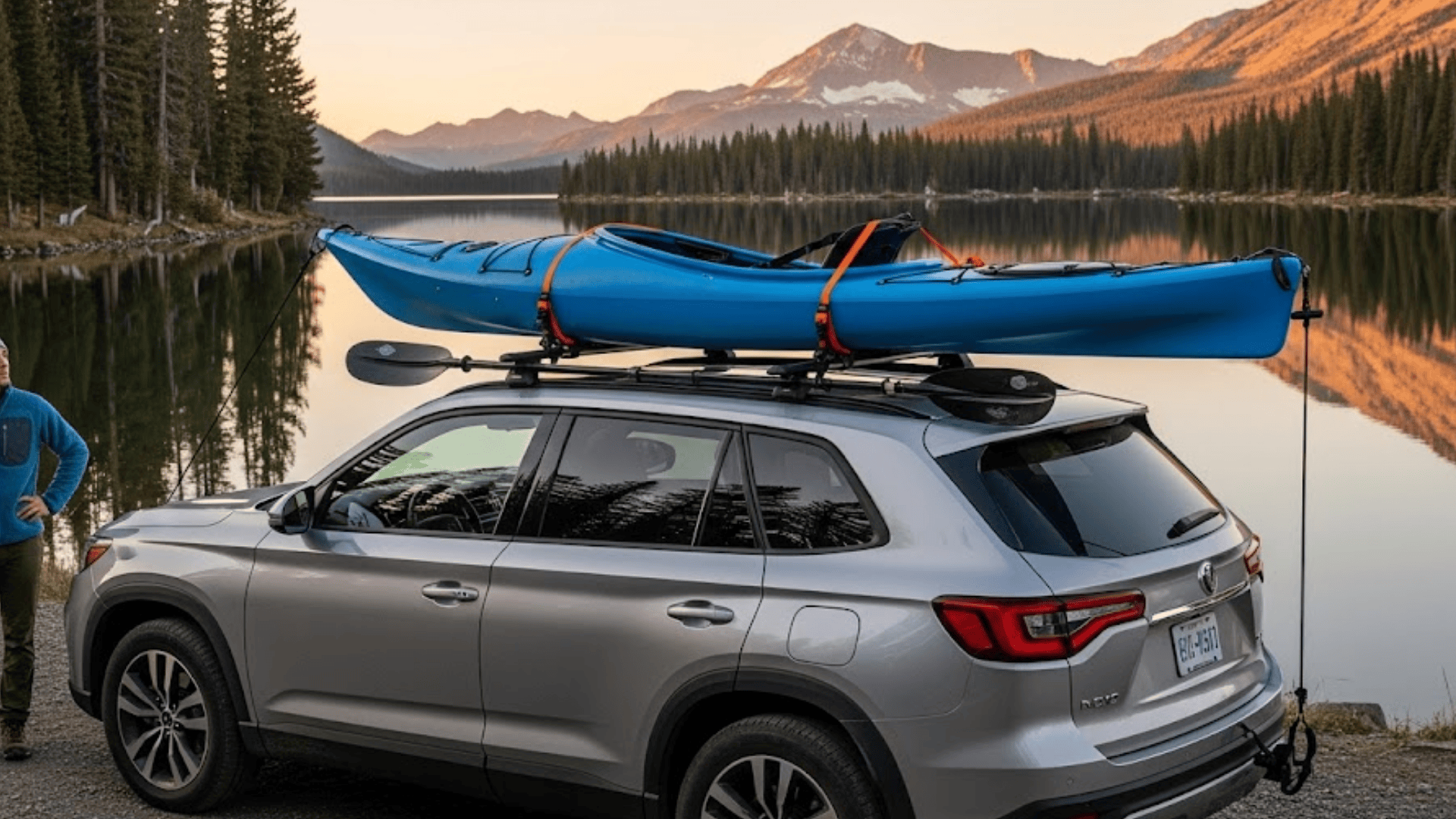
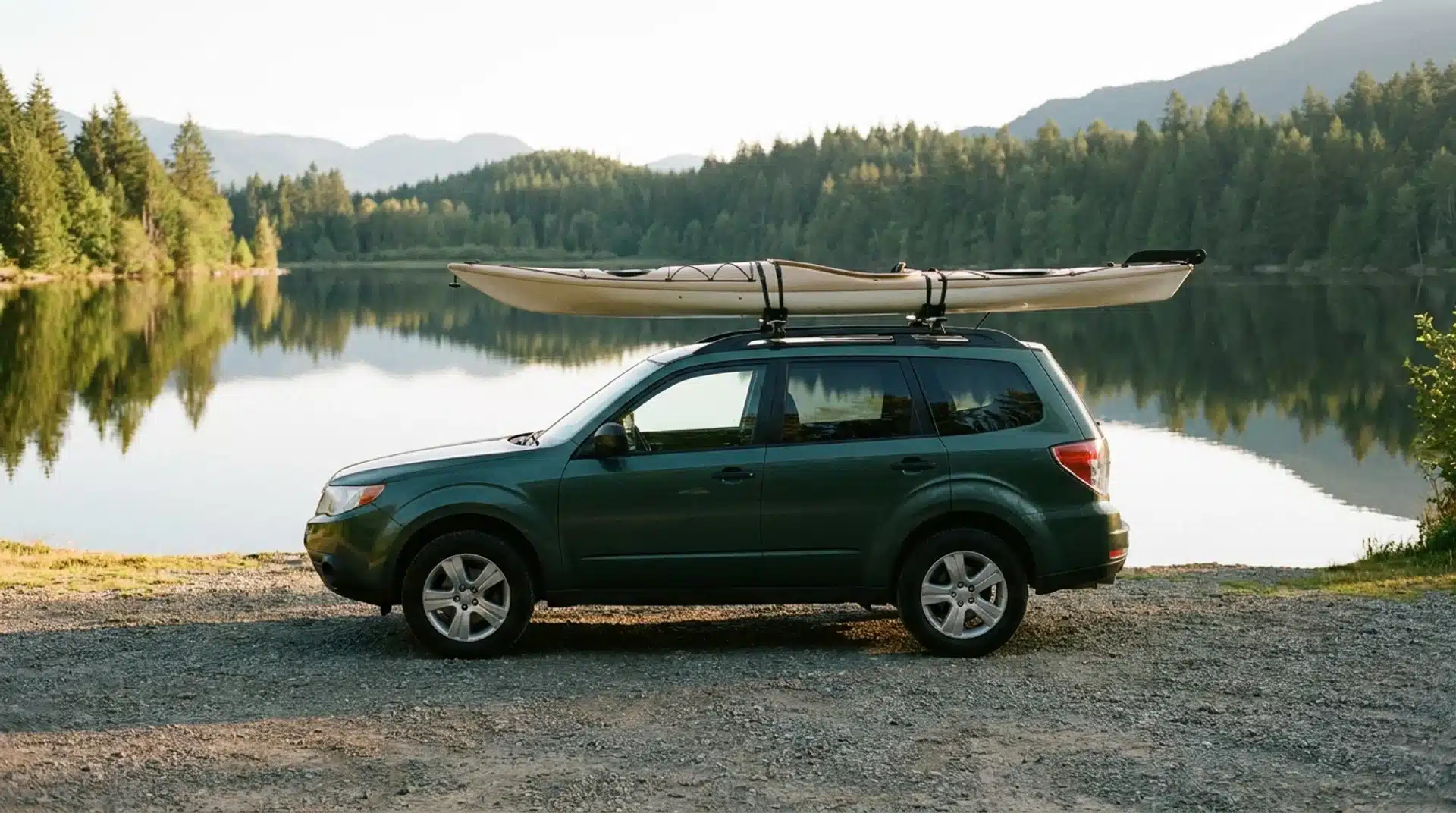
For most trips of a week or less, renting the boat is cheaper than flying with one. Outfitters near popular waters usually rent kayaks, canoes and paddleboards by the day, often with paddles and PFDs included. Call ahead and ask what’s in the package. Some outfitters also deliver to the launch site, which saves you a roof rack and a rental car upgrade.
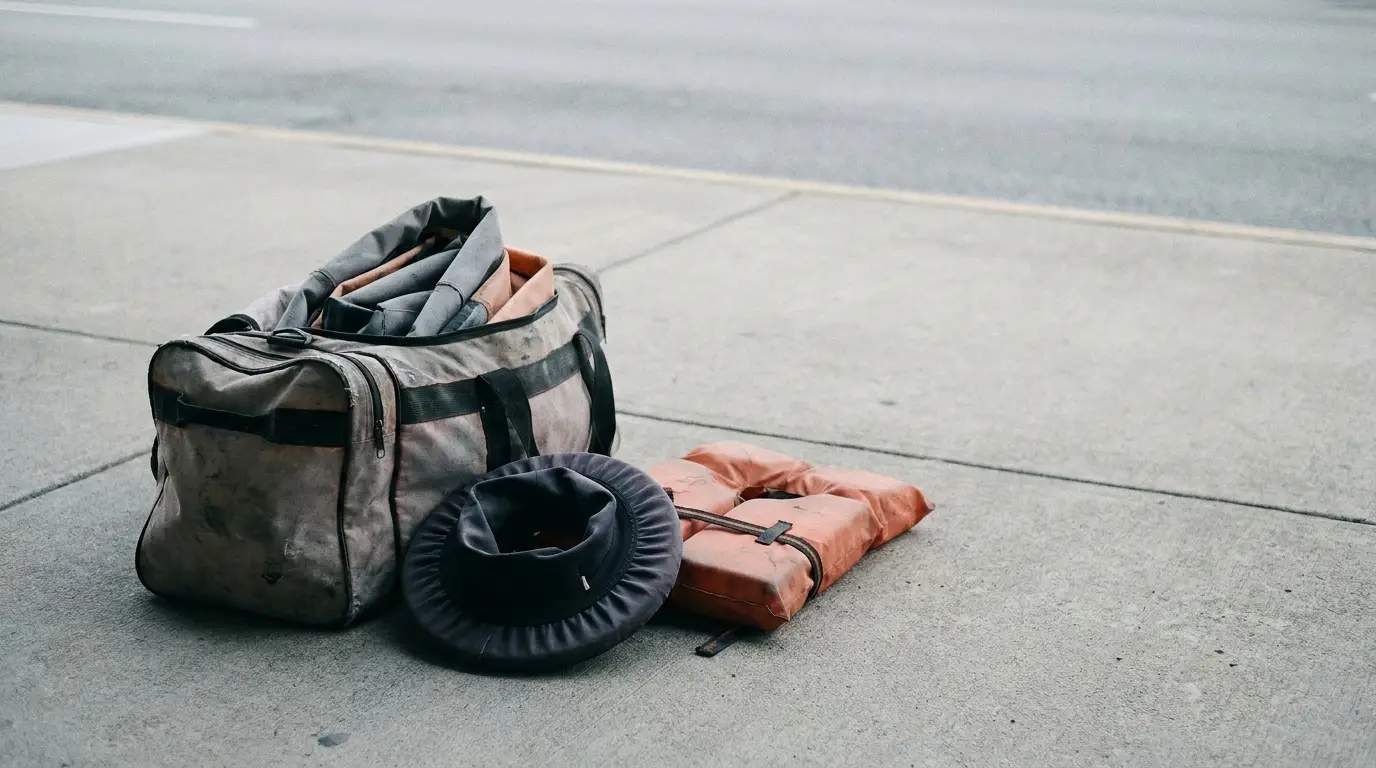
Personal items are a different story. A PFD that fits well, your own paddling gloves and a favorite dry bag are light and easy to pack. Bring those. Rent the bulky stuff.
When Bringing Your Own Boat Makes Sense
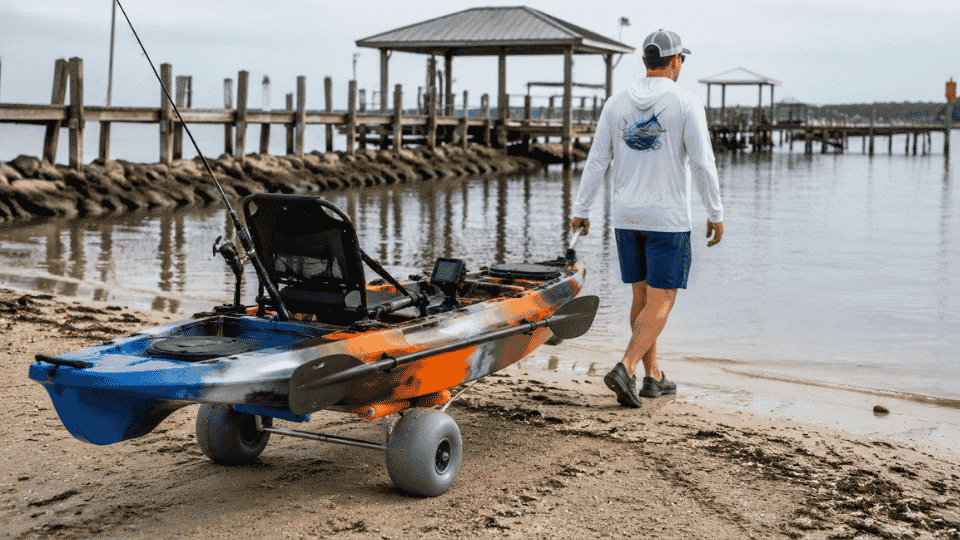
Folding and inflatable kayaks change the math. Many pack down into a bag that fits standard checked luggage limits, and they pay for themselves after a few trips. If you paddle remote waters where rentals are scarce, or you travel often, a packable boat is worth a close look.
Before you pack anything, check the TSA’s guide to what you can bring on a plane. Items like knives, CO2 cartridges for inflatable PFDs and bear spray have specific rules, and getting one wrong at the checkpoint can mean losing gear you’ll have to replace at full price.
With the gear question settled, the flight itself is the next place to save.
Book Flights With the Water in Mind
Paddlers often search for flights the same way everyone else does: cheapest fare to the nearest big city. That habit can cost money once the drive to the water is added in.
Pick Airports Near the Put-In
A slightly pricier ticket into a small regional airport can beat a cheap fare into a hub three hours away. Add up the full picture: rental car days, fuel, an extra hotel night and lost paddling time. The closer airport often wins.
Read the Baggage Rules Before You Buy
Fares that look identical can differ sharply once bags are counted. Some carriers treat paddles as sporting equipment with a flat fee. Others charge them as oversize. The U.S. Department of Transportation’s aviation consumer protection pages explain your rights on fee disclosure, delays and lost bags, which matters when a missing gear bag could ruin the trip.
Smart booking trims the base cost. The next step is paying for that booking in a way that gives something back.
How Banking Rewards Fit Into the Plan
Rewards programs won’t fund a whole trip on their own. Used with some care, though, they can quietly cover a flight, a rental or a night’s lodging.
How Rewards Programs Actually Work
Most banking rewards follow a simple idea. You earn value for doing things you’d do anyway, such as spending on a card, keeping money in an account or paying bills on time. That value builds up as points or cash back. Later, you redeem it for travel, statement credits or other perks.
The details vary. Some cards earn more on travel and dining. Some bank accounts offer bonuses for setting up direct deposit. Many members earn reward points through a mix of everyday banking activity, then turn them into credits that offset what a trip costs. The key is knowing what earns, what each point is worth and when it expires.
Turning Everyday Spending Into Trip Money
Start early. Points earned over six months of groceries and gas add up to more than anything you’ll earn in the week before departure. Put recurring bills on the account or card that earns the most, and pay the balance in full every month. Interest charges wipe out rewards quickly.
When it’s time to book, compare the cash price with the points price. Sometimes paying cash and saving points for later is the better deal. Sometimes points cover a pricey last-minute fare that cash would hurt to pay. Treat rewards as one tool in the budget, not a reason to spend more.
Rewards soften the cost of getting there. What’s left is the cost of being there.
Cut Costs on the Ground
Once you land, small choices around lodging and logistics decide whether the trip stays on budget.
Stay Close to the Water
Cabins, campgrounds and small inns near the launch often cost less than city hotels, and they cut daily driving. Many paddling areas have first-come campsites right on the shore. Waking up next to the water also means earlier launches and calmer conditions.
Share the Logistics
River trips usually need a shuttle from the take-out back to the car. Splitting that fee with a group makes a real difference. Local paddling clubs are a good source of shared shuttles, trip partners and advice on cheap launch spots. The American Canoe Association lists affiliated clubs and paddling events, and many clubs welcome visitors for a day trip.
Groups can also share rental gear, cooking supplies and fuel. Four people splitting one rental car and one campsite pay a fraction of what a solo traveler does.
Plan Meals Like a Paddler
Restaurant meals in tourist towns near the water are often marked up. A cooler, a camp stove and a grocery run on day one can save a surprising amount over a week, and lunch tastes better on a sandbar anyway.
Conclusion
A fly-and-paddle trip doesn’t have to strain your budget. The biggest costs come from gear, timing, flights and on-the-ground logistics, and each one responds well to early planning. Deciding what to bring, booking with the full trip in mind, letting rewards offset part of the bill and keeping daily spending close to the water all work together. The result is more of your money going toward what you came for: time spent on the water.