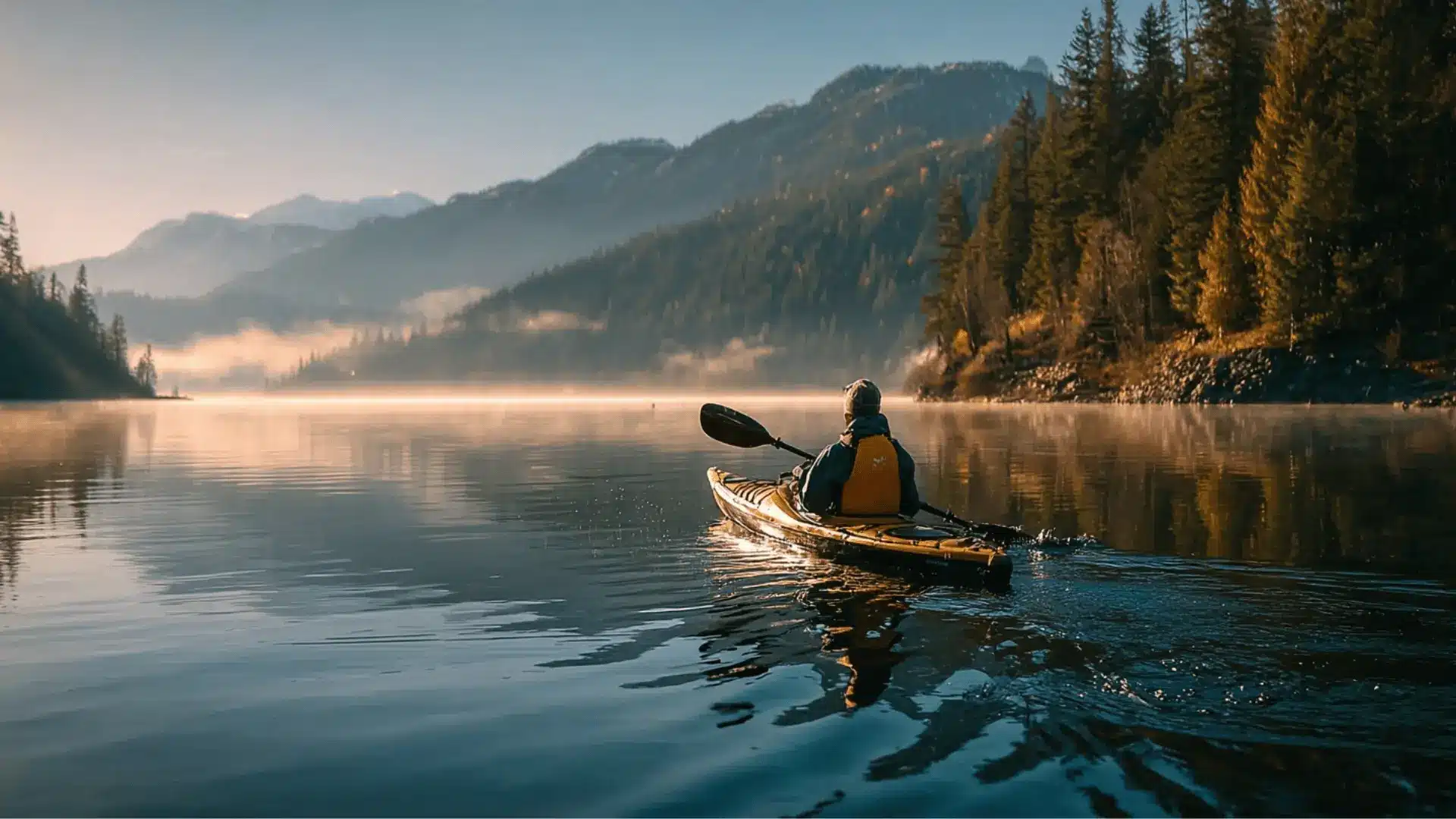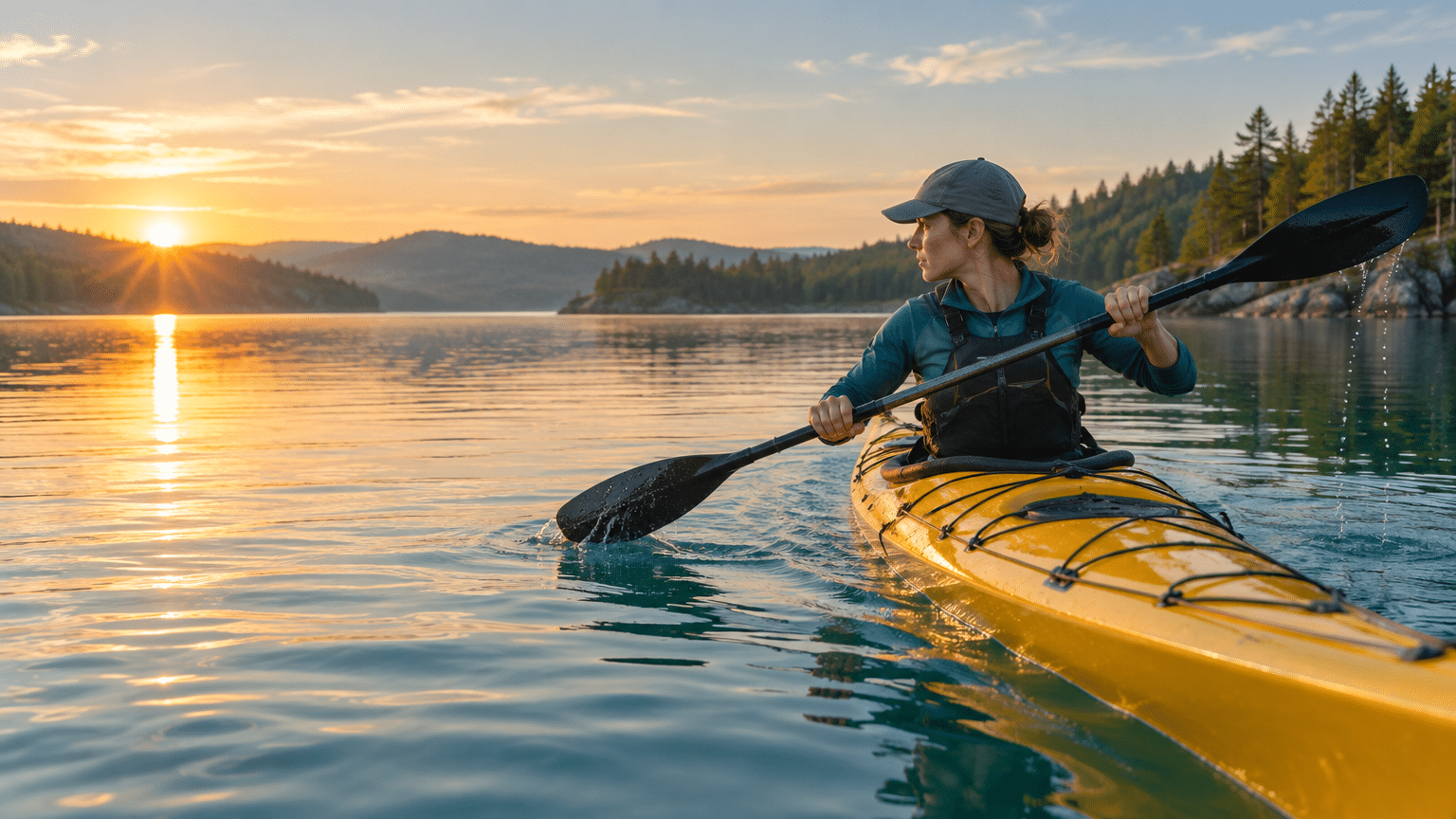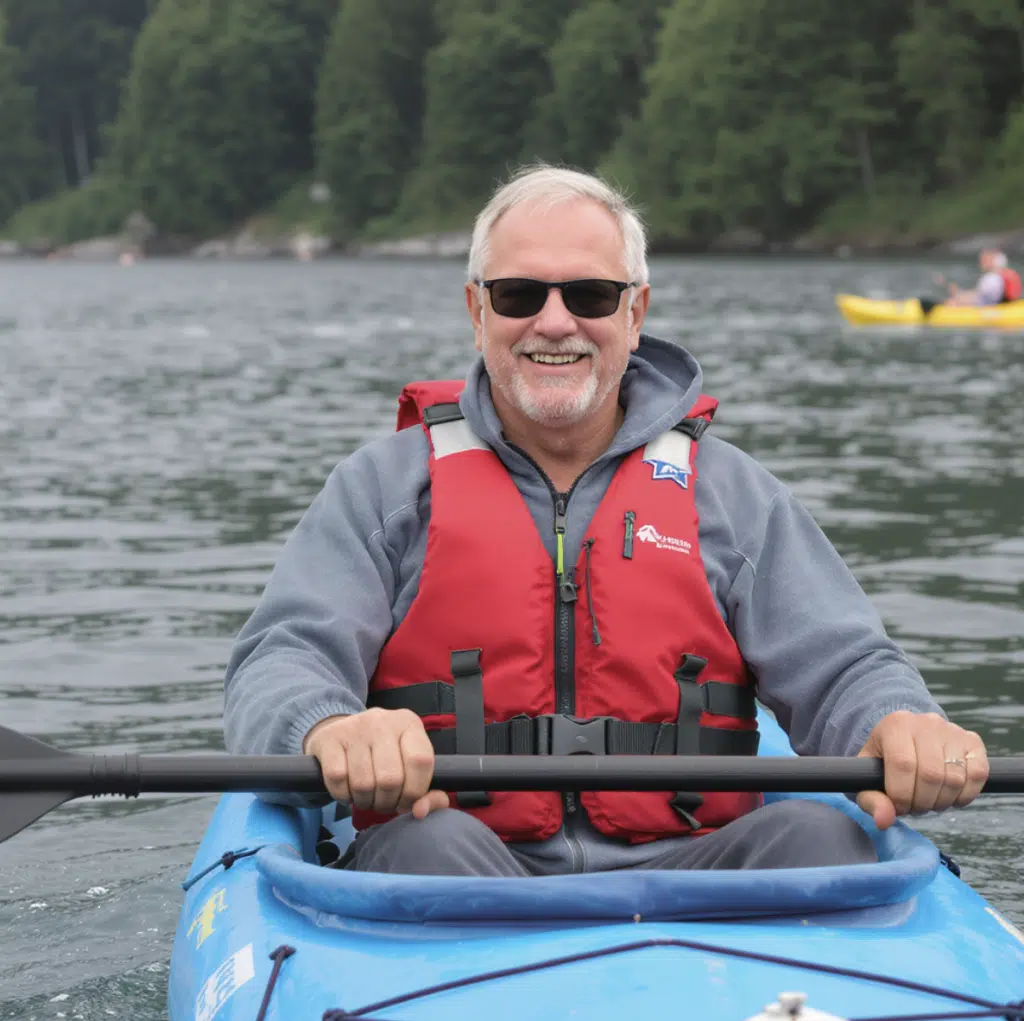

Alaska is one of those places where the way you travel can completely change the trip. From the water, the same coastline can mean busy port days, ranger-led glacier viewing, quiet anchorages or mornings spent kayaking beneath forested cliffs.
The question, then, is not whether Alaska is worth seeing by sea. It is which kind of vessel best matches the experience you want.
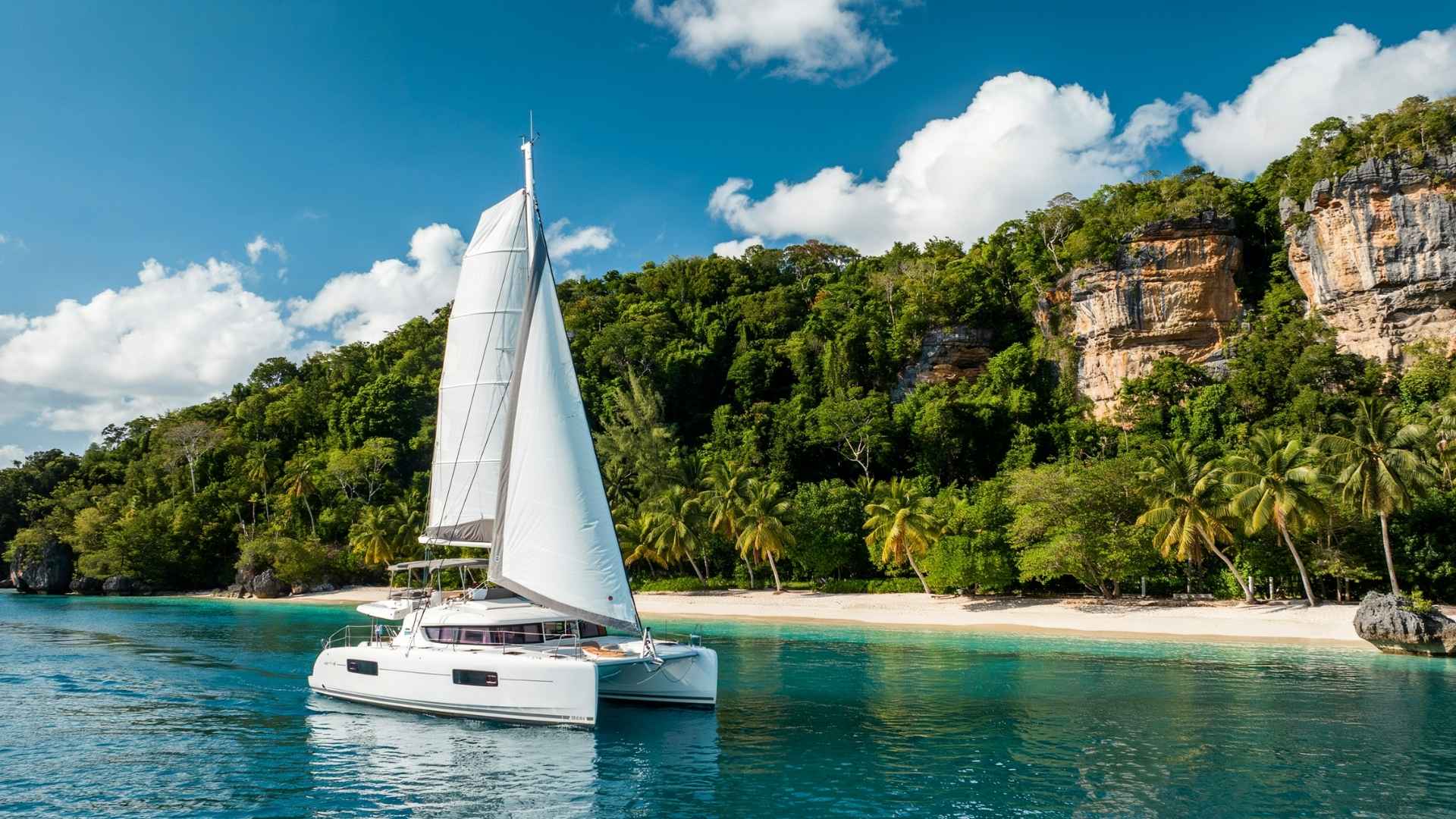
Large cruise ships remain the easiest way to cover Alaska’s best-known Inside Passage highlights, while private yachts put more emphasis on flexibility and access. Small expedition ships occupy useful territory somewhere in between.
Alaska’s official tourism organization describes the Inside Passage as the state’s most popular cruise route, with typical large-ship calls including Ketchikan, Juneau, Skagway and Sitka.
1. Start with what you actually want from Alaska
Before comparing cabins, dining rooms or ship amenities, think about what you want to do when land, ice or wildlife comes into view.
If Alaska means visiting several famous towns, taking organized excursions and returning each evening to a familiar routine, a conventional cruise is difficult to beat. If your ideal day begins with a question such as, “Where are conditions best this morning?”, a smaller vessel may be more appealing.
The difference is largely one of structure. A cruise ship works around a published itinerary and scheduled port calls. A private yacht can build more time around weather, tides, wildlife activity and the interests of a small group, although regulations and permits still set important boundaries.
2. Choose a private yacht for access, time and flexibility
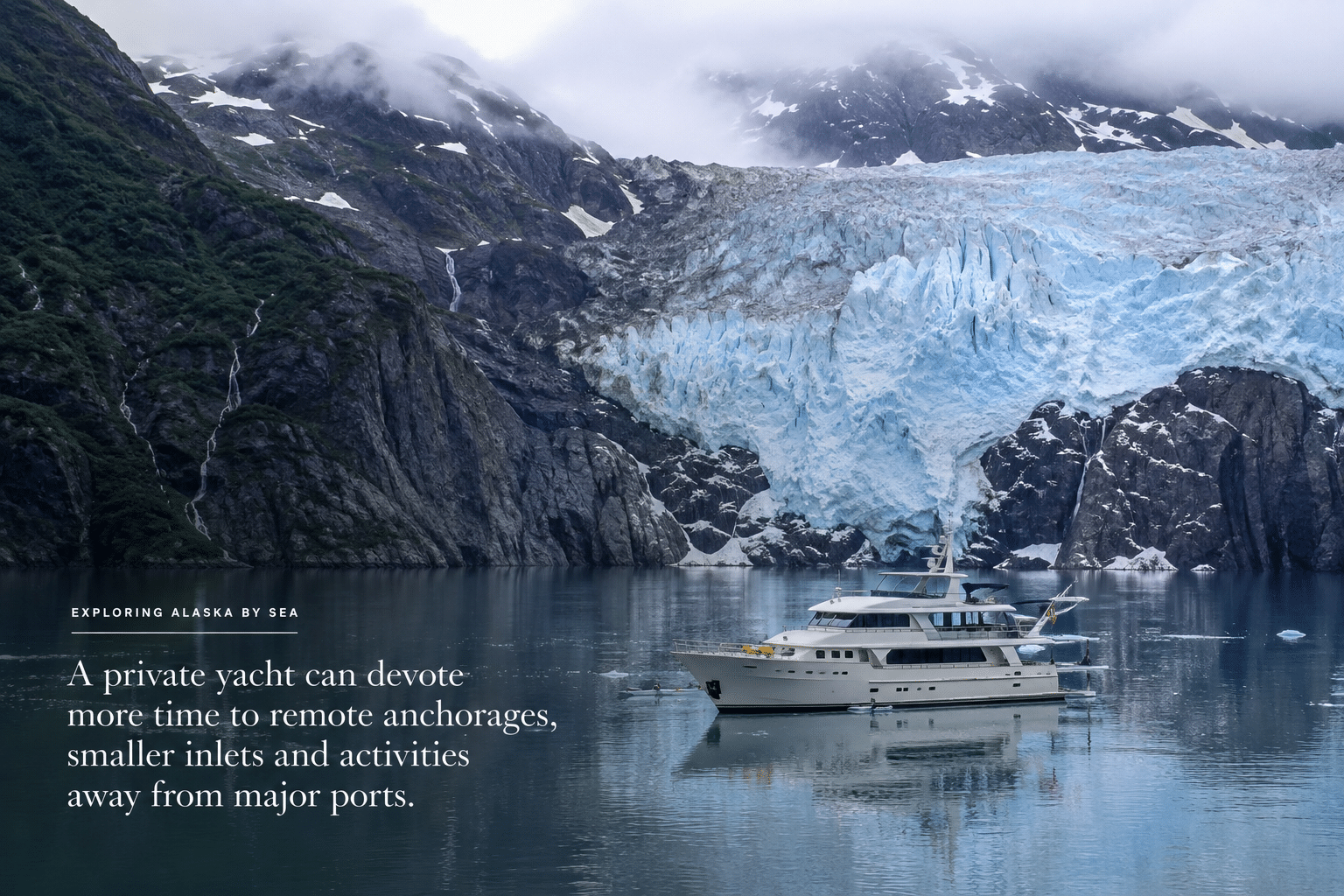
A private yacht changes the rhythm.
Instead of asking what excursion fits into a six-hour port call, the day can be built around what is happening outside. A promising wildlife sighting may justify staying longer.
Calm conditions may make kayaking attractive. Another anchorage may prove better suited to a hike or Zodiac exploration.
This style works particularly well in Southeast Alaska, where a maze of islands, channels and fjords extends well beyond the large-ship ports. Travel Alaska notes that communities including Petersburg and Wrangell are more commonly visited by smaller ships, while other remote communities rely on water taxis, air taxis and ferries.
Remote travel, however, depends on more than having a smaller vessel. Permitting, navigation, weather judgment, communications and local knowledge all influence what is possible.
The same expedition discipline required for expeditions to the South Pole applies in a different form along Alaska’s coast, where plans may need to respond to wildlife protections, park rules and changing conditions.
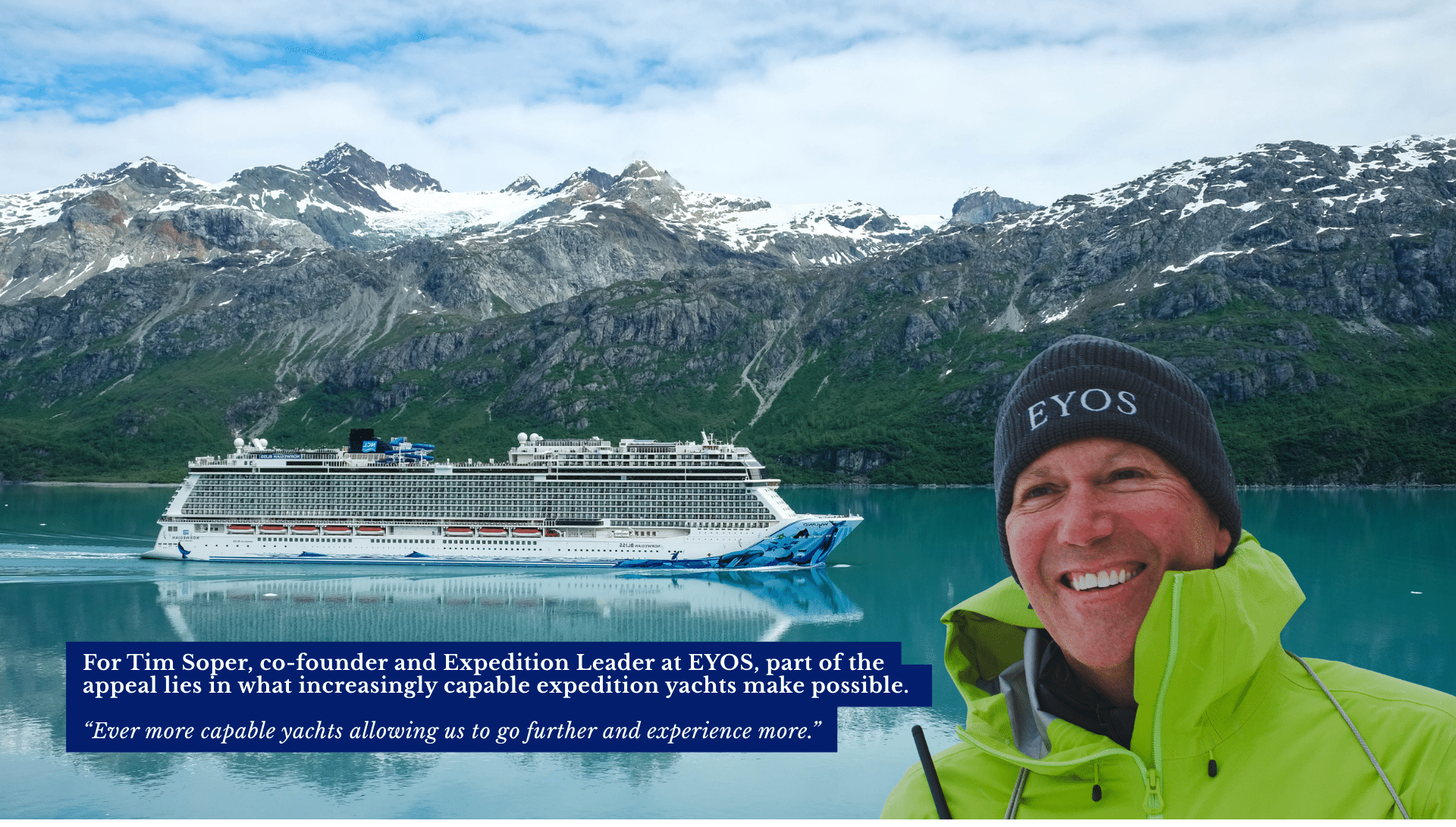
Polar expedition specialist EYOS Expeditions has built its reputation around complex, private journeys to some of the world’s most remote regions, from Antarctica and the Arctic to Southeast Alaska. Its work combines expedition planning, specialist guiding, vessel operations and access logistics, with an emphasis on adapting each journey to local conditions rather than relying on a rigid itinerary.
EYOS describes its approach this way: “Our claim to this expertise is grounded in hard-won experience, through decades of expeditions to the world’s wildest places, where knowledge, self-sufficiency and safety standards are the only assurances.”
In Alaska, the practical expression of that philosophy is less about luxury for its own sake and more about knowing which options remain available when circumstances change.
3. Choose a cruise ship for simplicity and a broad introduction
For a first visit, a large cruise ship offers a remarkably efficient introduction. You unpack once and can see several communities in a week without arranging separate hotels, transfers or transportation between remote coastal towns.
Most Inside Passage itineraries concentrate on established ports such as Ketchikan, Juneau and Skagway. Excursions can range from whale watching and kayaking to cultural experiences, hiking, fishing and glacier trips.
Many Alaska sailings also begin or end in the Pacific Northwest. Building in time to spend an extra day in Seattle can turn embarkation into part of the trip rather than a hurried transfer between airport and ship.
The trade-off is time. Port calls operate on a schedule, and popular attractions can become busy when several ships arrive at once. It helps to think carefully about how you make the most of shore excursions, especially if hiking, wildlife or photography matter more to you than checking off every available activity.
Glacier Bay demonstrates the strengths of this format well. Cruise ships in Glacier Bay do not dock inside the national park, but they typically spend nine to ten hours cruising its waters, with park rangers boarding vessels to provide interpretation.
Travelers who want to get more from limited time in port can also plan ahead around their priorities, whether that means wildlife, hiking or learning how to make the most of shore excursions without trying to fit everything into a single day.
4. Understand what flexibility really means
Private does not mean unrestricted.
Glacier Bay is carefully managed. During the summer permit season, vessel entry is controlled, commercial operators require National Park Service authorization, and operating rules may change in response to wildlife activity. In 2026, the park has also issued seasonal whale-water speed restrictions to protect feeding humpbacks.
For travelers, this makes an experienced expedition team more important, not less. Flexibility is valuable when someone understands the parameters within which a route can be changed safely and responsibly.
Weather deserves similar respect. Southeast Alaska is wet even in summer, and conditions can change quickly. A good itinerary should therefore contain alternatives rather than treating every planned landing or activity as guaranteed.
5. Consider a small expedition ship for the middle ground
There is also a third option.
Small expedition ships generally carry far fewer passengers than conventional cruise ships and often put kayaking, Zodiac outings, hiking and wildlife observation at the center of the itinerary. They can reach ports and waterways that are impractical for the largest vessels, while retaining the social atmosphere and shared costs of a scheduled departure.
For travelers who want more immersion but do not need an entirely private vessel, this can be the most balanced choice.
Cruise ship, small ship or private yacht?
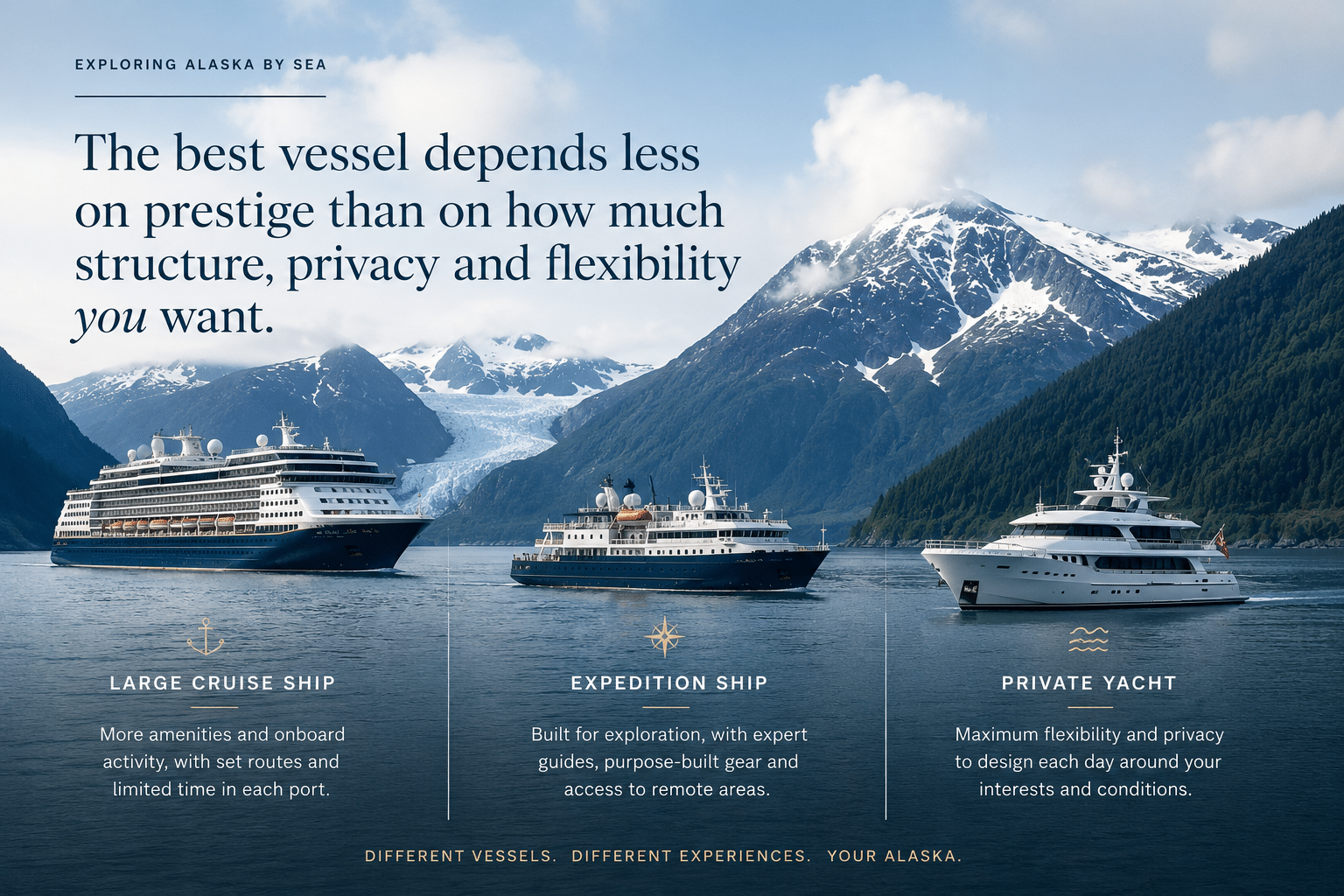
- An easy first trip to Alaska: Large cruise ship
- Several famous ports in one itinerary: Large cruise ship
- Active exploration with a smaller group: Small expedition ship
- Privacy and personalized daily plans: Private yacht
- Remote anchorages and adaptable routing: Private yacht
- A social expedition atmosphere: Small expedition ship
- Extensive onboard entertainment: Large cruise ship
So, which way should you explore Alaska?
There is no single best way to cruise Alaska.
A large ship makes sense for travelers who value convenience, recognizable ports and plenty of onboard choice. A small expedition ship suits those who want a more active trip without giving up a scheduled itinerary.
A private yacht is strongest when privacy, time and the ability to respond to conditions are the real priorities.
Alaska rewards all three approaches. The important question is how close you want to get to the landscape, how much structure you enjoy and how willing you are to let conditions help shape the day.