
For children, water can be a source of fun, adventure, and discovery. Whether they are learning to swim in a pool, spending time at the beach, or trying paddleboarding for the first time, being around water can help build physical coordination and independence. However, confidence around water does not come from swimming ability alone.
True water confidence develops when children learn how to control their bodies, manage their breathing, understand their surroundings, and respond calmly to unfamiliar situations. These skills can make swimming more enjoyable while also helping children become more aware of their own abilities and limitations.
The journey from pool swimming to activities such as kayaking or paddleboarding should therefore be gradual. Each new skill gives children a stronger foundation for feeling comfortable and capable around water.
Why Water Confidence Matters for Kids
A child who feels confident in the water is generally more willing to participate in activities and practice new skills. Confidence can also help children remain calmer when something unexpected happens, such as losing their balance or moving into deeper water.
However, confidence should not mean that children believe they are completely safe in every aquatic environment. A child who can swim confidently in a pool may still need guidance around oceans, lakes, rivers, or boats.
Water environments can change quickly. Depth, currents, waves, weather, visibility, and surrounding activity can all affect how a child experiences the water.
This is why swimming education should combine physical skills with awareness and good decision-making.
Start With Comfort in the Water
Before children can become confident swimmers, they need to feel comfortable in the water.
For some children, getting their face wet or moving away from the pool wall can initially feel uncomfortable. Pushing them too quickly can make them nervous and reluctant to participate.
Instead, children can gradually become familiar with the water through simple activities. Splashing, blowing bubbles, walking through shallow water, floating with support, and practicing gentle kicking can all help.
As children become more comfortable, they can begin experimenting with independent movement.
The objective is not to make children fearless. A healthy level of caution is important. Children should learn that water can be enjoyable while also understanding that it needs to be treated with respect.
Floating Is an Important Foundation
Floating is one of the most useful skills a child can develop during early swimming education.
When children learn to float on their back, they begin to understand how their bodies behave in the water. They also learn that staying calm and maintaining body position can help them remain at the surface.
Floating practice can begin with an instructor or parent providing support. Over time, children can work toward maintaining their position independently.
This skill can also help children become more relaxed. Instead of immediately trying to swim when they become tired, they can understand how to pause, regain control, and prepare for their next movement.
Develop Better Breathing Control
Breathing and swimming need to work together.
Young swimmers often need time to understand how to breathe while moving. Simple exercises, such as blowing bubbles underwater and practicing controlled breathing, can help children become more comfortable.
As their skills develop, they can learn to coordinate breathing with strokes and body movement.
Good breathing habits can make swimming feel less tiring and help children maintain a steady rhythm. More importantly, becoming comfortable with breathing around water can reduce the tendency to panic when water reaches the face.
The emphasis should always be on controlled, comfortable breathing rather than encouraging children to hold their breath for unnecessarily long periods.
Learn to Change Direction
Swimming confidently means being able to control where the body moves.
Children should gradually learn to move forward, turn around, swim on their front and back, and change direction when necessary. These abilities can become particularly useful if they ever need to move toward the side of a pool or another safe exit.
Changing direction also develops spatial awareness. Children begin to understand where they are in relation to the pool edge, other swimmers, and their destination.
These skills become even more valuable when children eventually participate in activities outside the swimming pool.
Build Balance and Coordination
Water-based activities are excellent opportunities for developing balance and coordination.
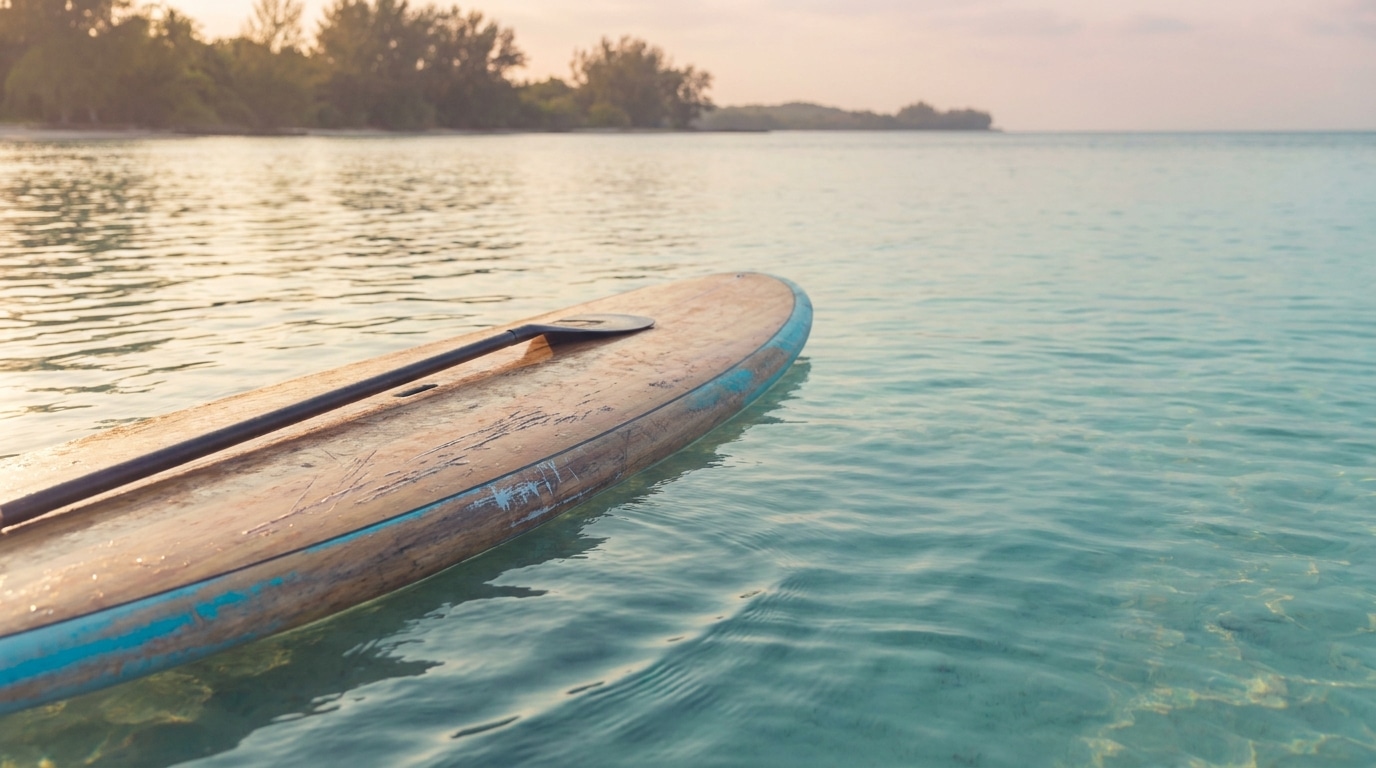
Swimming requires children to coordinate their arms, legs, breathing, and body position. Paddleboarding introduces an additional challenge because children must maintain their balance while controlling a paddle and responding to movement beneath them.
Developing coordination through swimming can provide a useful foundation for other aquatic activities.
Games and simple exercises can make this learning process enjoyable. Kicking drills, floating exercises, reaching activities, and controlled turns can all encourage children to improve body awareness without making every lesson feel like a formal training session.
Choosing the Right Swimming Lessons
Structured instruction can help children develop aquatic skills in a logical sequence.
When parents are considering programs such as Nemo swim school lessons, they should look for instruction that matches their child’s age, experience, confidence level, and physical development.
A good swimming program should not focus only on teaching strokes. It should also give children opportunities to develop water comfort, body control, floating, breathing, movement, and safe entry and exit techniques.
Class size can also make a difference. Younger or nervous swimmers may benefit from an environment where instructors can provide individual attention and encouragement.
Parents can ask about instructor qualifications, lesson structure, progression levels, supervision, and how the program handles children who are hesitant or inexperienced in the water.
Understand the Difference Between Pool and Open Water
One of the biggest steps in developing water confidence is helping children understand that not all water is the same.
A swimming pool usually provides a controlled environment with clear boundaries and relatively predictable conditions. Natural environments can be very different.
Lakes, rivers, and oceans may have currents, waves, changing depths, rocks, boats, and other hazards. Even children who are strong pool swimmers may need additional guidance before participating in activities in open water.
Parents can help by explaining these differences in simple language. Children should understand that swimming skills are valuable, but they still need to follow safety rules and listen to responsible adults.
The American Red Cross also provides practical guidance on children’s swimming skills and water safety that parents can use when teaching children about safer behavior around water.
Introduce Paddle Activities Gradually
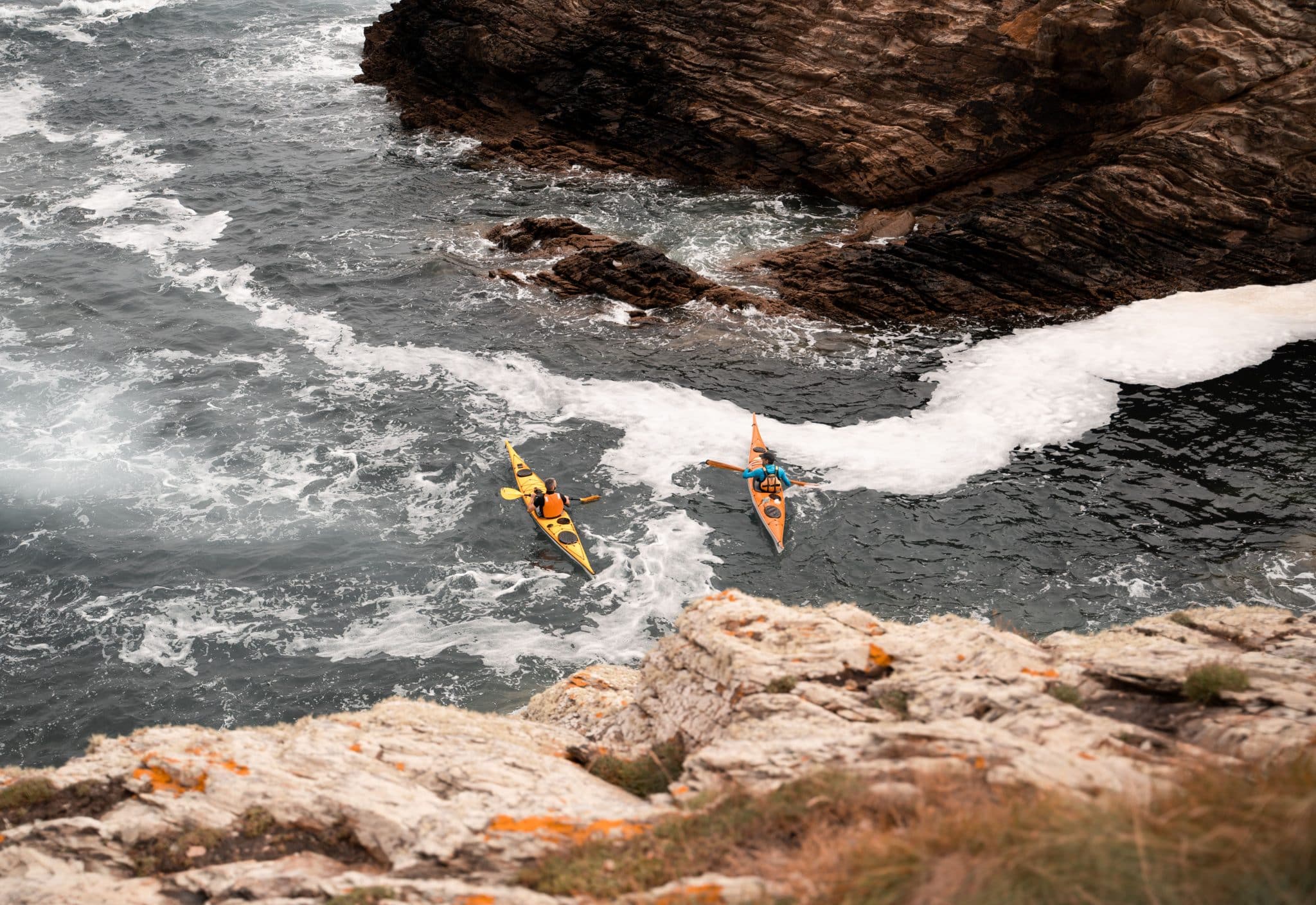
Once children have developed basic swimming and water-awareness skills, they may want to try paddleboarding, kayaking, canoeing, or similar activities.
These activities can provide a new challenge while helping children develop balance, concentration, coordination, and independence.
However, children should not move directly from swimming lessons to challenging open-water activities. Beginners should start in calm and controlled conditions with appropriate adult supervision.
Before getting onto a paddleboard or into a kayak, children should become familiar with the equipment and understand what to do if they lose their balance or fall into the water.
Wearing suitable safety equipment is also essential. A properly fitted life jacket should be used whenever appropriate for the activity and environment.
The aim is to make the transition enjoyable rather than overwhelming.
Teach Children What to Do When They Get Tired
One of the most valuable lessons children can learn is that they do not have to keep swimming when they are tired.
Children may sometimes feel pressure to keep going during games or when swimming with friends. Teaching them to recognize fatigue can help them make better decisions.
They should know where they can rest and how to reach a safe area.
Learning to float, turn toward an exit, and ask for help can give children practical options when they feel uncomfortable or exhausted.
Parents can reinforce these lessons outside formal swimming sessions by discussing simple scenarios with their children.
For example, asking, “What would you do if you became tired while swimming?” encourages children to think about their response before they encounter a real situation.
Parents Should Build Their Own Water-Safety Knowledge
Children are not the only ones who need preparation.
Parents, grandparents, babysitters, coaches, and other caregivers may all be responsible for children around water at different times. Adults should understand the importance of active supervision and know what steps to take if an emergency occurs.
First-aid knowledge can also be valuable. Adults who pursue CPR certifications can develop practical skills that may help them respond appropriately during certain medical emergencies while waiting for professional assistance.
This type of preparation should complement, rather than replace, active supervision and other safety measures.
Turn Water Skills Into Everyday Confidence
Water confidence develops through repetition.
A child may initially need support to float, hesitate before putting their face underwater, or feel nervous about moving away from the pool edge. With patient instruction and regular practice, these challenges can gradually become manageable.
The same principle applies when introducing new aquatic activities.
Children who learn to swim, balance, control their breathing, recognize their surroundings, and make sensible decisions can approach new experiences with greater confidence.
Swimming can therefore become more than a recreational activity. It can help children develop coordination, patience, concentration, and a stronger understanding of what their bodies can do.
From Pool Skills to Lifelong Water Awareness
The journey from pool to paddle is not simply about teaching children more ways to move through water. It is about developing a combination of physical ability, awareness, judgment, and confidence.
Starting with basic water comfort and gradually introducing floating, breathing, swimming, balance, and directional control creates a strong foundation. From there, children can explore suitable activities such as paddleboarding and kayaking under appropriate supervision.
Most importantly, children should learn that confidence and caution can exist together.
A confident child understands their abilities, recognizes their limitations, listens to safety instructions, and knows when to ask for help. These habits can help children enjoy water-based activities while developing skills that can stay with them for years to come.
With the right instruction, consistent practice, and supportive adults around them, children can move from simply being comfortable in a swimming pool to becoming more capable, aware, and confident around a wide range of water environments.