
When I went to buy my first wakeboard, I had no idea what I was looking at.
The shop wall had boards marked 132, 138, and 144, and it was hard to understand what those numbers actually meant or which one would work for me.
The size matters for any wakeboard; if it’s too small, it can feel unstable and unforgiving, while the other big one can feel slow and difficult to control.
The right choice starts with your weight, but how long you’ve been riding and what you’re trying to do out there also affects the number.
Why Wakeboard Size Matters

Get the size right, and a wakeboard works. You pop up without a fight, the edge holds when you lean into a turn, and jumps land soft instead of jamming your knees.
I’ve watched smaller riders grab a board way too big for them, figuring bigger means safer. Wrong move, since it rides high, catches too much water for their weight to control, and gets squirrelly once you pick up speed.
Go too small, and you get the flip side: the board sits low, drags, and every turn feels like work.
Beginners feel this the most, since they haven’t built the technique yet to fight a board that’s working against them.
Weight Matters More Than Height
Before you even look at a chart, it helps to know what the number is actually based on. Wakeboard length is built around how much flotation and support a rider needs, and that comes down to weight far more than height.
A taller rider and a shorter rider at the same weight will usually ride the exact same length just fine. Height mostly shifts your stance width and how the board feels underfoot, not which size you should buy.
Height matters a little when you’re sitting right between two sizes. A taller rider caught between two lengths often prefers sizing up for a more planted, stable feel, while a shorter rider in that same gap might size down for easier control.
The Wakeboard Size Chart
Here’s a simple starting point based on rider weight and wakeboard length:
| Rider Weight (lbs) | Rider Weight (kg) | Wakeboard Length (cm) |
|---|---|---|
| Under 100 | Under 45 | Under 130 |
| 90 – 150 | 41 – 68 | 130 – 134 |
| 130 – 180 | 59 – 82 | 135 – 139 |
| 170 – 250 | 77 – 113 | 140 – 144 |
| 200 – 275+ | 91 – 125+ | Over 144 |
- Heavier riders need longer boards for better flotation and stability, while lighter riders do better on shorter boards that stay easy to control and quick to maneuver on the water.
- Notice how the weight ranges overlap quite a bit? That’s on purpose. It gives you room to size up or down based on your riding style, not just your bathroom scale reading.
Note: Think of this chart as a starting point rather than a fixed rule. Wakeboard sizing can vary slightly between brands, so checking the manufacturer’s recommendations is also helpful. You can use the Liquid Force wakeboard size charts to compare recommended sizes before choosing your board.
Choosing the Right Wakeboard Length Based on Your Riding Style
What size wakeboard do I need? There isn’t one universal answer, because weight only gets you halfway there. The other half comes down to how you actually want to spend your time behind the boat.
Bigger boards lean into stability. They’re forgiving, easier to control, and make learning less frustrating.
Smaller boards lean into response. They turn faster, spin easier, and reward riders with solid balance and edge control.
Neither one is better. They’re built for different goals, and figuring out which goal is yours makes the rest of this decision a lot easier. If you’re still deciding between towed sports, it also helps to know how parasailing rides differ from wakeboarding before you commit to gear.
Reasons to Choose a Longer Wakeboard
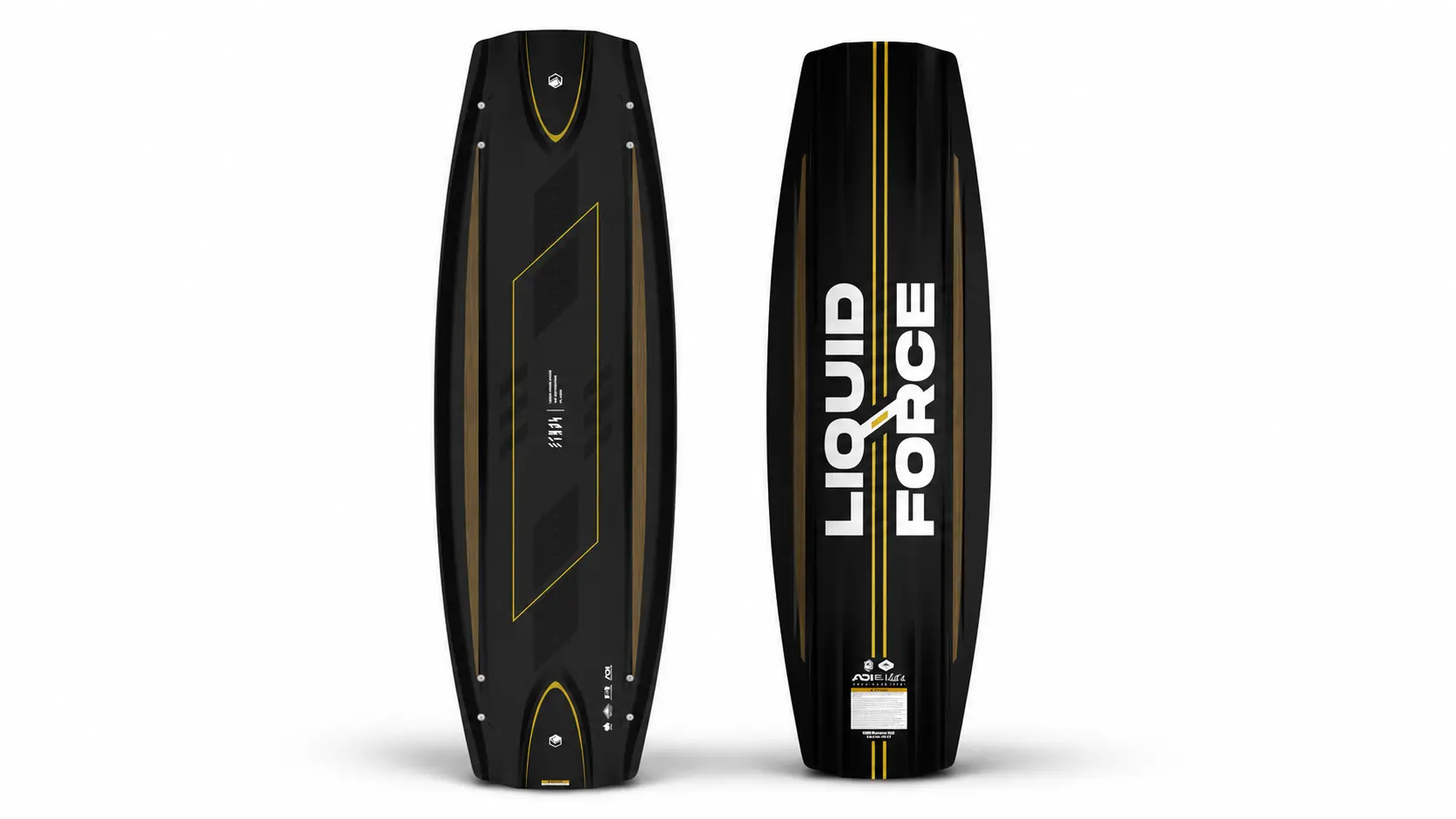
I have noticed that most riders who struggle early on are riding boards that are too short for their comfort level, not too long. A longer board gives you a bigger platform, and that extra surface area does a lot of the balancing work for you.
A longer wakeboard offers extra stability and control, making it a good choice for riders who want a more comfortable, predictable feel on the water.
| Benefits of a longer wakeboard | Best suited for |
|---|---|
| More surface area on the water | Beginners who need extra stability |
| Better balance for beginners | Riders still building confidence and control |
| Easier deep water starts | Riders learning basic wakeboarding skills |
| Keeps heavier riders higher in the water | Heavier riders looking for better support |
| More control at slower boat speeds | Riders who prefer a stable and predictable ride |
A longer wakeboard can provide a more stable ride, making it easier to build confidence and improve basic riding skills.
Reasons to Choose a Shorter Wakeboard
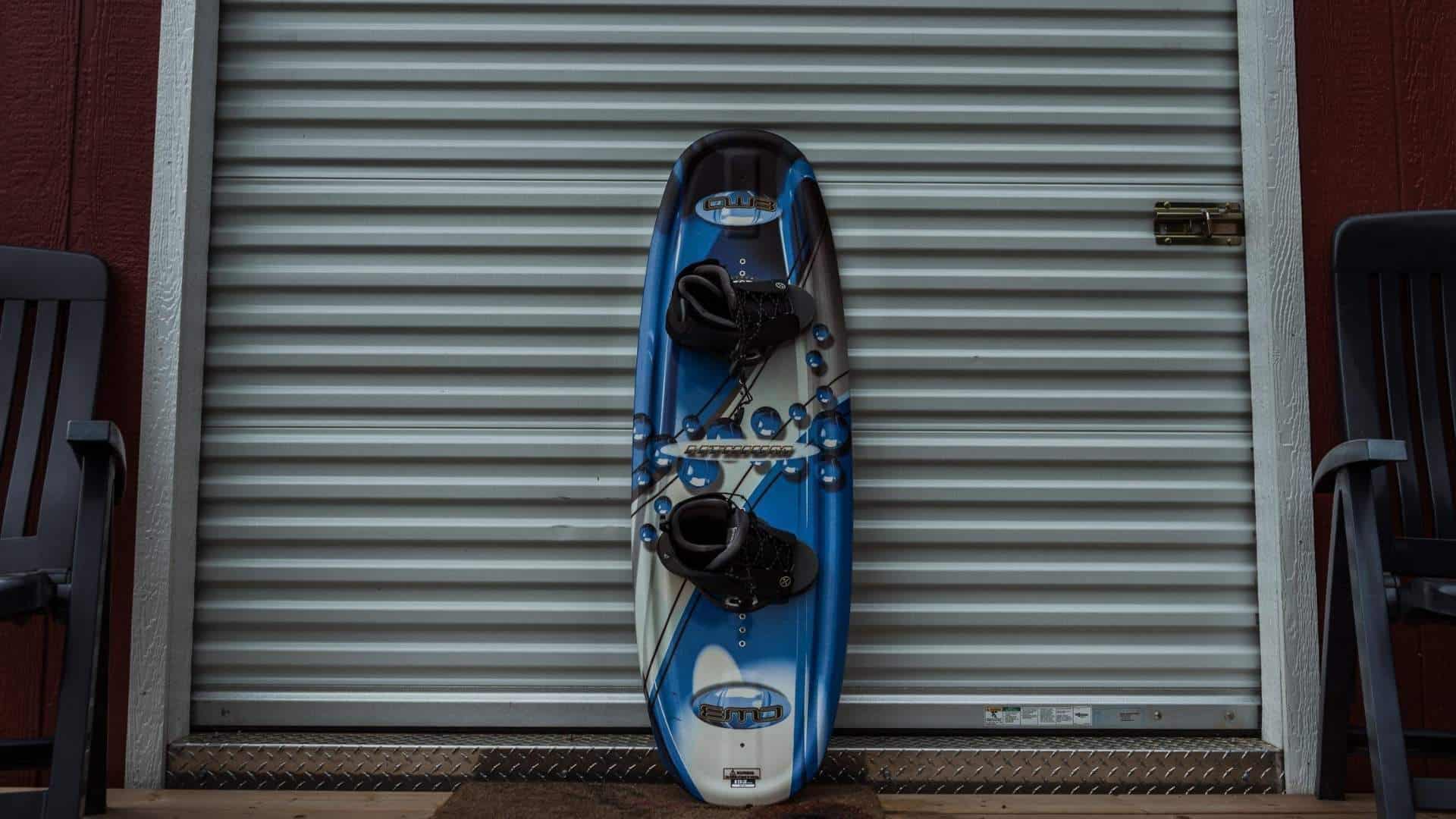
The mistake I see beginners make most often is going shorter too soon because a pro rider on YouTube uses a small board and makes it look effortless. What they don’t show you is years of edge control behind that.
A shorter wakeboard is designed for quick movement and a more responsive feel, making it a better match for riders with strong control who want more performance during tricks.
| Benefits of a shorter wakeboard | Best suited for |
|---|---|
| Rotates faster during tricks | Experienced riders who want better trick performance |
| Feels lighter underfoot | Riders looking for easier board movement |
| Allows quicker edge changes | Trick-focused wakeboarders who need fast transitions |
| Preferred by many advanced riders | Advanced riders who want a more responsive ride |
| Provides a fast, responsive feel | Riders with the skills to control a quicker board |
A shorter wakeboard works well for riders with strong technique who want more speed and movement during tricks.
Choosing a Wakeboard Based on Skill Level
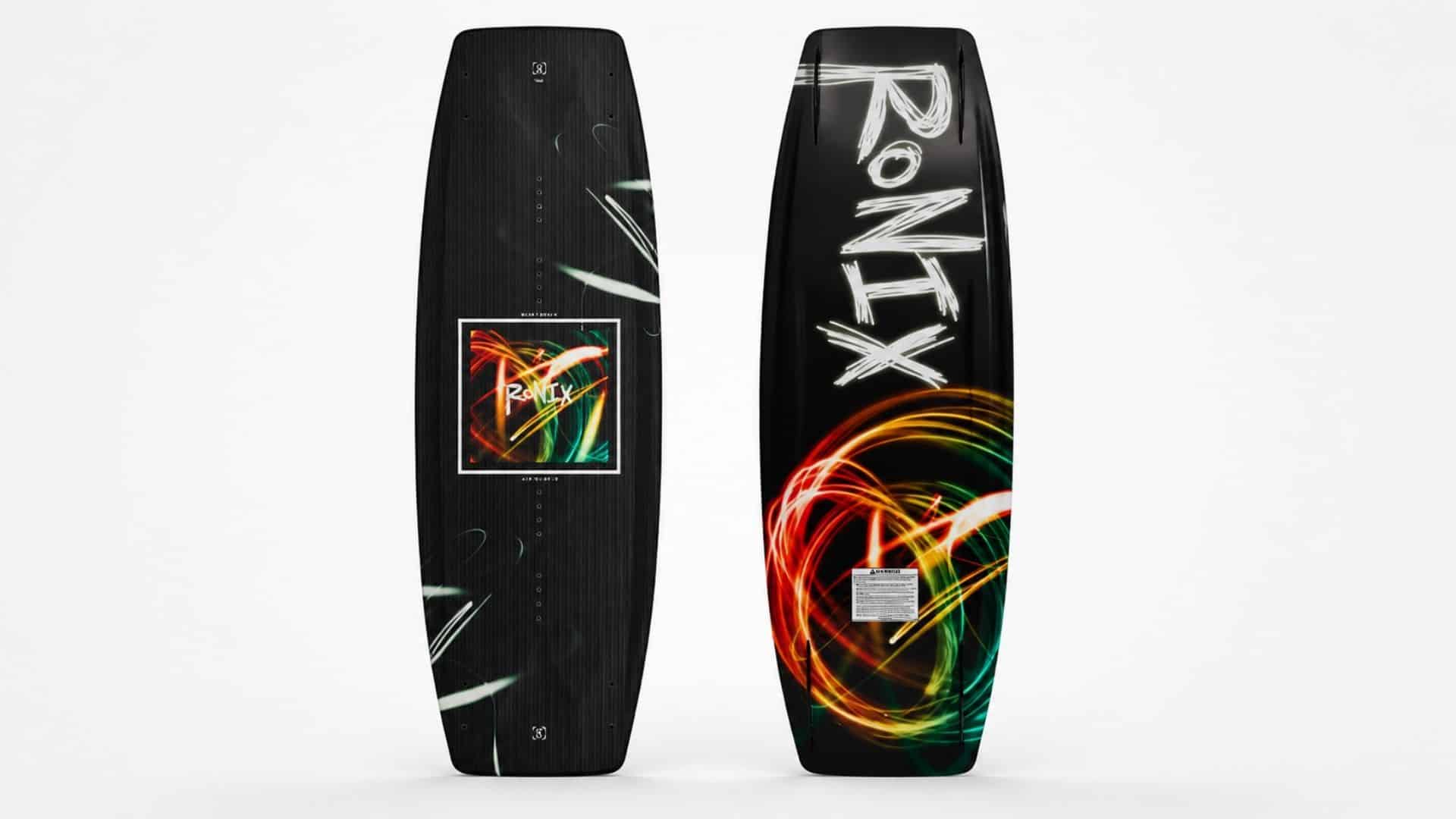
Skill level plays a key role in finding the right wakeboard for better control, comfort, and progression.
Beginner & Intermediate Wakeboards
If you have never ridden before, ride occasionally, or are just beginning to cross the wake, check out beginner-intermediate wakeboards.
In general, these wakeboards have continuous or mellow 3-stage rockers and are priced for recreational riders.
Shop here for the beginner-intermediate wakeboards
Intermediate – Advanced Wakeboards
If you are crossing the wake in both directions and clearing the wake, take a look at intermediate-advanced wakeboards.
There is a ton of variety in this category, so make sure you read up on the wakeboard features below to understand which features complement your riding style before you decide on a wakeboard.
Shop here for Intermediate – Advanced Wakeboards
Advanced-Expert Wakeboards
If you know how to spin, are attempting new tricks, stomping inverts, or wakeboarding while juggling horseshoes, you probably want to look at advanced-expert wakeboards.
Advanced-Expert Wakeboards are often pro models for riders. The bottom line is that these wakeboards are aggressive.
Shop here for Advanced-Expert Wakeboards
How Wakeboard Rocker Affects Size and Riding Style
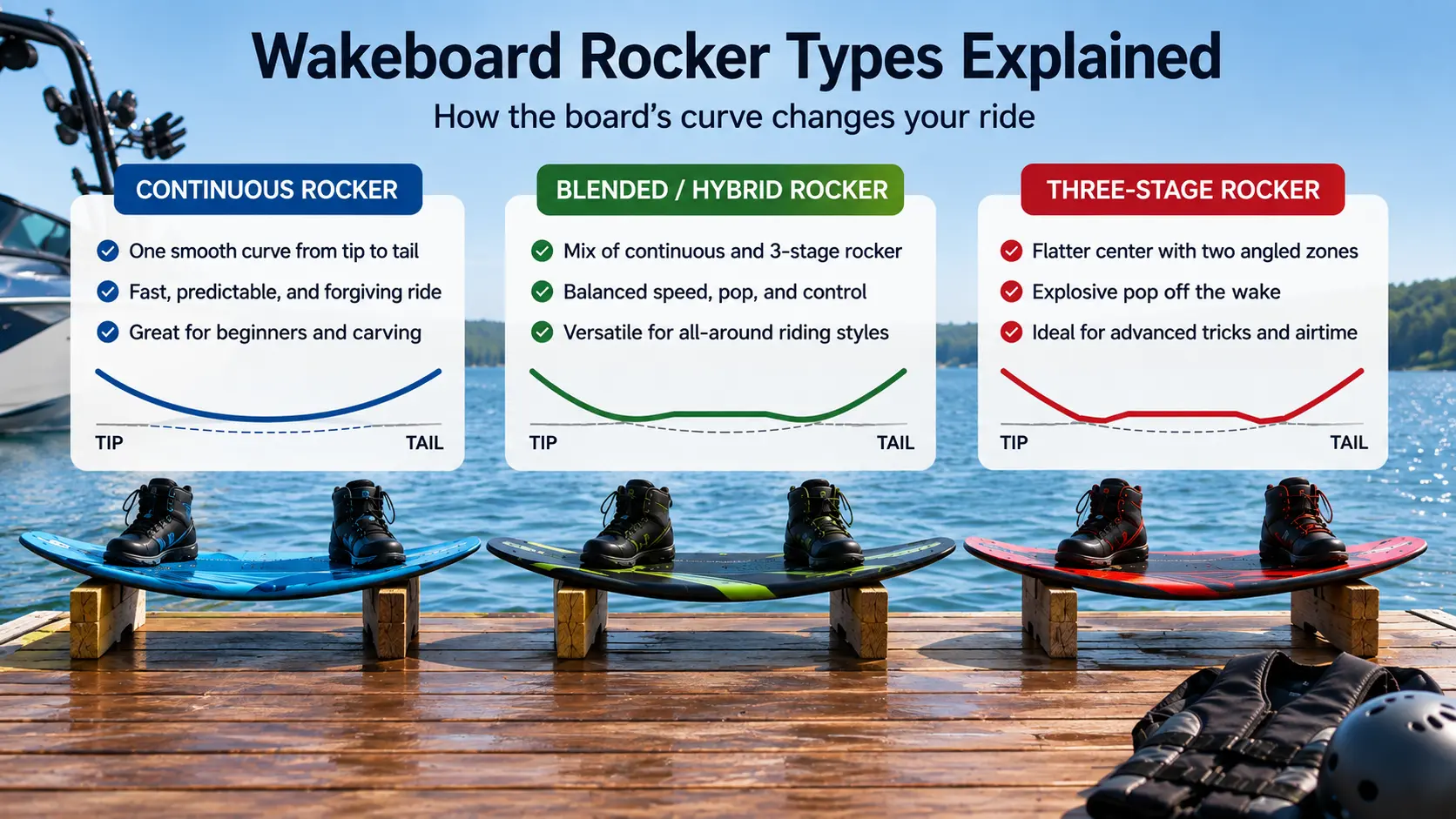
Rocker is the curve running from the nose to the tail of the board, and it changes how the board behaves just as much as length does.
- Continuous Rocker: This is one smooth curve from tip to tip. It rides fast, carves predictably, and feels forgiving. Most beginner and intermediate riders get along well with continuous rocker because it responds smoothly.
- Three Stage Rocker: Three stage rocker has flatter sections with sharper bends built in, which creates a more explosive pop off the wake. It moves slower across flat water, but that trade-off is worth it for riders working on bigger tricks and airtime.
- Hybrid Rocker: Hybrid designs mix elements of both, aiming for a middle ground of speed and pop. It’s a solid pick if you’re not ready to commit fully to one riding style yet.
Other Wakeboard Features and Maintenance
Size is important, but a few other parts of the board also affect how it feels on the water. Edges, fins, base design, and regular care can all influence control and performance.
1. Wakeboard Edges
Wakeboard edges affect grip and turning. Sharper edges hold harder in the water, while softer edges feel more forgiving and easier to control.
2. Wakeboard Fins
Fins help the board track through the water. Larger fins add grip and stability, while smaller fins create a looser feel for spins and tricks.
3. Wakeboard Base Shapes and Materials
Channels, concaves, and spines affect tracking, speed, and landings. Boat boards often use lightweight cores, while park boards may use flexible wood cores and reinforced bases.
4. Wakeboard Maintenance
Check the board, fins, bindings, and edges for damage before riding. Rinse it after saltwater use, avoid prolonged direct sunlight, and store it in a board bag when possible.
These details may seem small, but together they can change how stable, responsive, and comfortable your wakeboard feels during each ride.
Other Factors That Affect Wakeboard Size
A few extra factors can affect how your wakeboard feels beyond length and weight.
Wakeboard width plays a bigger supporting role than height does. Wider boards add stability, similar to going longer. Narrower boards feel quicker from edge to edge, similar to going shorter.
Binding setup rounds it out. Boots need to fit your feet, and your stance width should match your height and riding style, not just the factory settings.
These small adjustments can improve your control and comfort on the water. And if you’re towing the wakeboarder yourself, matching your boat brand and engine size to the rider’s weight matters just as much as the board does.
Common Wakeboard Sizing Mistakes To Avoid
Choosing the wrong wakeboard size can affect your balance, control, and progress on the water. Common mistakes include:
- Picking a board because it looks easier to handle, not because it fits your weight
- Ignoring the weight chart entirely
- Going too small as a beginner to seem more advanced
- Sizing based on height alone
- Forgetting to factor in the riding style you actually want
Avoiding these mistakes can help you choose a board that feels more stable and comfortable. A properly sized wakeboard makes learning easier and improves your overall riding experience.
Final Thoughts
Finding the right wakeboard size really comes down to matching the board to your weight, your experience, and what you’re actually trying to do out on the water.
Beginners tend to do better with extra stability underfoot, while riders chasing tricks often prefer something more responsive once their skills catch up.
Use the sizing chart as your starting point, then factor in your riding style before you commit to buying. Getting this part right makes every session after it a lot more fun.
Frequently Asked Questions
How Do I Know What Size Wakeboard to Buy?
Start with your body weight and match it to the sizing chart, then adjust based on whether you’re a beginner or a more experienced rider chasing tricks.
What Length Wakeboard Should I Get for My Weight?
Riders under 100 lbs typically do well with 120–130 cm, while riders over 250 lbs usually need 145 cm or longer. Everyone in between falls somewhere along that scale.
How to Pick a Beginner Wakeboard?
Size up slightly rather than down. Extra length gives beginners more stability for starts and balance while they build confidence on the water.