


If you spend time on the water, you’ve probably seen one clipped to a boat or worn by a kayaker. But do you actually know what a PFD is and why it matters more than most people realize?
A personal flotation device is more than just a life jacket. It is a category of water safety gear designed to keep you afloat when conditions turn dangerous.
Different types are built for different activities, water conditions, and body types. Picking the wrong one can put you at just as much risk as wearing none at all. Keep reading to find out exactly which one belongs on you.
What is a PFD?
A PFD, or personal flotation device, is what keeps you above water if things go sideways on the water. You’ve probably seen one before, even if you didn’t know what it was called.
A PFD is a wearable piece of safety gear designed to keep you afloat. It works by trapping air or using buoyant foam to push your body up toward the surface. And if you’re unconscious or too tired to swim, a good PFD can even turn your face away from the water.
They come in different styles, from bulky foam vests to slim inflatable ones you barely notice. The right Type depends on where you’re going and what you’re doing out there.
So, whether you’re kayaking, boating, or just messing around near open water, a PFD is the one piece of gear you don’t want to skip.
Difference Between a PFD and a Life Jacket
Chances are, you’ve used both terms without thinking twice. But there is a real difference, and knowing it could matter more than you’d expect.
| Feature | PFD | Life Jacket |
|---|---|---|
| Full Name | Personal Flotation Device | Life Jacket |
| Who Uses It | Kayakers, paddlers, boaters | Offshore sailors, commercial vessels |
| Design | Slim, comfortable, easy to move in | Bulkier, built for rough open water |
| Turning Ability | May not turn the unconscious wearer face-up | Designed to turn your face up automatically |
| Best For | Calm to moderate water conditions | Rough seas and emergencies |
| US Coast Guard Type | Types I through V | Typically Type I or II |
They overlap a lot, and most people use the terms interchangeably. But if you’re heading far offshore or into unpredictable water, the distinction genuinely matters for your safety.
Which PFD Type Should You Be Wearing?
Not all PFDs are built the same, and picking the wrong one for your activity can put you at real risk. Here’s a plain breakdown of all five types so you can choose with confidence.
1. Type I PFD
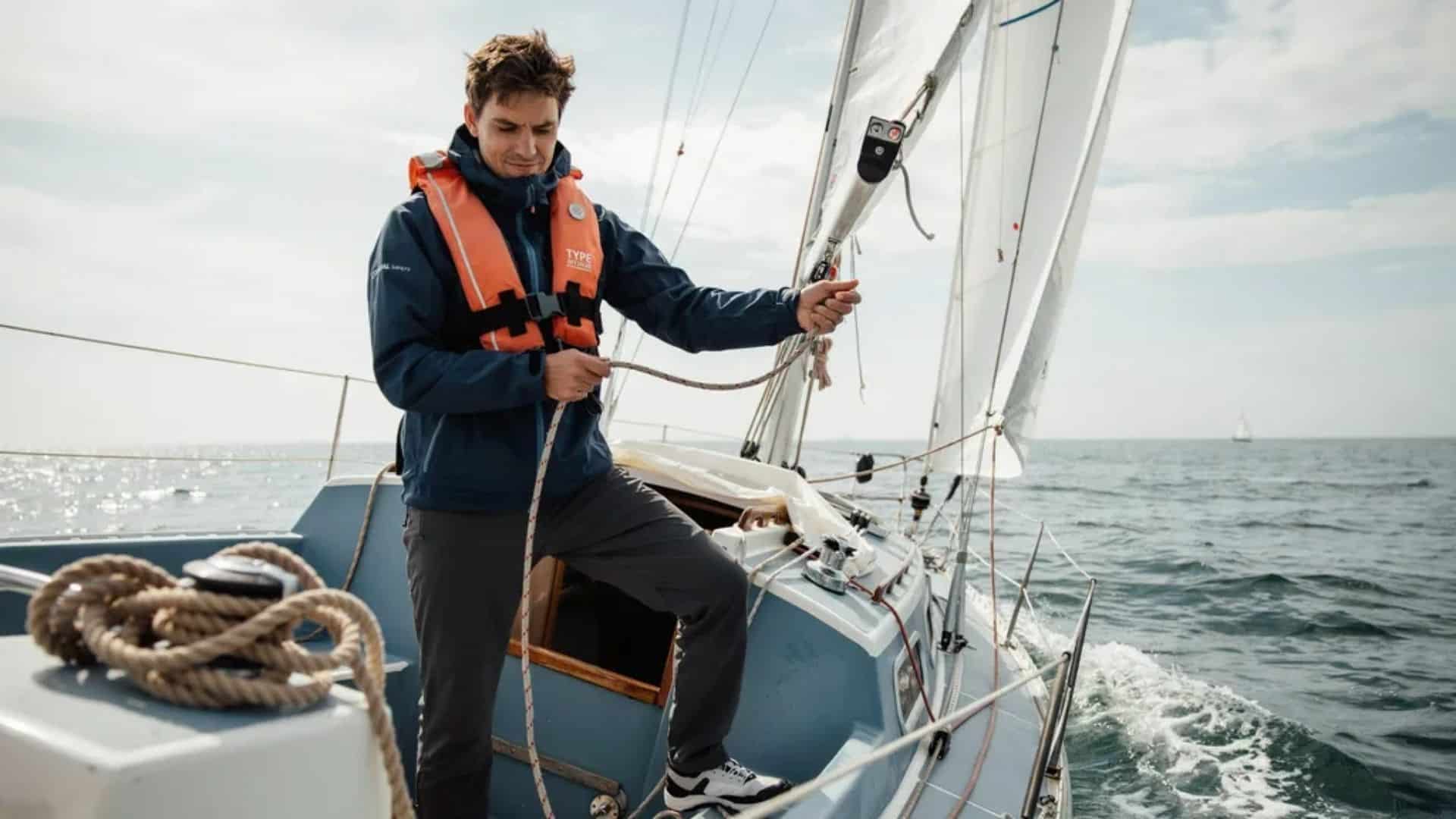
This is the most buoyant PFD you can get. It’s built for open, rough, or remote water where rescue might take a while. If you’re heading somewhere without quick access to help, this is the one you want on your body.
- Best Uses: Offshore sailing, open ocean, remote water travel
- Pros: Turns most unconscious wearers face-up, highest buoyancy
- Cons: Bulky and uncomfortable for all-day wear
Note: There are currently no Coast Guard-approved Type I inflatable PFDs available to the general public
2. Type II PFD

Type II is a step-down from Type I in buoyancy, with a minimum of 15.5 pounds for adults. Inflatable Type II versions can reach up to 22.5 pounds of flotation, making them significantly more buoyant than foam Type II options. It can turn some unconscious wearers face-up, though not as reliably. It’s a common choice for casual boaters who stay close to shore and within reach of help.
- Best Uses: Calm inland water, supervised activities, nearshore boating
- Pros: More comfortable than Type I, widely available
- Cons: Less effective in rough water, not ideal for unconscious users
3. Type III PFD
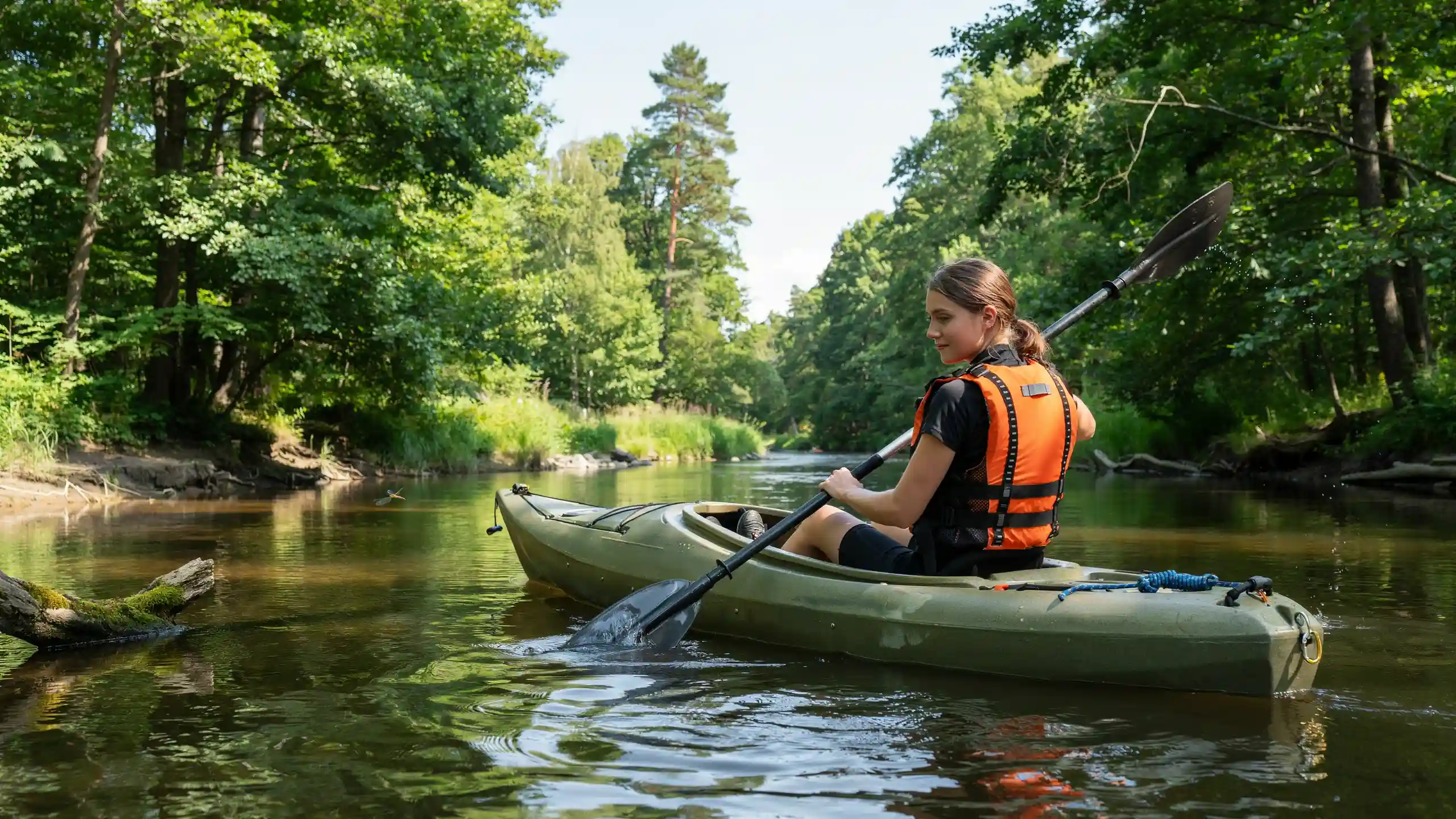
This one is what most recreational paddlers and boaters actually wear. It’s designed for comfort and ease of movement. You’ll find it in more styles and fits than any other type, which makes it easy to find one that works for your body.
- Best Uses: Kayaking, canoeing, water sports, supervised waters
- Pros: Comfortable fit, great range of motion, many style options
- Cons: Won’t turn an unconscious wearer face-up
4. Type IV PFD
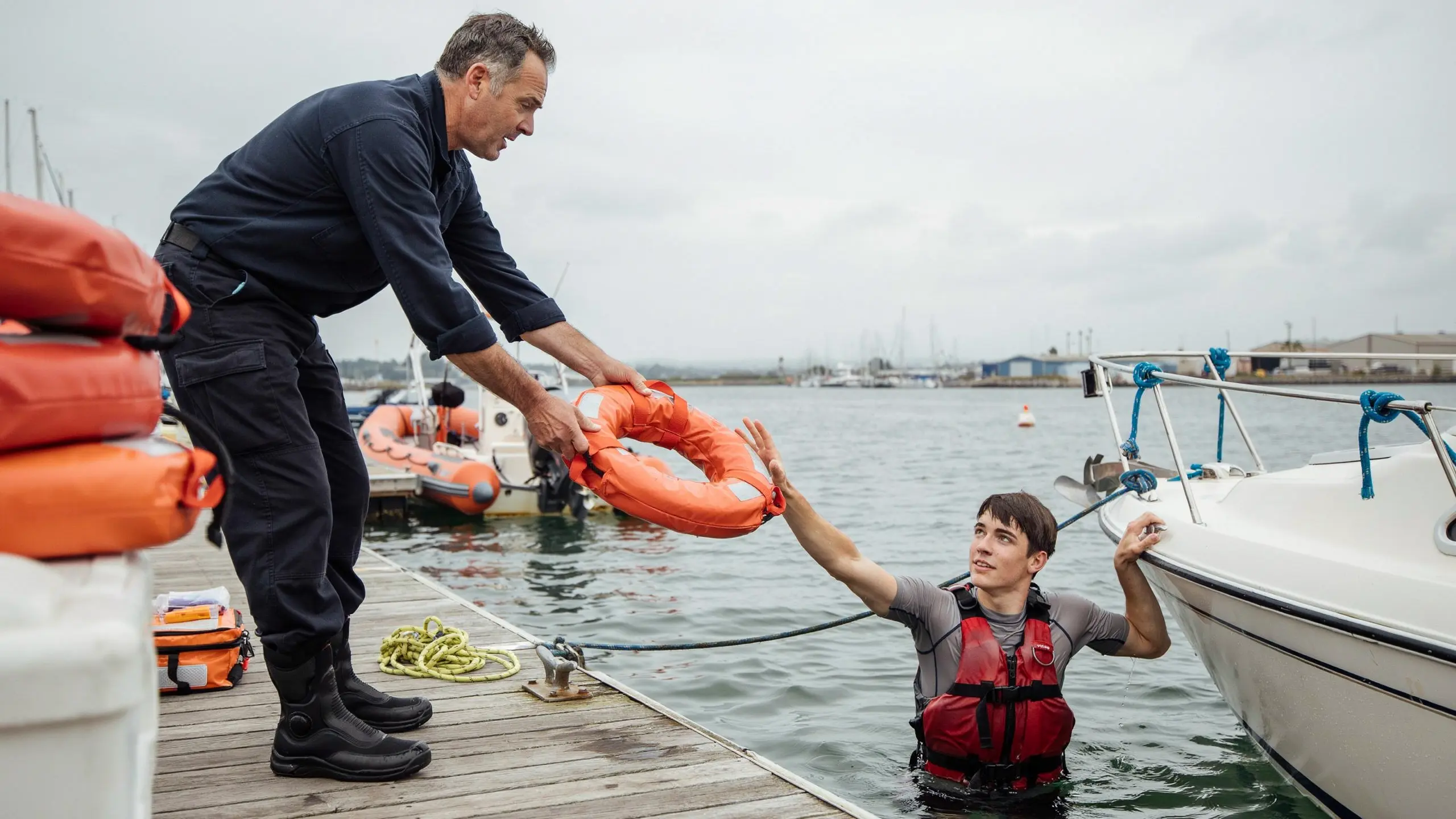
Type IV isn’t something you wear. It’s a throwable device you toss to someone in trouble. Keep one within easy reach on your boat because in a fast emergency, every second counts.
- Best Uses: Boats as backup safety gear, docks, and swimming areas
- Pros: Easy to deploy fast, required on most motorized boats
- Cons: Not a substitute for a wearable PFD, useless if unconscious
Note: Type IV is not suitable for unconscious persons, non-swimmers, or children. It must be immediately available for use, kept within arm’s reach at all times, not stored below deck or under gear.
5. Type V PFD
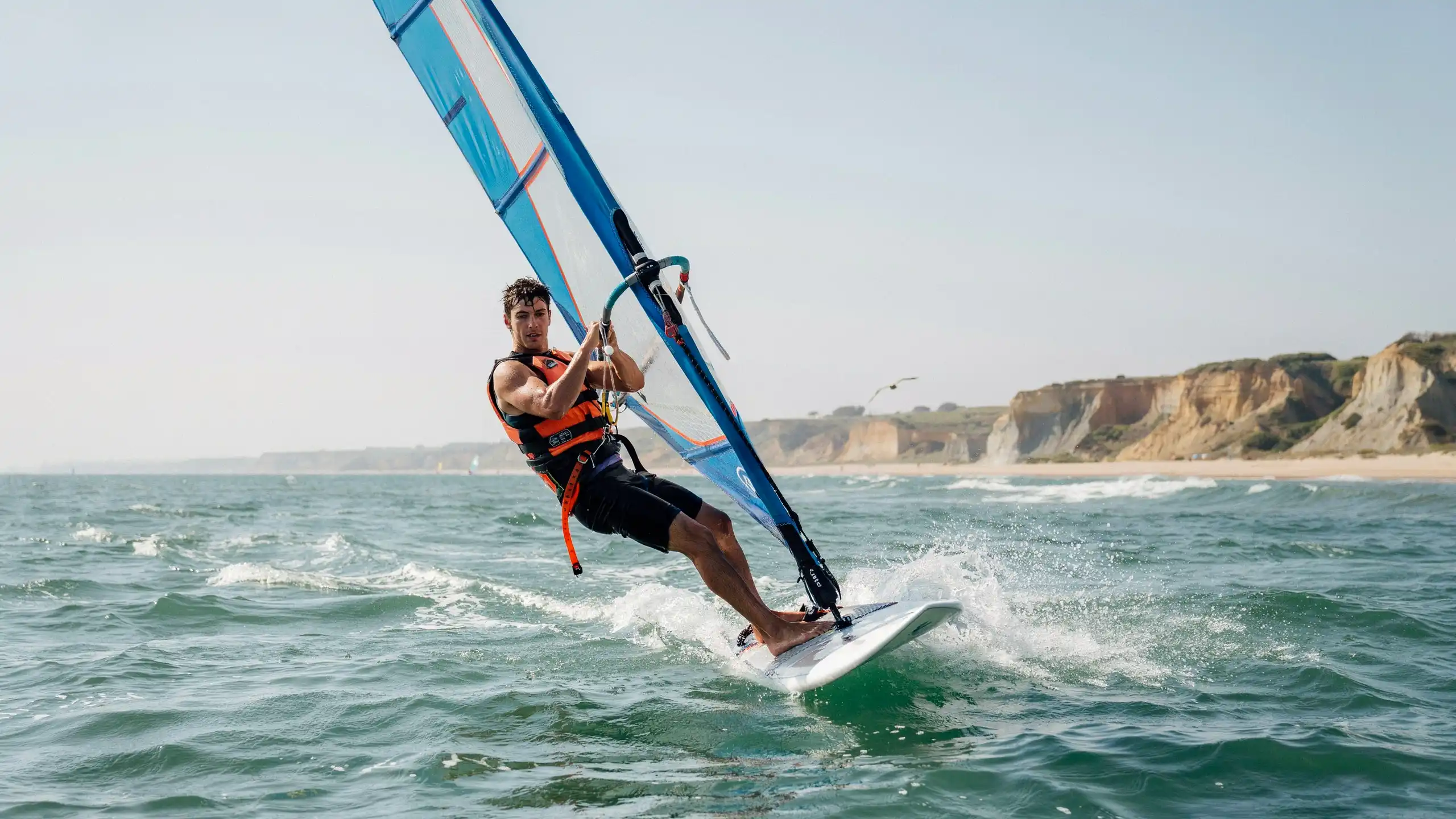
Type V covers special-use devices built for specific activities. Think inflatable PFDs, deck suits, or hybrid designs. They’re built to perform in specific situations, but they only count as approved gear when used exactly as labeled.
- Best Uses: Whitewater kayaking, windsurfing, commercial use
- Pros: Slim profile, activity-specific design, high performance
- Cons: Only works within its approved use, may need manual inflation
Note: A Type V PFD must be worn when underway to meet USCG carriage requirements. Simply having one on board does not satisfy the legal requirement.
Each Type has a job, and none of them is interchangeable. Match your PFD to your water and your activity, and always make sure it fits right before you head out.
Choosing Between Foam and Inflatable PFDs
When shopping for a life jacket, you will likely come across two main types: foam and inflatable PFDs. Each suits different water activities, comfort needs, and safety requirements.
| Feature | Foam PFDs | Inflatable PFDs |
|---|---|---|
| Buoyancy source | Built-in foam panels | CO2 cartridge or oral inflation |
| Bulk | Bulkier, structured | Slim, lightweight |
| Best for | Whitewater, kayaking, kids | Calm water, fishing, sailing |
| Maintenance | Minimal | Regular inspection needed |
| Works when unconscious | Yes | Only if auto-inflating |
| Cost | Generally lower | Generally higher |
Note: Inflatable PFDs are not recommended for children under 16, for high-impact water sports like jet skiing, or for non-swimmers.
Choosing between the two comes down to your activity level, the water conditions you face, and how much comfort you value on the water.
How the Updated US Coast Guard PFD Ratings Work
The US Coast Guard recently updated its classification of PFDs. Instead of the old Type I-V system, they’ve moved to a level-based rating that makes it easier to understand what a PFD can actually do for you.
|
The new system uses five levels: 50, 70, 100, 150, and 275. Each number represents buoyancy in Newtons. Level 50: roughly 11 lbs of buoyancy. For strong swimmers in calm, protected water near shore. Must be worn to count as legal carriage. |
And unlike the old system, these levels make it much easier to compare products side by side when you’re shopping.
The old Type labels aren’t going away overnight, but learning the new levels now puts you ahead. It’s a simpler way to find the right protection for where you actually paddle or boat.
Newer products are starting to show both the old Type label and the new Level label side by side, so you will likely see both on store shelves for years to come.
How to Read a PFD Label
The most visible feature on a new PFD label is a bold number: 50, 70, 100, 150, or 275. That is the performance level, and it tells you directly how much buoyancy the device provides.
Below the number, you will find icons rather than written descriptions. A curved arrow or half-circle symbol indicates that the PFD is designed to turn a person’s face up in the water without effort.
Icons showing water activities with lines through them indicate what the PFD is not approved for those activities. Always check these before buying, especially for specific sports.
New labels also show whether the PFD must be worn to count as required gear on your boat. This matters most for Type V and Level 50 devices. If the label says it must be worn, keeping it in a bag below deck does not meet the legal requirement.
The USCG approval number must also be present and legible. If that label has faded or been removed, the PFD is no longer legally compliant, even if it looks fine physically.
How to Choose the Right Type of PFD?
There’s no one-size-fits-all PFD, and picking the wrong one can leave you underprepared on the water. A few simple questions can point you straight to the right choice.
- Think about where you’re going: Calm lake or open ocean? Rougher water requires greater buoyancy, such as a Level 150 or Type I.
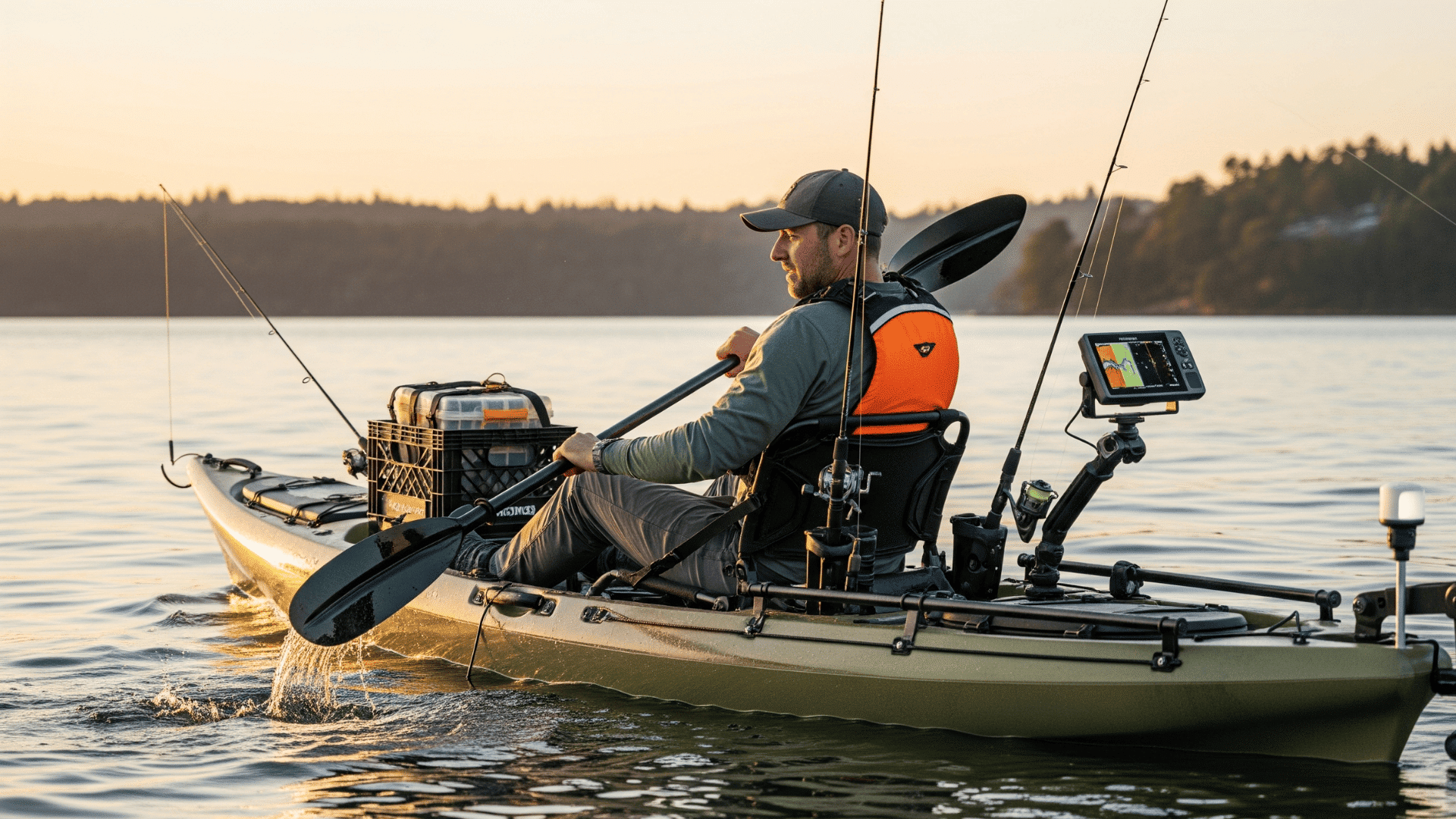
- Match it to your activity: Kayakers and paddlers do best with a Type III for comfort and movement. Offshore boaters need something more heavy-duty.
- Check if it fits: A PFD that’s too loose won’t keep you afloat properly. Try it on and adjust the straps before you hit the water.
- Know the rules: Some waters and vessels are subject to legal requirements. Make sure your PFD meets Coast Guard approval for your specific situation.
- PFD should be snug and secure: When you lift your arms or pull from the shoulders, it should not ride up over your chin or face; in water, it must keep your mouth and chin above the surface without effort, and for children, it should also stay in place with head support and no slipping through the collar
Take your time with this decision. The right PFD is the one you’ll actually wear, that fits your body well, and that suits the water you’re heading into.
| Disclaimer: Children under 13 must wear a Coast Guard–approved PFD on a moving vessel unless below deck or in an enclosed cabin. PFDs must be chosen by weight (infant under 30 lbs, child 30–50 lbs, youth 50–90 lbs), not age, and inflatable PFDs are not approved for anyone under 16. State rules may add extra requirements. |
PFD Care and Maintenance Tips
A PFD can only save your life if it’s actually working. A little regular upkeep goes a long way toward making sure it holds up when you need it most.
- Rinse it after every use: Salt, chlorine, and dirt break down materials faster than you’d think. Fresh water and mild soap do the job fine.
- Let it air-dry: Never stuff a wet PFD into a bag or locker. Mold and mildew will set in fast and weaken the foam inside.
- Check for damage before each trip: Look for torn straps, broken buckles, or compressed foam. If something looks off, don’t risk it.
- Store it out of direct sunlight: UV rays degrade foam and fabric over time. A cool, dry spot away from heat works best.
- Test inflatables regularly: If you use an inflatable PFD, check the CO2 cylinder and oral tube before every season.
Your PFD takes care of you, so return the favor. A well-maintained one can last for years and stay Coast Guard-approved for the long haul.
Conclusion
Understanding what a PFD is is one of the simplest ways to stay safer on the water. And now that you know the types, the fit, and what actually matters, you are already ahead of most people who just grab whatever is closest.
That knowledge is worth something. A well-chosen PFD does not just meet a regulation. It works for your body, your activity, and your conditions.
So before your next trip, take five minutes to check what you have got. Make sure it fits. Make sure it is right for you. Shop the right PFD for your activity today and get on the water with confidence.
Frequently Asked Questions
Is a PFD the Same as a Life Jacket?
Not exactly. All life jackets are PFDs, but not all PFDs are life jackets. Life jackets are built for rough, open water and can turn an unconscious person face-up.
Do I Have to Wear a PFD by Law?
It depends on where you are and what you’re doing. In the US, the Coast Guard requires every boat to carry one approved PFD per person on board. Many states also require children to wear one at all times on the water.
How Do I Know if My PFD Still Works?
Give it a quick check before each trip. Look for torn straps, broken buckles, and foam that feels stiff or compressed. For inflatables, check the CO2 cylinder and make sure the oral tube is intact.
Can I Wear Any PFD for Kayaking?
A Type III or Level 70 PFD is your best bet for kayaking. It gives you a good range of motion and stays comfortable over long paddles. Bulkier types, like Type I, are harder to move in and better suited for open-ocean use.


One Response