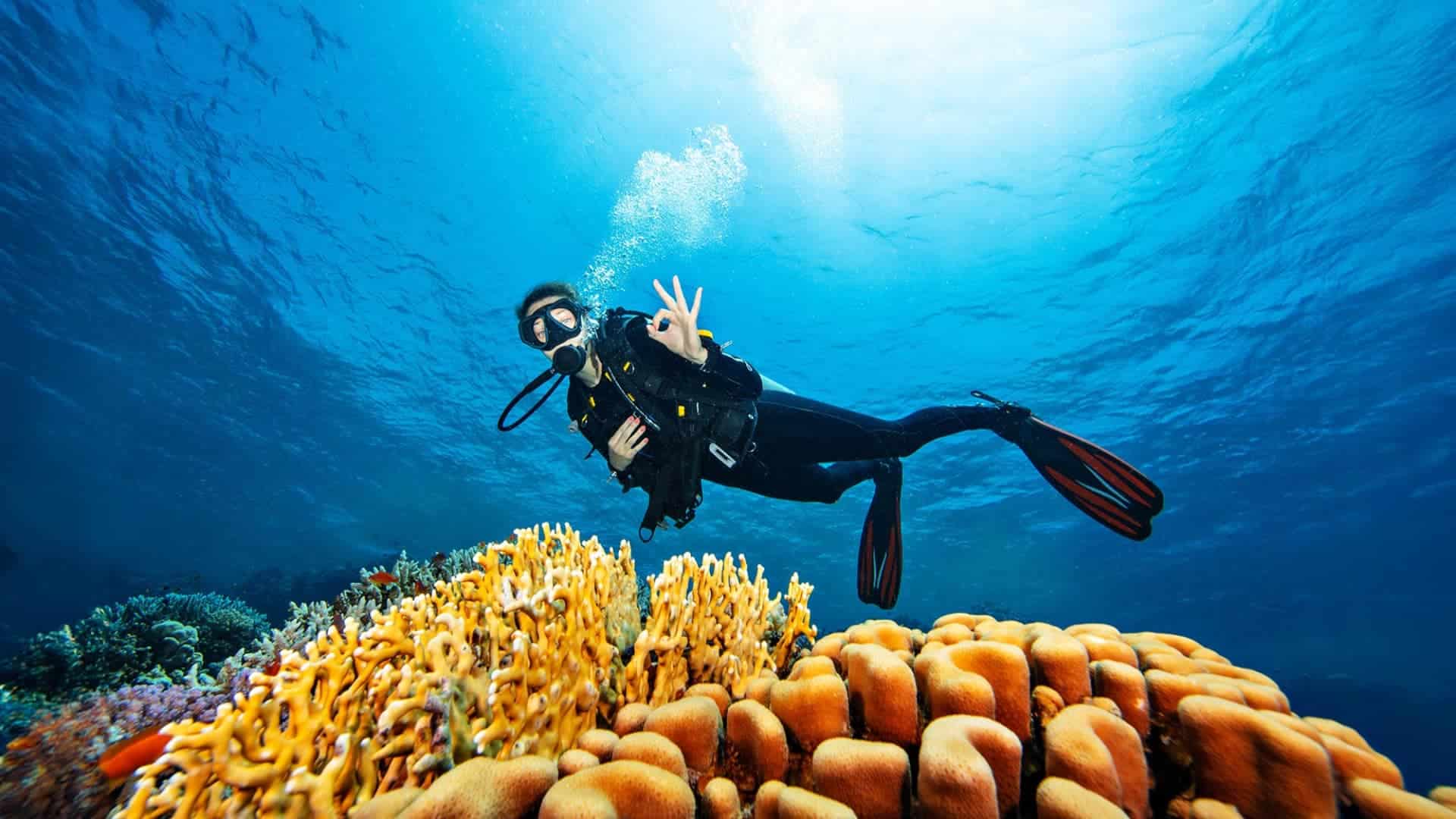
For scuba divers seeking a unique experience, cenote diving opens a window into Mexico’s hidden underwater world.
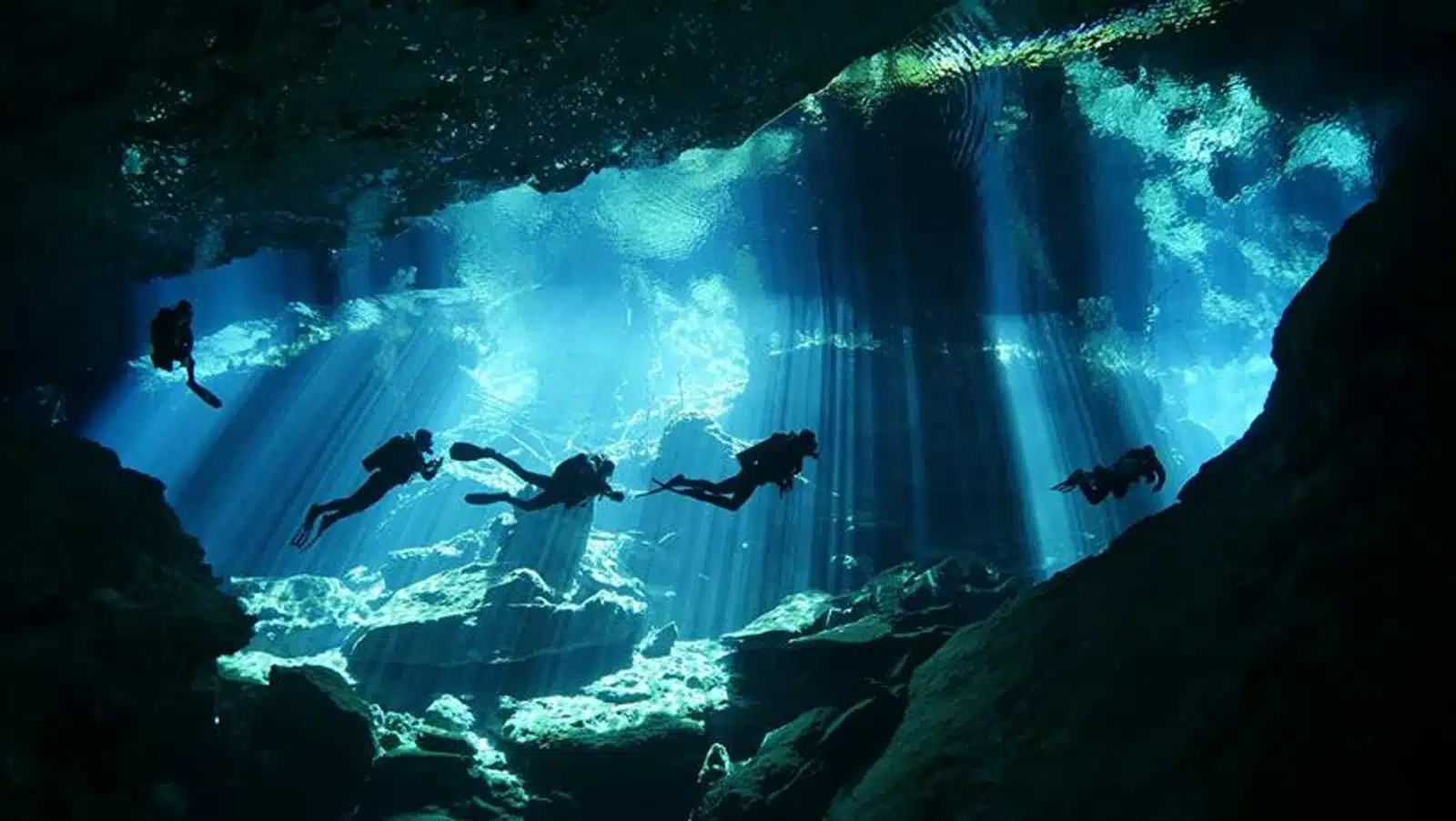
These freshwater sinkholes reveal crystal-clear waters, shafts of sunlight, and limestone formations shaped over millennia.
Diving through a cenote feels like moving through an underwater cathedral, where haloclines shimmer and ancient rock structures create an air of mystery.
Calm waters combined with subtle challenges make every dive memorable for certified divers, leaving a lasting impression of the Yucatán Peninsula’s extraordinary natural beauty.
What are Cenotes?
Cenotes (pronounced seh‑NO‑tays) are natural sinkholes formed when limestone bedrock collapses, exposing the groundwater system beneath.
The Yucatán Peninsula lies atop an extensive network of underground rivers and caverns, home to some of the largest underwater cave systems in the world.
Freshwater often meets saltwater in these formations, creating striking visual effects. Diving into a cenote feels like entering an underwater cathedral, with clear passages, shafts of sunlight, and intricate speleothems such as stalactites and stalagmites.
Haloclines create shimmering layers, adding an almost otherworldly quality to the experience and making cenote diving unlike any other underwater experience.
Types of Cenotes
Understanding different cenote types helps divers choose sites that suit their experience, safety, and enjoyment when planning dives in Mexico.
| Cenote Type | Description |
|---|---|
| Open Cenote | Fully exposed to sunlight, calm waters, ideal for beginner divers, and easy navigation. |
| Semi-Open | Partially covered, offering light effects and mild caverns suitable for recreational divers. |
| Cavern | Overhead environment with natural light; requires certification and safe navigation skills. |
| Cave | Fully enclosed, no direct surface exit; requires advanced cave certification and specialized equipment. |
Recognizing these cenote types ensures divers select locations that match their certification, comfort level, and desired underwater experience.
Why Dive in Cenotes?
Cenote diving offers a unique underwater experience, combining clear water, dramatic formations, and light effects found nowhere else, ranking among the best scuba diving in the world.
- Unmatched visibility: Freshwater filtered through limestone provides visibility commonly ranging from 30–100 meters, with some cenotes reaching up to 100 meters in ideal conditions.
- Haloclines: Layers where fresh and saltwater meet create shimmering, almost magical effects beneath the surface.
- Stunning formations: stalactites, long corridors, and cavernous chambers, shaped over millennia, add depth and wonder to each dive.
- Cavern dives: Most dives take place in natural light, offering safe, accessible experiences for recreational divers.
Every dive blends serene beauty with subtle challenges, leaving divers with unforgettable underwater memories.
Best Cenotes in Riviera Maya for Open Water Divers
These cenotes are ideal for new divers, offering calm waters, clear visibility, and gentle conditions to gain confidence underwater.
1. Dos Ojos
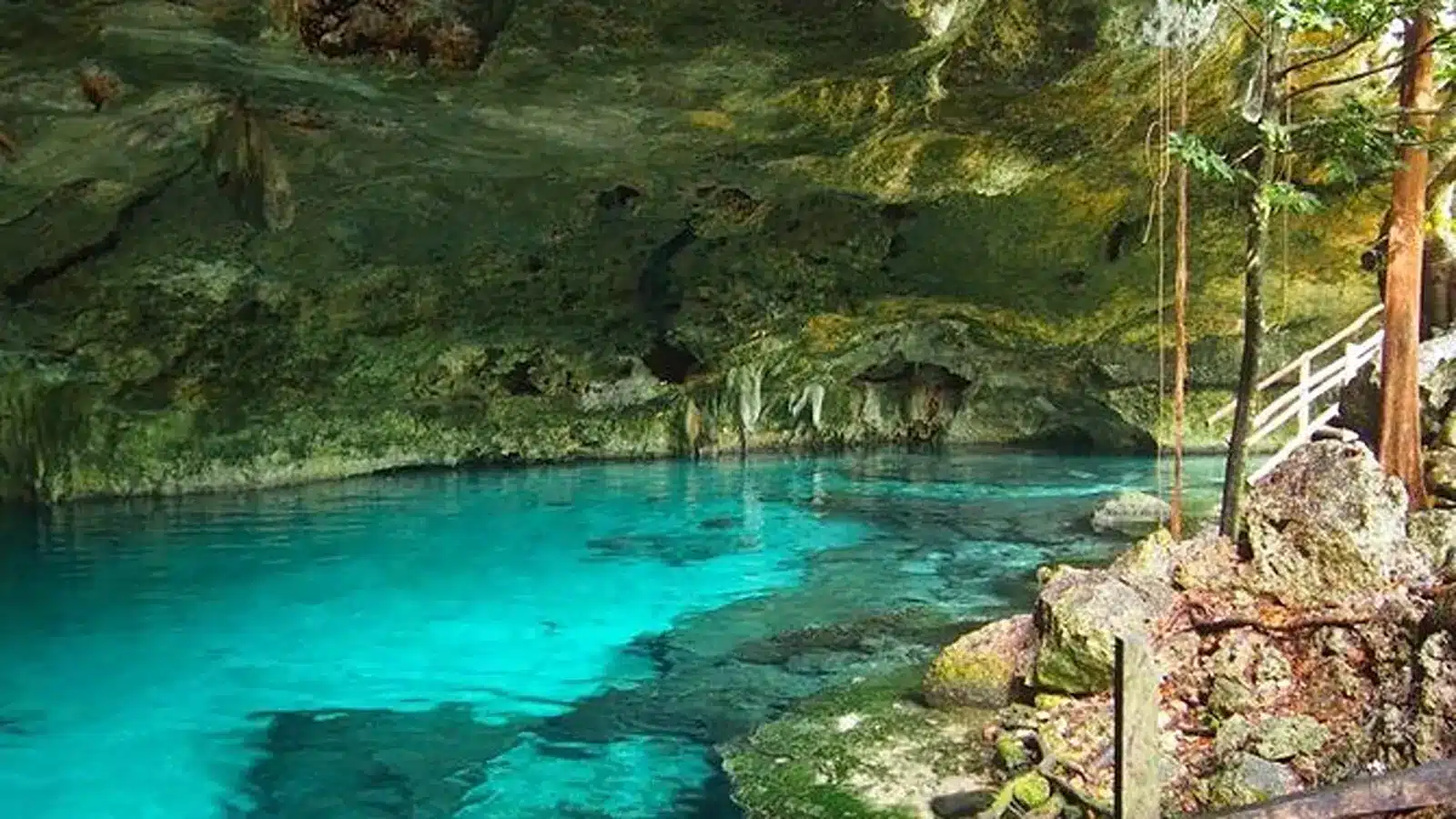
Dos Ojos features expansive chambers with crystal-clear water and natural sunlight streaming through openings. Its calm conditions allow beginners to adjust comfortably, observe striking limestone formations, and enjoy a serene underwater experience without strong currents or complex navigation challenges.
2. Carwash (Aktun Ha)
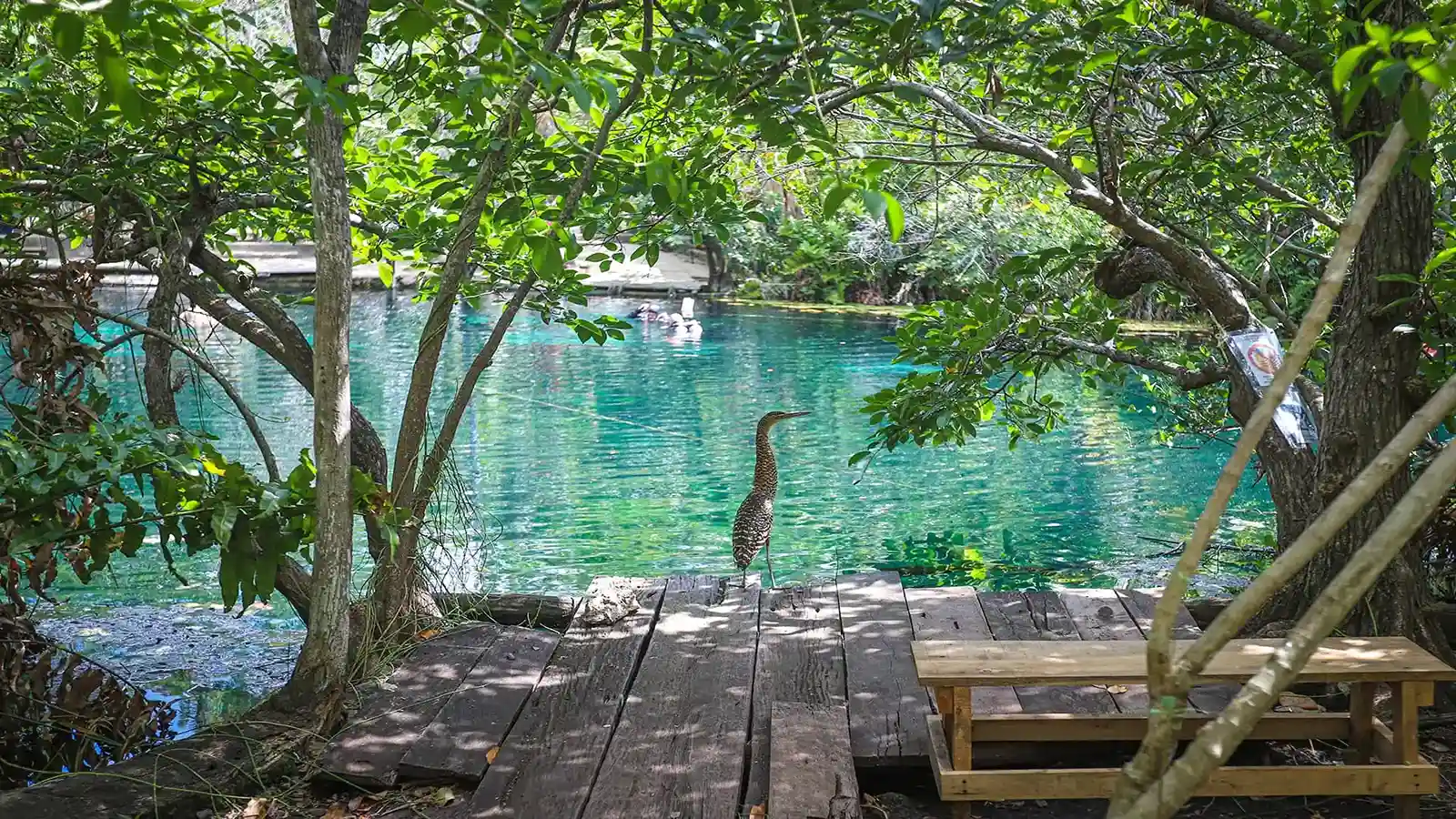
Carwash offers wide, shallow passages with gentle currents and open areas. Its easy access and clear visibility make it perfect for first-time divers seeking a relaxed dive in a scenic, safe environment.
3. Jardín del Edén
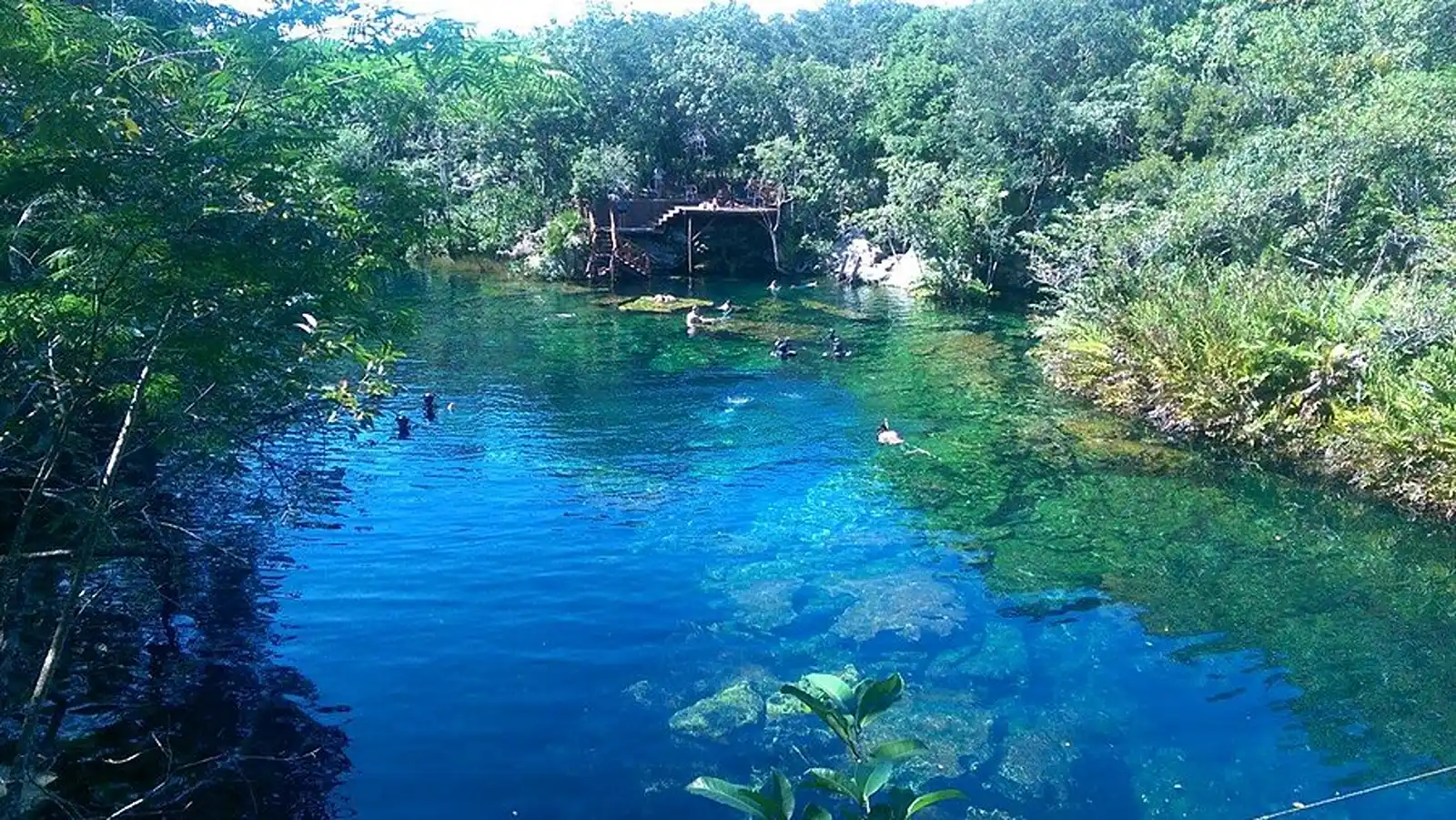
Bright shafts of sunlight illuminate Jardín del Edén, making it one of the best cenotes for photography and calm, beginner-friendly diving. Its spacious chambers and calm conditions provide beginners with a visually stunning yet non-intimidating diving experience.
4. Casa Cenote
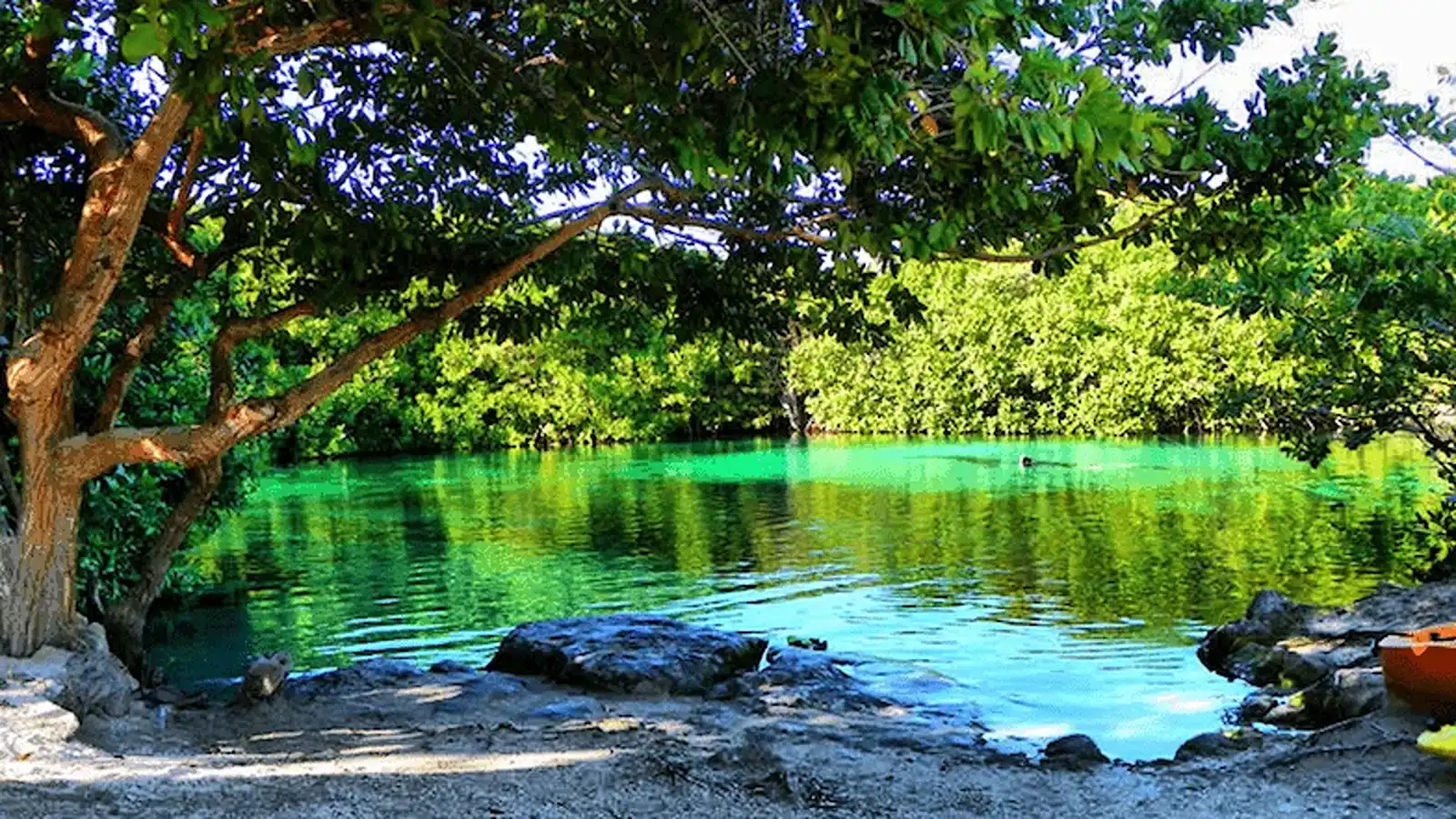
Blending mangroves with clear freshwater, Casa Cenote provides shallow, easy-to-navigate passages. Beginner divers can comfortably explore natural formations and wildlife while adjusting to free-diving techniques.
5. Temple of Doom
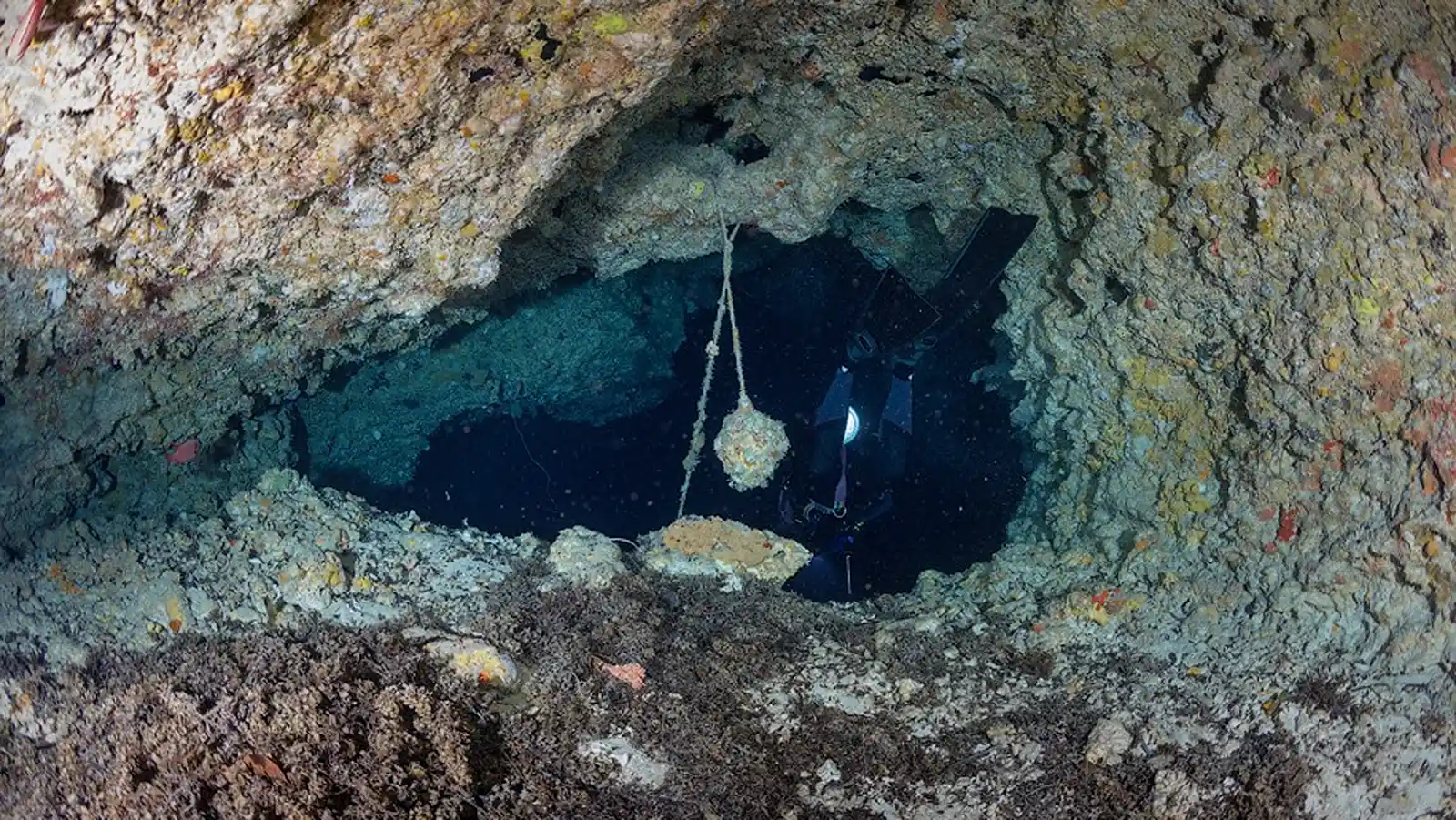
A small cavern with shallow depth and gentle lighting, Temple of Doom allows new divers to practice buoyancy control while enjoying dramatic stalactites and stalagmites in a safe, controlled environment.
Calm waters and open spaces make these beginner cenotes excellent for skill-building, providing confidence and unforgettable underwater experiences.
Advanced and Deep Cenotes for Experienced Divers
These cenotes challenge experienced divers with deeper depths, stronger haloclines, and unique geological features, offering an experience similar to deep-sea diving experiences for certified divers.
6. The Pit
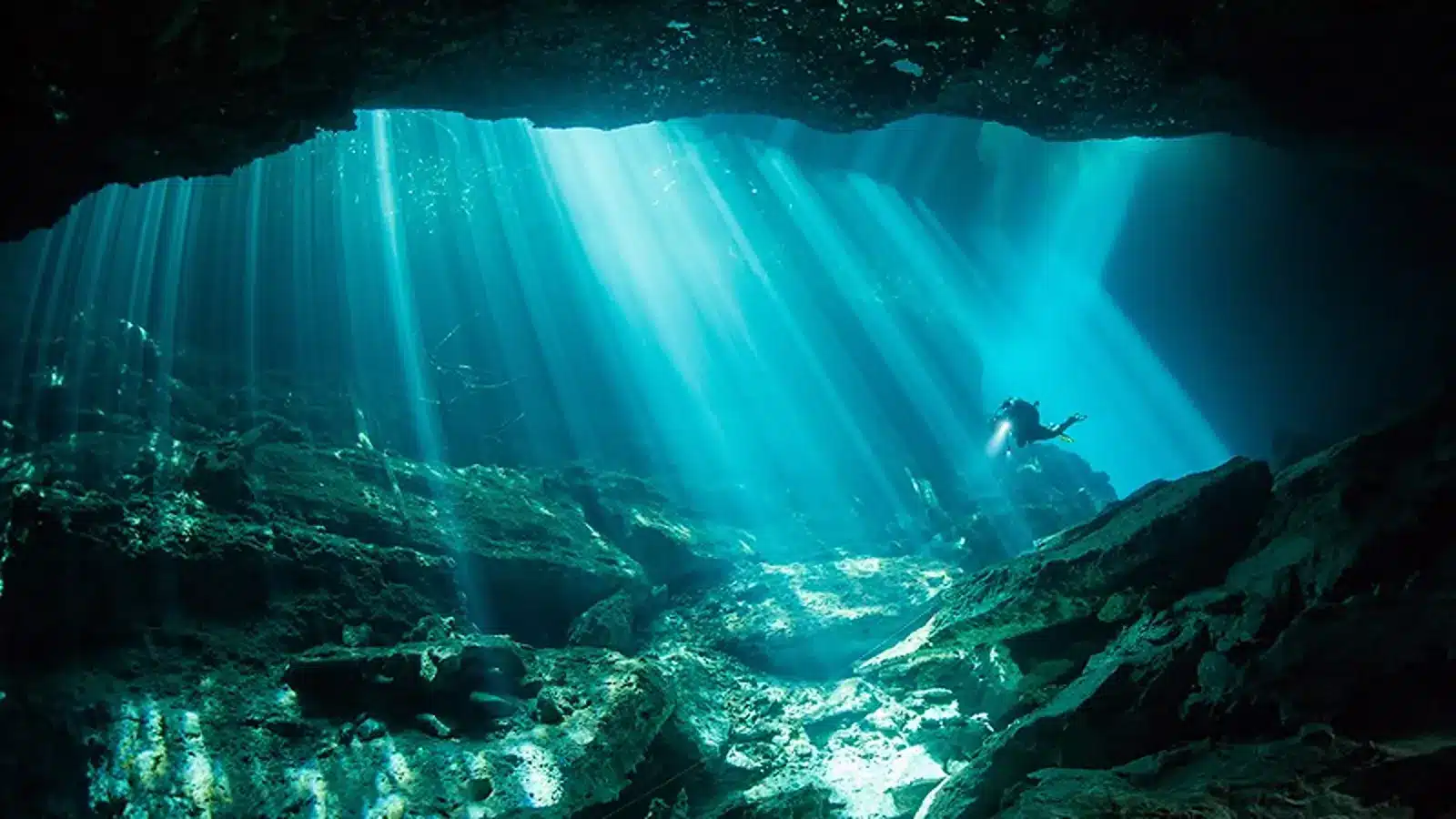
A vertical sinkhole with a recreational dive depth of 40 meters, though the full sinkhole descends over 119 meters, The Pit features dramatic shafts of light and halocline layers.
At ~15 meters, a halocline creates shimmering light refractions, and at ~27 meters, a hydrogen sulfide cloud forms a surreal false-bottom effect.
Dramatic light shafts between 11 am and 1 pm make this one of the most photographed dives on the planet. Advanced Open Water certification required.
7. Angelita
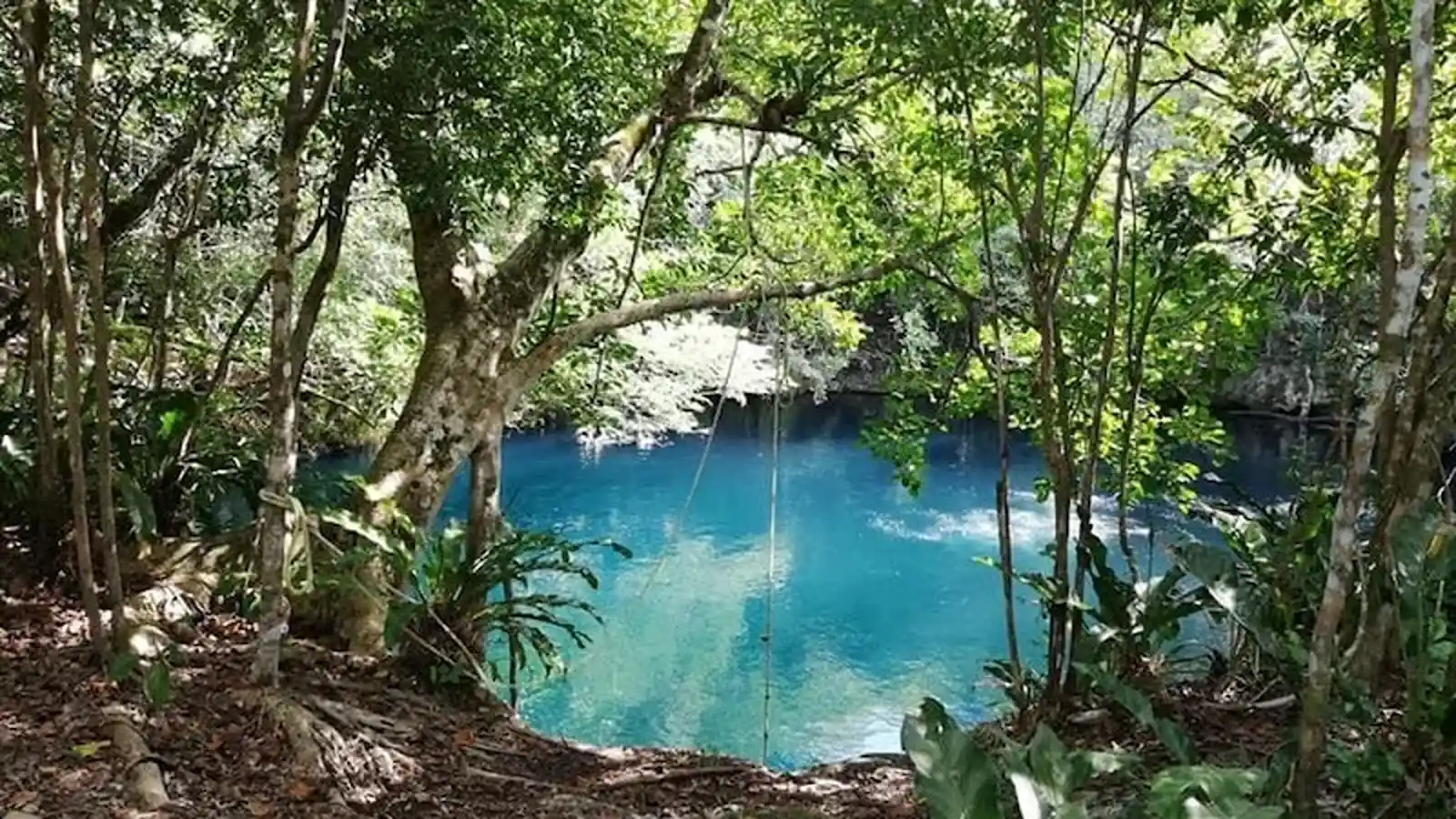
Angelita is famous for a hydrogen sulfide cloud that forms an eerie underwater river. Angelita drops to approximately 60 meters, with a dense hydrogen sulfide cloud at ~30 meters creating the famous illusion of an underground river, complete with submerged tree branches.
Advanced Open Water certification required; comfortable with deep, low-light conditions essential
8. El Zacatón
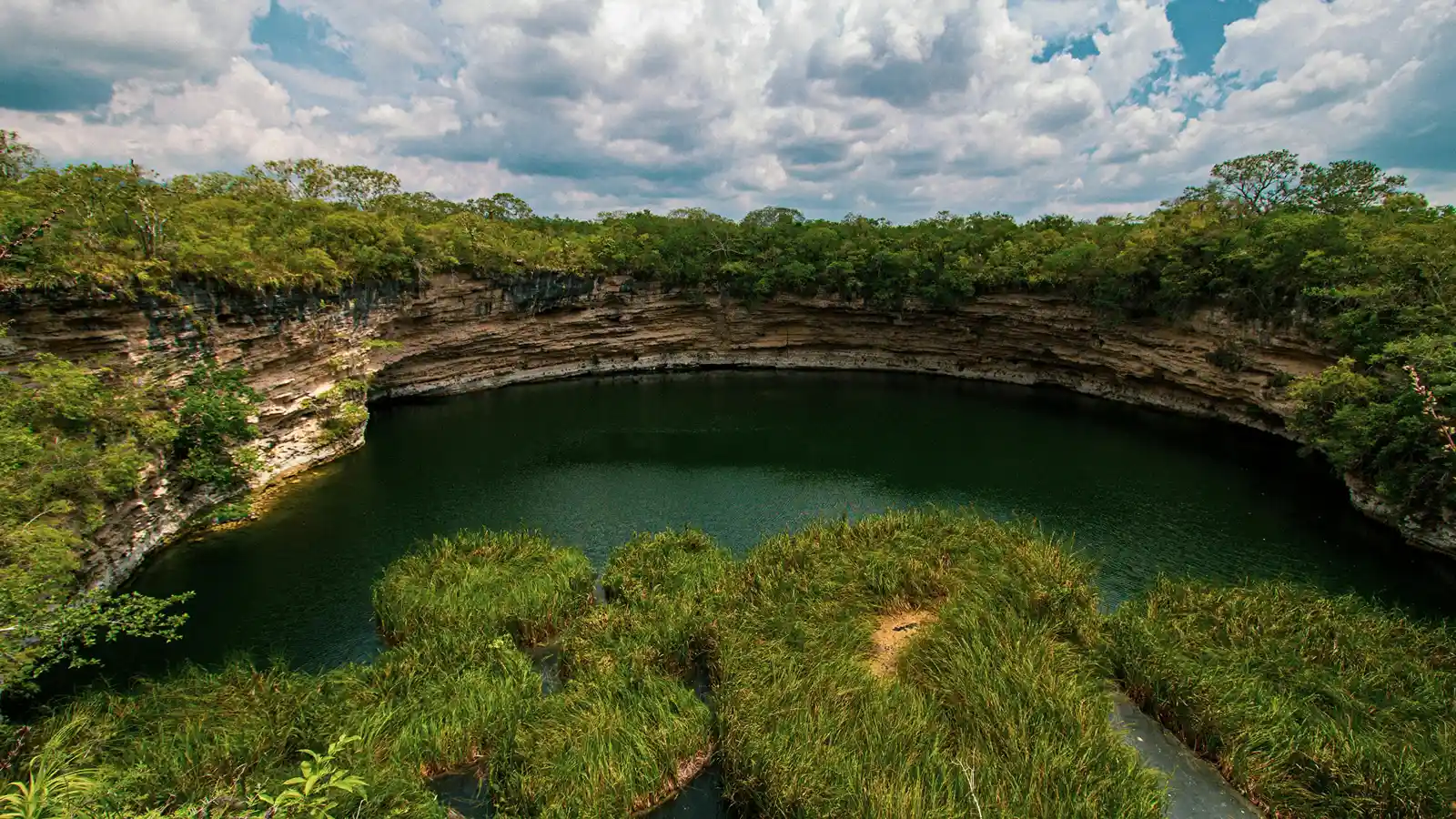
El Zacatón is the world’s deepest known cenote at 335–339 meters, verified by a NASA-funded robotic submarine. Note: it is located in Tamaulipas, northeastern Mexico, not the Riviera Maya, and is restricted to scientific and expedition-level technical divers only. It is not a recreational dive site
9. Calavera
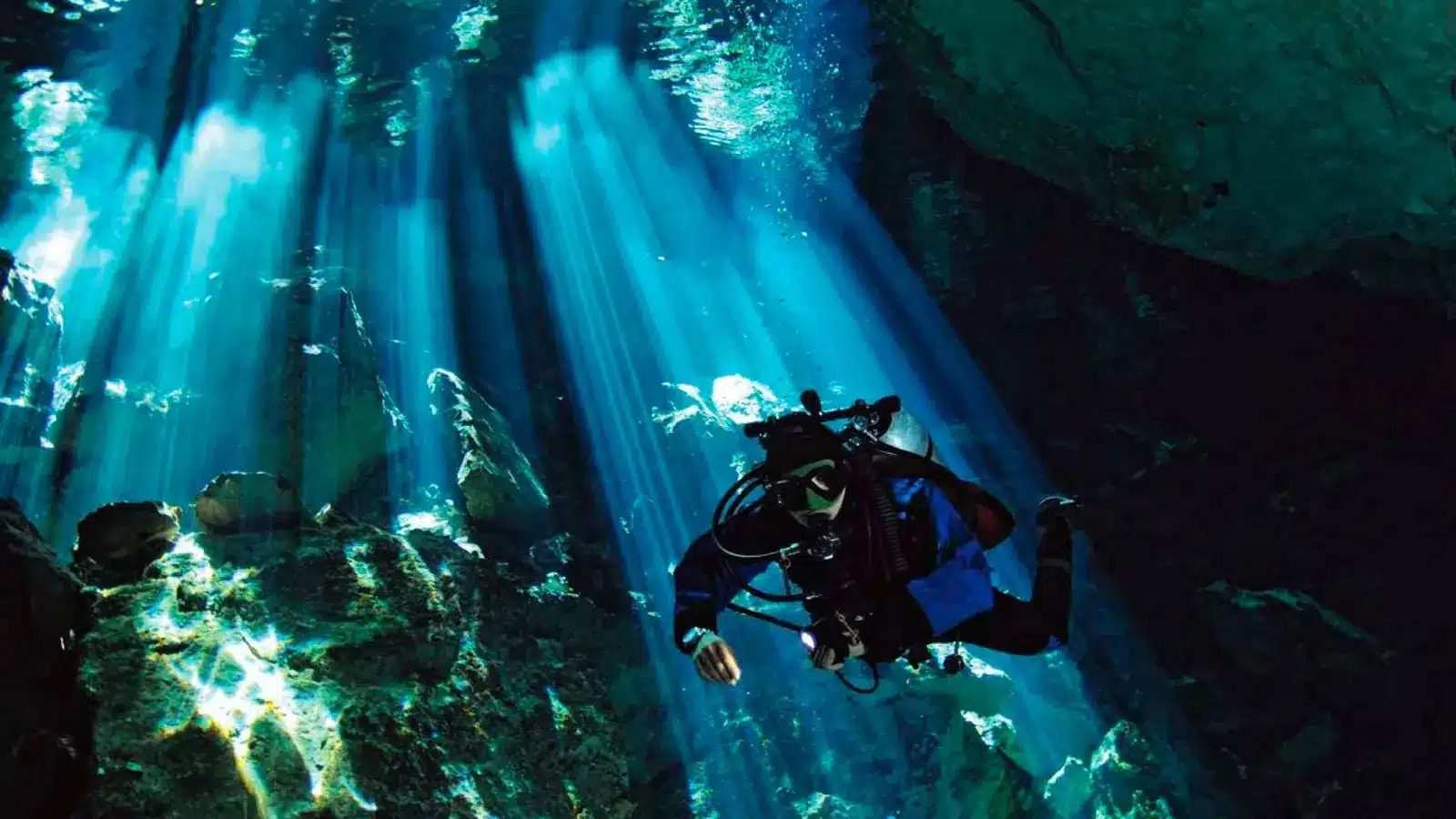
Known as the “Temple of Skulls,” Calavera features vertical drops, overhanging formations, and narrow passages.
Its three ceiling holes create striking skull-shaped light beams at the entrance, making it visually dramatic. Shallow cavern zones are accessible to Open Water divers; deeper vertical passages suit advanced divers.
10. Nohoch Nah Chich
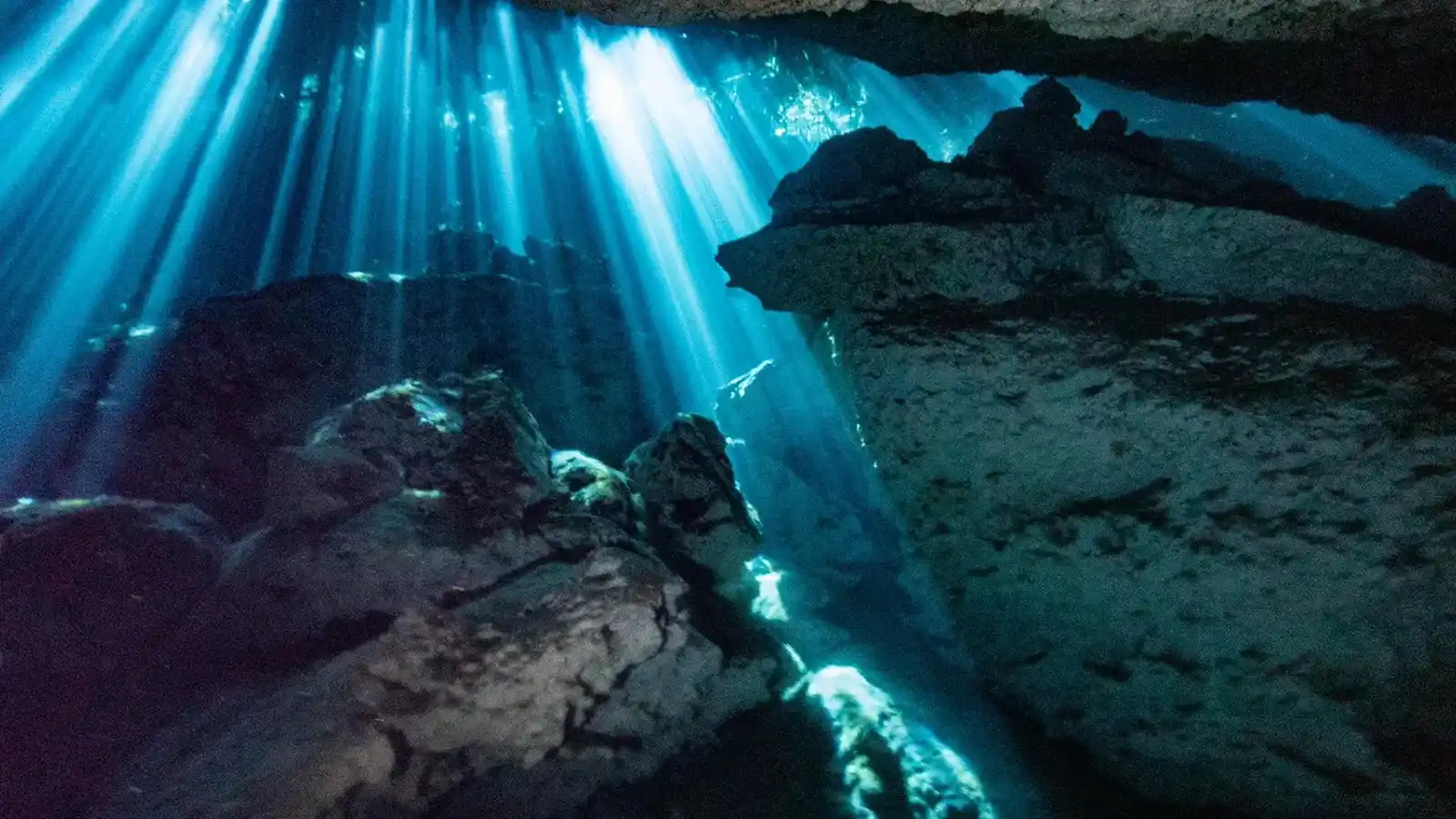
Nohoch Nah Chich is an extensive cave system with deep passages and long underwater tunnels. Advanced divers encounter challenging routes with remarkable stalactites and underground river systems.
11. Dreamgate
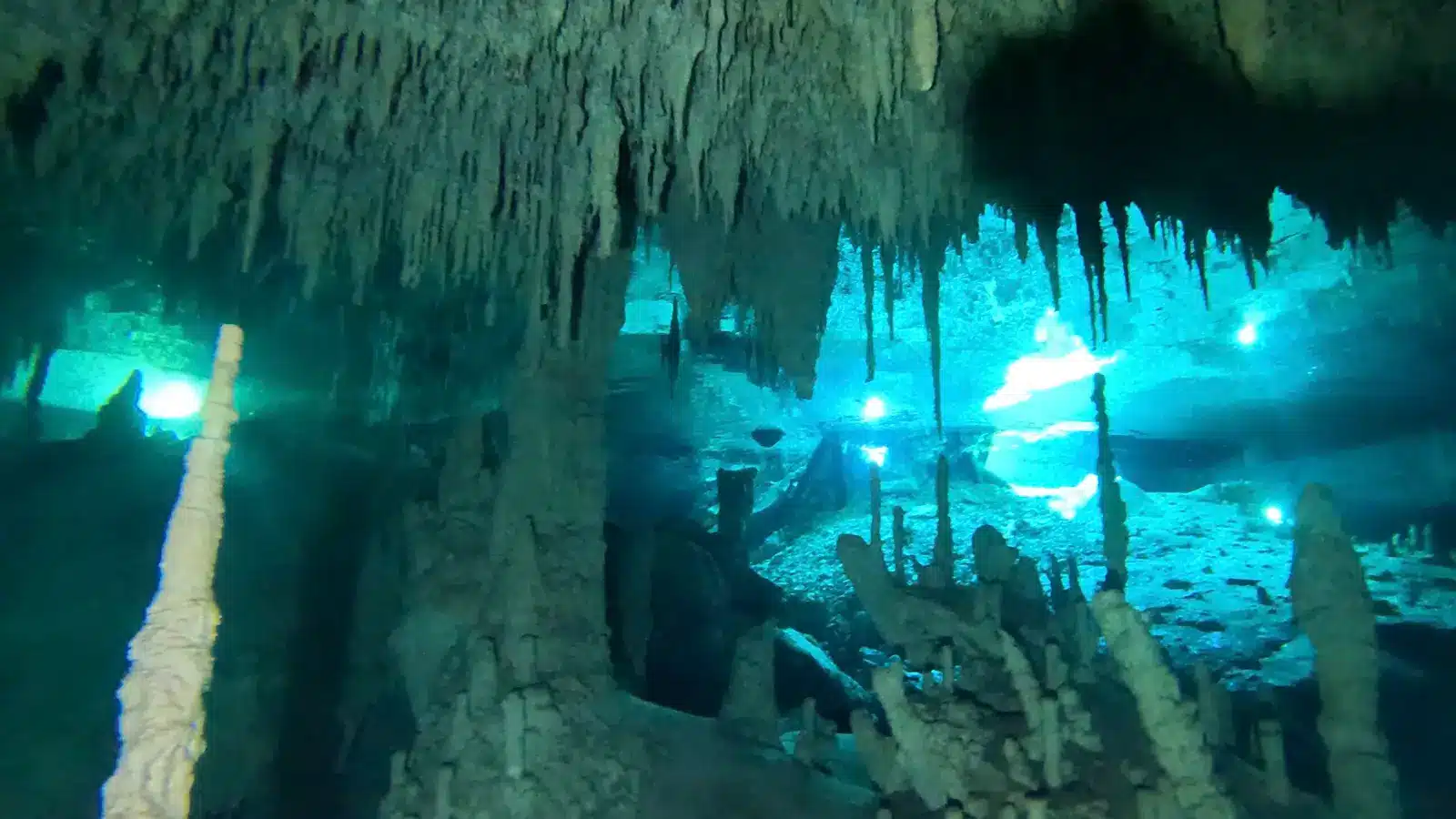
Dreamgate features an extraordinary density of stalactites and stalagmites inside narrow, beautifully decorated caverns. The setting demands precise buoyancy control and calm navigation, but rewards divers with an intricate, almost cathedral‑like underwater world unlike most other cenotes.
Deep cenotes provide intense diving experiences with unique geological effects, rewarding skilled divers prepared for challenging underwater conditions and significant depths.
Cenotes with Most Dramatic Formations
These visually spectacular cenotes showcase intricate stalactites and stalagmites, with dramatic lighting that creates remarkable underwater scenery.
12. Nautilus
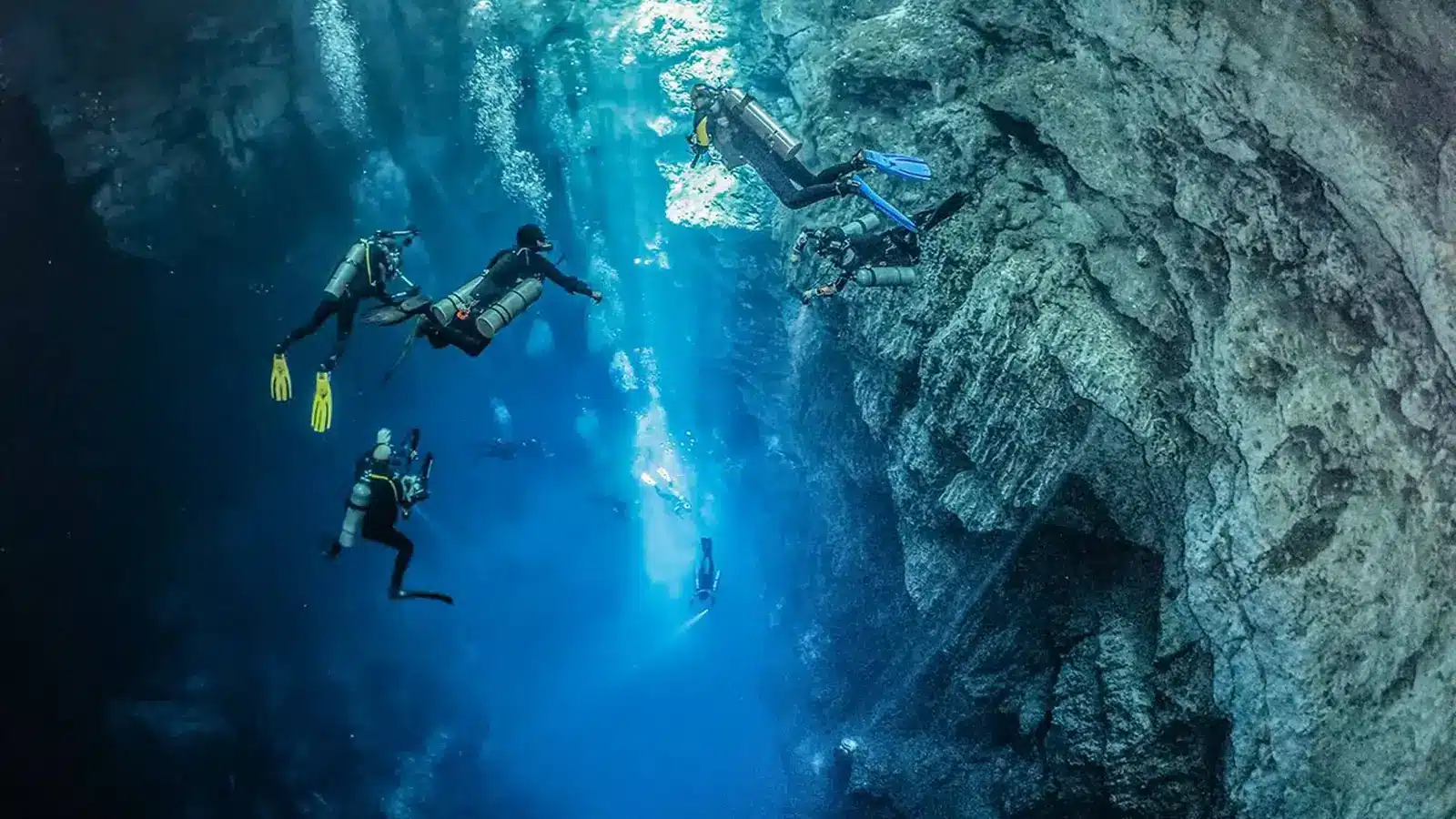
Nautilus is filled with dense stalactites and intricate limestone formations. Its dramatic shapes and shafts of sunlight create a visually immersive, almost cathedral-like environment, ideal for photography and leisurely observation.
13. Zapote
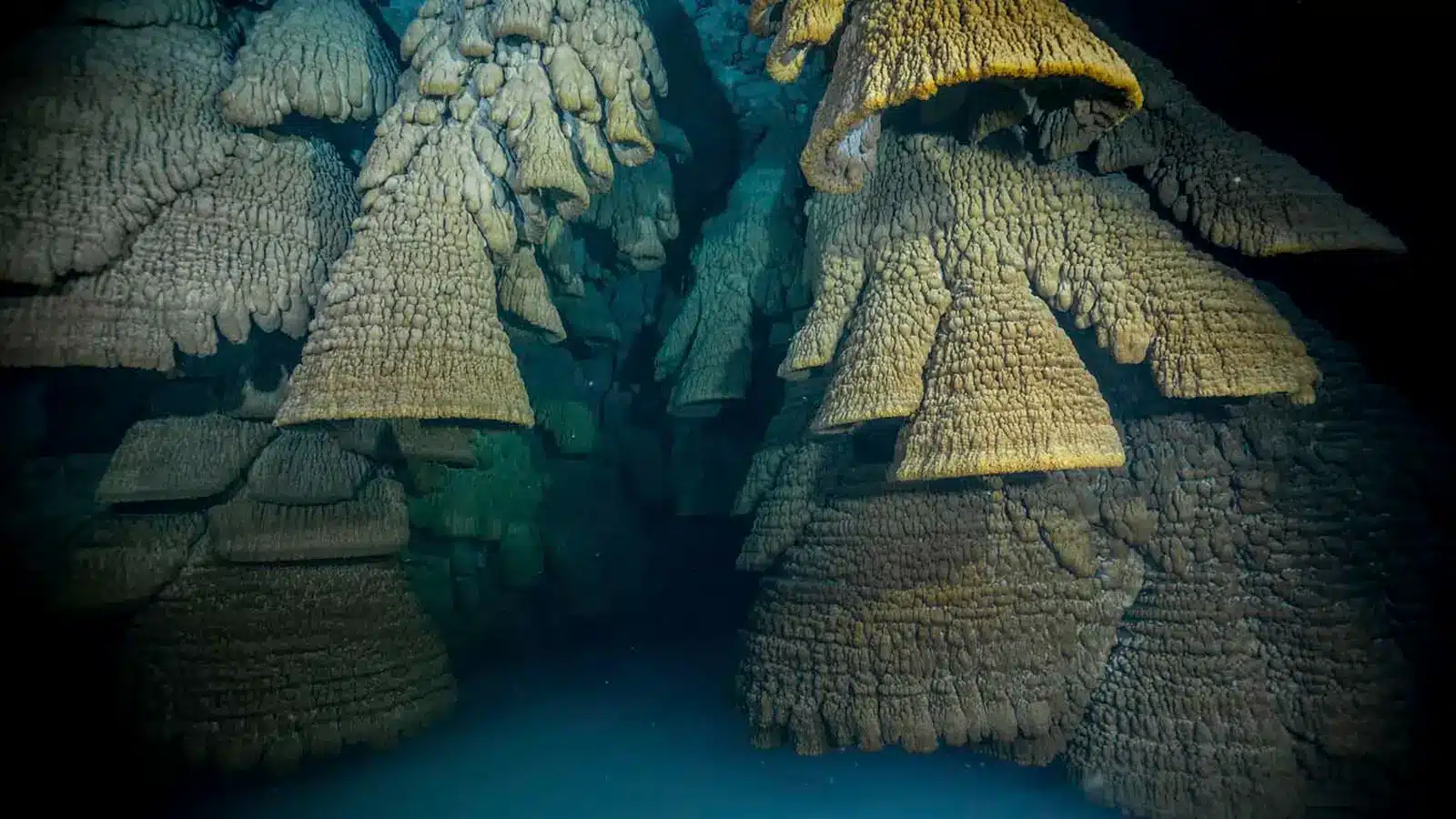
Zapote is known for its “Hell’s Bells,” bell-shaped formations rising from the bottom. Divers experience a surreal underwater landscape with shallow to mid-depth passages surrounded by unusual, photogenic structures.
14. Kukulkan
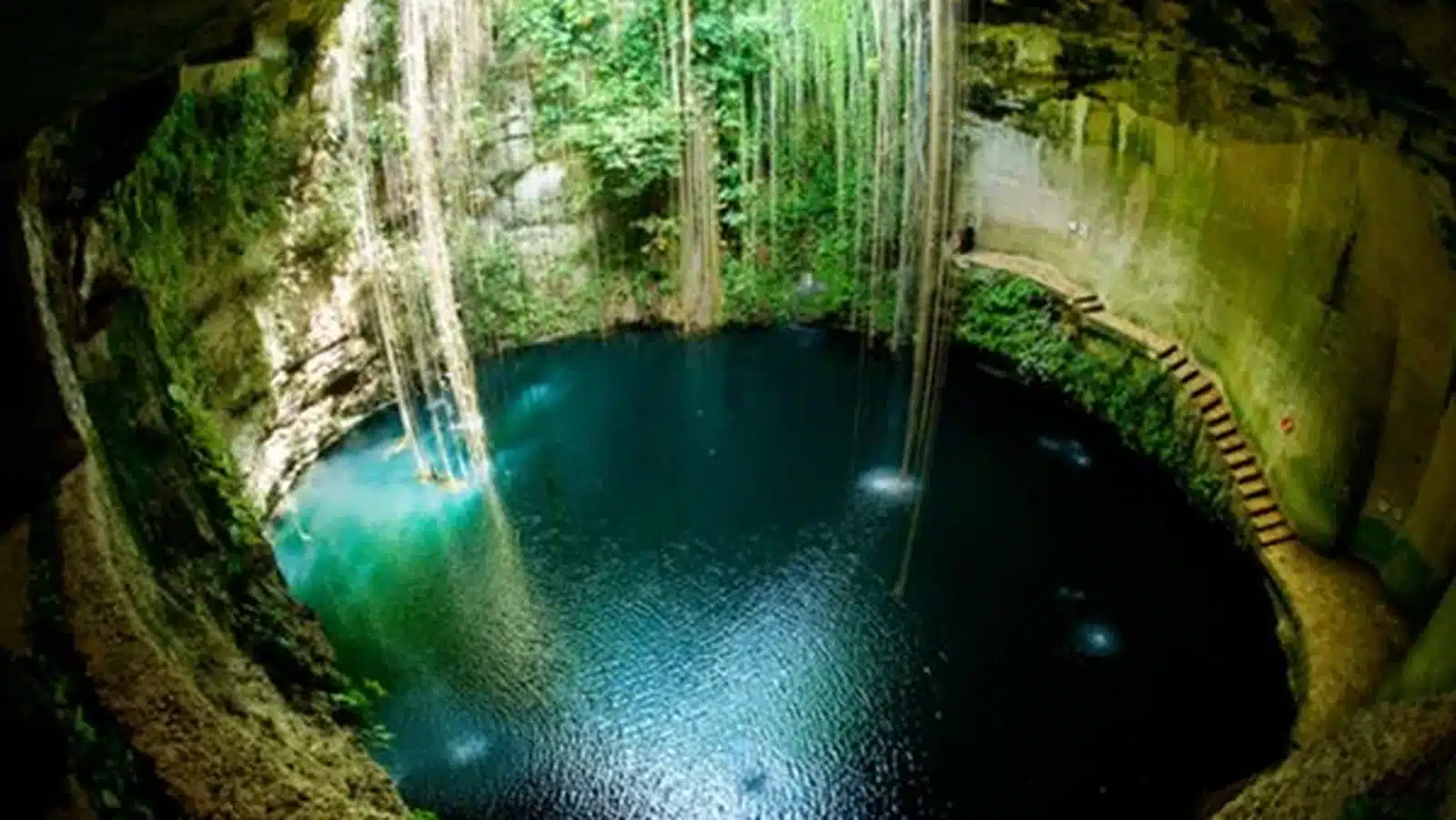
Kukulkan features long, decorated cavern corridors with extensive stalactites and light effects. The combination of geological structures and natural illumination provides divers with both experience and stunning visual appeal.
15. Chac Mool
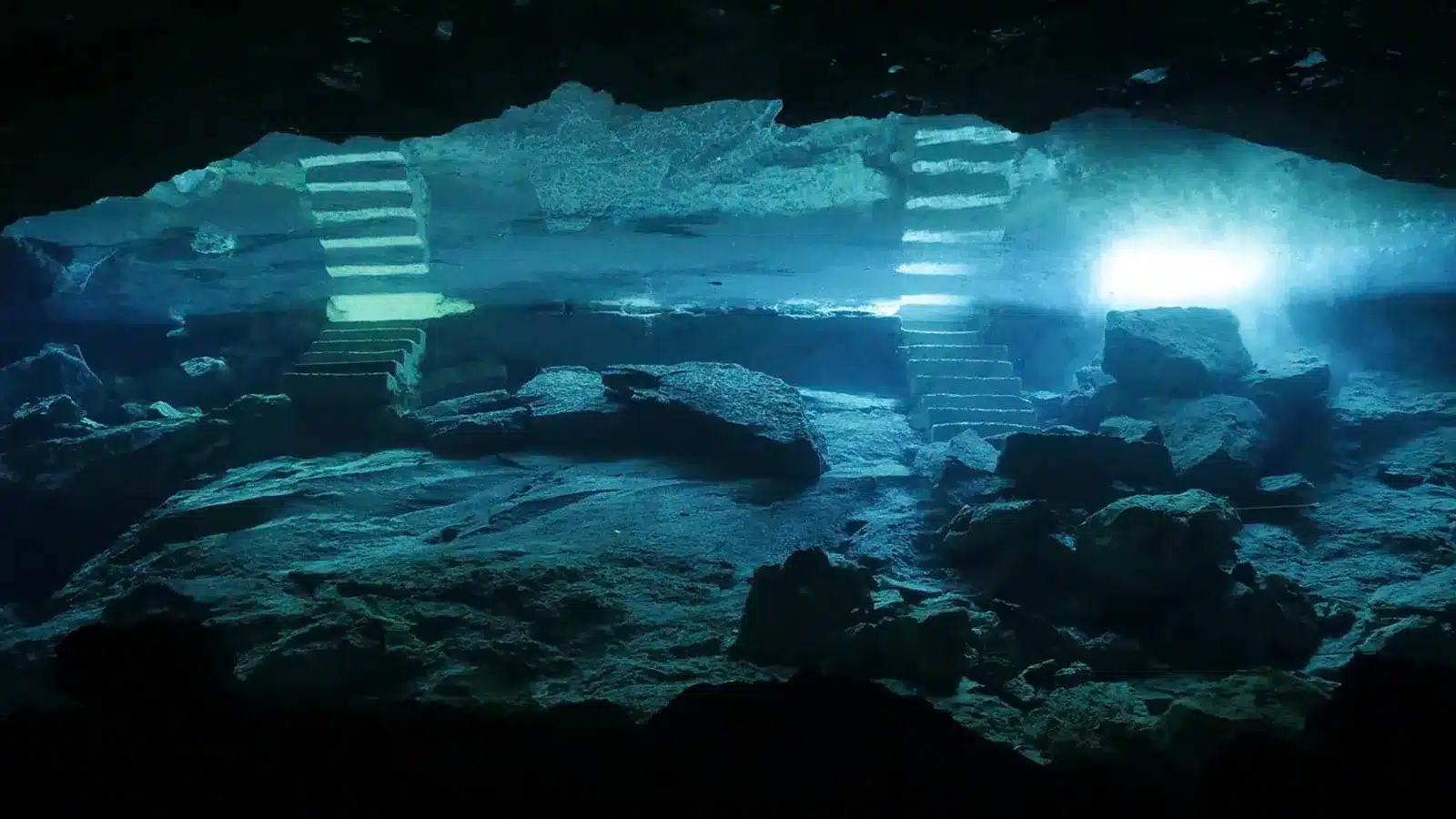
Chac Mool offers wide chambers with impressive formations, and sunlight beams piercing the water. Its scenic beauty and open spaces make it ideal for photographing and appreciating cenote landscapes underwater.
16. Cenote Esqueleto
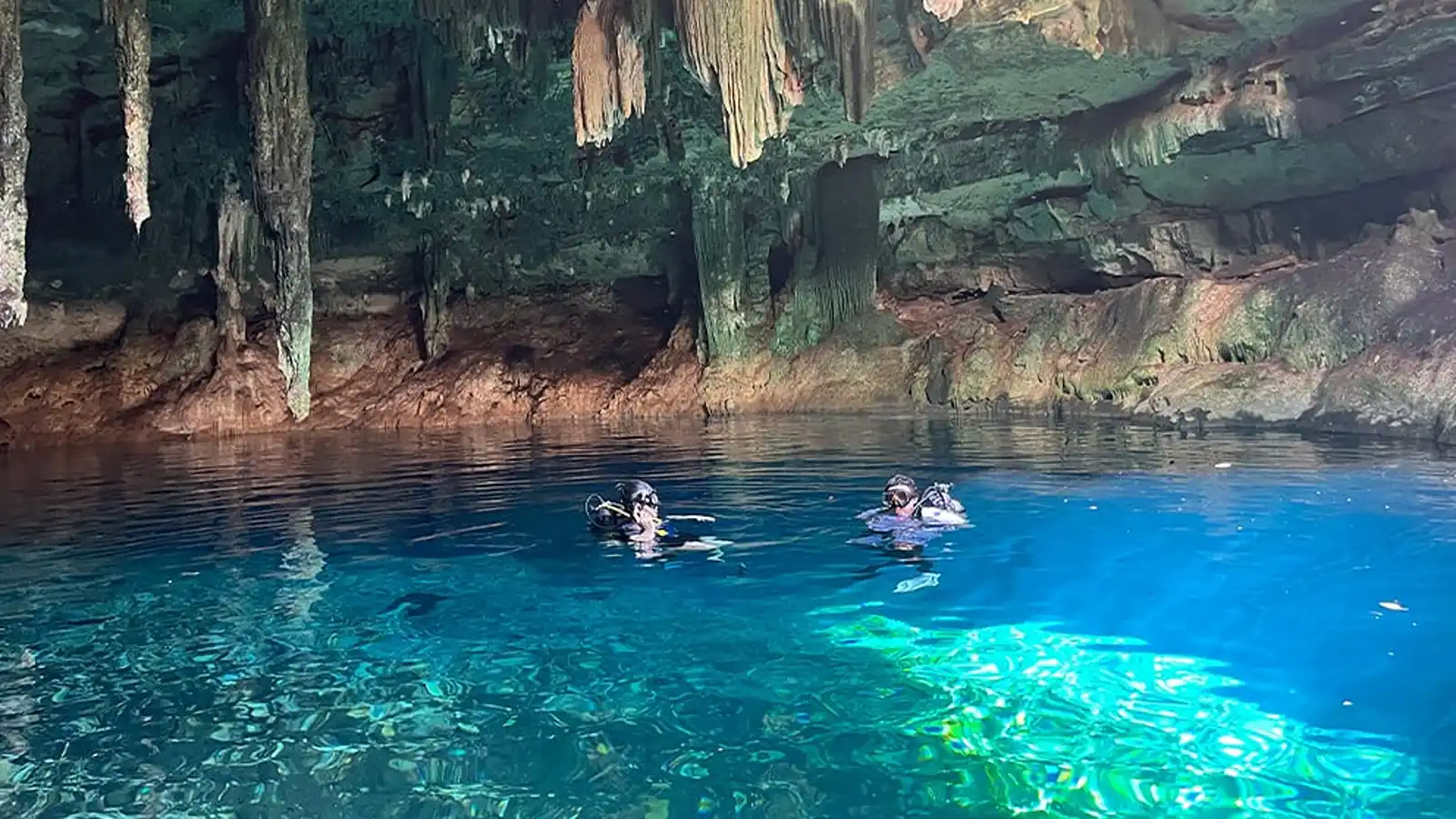
Cenote Esqueleto features skeleton-like stalagmites and dramatic light shafts, creating a surreal, decorated cavern. Its photogenic formations appeal to divers seeking visually striking underwater environments.
17. Cristalino
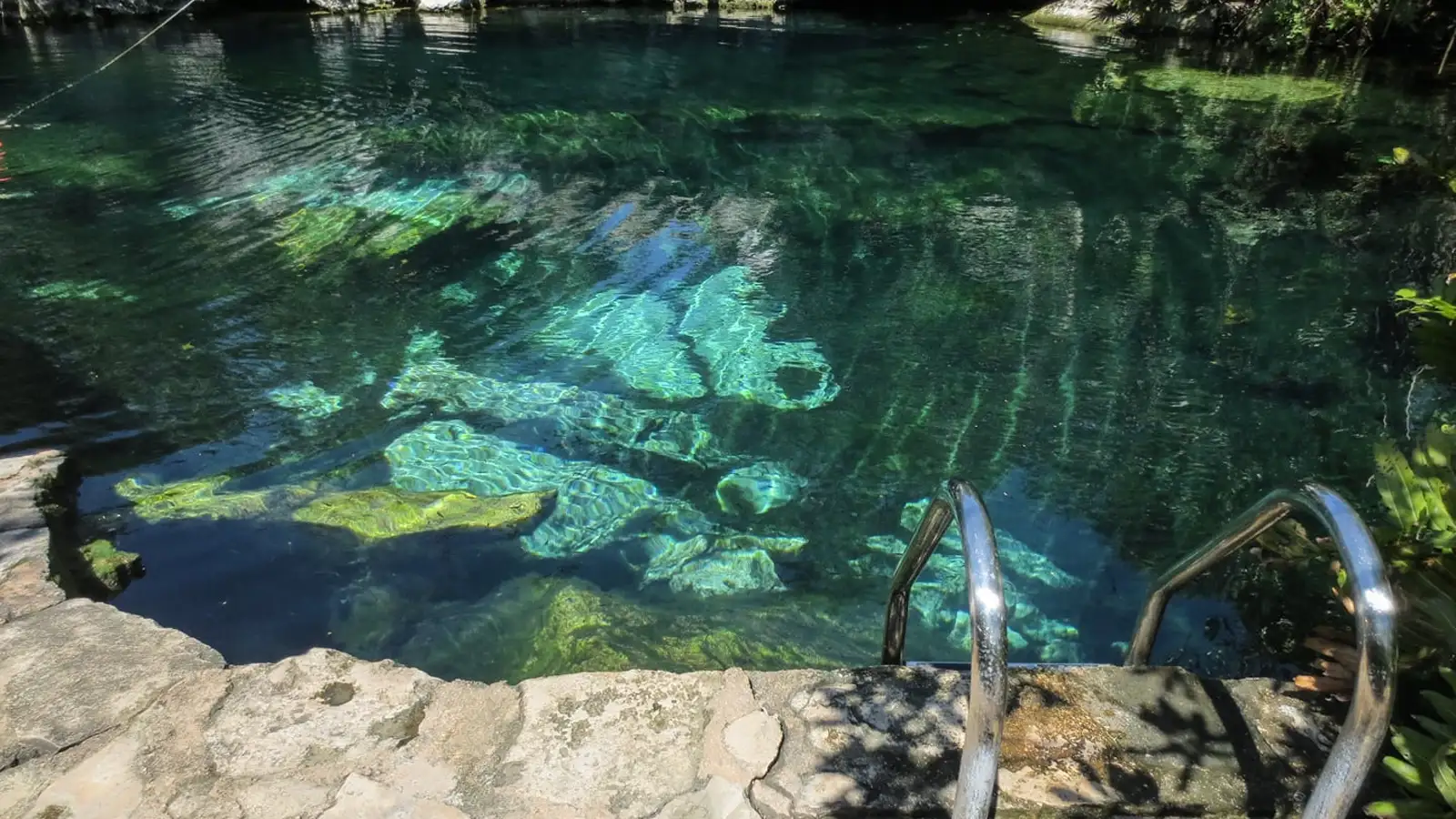
Cristalino enchants with its luminous turquoise water and gentle cavern zones. The peaceful atmosphere and picturesque surroundings offer both scenic appeal and accessible diving conditions for recreational divers seeking a memorable cenote experience.
Decorated cenotes combine extraordinary formations and light effects, offering divers an unforgettable experience of awe-inspiring natural beauty.
What Level Do You Need to Go Diving in Cenotes?
Cenote scuba diving requires proper certification and experience. Different cenotes demand varying skill levels to ensure safety and enjoyable dives.
- Open Water Certification: Most beginner-friendly cavern dives require a minimum Open Water certification. This allows divers to safely navigate well-lit cenote passages.
- Advanced Open Water: Recommended for deeper or more challenging cenotes like The Pit and Angelita, where dives exceed basic depths.
- Cave Certification: Technical cave dives beyond the natural light zone require specialized certifications such as PADI or NAUI Cave Diver.
- Recreational Cavern Diving: Even experienced divers often stay in light-accessible zones, balancing safety with the opportunity to see stunning formations.
Matching your skill level to the cenote’s depth and complexity ensures safe, enjoyable dives while experiencing the unique underwater beauty.
Difference Between Cenote and Cave Diving
Cenote diving and cave diving are often confused, but they differ in depth, lighting, and skill requirements, helping divers select appropriate experiences.
Cenote or cavern dives take place in overhead environments where natural light is visible, and exits are easily accessible, making them ideal for recreational divers.
Cave dives extend beyond the light zone, with no direct surface access, requiring advanced training, specialized equipment, and redundant safety systems.
Most tourist dives stay in light-accessible cavern zones, offering spectacular scenery while maintaining safety. Understanding these differences ensures divers enjoy cenotes suited to their certification and experience.
What to Expect on a Cenote Scuba Diving Trip
A cenote dive day combines planning, safety, and experience, giving divers a structured yet memorable experience beneath Mexico’s unique freshwater sinkholes.
- Hotel Pickup and Transfer: Guests are picked up from their accommodations and transported to cenote dive sites, often allowing for multiple dives per day.
- Dive Briefings: Safety instructions, local conditions, and dive plans are explained thoroughly before entering the water.
- Gear Setup: Divers prepare equipment with assistance from certified instructors familiar with each cenote’s specific conditions.
- Cavern Dives: Most dives remain within natural light zones, allowing safe navigation while experiencing the stunning underwater scenery.
- Multiple Dives: Typically two dives per day, exploring diverse passages, formations, and haloclines unique to each cenote.
Structured days, expert support, and scenic underwater environments ensure a safe, enjoyable, and unforgettable cenote diving experience.
How to Book Cenote Diving (Tours & Services)
Consider these reputable operators when planning your cenote dives. Booking a cenote dive ensures a safe, memorable experience with certified guides and proper gear.
- The Cenote Guy: Offers tailored cenote scuba-diving tours out of Playa del Carmen and Tulum, with flexible site selection and transparent pricing for certified divers.
- Mexidivers Tulum: A long‑established dive center on Tulum Beach offering daily cenote dives (Dos Ojos, The Pit, Casa Cenote), reef dives, and PADI training.
- Diving Cenotes Playa & Tulum: Offers PADI‑certified cenote scuba diving experiences in both Playa del Carmen and Tulum for divers of varying skill levels.
- Scuba Tulum: Based near Dos Ojos cenotes with daily cenote dives and experienced local guides for cavern and scenic dives.
Book in advance, confirm certifications and included services, and read reviews to ensure a safe, enjoyable, and seamless cenote scuba-diving experience.
Pro Tip: always Verify All Deliverables and Dive Requirements Before Booking.
Best Time to Go & Seasonal Tips
Cenote conditions remain comfortable year-round due to steady groundwater temperatures and sheltered environments.
Visibility is excellent year-round due to underground limestone filtration. May–October (low season) offers thinner crowds, lower prices, and optimal sunlight angles for cenote photography.
Late fall to spring is peak tourist season with heavier crowds, though diving conditions remain good
Keep in mind that holidays and peak tourism periods can attract larger crowds, so plan your visit accordingly to enhance your experience.
Selecting quieter days or off-peak months allows divers to enjoy tranquil waters, optimal light, and safer, more enjoyable cenote scuba diving experiences.
Safety Tips & Guidelines
Following proper safety measures keeps divers safe, helps preserve delicate cenote environments, and ensures enjoyable, worry-free underwater experiences for divers of all skill levels.
- Dive with a Certified Guide: Always have a trained, certified guide to navigate safely and manage local cenote conditions effectively.
- Respect Cavern Boundaries: Stay within designated zones to avoid hazardous areas and minimize impact on fragile rock formations and ecosystems.
- Maintain Good Buoyancy: Control your buoyancy to avoid stirring up silt, which can reduce visibility and harm delicate underwater formations.
Adhering to safety practices protects both divers and cenotes, ensuring enjoyable, responsible, and memorable scuba diving experiences in these unique environments.
Final Takeaway
Cenote diving offers a truly unique scuba experience, blending crystal-clear waters, striking haloclines, and ancient limestone formations.
Mexico’s Riviera Maya provides diverse cenotes suitable for all skill levels, from calm beginner-friendly sites to deep, dramatic caverns. With the proper certification, adherence to safety practices, and respect for these fragile environments, every dive becomes memorable.
The combination of serene beauty, subtle challenges, and stunning underwater scenery leaves lasting impressions, making cenote diving an unforgettable experience for every certified diver.
Frequently Asked Questions
Can Children or Teenagers Dive Cenotes?
Most cenotes have minimum age requirements, typically 12–15 years old, depending on certification and dive operator policies.
Are Cenote Dives Suitable for Snorkelers?
Yes, some shallow cenotes allow snorkelers to enjoy clear waters, light beams, and formations without full scuba certification.
Do Cenote Dives Require Special Insurance?
While not mandatory, dive insurance covering cavern or cave diving is strongly recommended for added safety and peace of mind.
What Equipment Should I Bring Personally?
Divers should bring personal masks, wetsuits, dive computers, and flashlights; verify with the operator what is included versus what to bring.